Chess Worksheets for Ages 6-9 - Page 4
86 filtered results
-
From - To
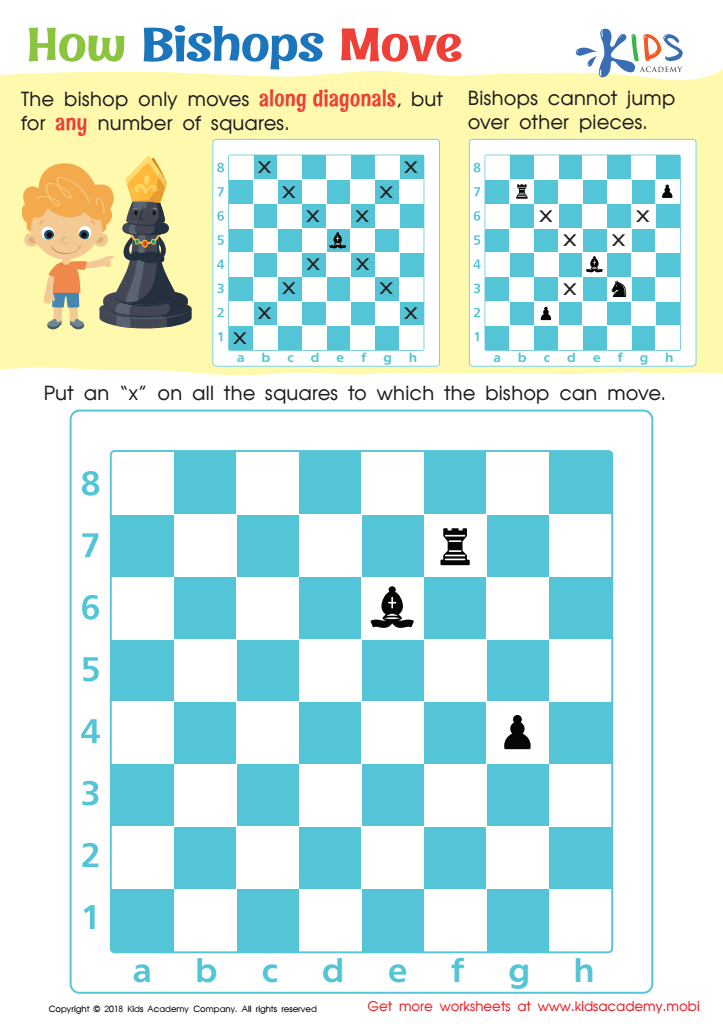
How Bishops Move Worksheet
 Assign to My Students
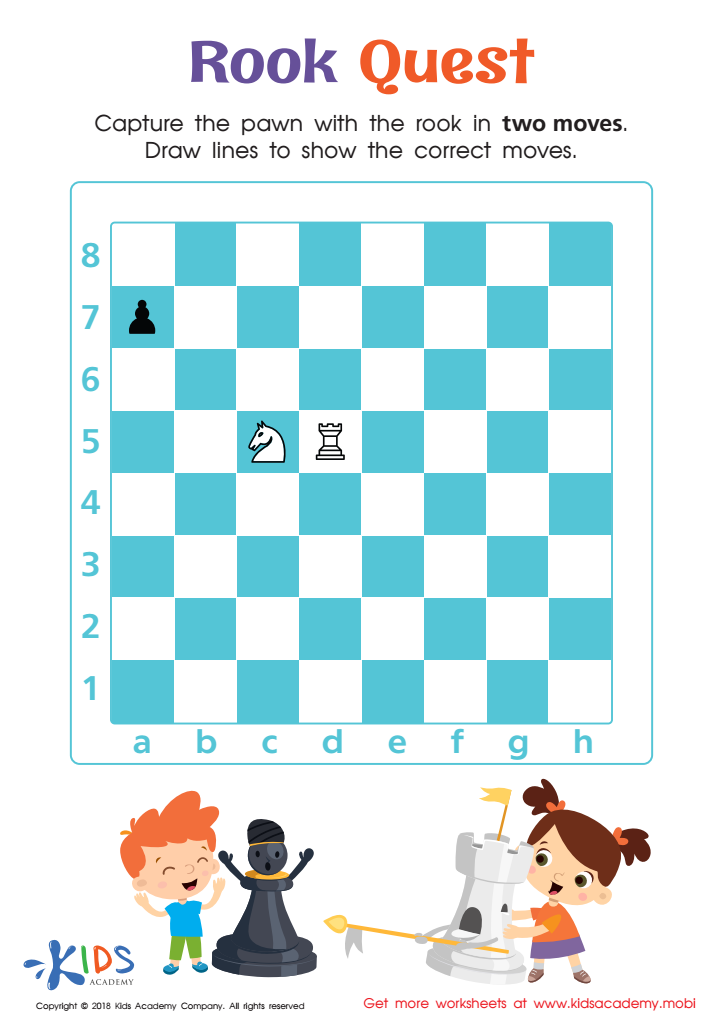
Rook Quest Worksheet
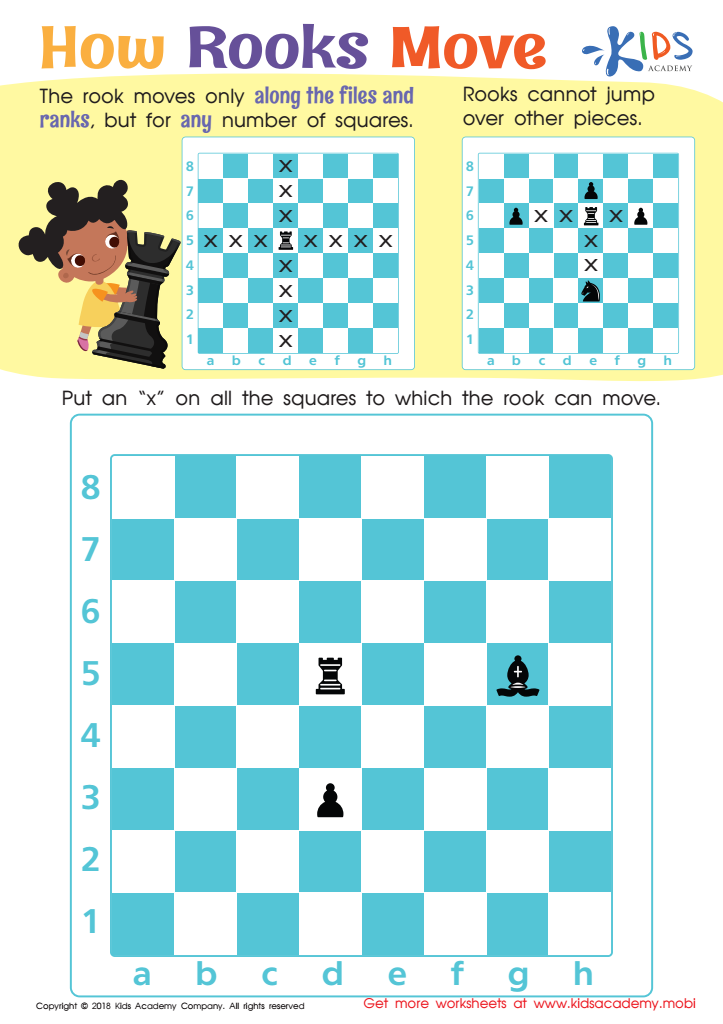
How Rooks Move Worksheet
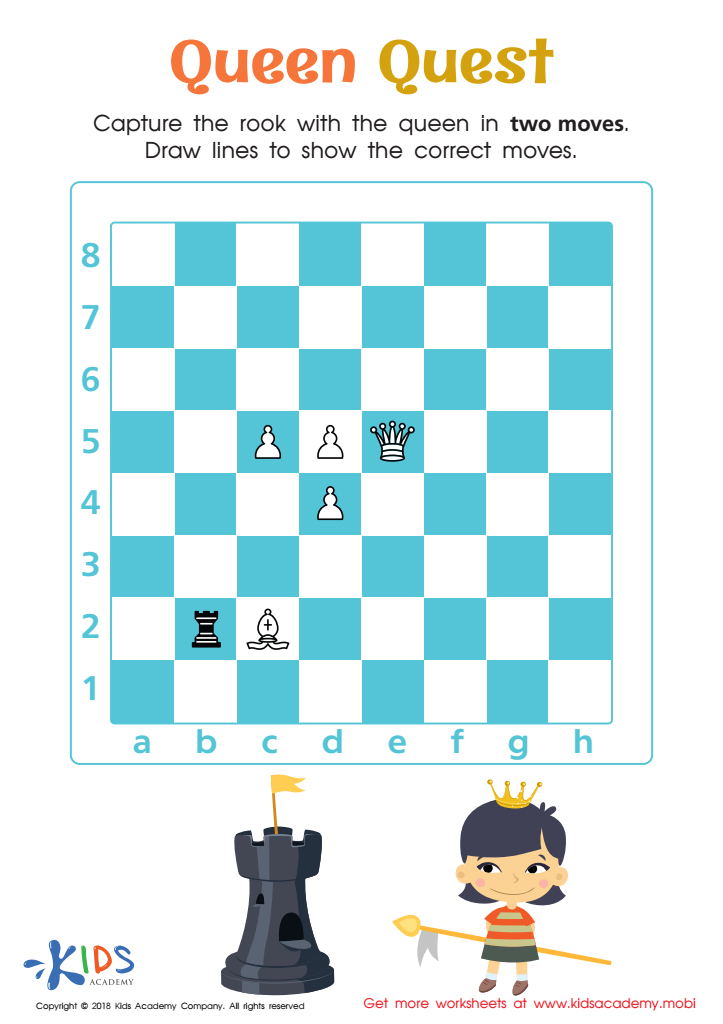
Queen Quest Worksheet
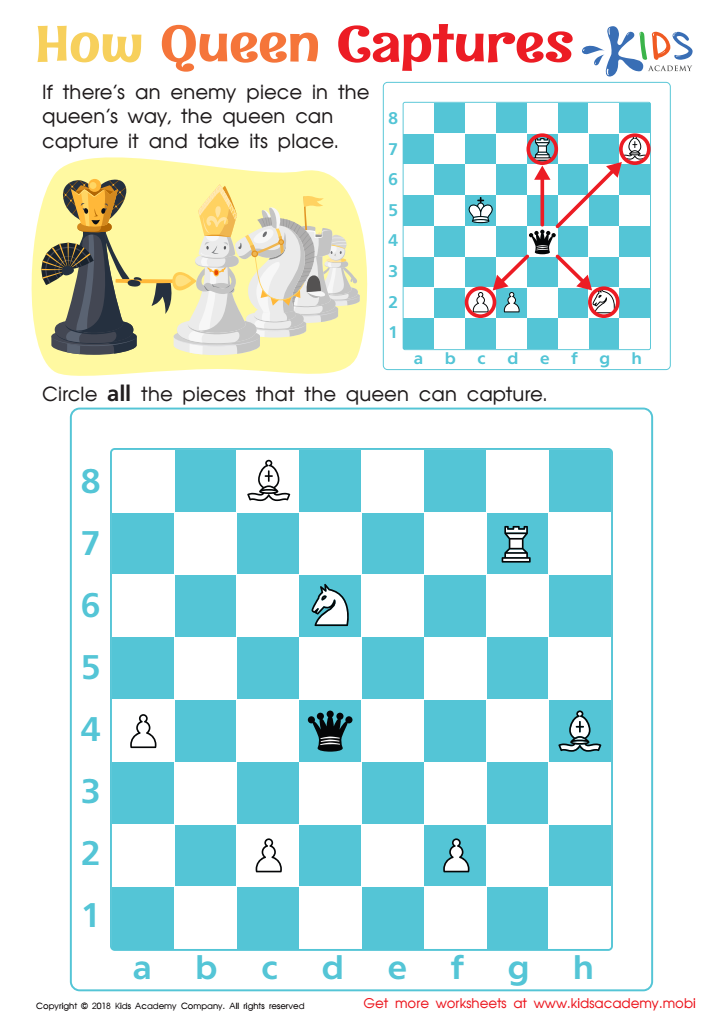
How Queen Captures Worksheet
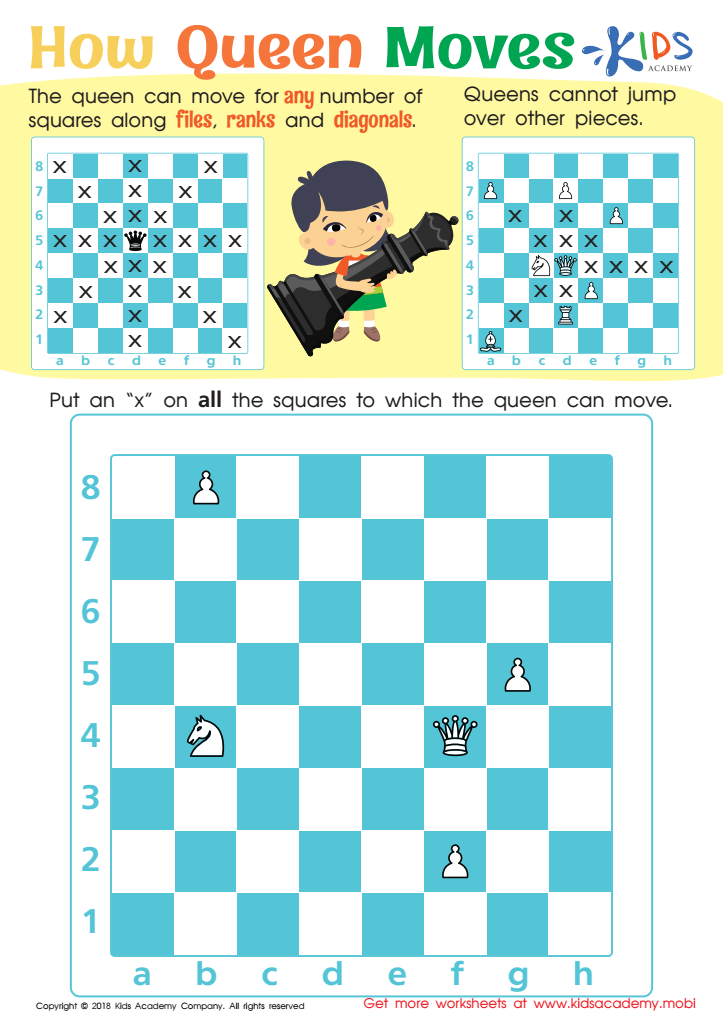
How Queen Moves Worksheet
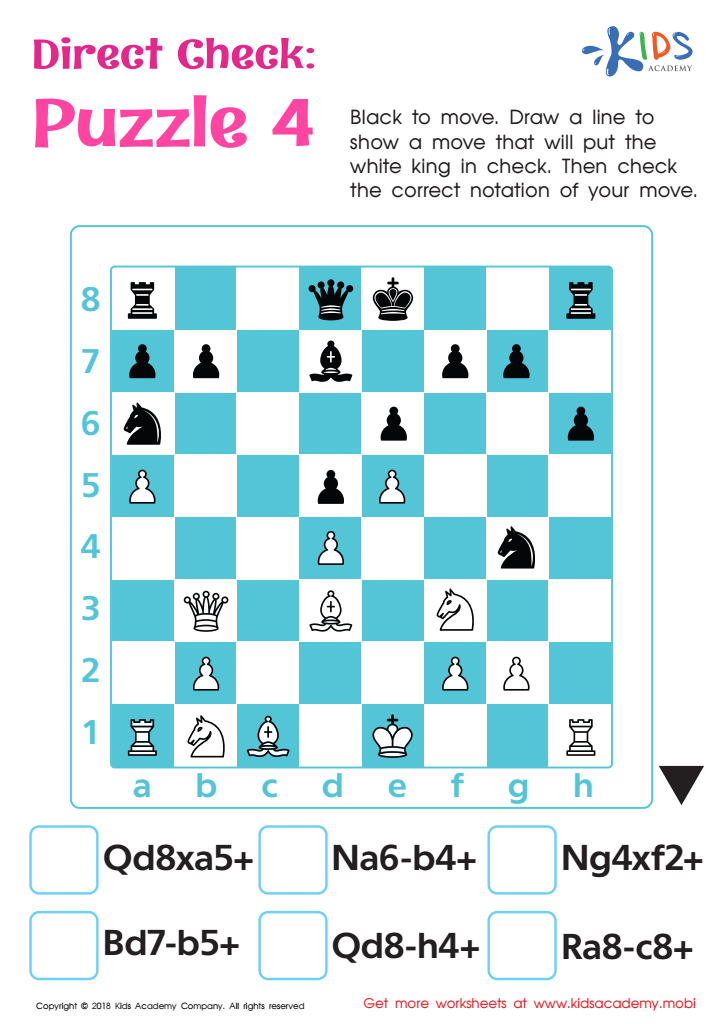
Direct Check: Puzzle 4 Worksheet
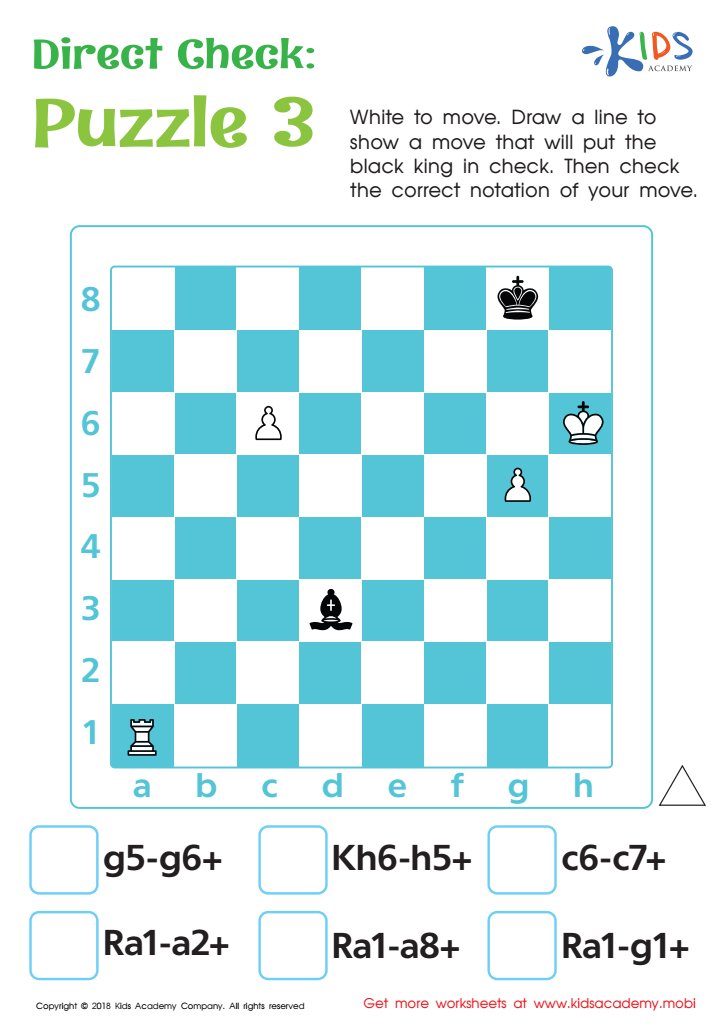
Direct Check: Puzzle 3 Worksheet
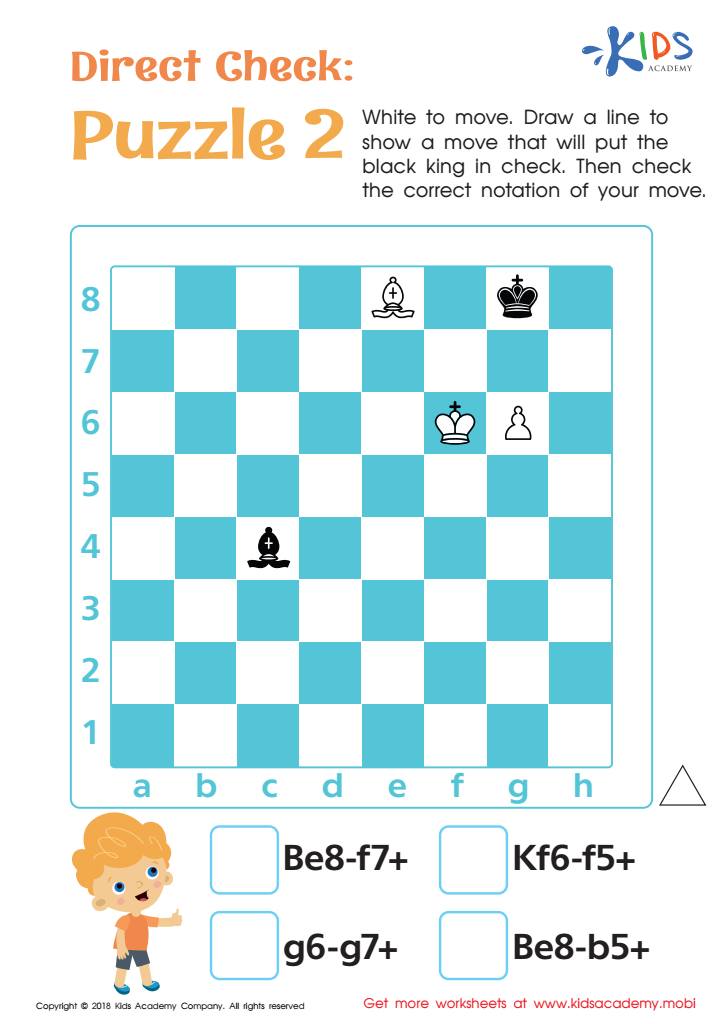
Direct Check: Puzzle 2 Worksheet
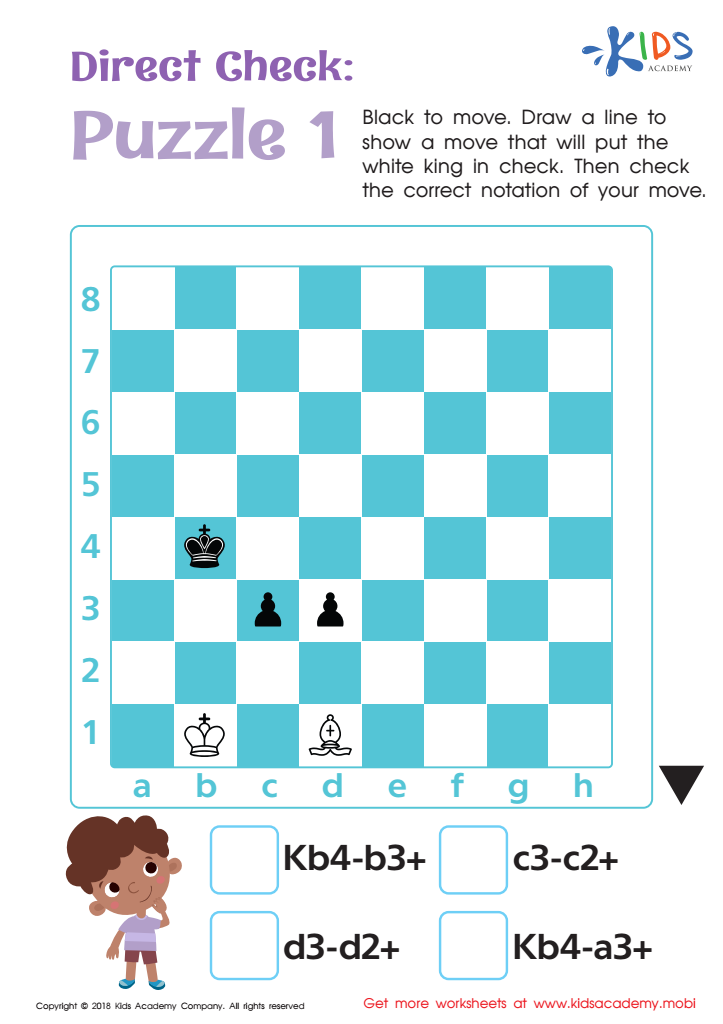
Direct Check: Puzzle 1 Worksheet
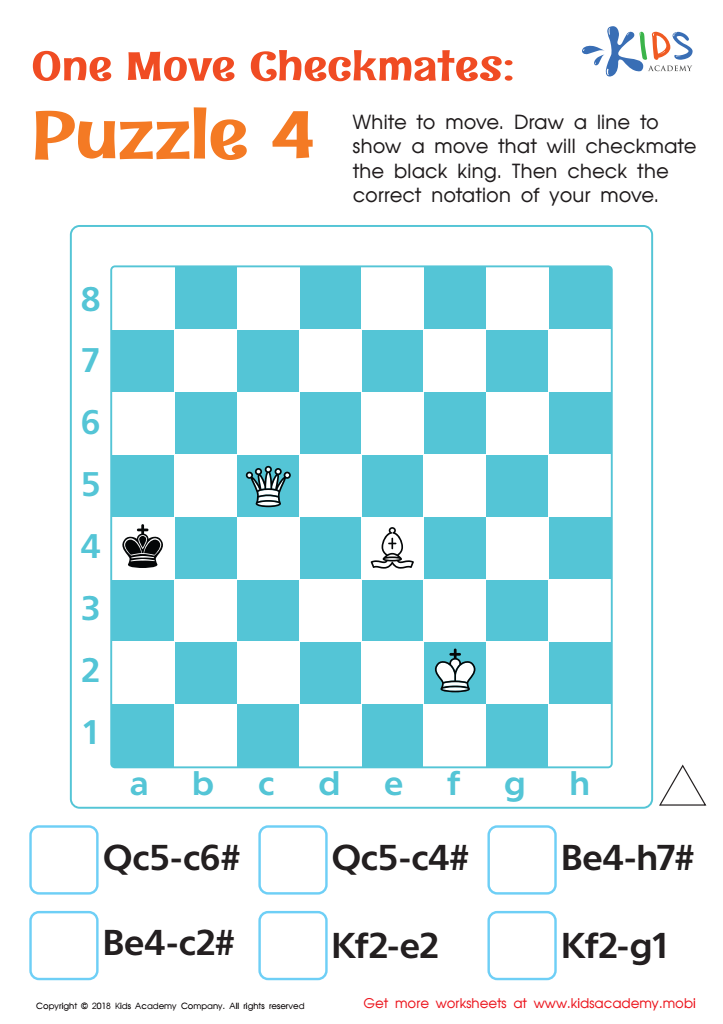
One Move Checkmates: Puzzle 4 Worksheet
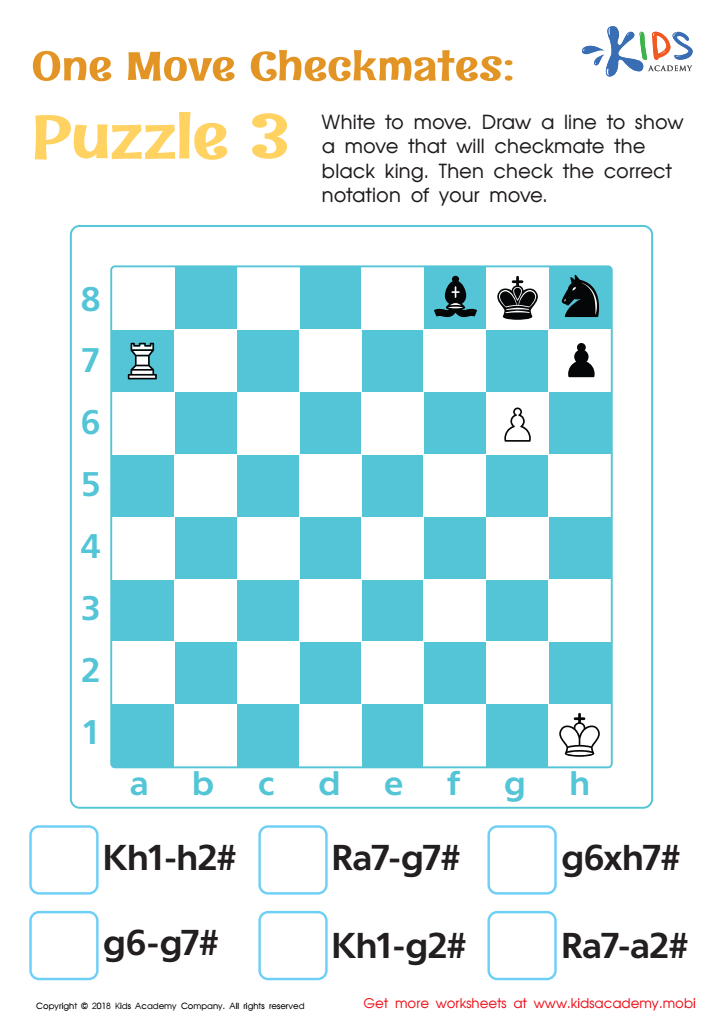
One Move Checkmates: Puzzle 3 Worksheet
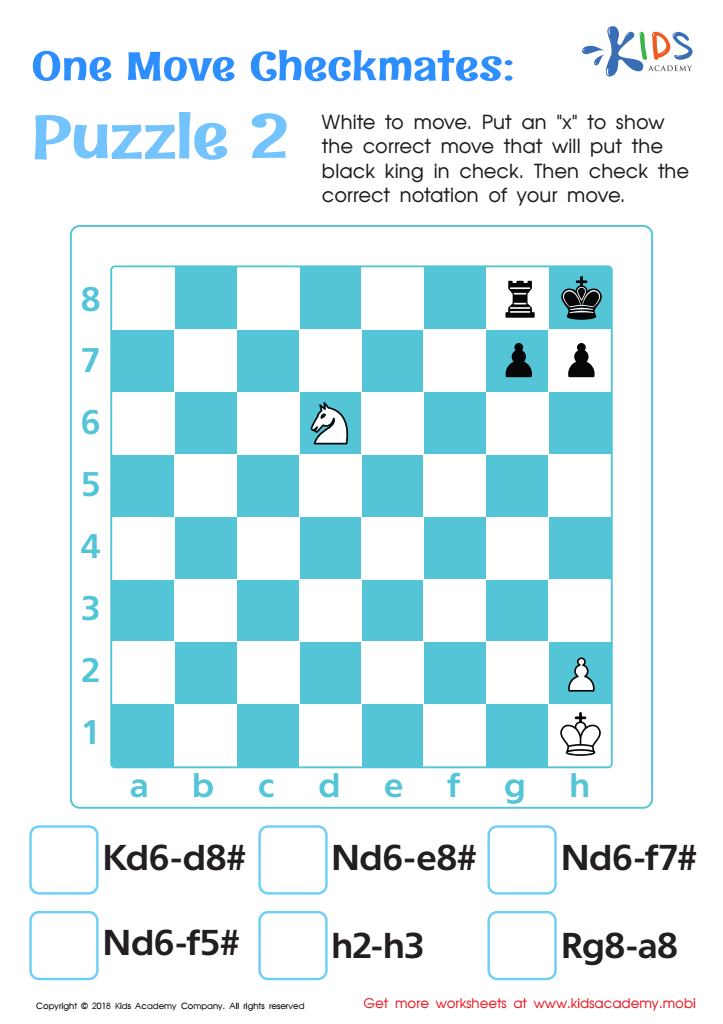
One Move Checkmates: Puzzle 2 Worksheet
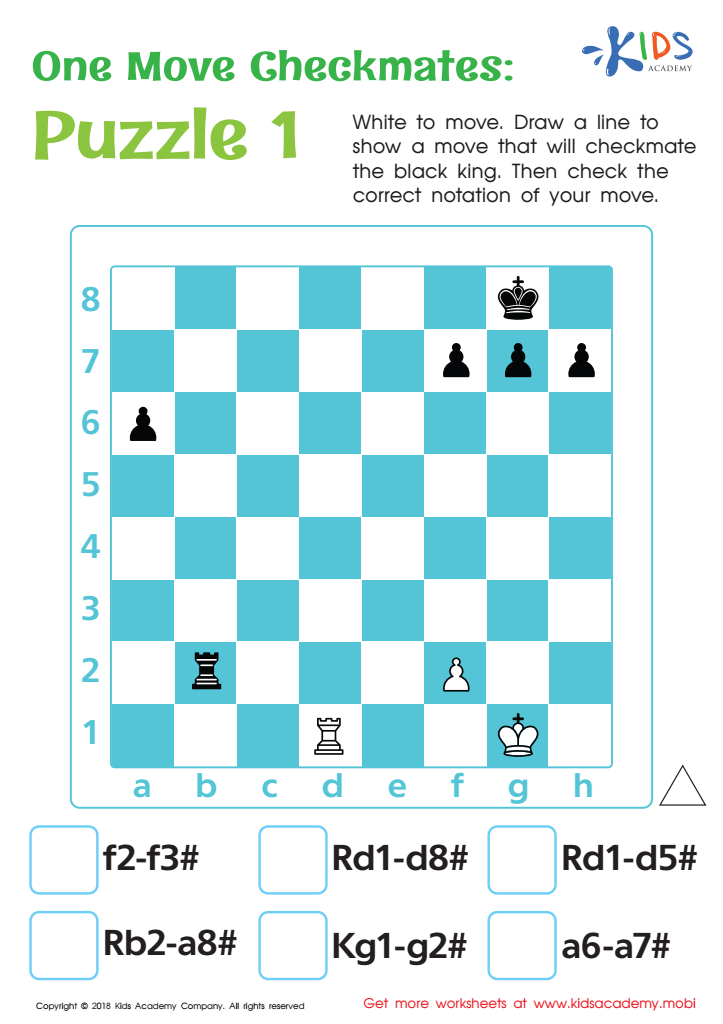
One Move Checkmates: Puzzle 1 Worksheet







Chess offers numerous benefits for children aged 6 to 9, making it an important activity for parents and teachers to embrace. Firstly, it enhances critical thinking skills. As children navigate through various scenarios on the chessboard, they learn to analyze situations, consider multiple perspectives, and make informed decisions. This strategic thinking extends beyond the game, improving their problem-solving abilities in academics and everyday life.
Furthermore, chess fosters patience and discipline. Young minds must learn to think ahead, balancing offense and defense. This cultivates perseverance, as children understand that success often requires time, practice, and even handling setbacks gracefully.
Moreover, chess promotes social skills. Playing the game allows children to engage with peers in a structured setting, encouraging respect, turn-taking, and sportsmanship. Additionally, it can build confidence as they develop skills and challenge themselves.
Finally, involving children in chess encourages a love for learning and intellectual curiosity. The complexity of the game can inspire young learners to explore math, strategy, and logical reasoning, laying a strong foundation for future academic success. By supporting chess in early education, parents and teachers can cultivate well-rounded individuals who thrive both on and off the board.