Comparing Numbers Worksheets for Ages 6-9 - Page 2
52 filtered results
-
From - To
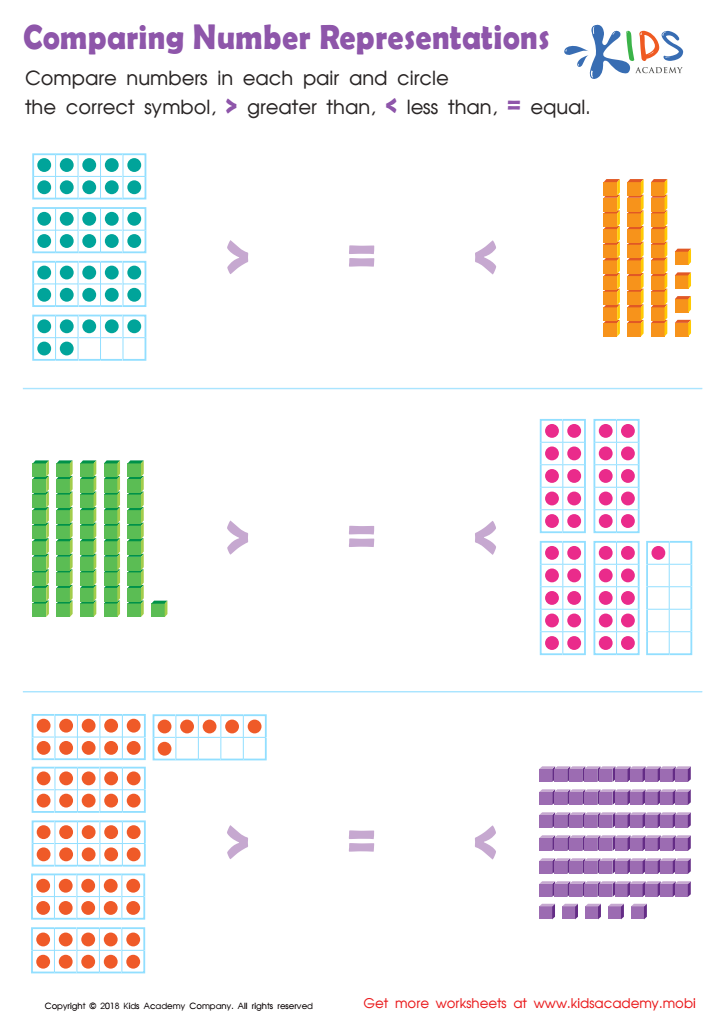
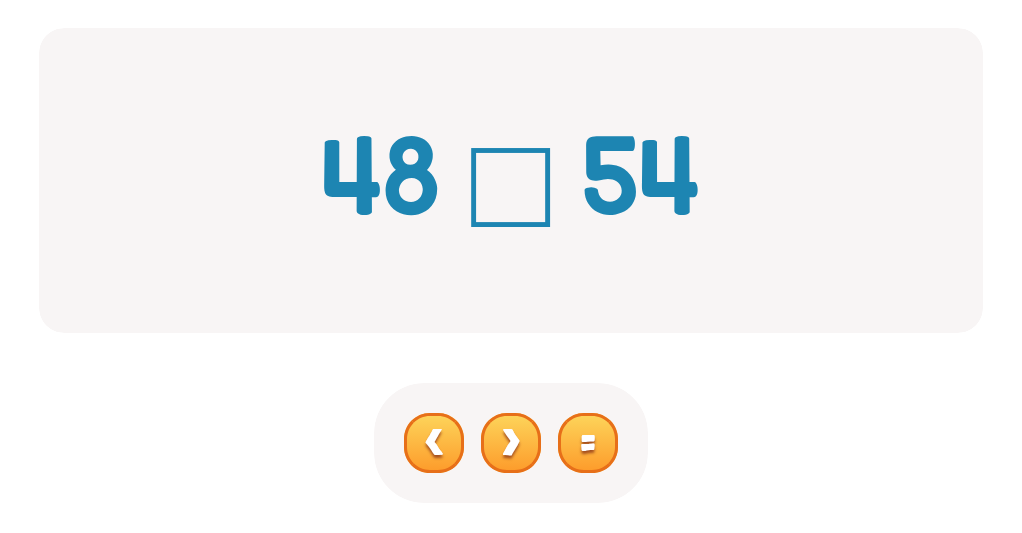
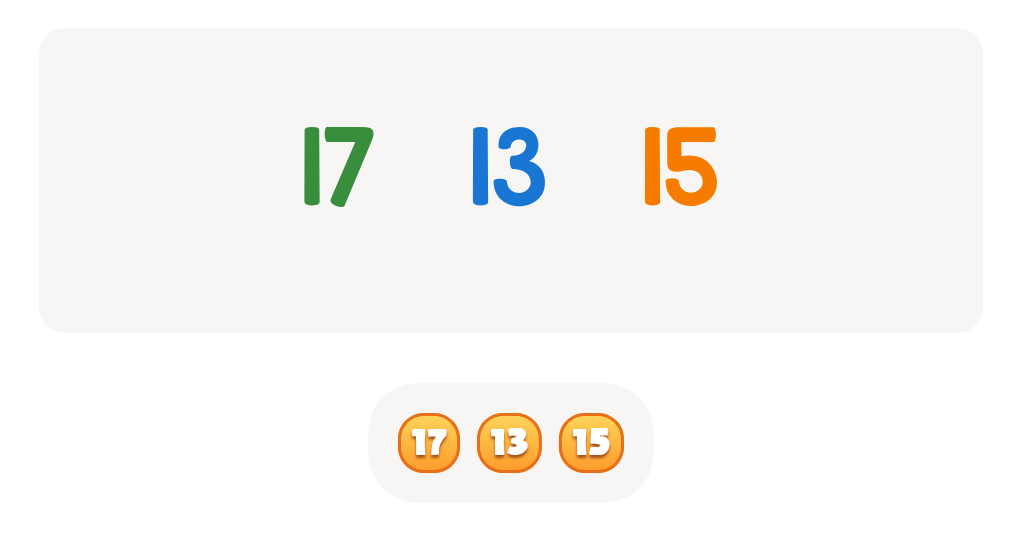
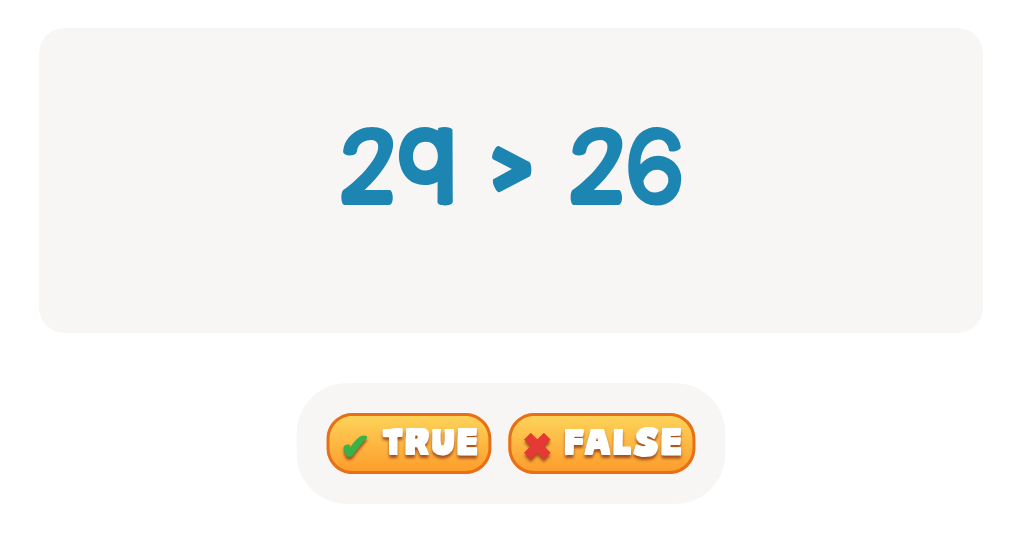
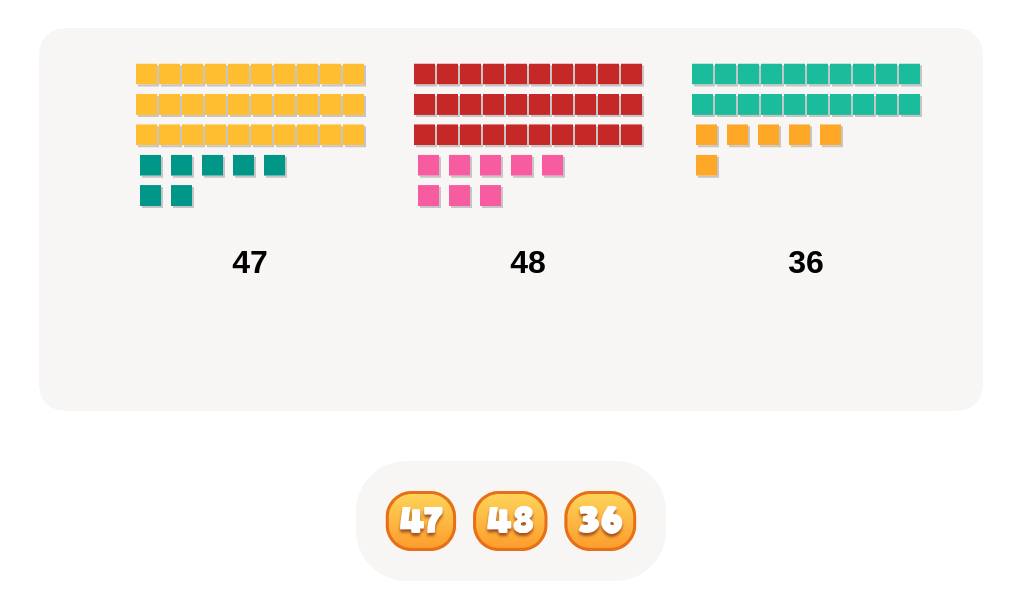
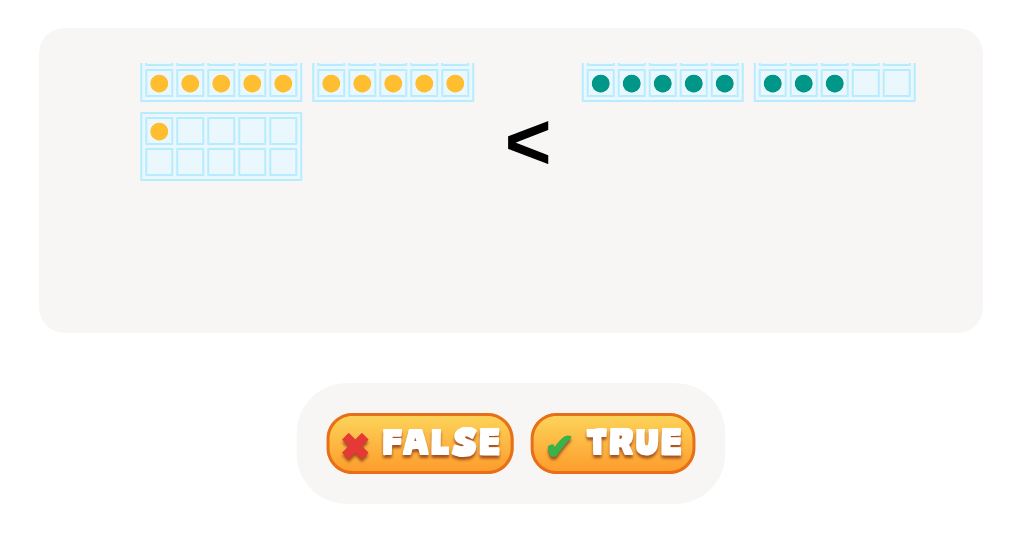
Comparing Number Representations Worksheet
 Assign to My Students
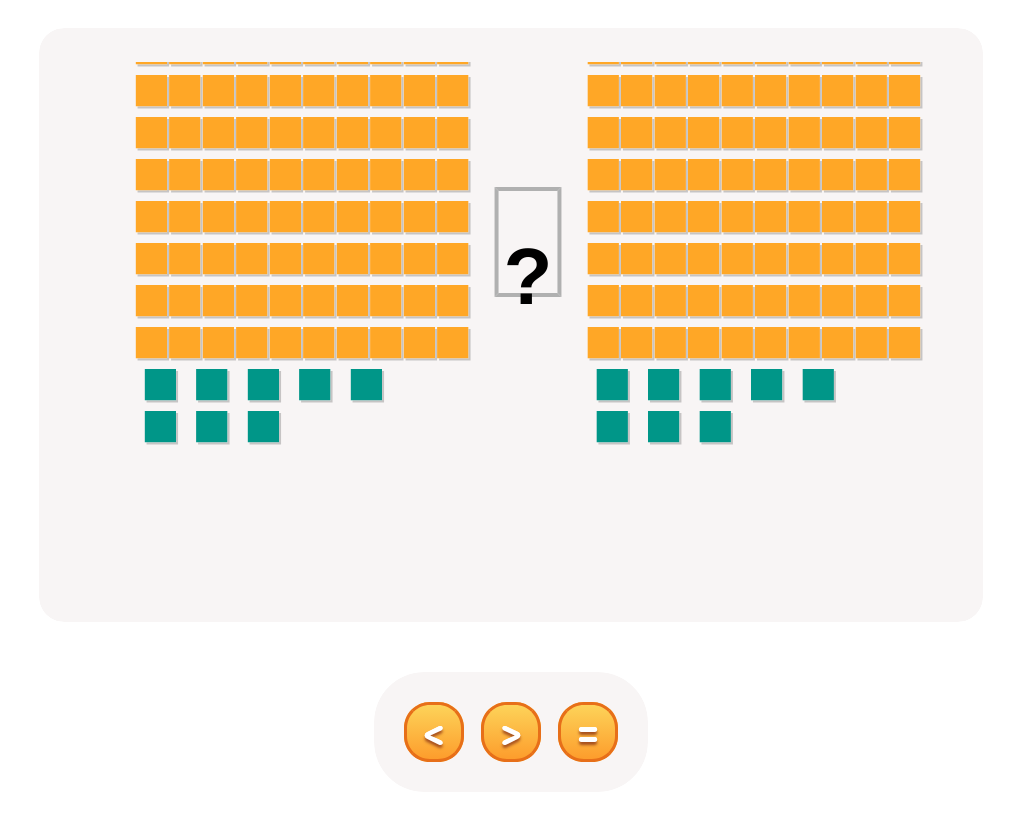

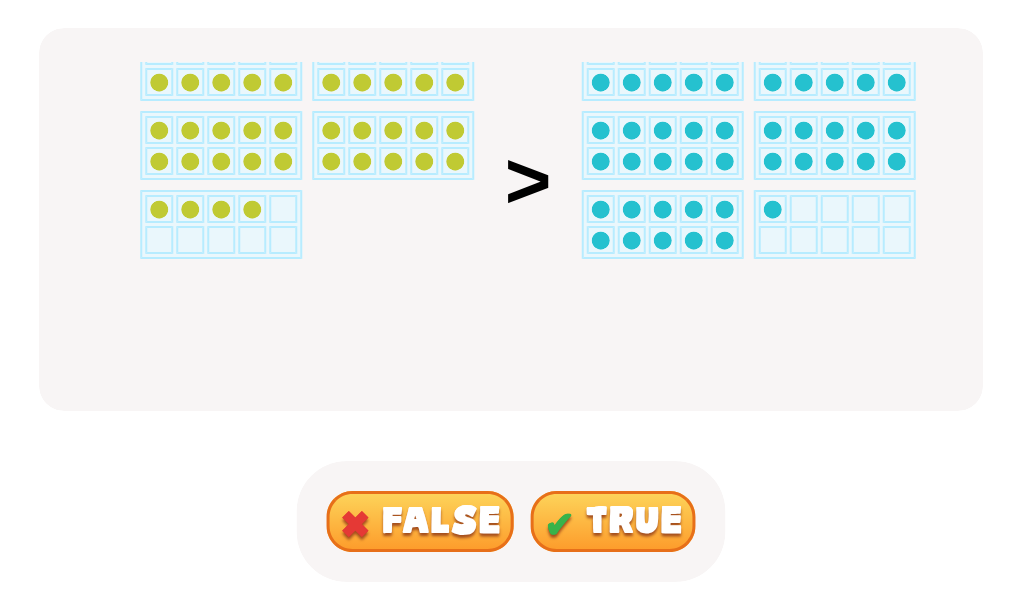
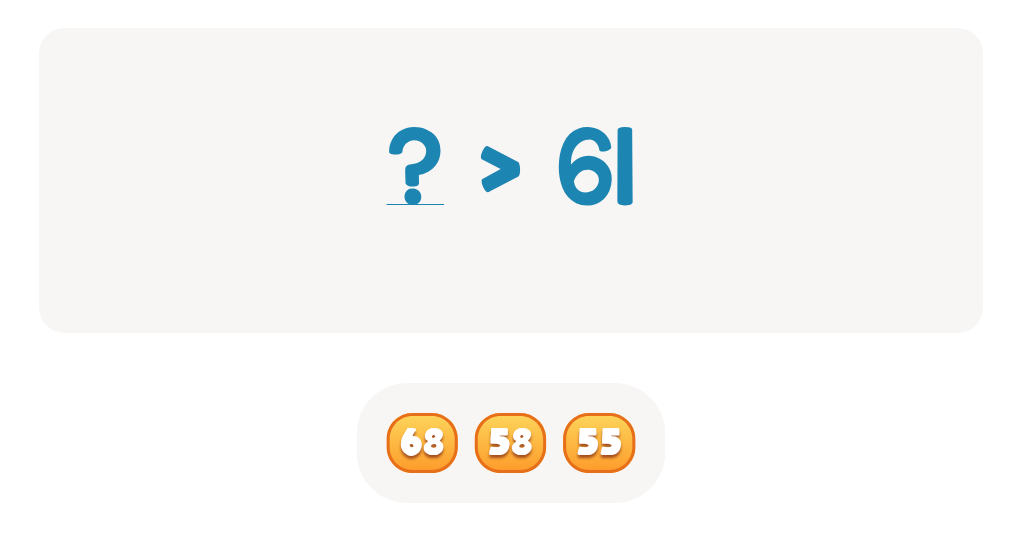
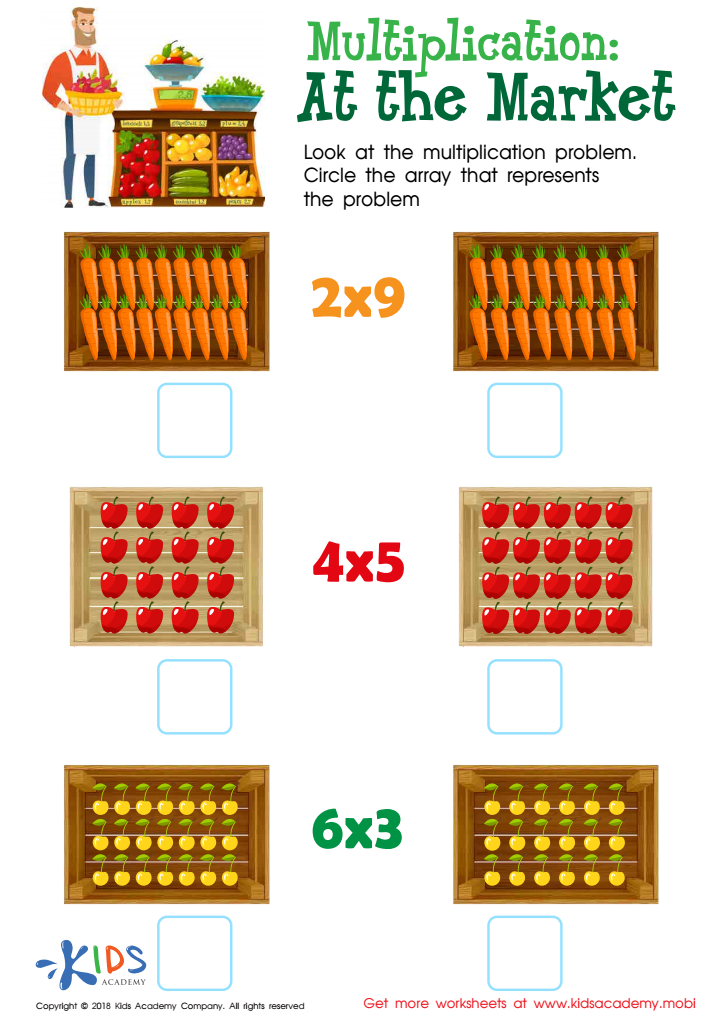
At the Market Worksheet
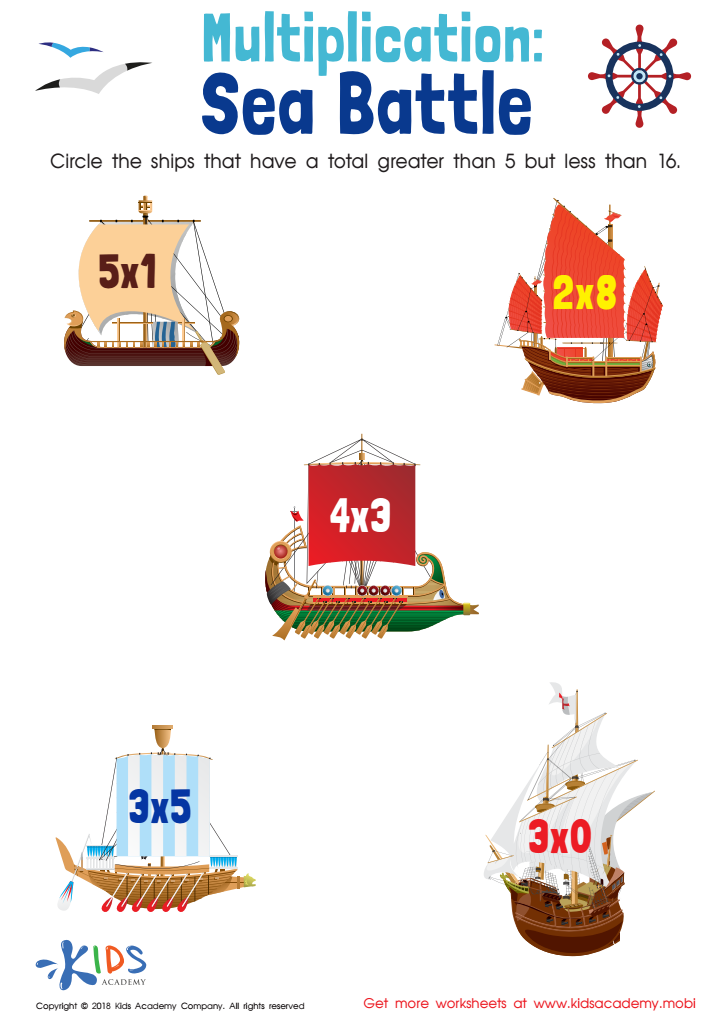
Sea Battle: Multiplication Worksheet
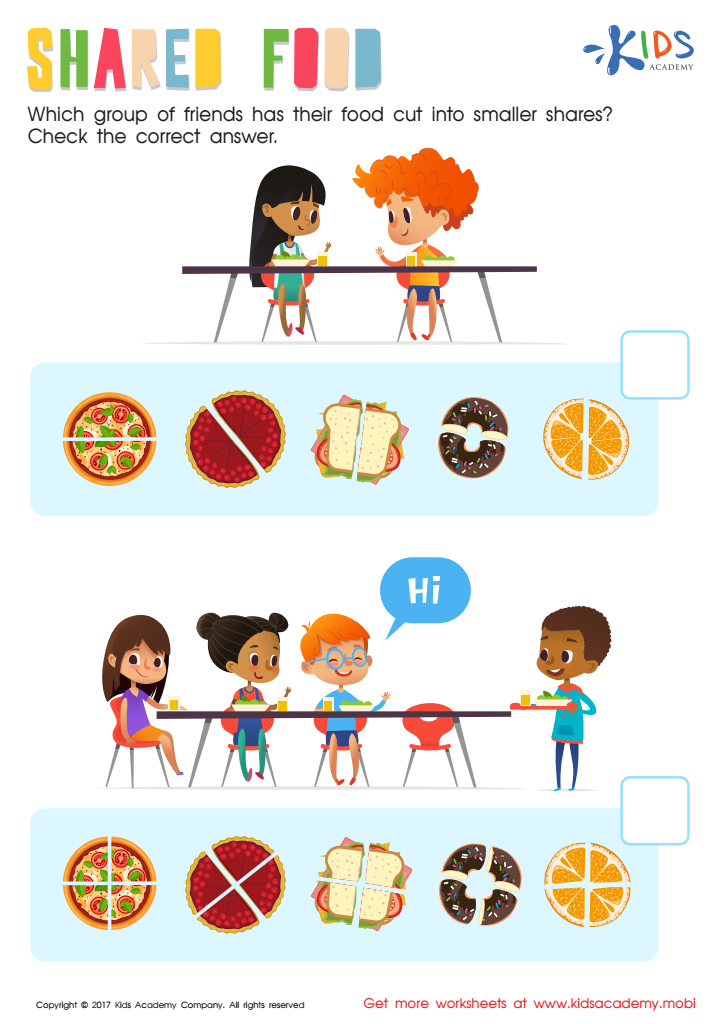
Shared Food Worksheet
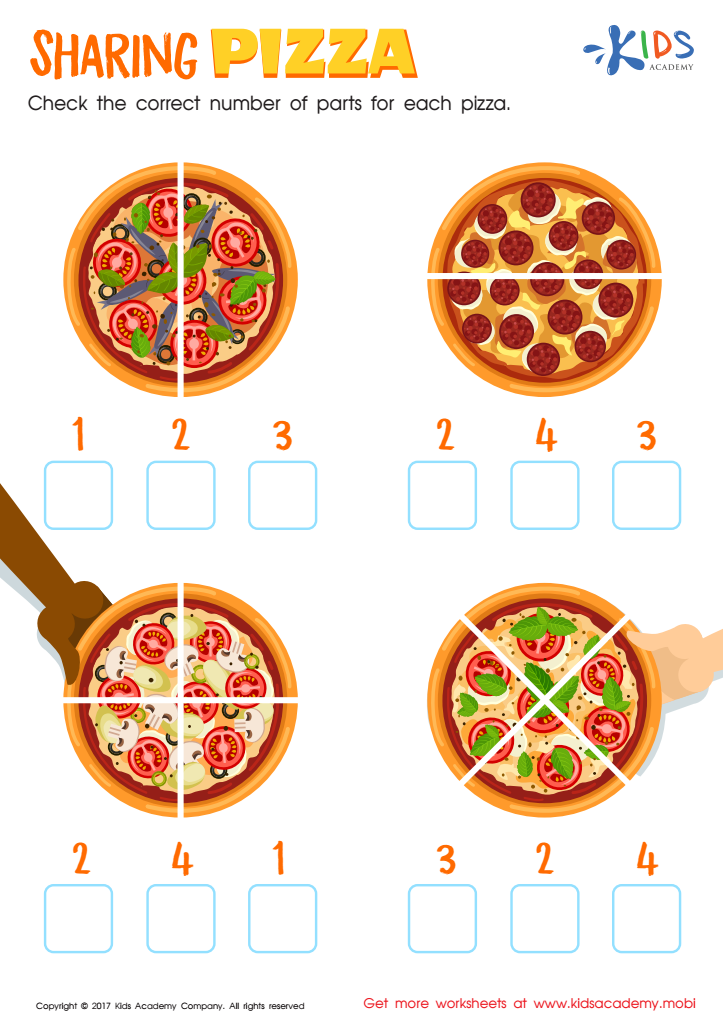
Sharing Pizza Worksheet
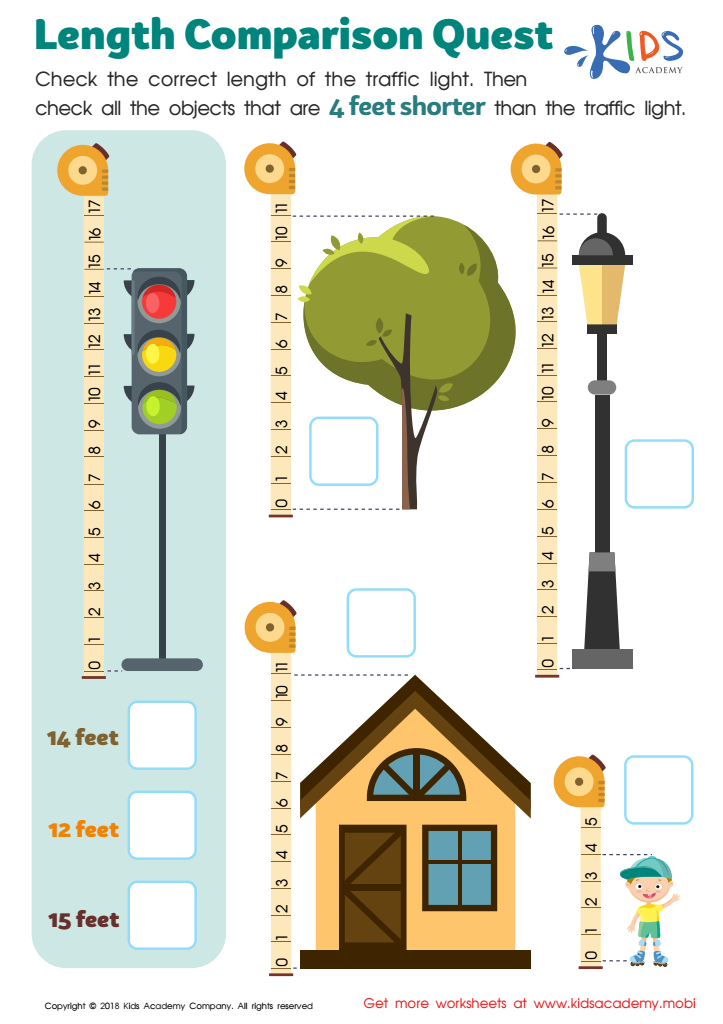
Length Comparison Quest Worksheet
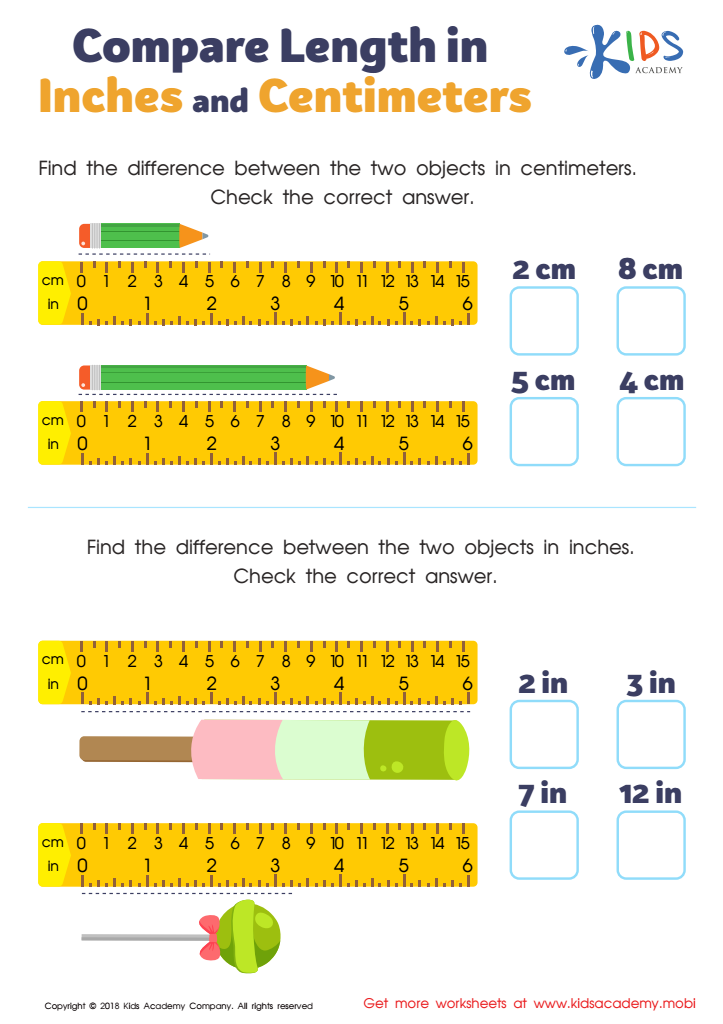
Compare Length in Inches and Centimeters Worksheet
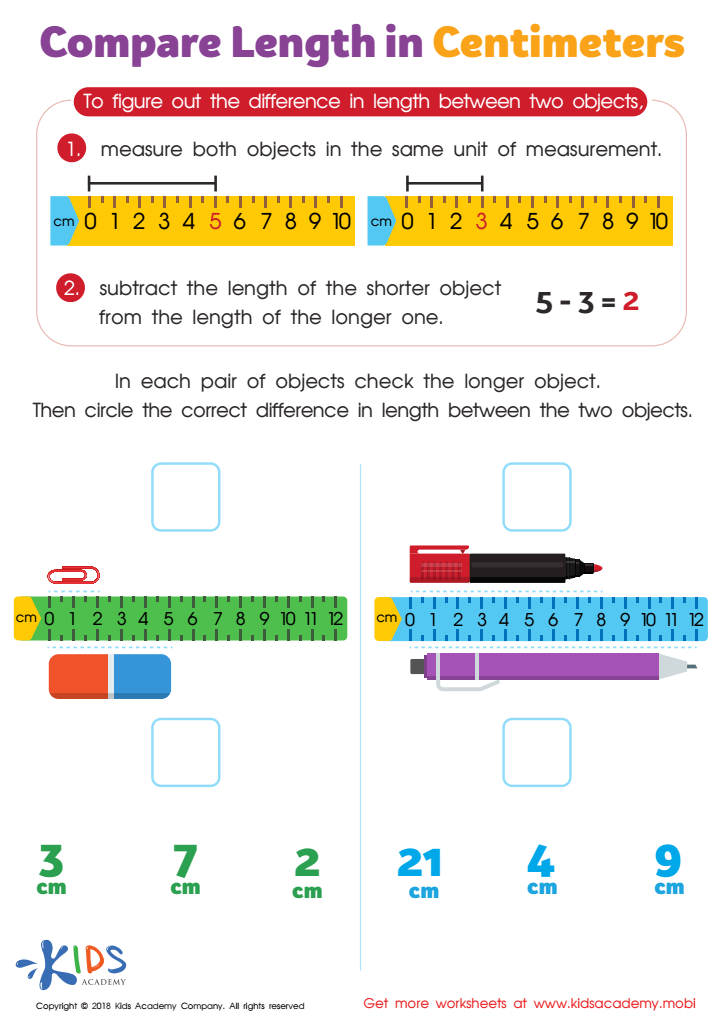
Compare Length in Centimeters Worksheet
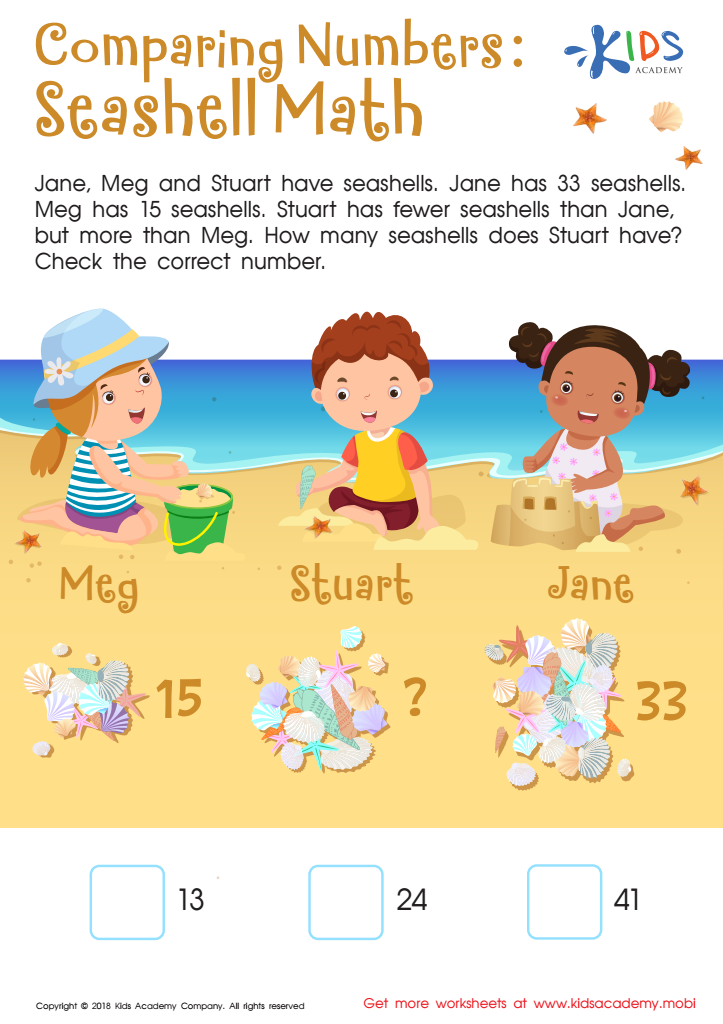
Seashell Collectors Worksheet
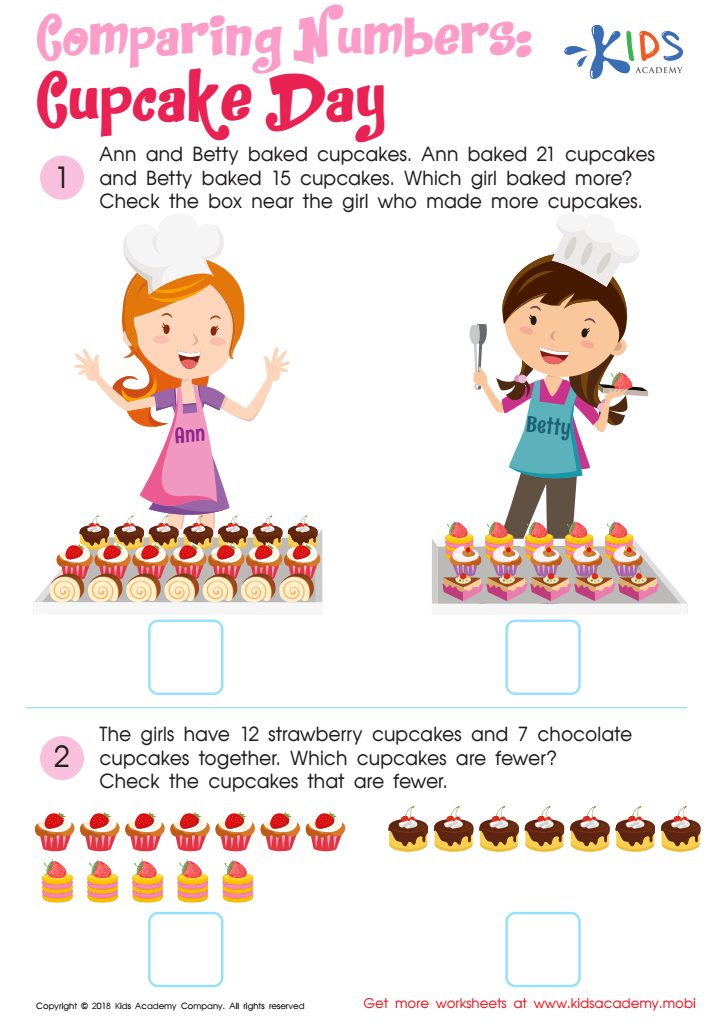
Cupcake Day Worksheet
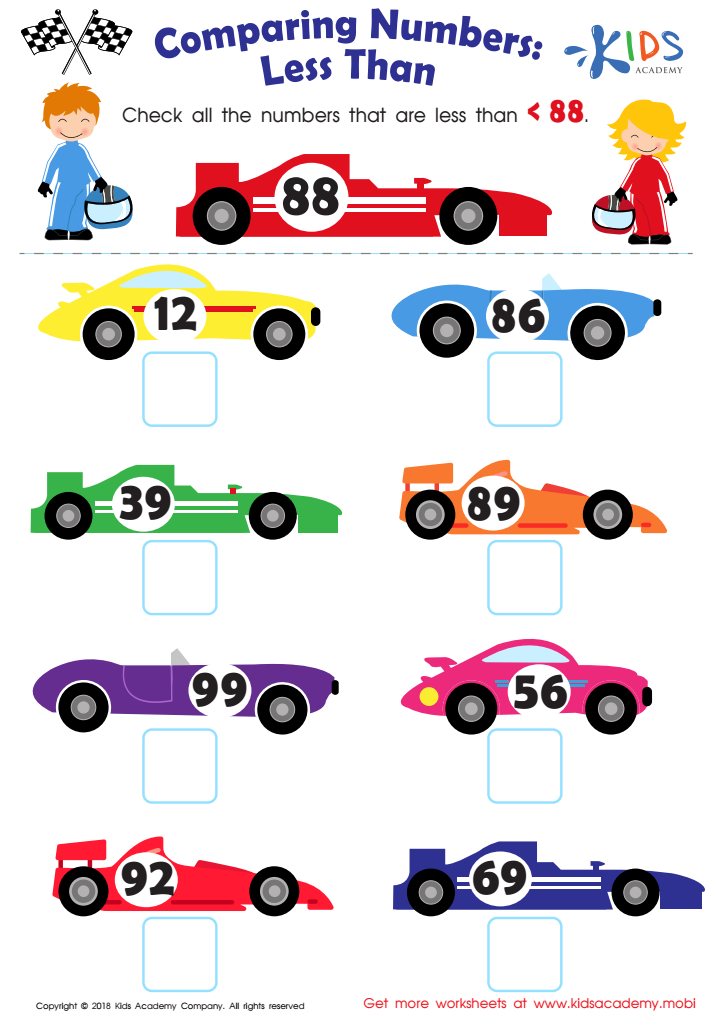
Less Than Worksheet
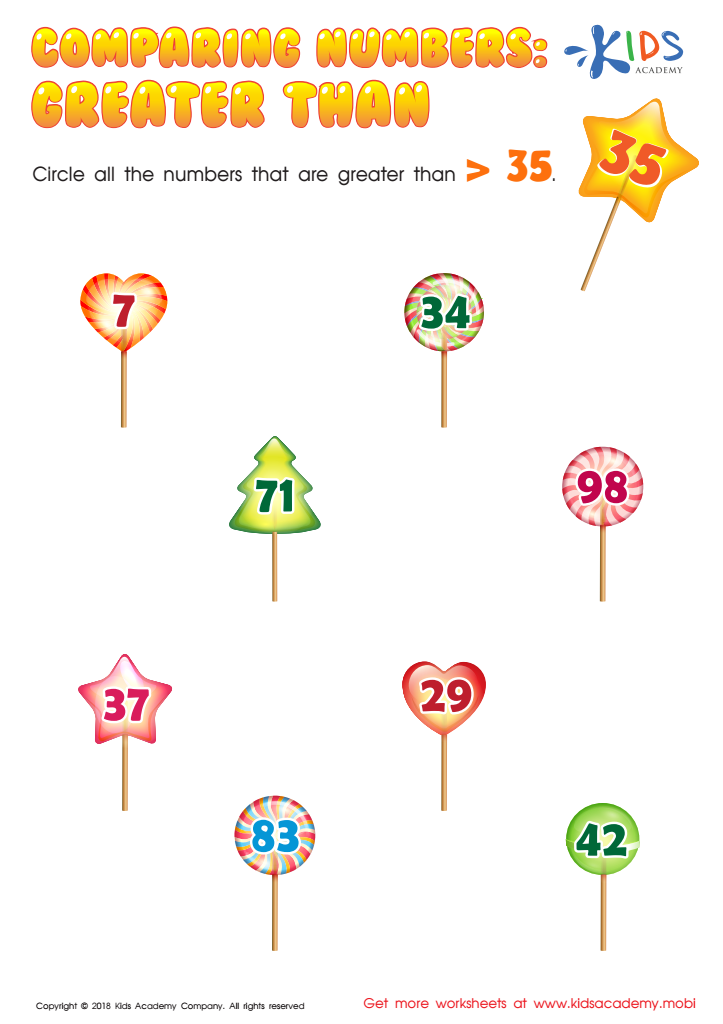
Greater Than Worksheet
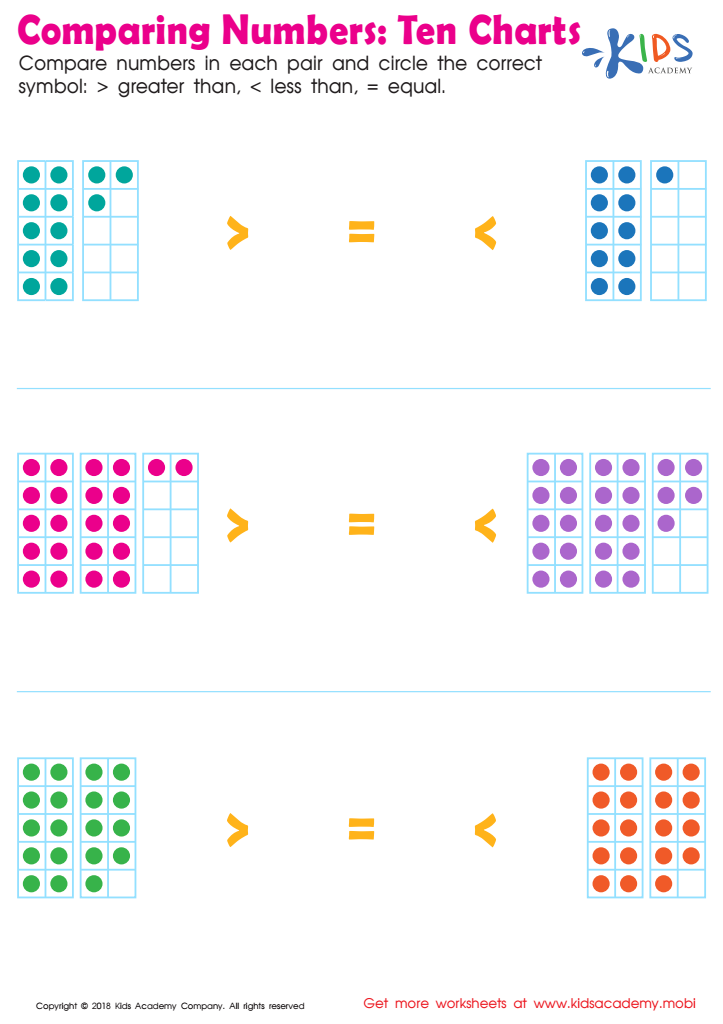
Ten Charts Worksheet
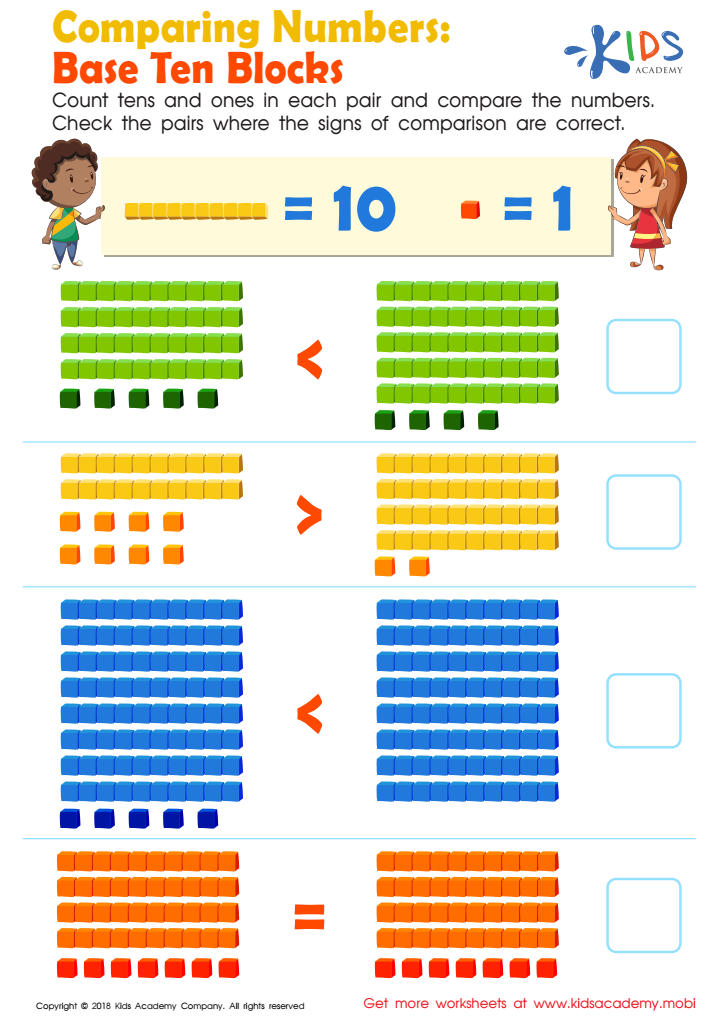
Comparing Numbers: Base Ten Blocks Worksheet
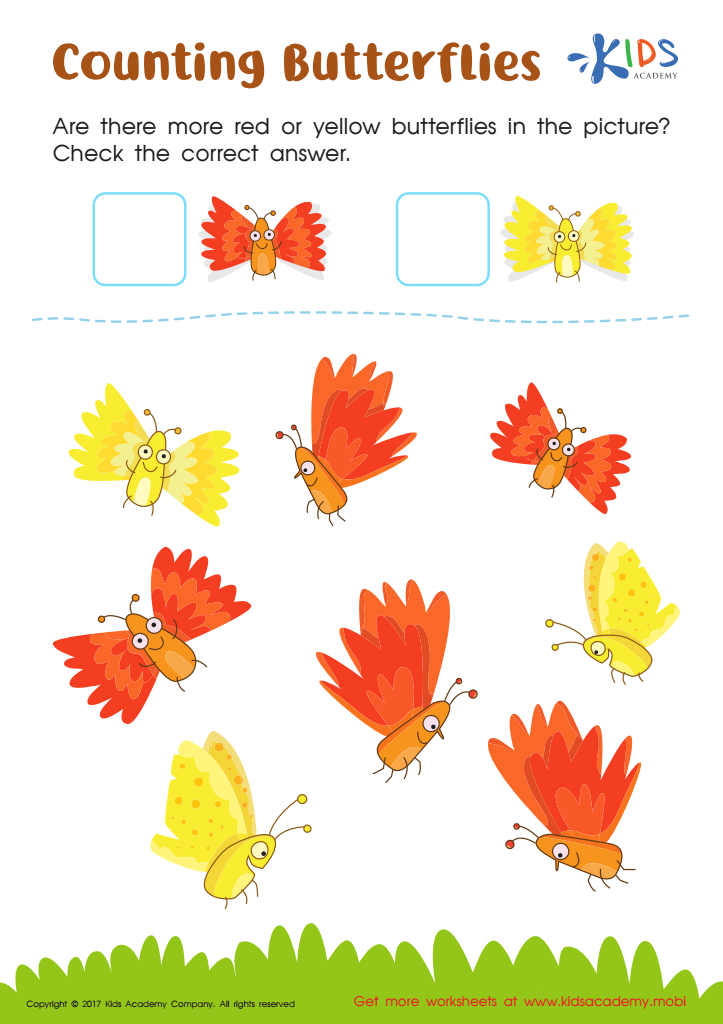
Counting Butterflies Worksheet
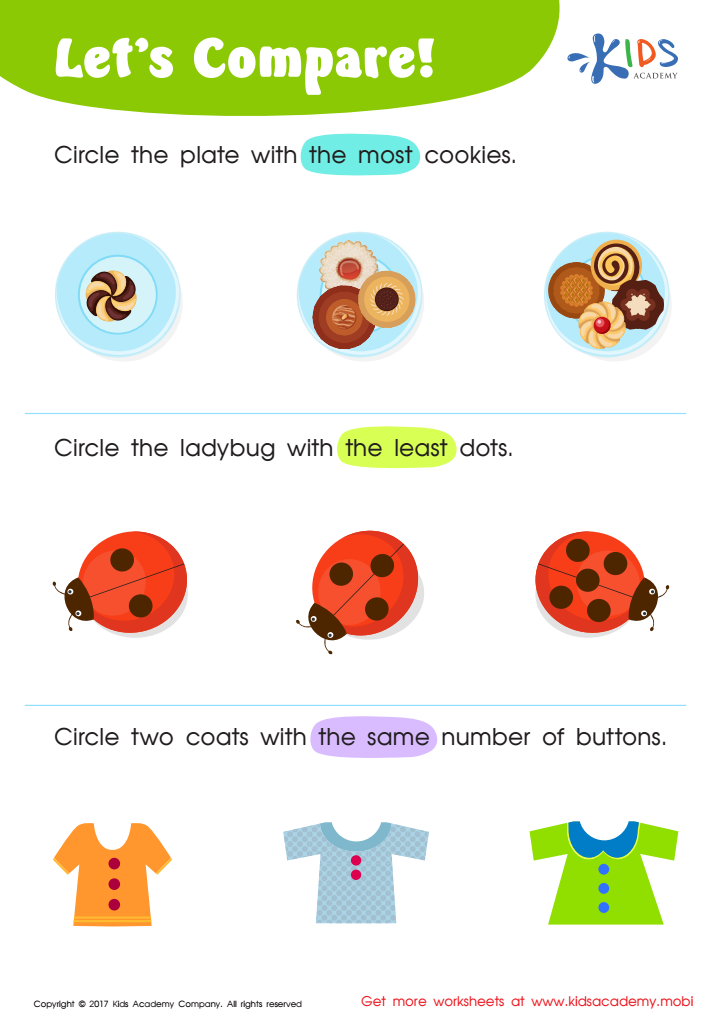
Matching: Classifying Toys by Size Worksheet
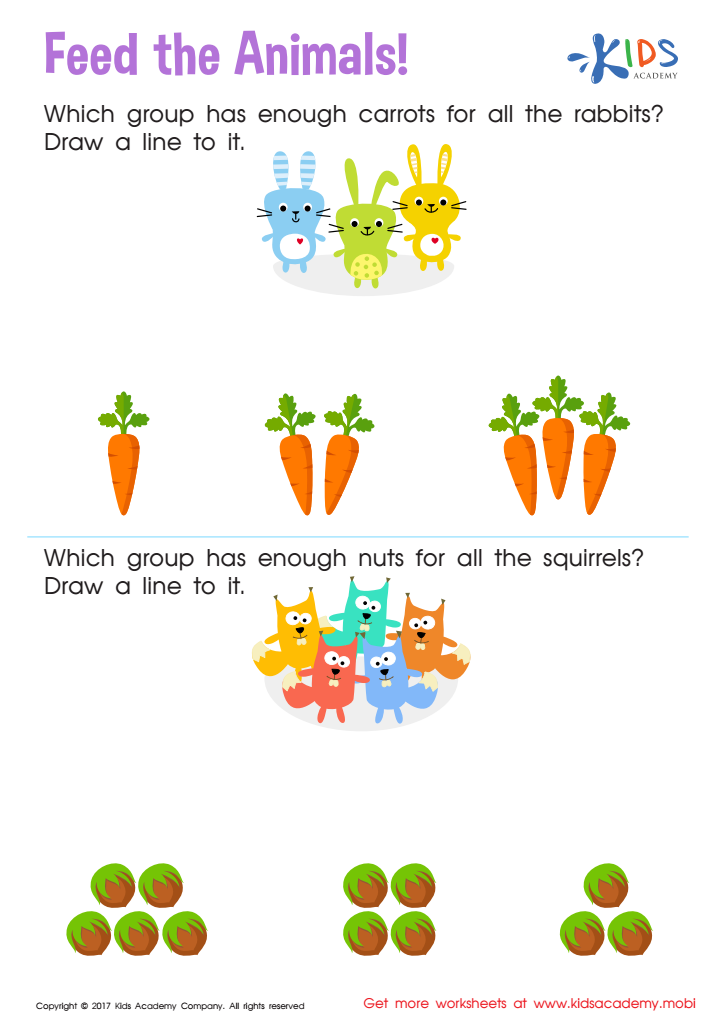
Count and Match: Feed the Animals Worksheet
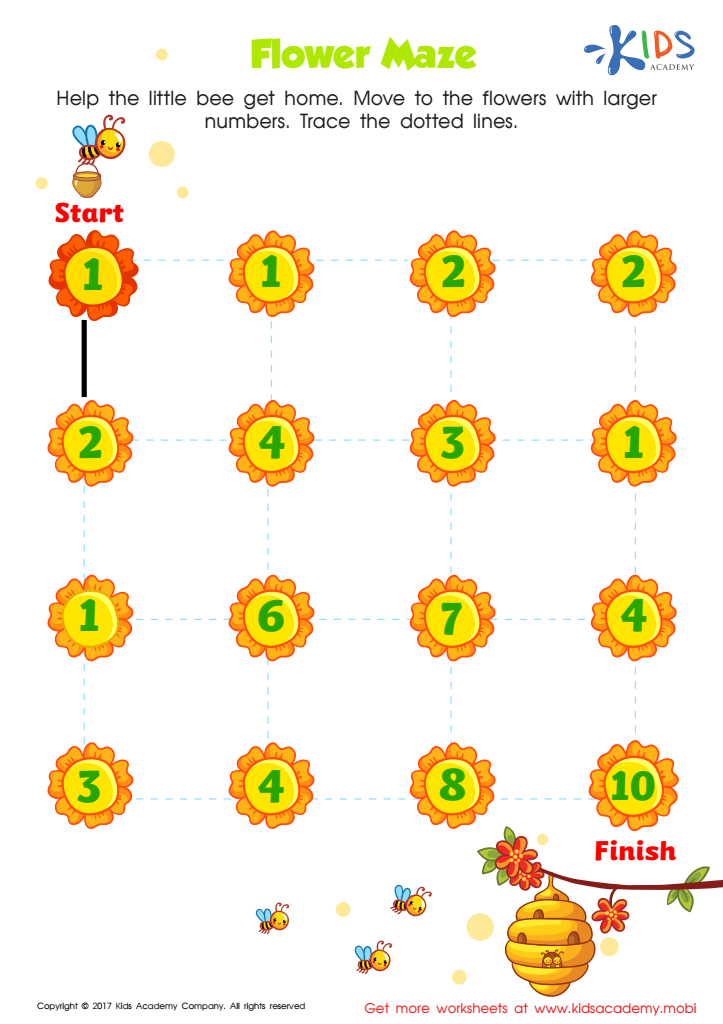
Number Maze For Kindergarten Printable
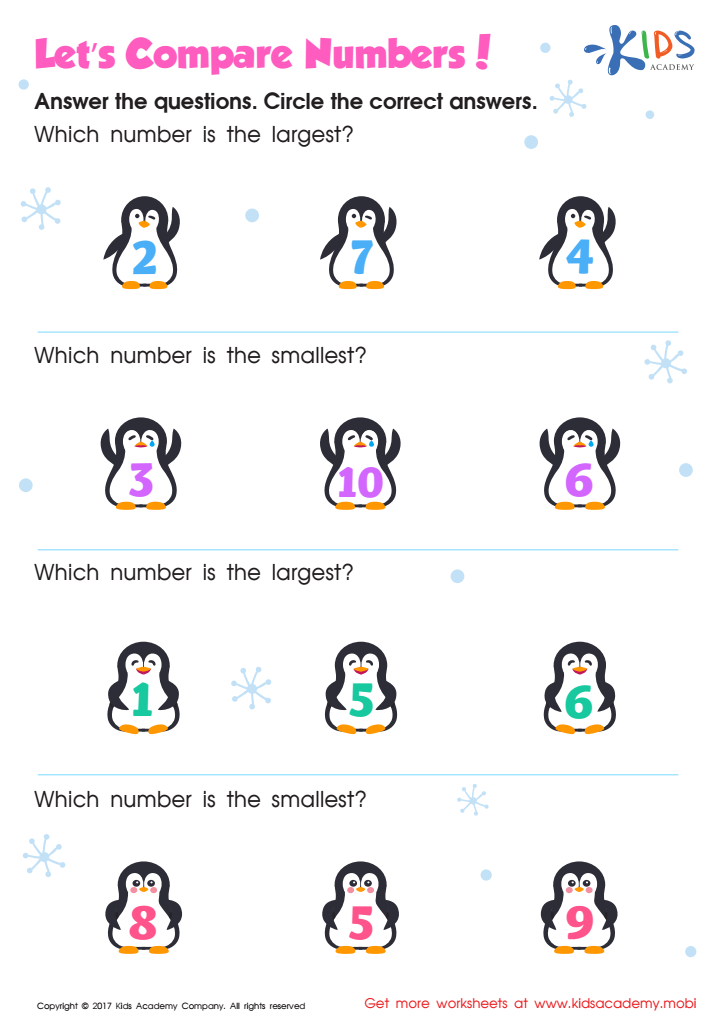
Comparing Numbers 1–10 Worksheet Kindergarten
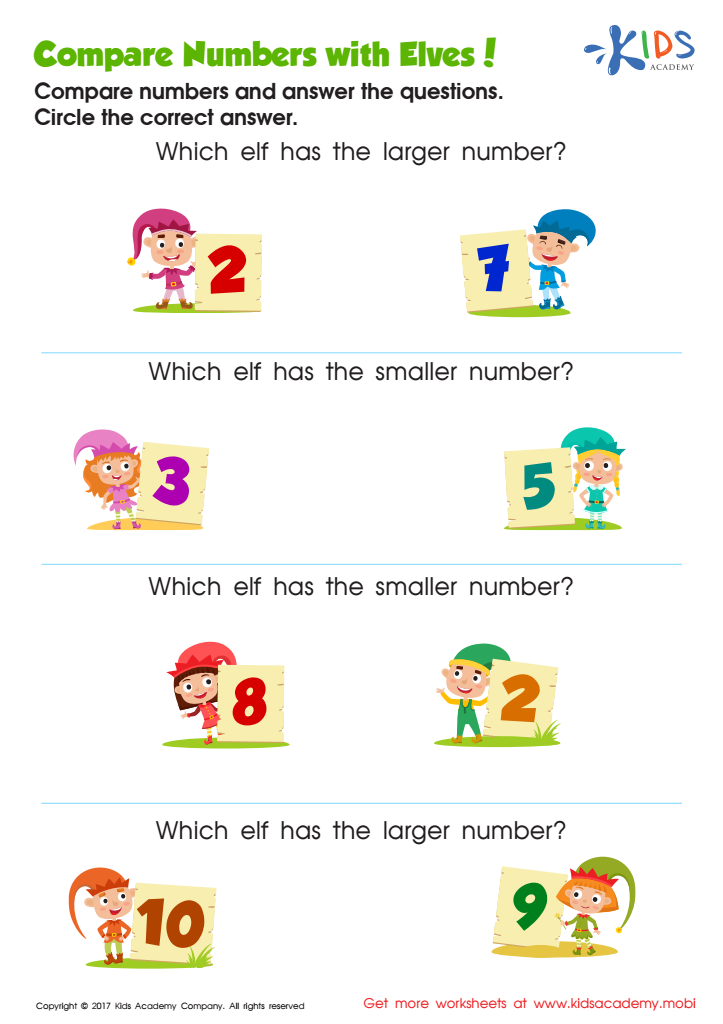
Comparing Numbers Worksheet for Kindergarten
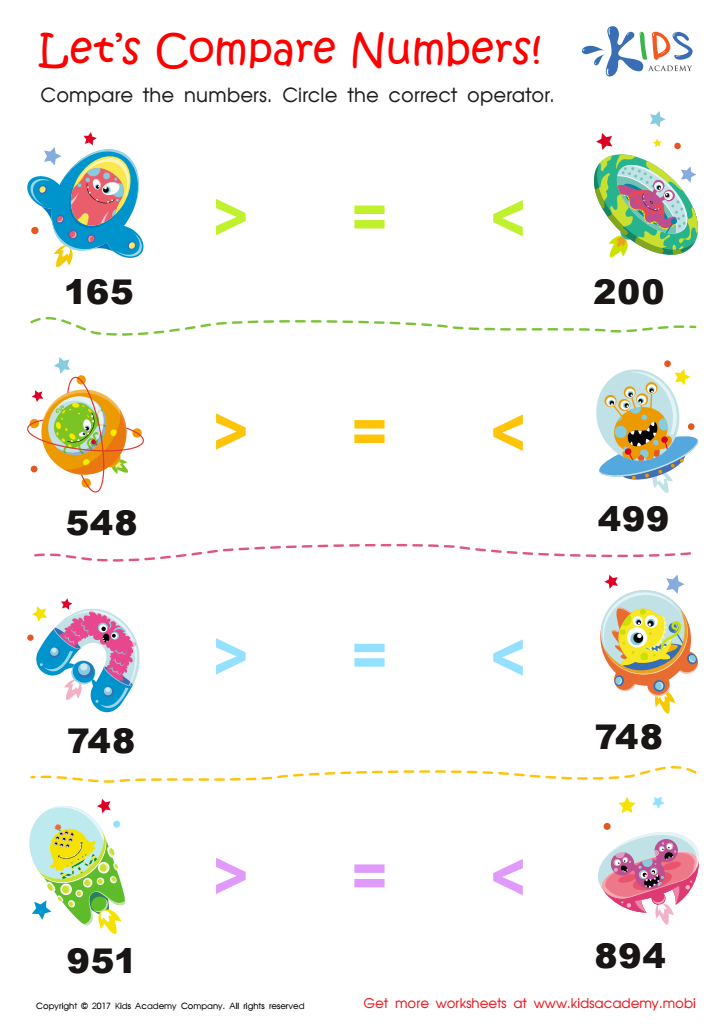
Comparing Numbers Worksheet for 2nd Grade
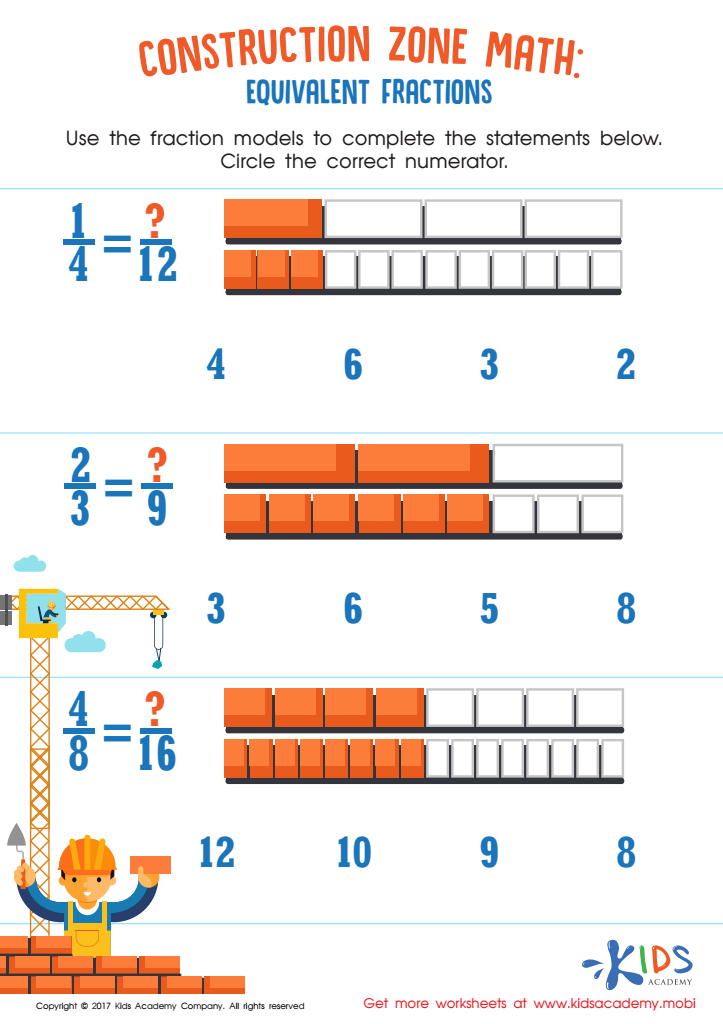
Equivalent Fractions Worksheet
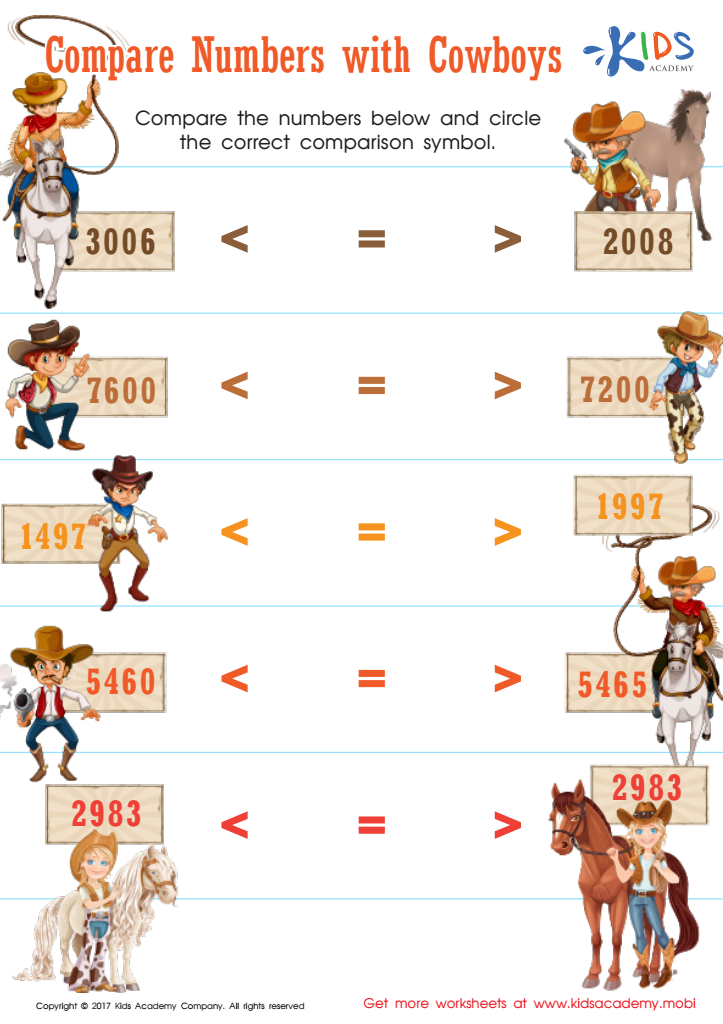
Compare Numbers Worksheet for 3rd Grade
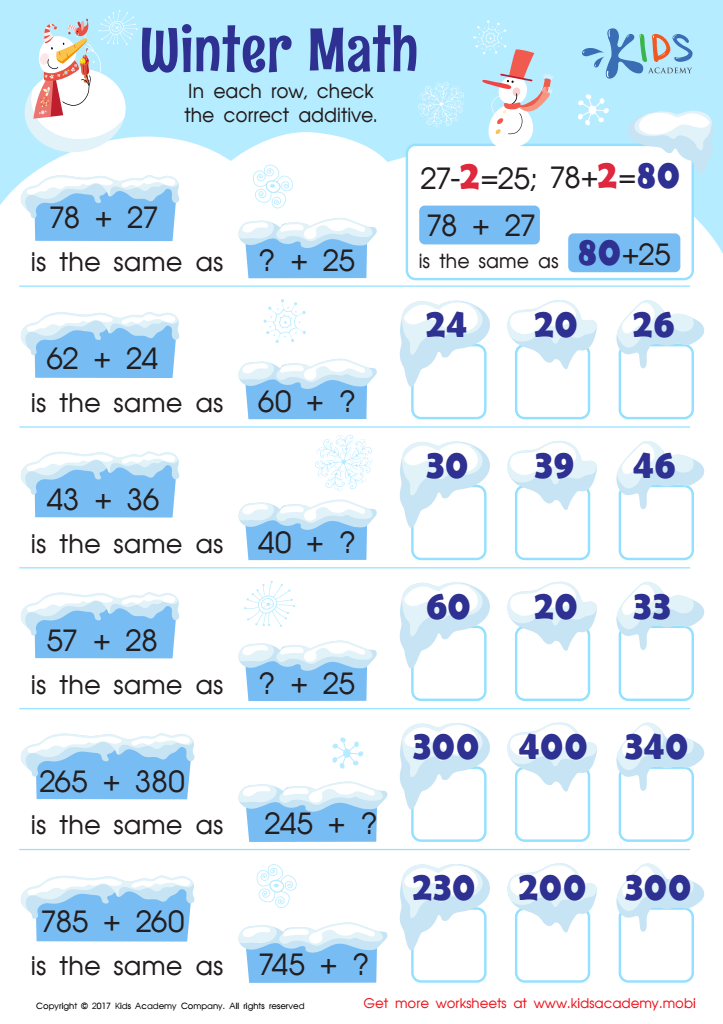
Free Addition Worksheet






Comparing numbers is a fundamental mathematical skill that plays a crucial role in a child's cognitive development, particularly for ages 6-9. During this developmental stage, children are learning to understand the value of numbers, which aids in building a solid foundation for more complex mathematical concepts they will encounter later.
Engaging in activities that promote number comparison helps children strengthen their critical thinking and problem-solving skills. It teaches them not only how to recognize larger and smaller values but also fosters abilities such as estimation, reasoning, and lateral thinking. By grasping how to compare quantities, children also enhance their confidence in mathematics, alleviating anxiety as they progress into higher-level math.
Moreover, comparing numbers introduces concepts of equality and inequality, which have applications beyond math—shaping their understanding of fairness and balance in everyday life situations. For parents and teachers, fostering these skills through games, discussions, and hands-on activities creates a more engaging learning environment. Ultimately, recognizing the importance of number comparison empowers children to become confident and competent problem solvers, preparing them for future academic challenges and real-world applications. Therefore, ensuring that children master this skill is essential for their overall development and educational success.








