Cognitive Development Science Worksheets for Ages 6-9
17 filtered results
-
From - To
Ignite young minds with our Cognitive Development Science Worksheets tailored for children aged 6-9. Designed to engage and challenge, these worksheets help enhance critical thinking, problem-solving, and logical reasoning skills. Carefully crafted activities cover a range of scientific concepts, fostering curiosity and a love for learning. Perfect for classroom use or at-home practice, these worksheets provide a fun, educational experience suitable for different learning styles. Empower your child’s cognitive growth with our expertly developed resources, turning foundational science learning into an adventure of discovery and imagination. Unlock the door to advanced cognitive skills today!
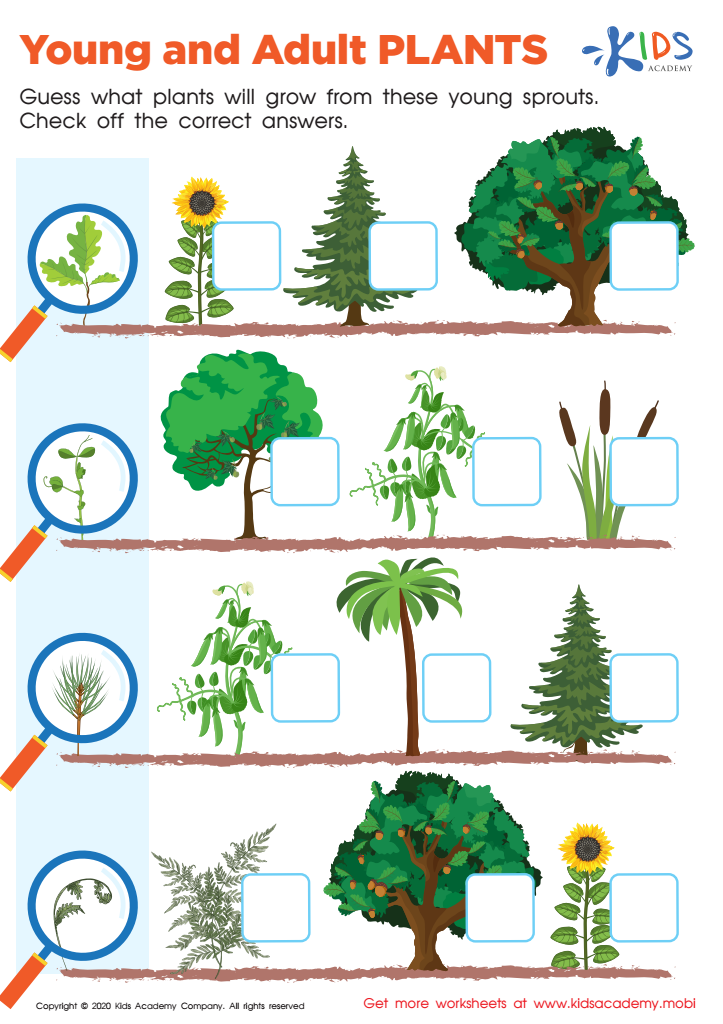
Young and Adult Plants Worksheet
 Assign to My Students
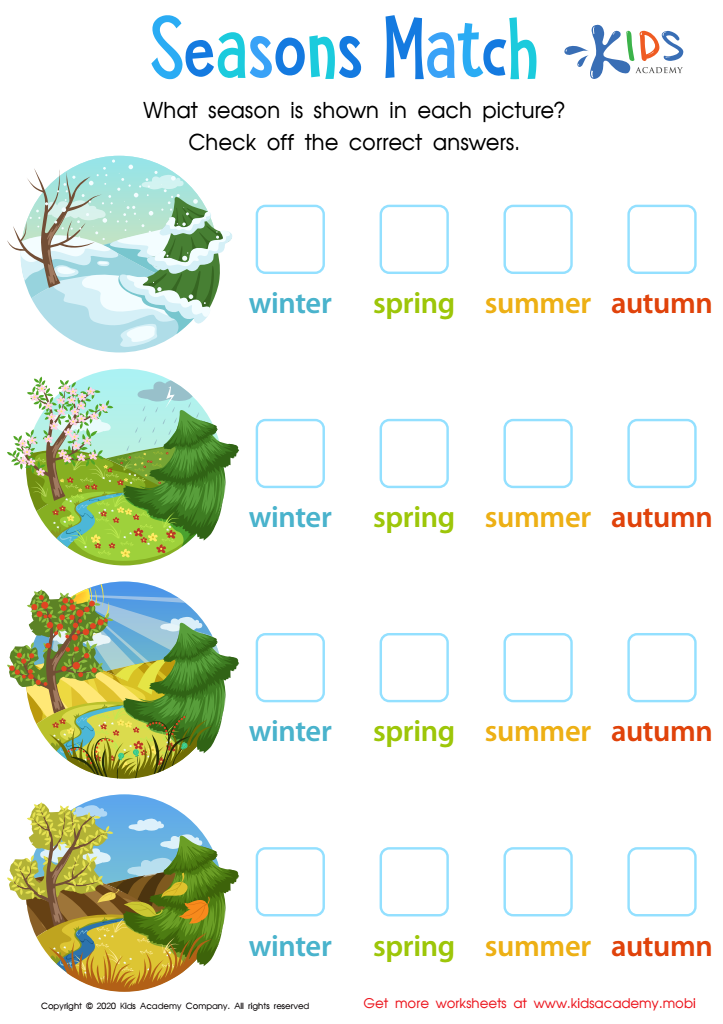
Seasons Match Worksheet

Matching Family Members Worksheet
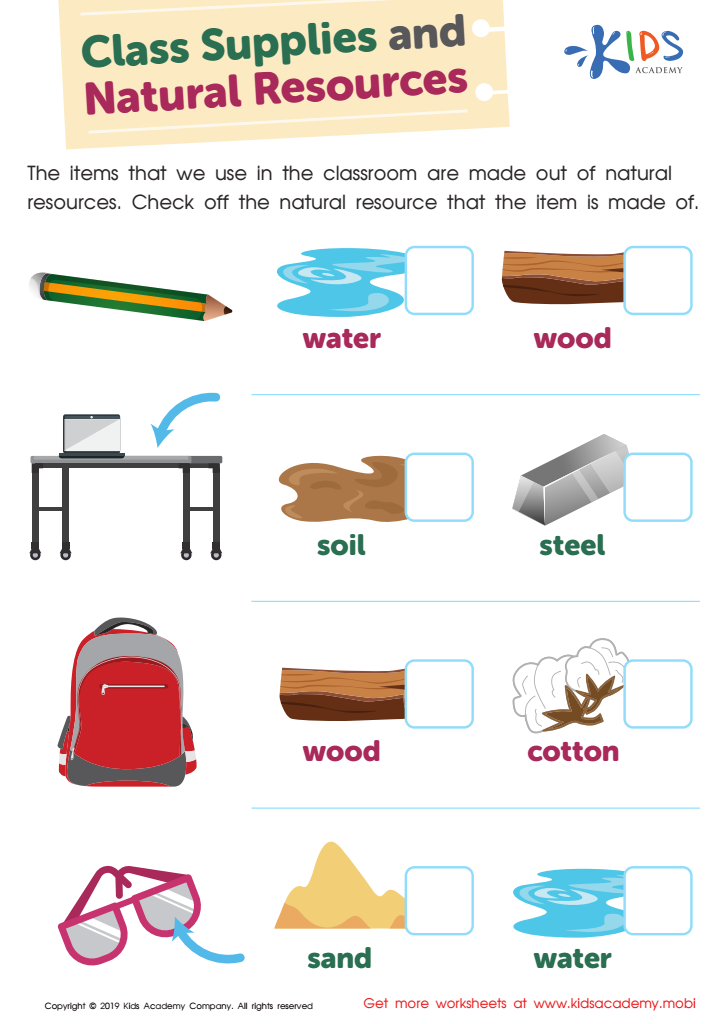
Class Supplies and Natural Resources Worksheet
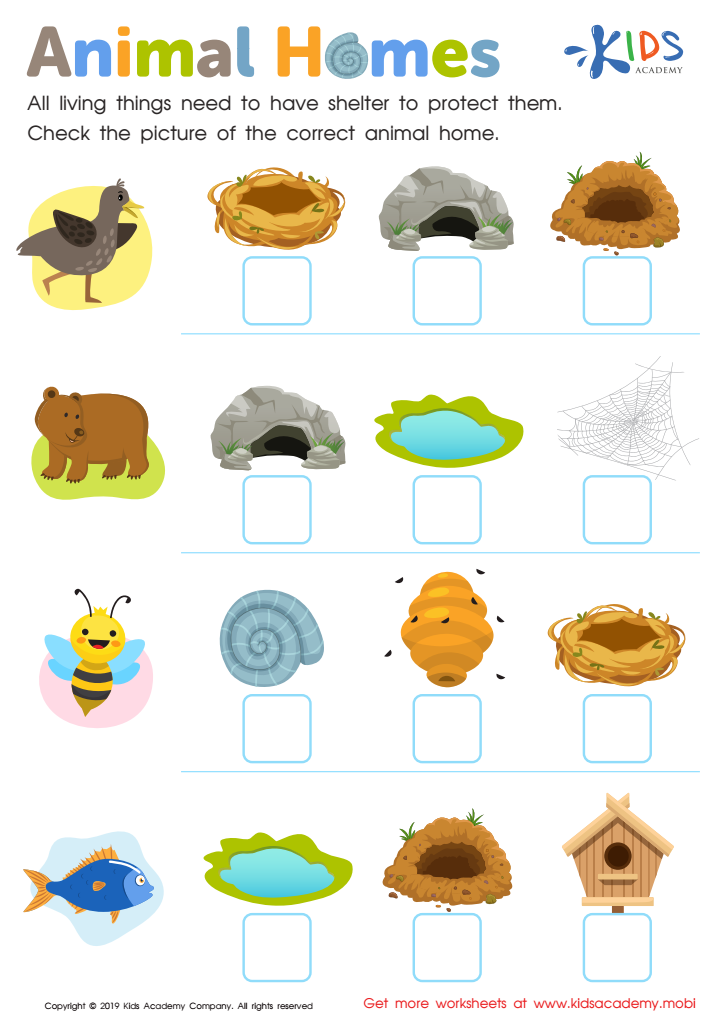
Animal Homes Worksheet
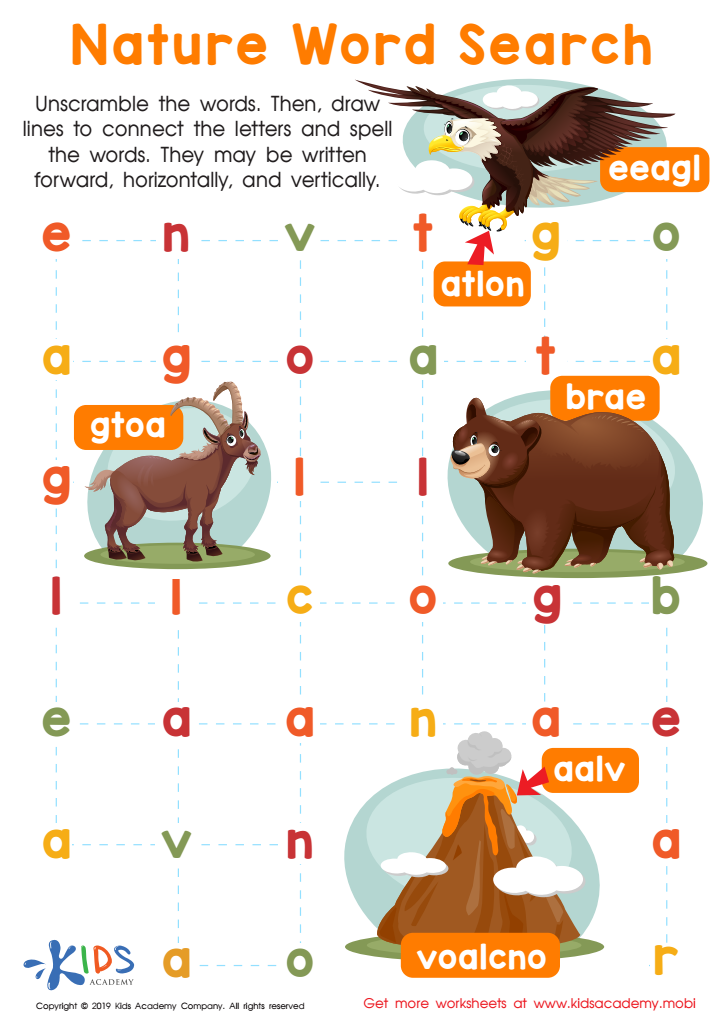
Nature Word Search Worksheet
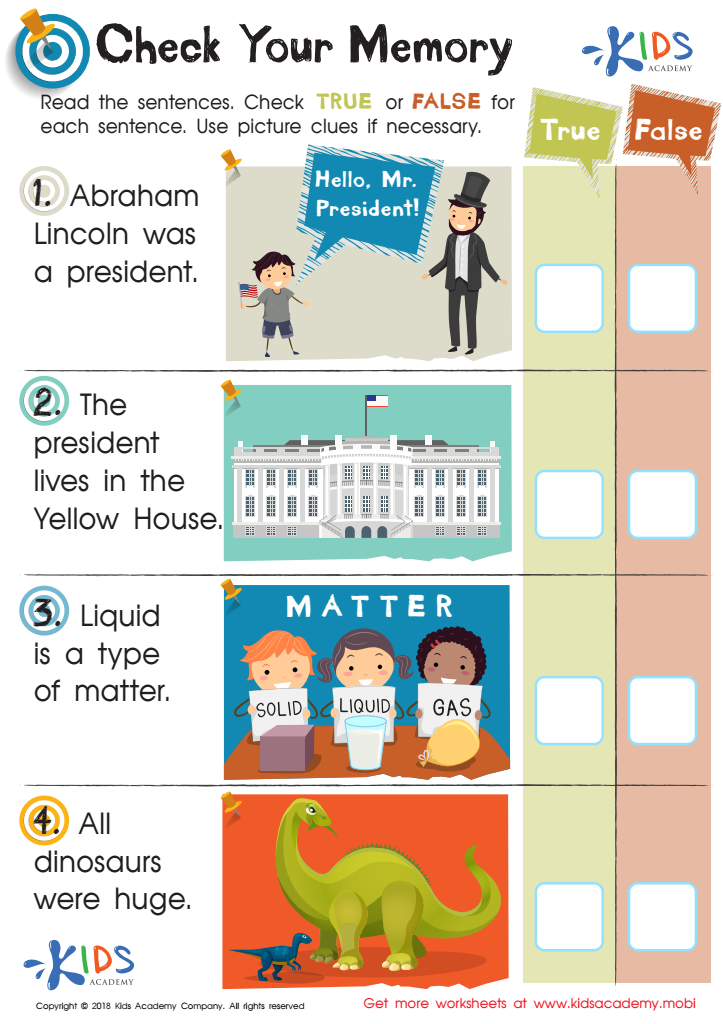
Check Memory Worksheet
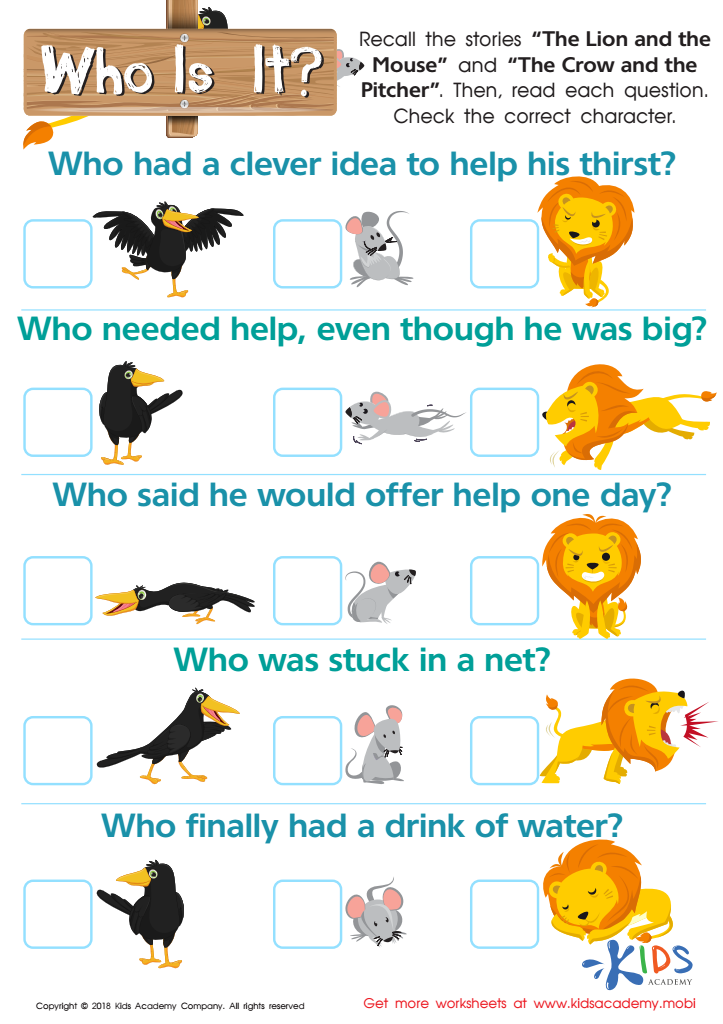
Who Is It? Worksheet
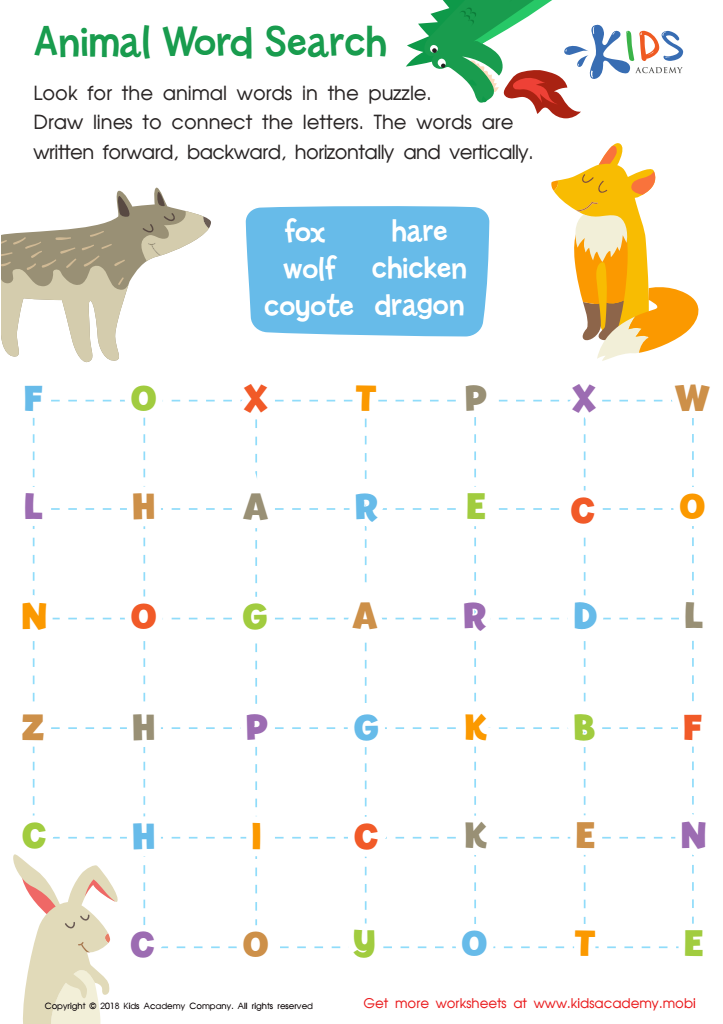
Animal Word Search Worksheet

Light Sources and Shadows Worksheet
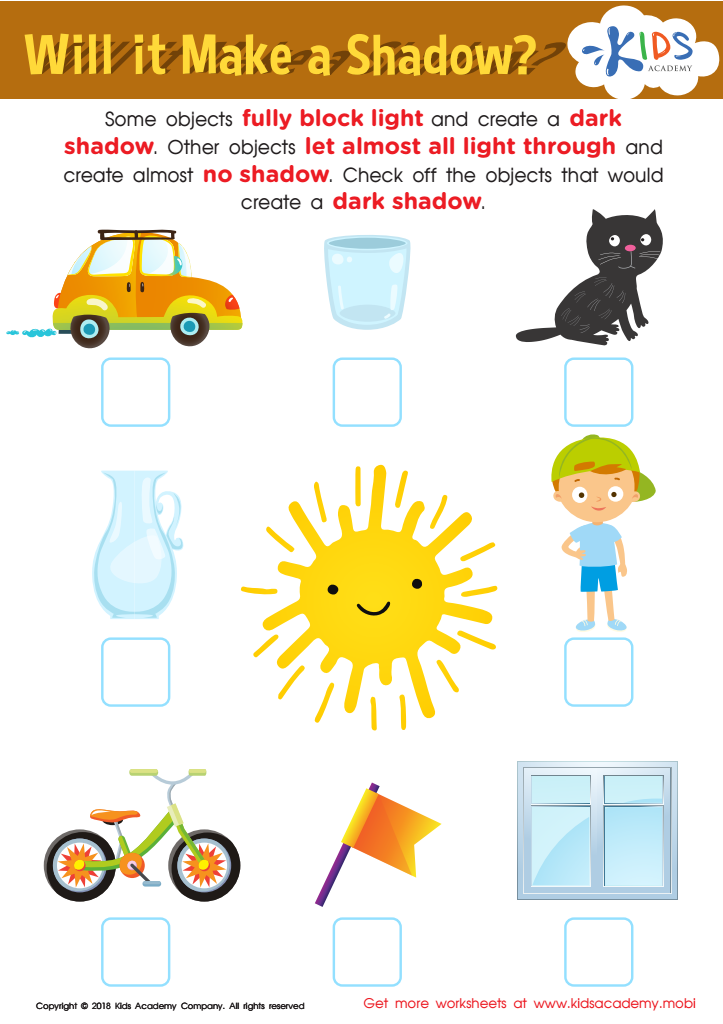
Will It Make a Shadow? Worksheet
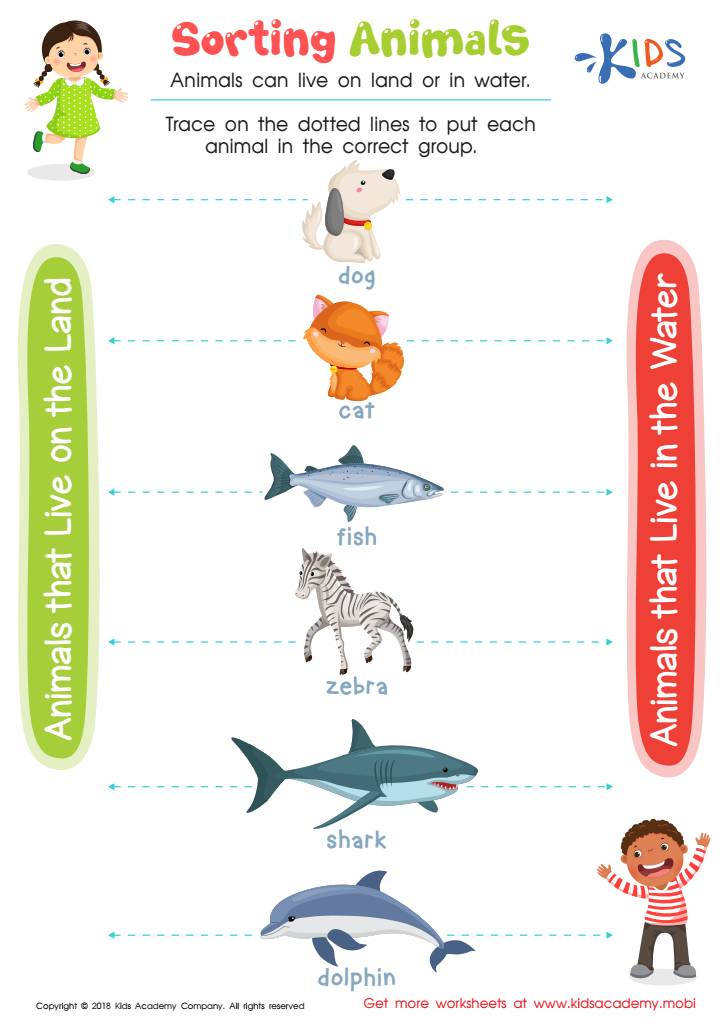
Sorting Animals Worksheet
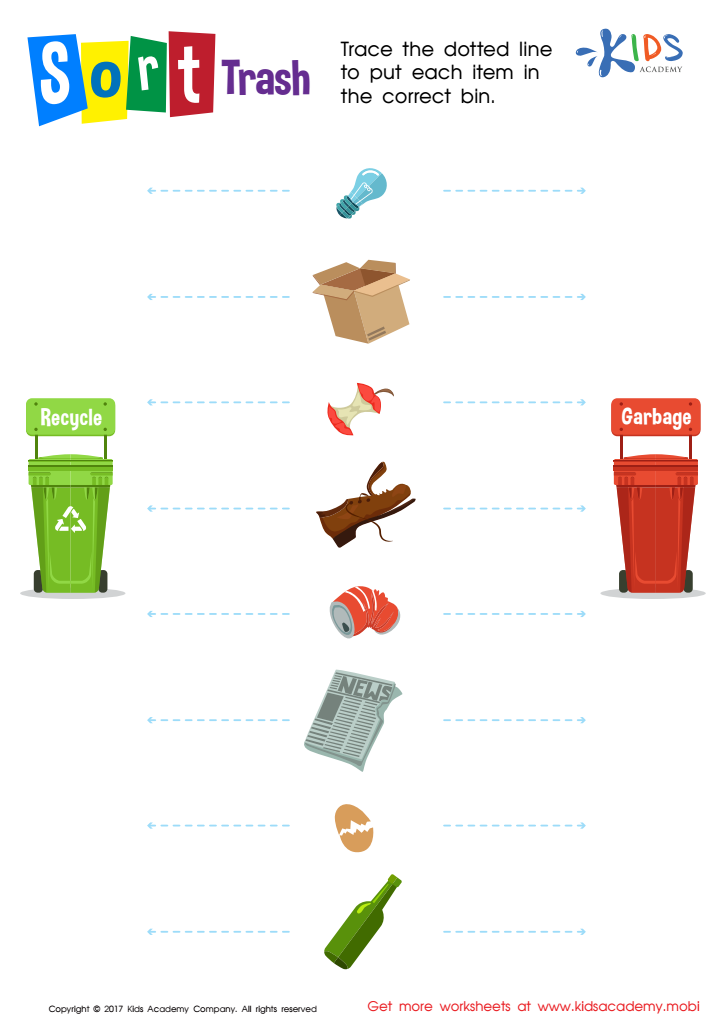
Trash Sorting Worksheet
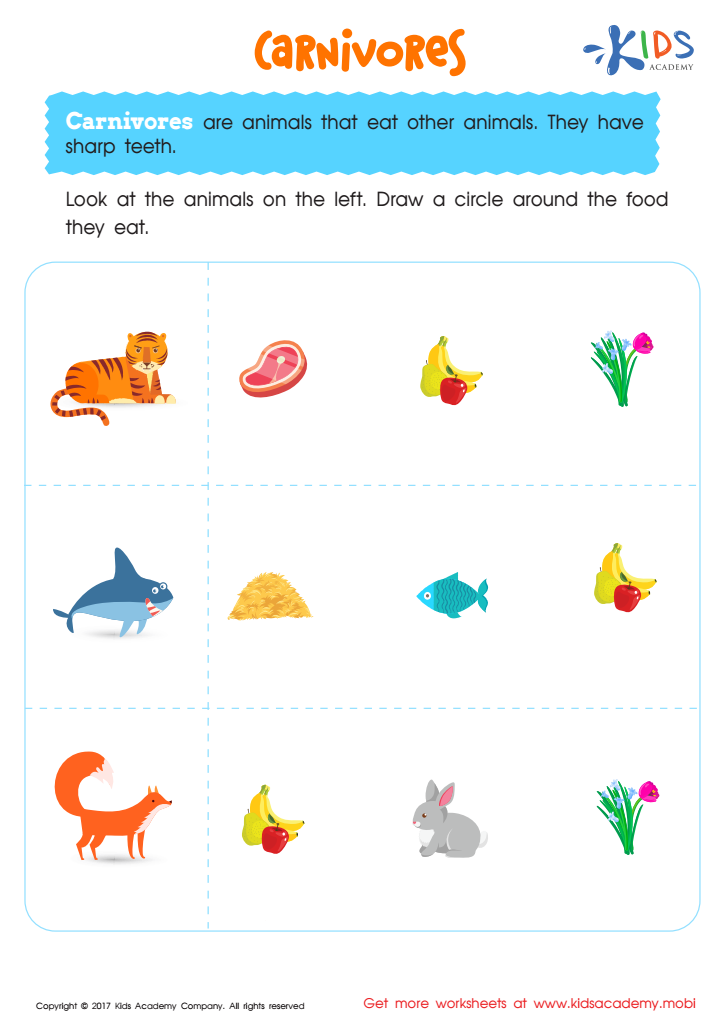
Carnivores Worksheet
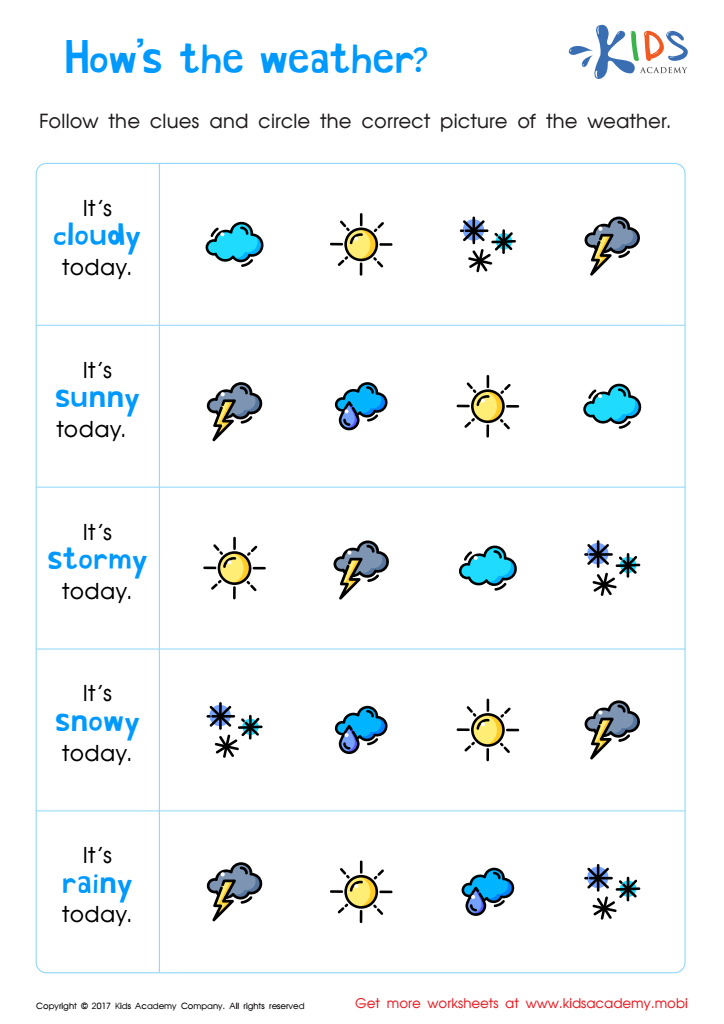
Hows the Weather Worksheet

Arctic Animals Worksheet
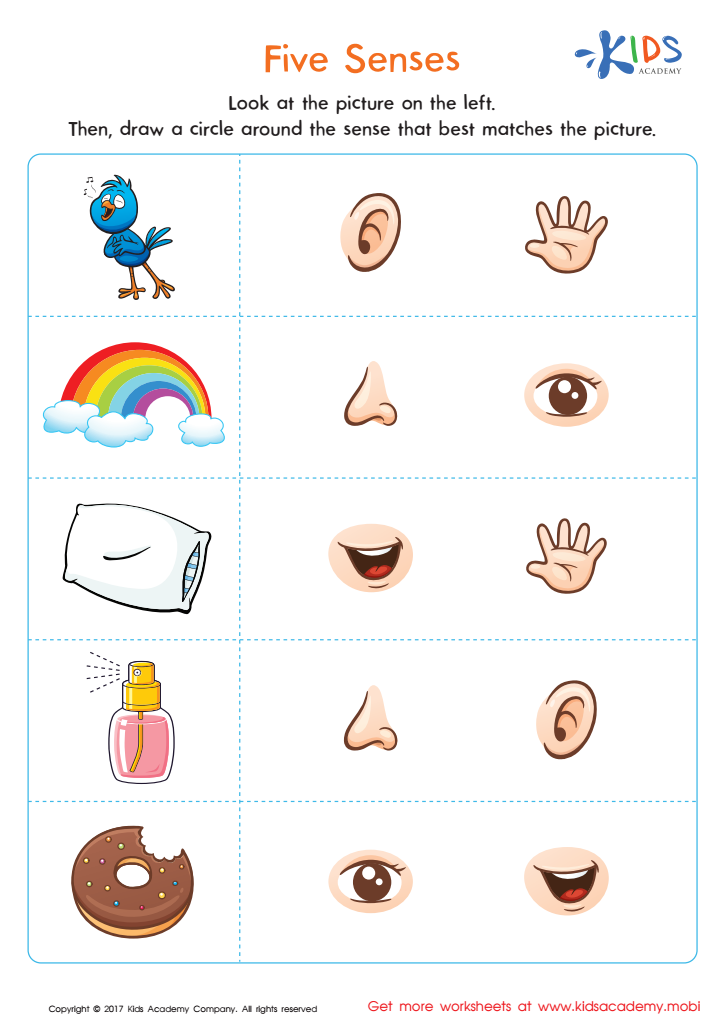
Five Senses Printable







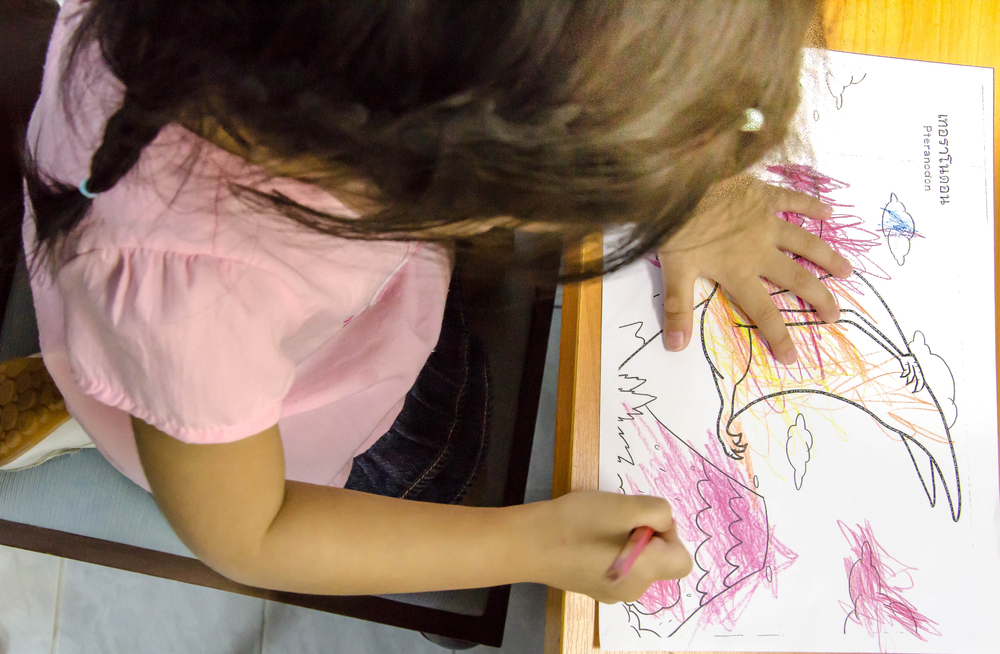
Parents and teachers should care about cognitive development science for ages 6-9 because this period is pivotal in shaping a child's intellectual foundation. During these early elementary school years, children move from the preoperational to the concrete operational stage as described by Piaget, which signifies a transformation in how they process information and think about the world. Cognitive development science helps adults understand this shift and tailor education methods to better suit children’s needs.
When educators and parents apply cognitive development science principles, they can create learning environments that maximize a child's potential. This involves offering age-appropriate challenges that enhance problem-solving skills, promoting logical thinking, and encouraging exploration. For example, providing concrete, hands-on activities can help children grasp abstract mathematical concepts better than mere rote learning.
Moreover, knowledge of cognitive development helps in recognizing signs of atypical development early on, paving the way for timely interventions. Children who struggle can benefit significantly from early support, avoiding long-term academic and social difficulties.
Teachers equipped with this understanding are better prepared to engage students through interactive lessons that cater to diverse learning styles. Parents can reinforce and complement this learning at home, creating a consistent, supportive environment that fosters both academic success and a love for learning.







