Vocabulary enhancement Community Worksheets for Ages 6-9
16 filtered results
-
From - To
Our "Vocabulary Enhancement Community Worksheets for Ages 6-9" foster children's vocabulary development and social studies skills. Specifically designed for young learners, these engaging worksheets encompass diverse topics, bringing the concept of community to life. Through interactive exercises and activities, children can explore various community roles, functions, and settings while expanding their vocabulary. Each worksheet promotes comprehension, critical thinking, and language skills, ensuring a well-rounded approach to learning. Ideal for parents and educators, our worksheets provide the perfect blend of education and fun, helping to solidify foundational language skills that are key to a child’s academic success.
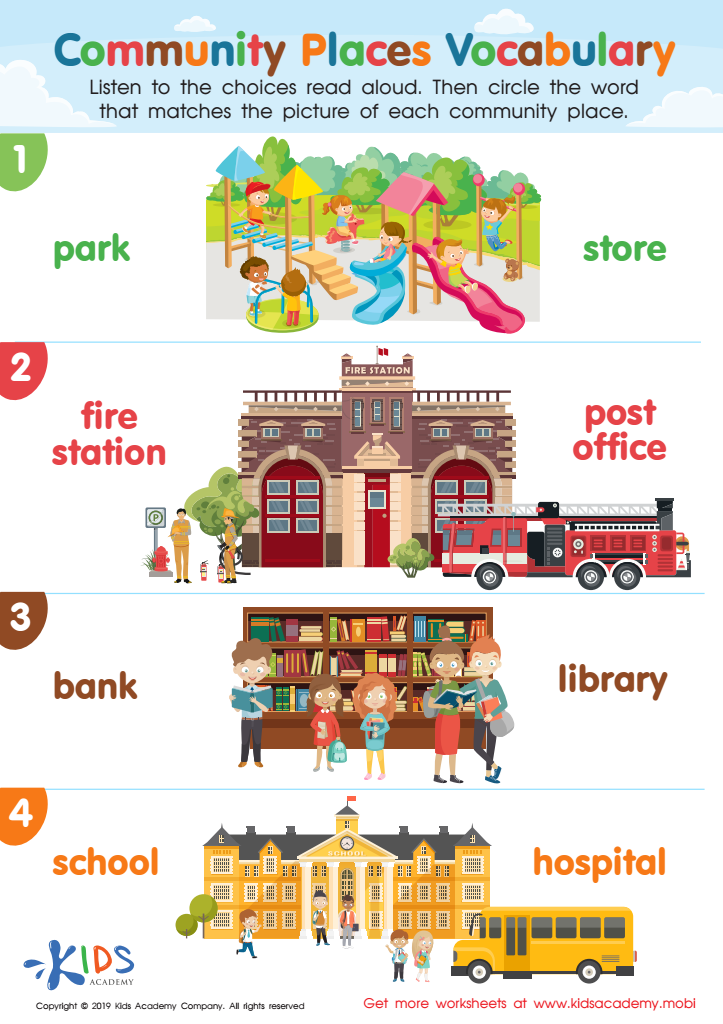
Community Places Vocabulary Worksheet
 Assign to My Students
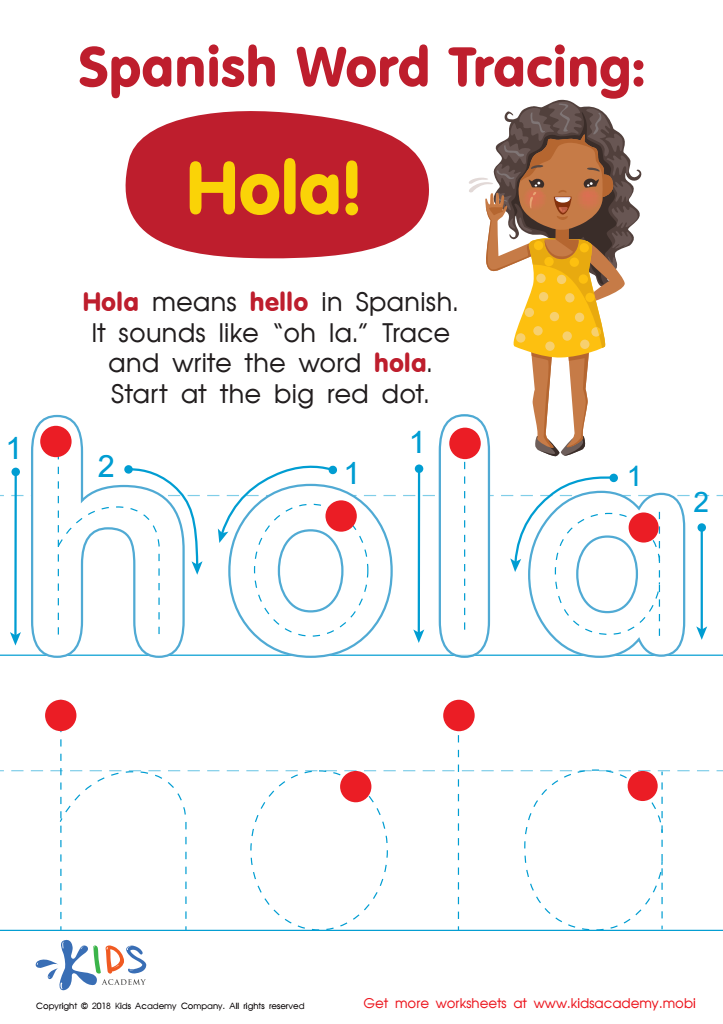
Spanish Word Tracing: Hola Worksheet
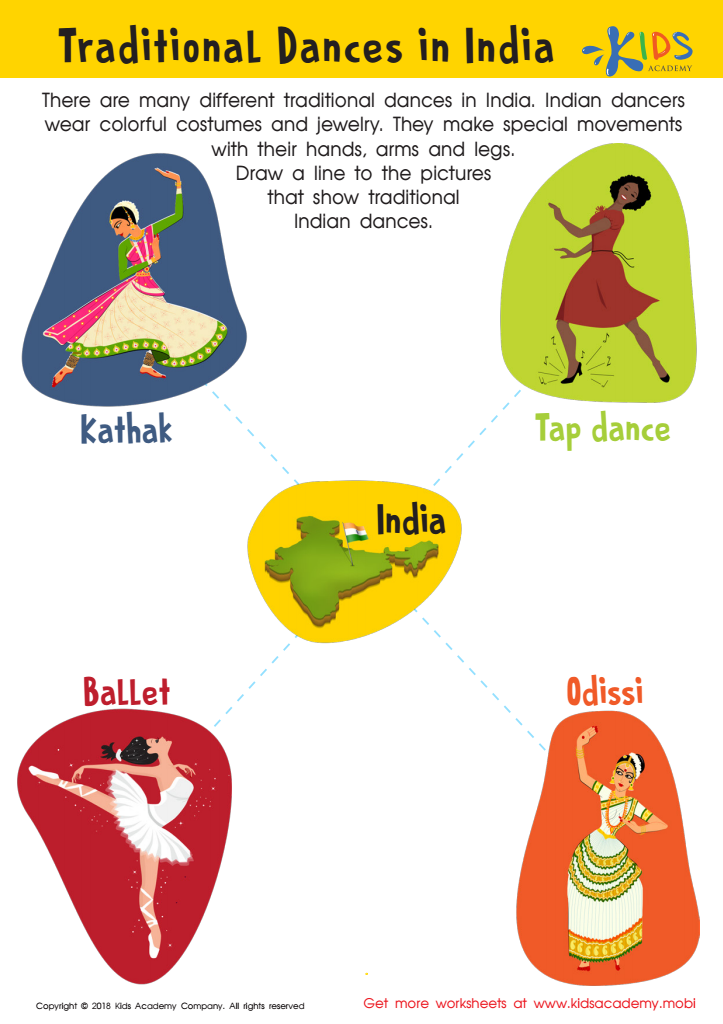
Traditional Dances in India Worksheet
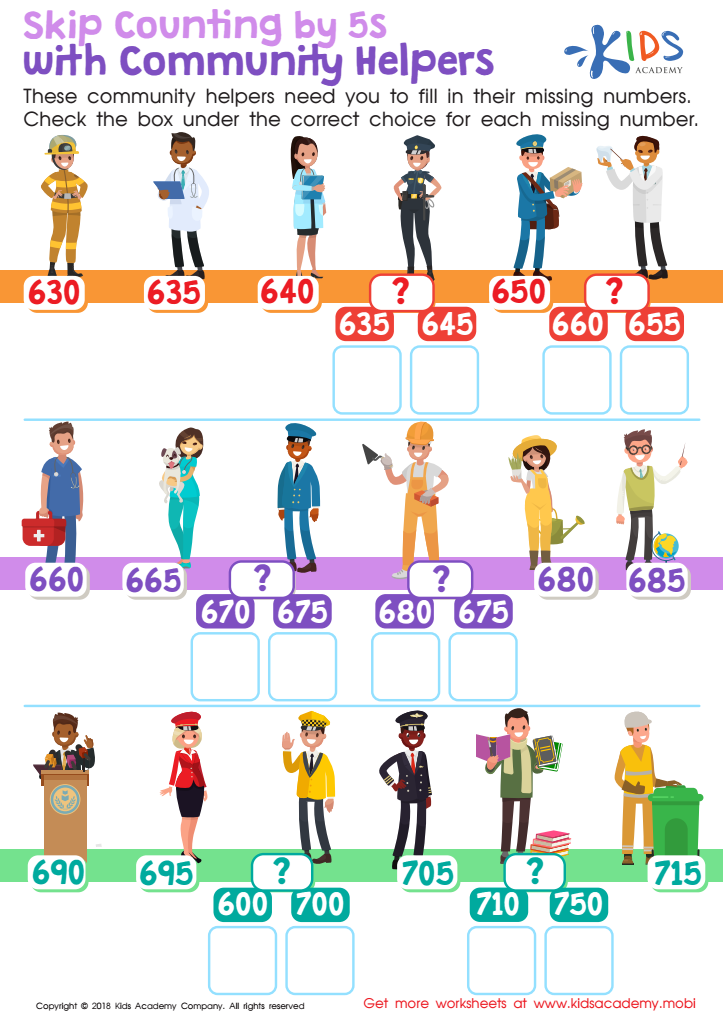
Skip Counting by 5s With Community Helpers Worksheet
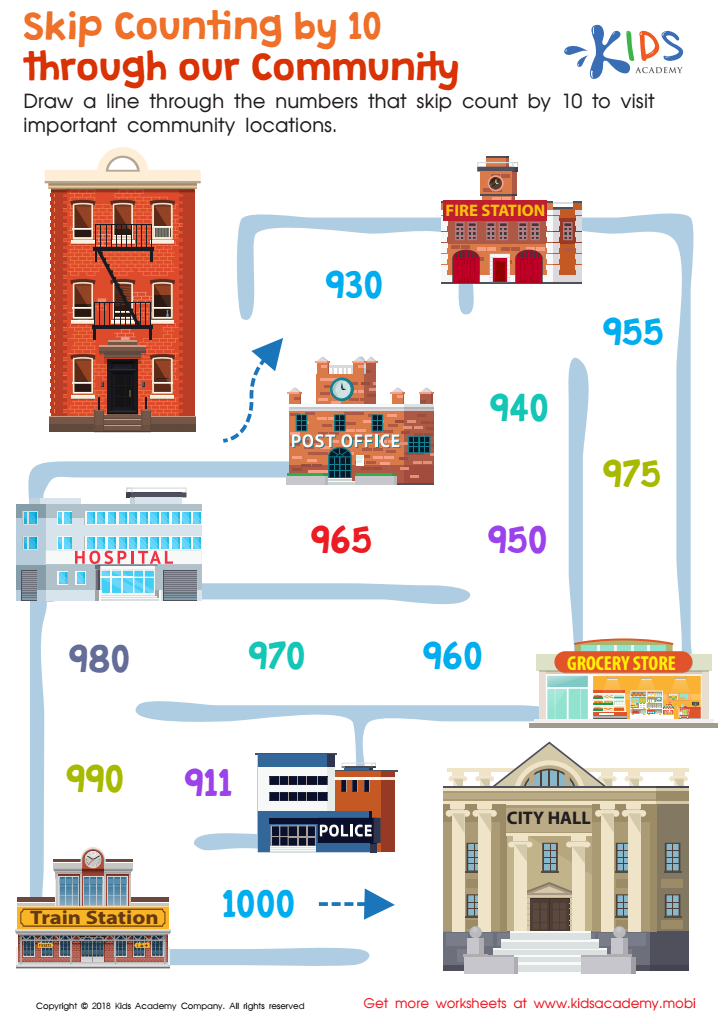
Skip Counting by 10 Through Our Community Worksheet
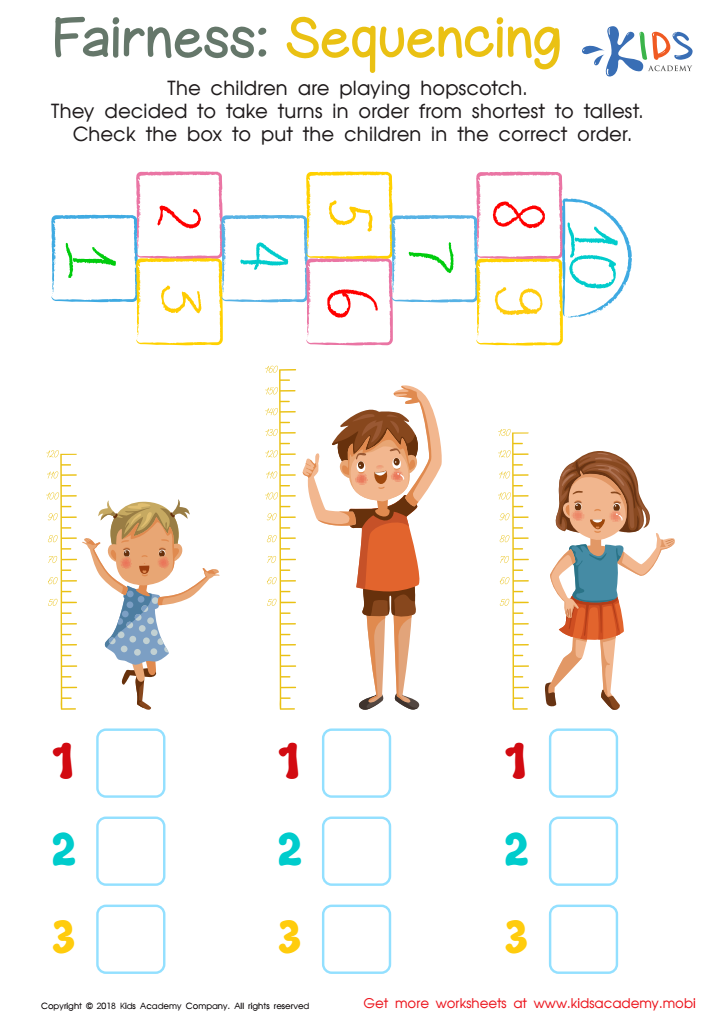
Fairness: Sequencing Worksheet
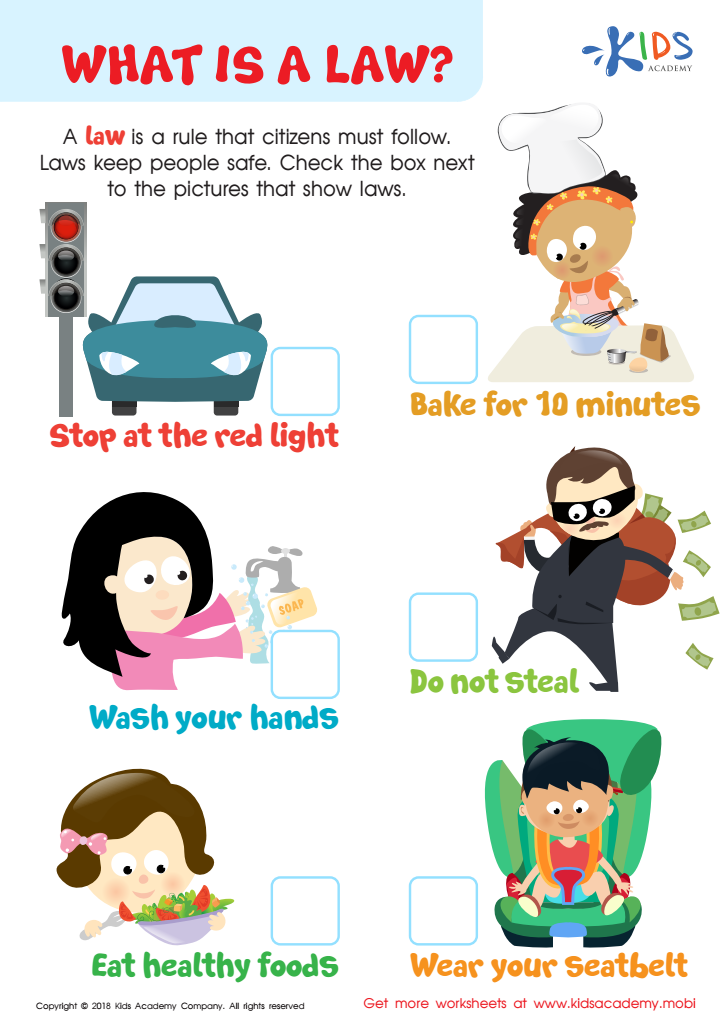
What is a Law? Worksheet
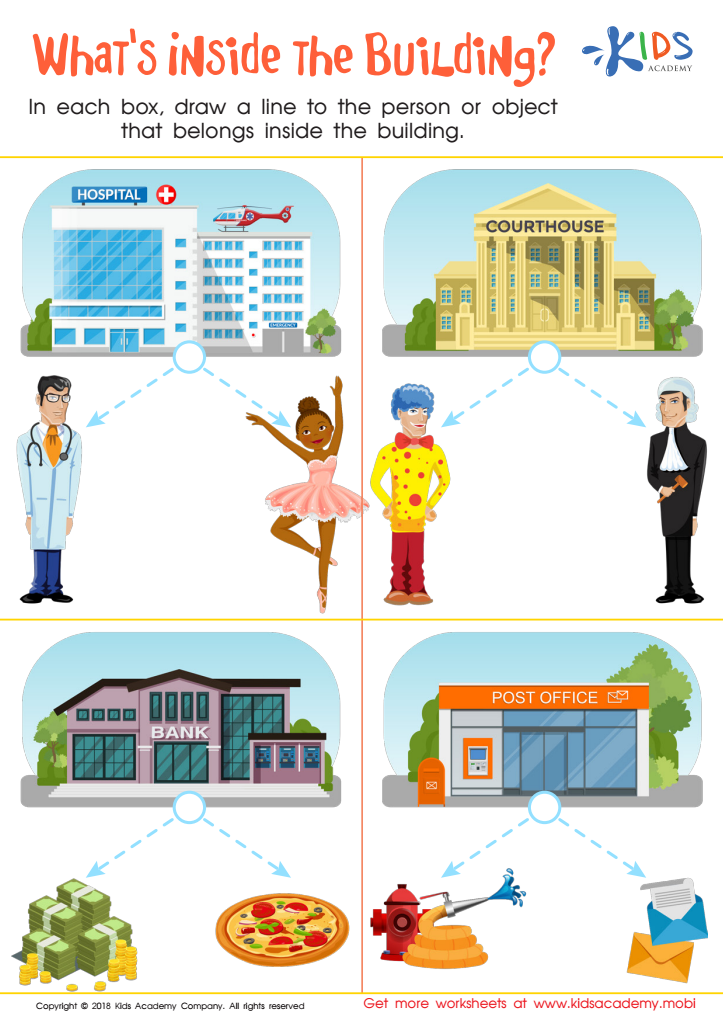
What's Inside the Building? Worksheet
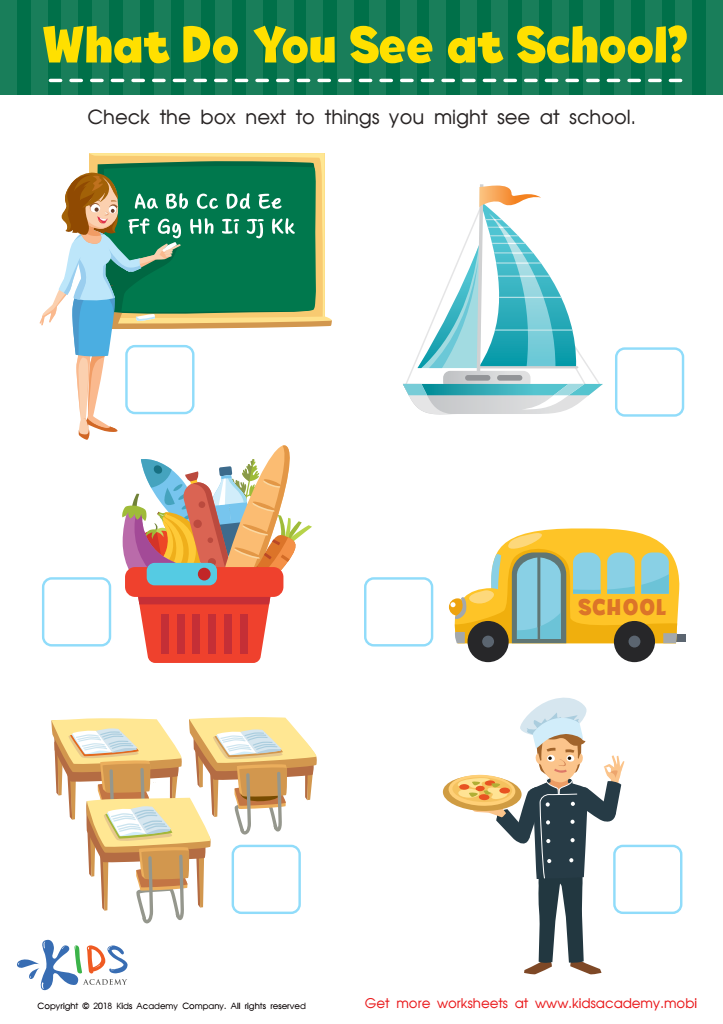
What Do you See at School? Worksheet
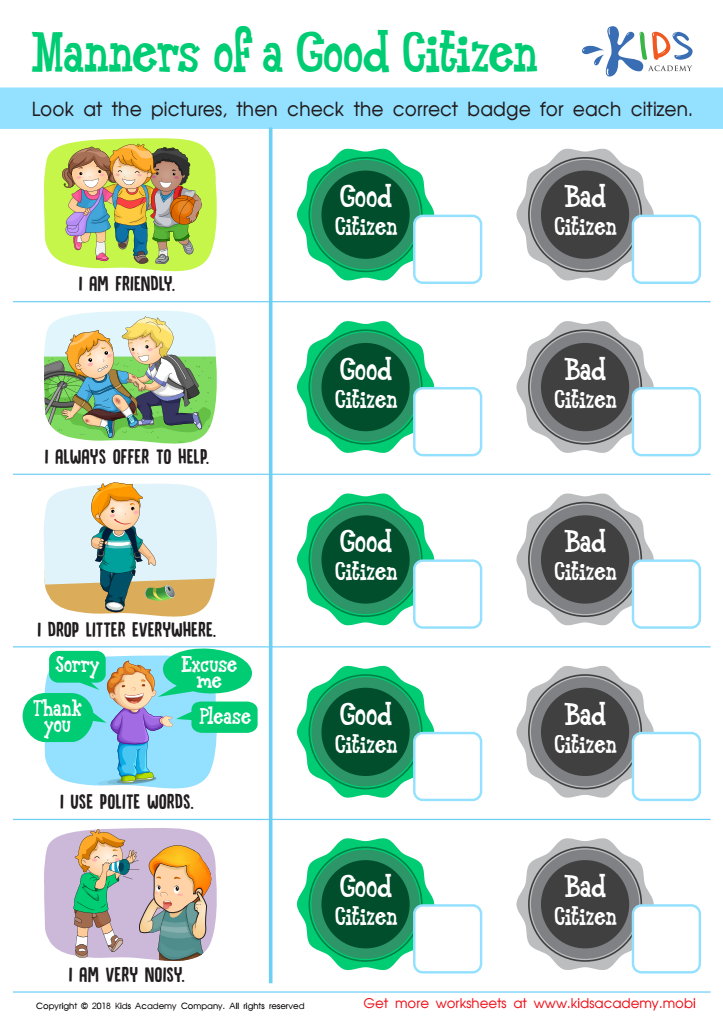
Manners of a Good Citizen Worksheet
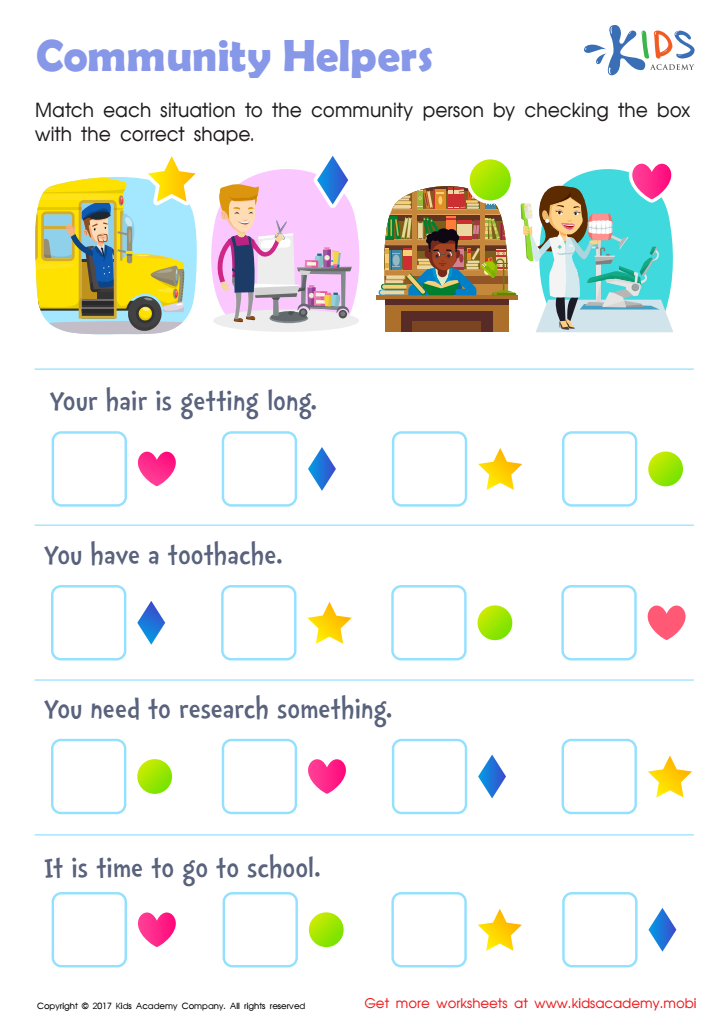
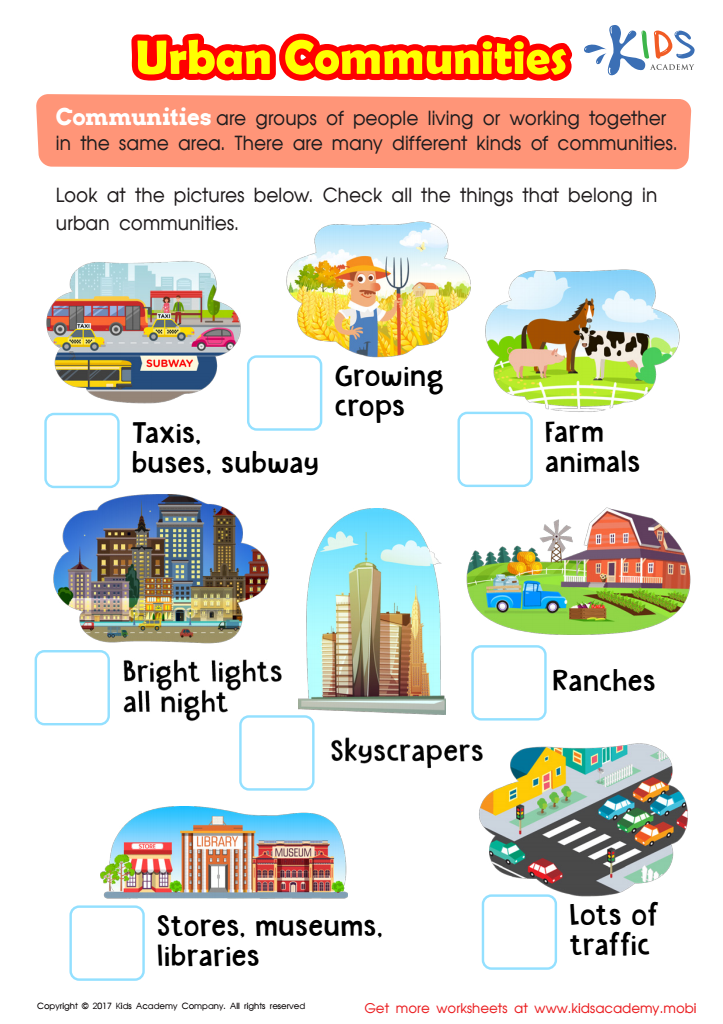
Urban Communities Printable
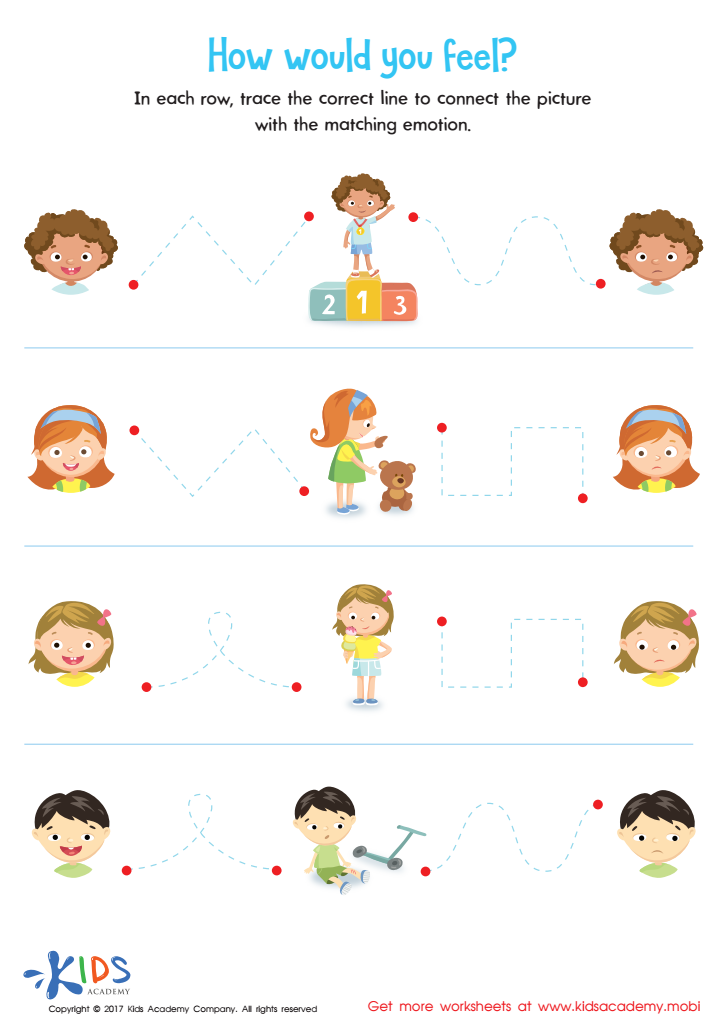
Feelings and Emotions Worksheet
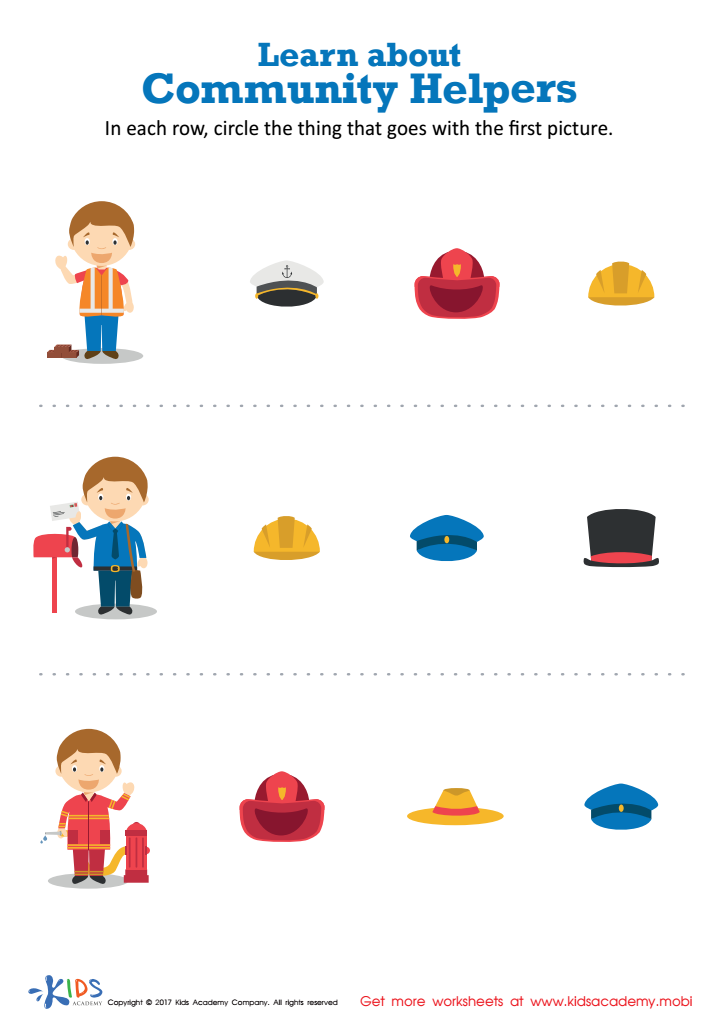
Learn about Community Helpers Printable
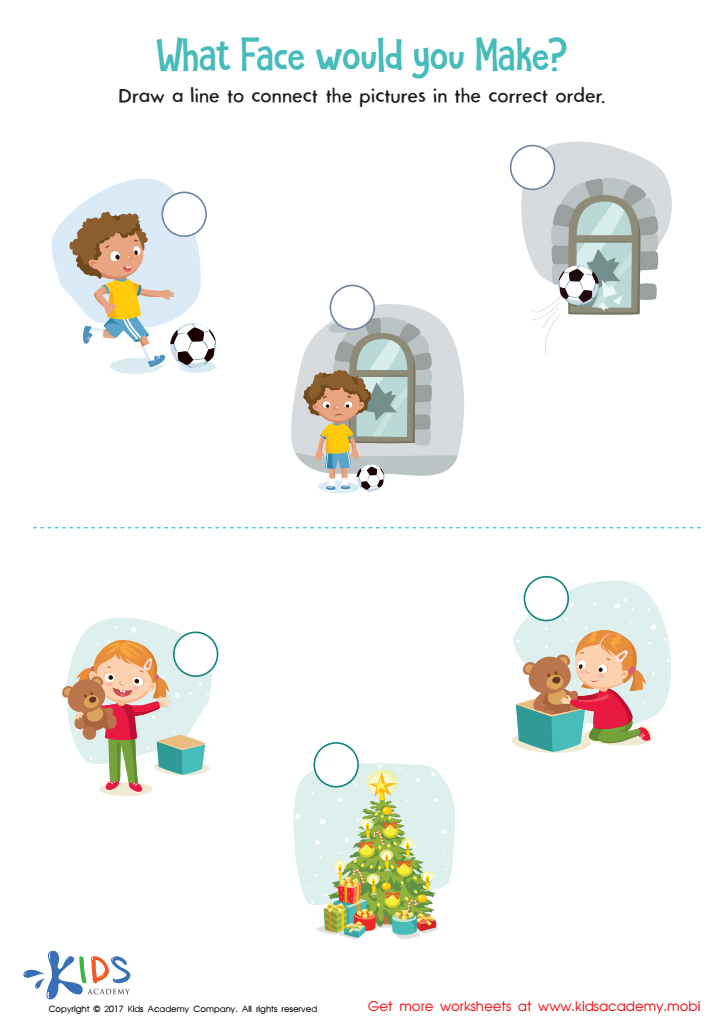
Understanding Emotions Worksheet
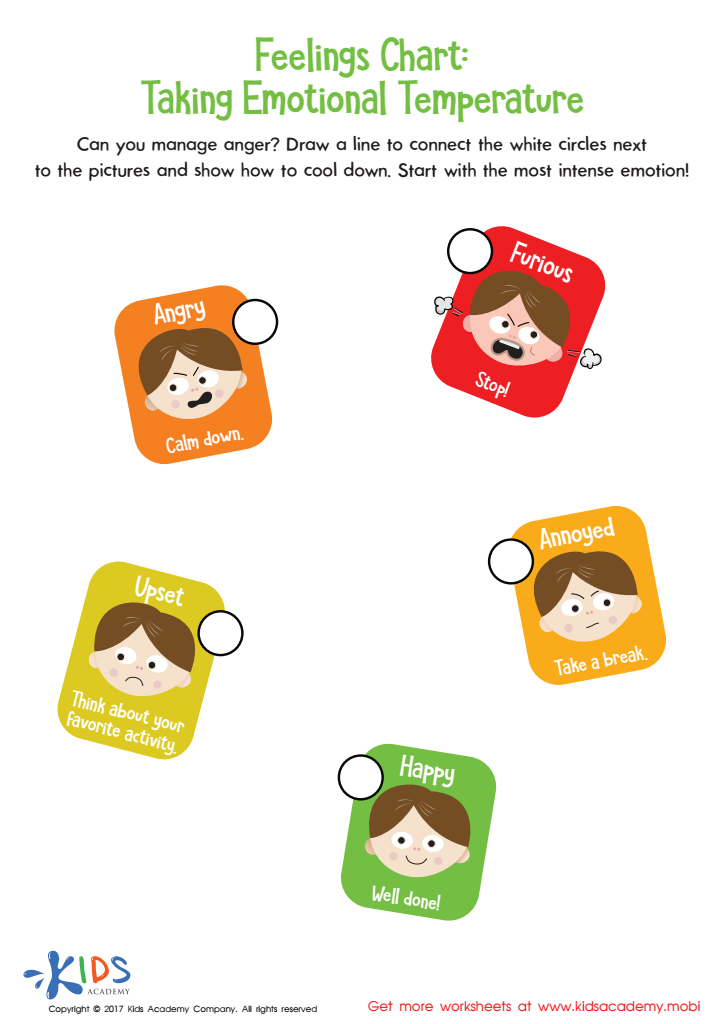
Feelings Chart Worksheet








Having a strong vocabulary is foundational to a child's academic and social success. For children ages 6-9, who are in critical stages of language development, vocabulary enhancement can significantly influence their reading, writing, and overall communication skills. Participation in a Vocabulary Enhancement Community offers numerous benefits and should be of interest to both parents and teachers.
Firstly, expanding vocabulary equips children with the tools to better understand what they read, leading to improved comprehension and more enjoyable reading experiences. Enhanced comprehension sparks a desire to read more, creating a positive cycle of literacy development. Additionally, a rich vocabulary enables more precise and creative expression in writing and speaking, fostering confidence and motivation.
Socially, kids with a robust vocabulary can articulate their thoughts and feelings more effectively, aiding in forming and nurturing relationships. This ability can lead to increased empathy and a better understanding of others. Moreover, strong language skills are viewed positively by peers and adults, building self-esteem.
Educationally, a broad vocabulary enhances performance across subjects. For example, understanding science or math terminology becomes easier, streamlining learning in all areas. Lastly, fostering a community environment provides a support network, where children can practice new words in real-life contexts, reinforcing their learning through interaction, games, and activities.
Thus, by engaging children in a Vocabulary Enhancement Community, parents and teachers invest in their cognitive, emotional, and social development, paving the way for lifelong success.








