Plants and Animals Worksheets for Ages 6-9
13 filtered results
-
From - To
Discover a fun and engaging collection of "Plants and Animals Worksheets" designed for children ages 6-9. These educational resources encourage young learners to explore the fascinating world of nature, helping them understand various plant and animal species through interactive activities. With colorful illustrations and hands-on exercises, your child will develop essential skills in observation, critical thinking, and comprehension. From identifying different habitats to learning about plant life cycles, our worksheets make learning about the natural world exciting. Perfect for home or classroom use, these resources are aimed at nurturing a lifelong appreciation for nature and fostering a love of learning!
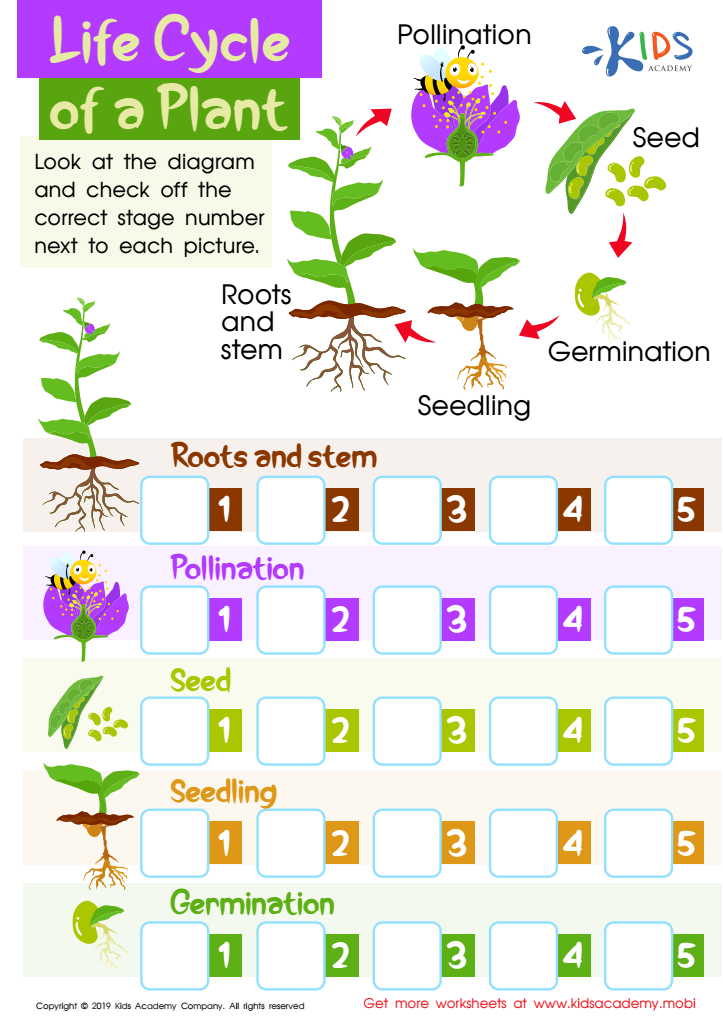
Life Cycle of a Plant Worksheet
 Assign to My Students



Arctic Animals: Polar Bear Worksheet

African Wildlife: Giraffe Worksheet
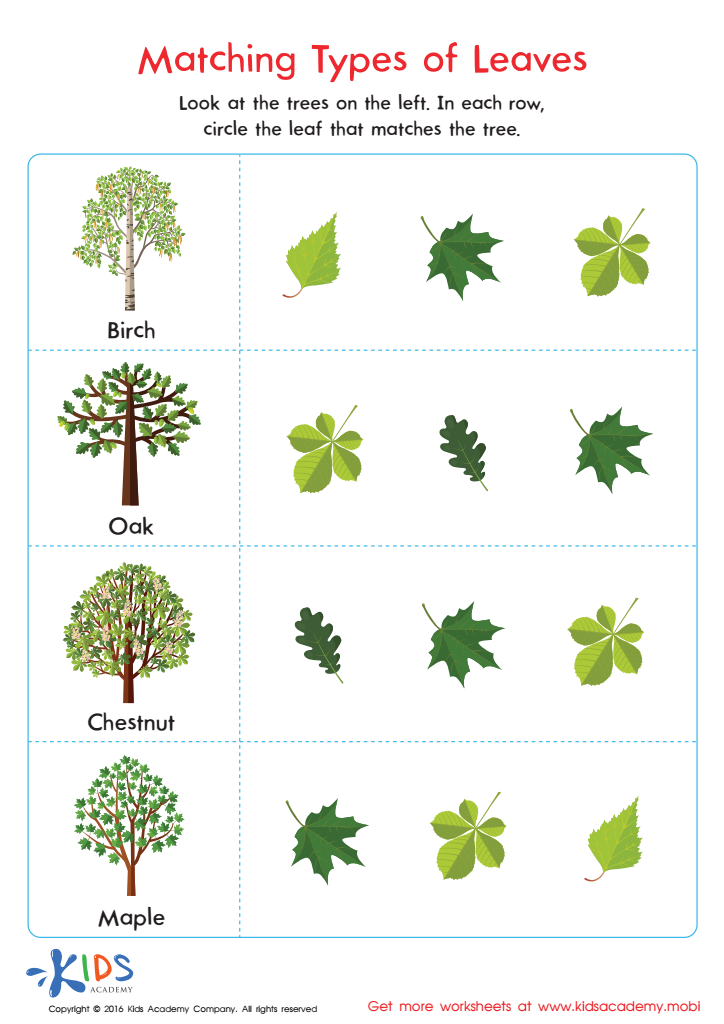
Matching Types of Leaves Printable
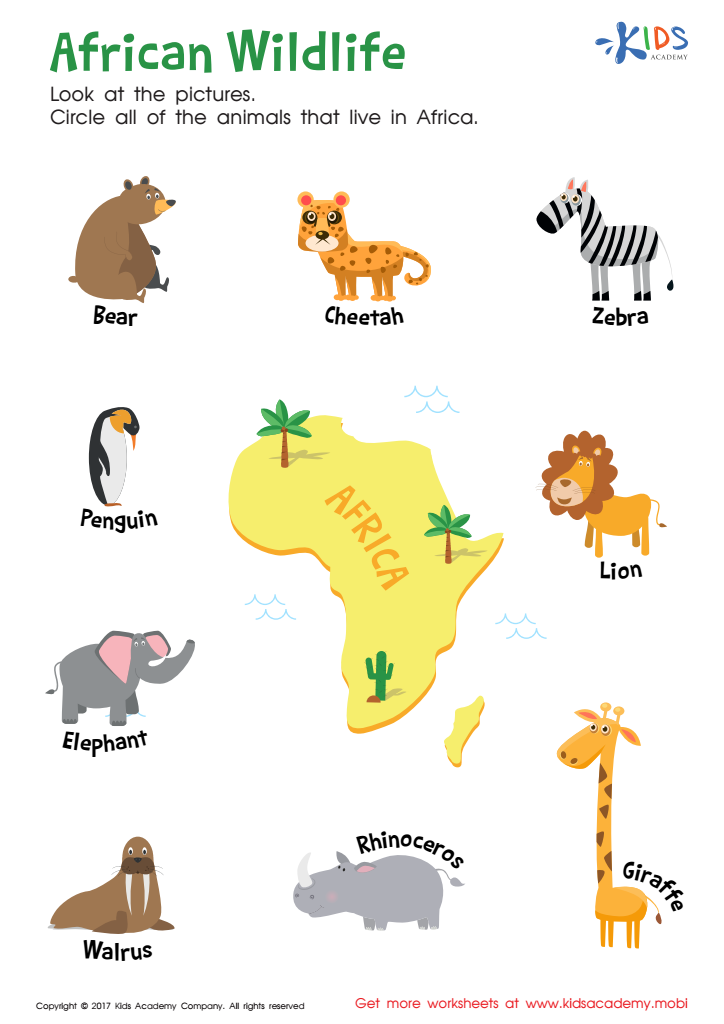
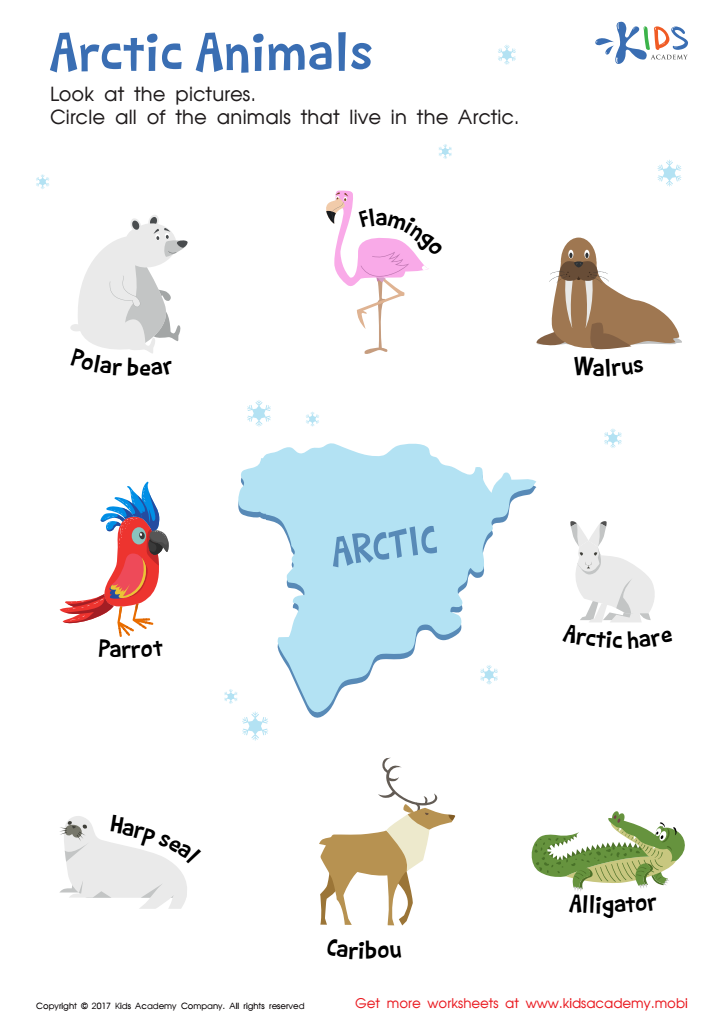
Arctic Animals Worksheet
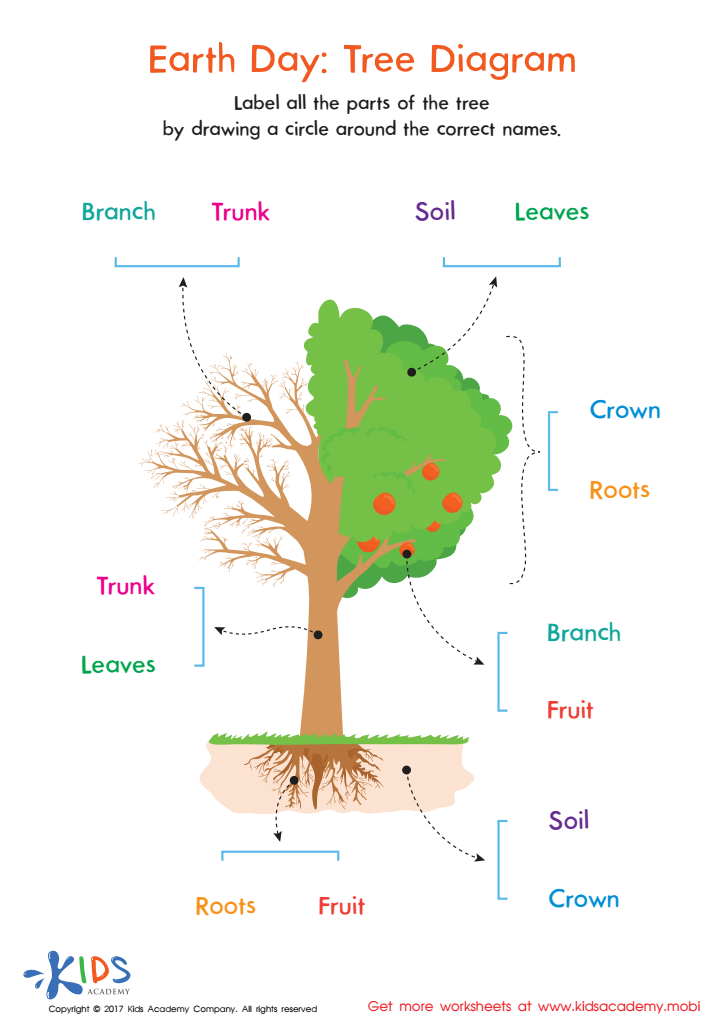
Earth Day: Tree Diagram Worksheet
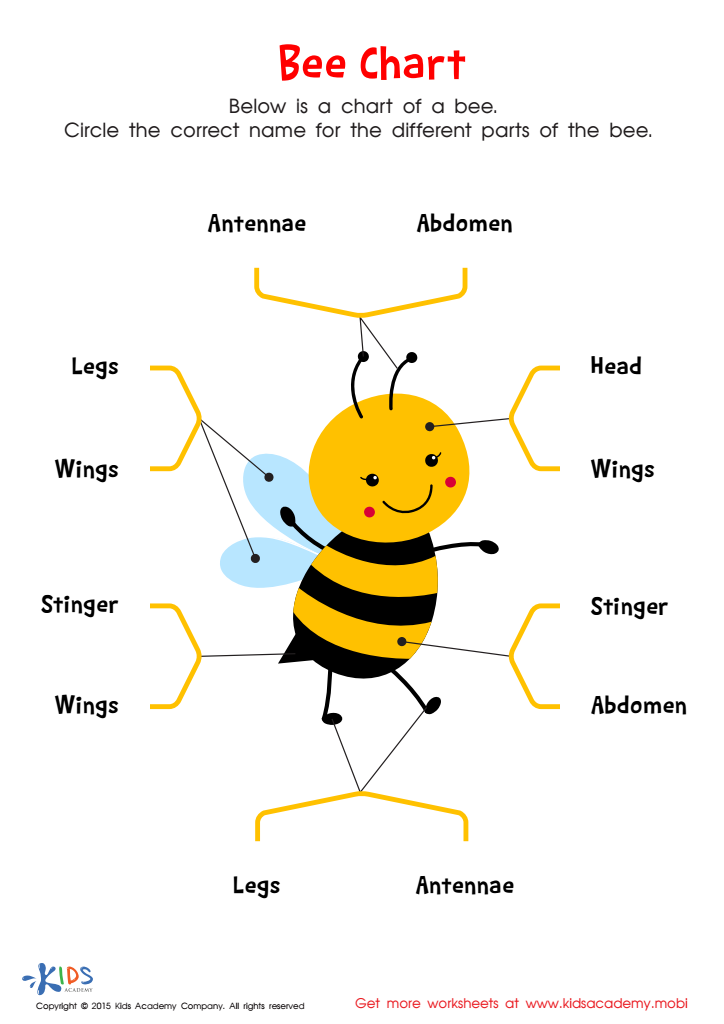
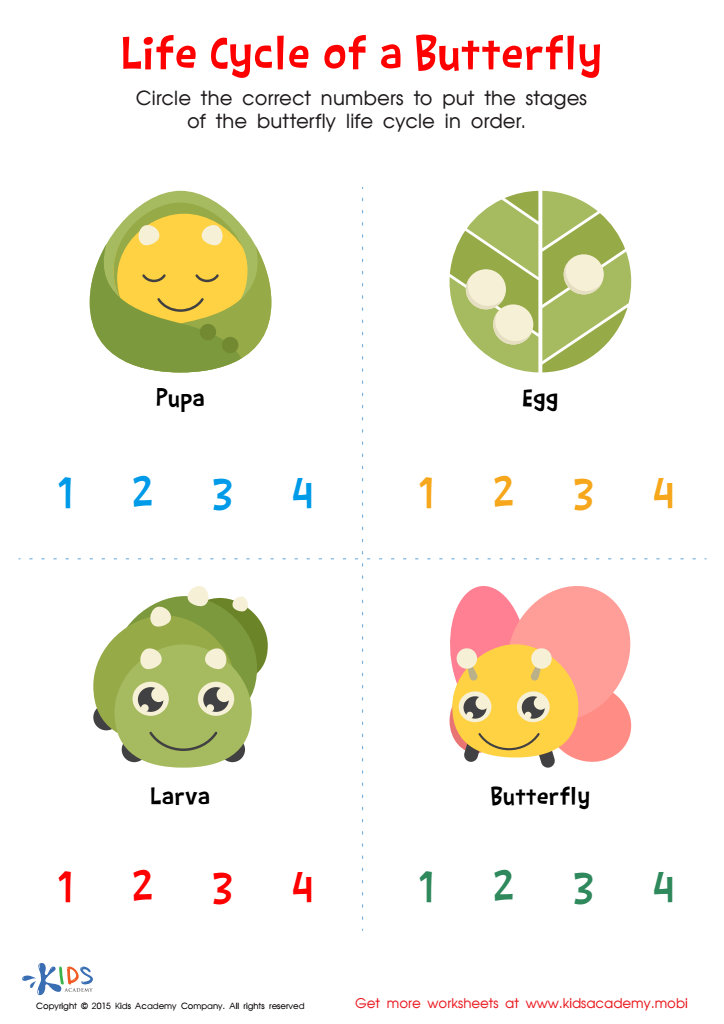
Life Cycle of Butterfly Printable
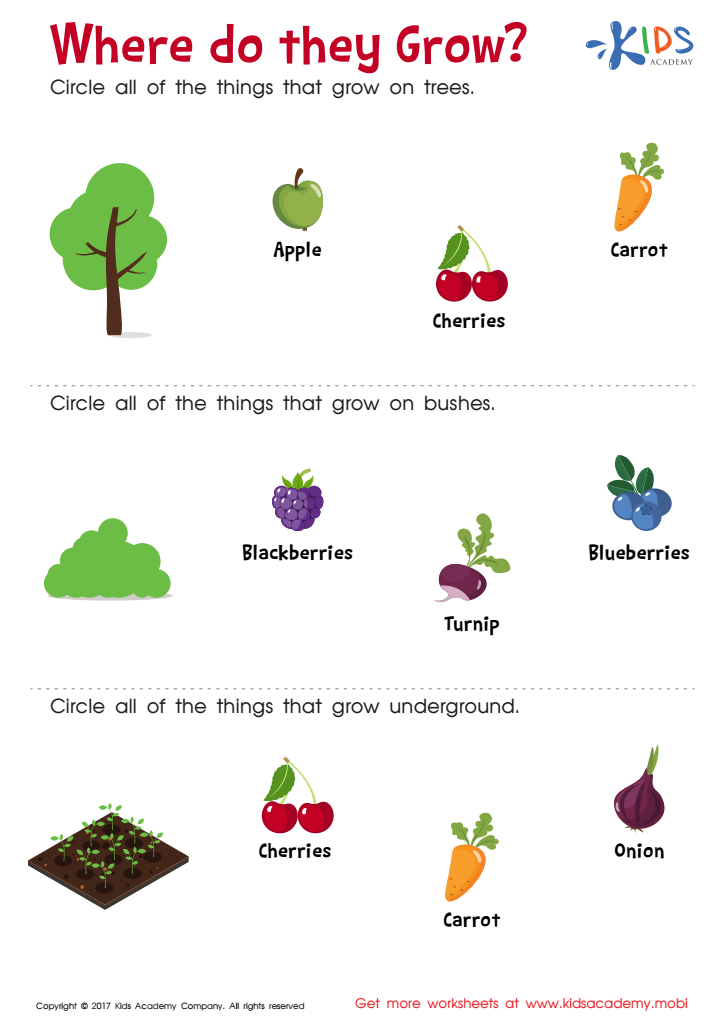
Where Do They Grow Worksheet
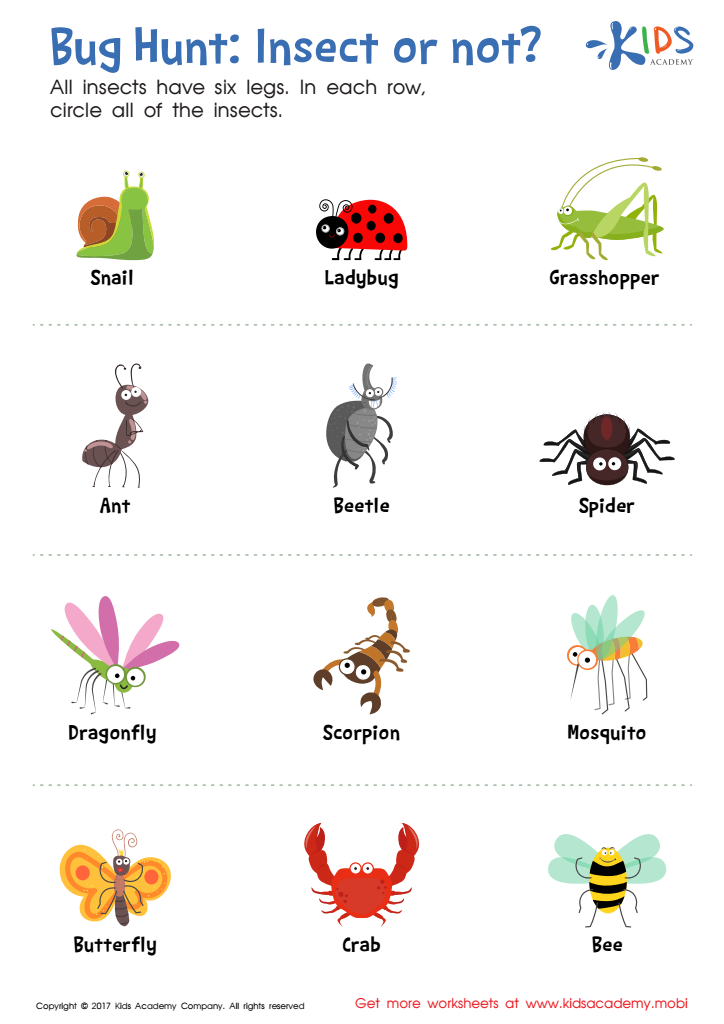
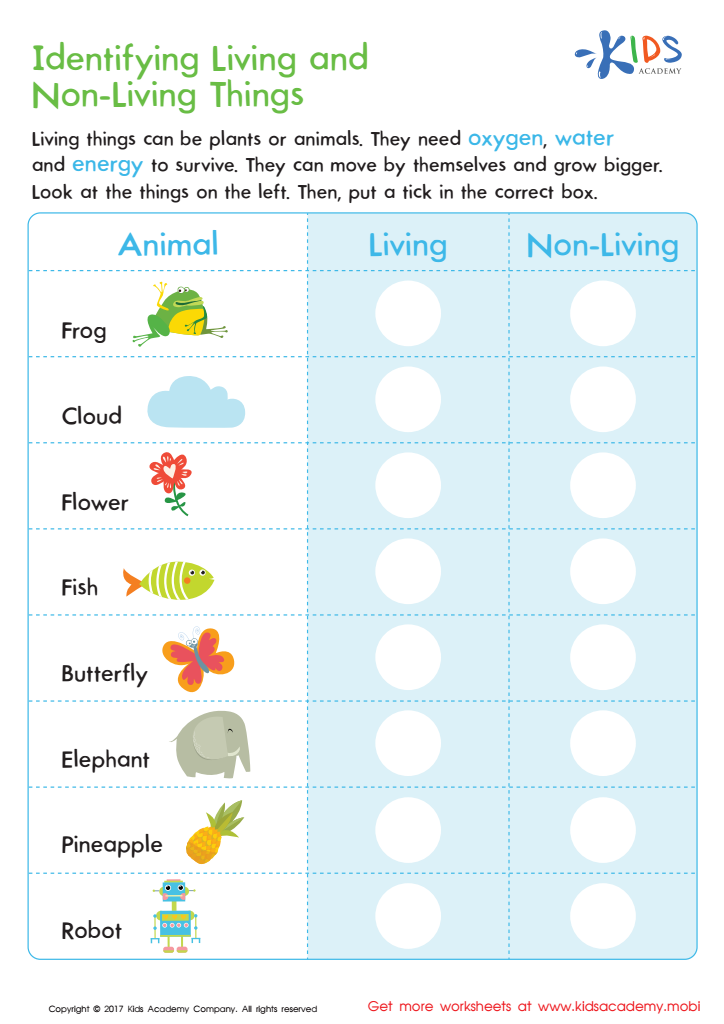
Identifying Living or Non–living Worksheet
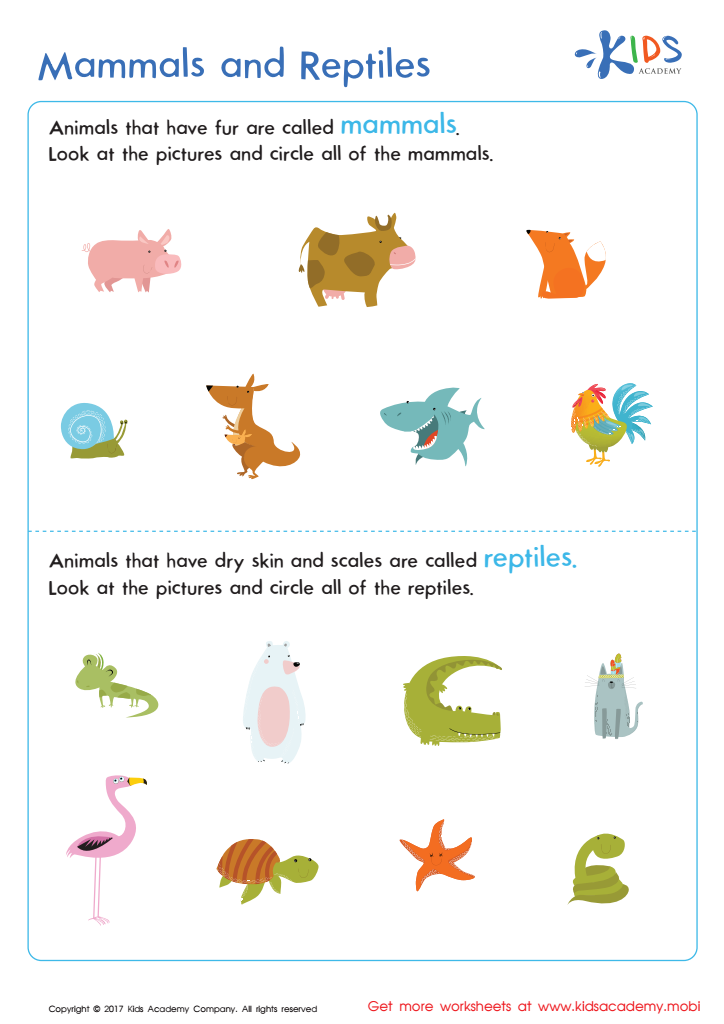
Mammals and Reptiles Worksheet








Parents and teachers should care about plants and animals for children aged 6-9 because these living things form the foundation of the natural world and are crucial for developing children's understanding of life science. Learning about plants and animals helps foster curiosity, encourages exploration, and promotes a sense of wonder. When children engage with nature, they develop observation skills and critical thinking, which are essential for scientific reasoning.
Moreover, understanding plants and animals teaches children the importance of biodiversity and ecosystems. They learn about the roles different species play in the environment, fostering a sense of responsibility toward protecting nature. This awareness encourages eco-friendly behaviors, which can lead to a more sustainable future.
Additionally, interactions with plants and animals can enhance social-emotional development. Caring for a plant or pet cultivates empathy, patience, and responsibility. Classroom activities that involve gardening or structured animal care can also strengthen teamwork and communication skills.
Lastly, incorporating lessons about plants and animals into education promotes physical activity and outdoor learning, enriching children’s health and well-being. Communities that foster a connection to nature tend to nurture more engaged, responsible, and informed citizens. This early appreciation can lead to lifelong stewardship of the environment.