Matching Worksheets for Ages 7-8
19 filtered results
-
From - To
Introducing our specially crafted Matching Worksheets for Ages 7-8, designed to challenge and engage young minds in an exciting way! Perfectly tailored for children in this age group, these worksheets are packed with a variety of matching exercises that not only captivate but also enhance cognitive skills, including memory, attention to detail, and logical thinking. From vibrant images to intriguing patterns, our worksheets encourage learners to draw connections and identify similarities, fostering a deepened understanding and retention of concepts. Dive into our Matching Worksheets for Ages 7-8 and watch your child embark on a delightful journey of learning and discovery!
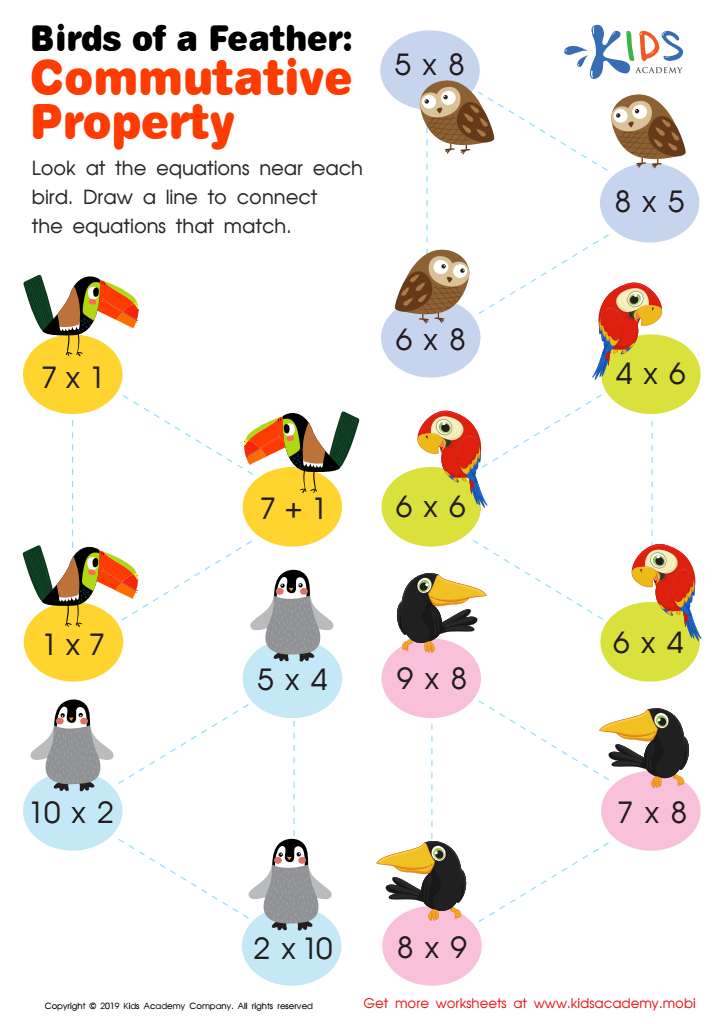
Birds of a Feather: Commutative Property Worksheet
 Assign to My Students
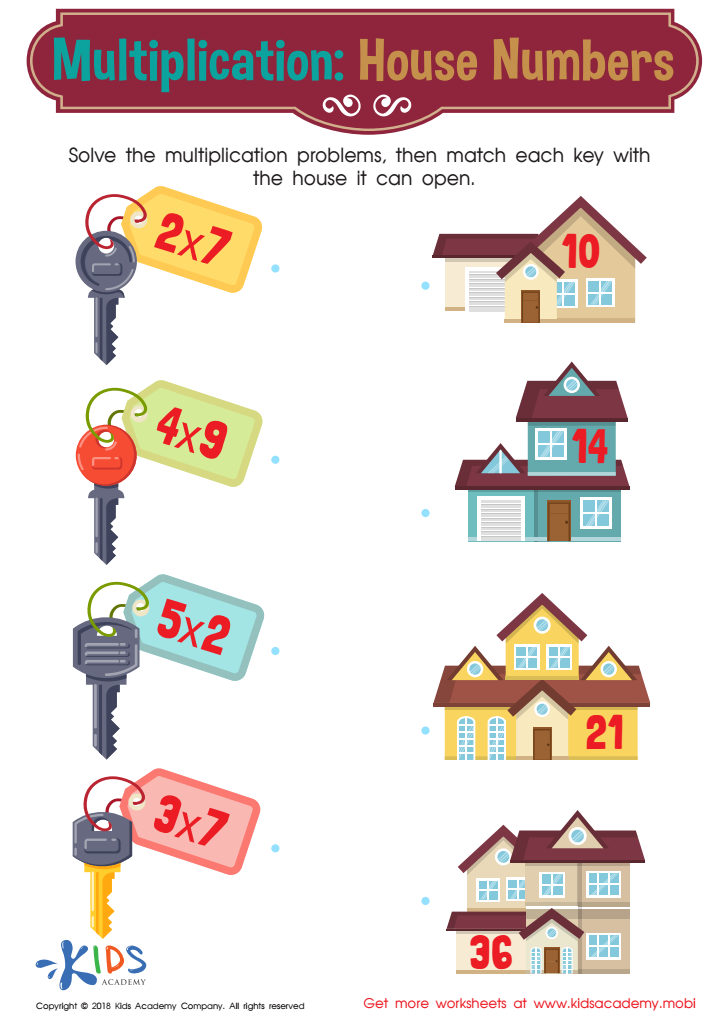
House Numbers Worksheet
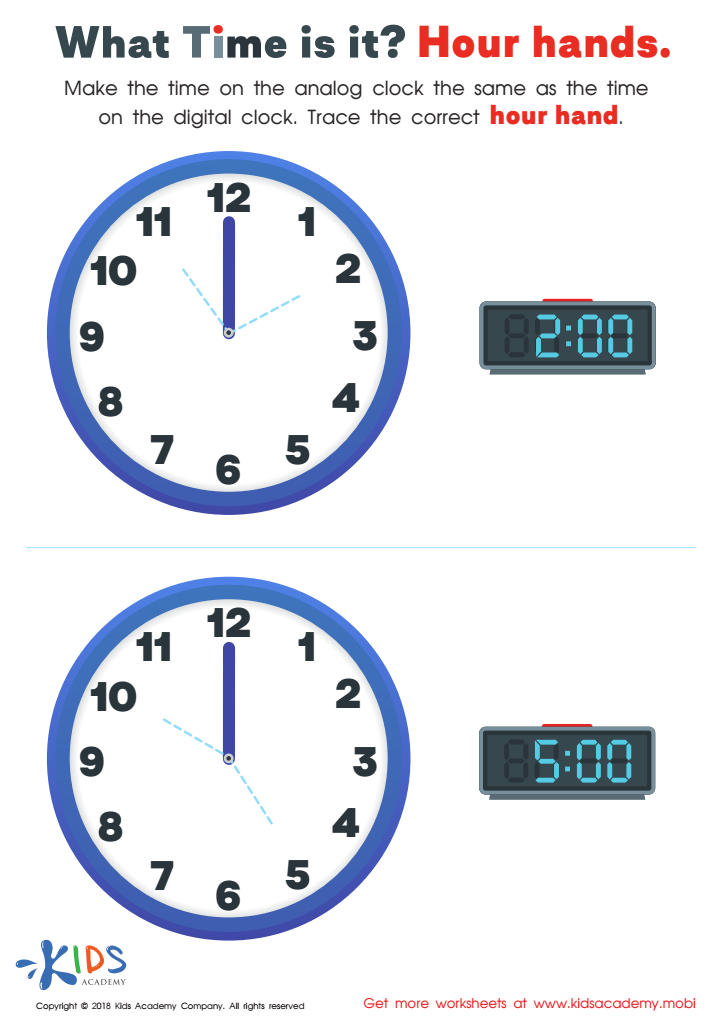
What Time Is it? Hour Hands Worksheet
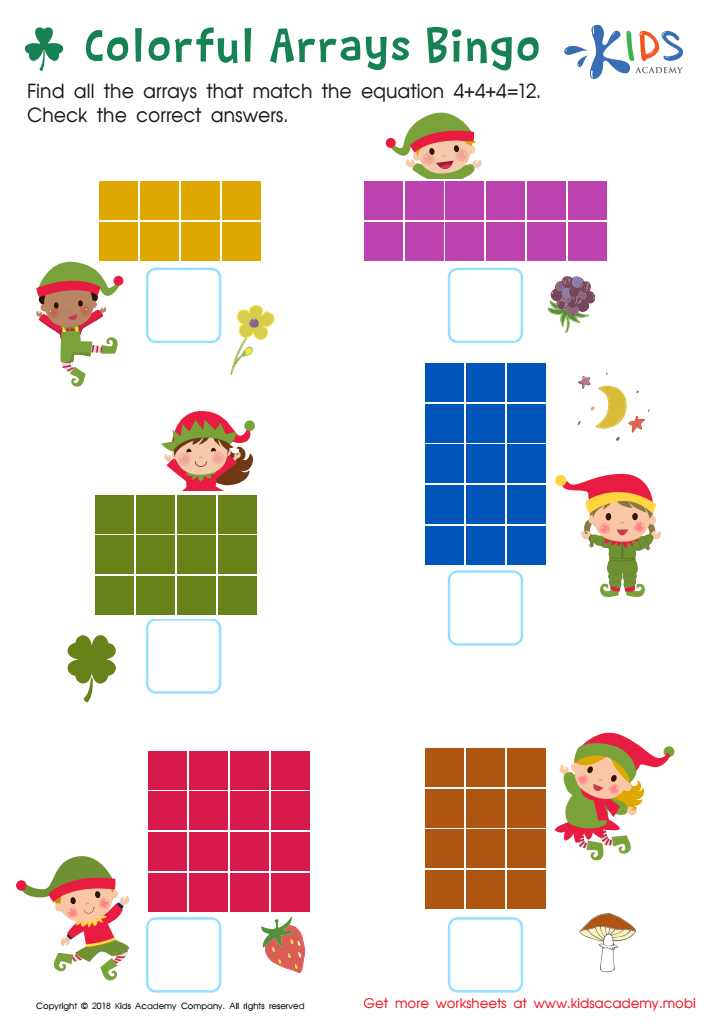
Colorful Arrays Bingo Worksheet
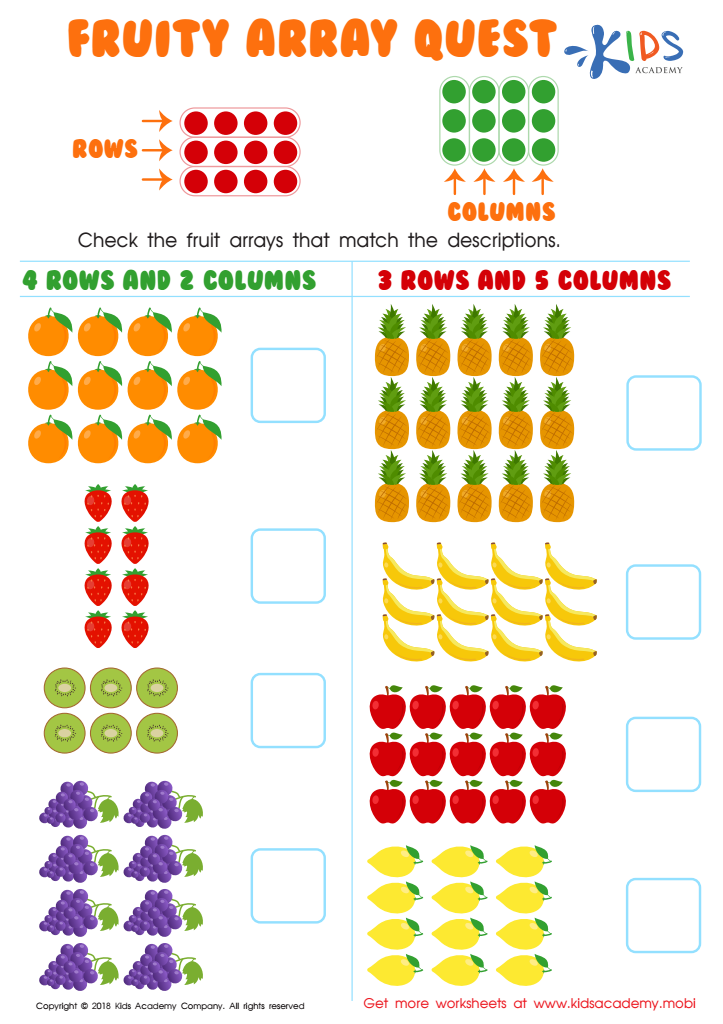
Fruity Array Quest Worksheet
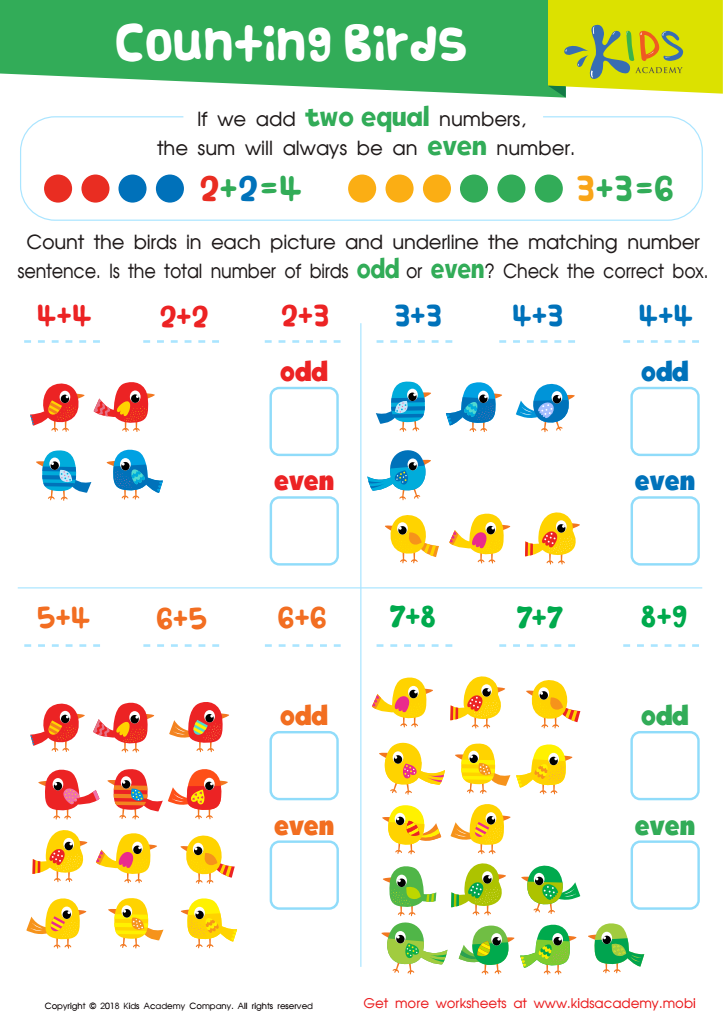
Counting Birds Worksheet
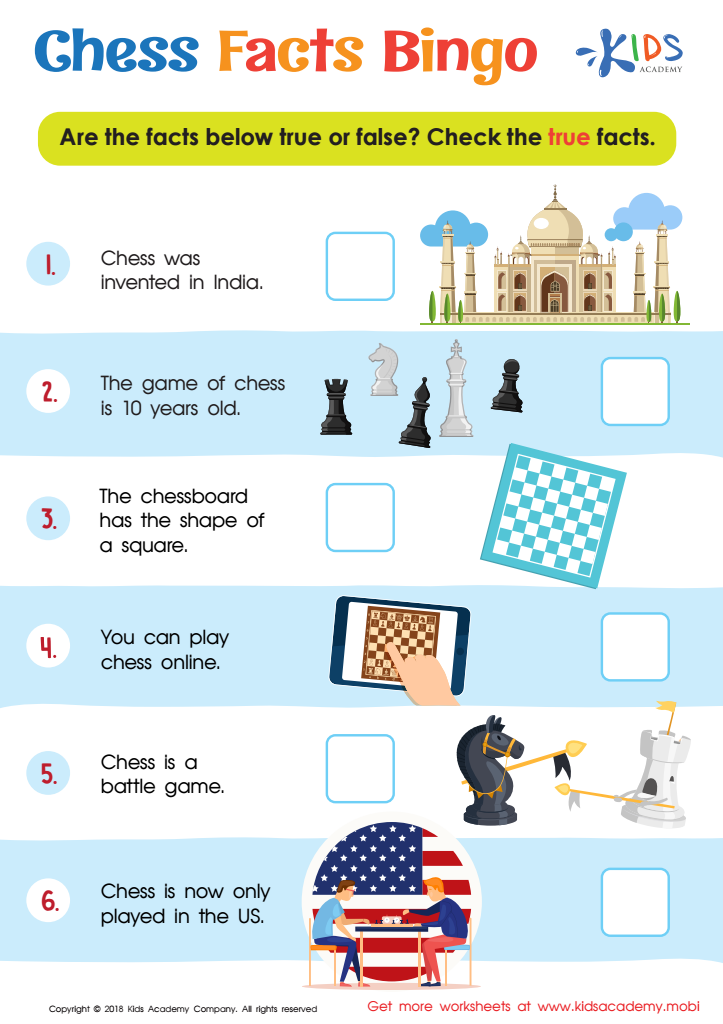
Chess Facts Bingo Worksheet
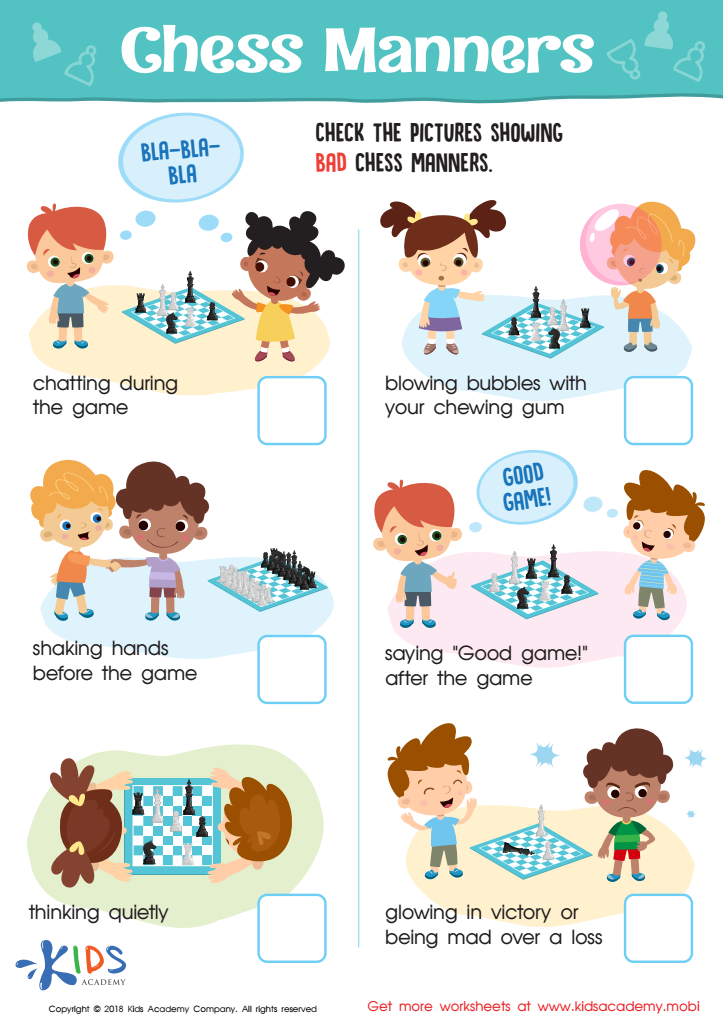
Chess Manners Worksheet
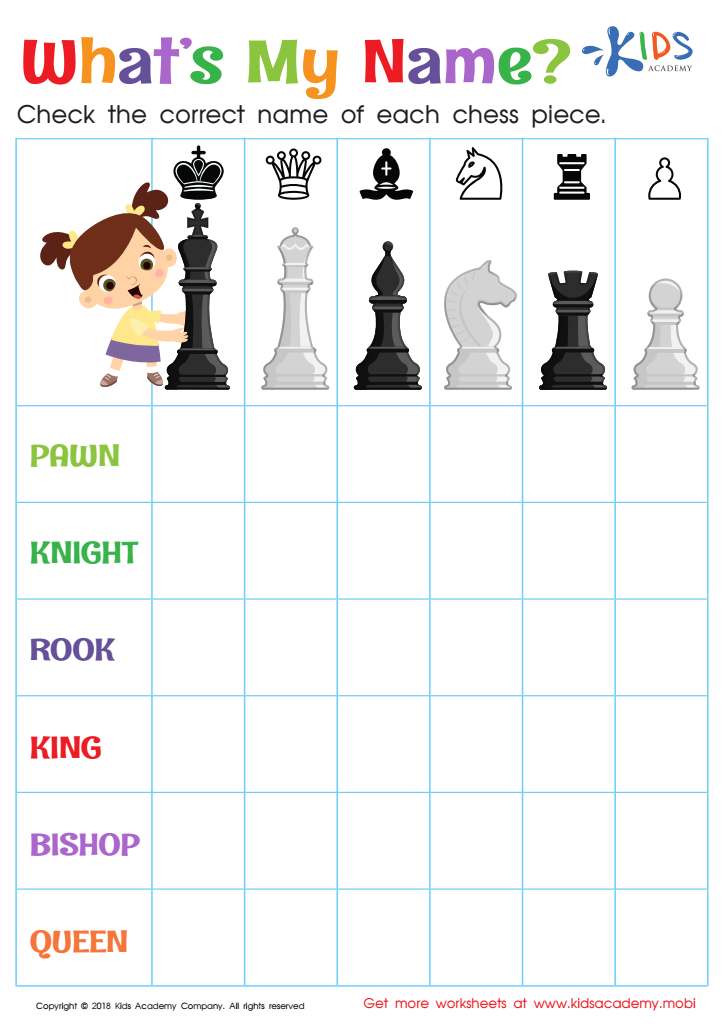
What's My Name? Worksheet
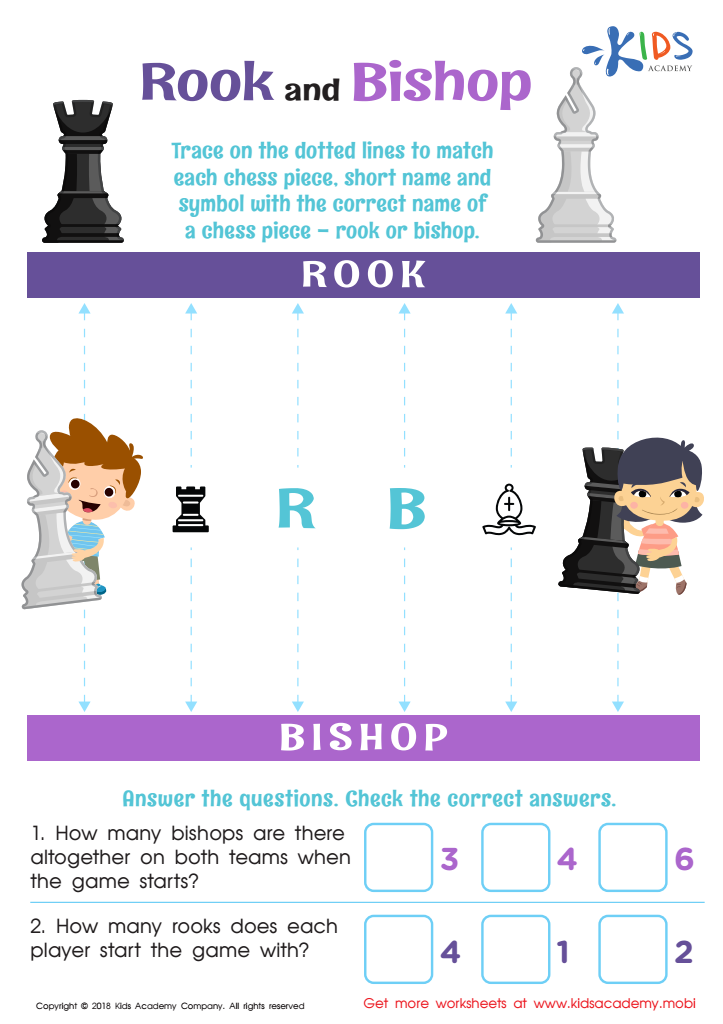
Rook and Bishop Worksheet
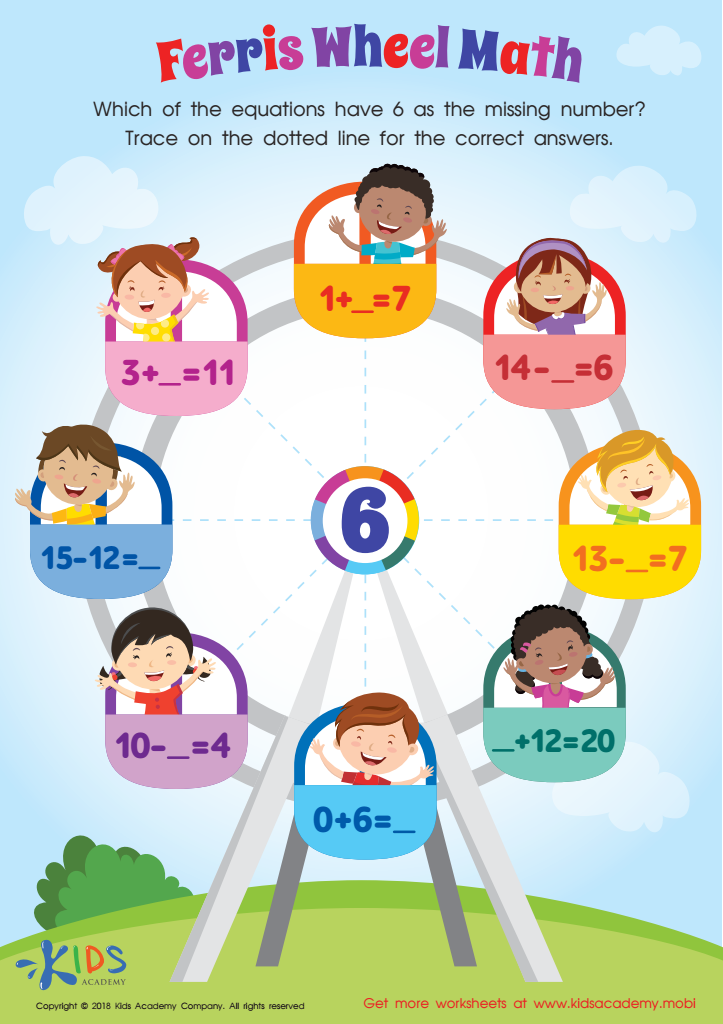
Missing Number: Ferris Wheel Math Worksheet
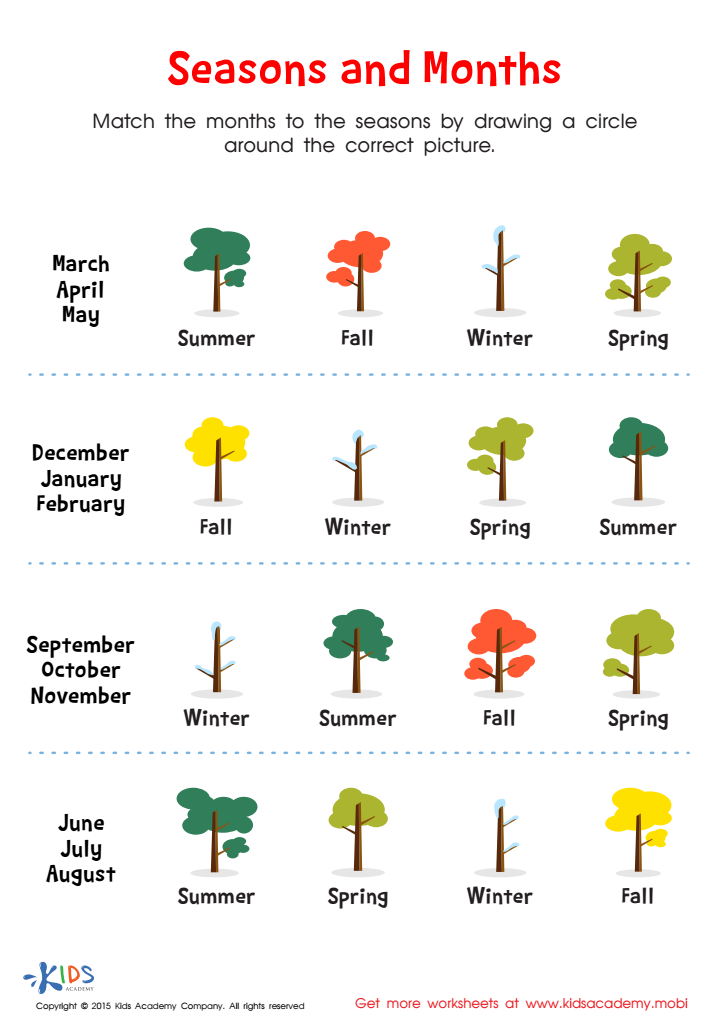
Seasons and Months Worksheet
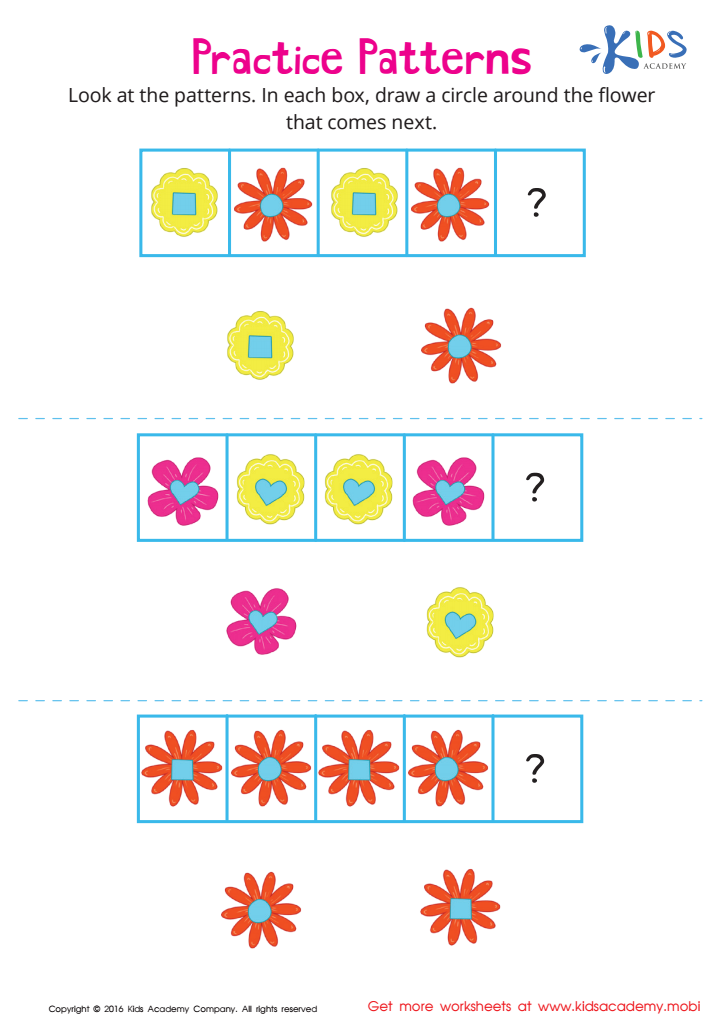
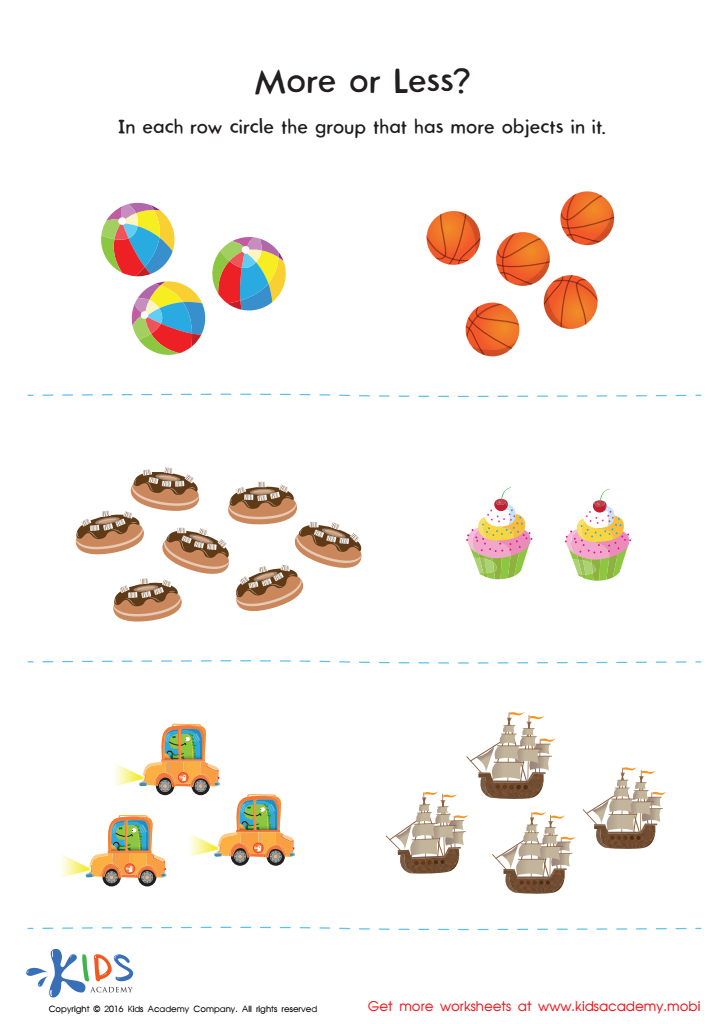
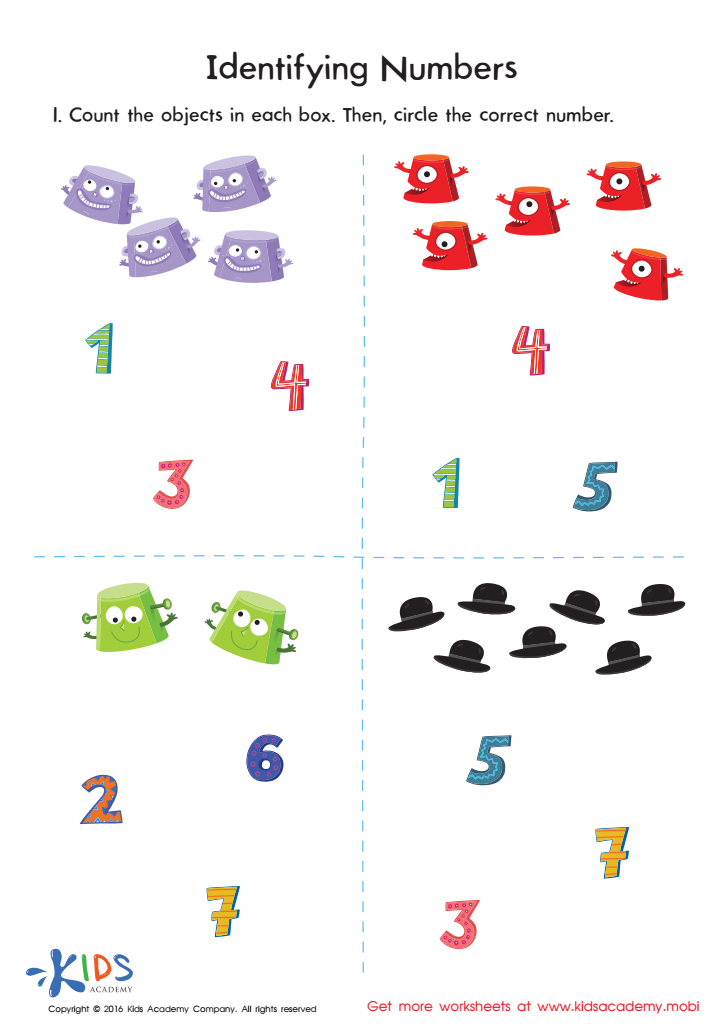
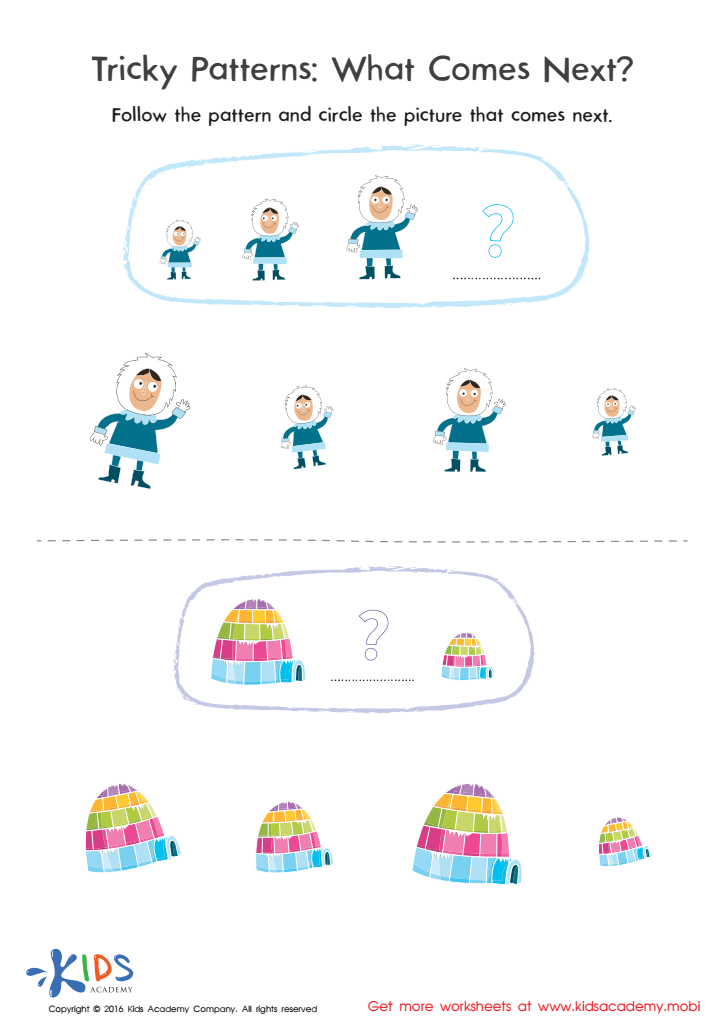
Tricky Patterns Size Worksheet
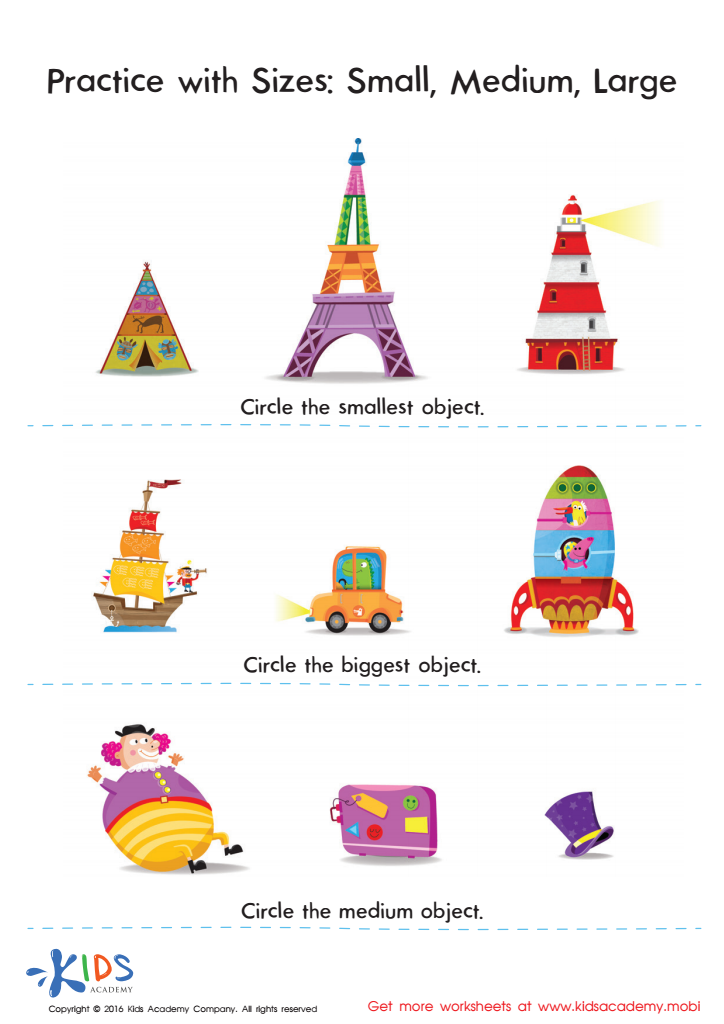
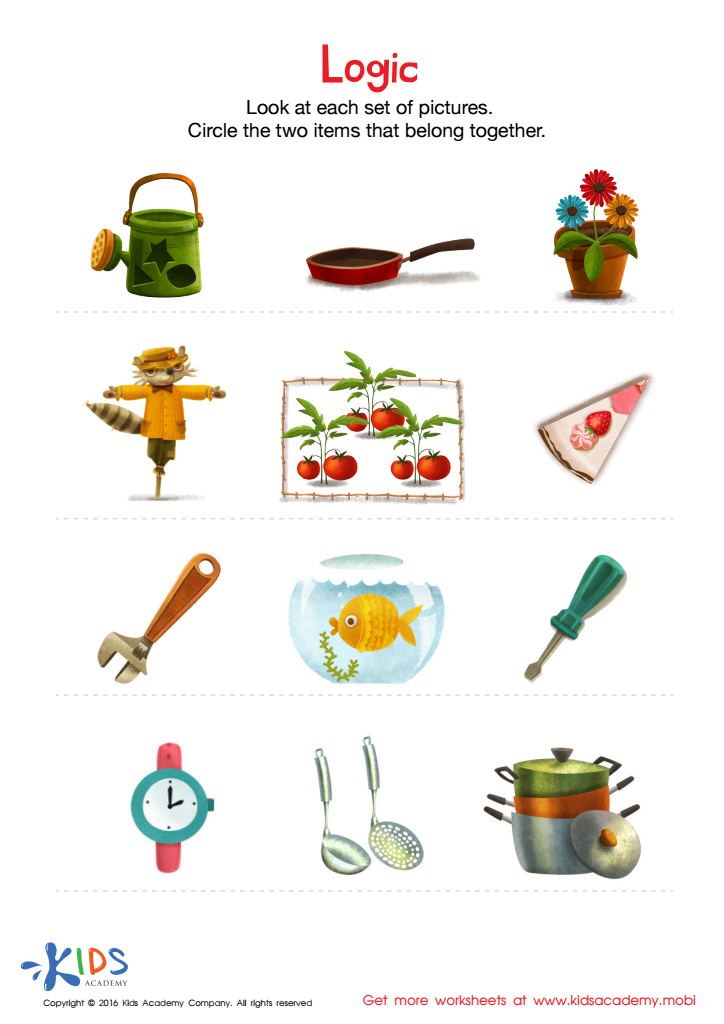
Logic Game Sorting Worksheet
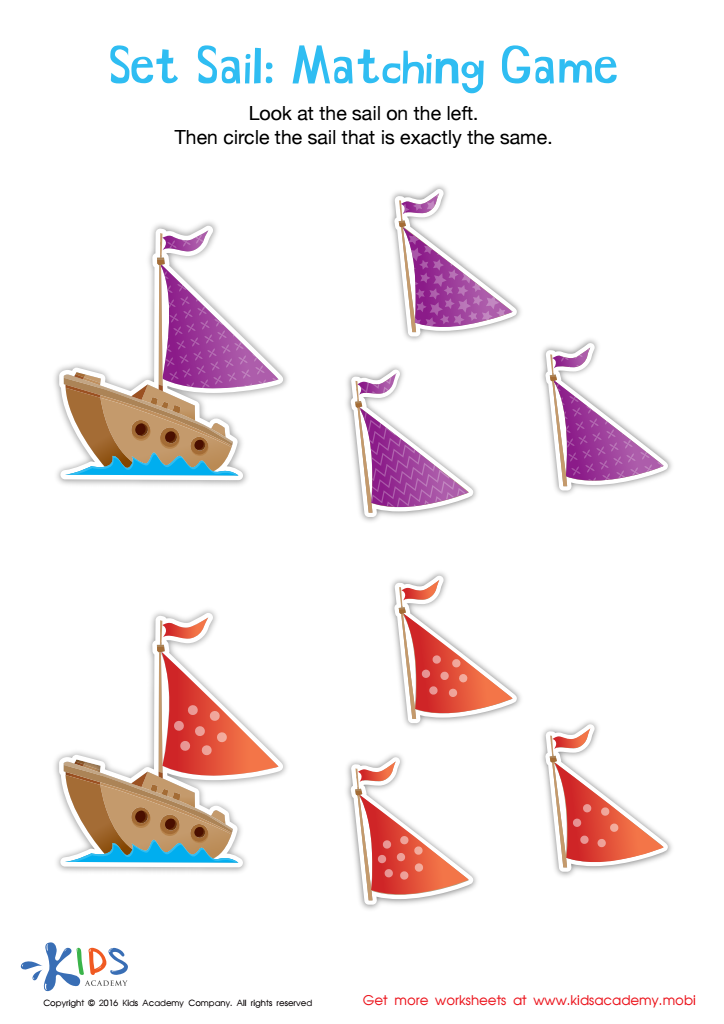
Set Sail Worksheet








Matching worksheets for ages 7-8 are a pivotal educational tool that fosters a myriad of cognitive skills in young learners. At this developmental stage, children are expanding their ability to recognize patterns, understand relationships, and make logical connections - all of which are integral aspects of matching activities. These worksheets are specifically designed to cater to the learning needs and capabilities of children in this age group, ensuring that the tasks are both challenging and accessible.
One of the key benefits of matching worksheets for ages 7-8 is their versatility in teaching different subjects. Whether it’s matching words to pictures to enhance vocabulary, connecting numbers to objects for math skills, or pairing colors and shapes for visual acuity, these worksheets offer a broad spectrum of learning opportunities. Moreover, they are an excellent way for children to improve their memory and attention to detail, as they require focus and concentration to correctly complete the matching tasks.
Furthermore, matching worksheets encourage independent learning and problem-solving. Children learn to trust their judgment and reasoning as they find the connections between pairs of items. This boosts their confidence and fosters a positive attitude towards learning.
In summary, matching worksheets for ages 7-8 are an invaluable educational resource. They not only support academic skills but also promote cognitive development, self-reliance, and a love for learning in young children.








