Vowels Worksheets for Ages 7-9 - Page 3
63 filtered results
-
From - To
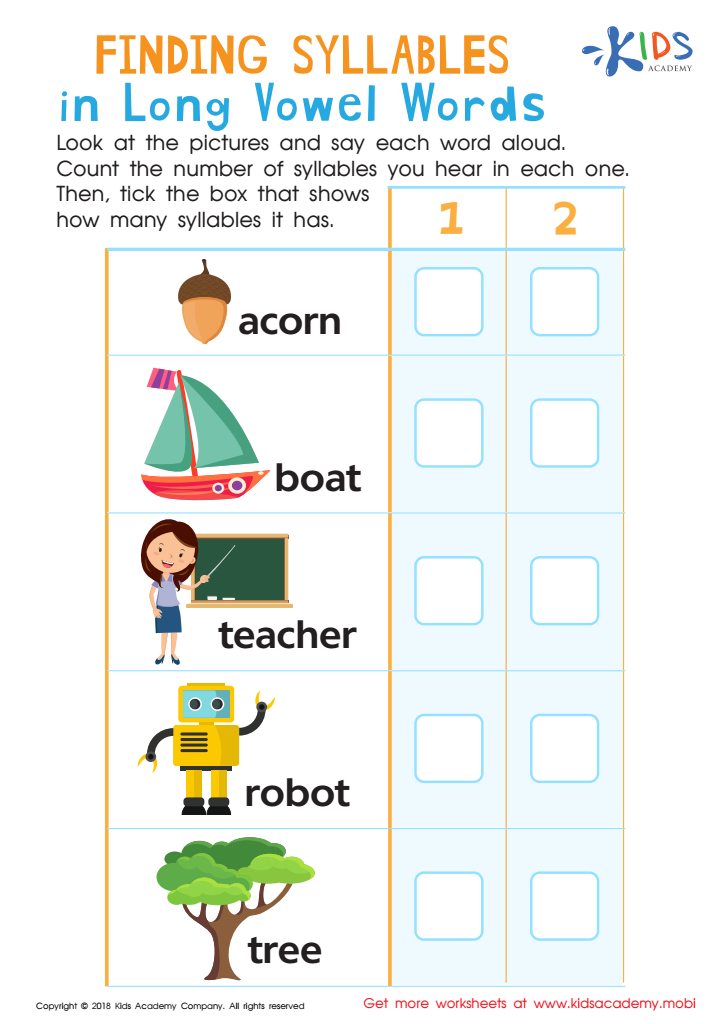
Finding Syllables in Long Vowel Words Worksheet
 Assign to My Students
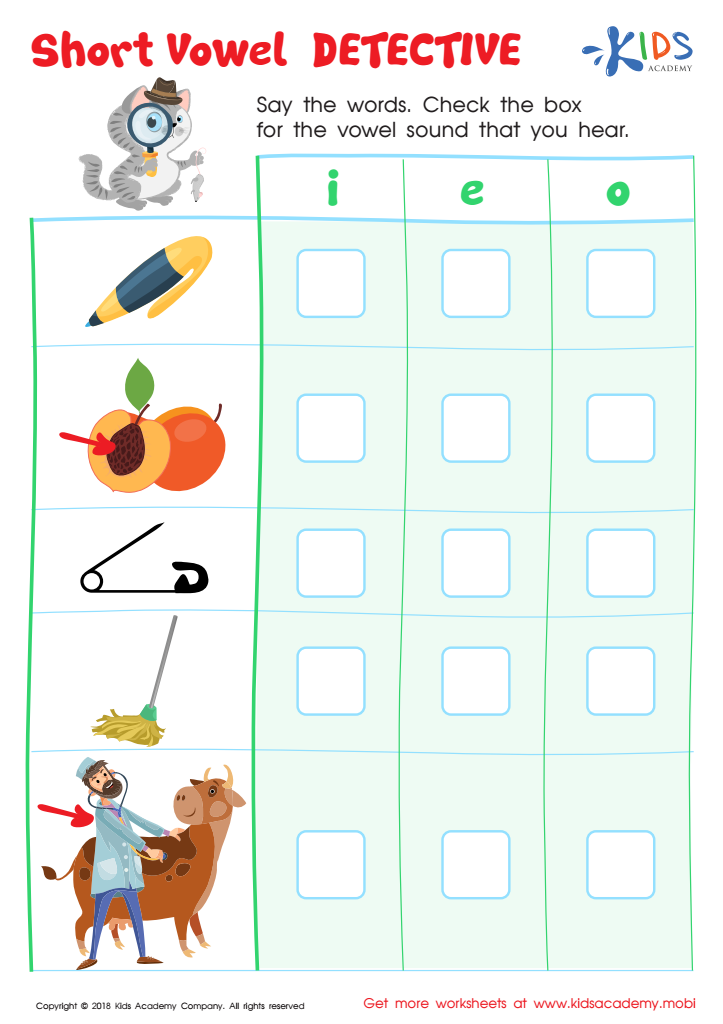
Short Vowel Detective Worksheet
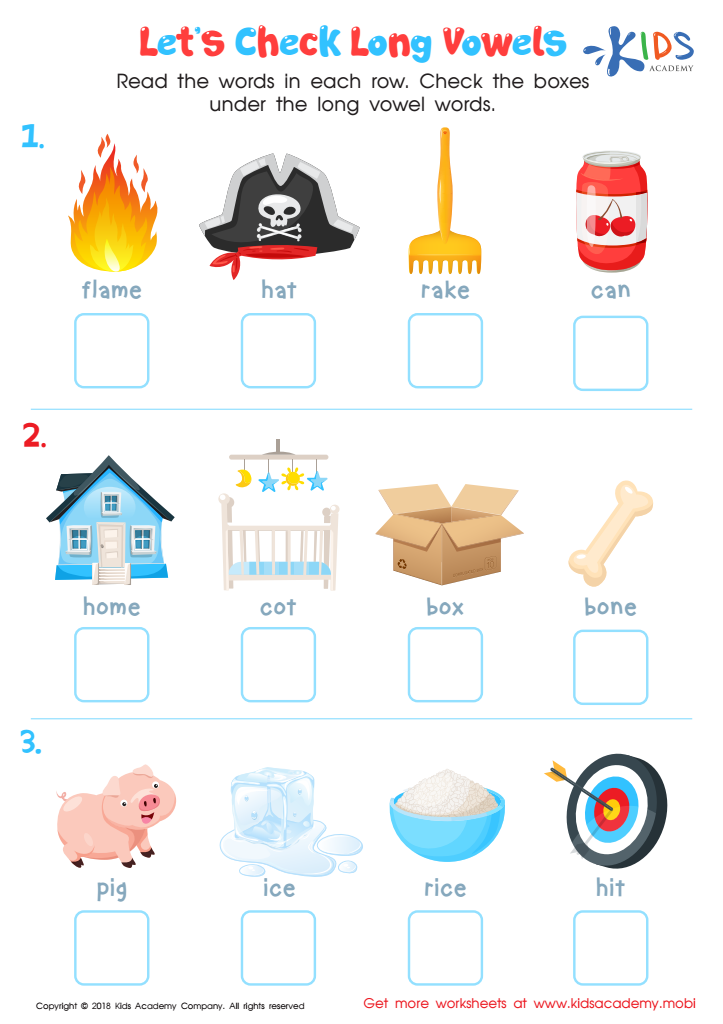
Let's Check Long Vowels: Assessment Worksheet
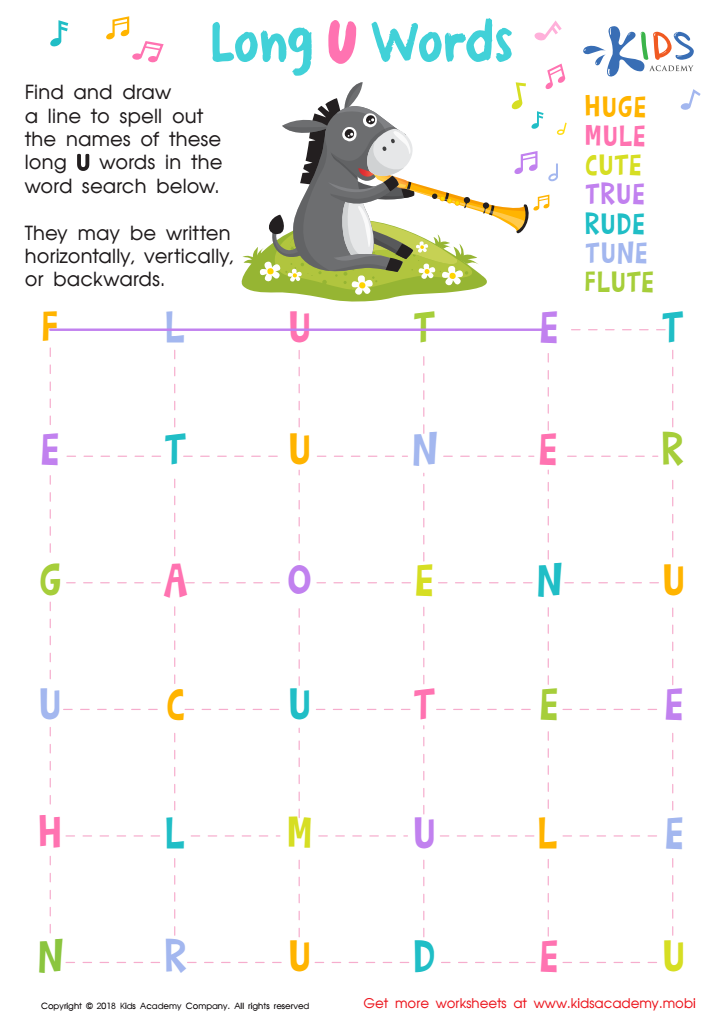
Long /u/ Words Worksheet
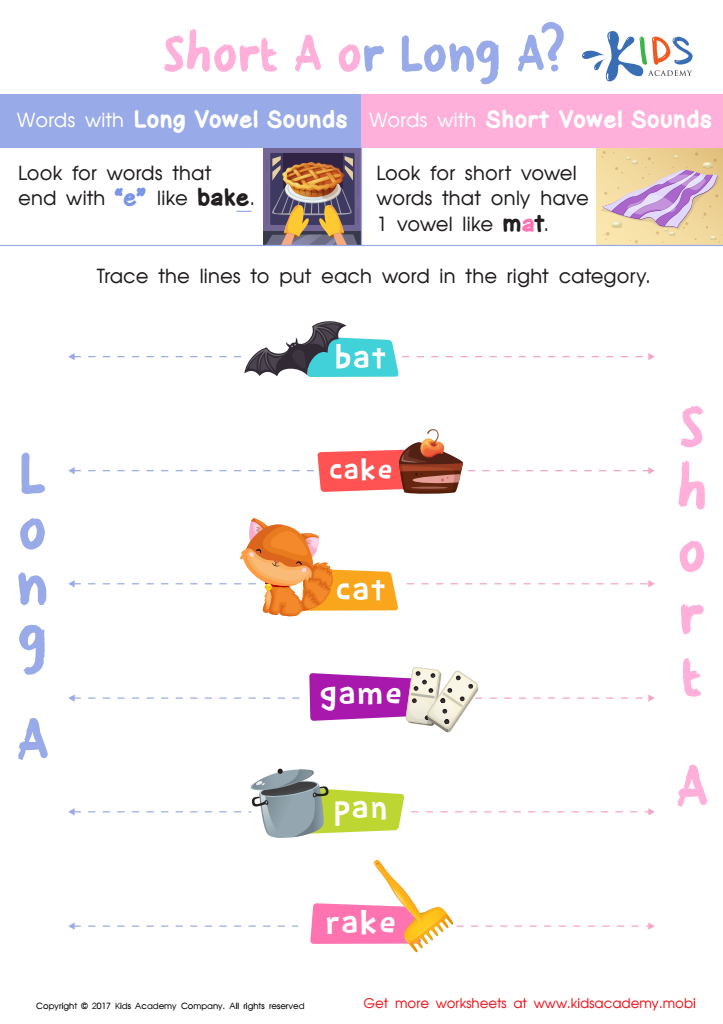
Short /a/ or Long /a/? Worksheet
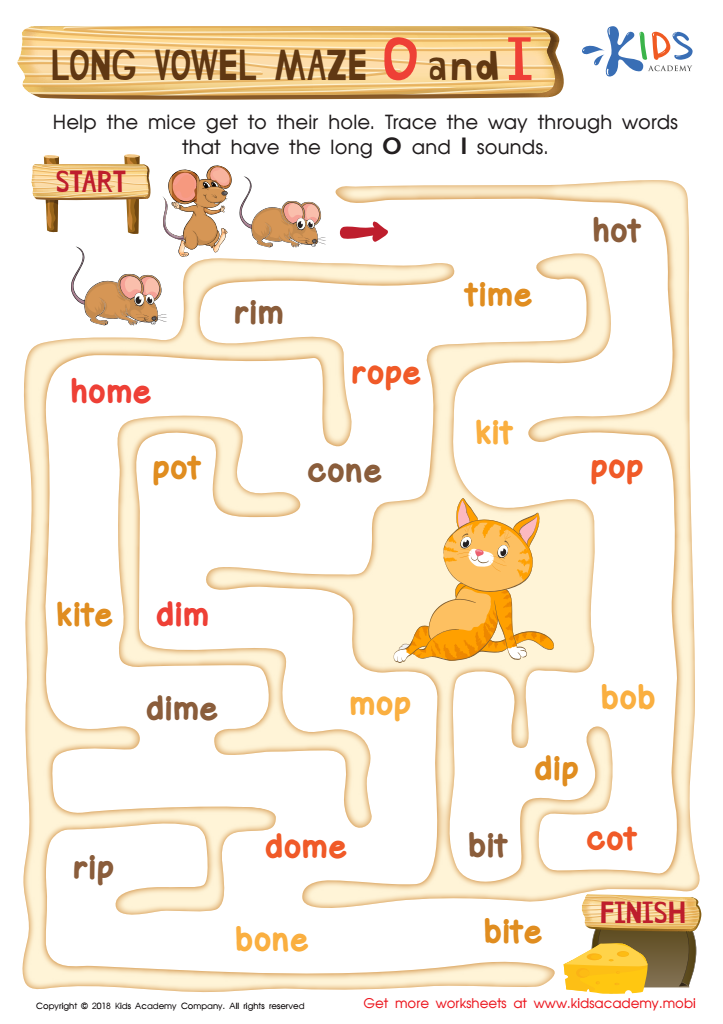
Long Vowel Maze /o/ and /i/ Worksheet
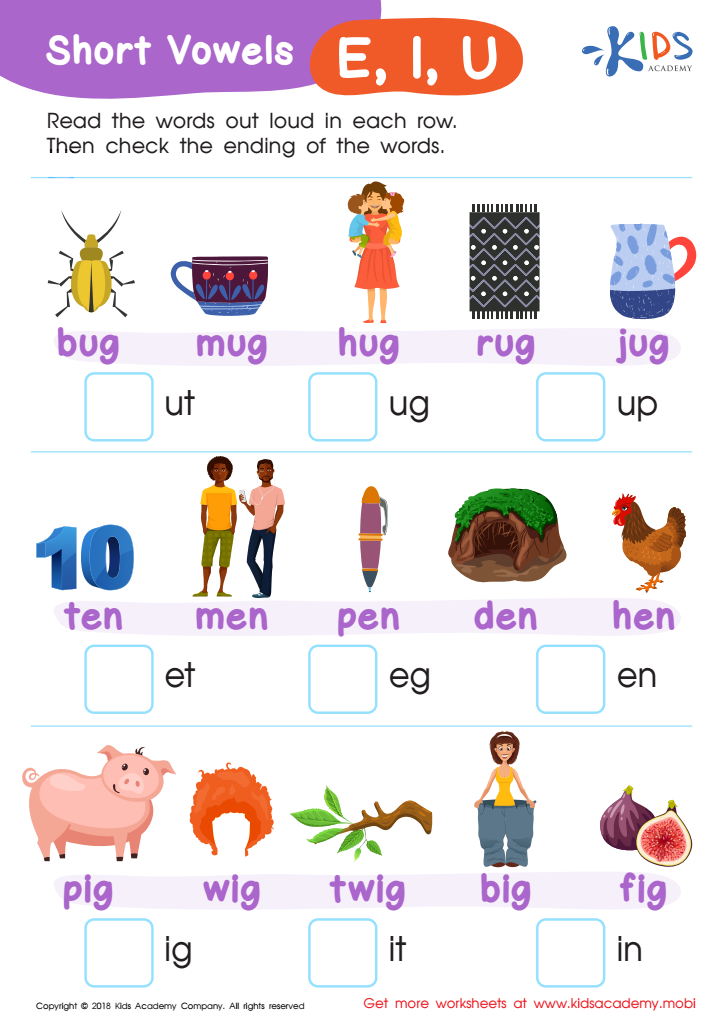
Short Vowels /e/, /i/, and /u/ Worksheet
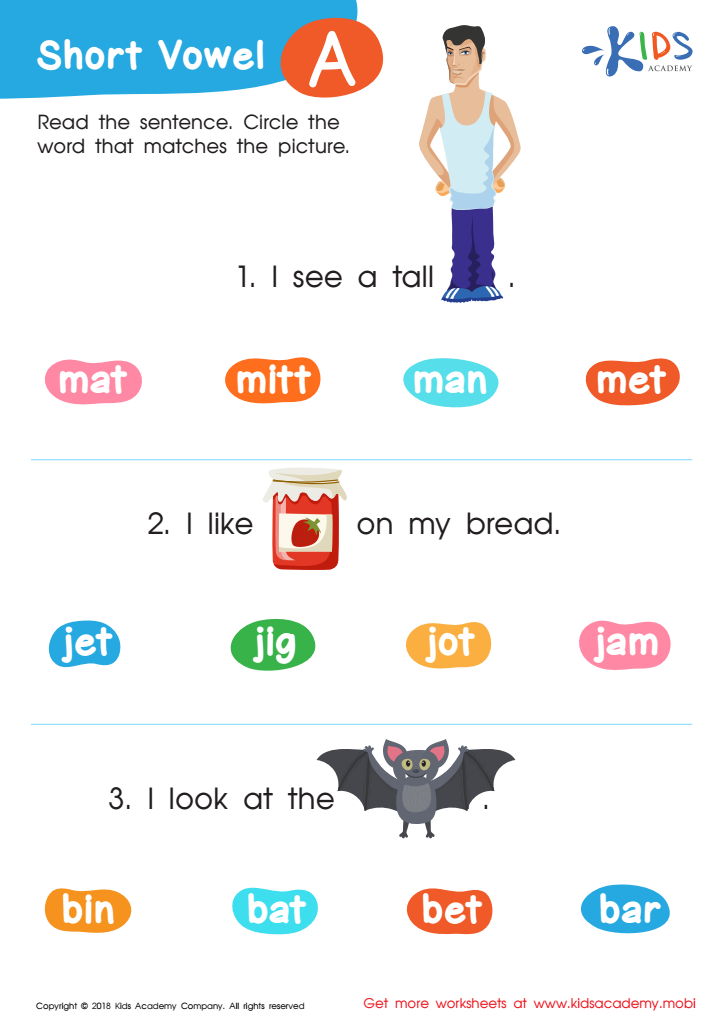
Short Vowel /a/ Worksheet
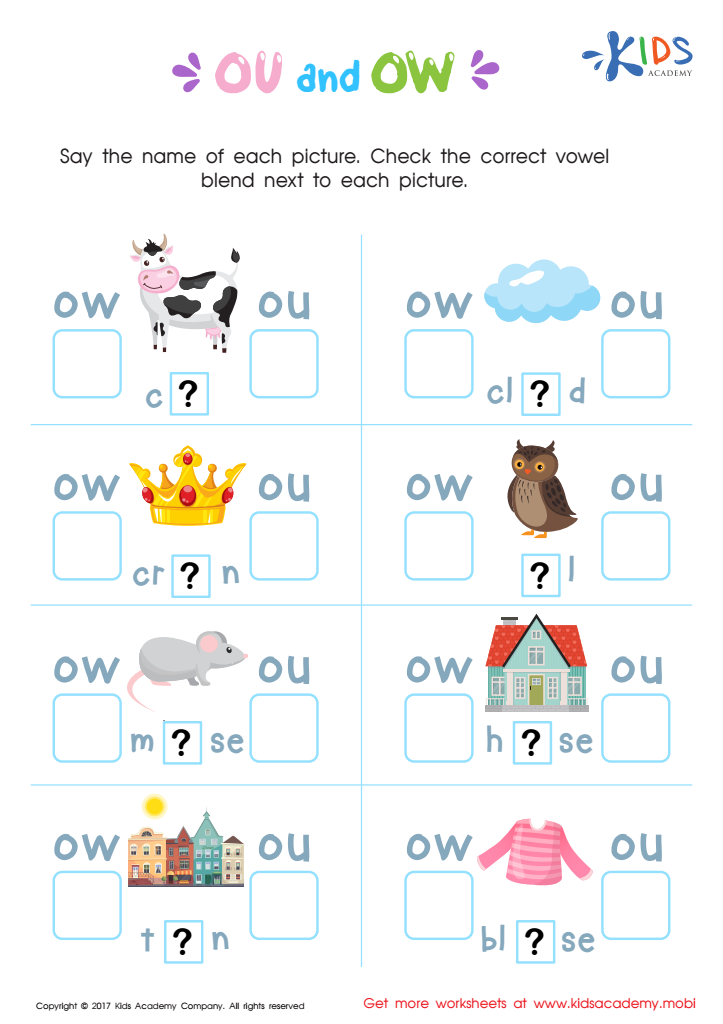
OU and OW Words Worksheet
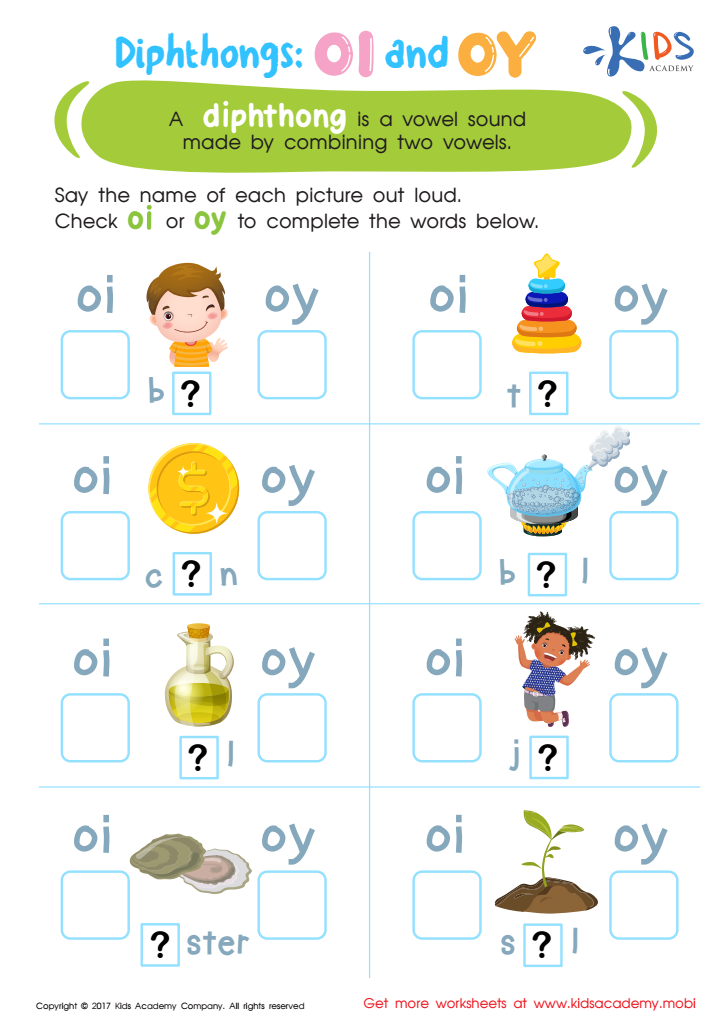
Vowel Diphthongs OI OY Worksheet
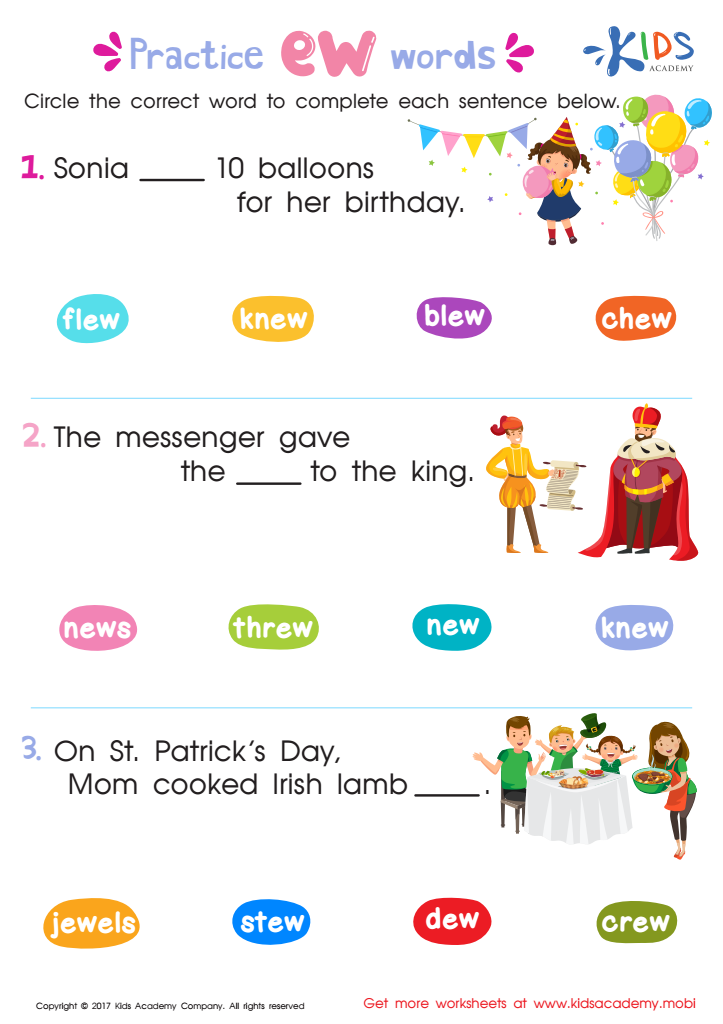
EW Words Worksheet
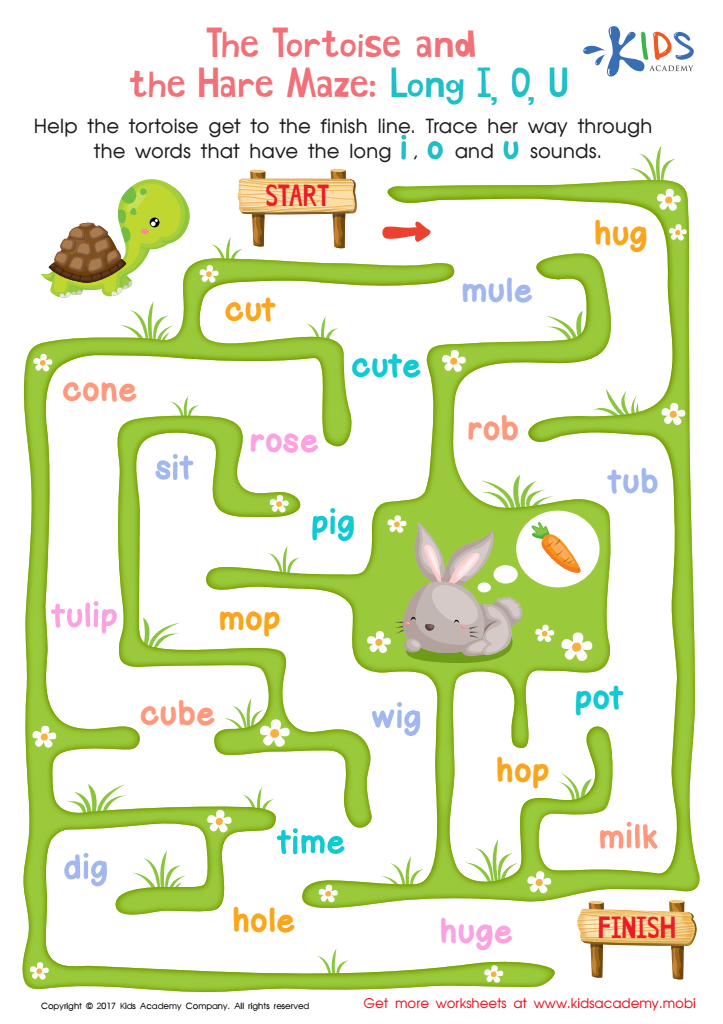
Long I, O, U Words Worksheet
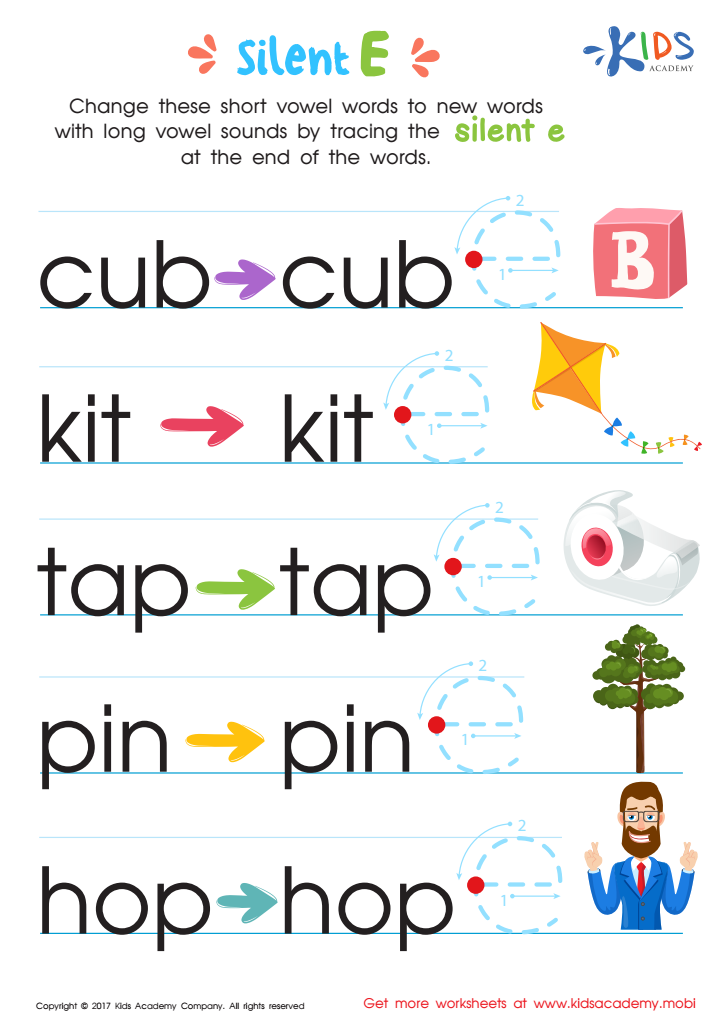
Silent E Words Worksheet
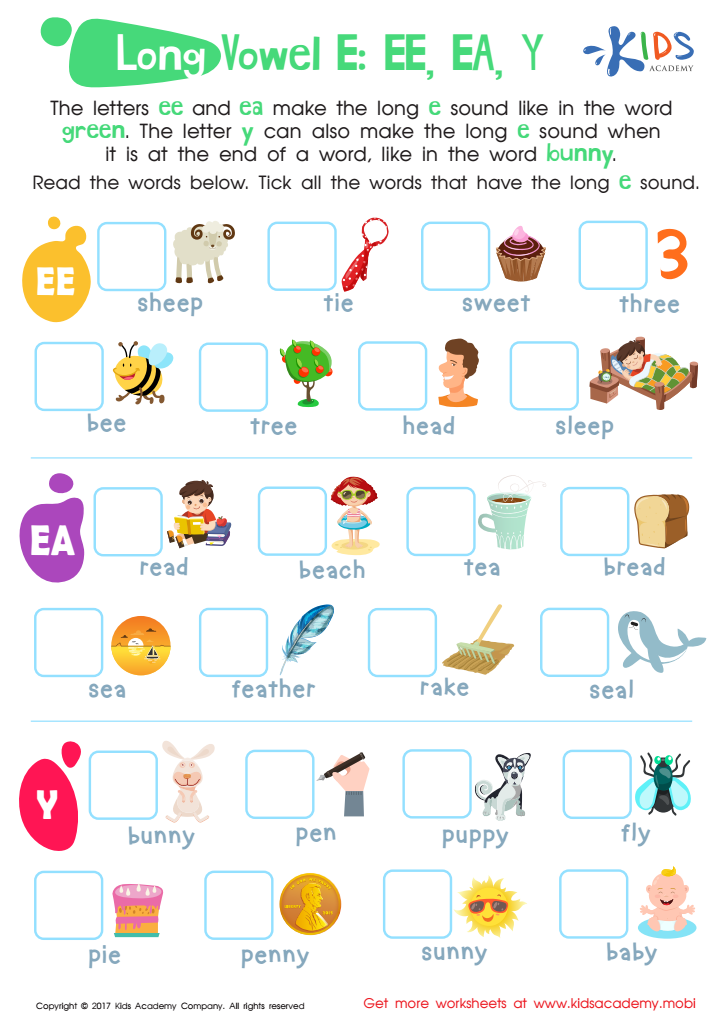
Long Vowel E Printable
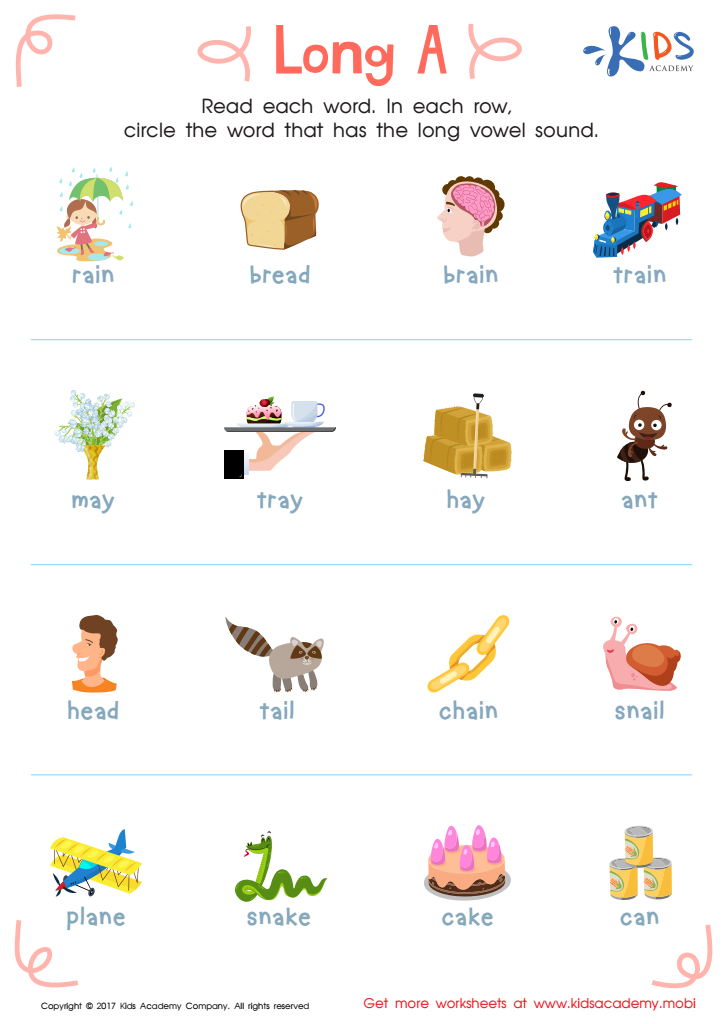





Vowels are fundamental components of language, and their significance for children aged 7-9 cannot be overstated. At this age, children are in a critical phase of literacy development, where they transition from learning basic sounds to understanding how these sounds form words and sentences. Vowels—A, E, I, O, U—and sometimes Y—are essential for creating word structures and pronunciations. A strong grasp of vowels helps children decode words more effectively, enhancing their reading fluency and comprehension.
Furthermore, mastering vowels aids in spelling and writing. Children learn to recognize patterns in words which supports their ability to form new words and use them in context. When parents and teachers emphasize vowel recognition and usage, they empower children to cultivate critical thinking and phonemic awareness, key skills for lifelong learning.
Additionally, recognizing the importance of vowels in language encourages children to express themselves more clearly in both verbal and written communication. As children engage with vowels through activities like rhyming games, reading aloud, and spelling exercises, they develop a love for language and literacy. Ultimately, nurturing a solid foundation in vowel understanding enriches children’s educational experiences, setting them on a path to academic success and effective communication.







