Easy Measurement Worksheets for Ages 5-8 - Page 2
43 filtered results
-
From - To
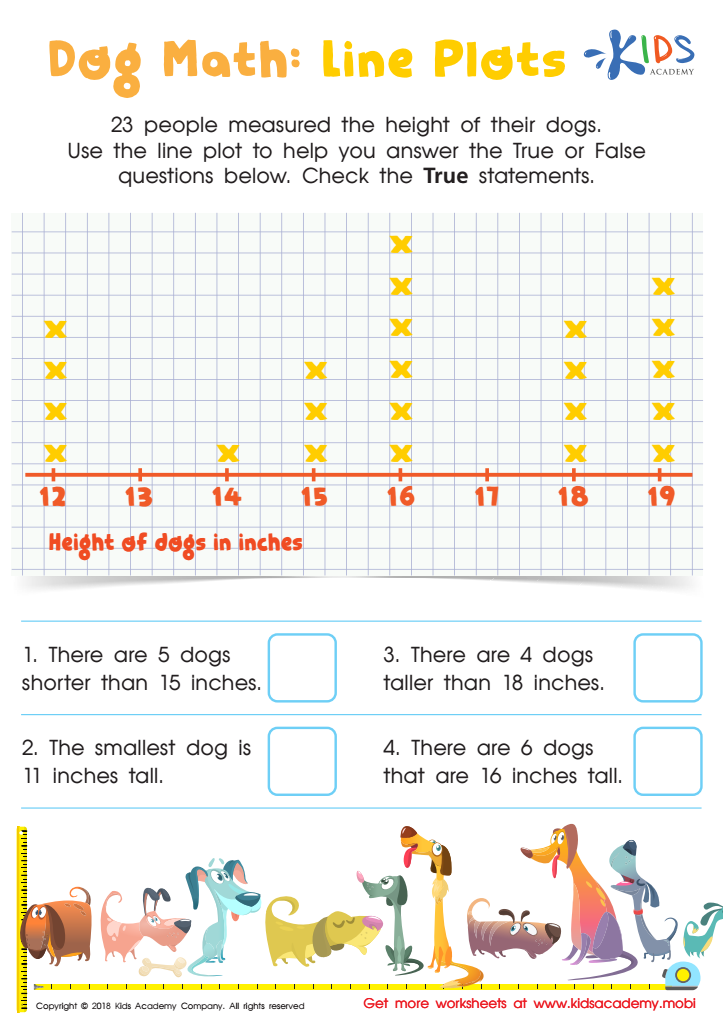
Dog Math: Line Plots Worksheet
 Assign to My Students
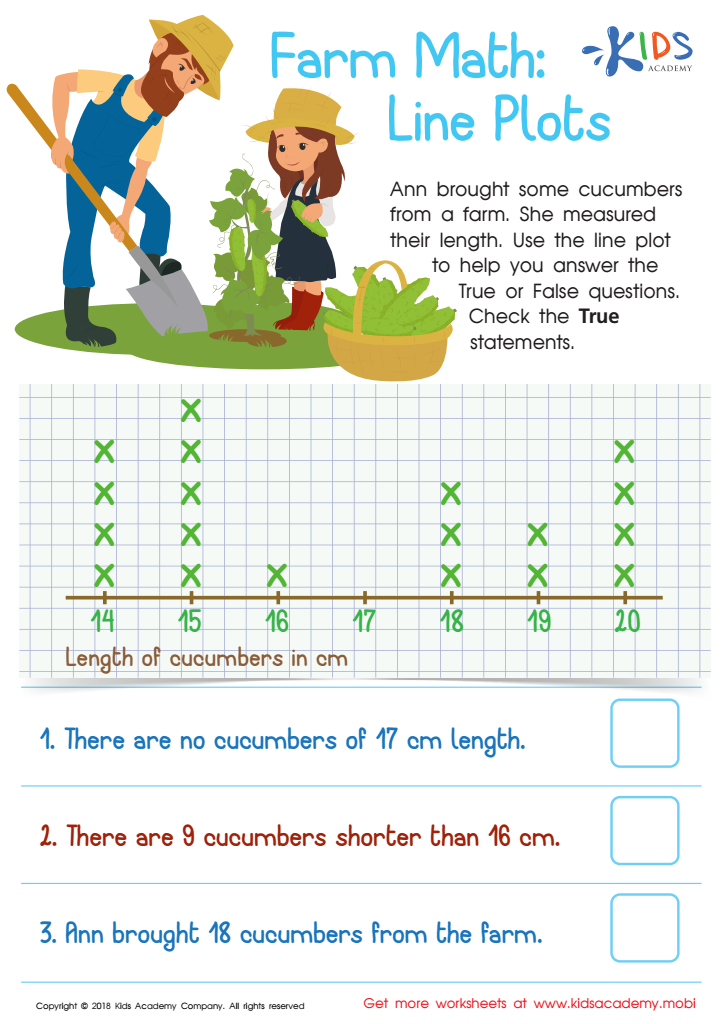
Farm Math: Line Plots Worksheet
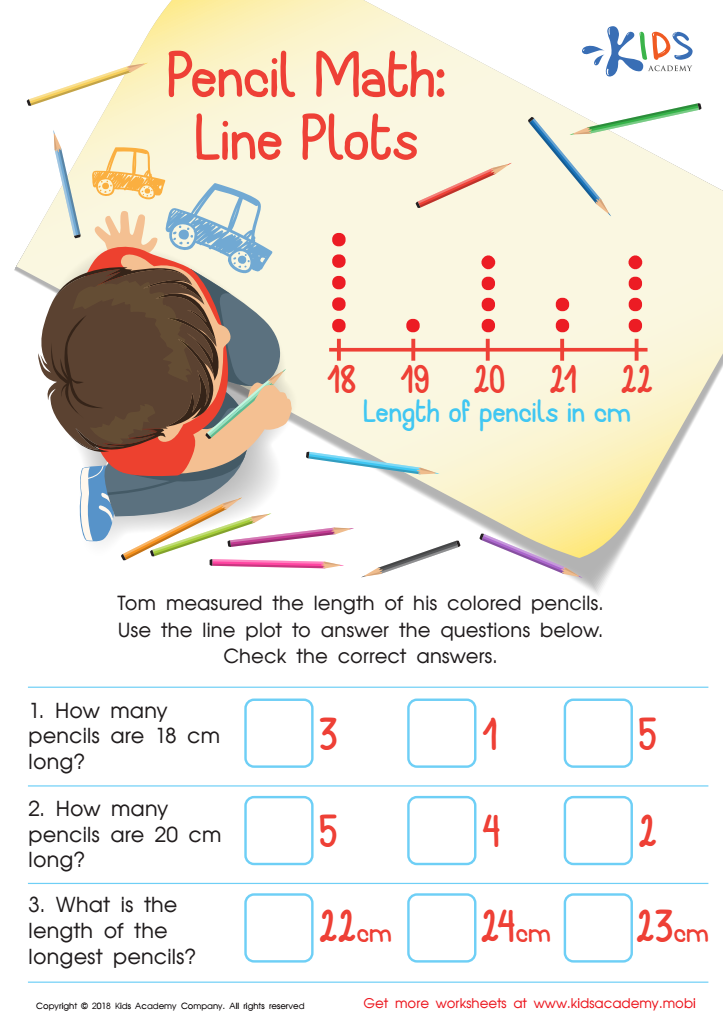
Pencil Math: Line Plots Worksheet
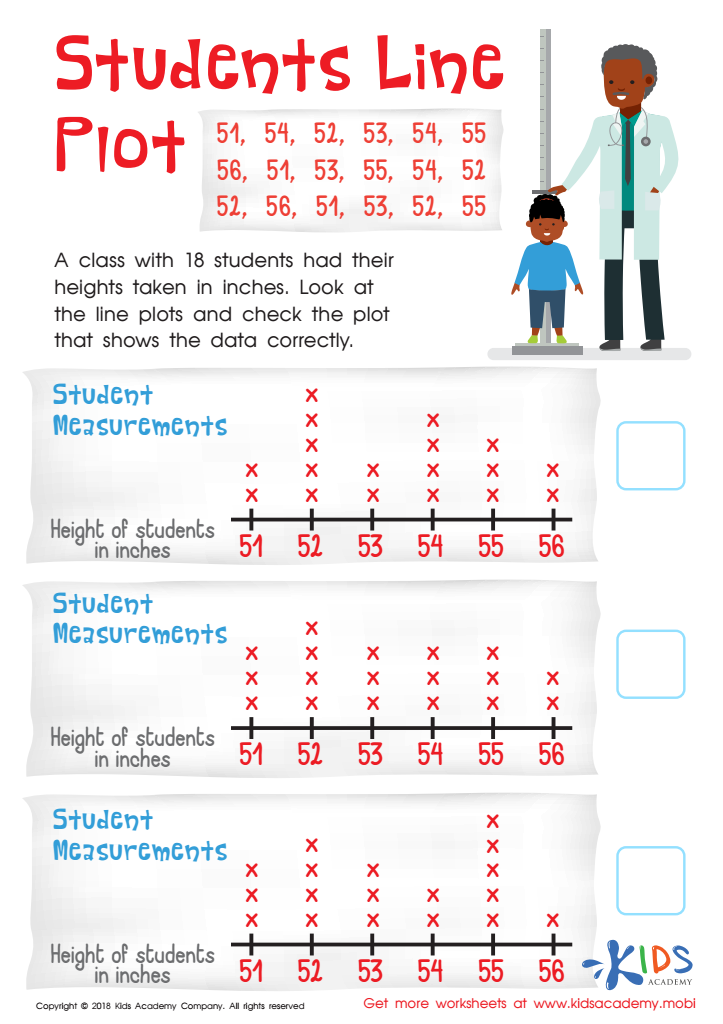
Students Line Plot Worksheet
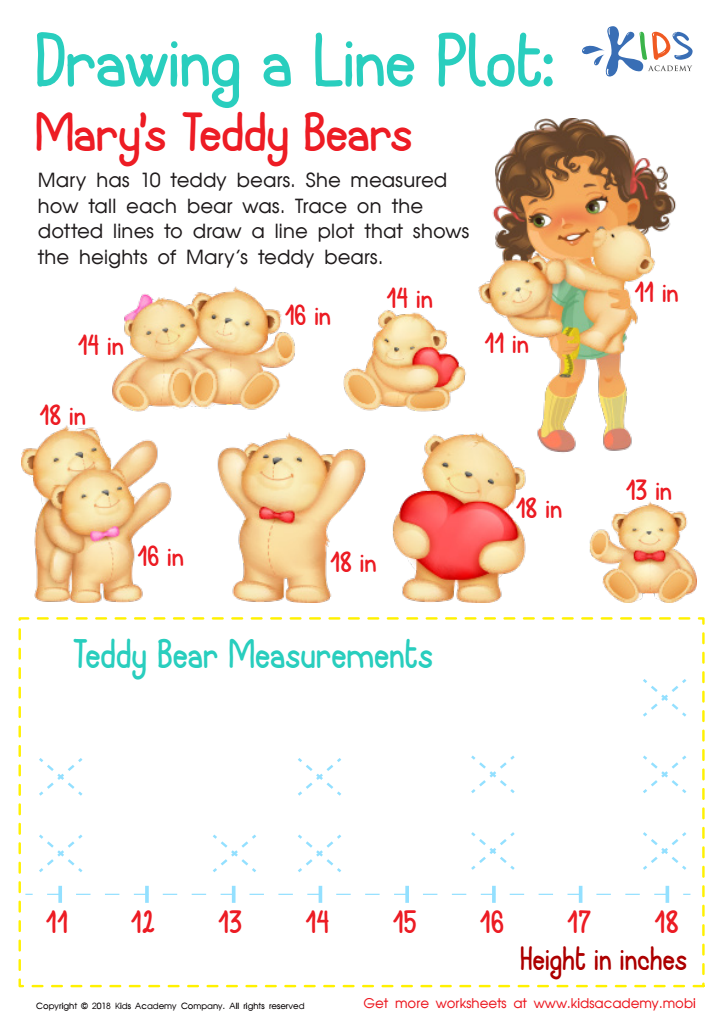
Drawing and Line Plot: Mary's Teddy Bears Worksheet
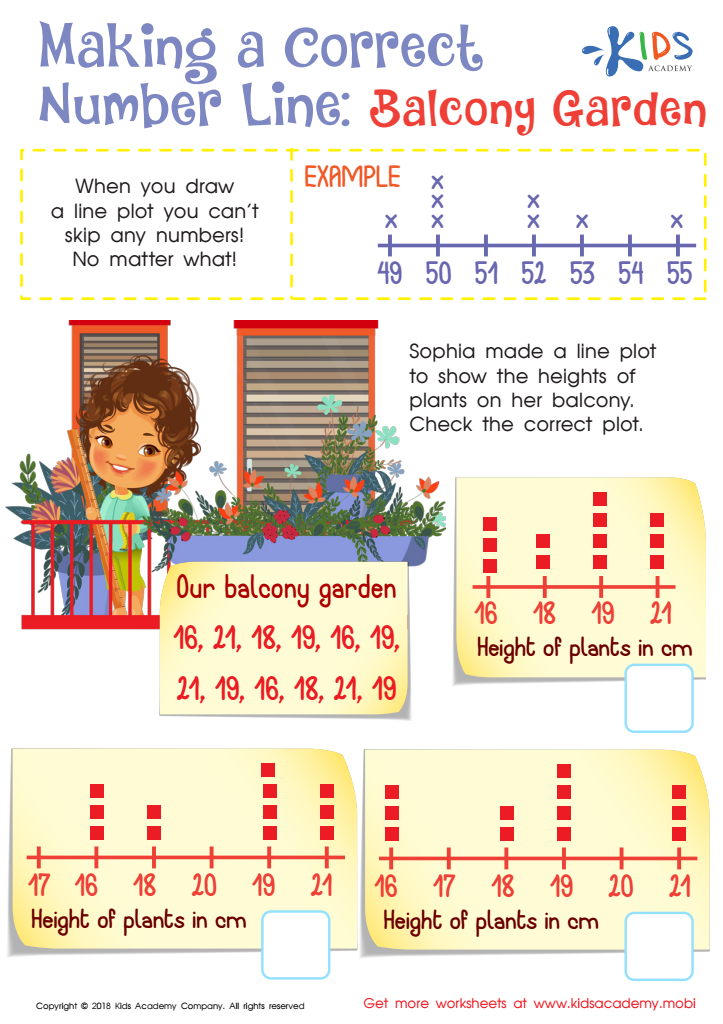
Making a Correct Number Line: Balcony Garden Worksheet
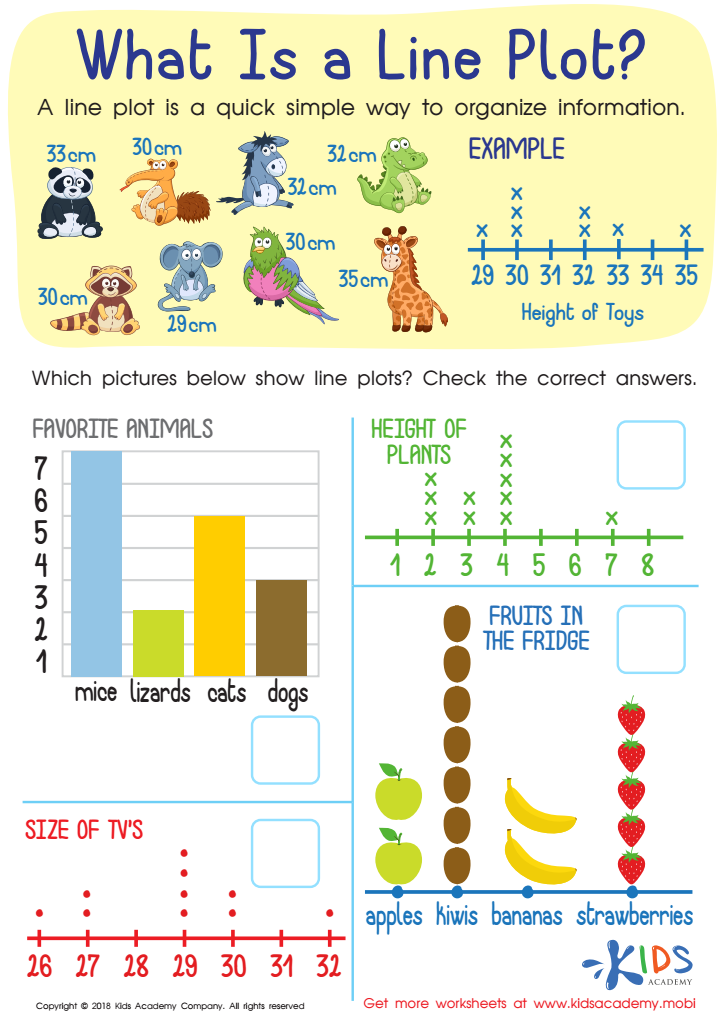
What Is a Line Plot? Worksheet
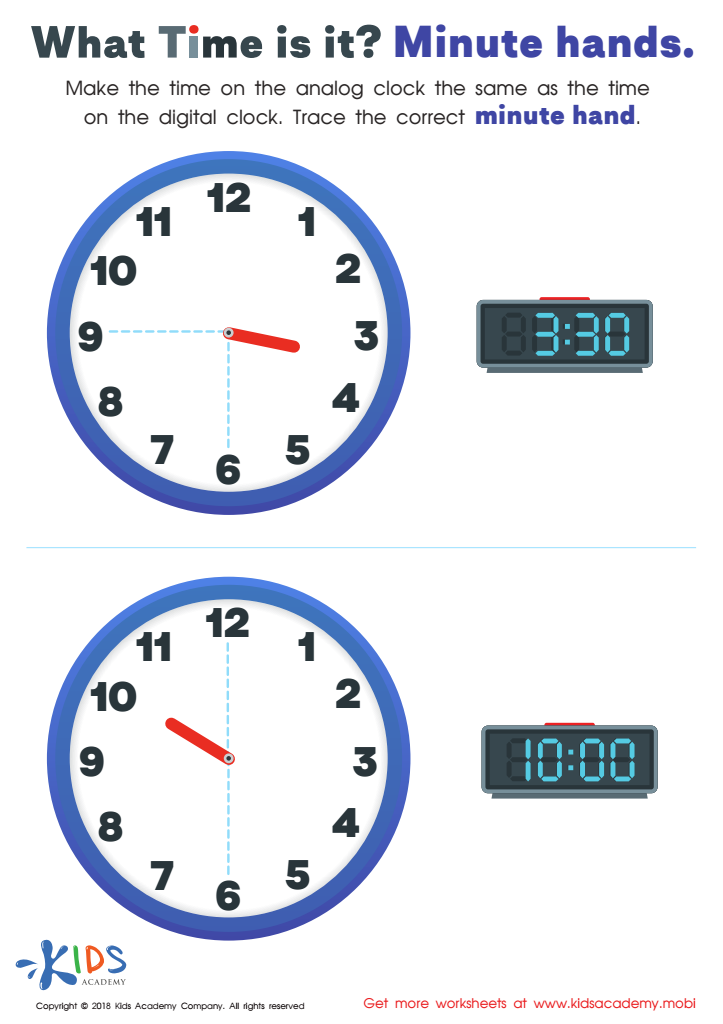
What Time Is it? Minute Hands Worksheet
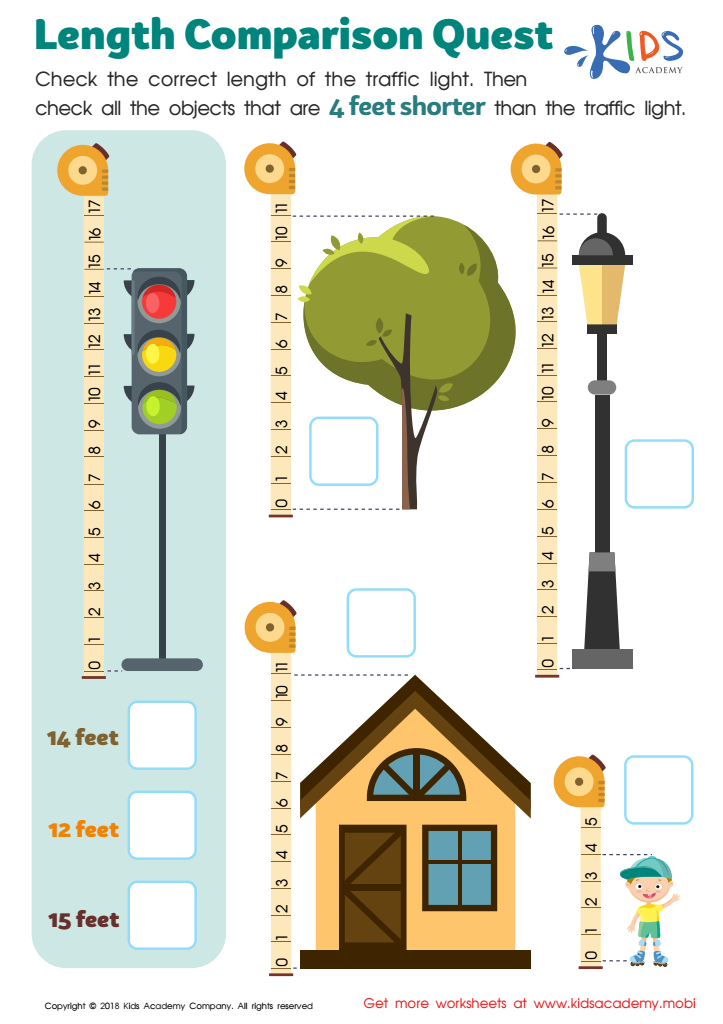
Length Comparison Quest Worksheet
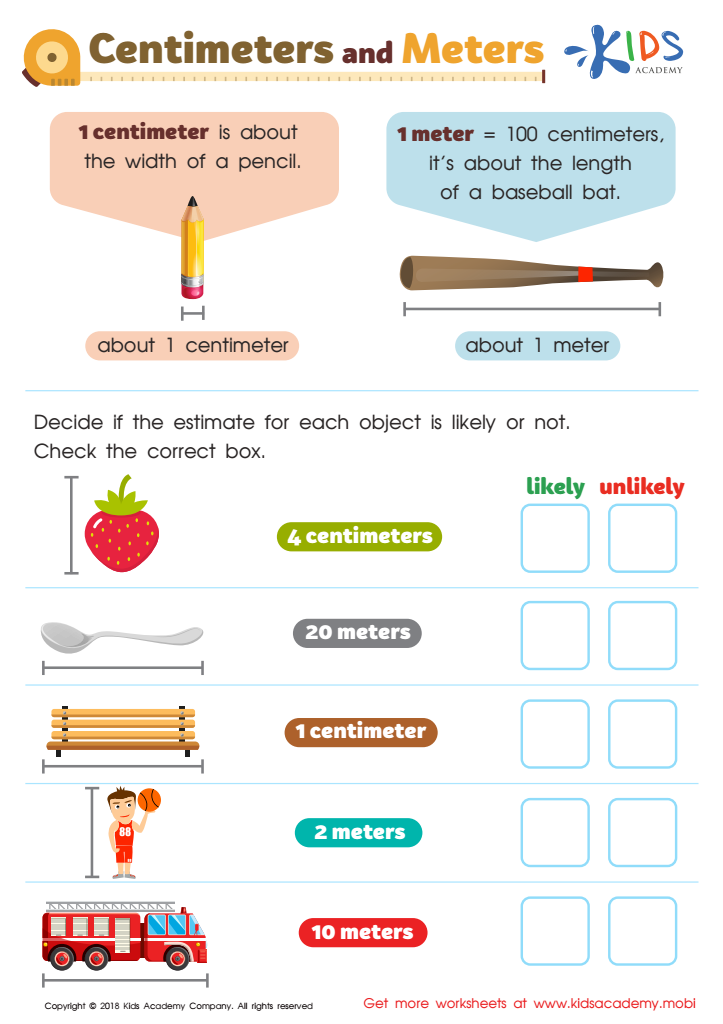
Centimeters and Meters Worksheet
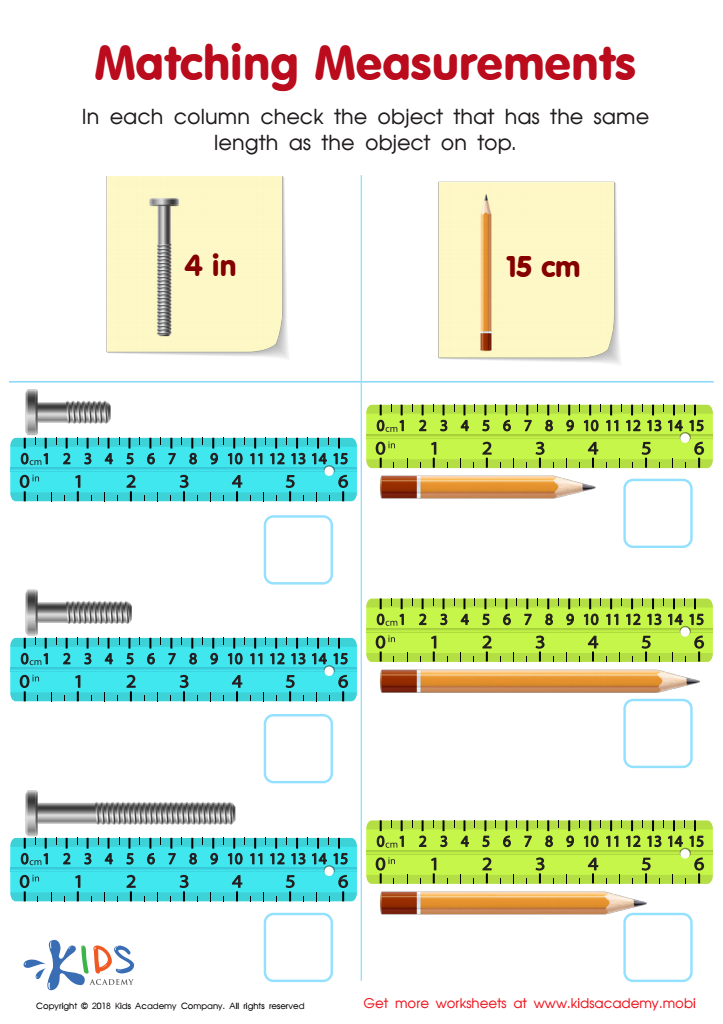
Matching Measurements Worksheet
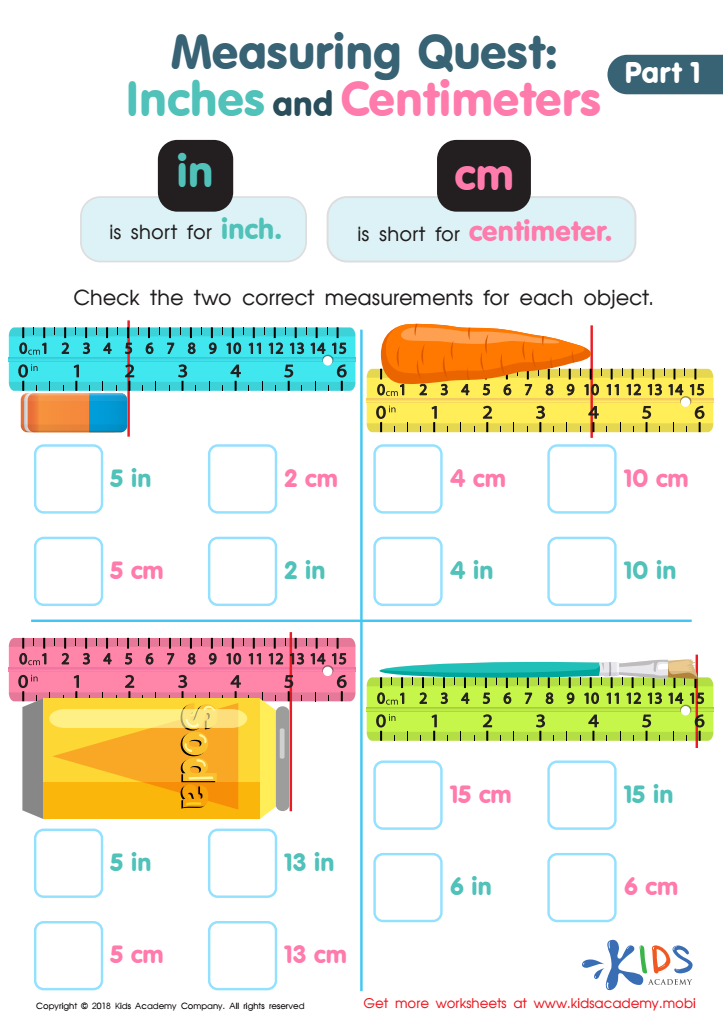
Measuring Quest: Inches and Centimeters Worksheet
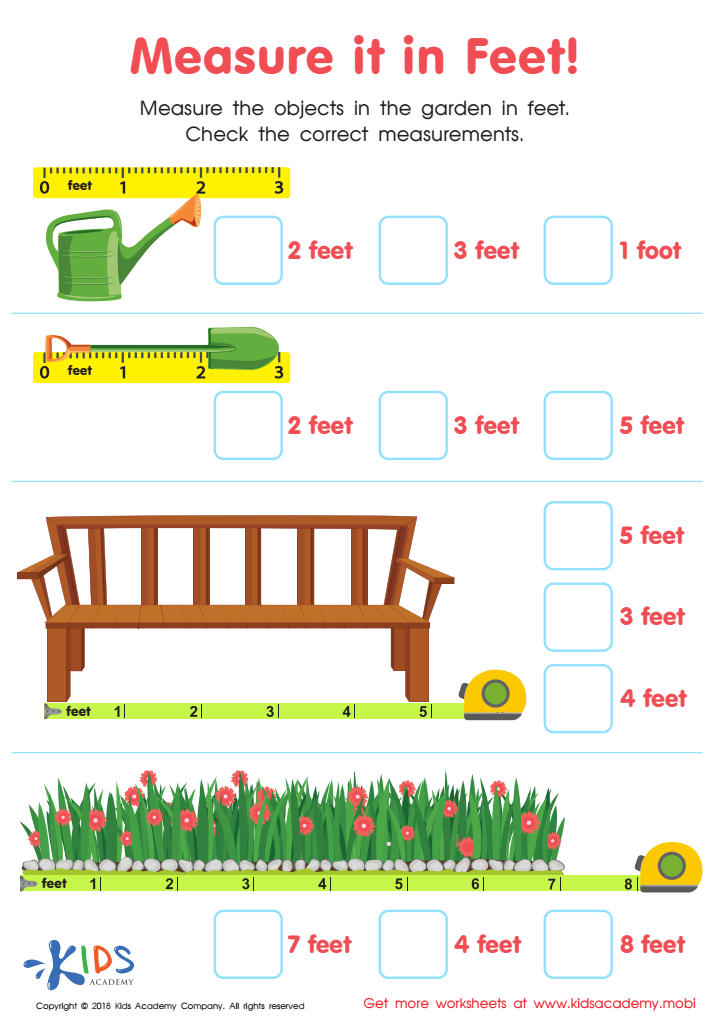
Measure it in Feet Worksheet
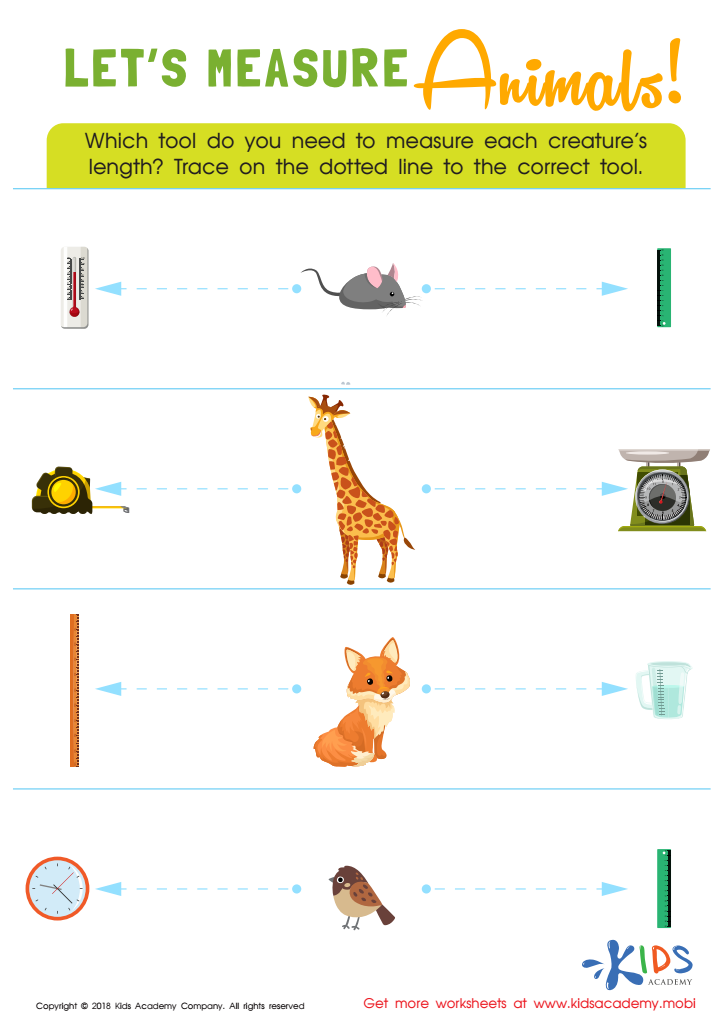
Let's Measure Animals! Worksheet
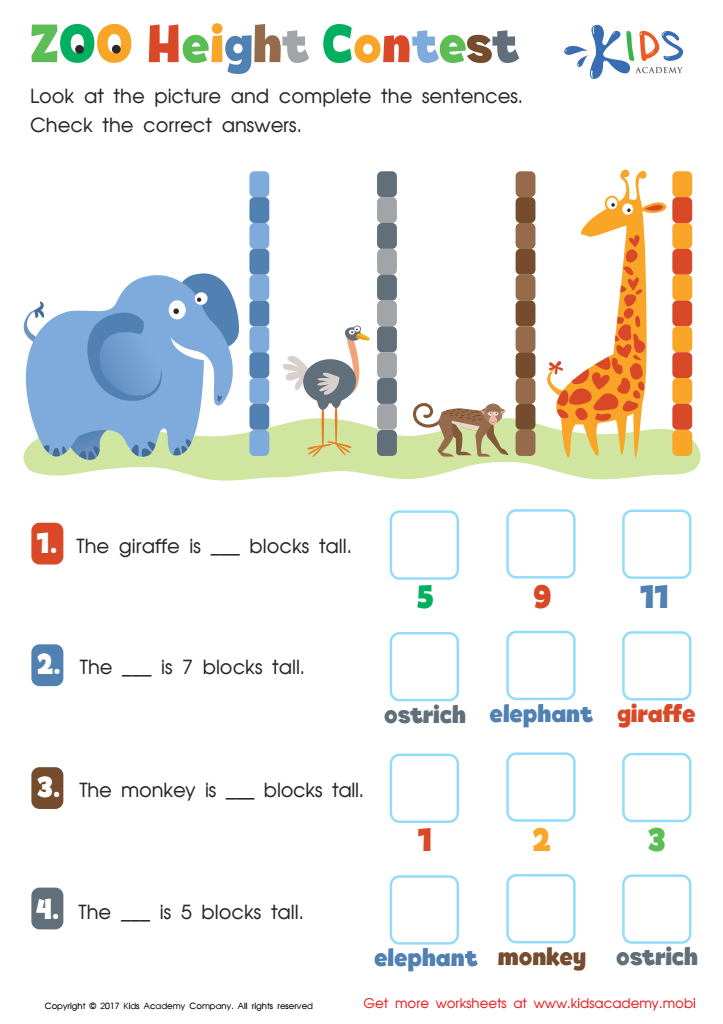
Zoo Height Contest Worksheet
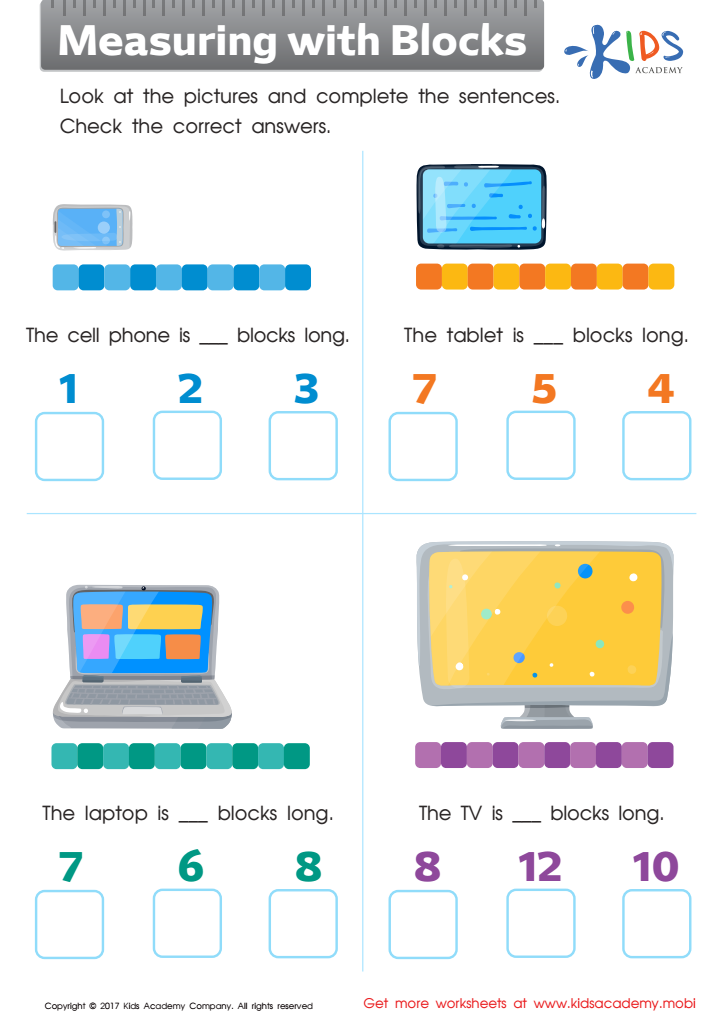
Measuring with Blocks Worksheet
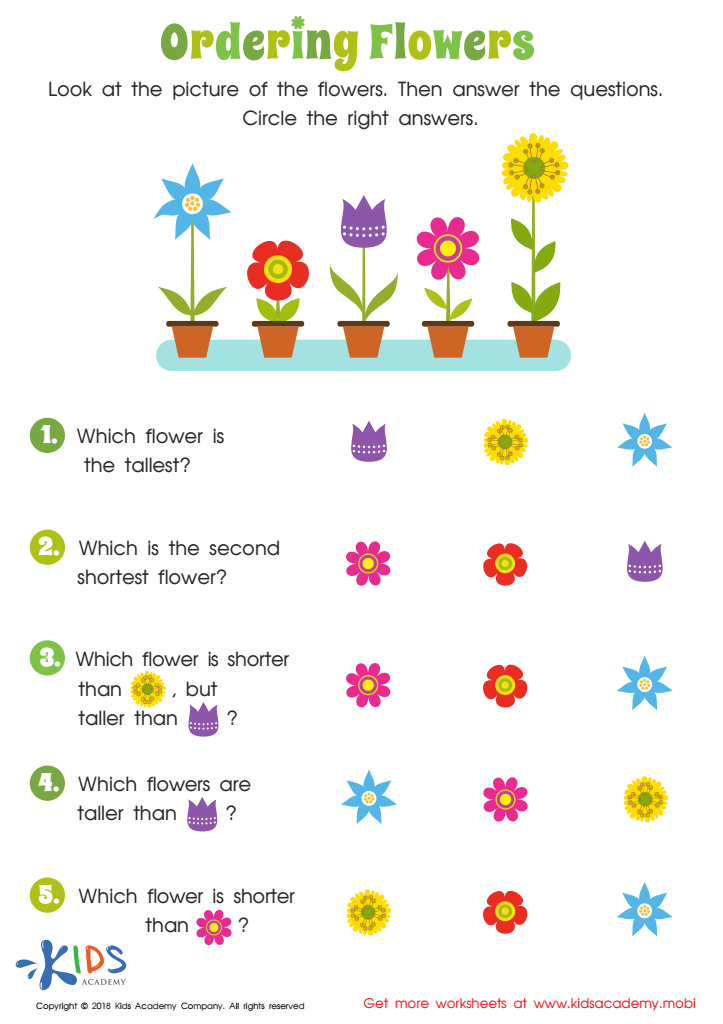
Ordering Flowers Worksheet
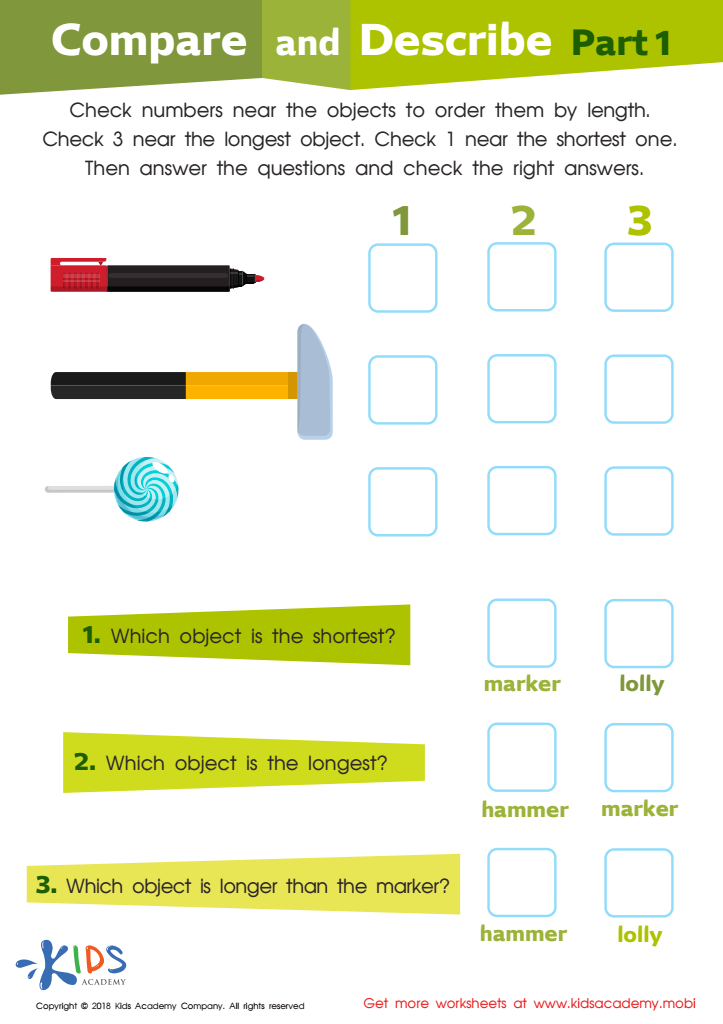
Compare and Describe: Part 1 Worksheet
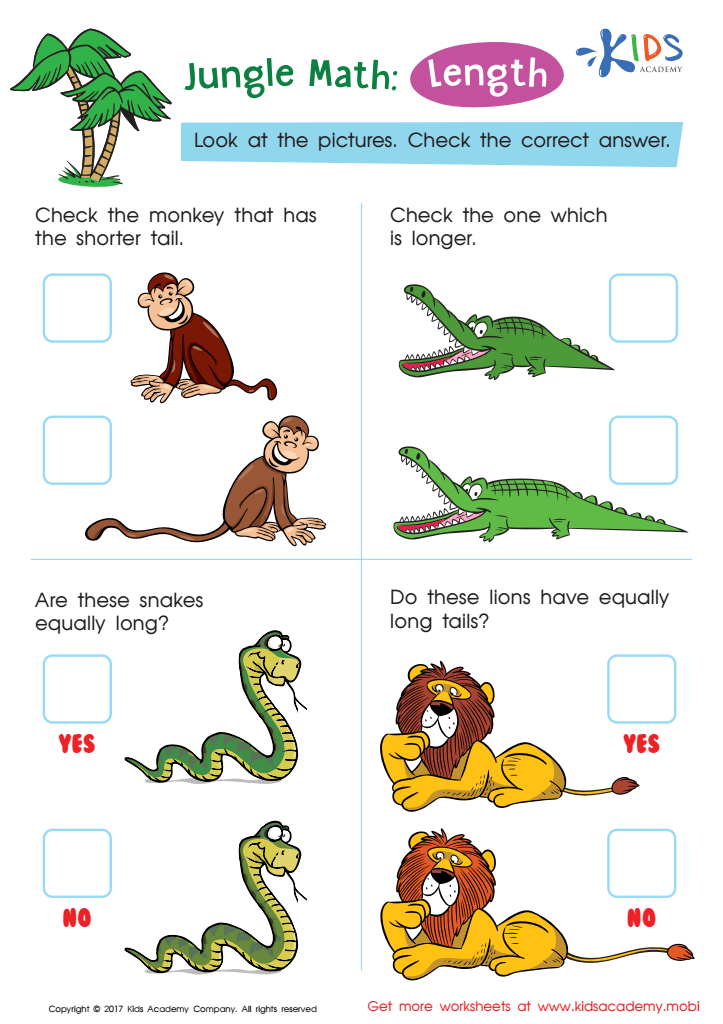
Which One Is Longer - Length Worksheet








Parents and teachers should care about easy measurement for ages 5-8 because it lays the foundation for critical mathematics and problem-solving skills. At this age, children are naturally curious and eager to explore the world around them, and easy measurement provides a hands-on way to engage that curiosity. Understanding measurements helps children grasp essential concepts like size, weight, volume, and time, which are fundamental to making sense of their environment.
Incorporating easy measurement activities can also enhance fine motor skills and cognitive development. By using measurable objects in playful and relatable contexts, such as measuring ingredients in cooking or comparing the lengths of toys, children learn to observe, reason, and communicate. These experiences help reinforce their understanding of mathematical principles in a tangible way.
Moreover, developing measurement skills contributes to academic success in math later on. When children are comfortable with measurement, they build confidence and a positive mathematical mindset, paving the way for more complex concepts in the future. Ultimately, fostering a love for measurement during these formative years equips children with essential tools for lifelong learning, allowing them to navigate and understand the quantitative aspects of the world more effectively.








