
Easy Comparison Worksheets for Ages 6-8
3 filtered results
Difficulty Level
Grade
Age
-
From - To
Subject
Activity
Standards
Explore our "Easy Comparison Worksheets for Ages 6-8," specially designed to help young learners develop essential comparison skills. These engaging worksheets provide a variety of fun activities that focus on comparing numbers, sizes, and amounts, encouraging critical thinking and boosting early math proficiency. Ideal for both classroom use and at-home learning, our worksheets include vibrant illustrations and simple instructions to keep kids motivated and excited. Parents and teachers can easily access printable resources on our website, ensuring a seamless learning experience. Empower your child with the confidence they need to master comparisons while having fun! Start exploring today!
Favorites
With answer key
Interactive
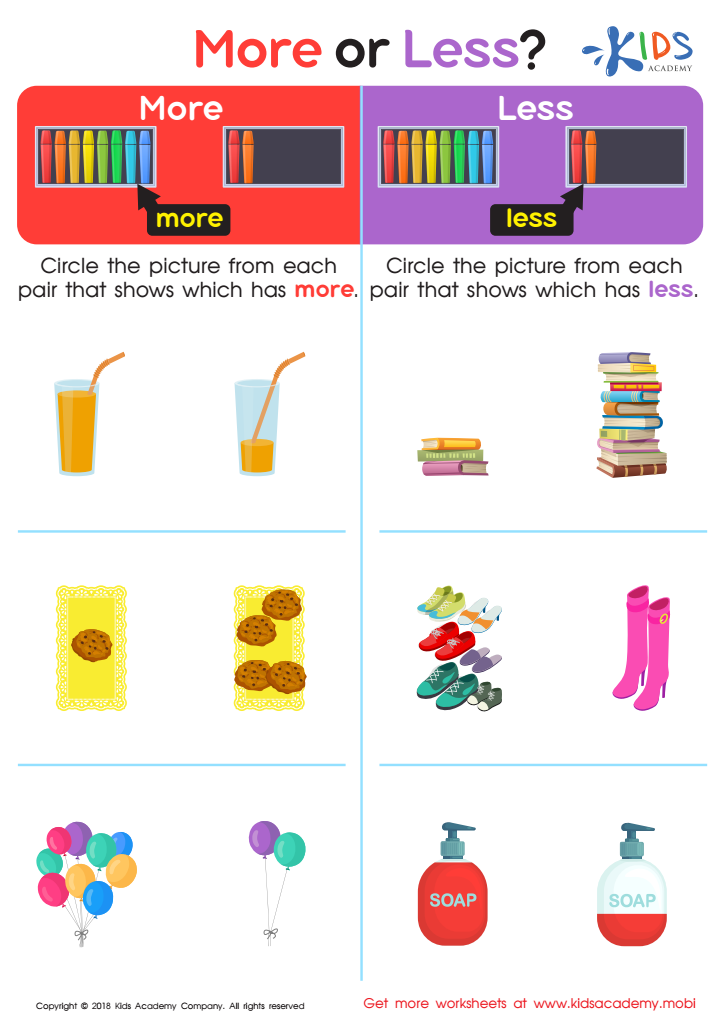
More or Less? Worksheet
Understanding "more or less" can be hard for kids. This PDF uses colorful images to help them learn. By matching the right picture pairs, children can gain a better understanding and strengthen their comparison skills for more complex tasks.
 Assign to My Students
More or Less? Worksheet
Worksheet
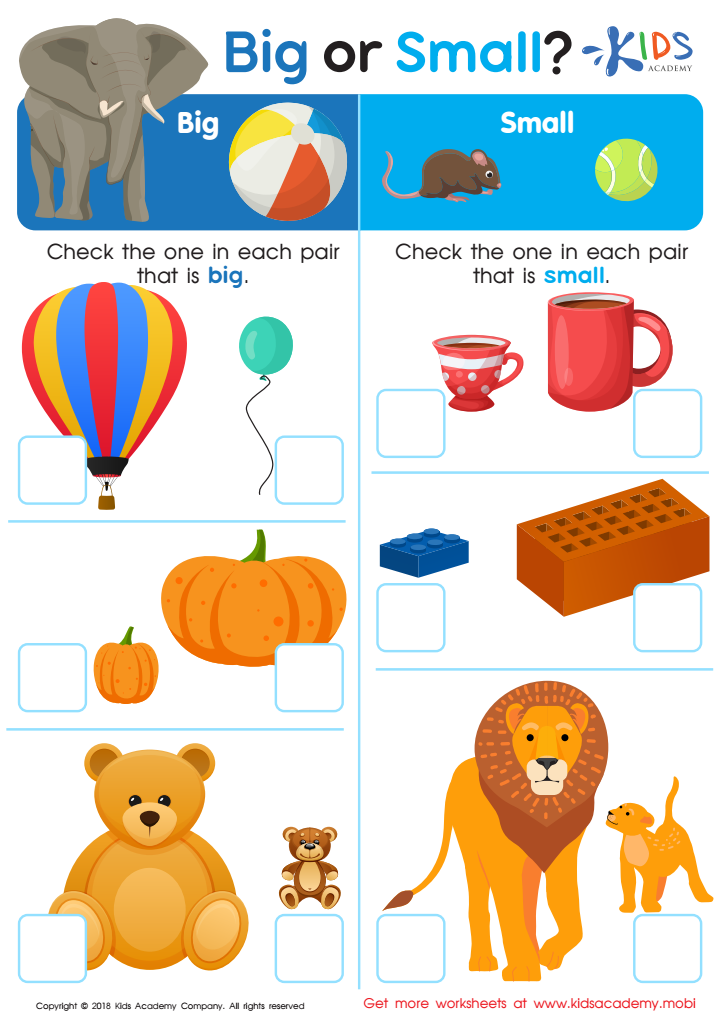
Big or Small? Worksheet
Kids need visuals to understand bigger and smaller concepts. This free PDF worksheet offers fun pictures that let them compare and gain a stronger understanding of sizes. Kids will enjoy it and won't realize they're learning since the pictures are so engaging. It's great preparation for future measurements.
Big or Small? Worksheet
Worksheet
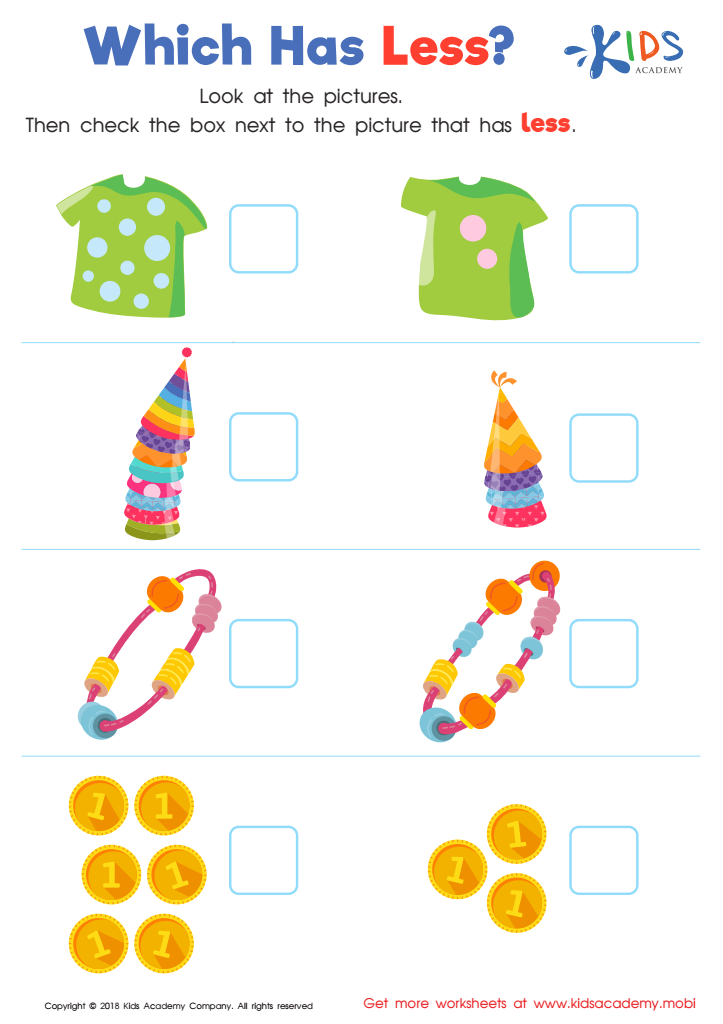
Which Has Less? Worksheet
Kids can develop their number sense by comparing and contrasting objects to identify which has less. This worksheet helps them practice: it's bright and colorful, featuring familiar objects and pictures to count, strengthening basic counting skills. It's the perfect warm-up for comparing and contrasting larger numbers.
Which Has Less? Worksheet
Worksheet
Join Kids Academy for Free
Who is primarily going to use this learning content?






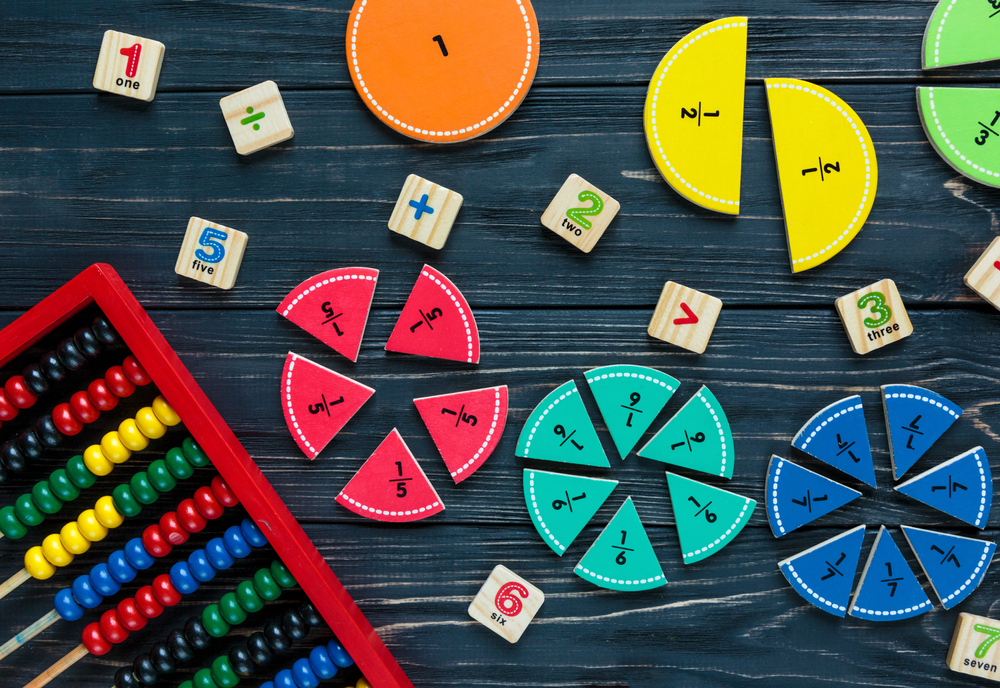
Easy Comparison for Ages 6-8 is crucial for parents and teachers as it significantly enhances children's understanding of core mathematical concepts. At this developmental stage, students are becoming adept at recognizing quantities and relationships, and Easy Comparison provides a foundation for critical thinking and problem-solving. By engaging children in simple comparisons—such as identifying which group has more or fewer items—they learn essential skills such as classification, organization, and reasoning.
Moreover, mastering comparison sets the stage for more complex mathematical operations, including addition, subtraction, and later, fractions and ratios. This approach not only builds confidence in their numerical abilities but also fosters a sense of achievement as they learn to articulate their thoughts about numbers and quantities.
In addition, Easy Comparison encourages a playful and interactive learning environment, making mathematics fun and relatable. It helps pupils develop communication skills by discussing their findings, thus reinforcing social interaction alongside academic growth. For parents, understanding this concept allows them to engage their children in meaningful ways, reinforcing lessons learned at school. Both parents and teachers play vital roles in nurturing these foundational skills, ensuring that children are well-prepared for more advanced learning in the future.








