Easy Nursery Rhymes Worksheets for Ages 7-9
4 filtered results
-
From - To
Discover engaging and easy nursery rhymes worksheets tailored specifically for children aged 7-9! Our colorful and interactive printable worksheets are designed to enhance your child's reading, rhyme recognition, and vocabulary skills. From classic rhymes to modern fun twists, each worksheet invites kids to explore language and rhythm while enjoying every moment. Benefits include improved literacy, comprehension, and a joyful learning experience. Perfect for both classroom and at-home practice, our nursery rhyme worksheets make learning as entertaining as it is educational. Unlock the magic of nursery rhymes today with our specially crafted resources for early learners.
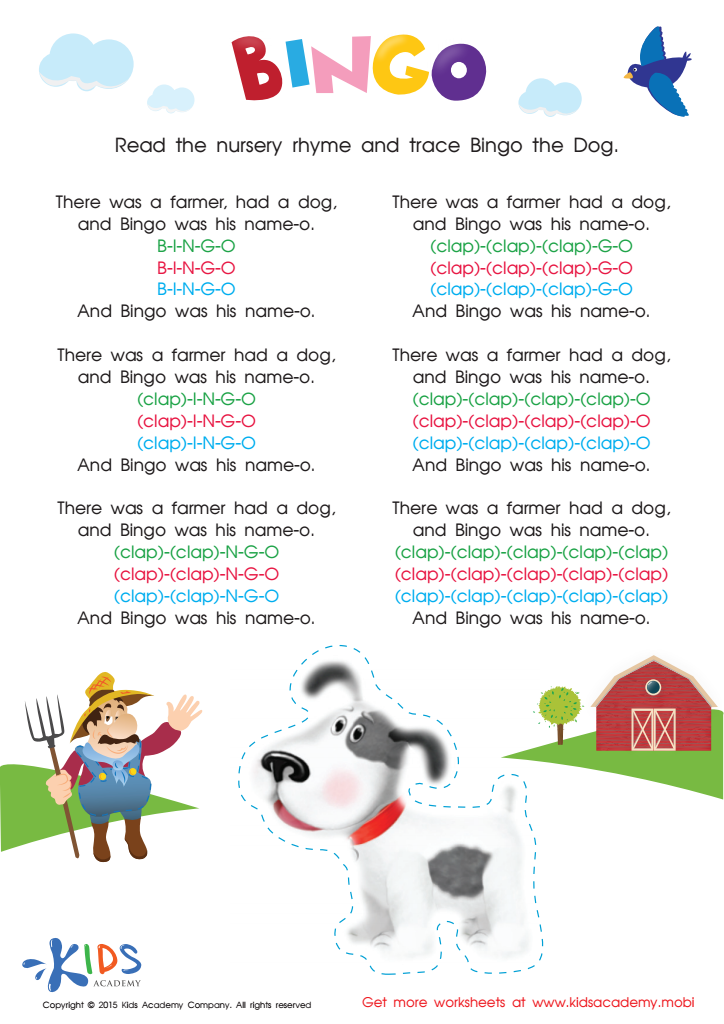
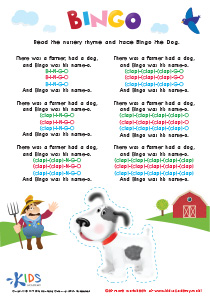
Nursery Rhymes: The Bingo Song Worksheet
 Assign to My Students
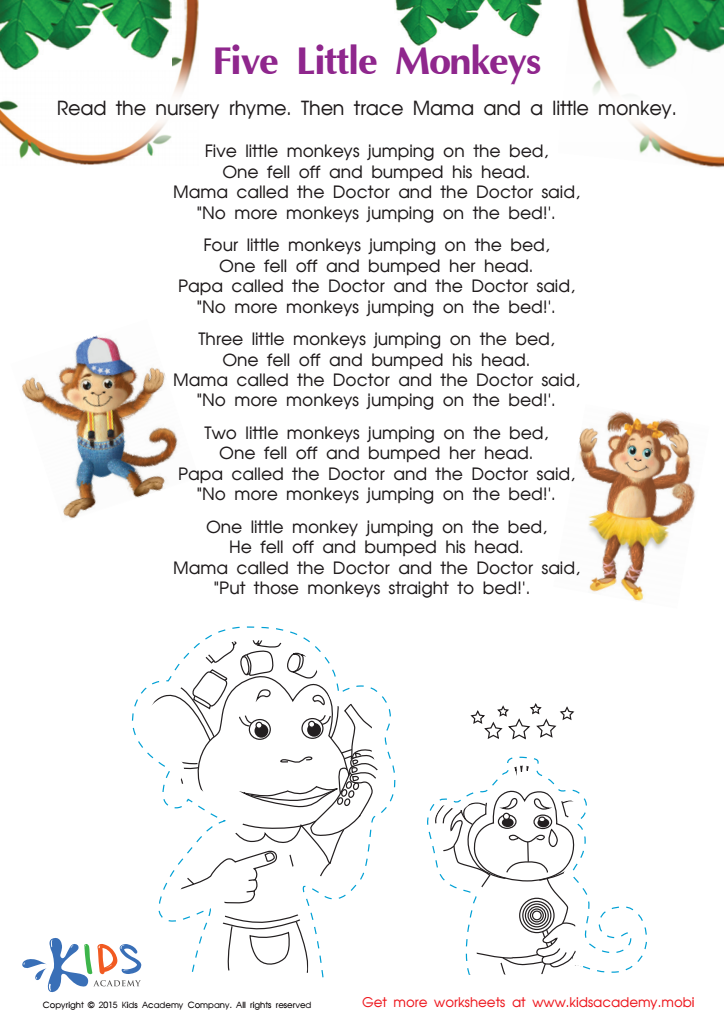
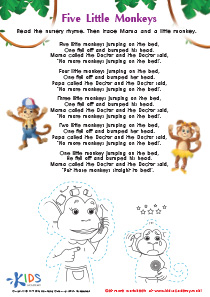
The Five Little Monkeys Nursery Rhyme Worksheet
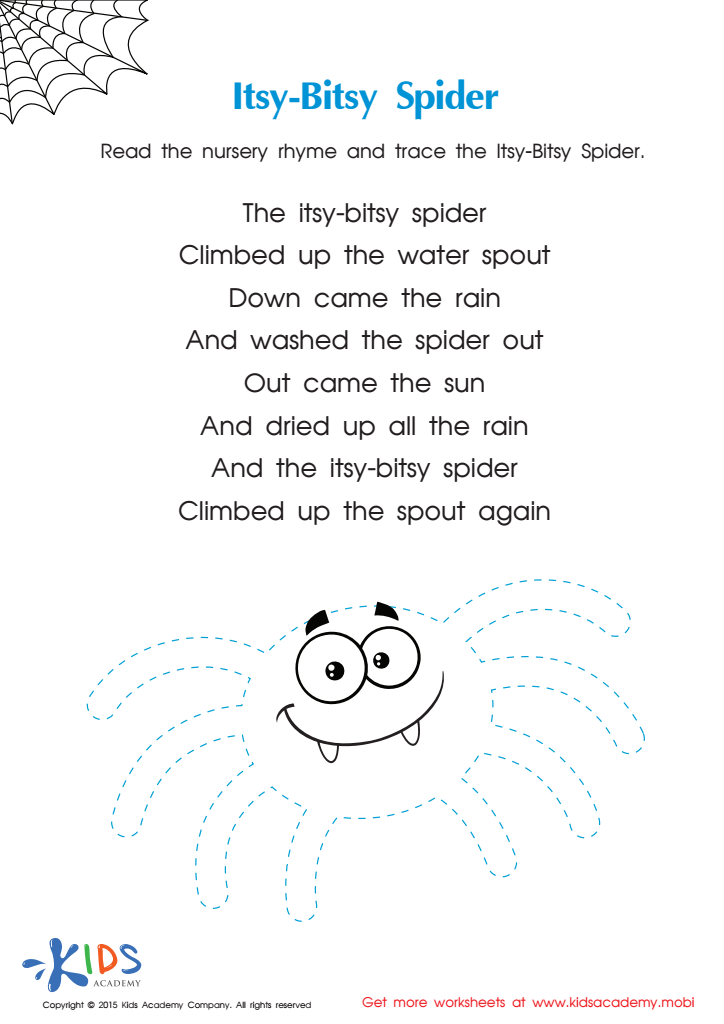
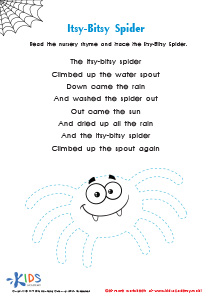
Itsy Bitsy Spider Nursery Rhyme PDF Worksheet
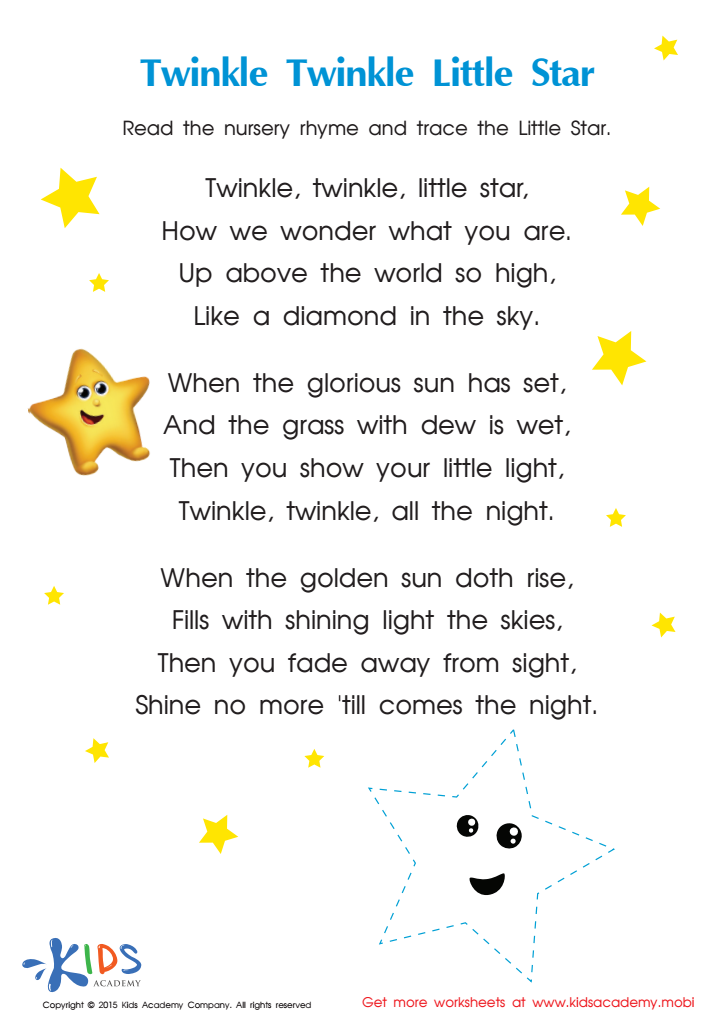
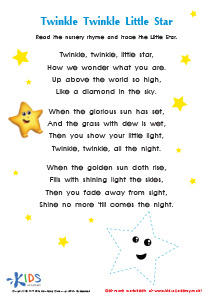
Nursery Rhymes: Twinkle Little Star Worksheet








Easy nursery rhymes play a vital role in the development of children aged 7-9, although often traditionally associated with younger ages. For parents and teachers, incorporating nursery rhymes into the learning environment serves multiple educational purposes. Firstly, nursery rhymes boost language development by enriching vocabulary, improving pronunciation, and offering a foundation in phonemic awareness which is critical for reading skills. The rhythmic and repetitive nature of rhymes aids in memory retention, making it easier for children to recall information.
Secondly, these rhymes introduce children to essential literacy concepts such as rhyme schemes, syntax, and story structure in an engaging and accessible way. For hesitant readers, familiar and simple nursery rhymes can build confidence and foster a love for reading. Additionally, nursery rhymes often incorporate common themes, cultural stories, and moral lessons, promoting social skills and emotional growth.
Beyond academics, nursery rhymes encourage bonding between parents and children during shared reading or recitation activities, enhancing their emotional connection. In classroom settings, group recitations of rhymes support teamwork and cooperative learning, while also improving listening skills and speech fluency. Therefore, easy nursery rhymes are an invaluable, multifaceted tool in fostering the overall development and joyful learning experiences of children aged 7-9.