Extra Challenge Fractions of Shapes Worksheets for Ages 4-7
10 filtered results
-
From - To
Discover our "Extra Challenge Fractions of Shapes Worksheets" designed specifically for kids aged 4-7! These engaging and interactive worksheets provide young learners with the opportunity to explore and understand fractions through fun and visually appealing shapes. Tailored to enhance their mathematical skills while fostering critical thinking, these worksheets make learning about whole, half, and quarter shapes enjoyable. Perfect for preschool and early elementary children, our resources help teachers and parents introduce fractions in a playful manner. Empower your child's learning journey and boost their confidence in math with our thoughtfully crafted worksheets that make mastering fractions a delightful experience!
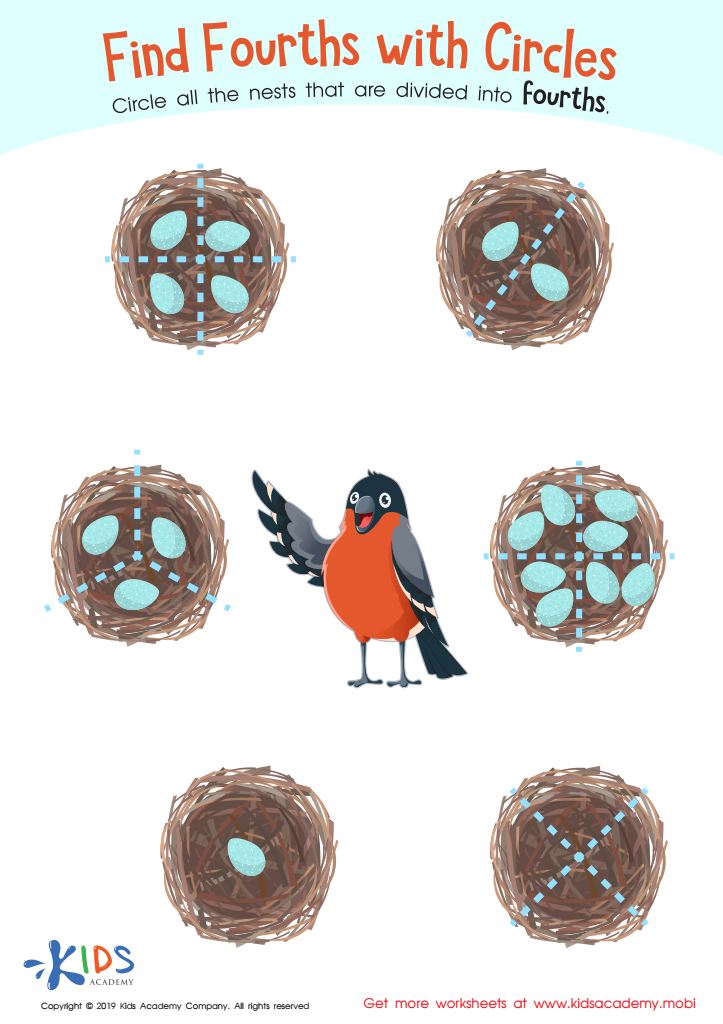
Find Fourths Circles Worksheet
 Assign to My Students
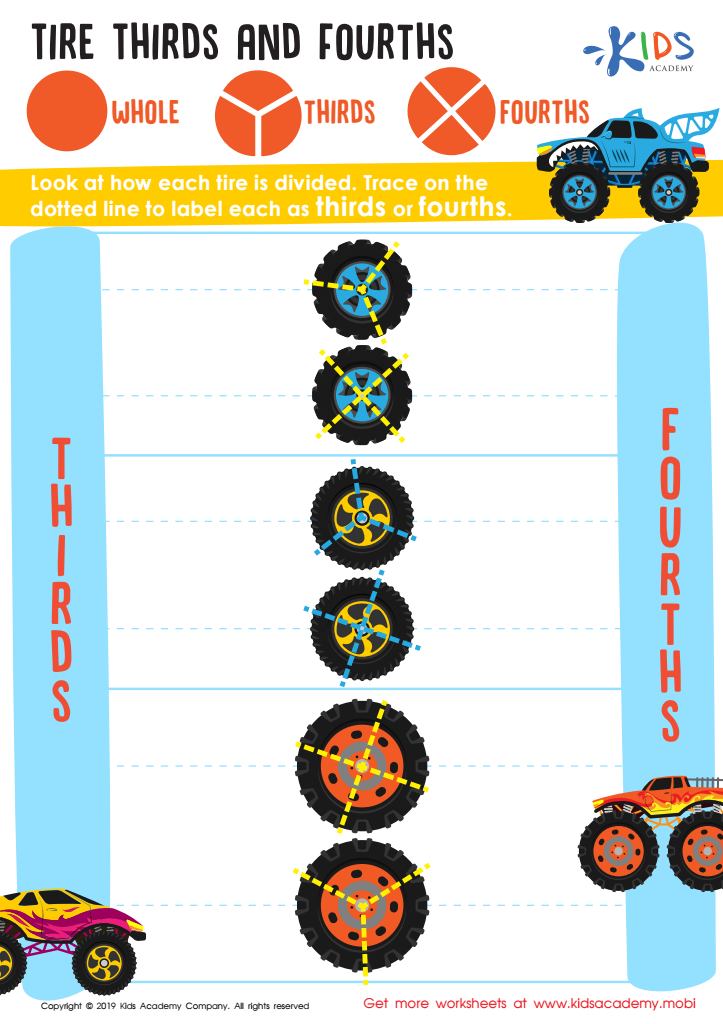
Tire Thirds and Fourths Worksheet
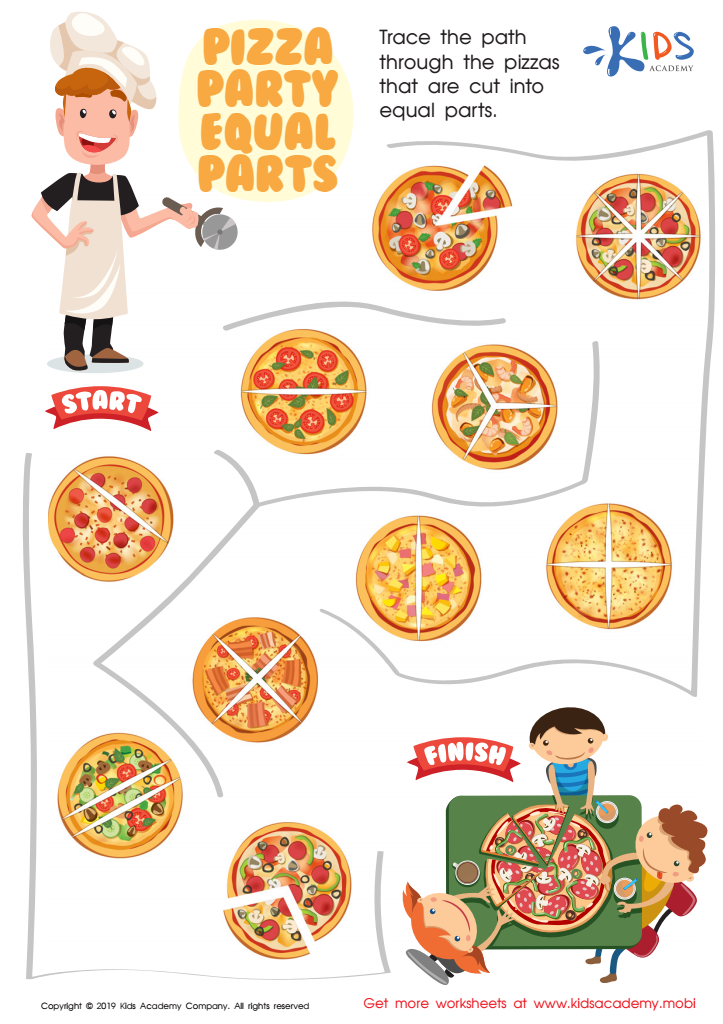
Pizza Party Equal Parts Worksheet
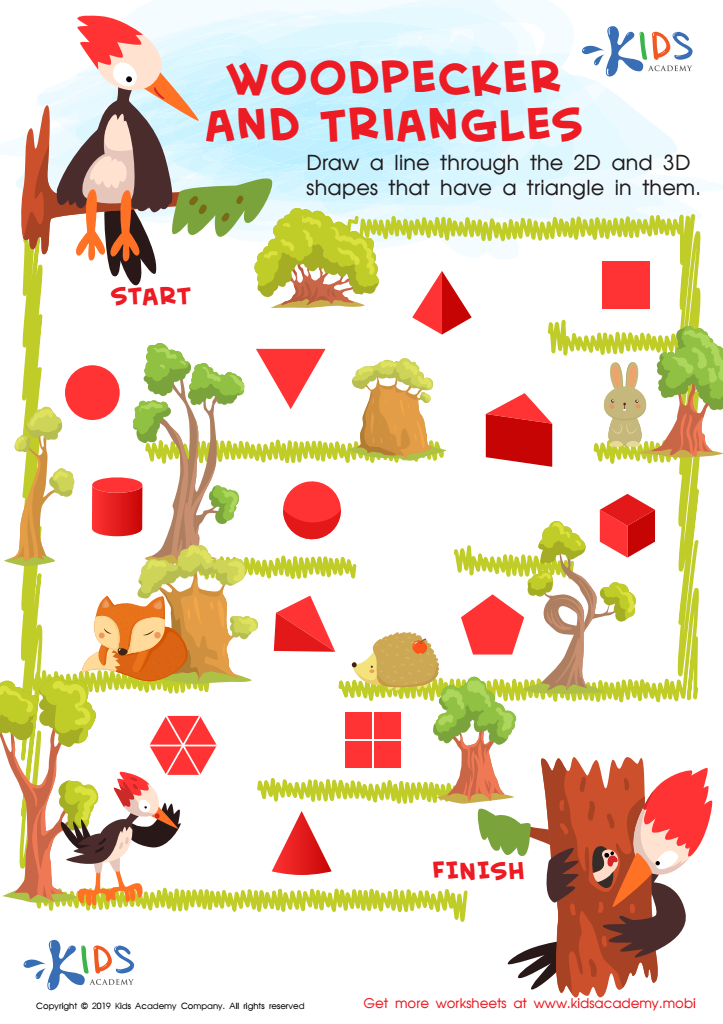
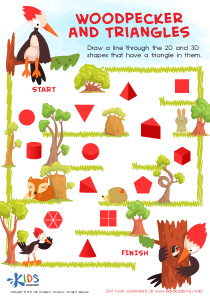
Woodpecker and Triangles Worksheet
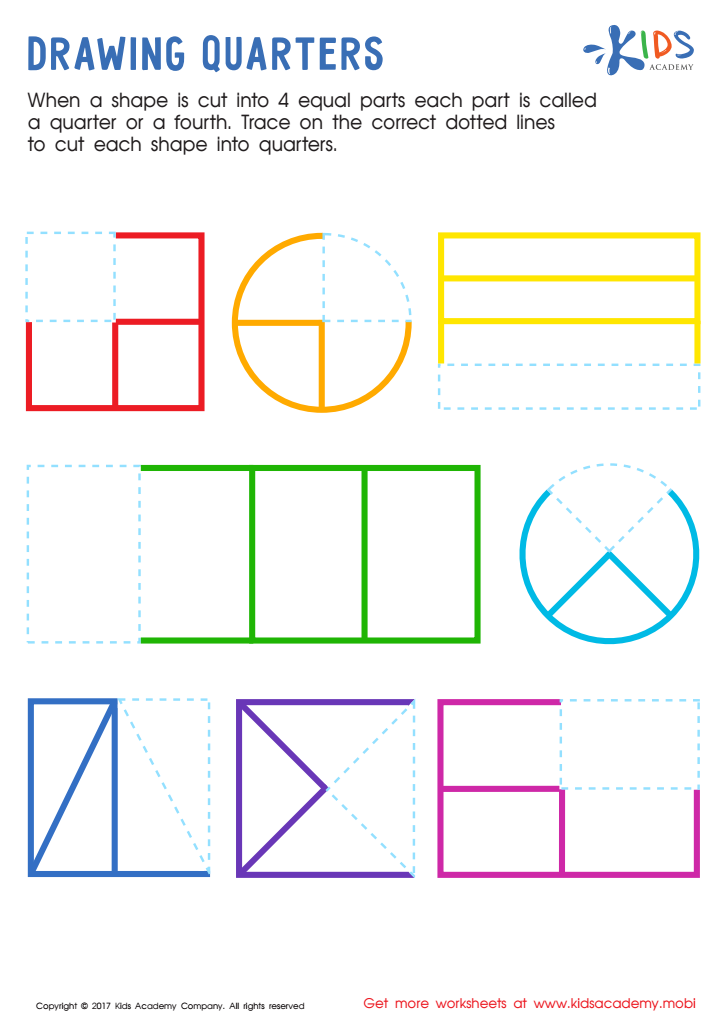
Drawing Quarters Worksheet
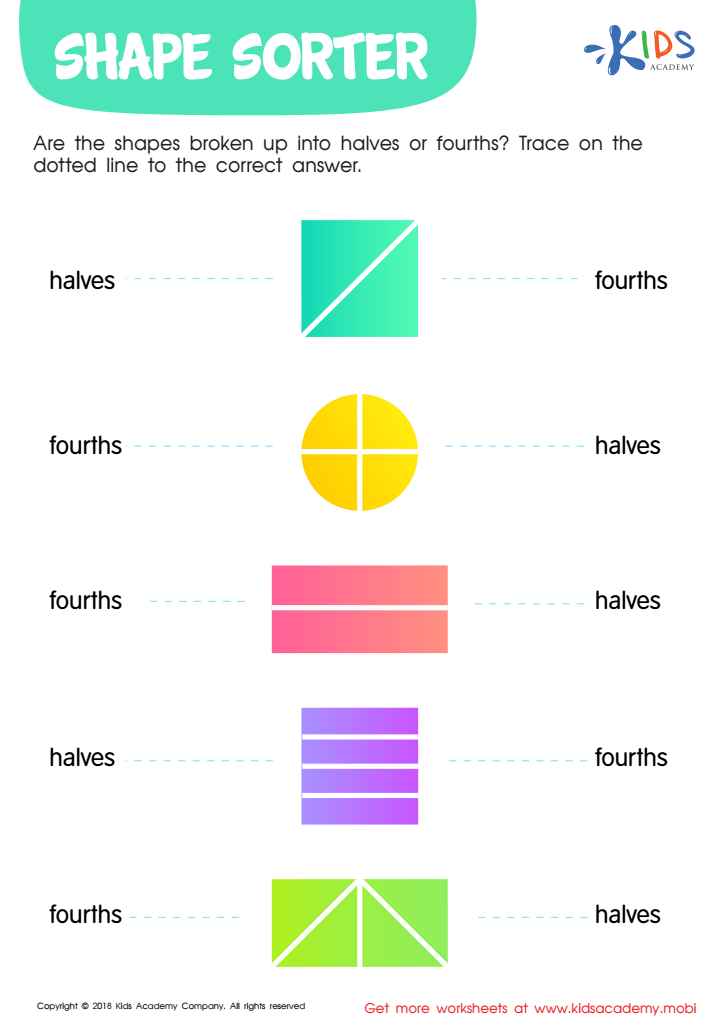
Shape Sorter Worksheet
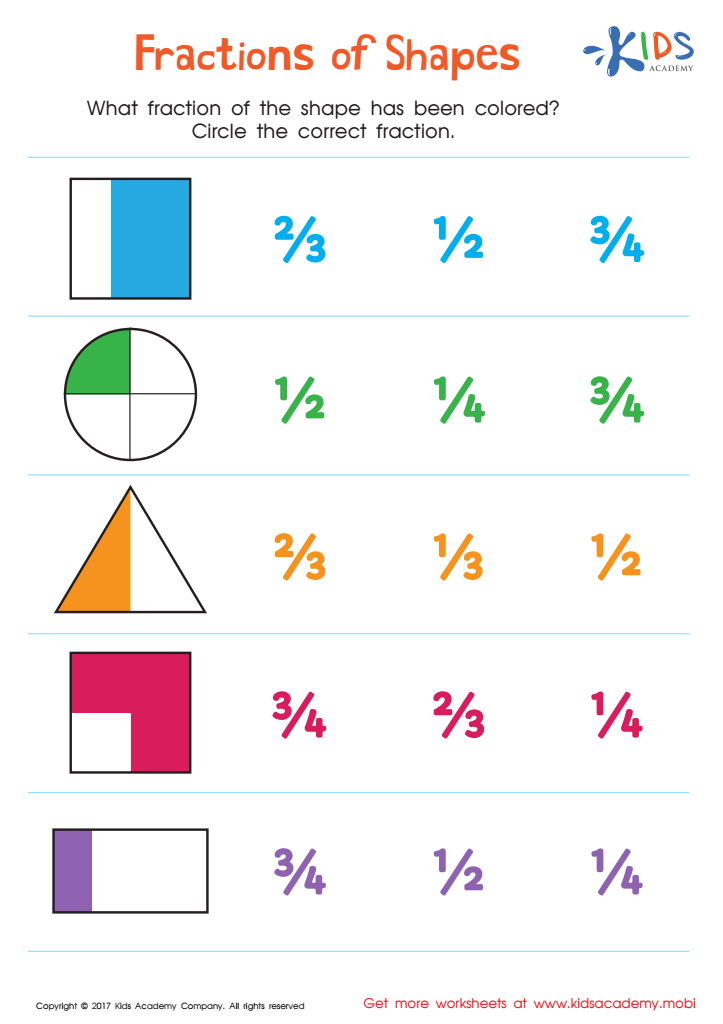
Fractions of Shapes: Math Concept Worksheet
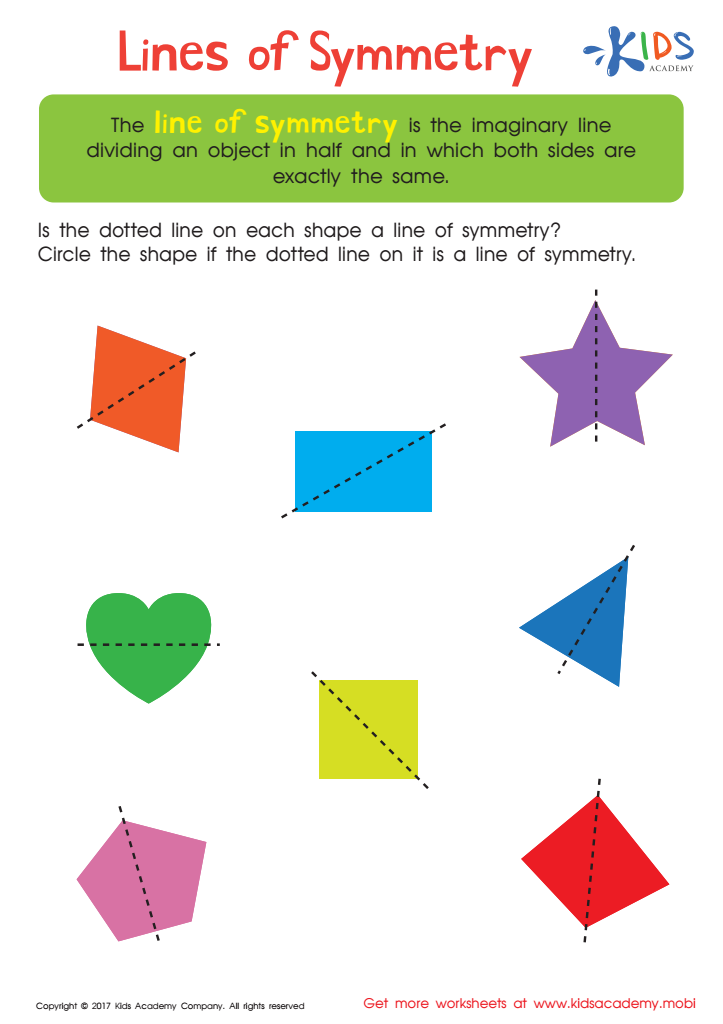
Lines of Symmetry Printable
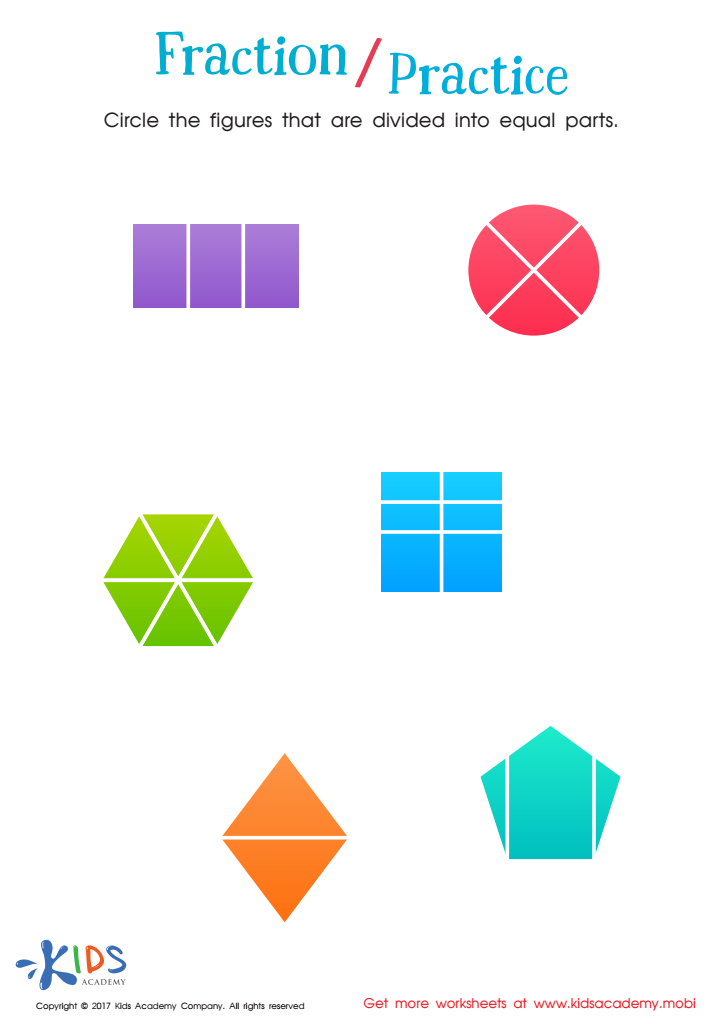
Fractions: Shapes Worksheet
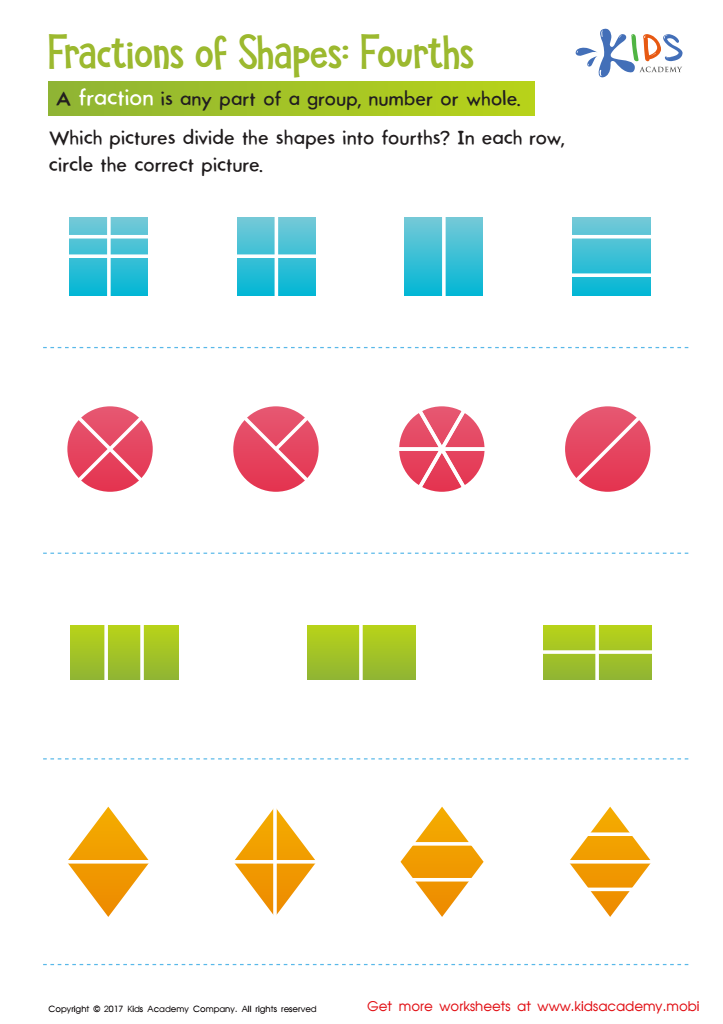
Fractions of Shapes Worksheet








Understanding fractions of shapes is crucial for young learners aged 4-7, as it lays the groundwork for their mathematical journey. Parents and teachers should care about Extra Challenge Fractions for several reasons.
Firstly, introducing fractions early fosters numerical fluency. Concepts like halves, quarters, and thirds aren't just academic – they are foundational skills that reap rewards in areas such as measurement, division, and problem-solving later in life. Engaging with shapes and their fractions encourages children to think critically and enhances their spatial reasoning.
Secondly, Extra Challenge Fractions promote engagement and enthusiasm about math. By using diverse shapes—like circles, triangles, and rectangles—children can visualize and physically manipulate these figures, making learning enjoyable. This tactile experience is especially beneficial for kinesthetic learners.
Moreover, teaching fractions promotes collaboration and communication skills. Activities often involve group work, allowing children to discuss their findings and strategies with peers, ultimately reinforcing their understanding and teamwork abilities.
Lastly, this focus aligns with early learning standards that emphasize math literacy. By nurturing these skills early on, parents and teachers are not only helping children succeed academically but also empowering them with essential life skills. In sum, fostering an understanding of fractions at a young age sets the stage for lifelong learning and confidence in mathematics.