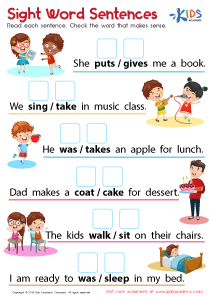
Extra Challenge Reading Non-Fiction Worksheets for Ages 4-8
7 filtered results
-
From - To
Boost your child’s critical reading and comprehension skills with our Extra Challenge Reading Non-Fiction Worksheets for Ages 4-8! These engaging worksheets are designed to provide young learners with a deeper understanding of informational texts, fostering curiosity and a love for learning. Each worksheet is crafted to challenge children’s abilities while keeping them entertained, encouraging analysis and critical thinking. Perfect for classroom use or at-home practice, our worksheets support children in recognizing key facts, developing vocabulary, and improving their ability to navigate non-fiction material. Equip your young reader with the tools to excel with our expertly designed resources!
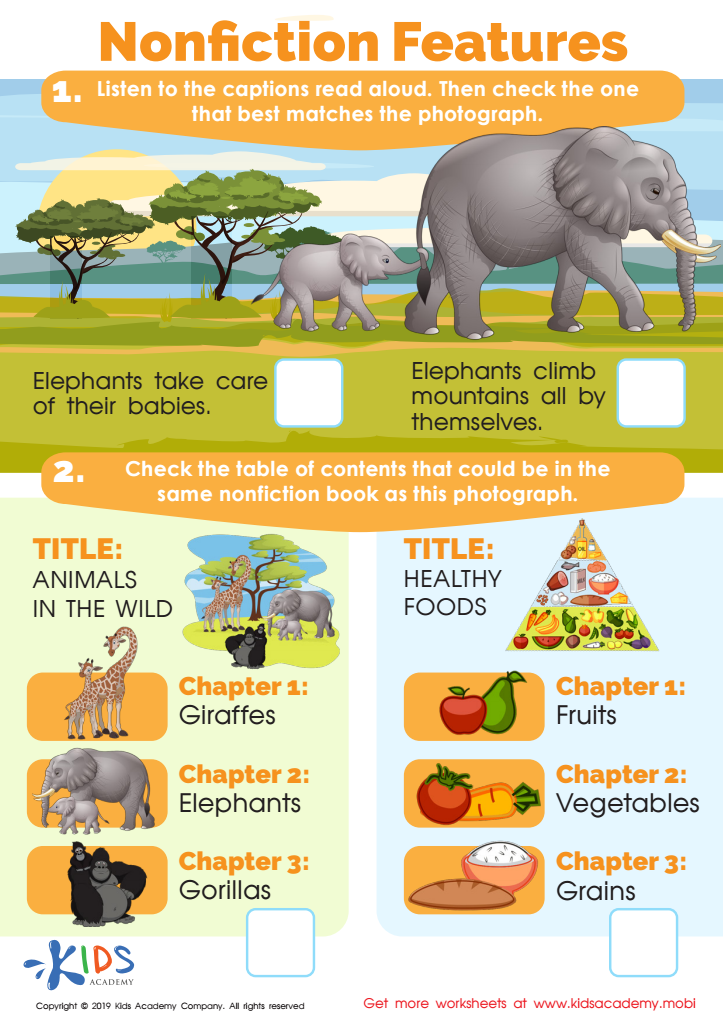
Nonfiction Features Worksheet
 Assign to My Students
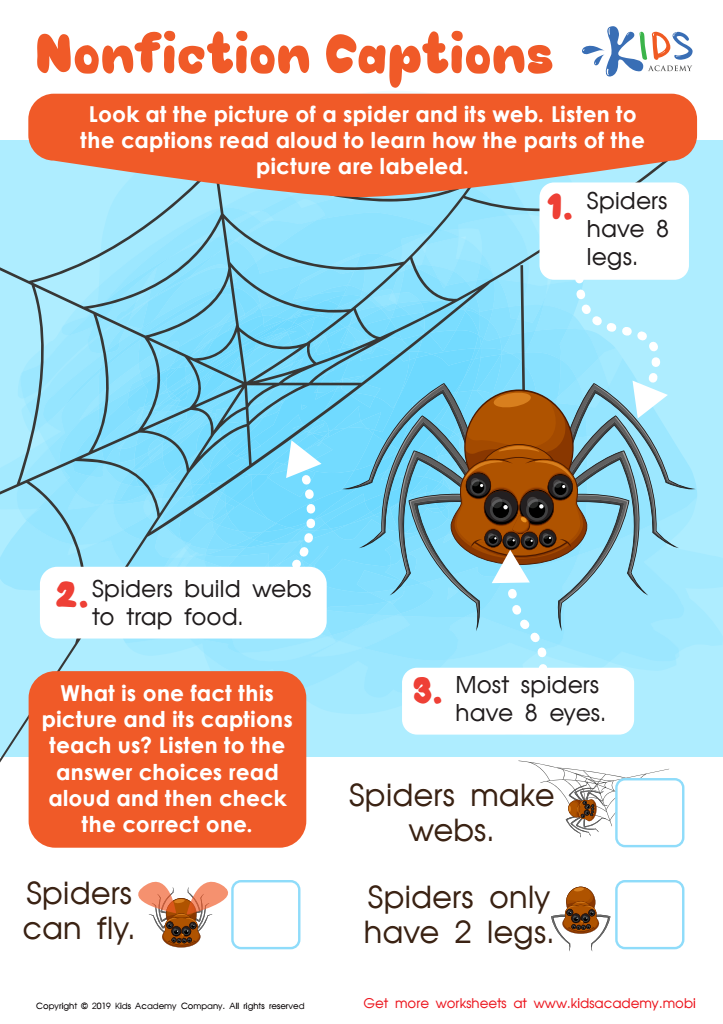
Nonfiction Captions Worksheet
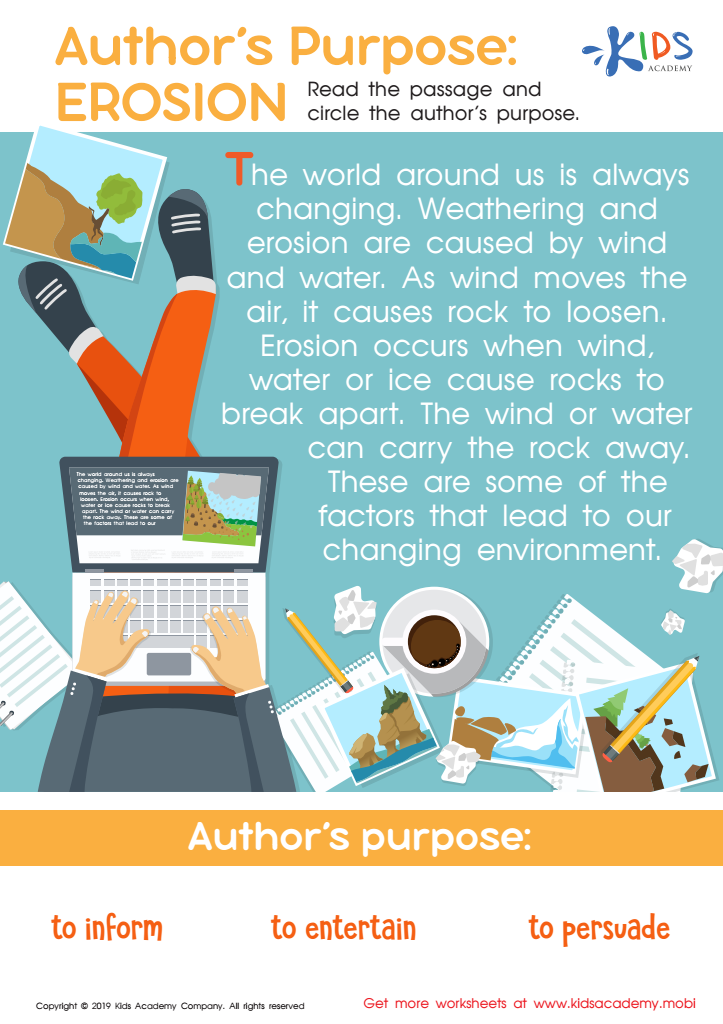
Author’s Purpose: Erosion Worksheet
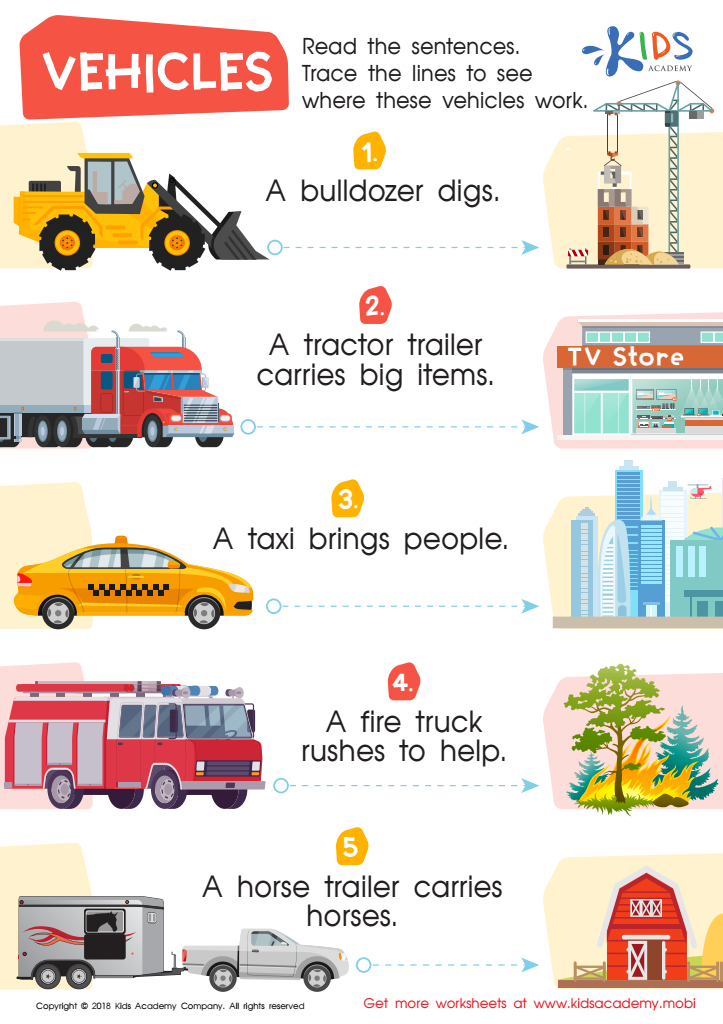
Vehicles Worksheet
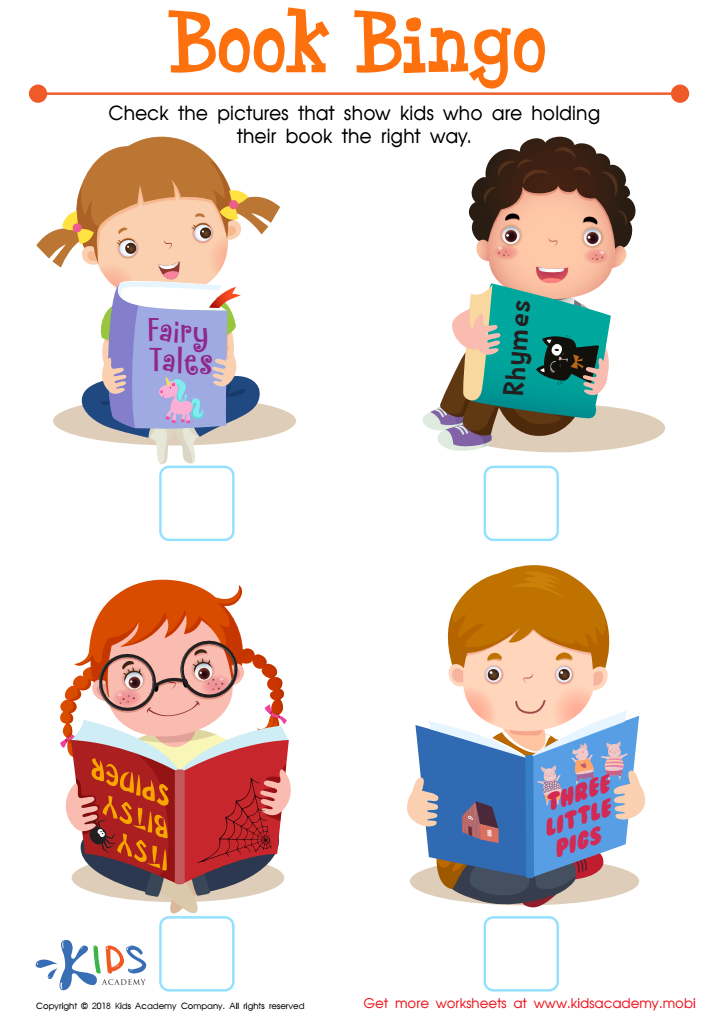
Book Bingo Worksheet
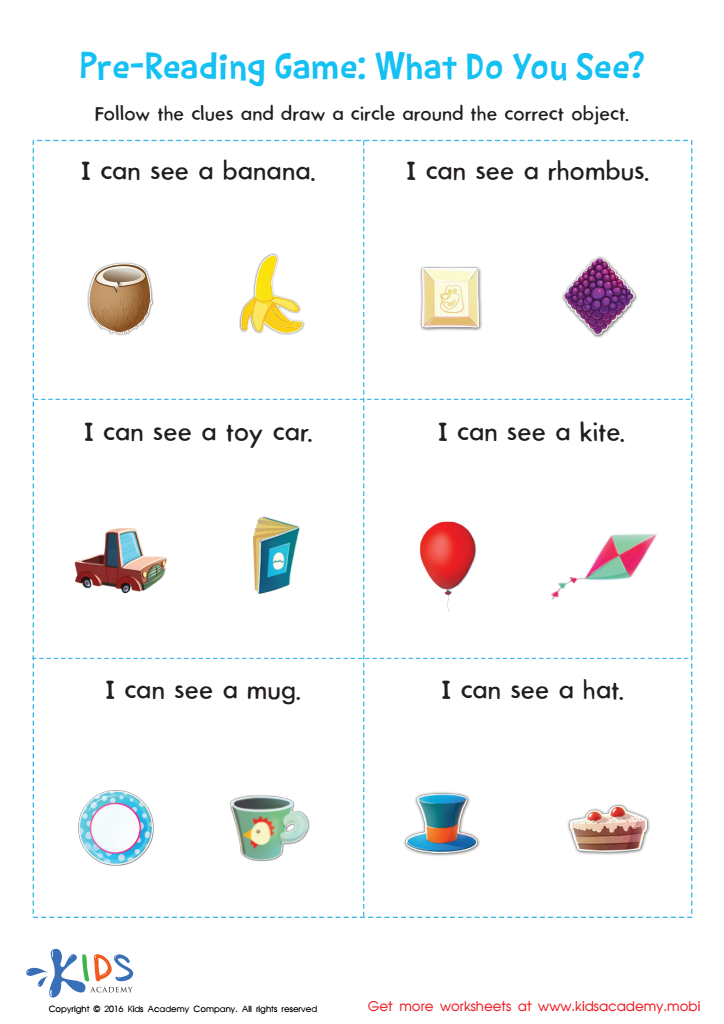
Pre–reading Worksheet: What Do You See?
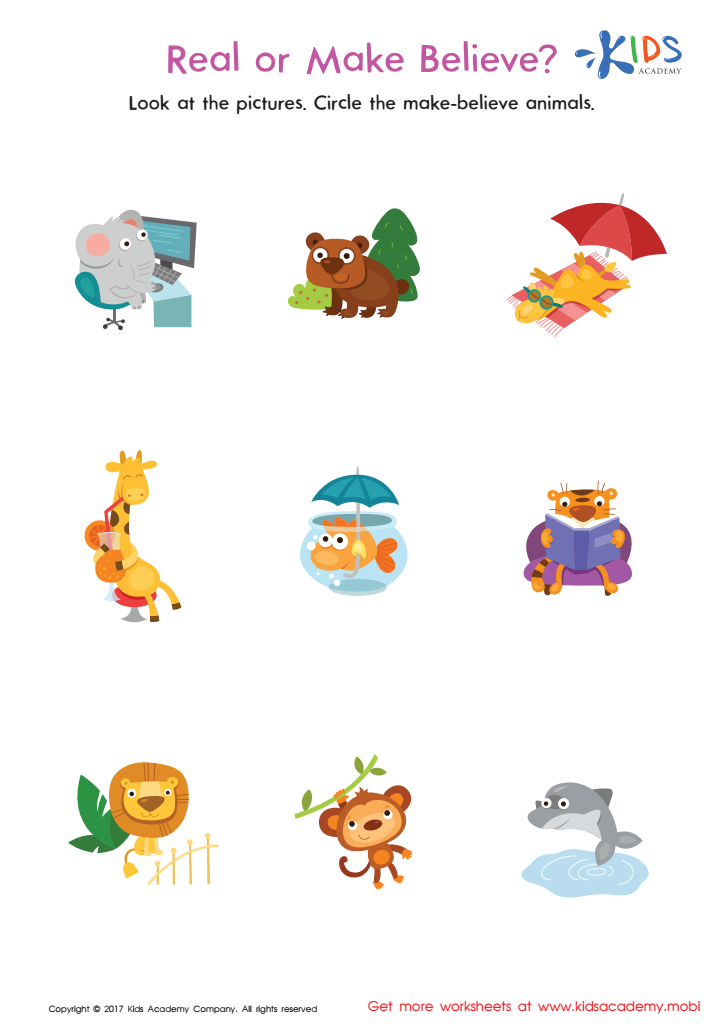
Fact or Make Believe Worksheet








Parents and teachers should care about Extra Challenge Reading Non-Fiction for ages 4-8 because it significantly contributes to children's cognitive and emotional development. Early exposure to non-fiction enhances critical thinking and comprehension skills, as young readers learn to process and understand real-world information. It broadens their knowledge base, leading to a more profound understanding of the world around them. Non-fiction fosters curiosity and inspires a lifelong love of learning as children naturally ask questions and seek to find answers about the topics presented.
Furthermore, non-fiction texts support vocabulary growth and language development. They reliably introduce new terms and concepts essential for effective communication and academic success. The practice of reading non-fiction also helps kids to differentiate between fact and fiction, honing their ability to critically evaluate the information they encounter.
Emotionally, non-fiction reading challenges young minds, providing a sense of accomplishment when they grasp complex ideas. This builds confidence and resilience as they learn to approach problem-solving tasks. Additionally, diverse non-fiction materials can broaden children's perspectives and build empathy by exposing them to different cultures, communities, and real-life experiences.
Therefore, investing in Extra Challenge Reading Non-Fiction for young children prepares them to become informed, inquisitive, and empathetic individuals who are ready to navigate and contribute to a complex world.