Extra Challenge Numbers Worksheets for Ages 7-8
51 filtered results
-
From - To
Discover the joy of numbers with our "Extra Challenge Numbers for Ages 7-8" worksheets! Specifically designed to captivate young minds, this collection offers a brilliant array of puzzles and problems that go beyond the standard curriculum. Each page is a journey into the fascinating world of mathematics, tailored to challenge and inspire children in this age group. Whether it's enhancing problem-solving skills, boosting numerical fluency, or simply providing fun and engaging math activities, our worksheets are the perfect tool. Dive into this exceptional educational experience and watch your child's confidence and capabilities in math soar to new heights!
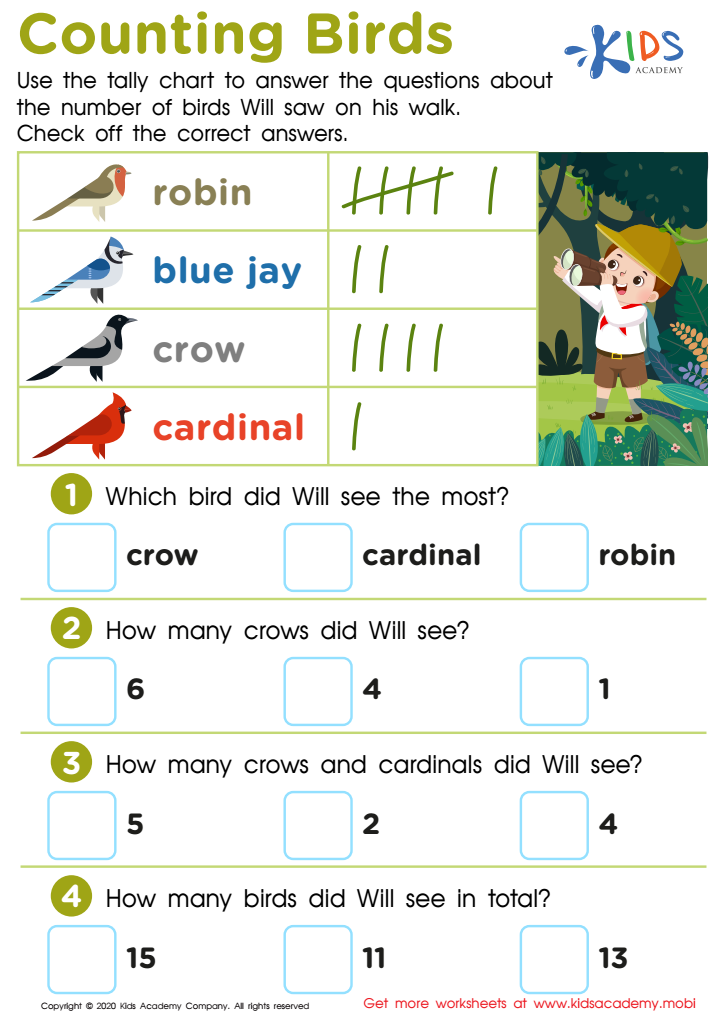
Counting Birds Worksheet
 Assign to My Students
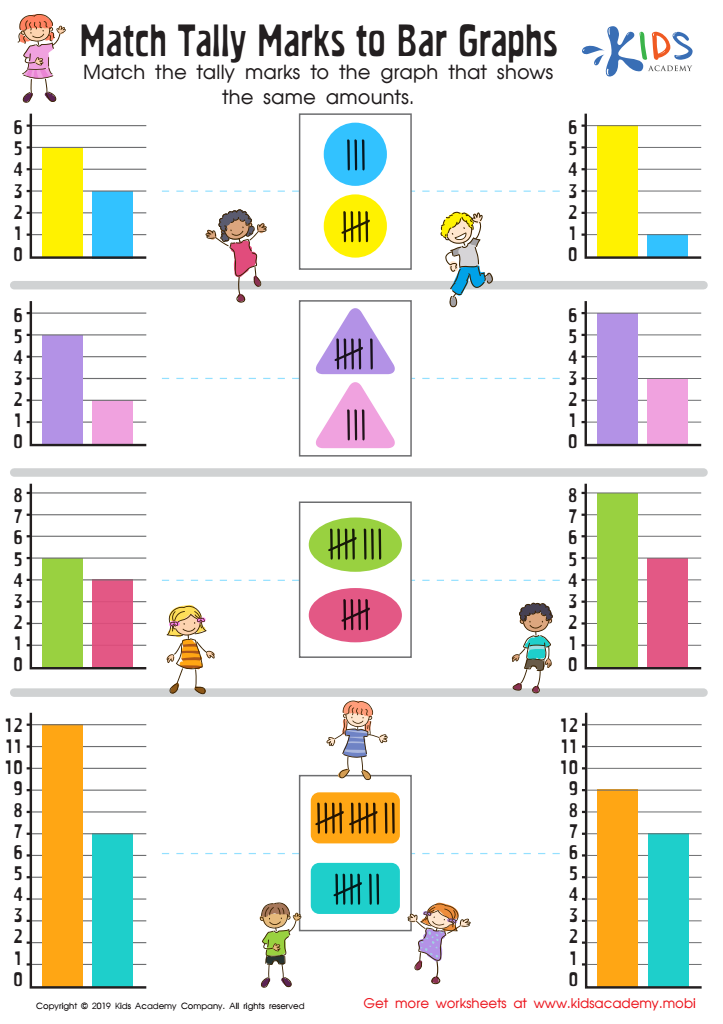
Match Tally Marks to Bar Graphs Worksheet
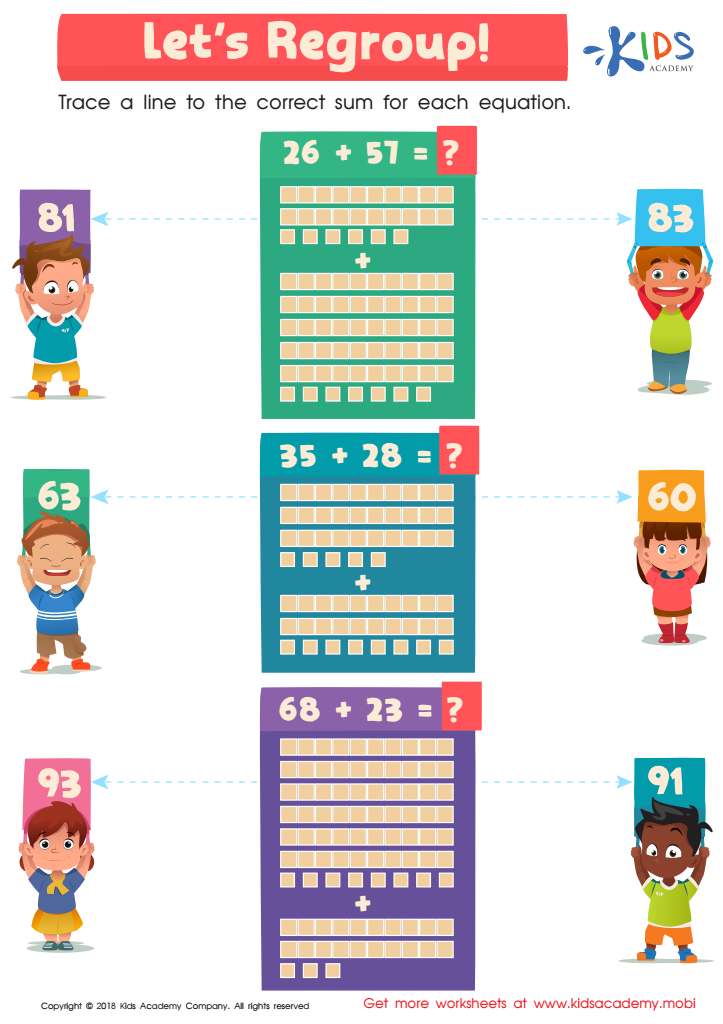
Let's Regroup Worksheet
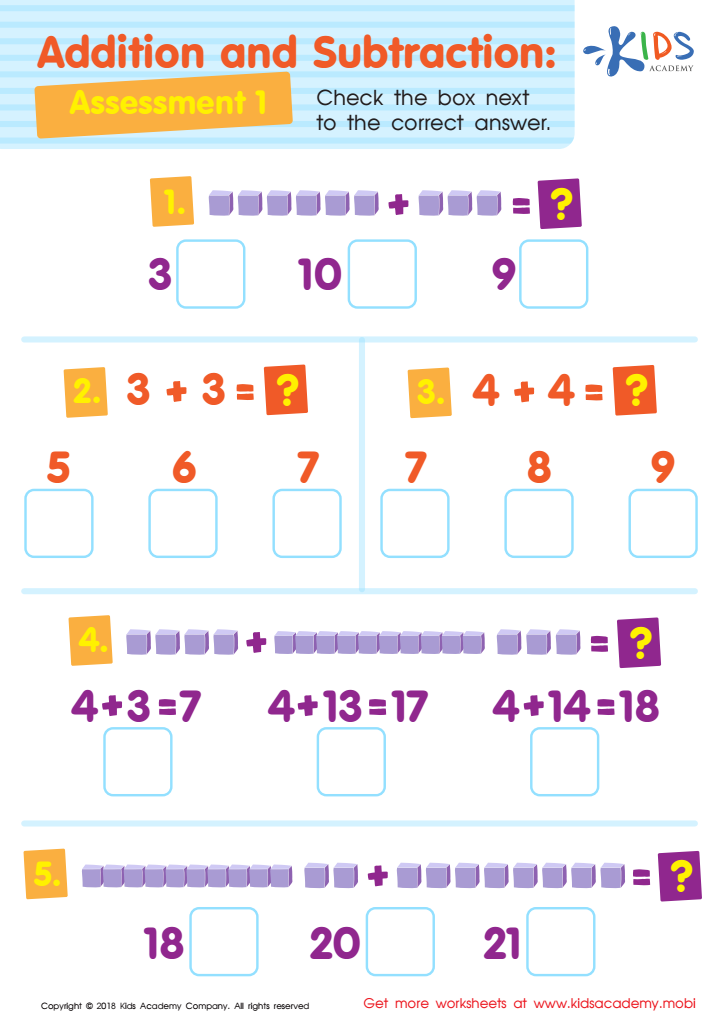
Addition and Subtraction Assessment 1 Worksheet
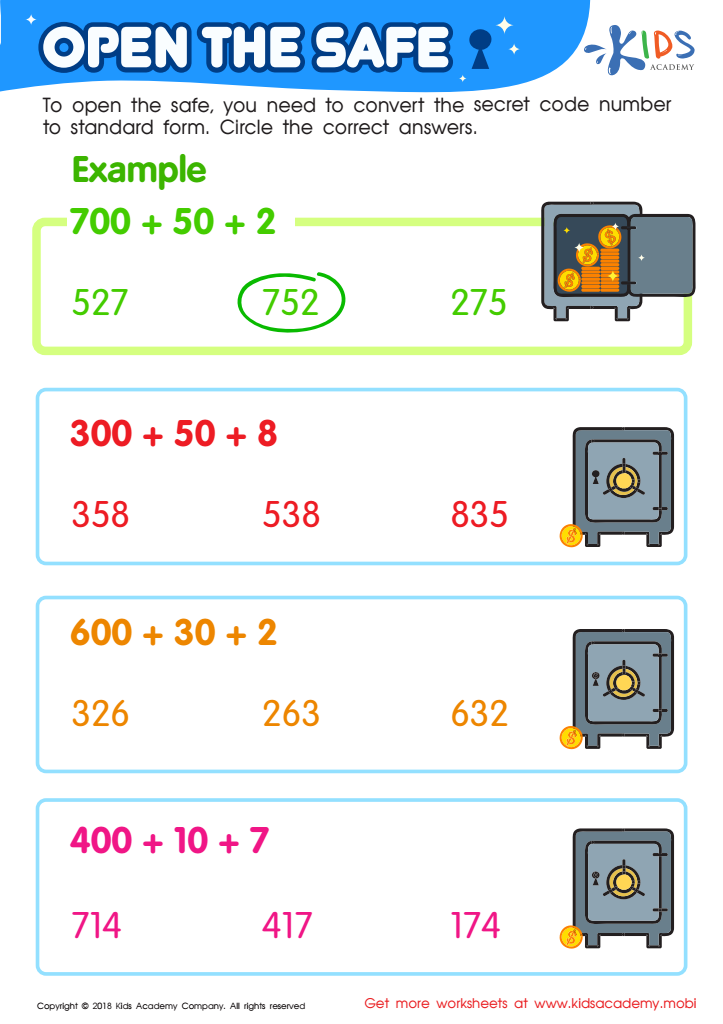
Open the Safe Worksheet
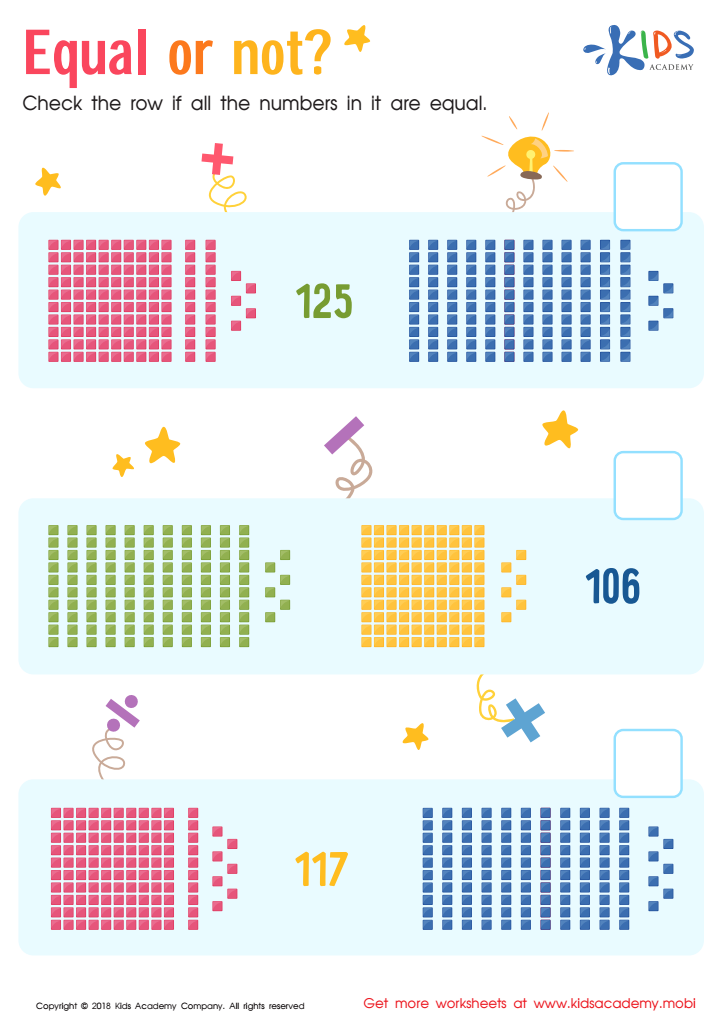
Equal or not Worksheet
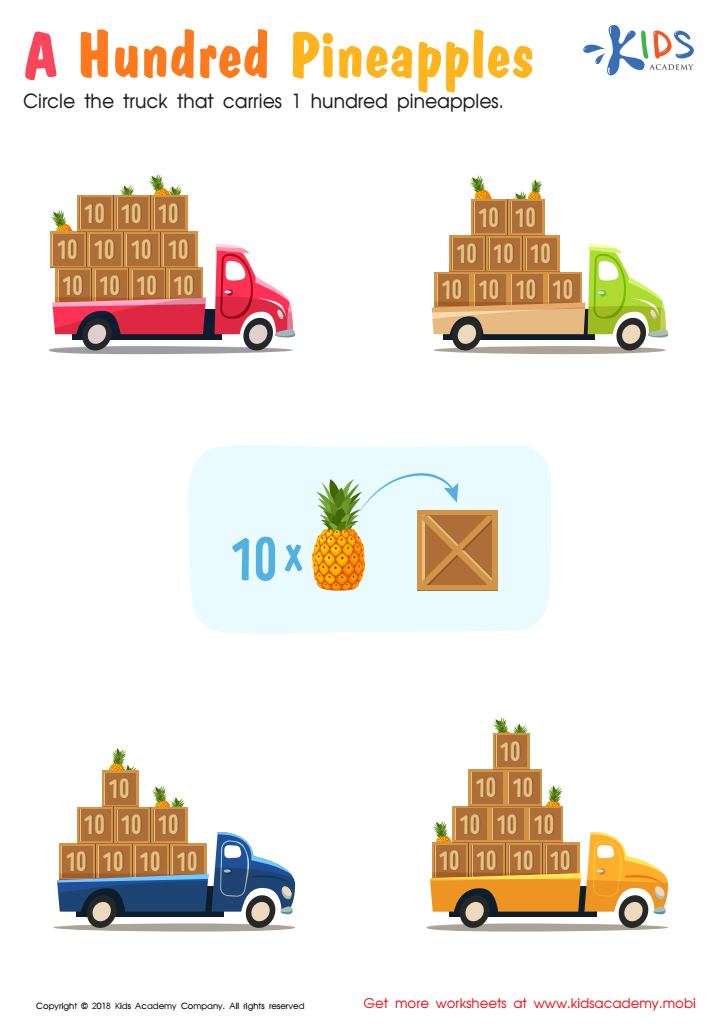
A Hundred Pineapples Worksheet
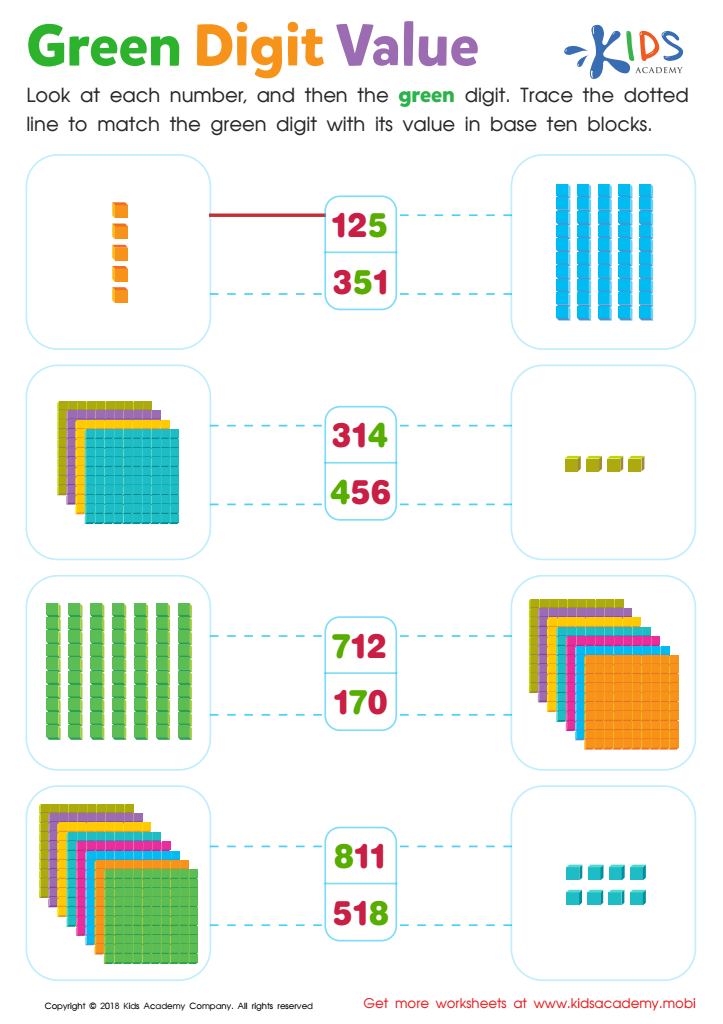
Green Digit Value Worksheet
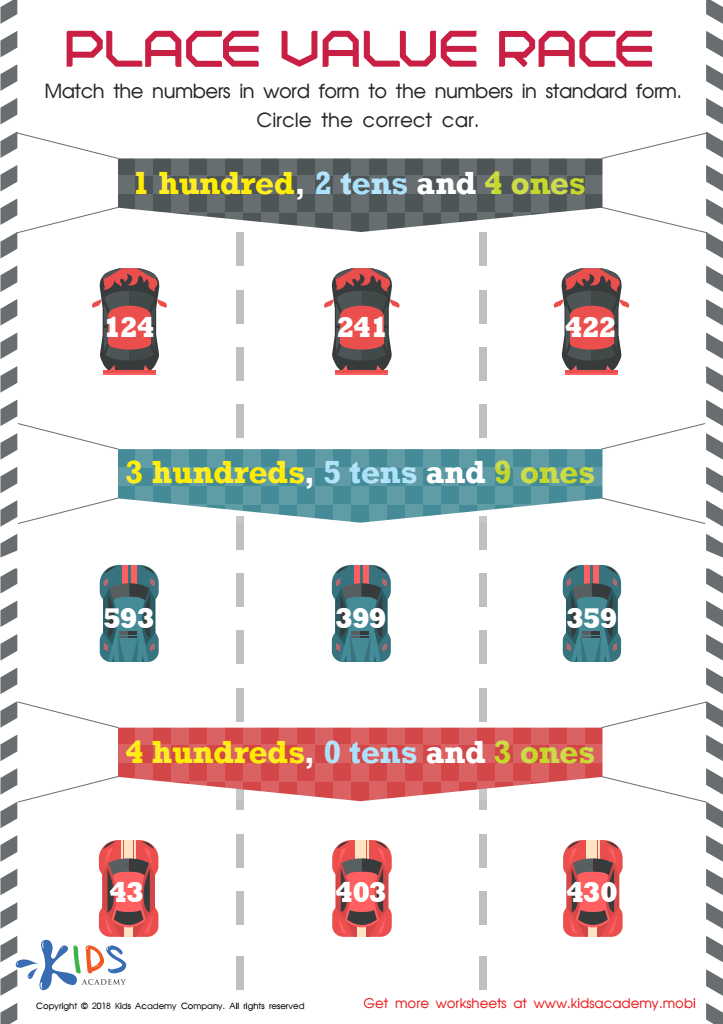
Place Value Race Worksheet
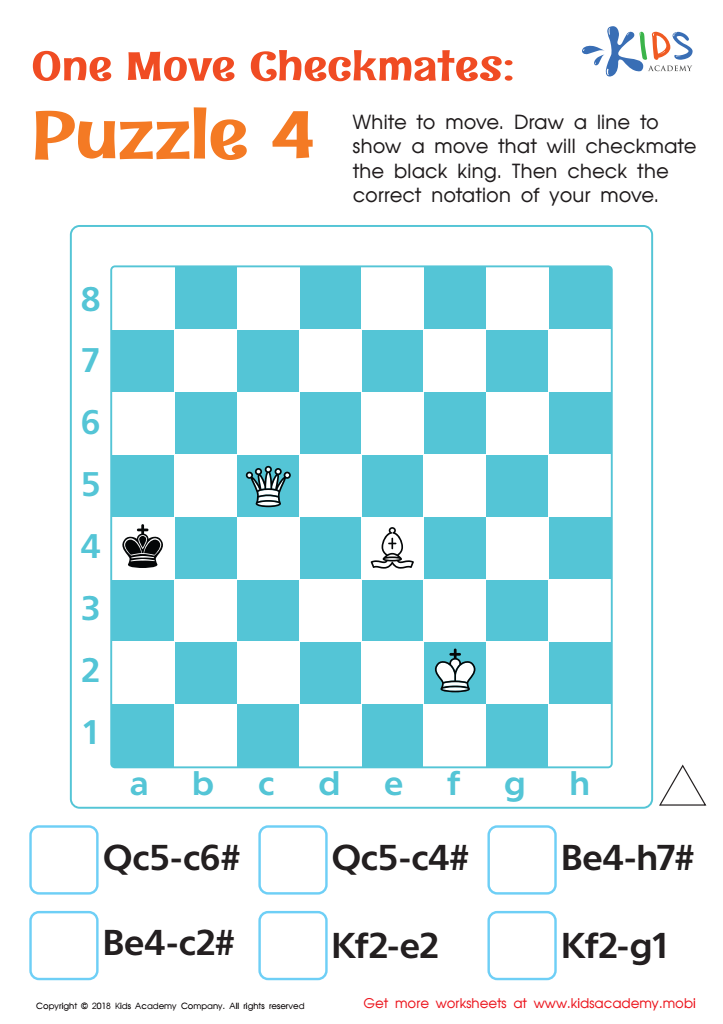
One Move Checkmates: Puzzle 4 Worksheet
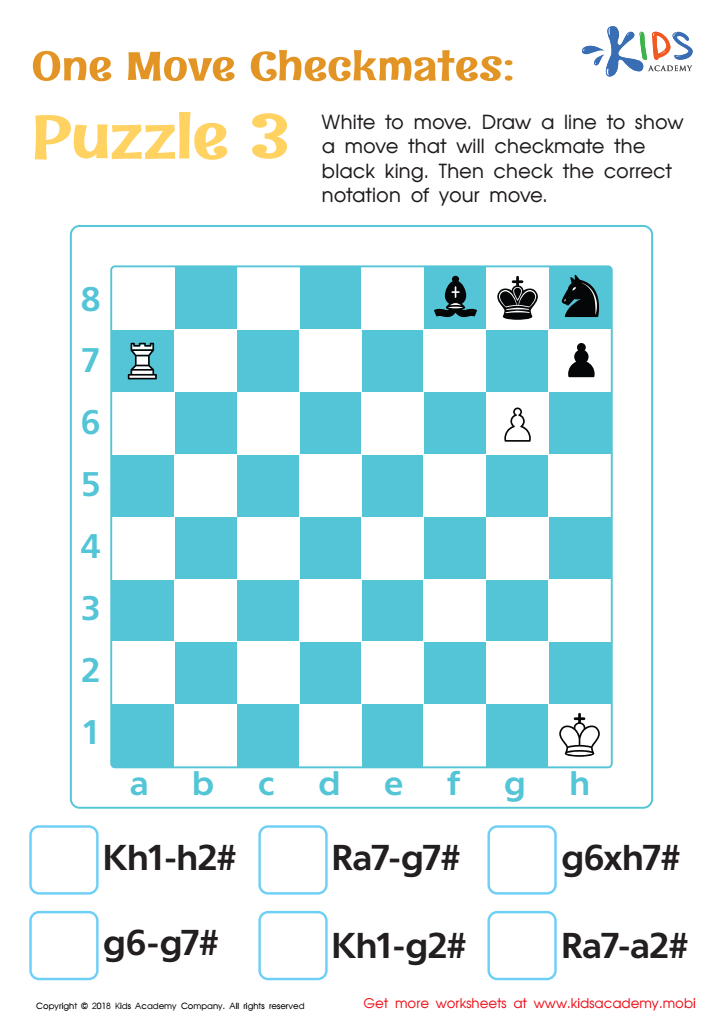
One Move Checkmates: Puzzle 3 Worksheet
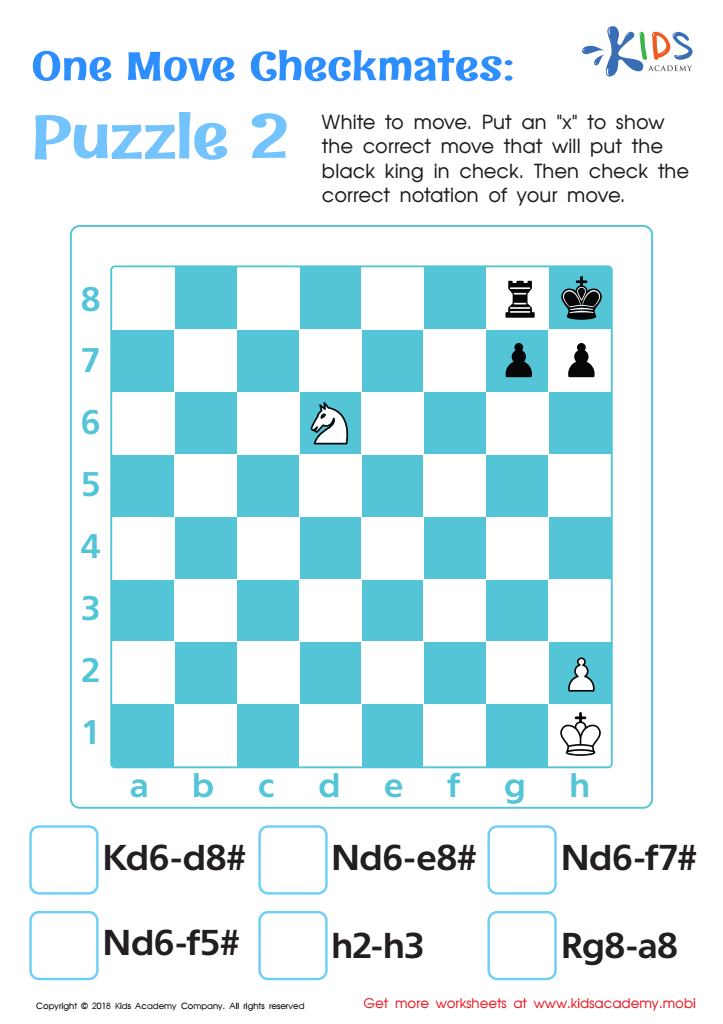
One Move Checkmates: Puzzle 2 Worksheet
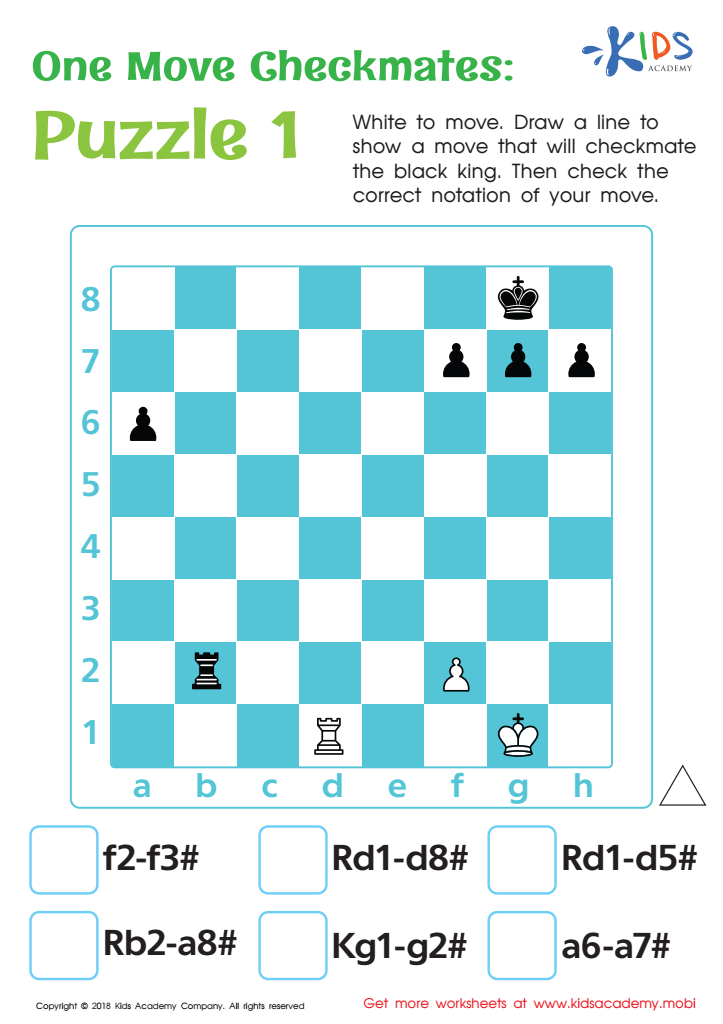
One Move Checkmates: Puzzle 1 Worksheet
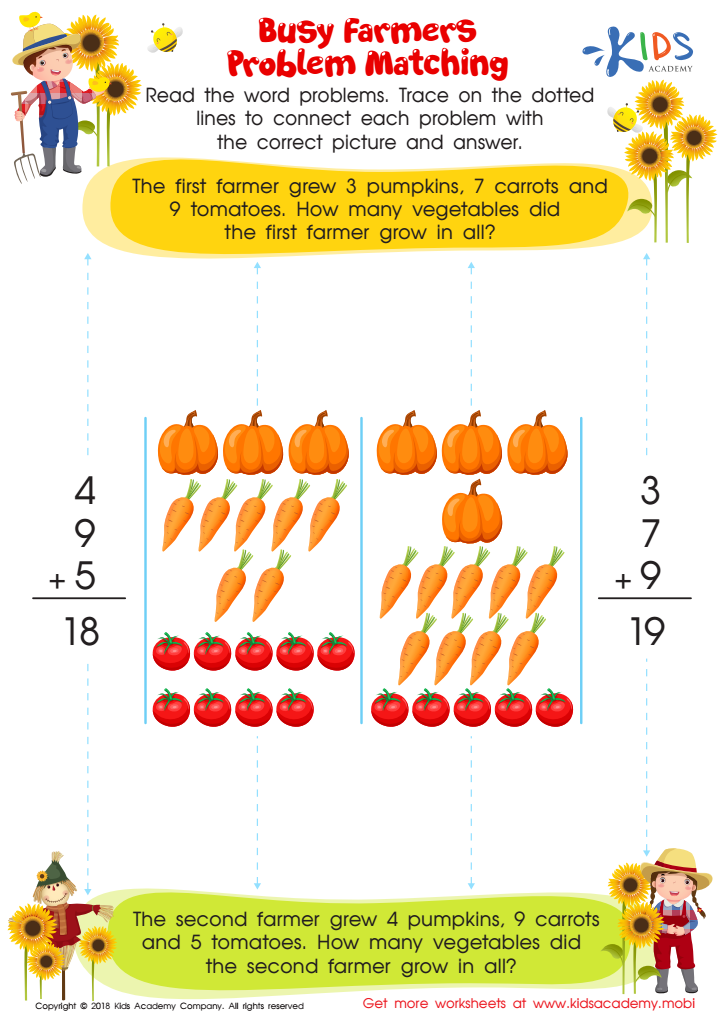
Busy Farmers: Problem Matching Worksheet
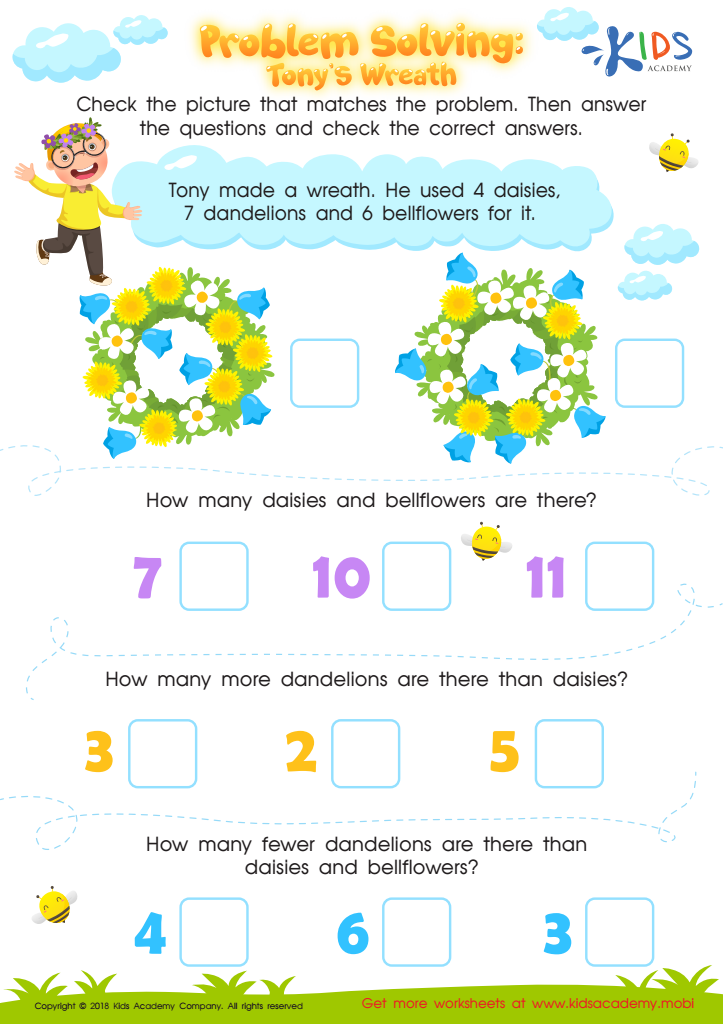
Problem Solving: Tony's Wreath Worksheet
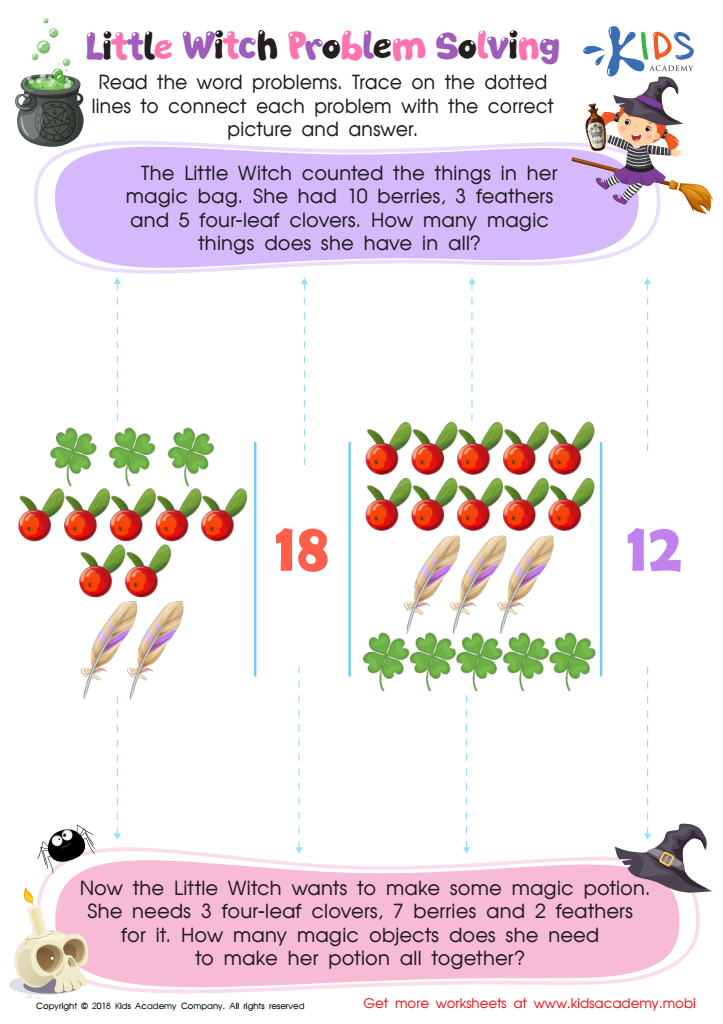
Little Witch Problem Solving Worksheet
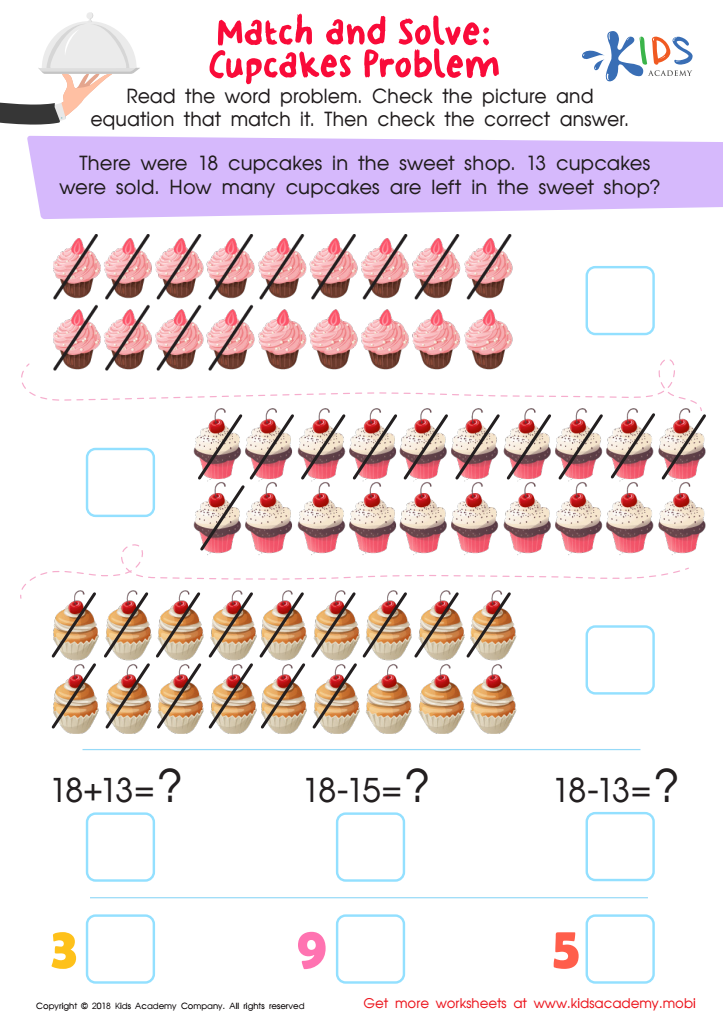
Match and Solve: Cupcakes Problem Worksheet
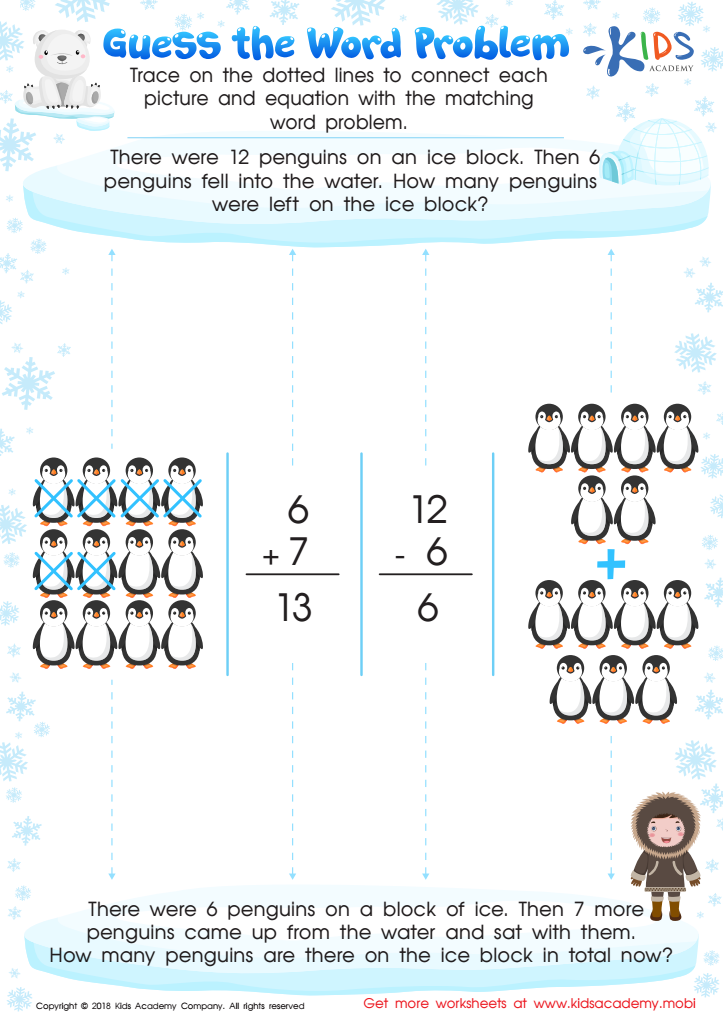
Guess the Word Problem Worksheet
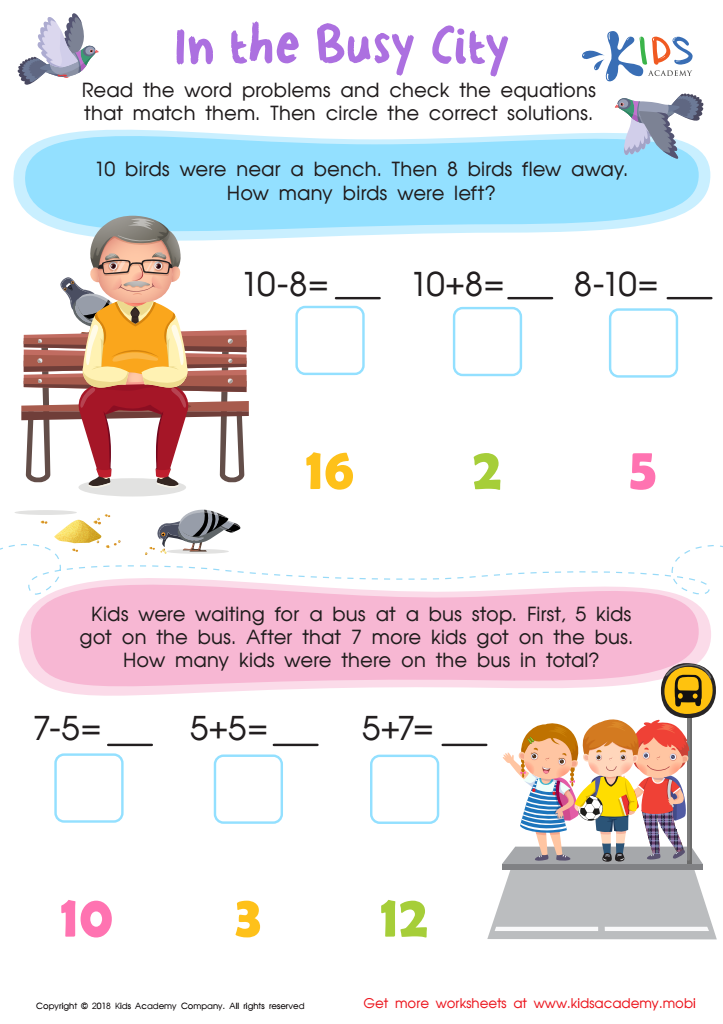
In the Busy City Word Problems Worksheet
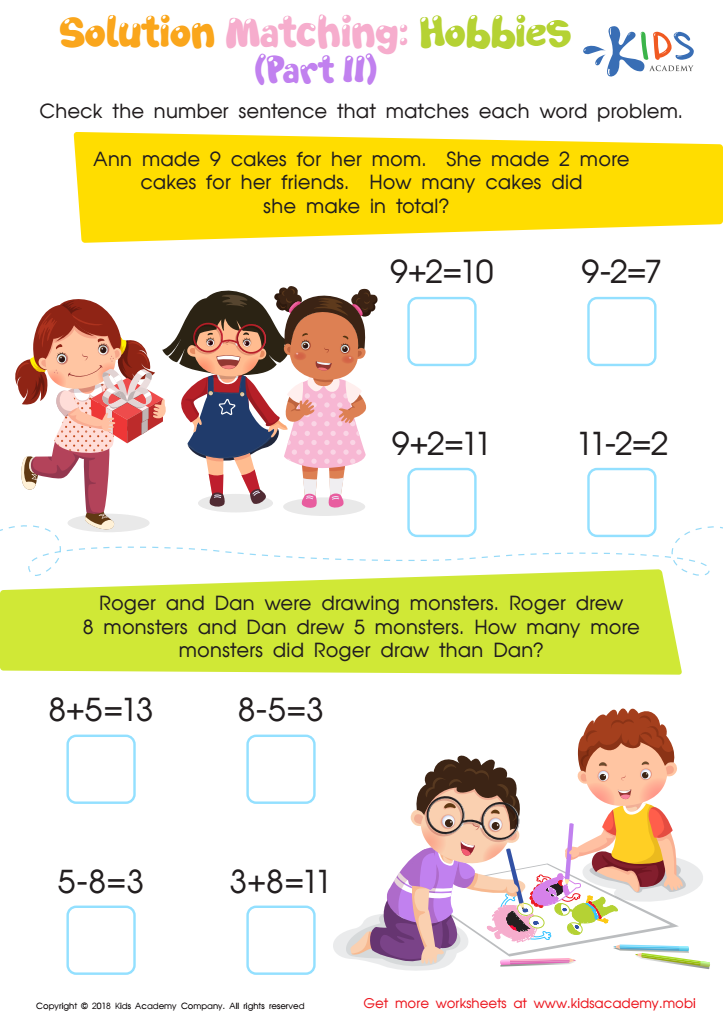
Solution Matching: Hobbies. Part 2 Worksheet
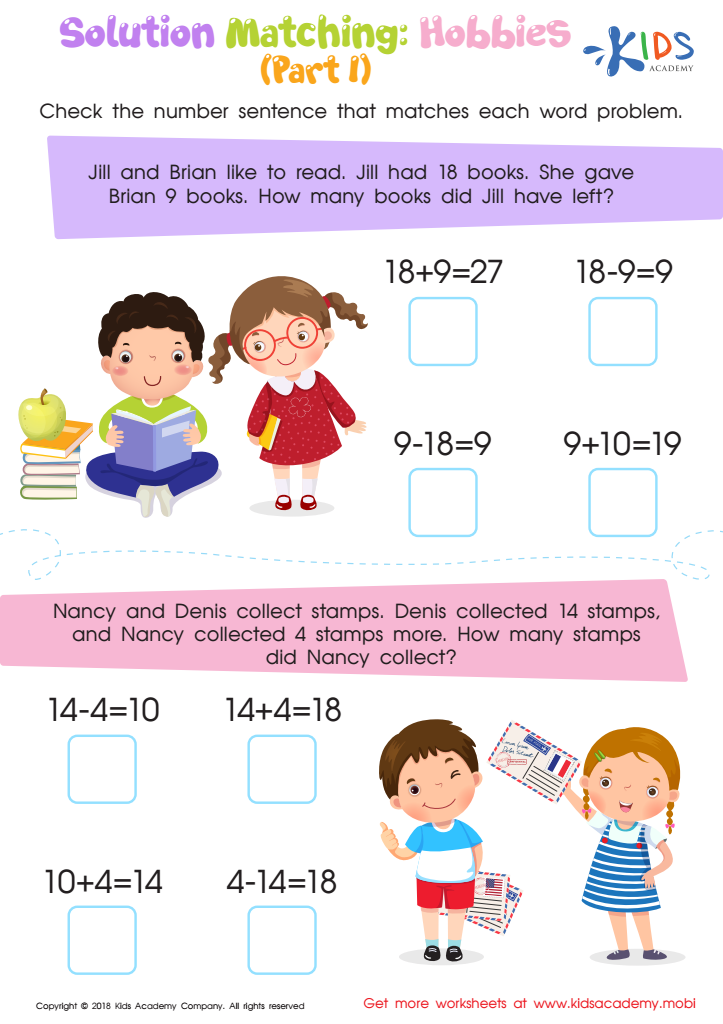
Solution Matching: Hobbies. Part 1 Worksheet
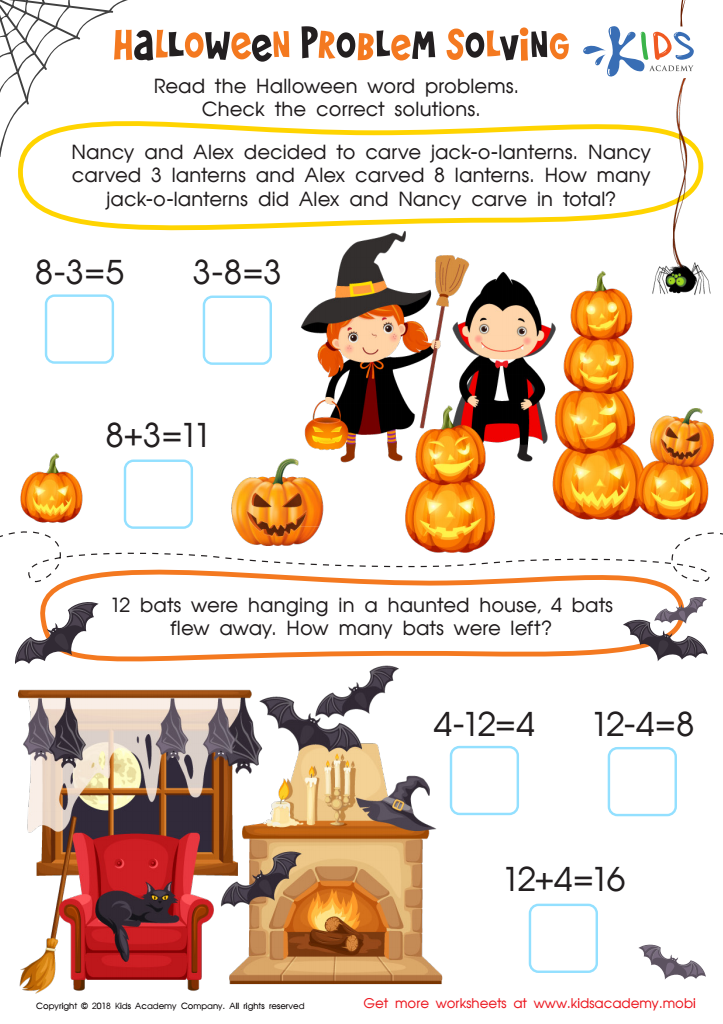
Halloween Problem Solving Worksheet
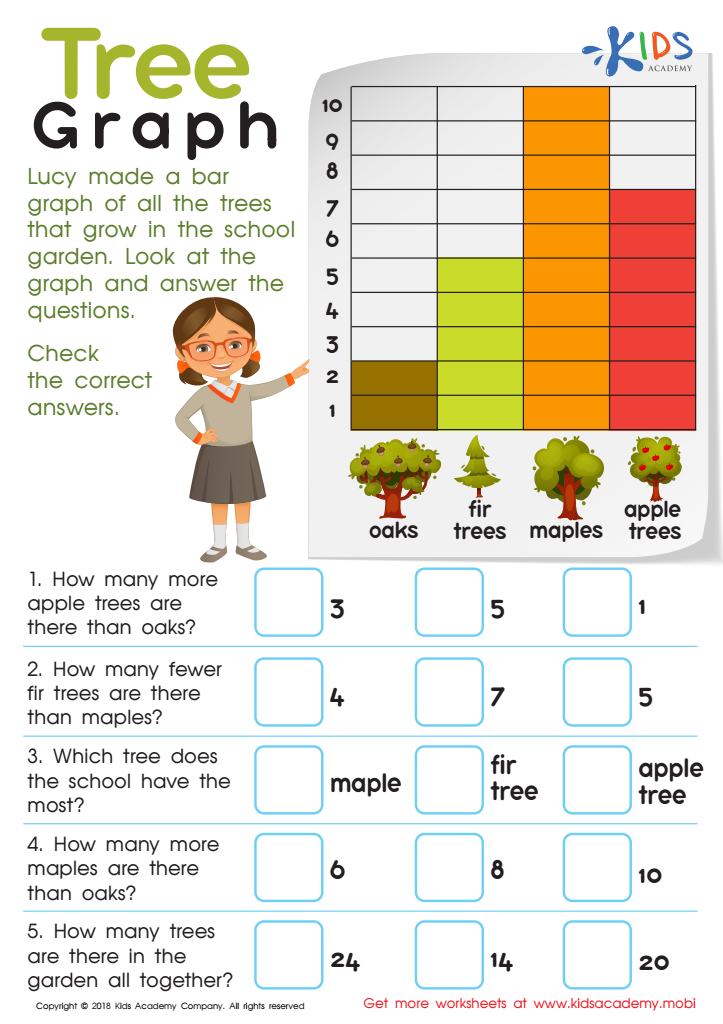
Tree Graph Worksheet
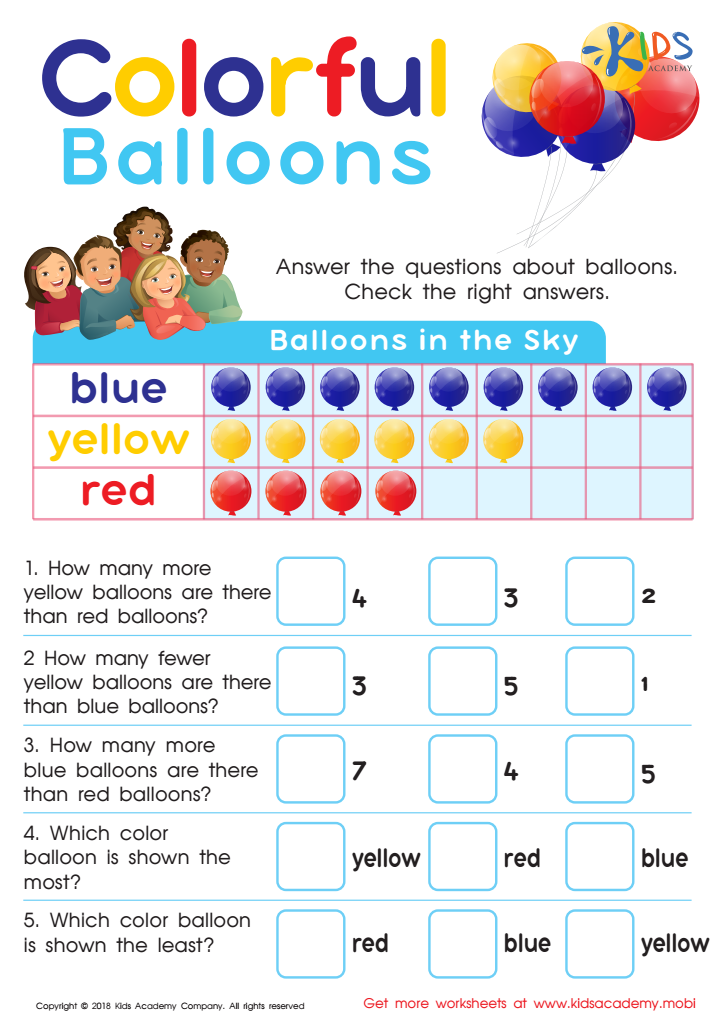
Picture Graphs: Colorful Balloons Worksheet








Extra Challenge Numbers for Ages 7-8 worksheets offer an exceptional opportunity for children to deepen their understanding of mathematical concepts. At this pivotal stage in their development, children are not only getting comfortable with numbers but are also beginning to explore more complex mathematical ideas. The Extra Challenge Numbers worksheets are designed specifically to cater to this curious and critical age group, providing them with problems that stretch their abilities and encourage a deeper level of thinking.
These worksheets go beyond the basics, pushing children to apply what they have learned in new and challenging ways. This isn't just about memorization or rote learning; it's about truly understanding numbers and how they work together. For children ages 7-8, this kind of intellectual challenge is both exciting and essential for their cognitive development.
Moreover, the Extra Challenge Numbers worksheets are incredibly useful for identifying areas where a child might need extra help. By tackling more difficult problems, children and their educators can pinpoint specific concepts that may require more attention. This targeted approach ensures that no child is left behind, making the learning process more efficient and effective.
In essence, the Extra Challenge Numbers for Ages 7-8 worksheets are not just about challenging children; they're about empowering them. They provide a robust framework within which young learners can explore, make mistakes, and ultimately grow in their understanding of mathematics.