Normal Vowels Worksheets for Ages 3-6 - Page 2
39 filtered results
-
From - To
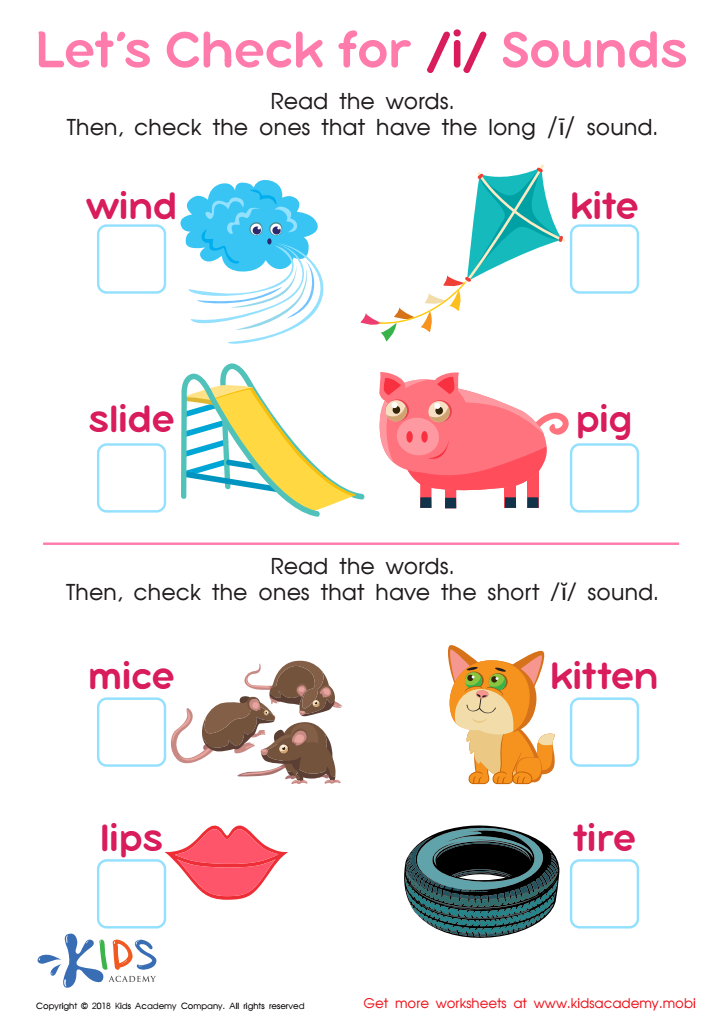
Let's Check for «i» Sounds Worksheet
 Assign to My Students
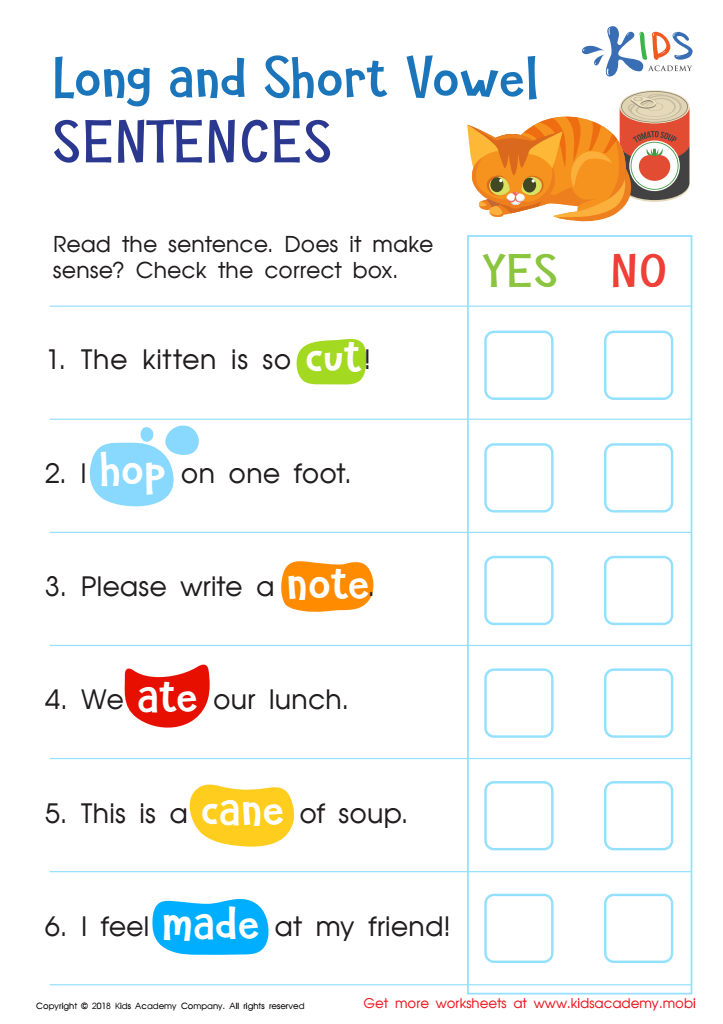
Long and Short Vowel Sentences: Assessment Worksheet
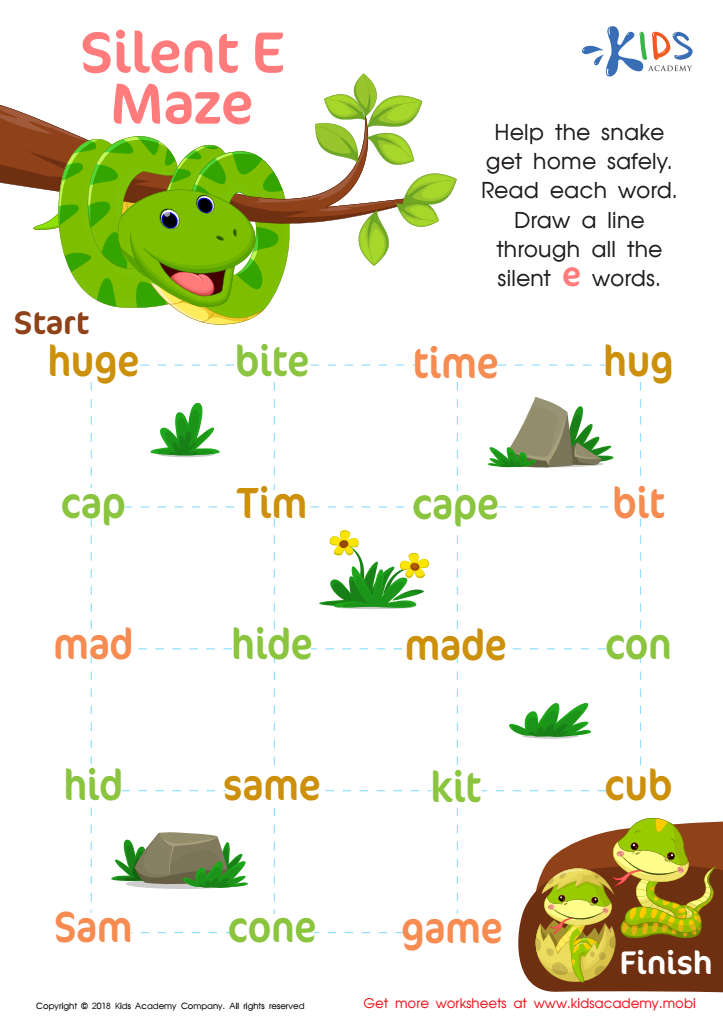
Silent E Maze Worksheet
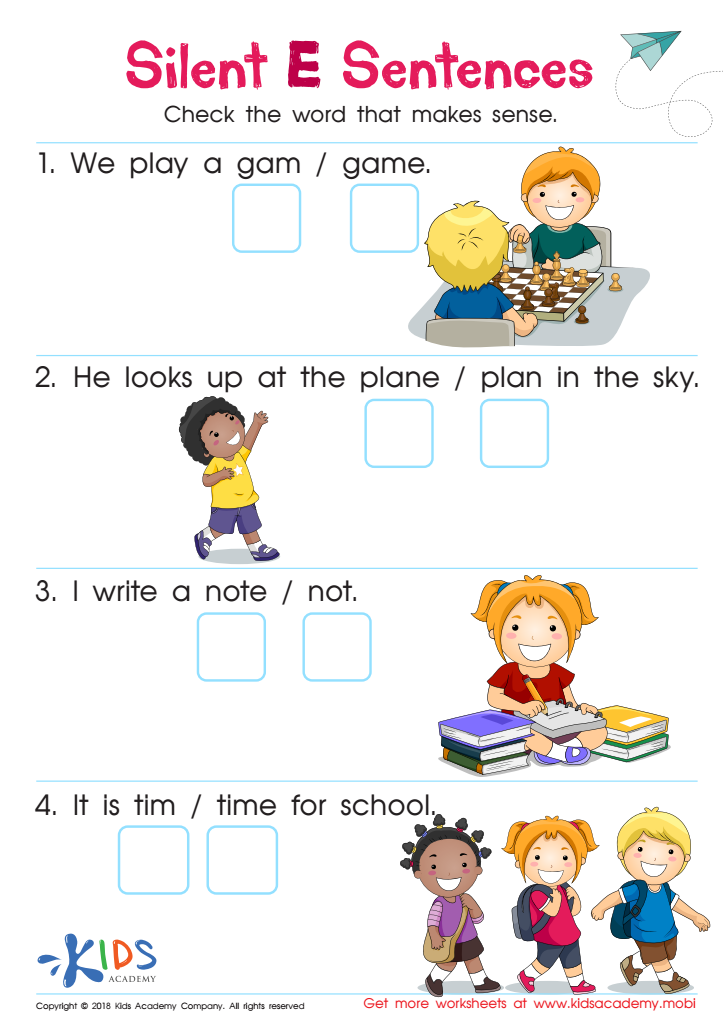
Silent E Sentences Worksheet
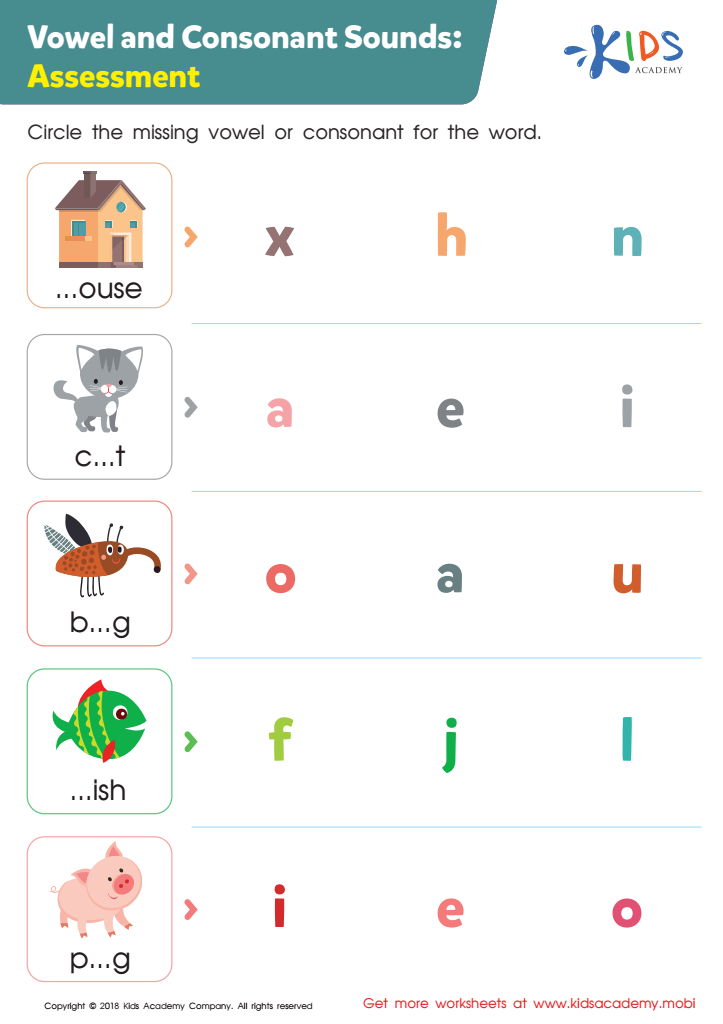
Vowel and Consonant Sounds: Assessment Worksheet
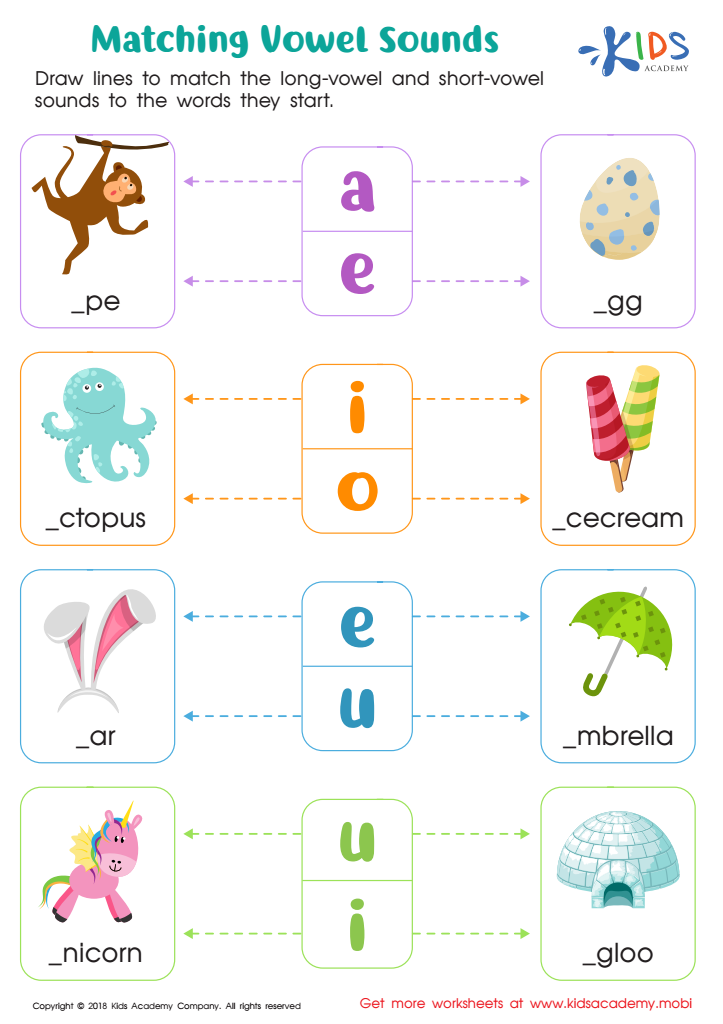
Matching Vowel Sounds Worksheet
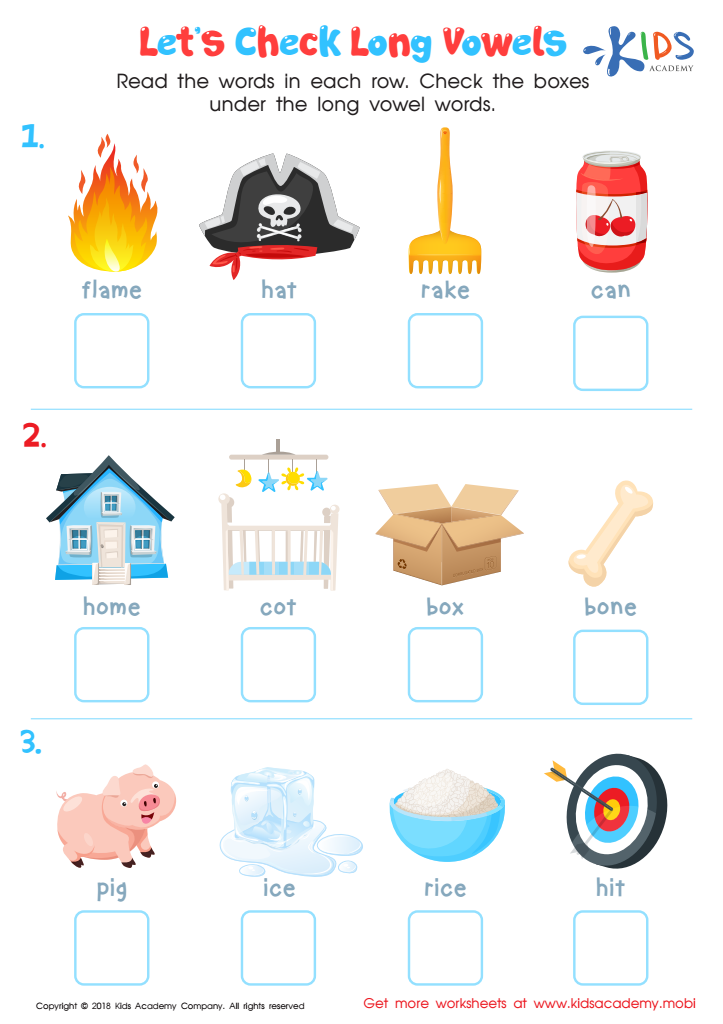
Let's Check Long Vowels: Assessment Worksheet
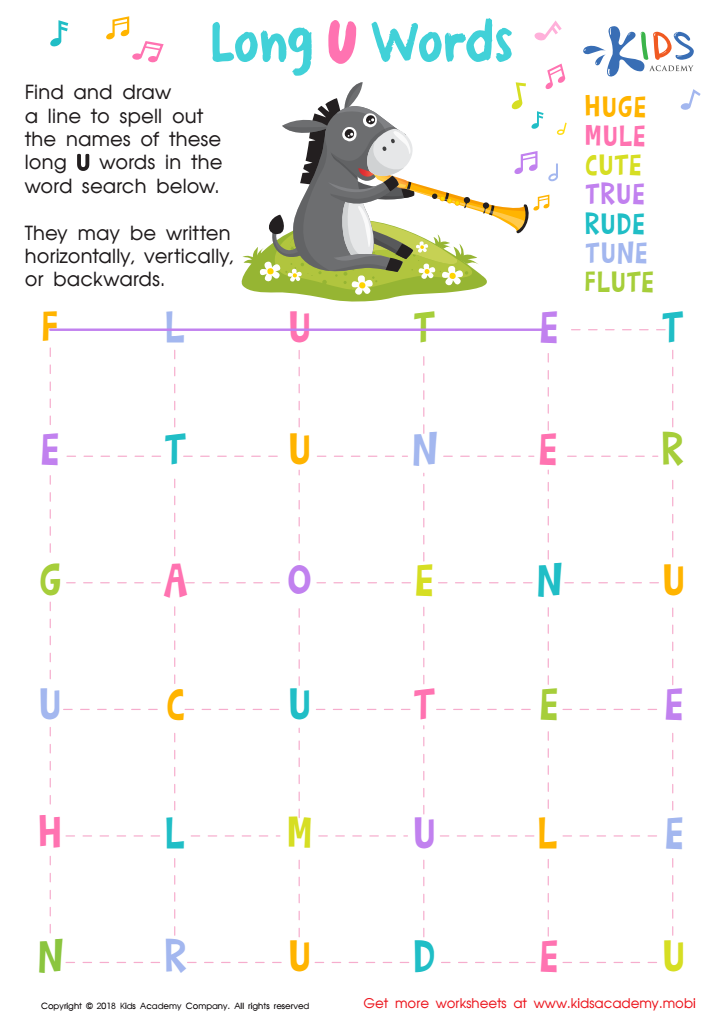
Long /u/ Words Worksheet
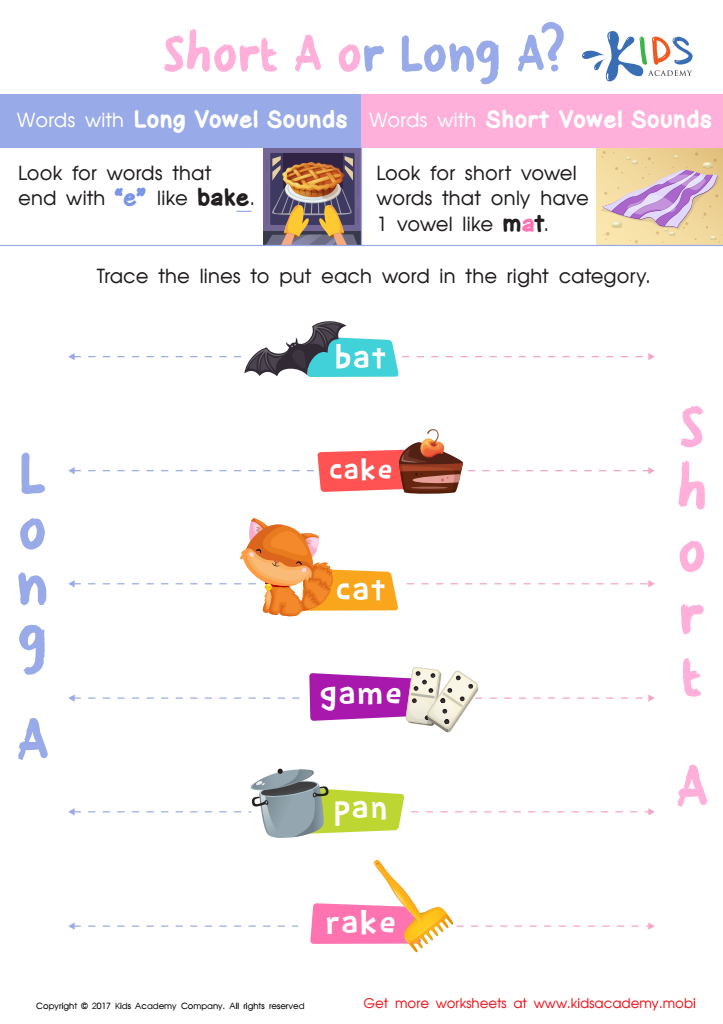
Short /a/ or Long /a/? Worksheet
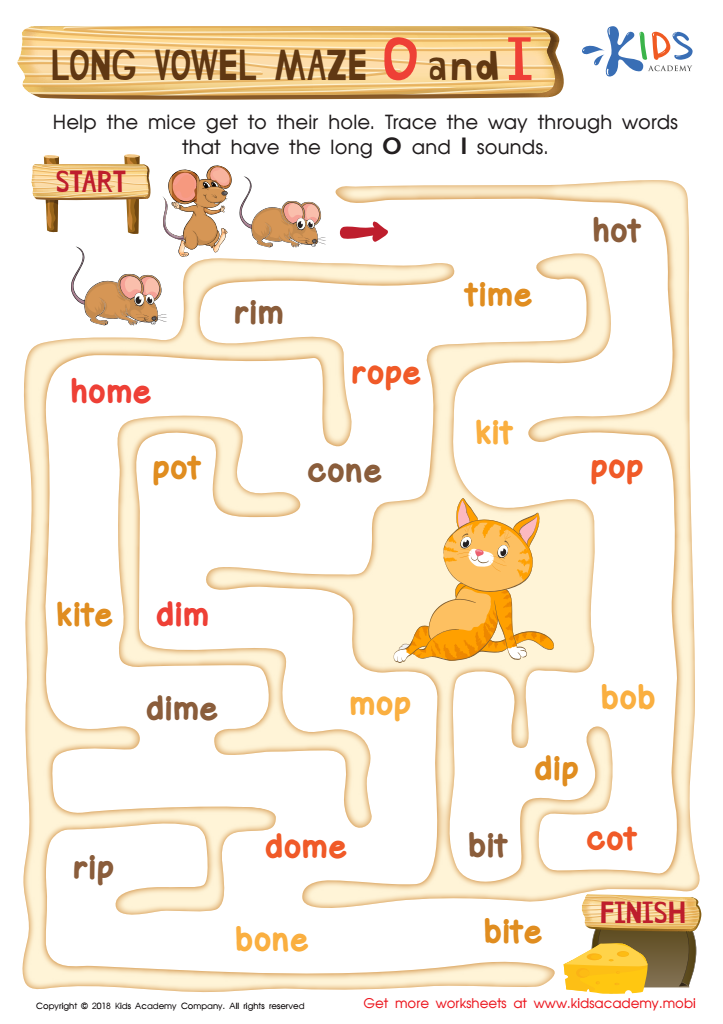
Long Vowel Maze /o/ and /i/ Worksheet
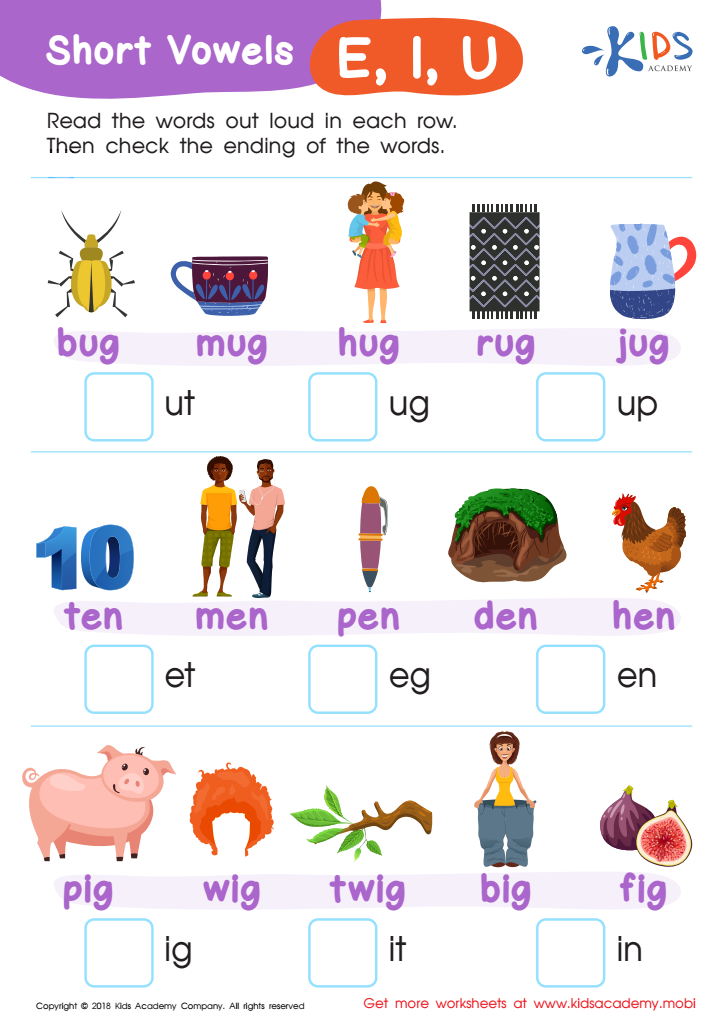
Short Vowels /e/, /i/, and /u/ Worksheet
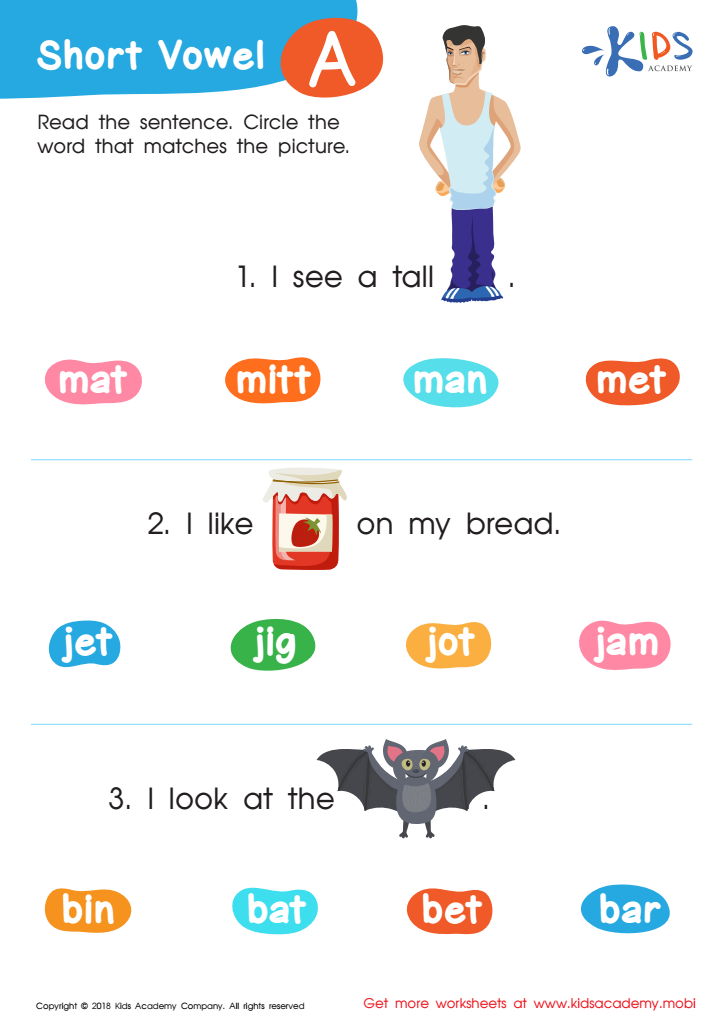
Short Vowel /a/ Worksheet
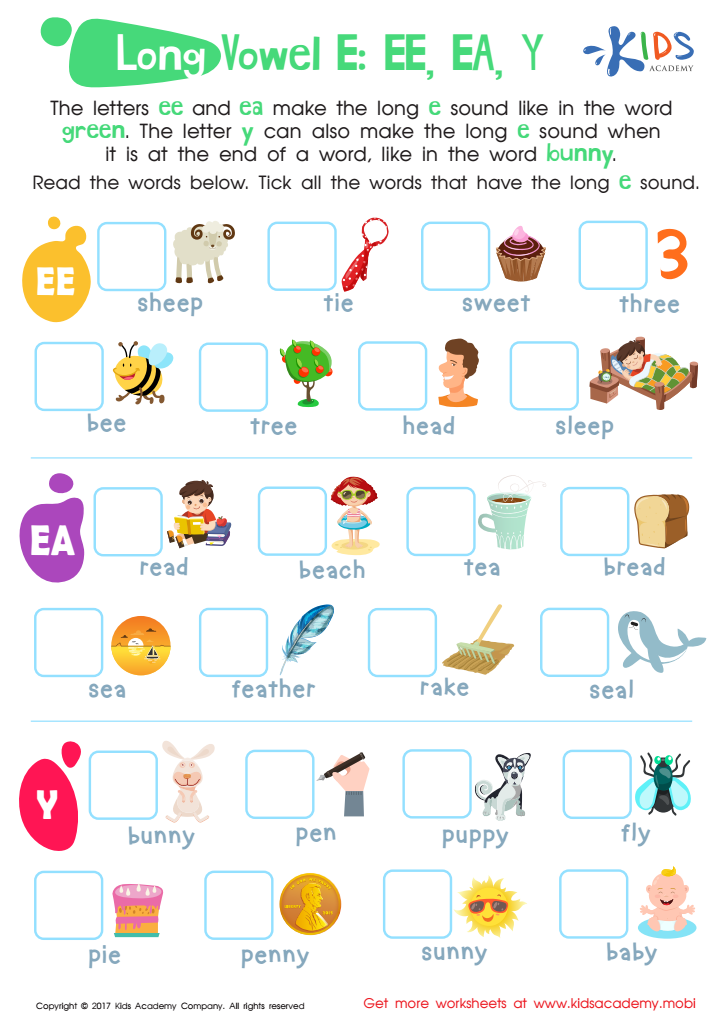
Long Vowel E Printable
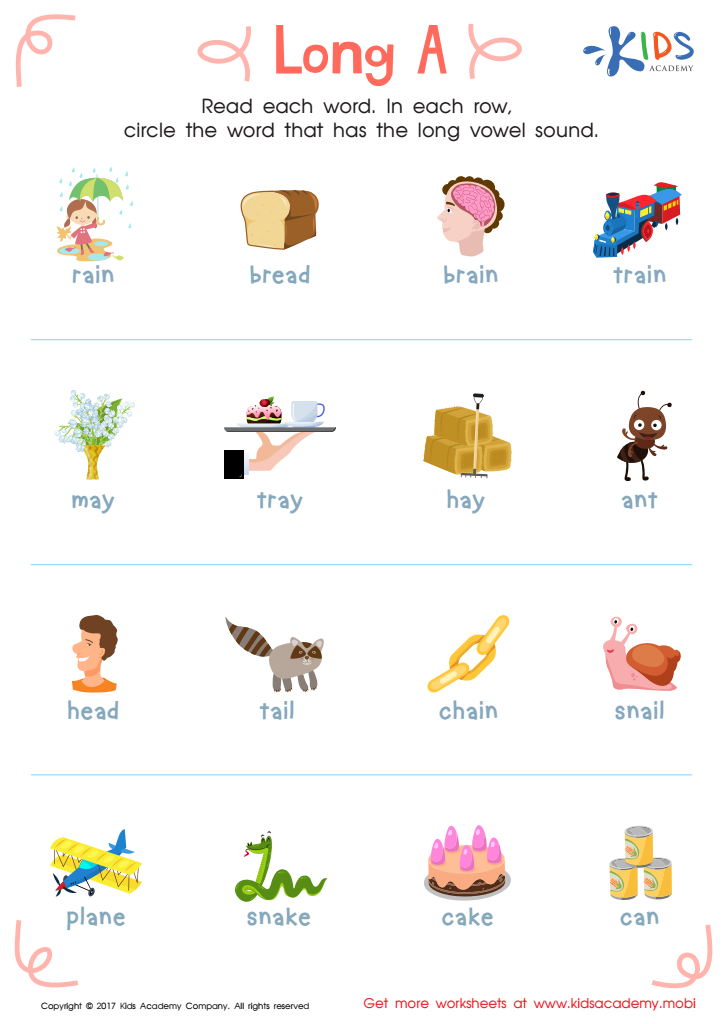
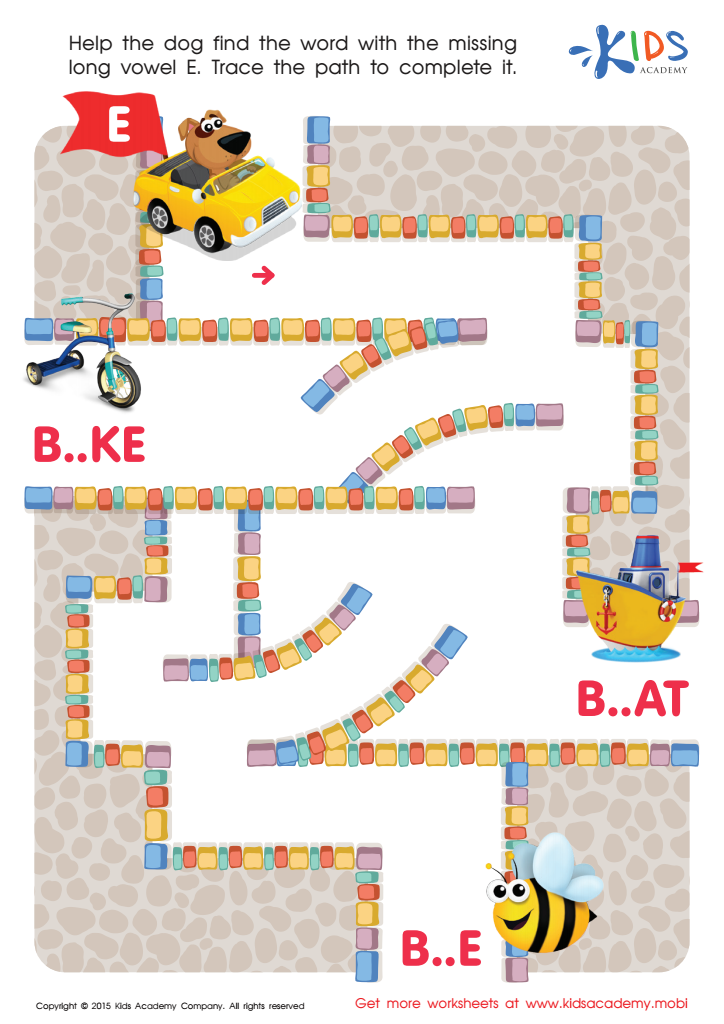
Long Vowel Sound E Worksheet





Normal vowels, or short vowels, play a crucial role in early language development for children aged 3-6. Understanding these vowels is fundamental to phonemic awareness, which lays the groundwork for reading and writing skills. At this stage, children begin to connect sounds with letters, forming the basis of their literacy journey.
Parents and teachers should care about normal vowels because they are vital for developing short word recognition. Words like “cat,” “bed,” and “dog” rely heavily on these vowels. Children who grasp normal vowels gain the ability to blend sounds, which is essential for decoding words when they begin to read independently.
Moreover, focusing on normal vowels encourages strong listening skills and sound differentiation. Recognizing vowel sounds helps young learners distinguish between words that may sound similar, enhancing their verbal communication. Engaging activities that involve singing, rhyming, or playful phonics games centered around these vowels can make learning enjoyable and effective.
Ultimately, fostering a solid foundation in normal vowels empowers children not only to become proficient readers and writers but also boosts their confidence in expressing themselves. Parents and teachers should prioritize engaging, fun approaches that incorporate normal vowels early on for lasting literacy success.