Normal Plants and Animals Worksheets for Ages 3-6 - Page 2
55 filtered results
-
From - To
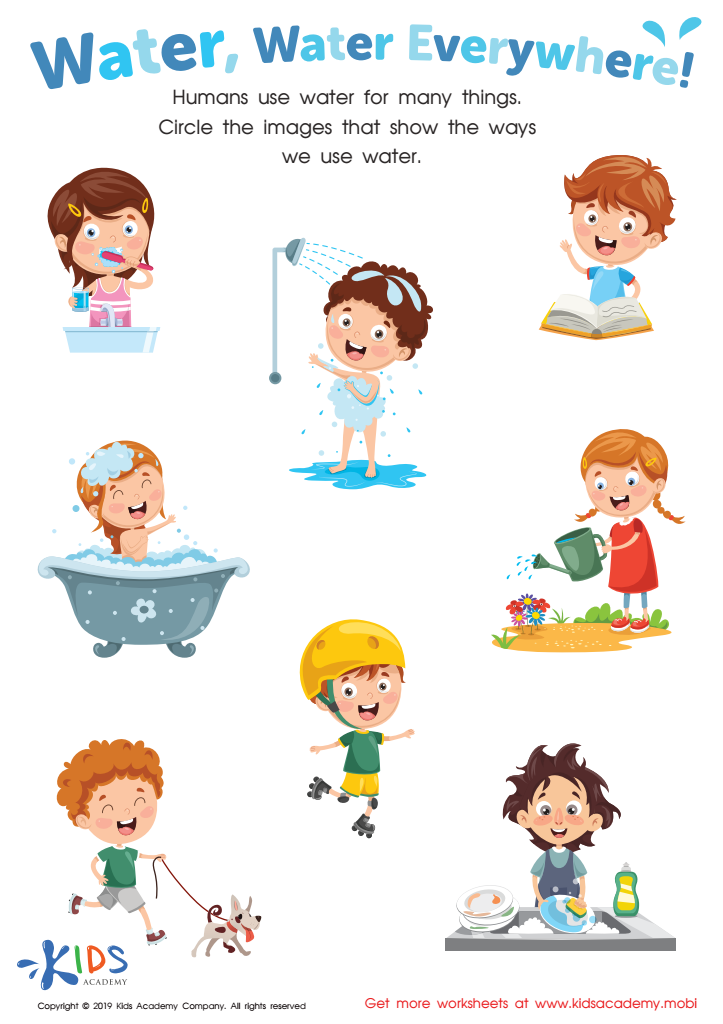
Water, Water Everywhere! Worksheet
 Assign to My Students











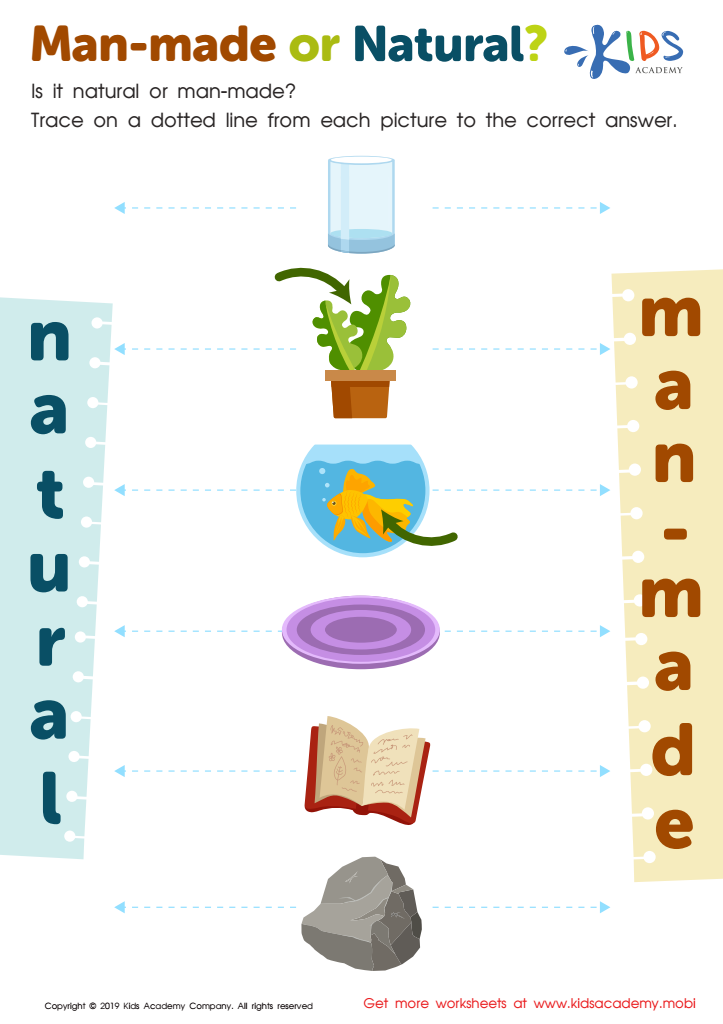
Man-Made or Natural? Worksheet
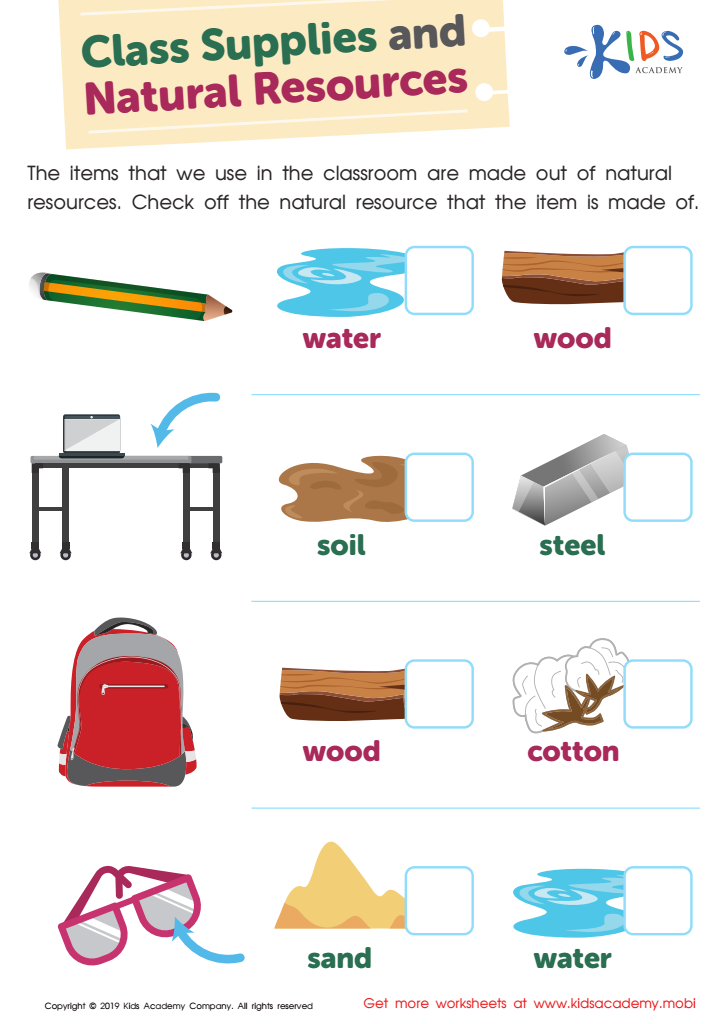
Class Supplies and Natural Resources Worksheet
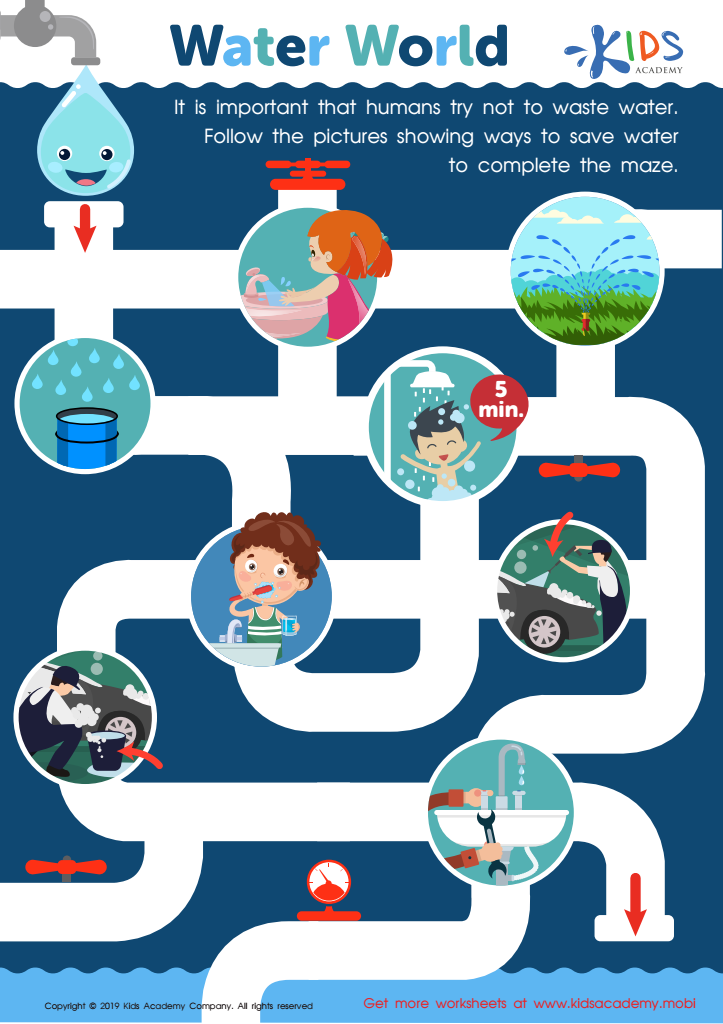
Water World Worksheet
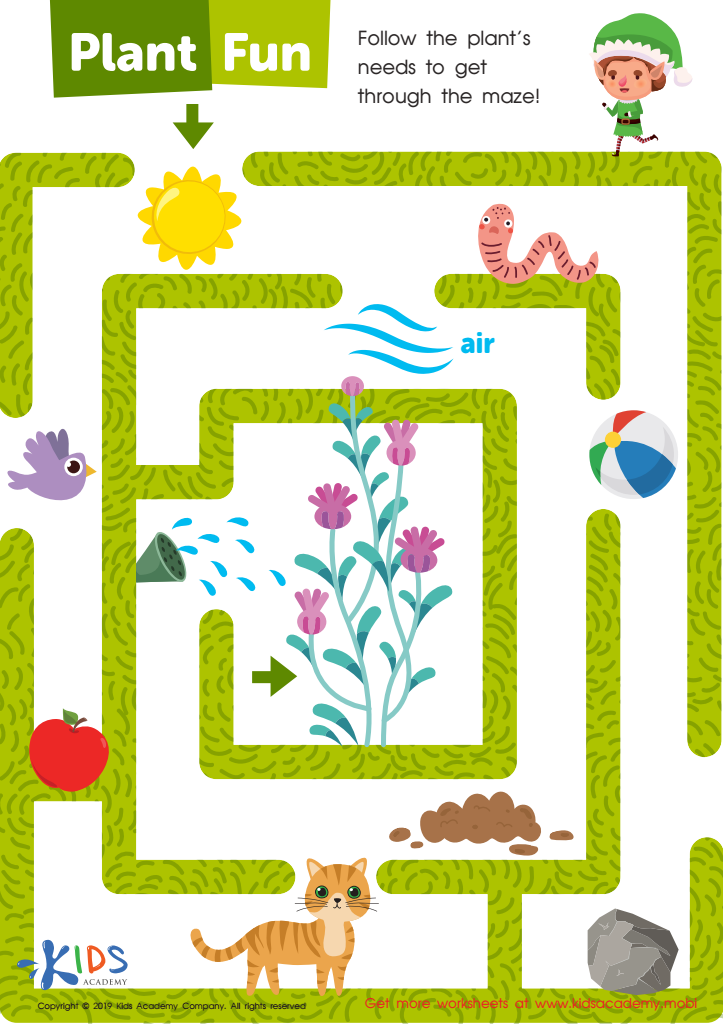
Plant Fun Worksheet
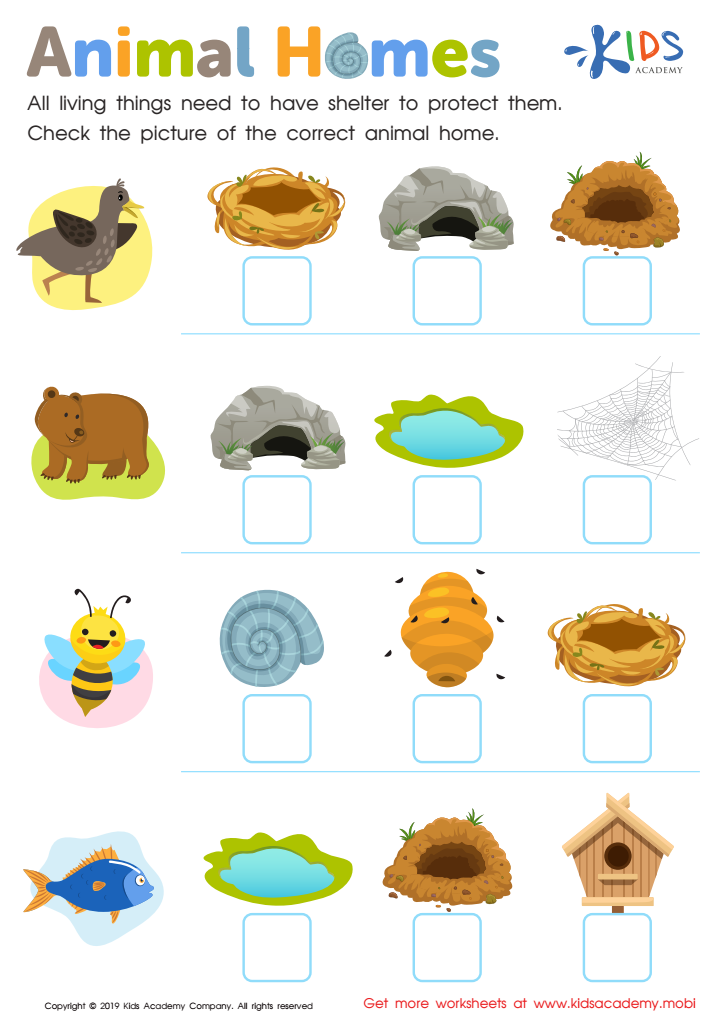
Animal Homes Worksheet
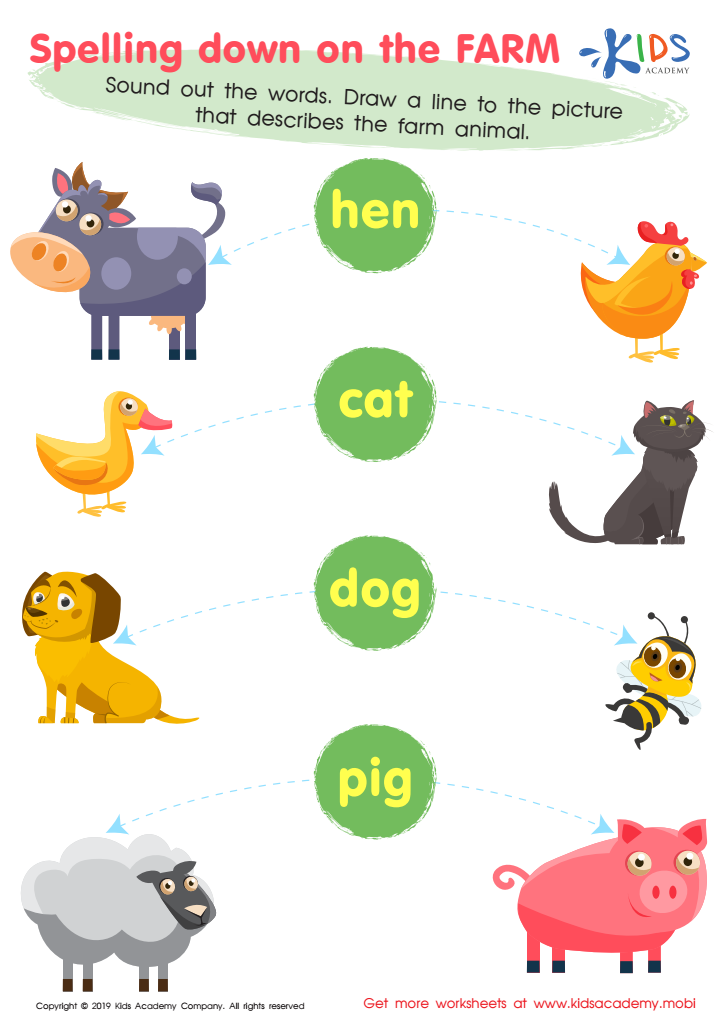
Spelling Down on the Farm Worksheet
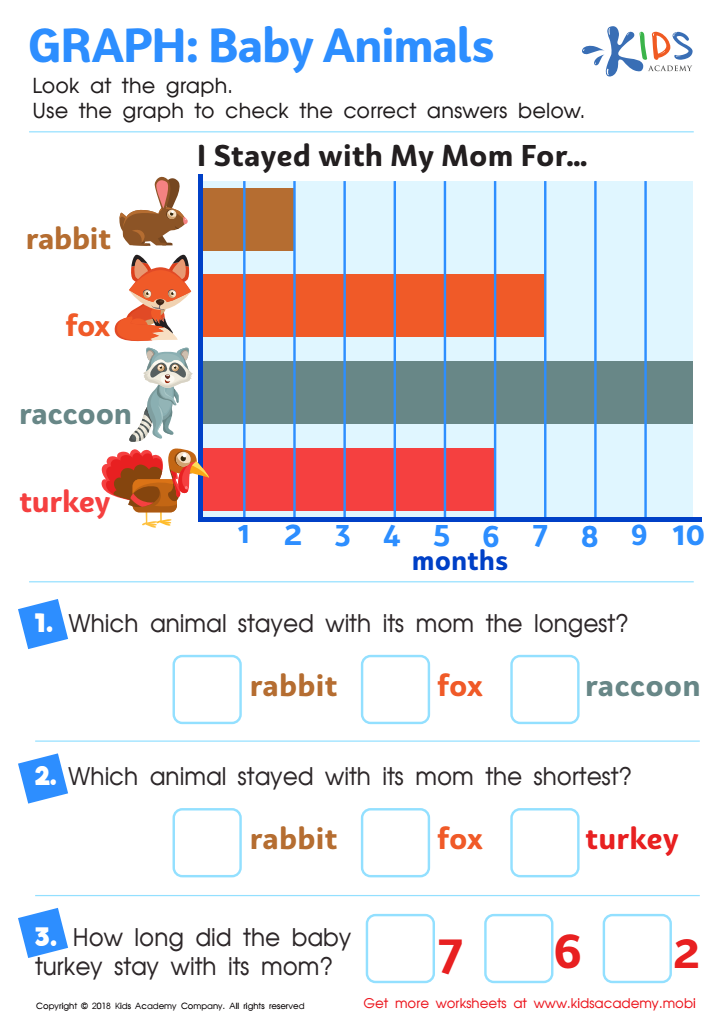
Graph: Baby Animals Worksheet
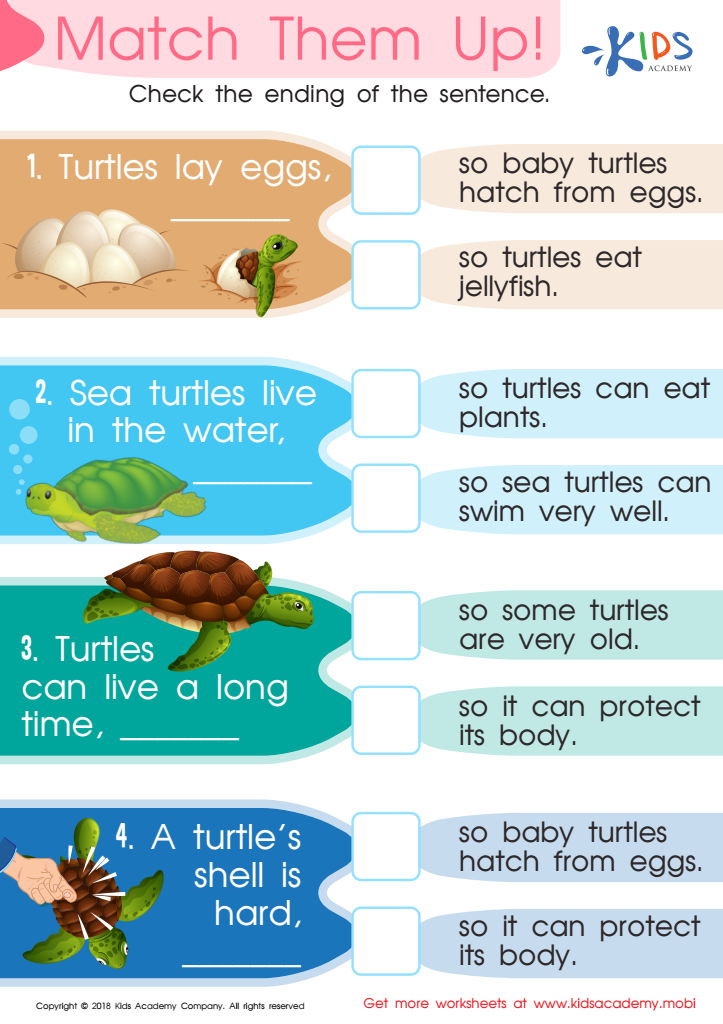
Match Them Up Worksheet
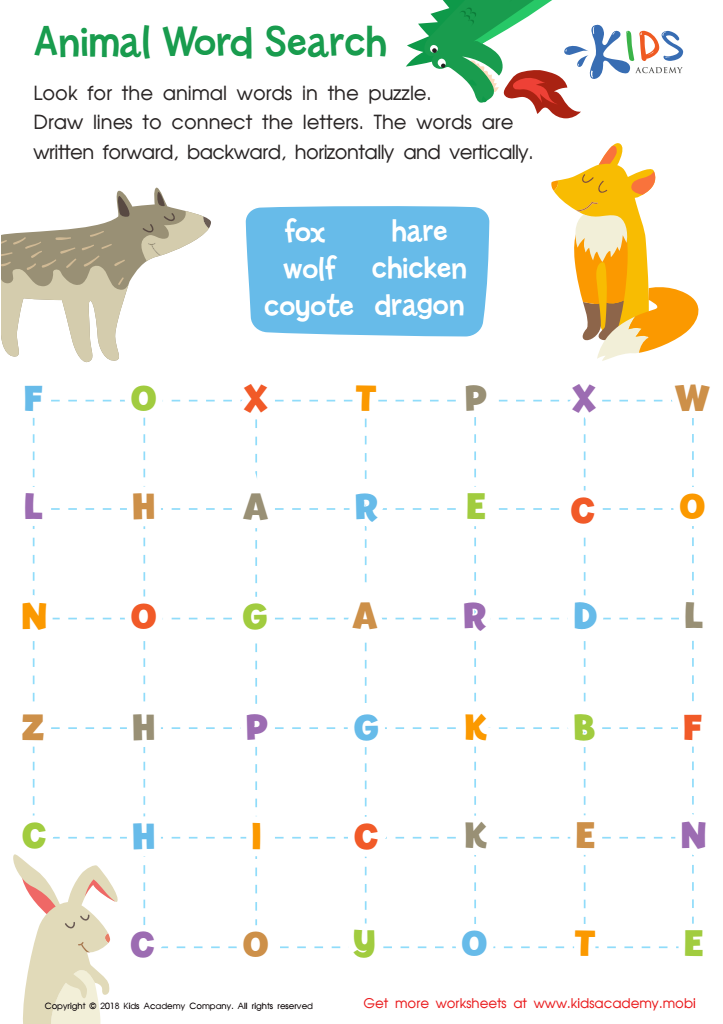
Animal Word Search Worksheet
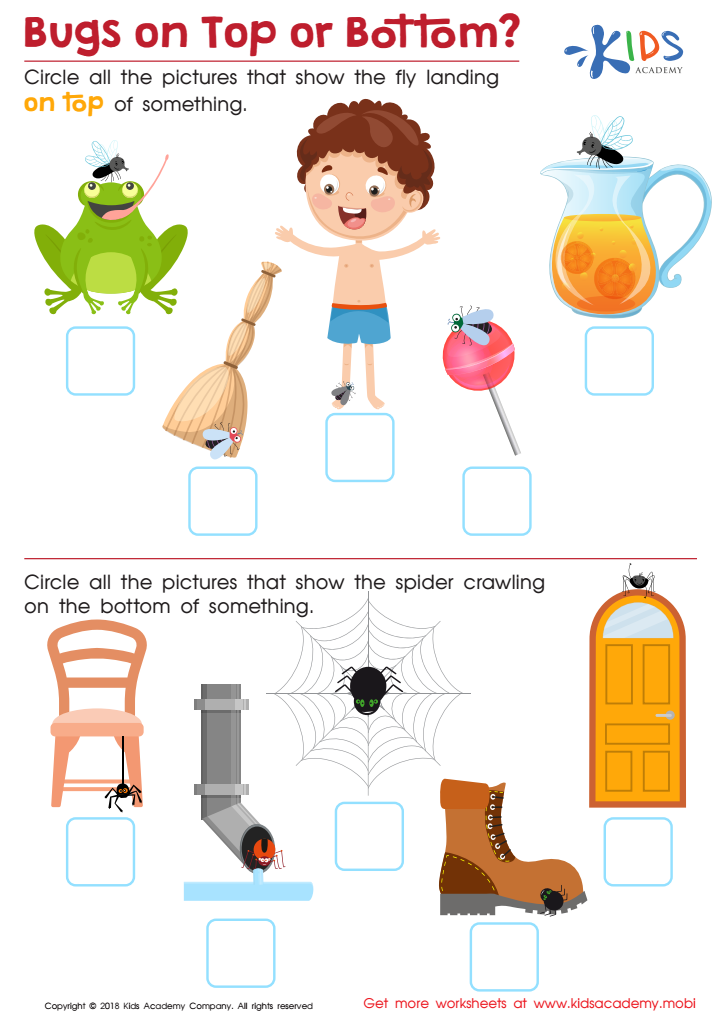
Bugs on Top or Bottom? Worksheet
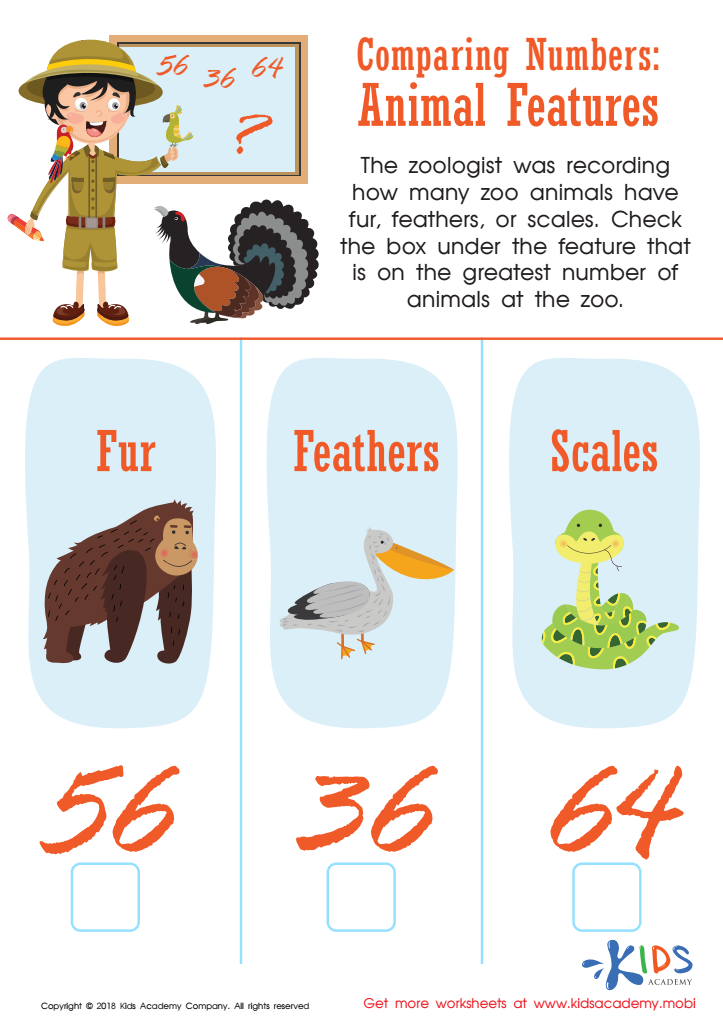
Animal Features Worksheet
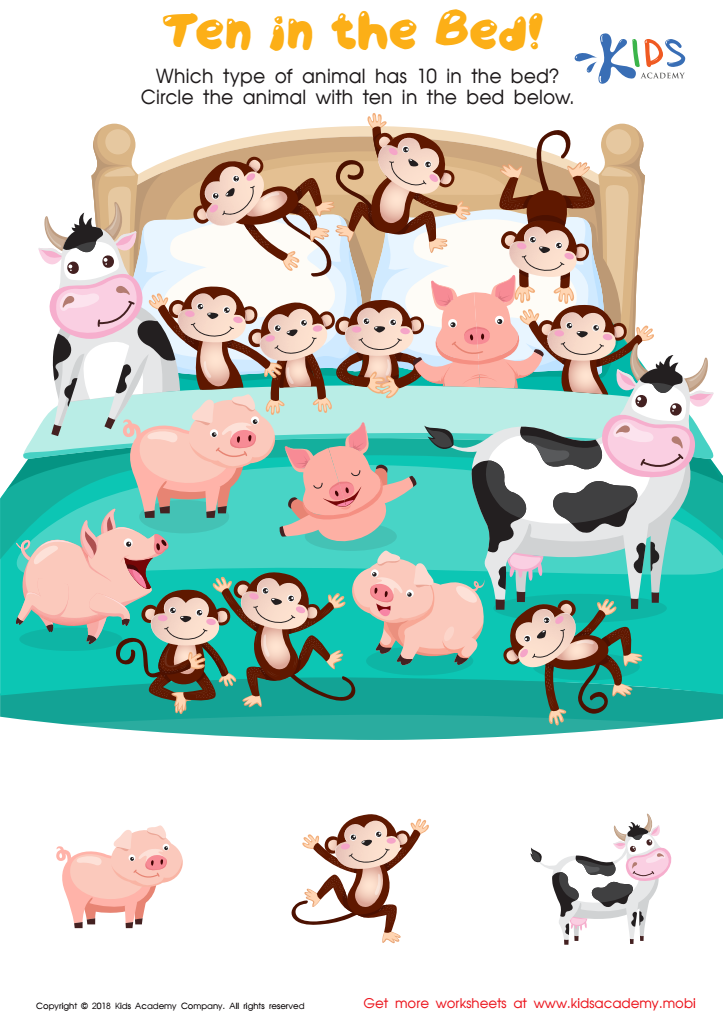
Ten in the Bed Worksheet
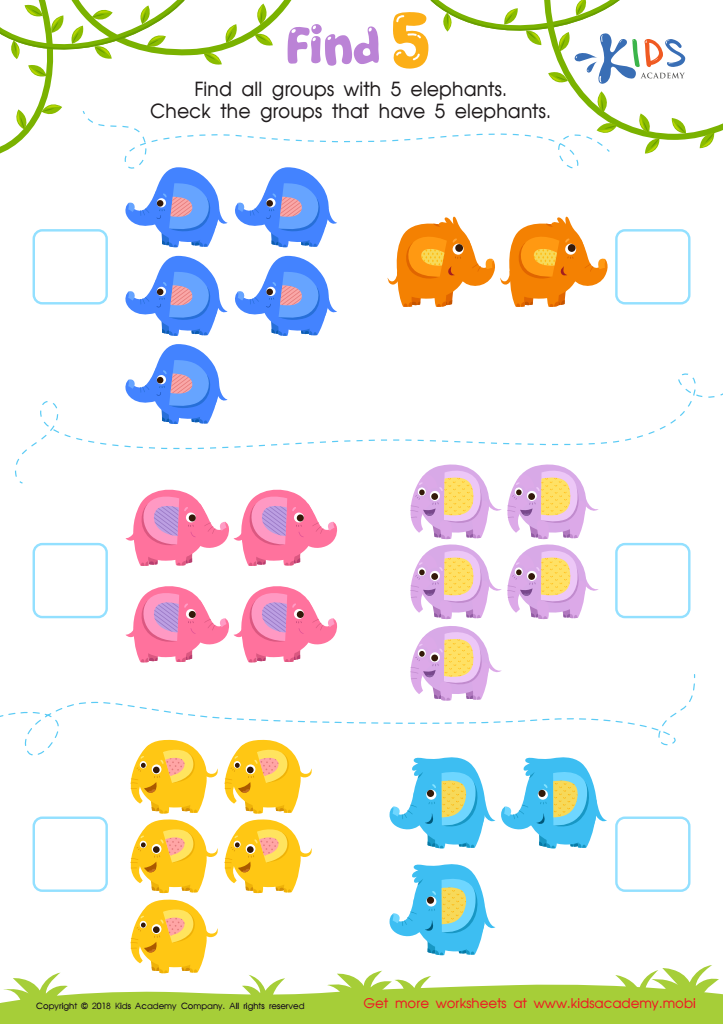
Find 5 Worksheet
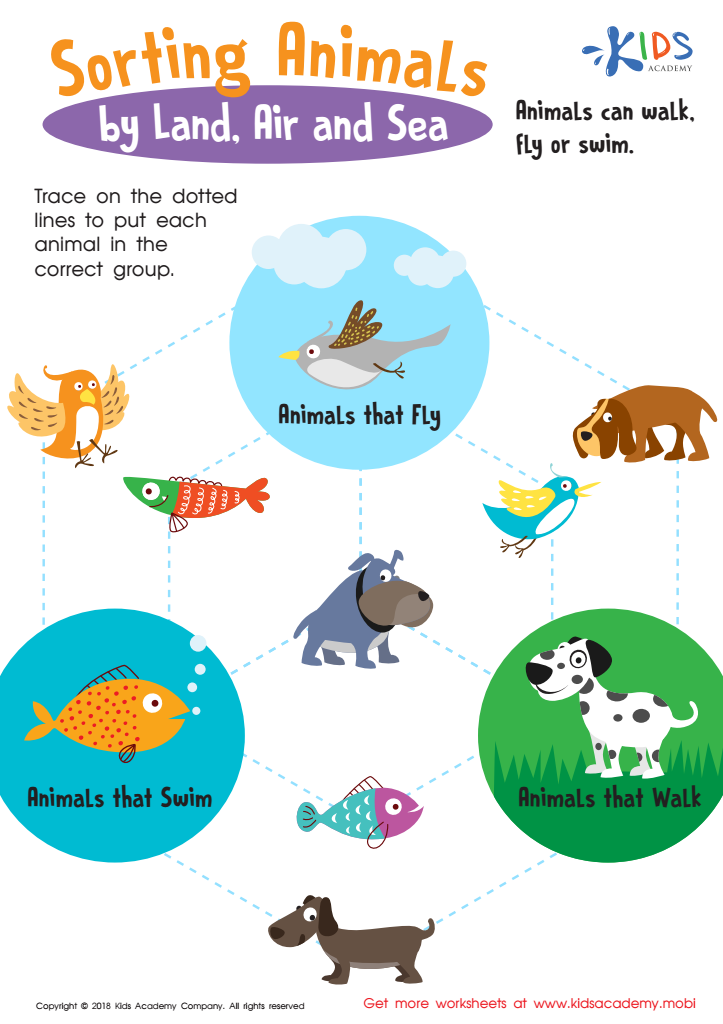
Sorting Animals by Land, Air and Sea Worksheet
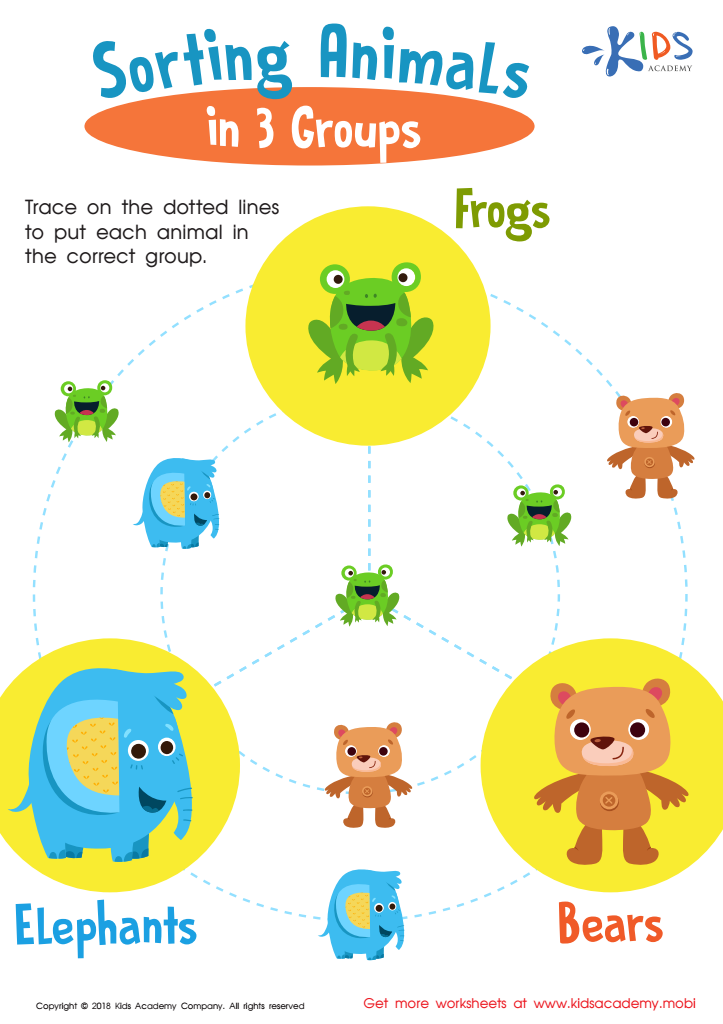
Sorting Animals in 3 Groups Worksheet
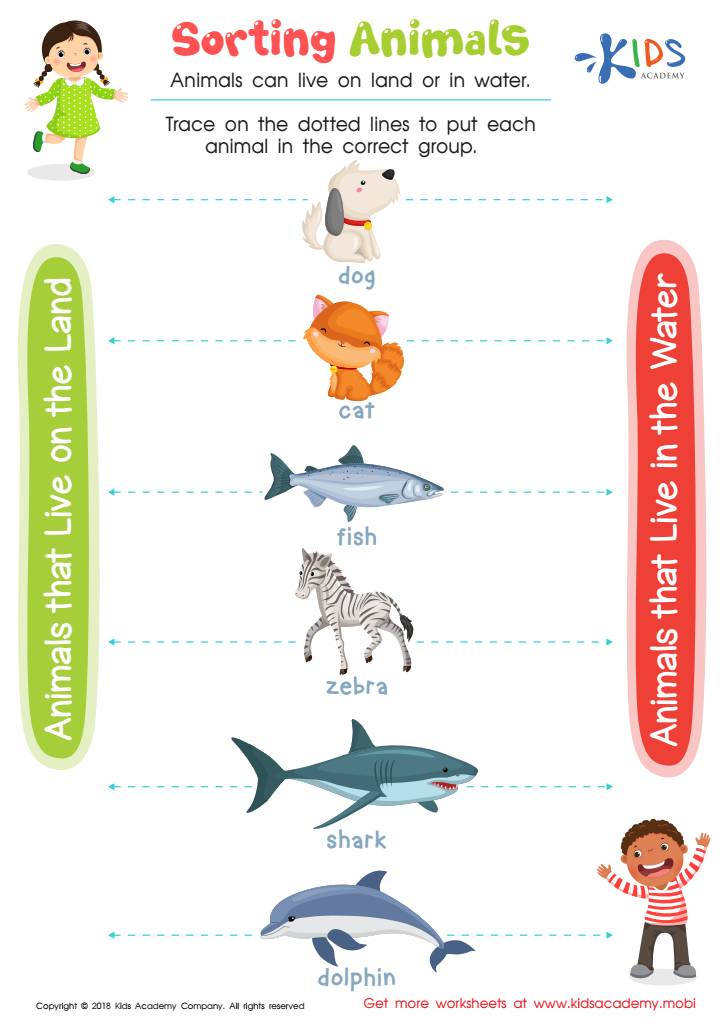
Sorting Animals Worksheet
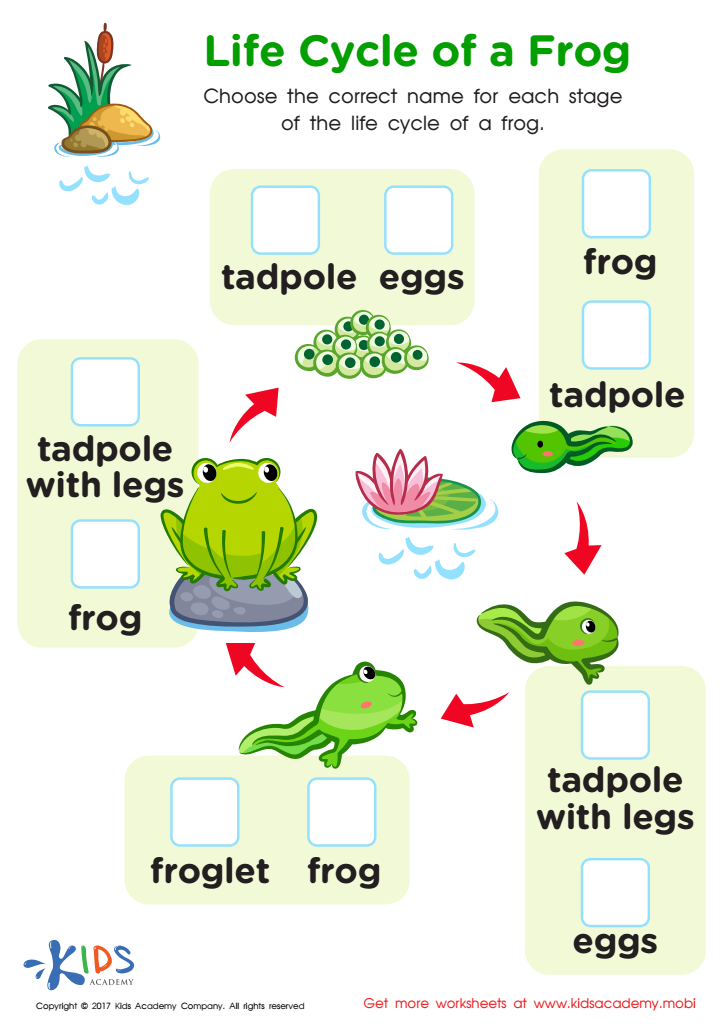
Life Cycle Frog Printable

African Wildlife: Giraffe Worksheet
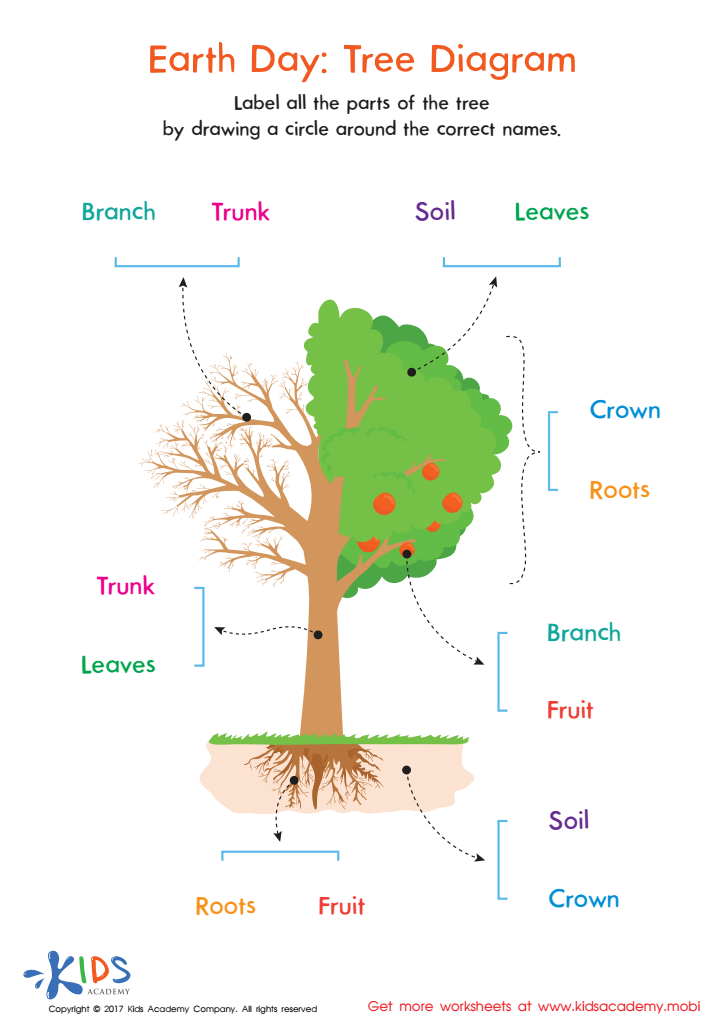
Earth Day: Tree Diagram Worksheet
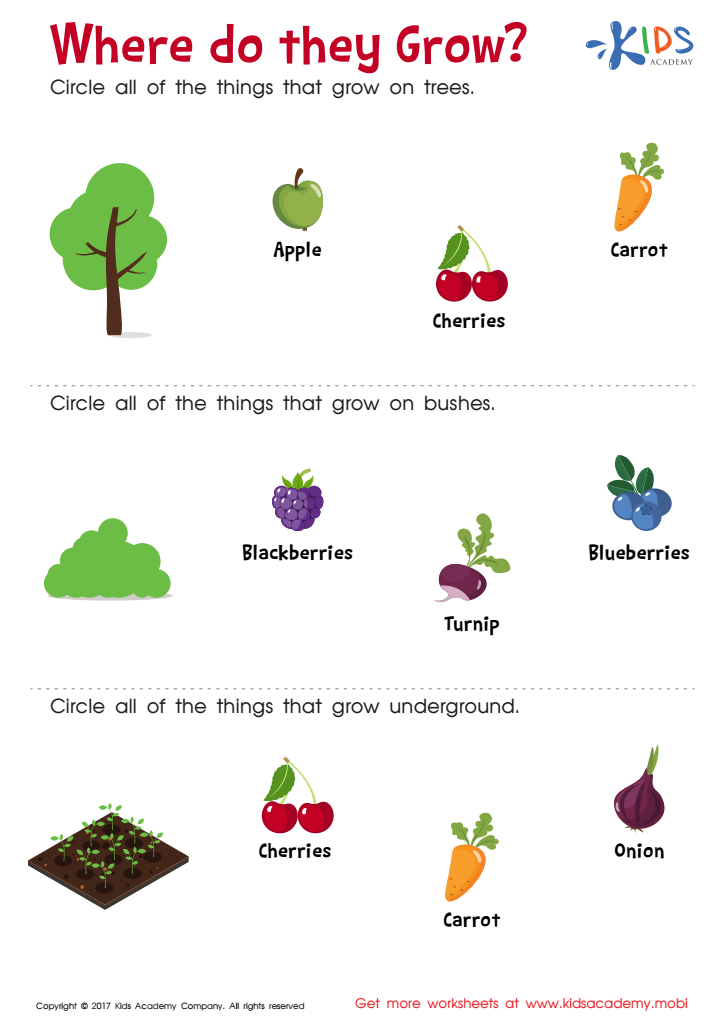
Where Do They Grow Worksheet
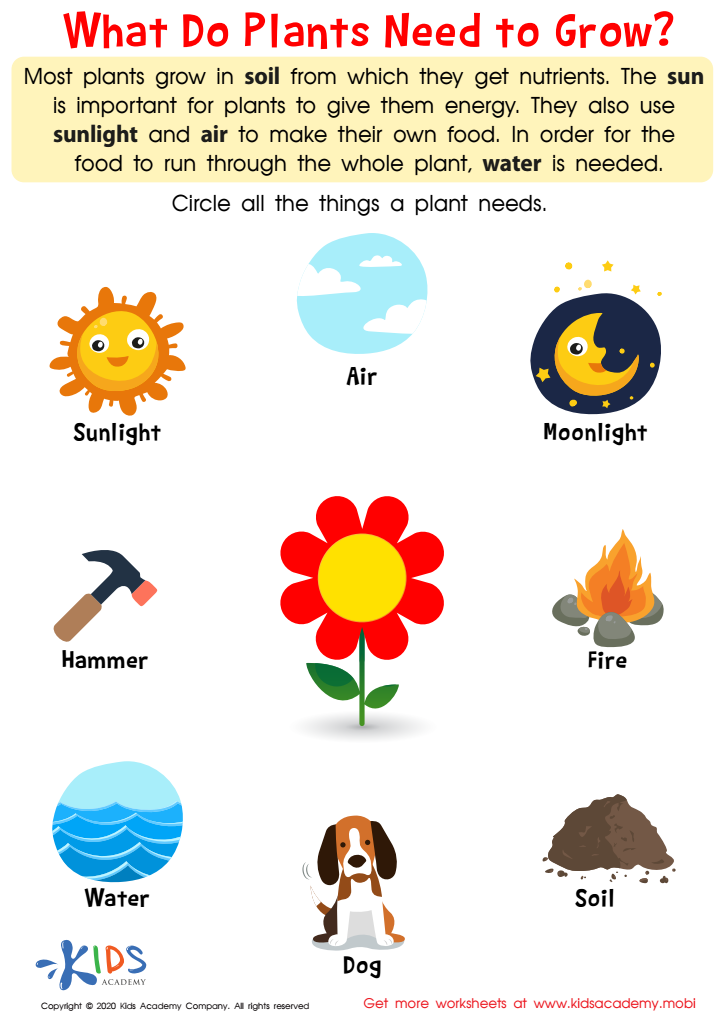
What Do Plants Need to Grow Worksheet
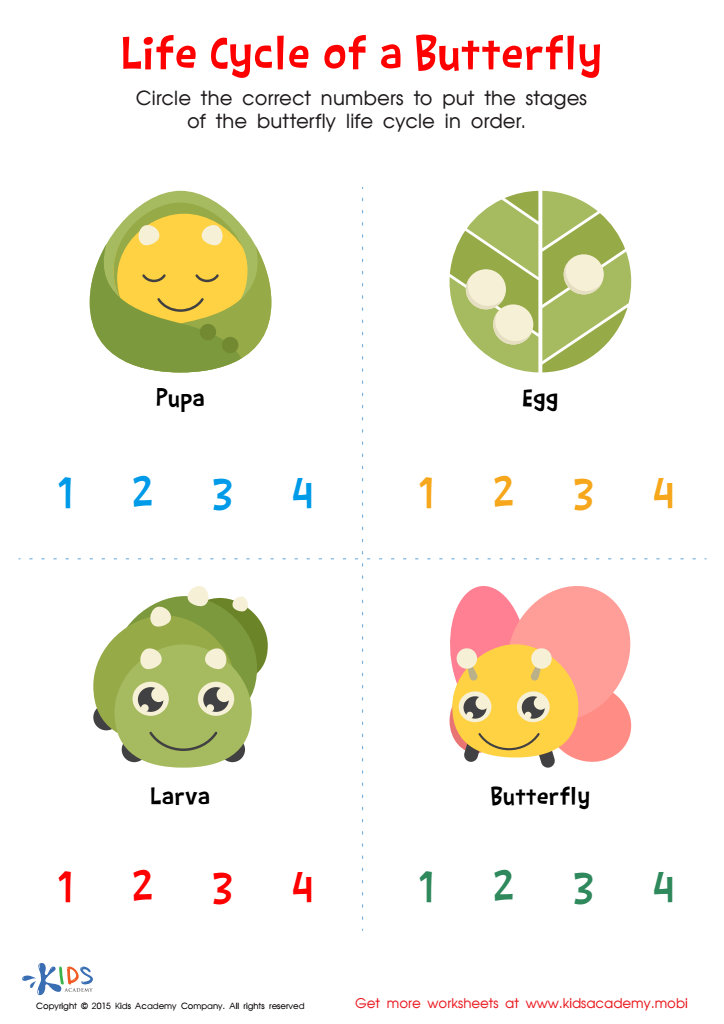
Life Cycle of Butterfly Printable








Caring about normal plants and animals for children aged 3-6 is vital for a well-rounded early education. At this age, kids are naturally curious, making it a perfect time to introduce them to the natural world around them.
Knowledge of plants and animals nurtures children's empathy and respect for nature. When they understand how plants grow and what animals need to survive, they develop a sense of responsibility and care for all living things. This understanding fosters environmental stewardship from a young age.
Additionally, learning about plants and animals can significantly boost cognitive skills. Activities like planting seeds or observing animals provide hands-on experiences that strengthen problem-solving, observation, and critical thinking abilities. For instance, watching a caterpillar metamorphosize into a butterfly can introduce children to basic scientific concepts in a compelling, memorable way.
Moreover, engaging with nature has emotional and physical benefits. Fresh air and physical activity from outdoor exploration improve health and well-being. Encounters with flora and fauna can reduce stress and enhance focus, creating a happier, more conducive learning environment.
In summary, parents and teachers should introduce young children to plants and animals as it enriches their empathy, cognitive development, environmental consciousness, and overall well-being. Such foundational knowledge and experiences are integral to growing into informed, caring individuals.







