Normal Worksheets for Ages 3-7 - Page 56
1337 filtered results
-
From - To
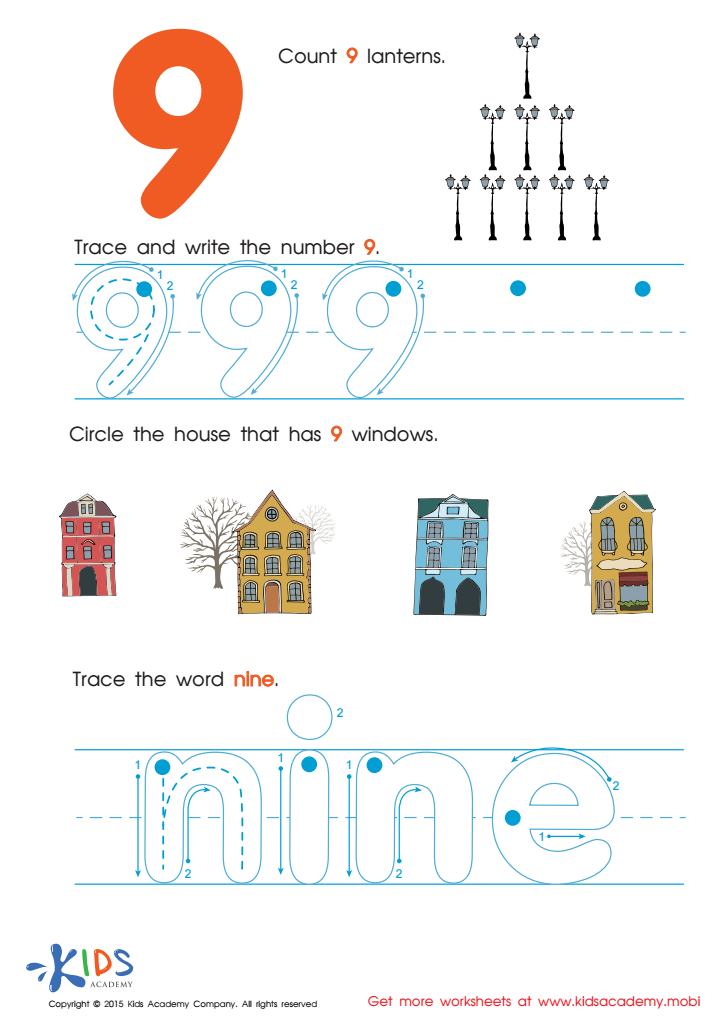
Tracing And Learning to Write Number 9 Worksheet
 Assign to My Students
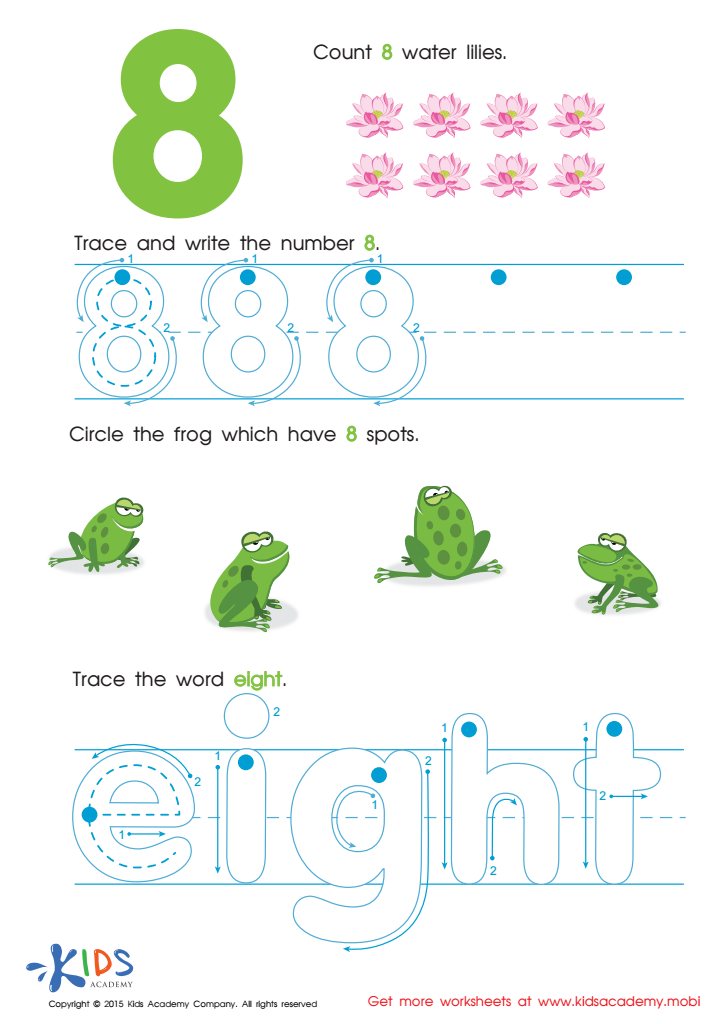
Learn Number 8 Easily Worksheet
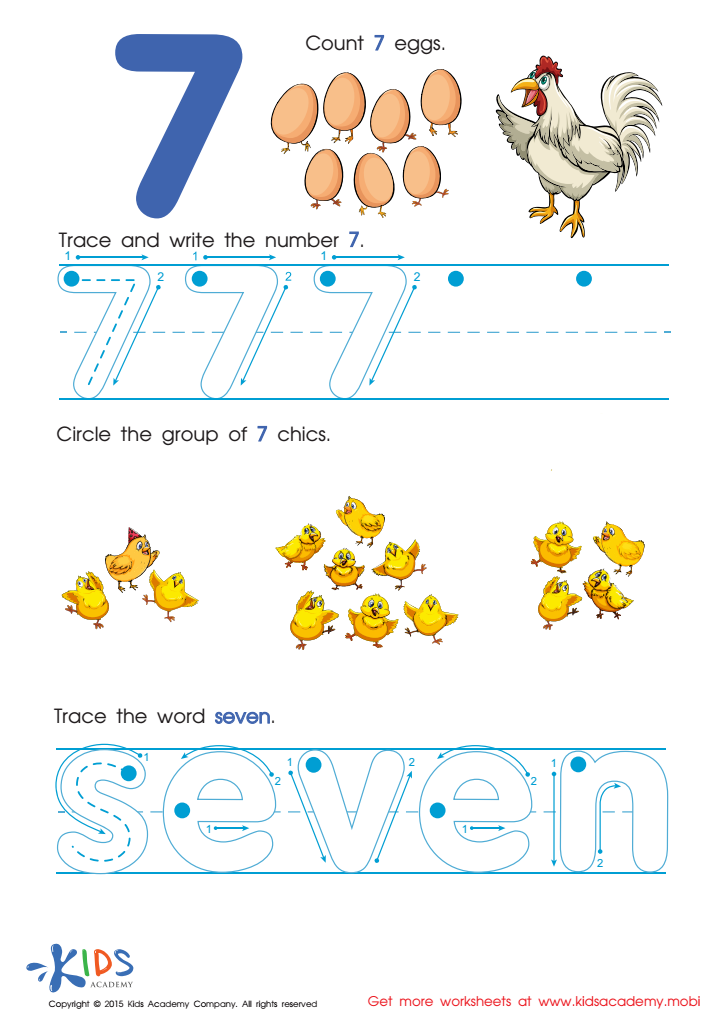
Trace And Write Number 7 with Fun Worksheet
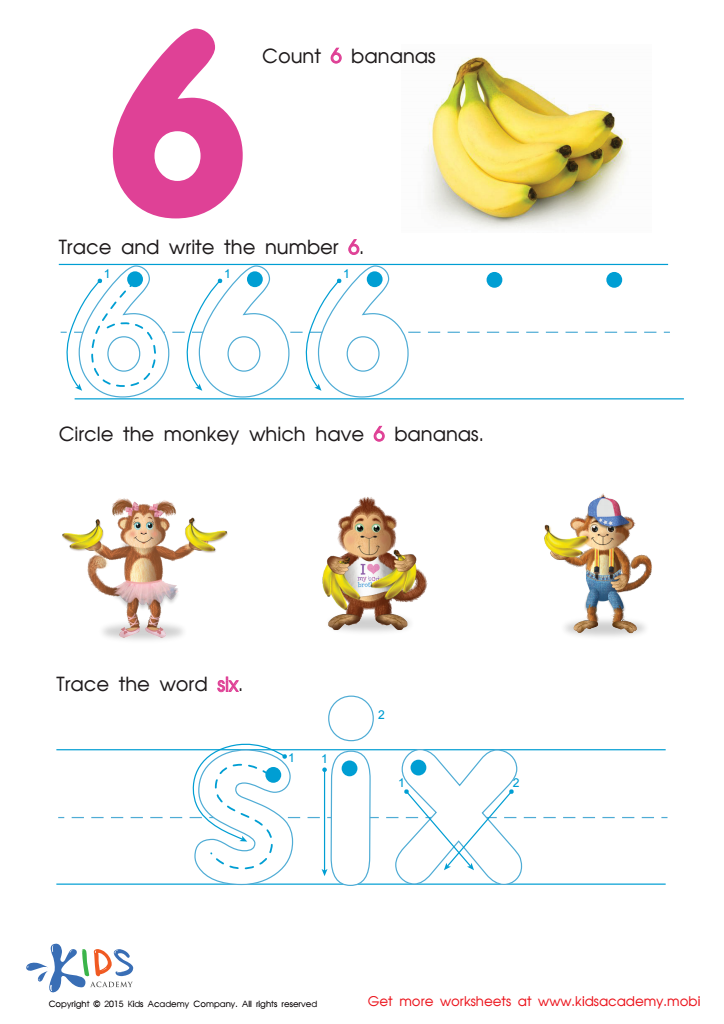
Tracing And Writing Number 6 Worksheet
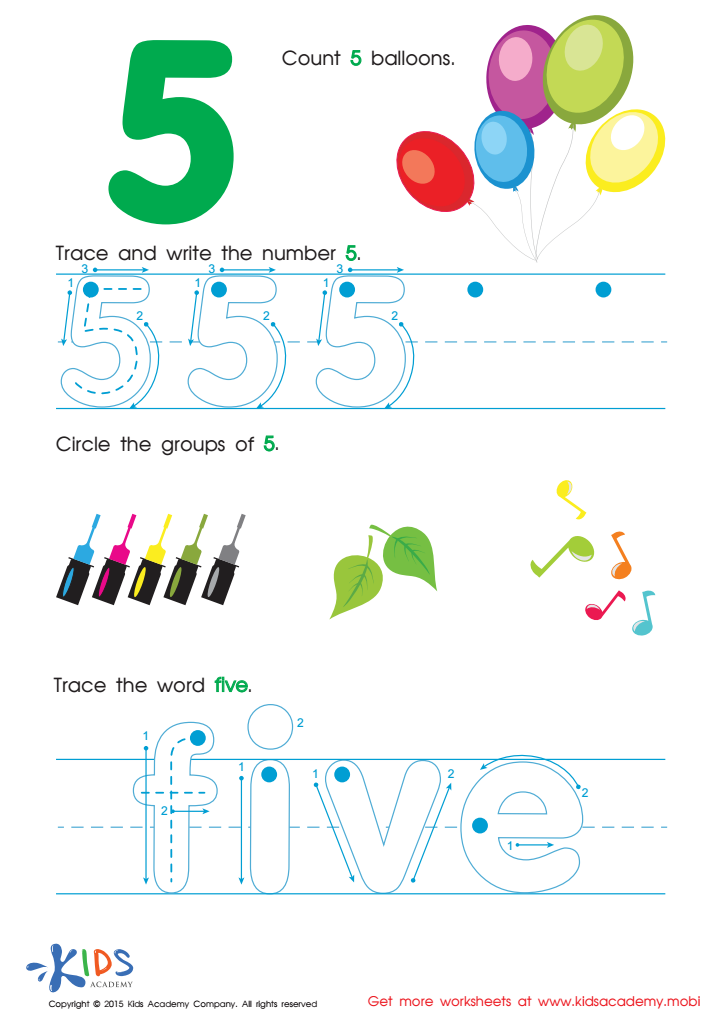
Practice Writing Number 5 Worksheet
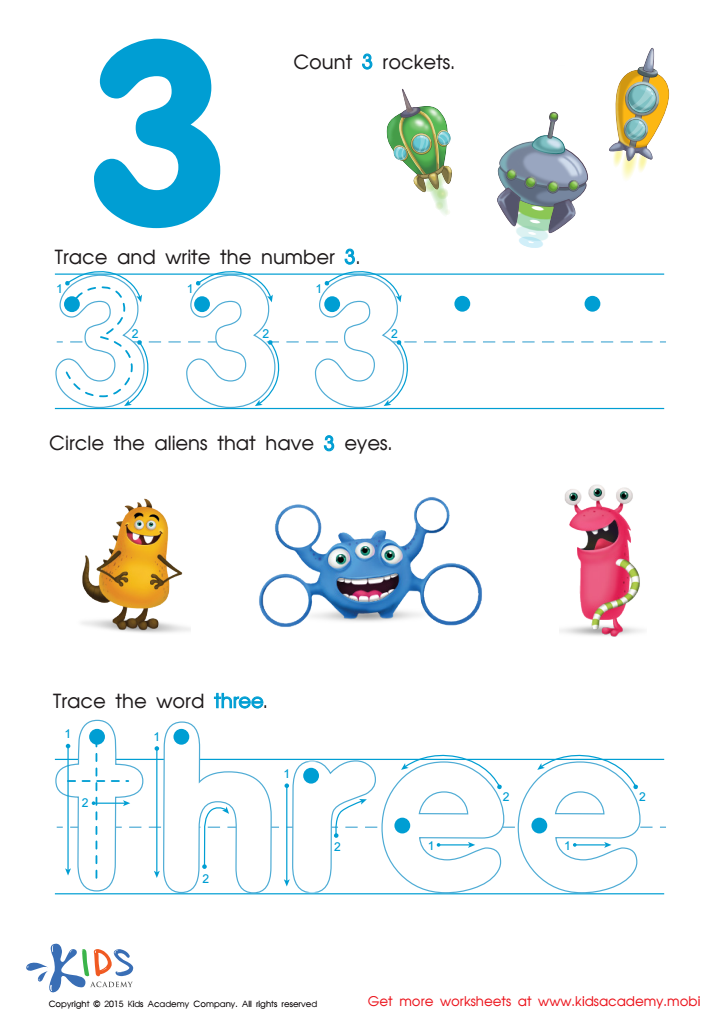
Learning Number Three Worksheet
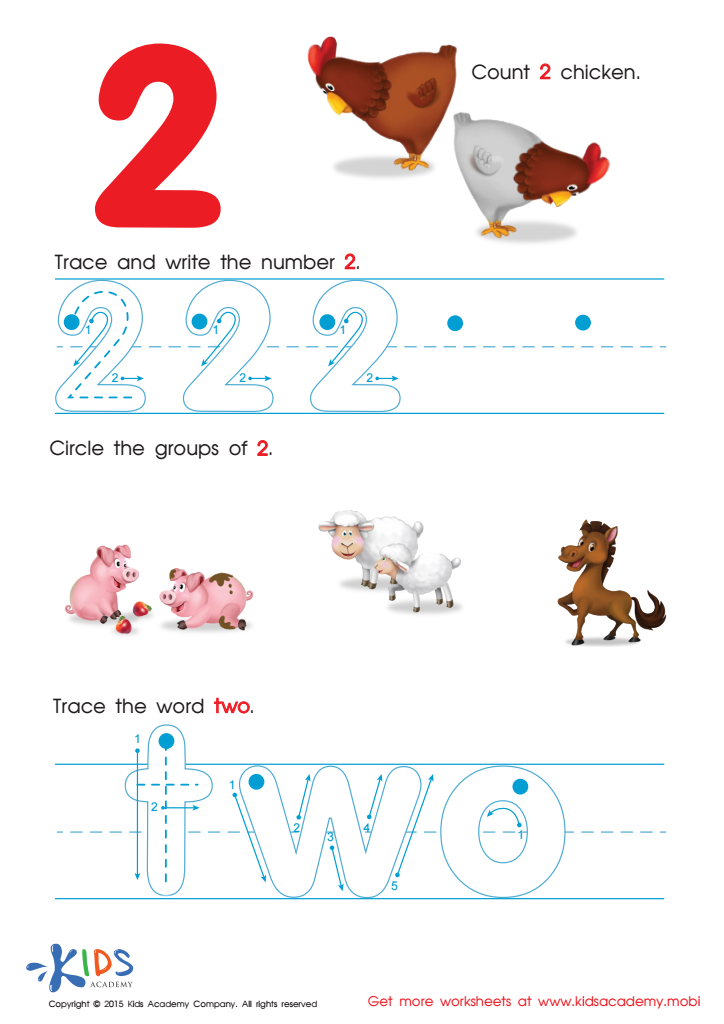
Learn to Write the Number 2 Worksheet
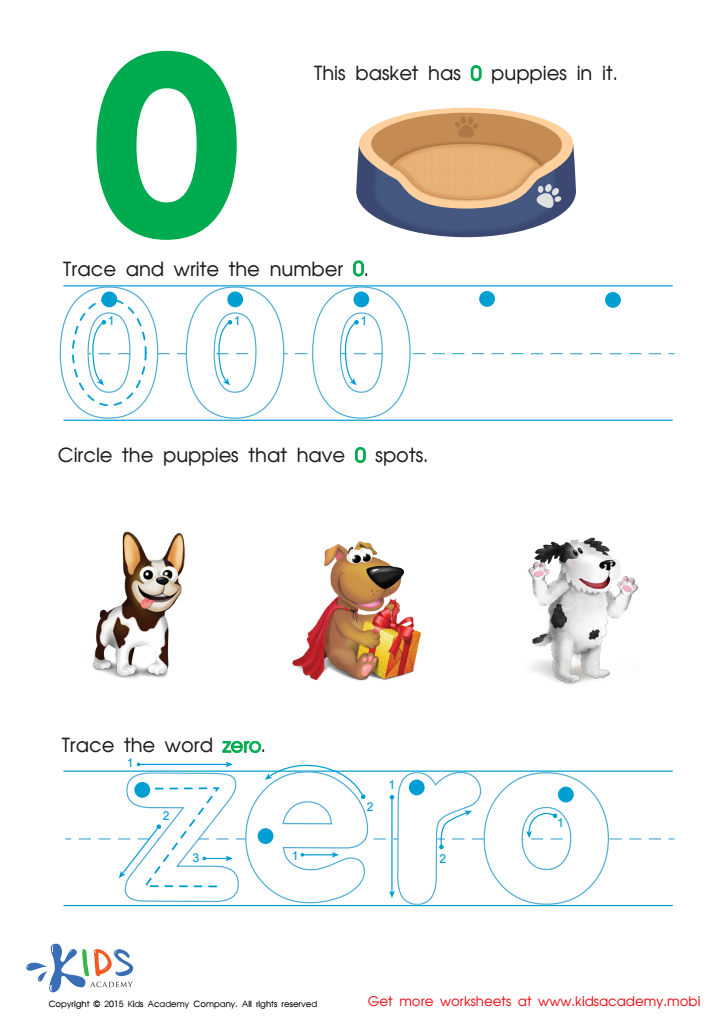
Trace And Write Number 0 Worksheet
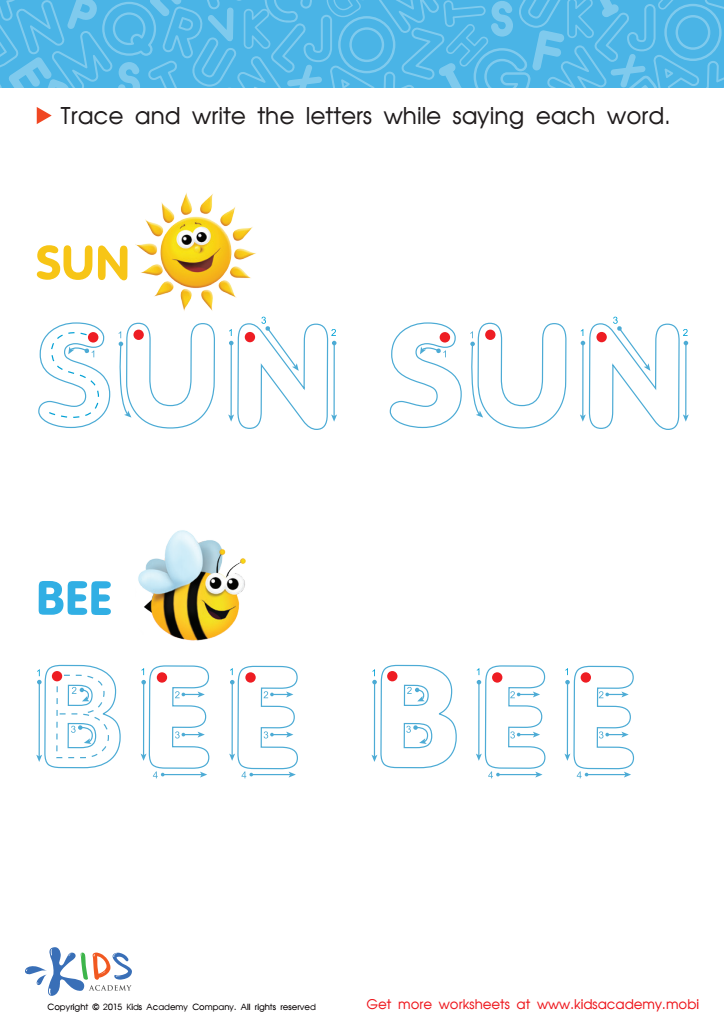
The Sun and a Bee Spelling Worksheet
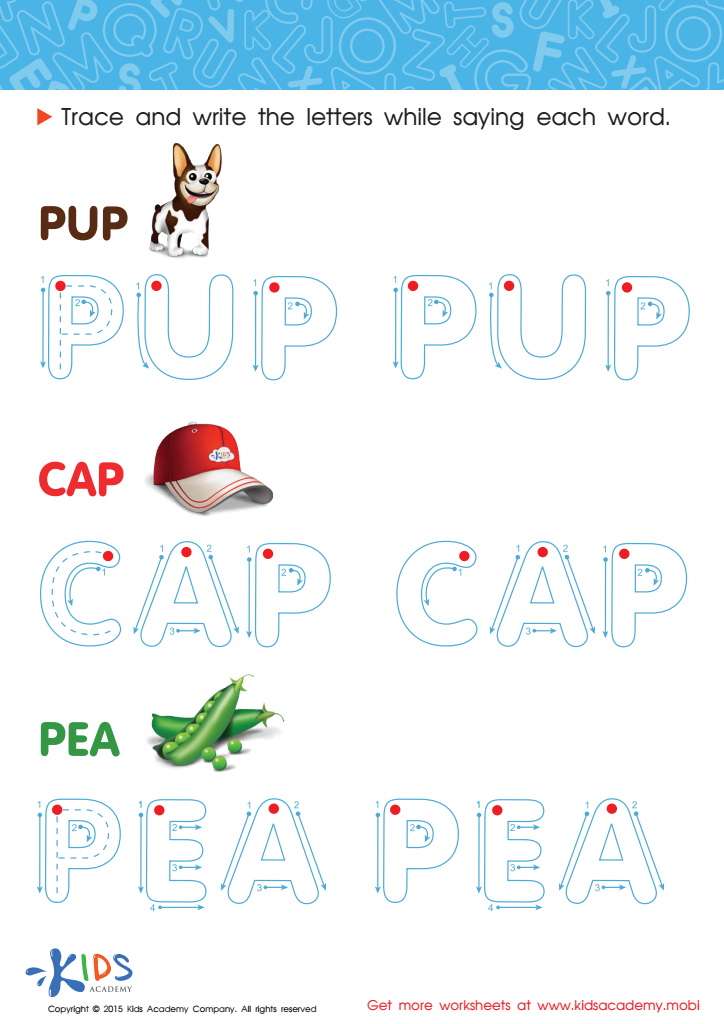
A Pup, a Cap and a Pea Spelling Worksheet
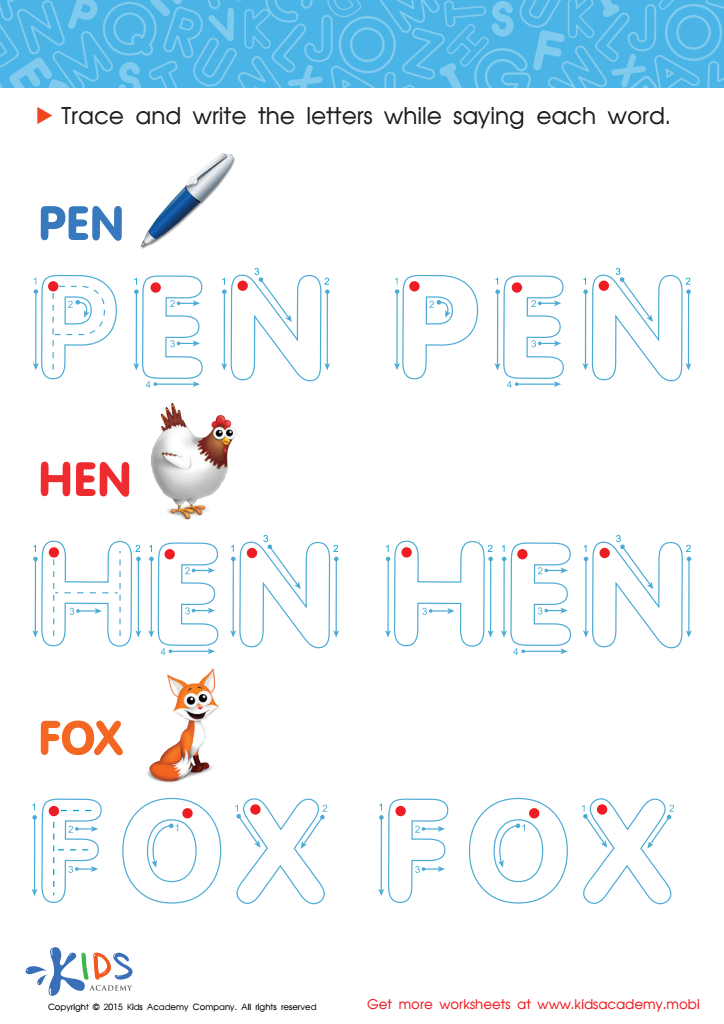
A Pen, a Hen and a Fox Spelling Worksheet
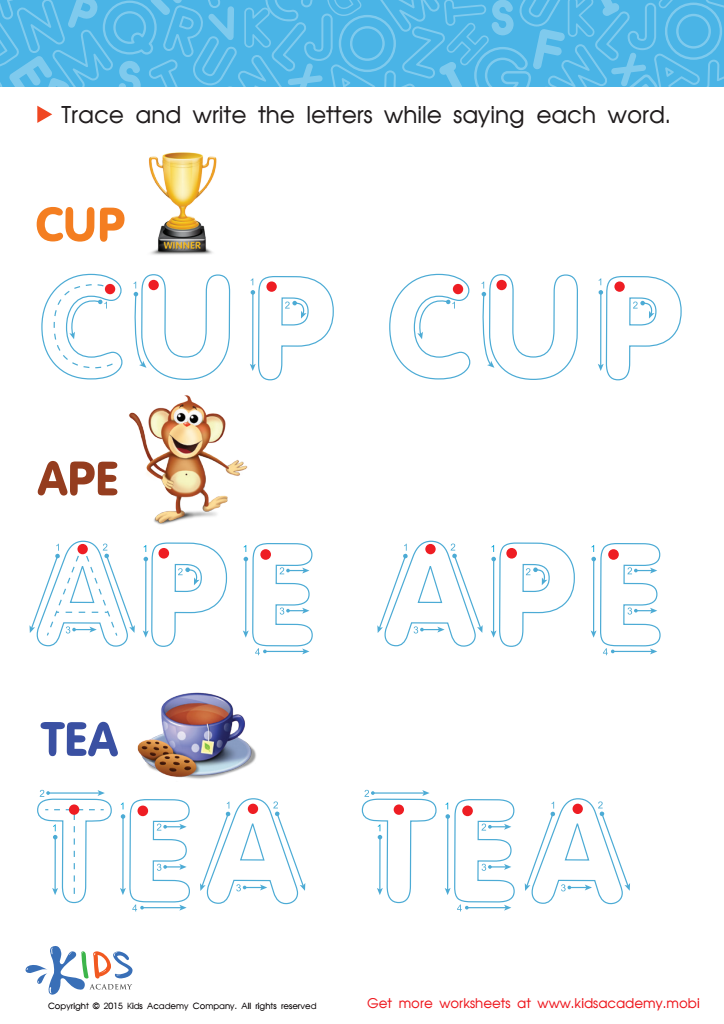
A Cup, an Ape and Tea Spelling Worksheet
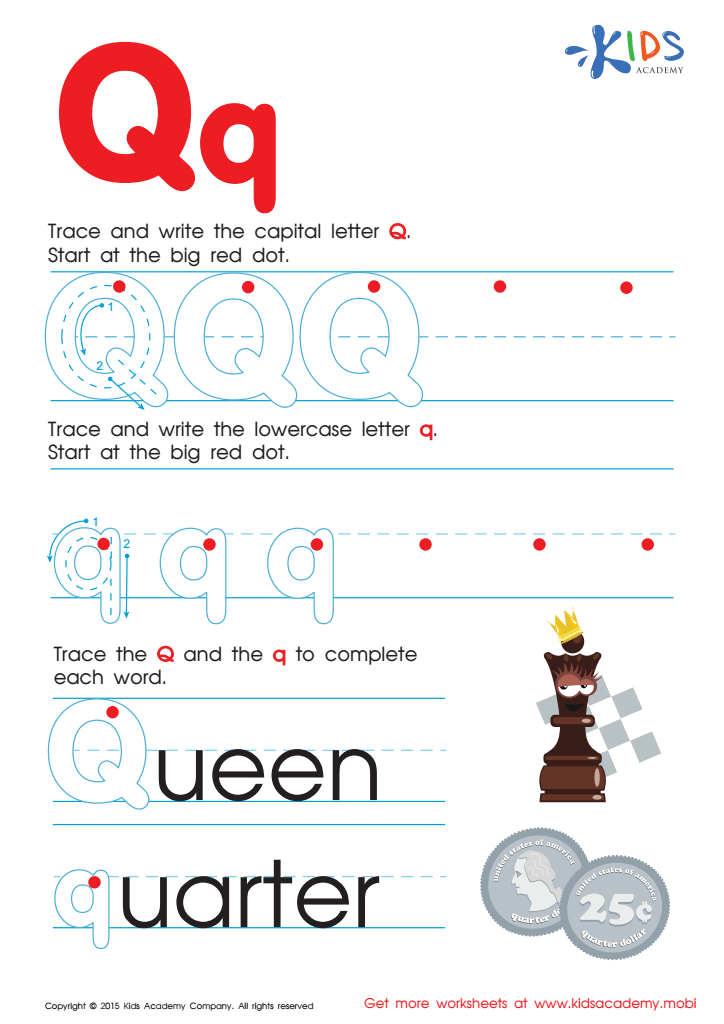
Letter Q Tracing Page
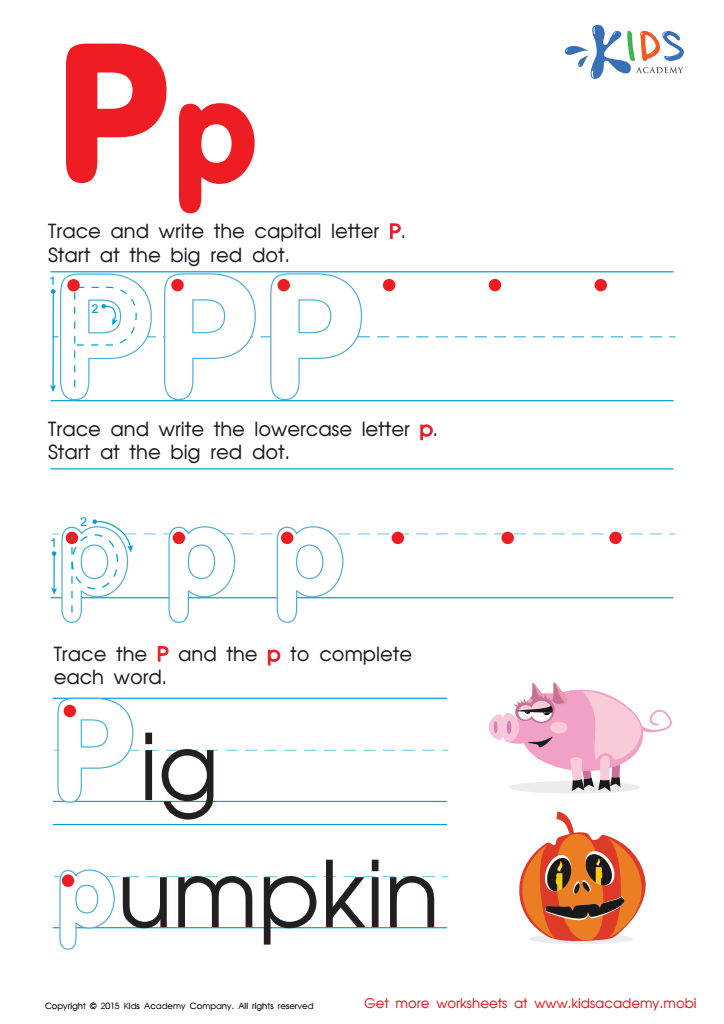
Letter P Tracing Page
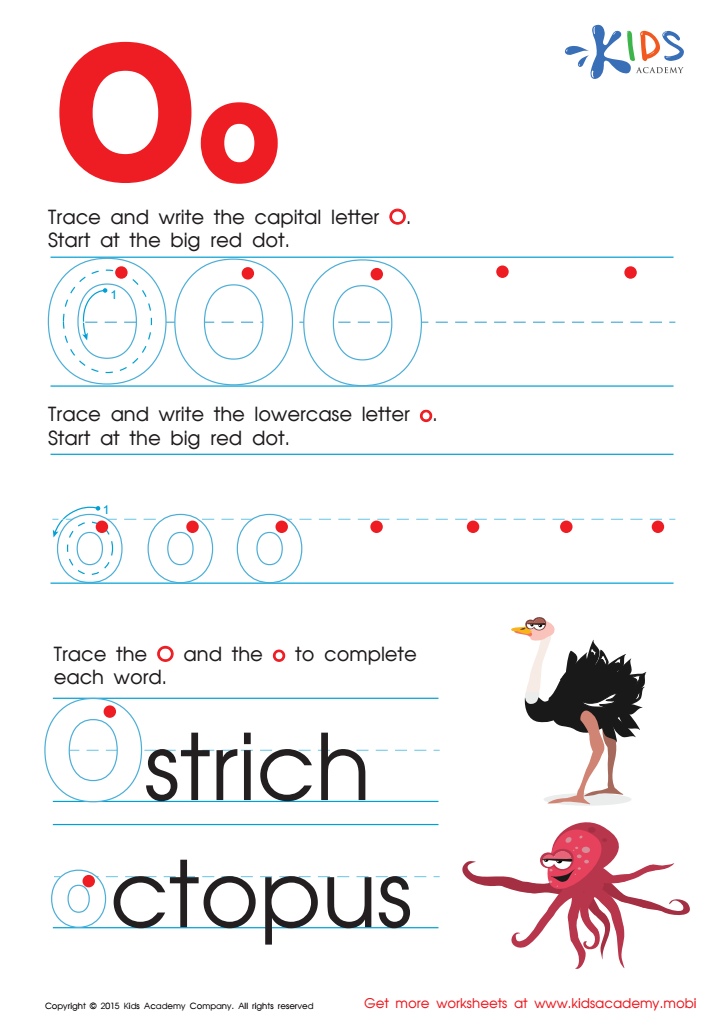
Letter O Tracing Page
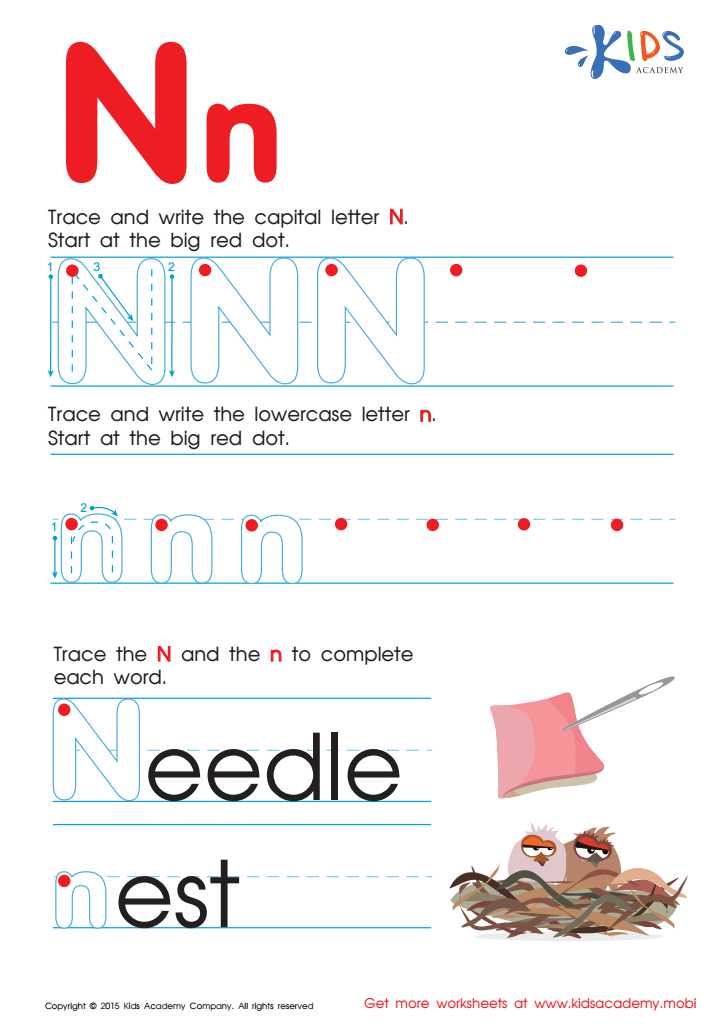
Letter N Tracing Page
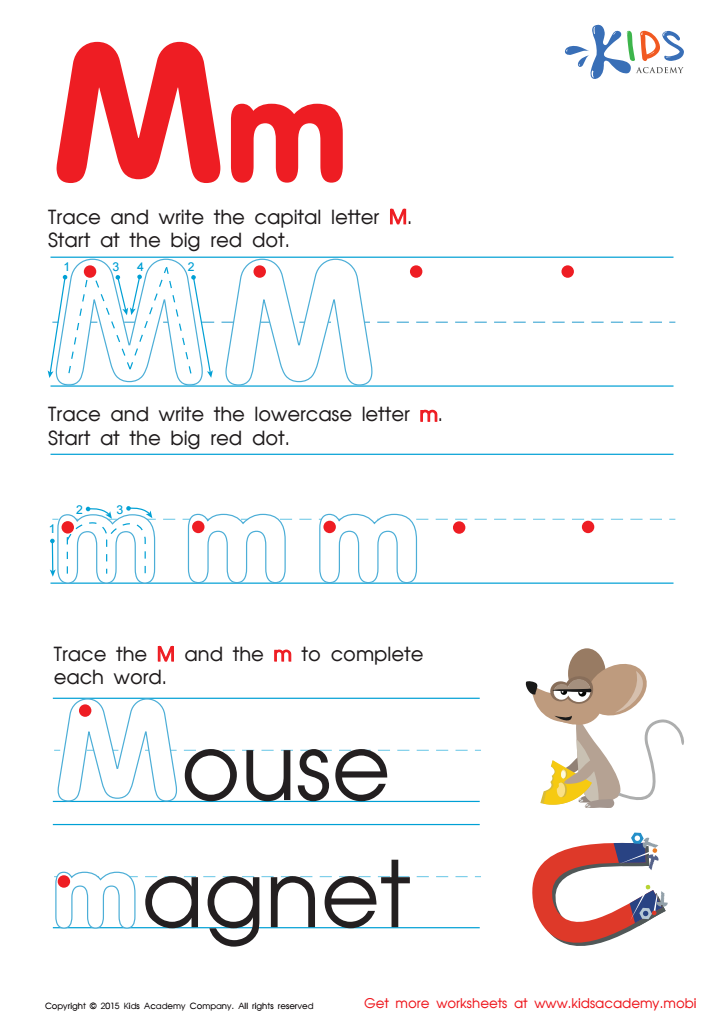
Letter M Tracing Page







Understanding the concept of "normal" for children aged 3-7 is vital for both parents and teachers as it lays the groundwork for healthy development. At this early stage, children are rapidly developing cognitive, emotional, and social skills. Recognizing what is considered typical behavior and development allows parents and educators to provide appropriate guidance and support.
It helps in identifying milestones—both when children are meeting them and when there may be delays that require attention. Awareness of normal developmental benchmarks fosters a nurturing environment, enabling caregivers to encourage positive growth while also alleviating unnecessary concerns.
Additionally, understanding "normal" promotes empathy and inclusivity in educational settings, encouraging respectful interactions among peers. This knowledge helps educators tailor their teaching methods to meet diverse learning needs, ensuring that children feel valued and understood.
Moreover, focusing on normal development assists in creating age-appropriate educational experiences that Foster curiosity and motivation. Ultimately, being informed about what is normal empowers parents and teachers to cultivate a supportive atmosphere where children can thrive both academically and socially, laying a strong foundation for future learning and development.








