Normal Consonant Digraphs Worksheets for Ages 3-7
13 filtered results
-
From - To
Our "Normal Consonant Digraphs Worksheets for Ages 3-7" are expertly designed to help young learners master the basics of reading. These engaging, printable worksheets introduce children to common consonant digraphs such as "sh," "ch," "th," and "wh," enhancing their phonics skills. Ideal for kids aged 3-7, the activities include colorful illustrations and fun exercises that promote phonemic awareness and letter-sound recognition. Whether used at home or in the classroom, our resources provide a solid foundation for successful reading. Boost your child's literacy journey with our high-quality consonant digraphs worksheets today!
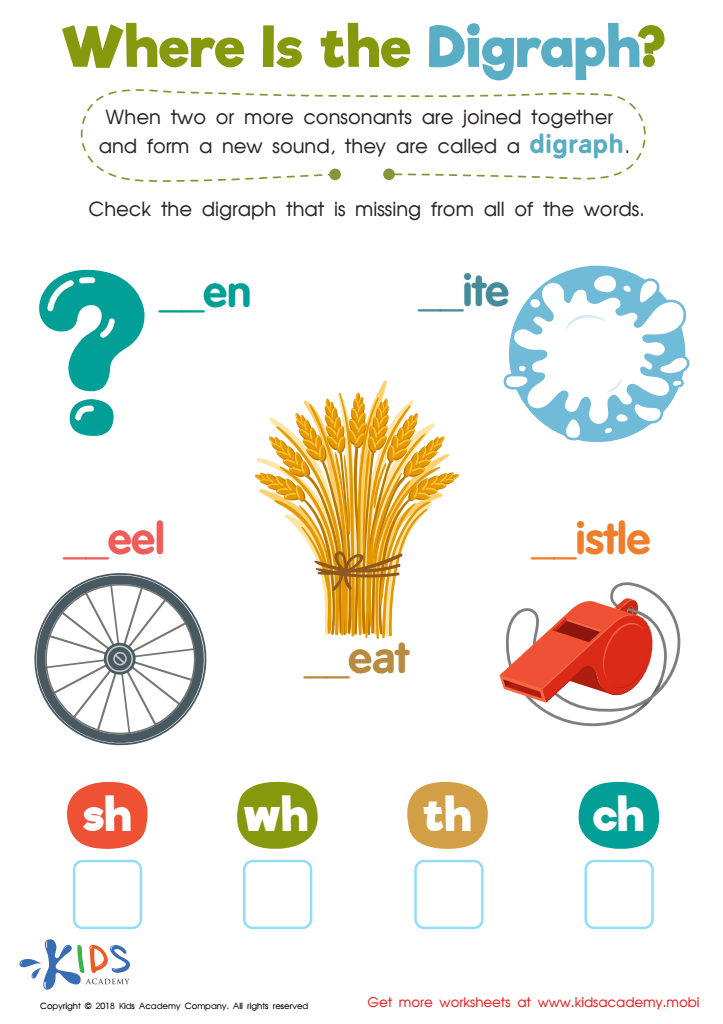
Where Is the Digraph? Worksheet
 Assign to My Students
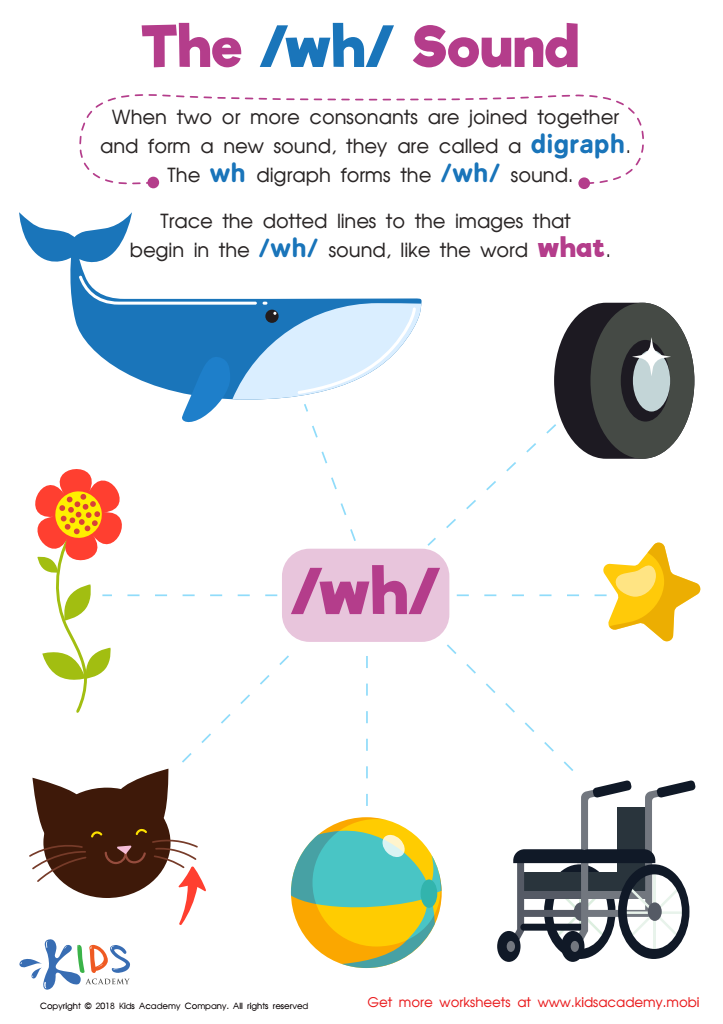
The /wh/ Sound Worksheet
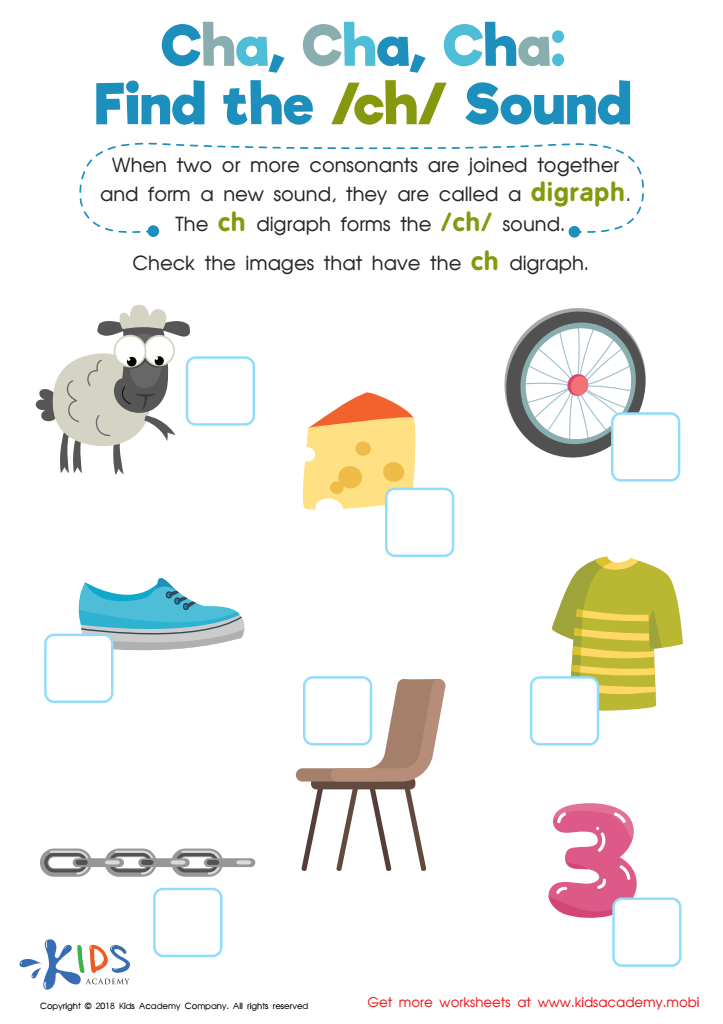
Cha, Cha, Cha: Find the /Ch/ Sound Worksheet
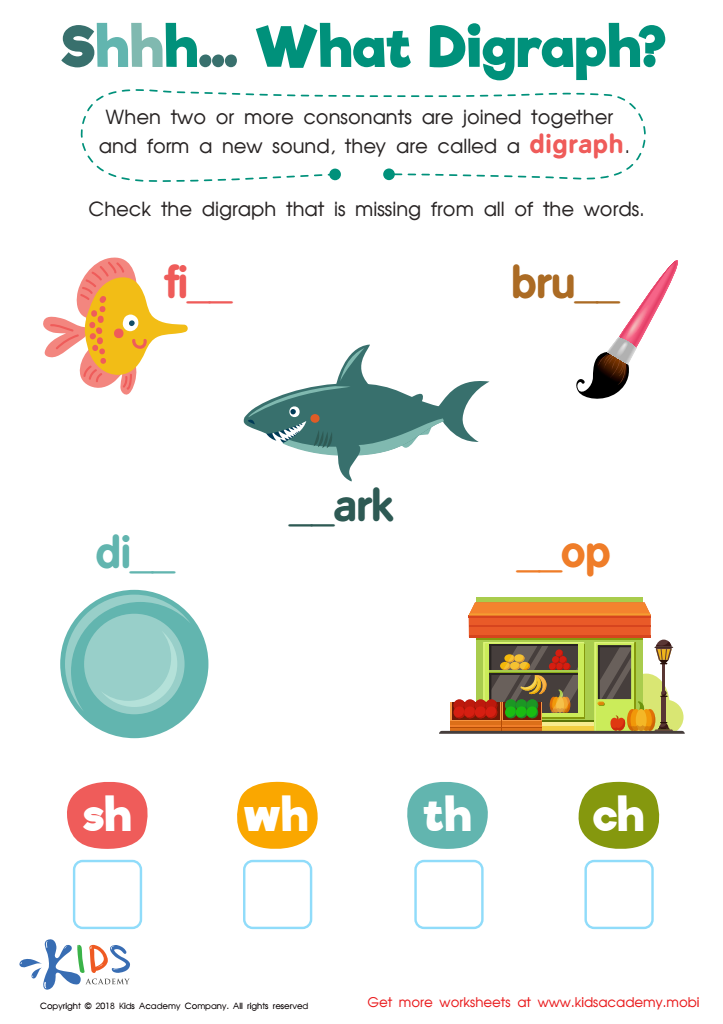
Shhh... What Digraph? Worksheet
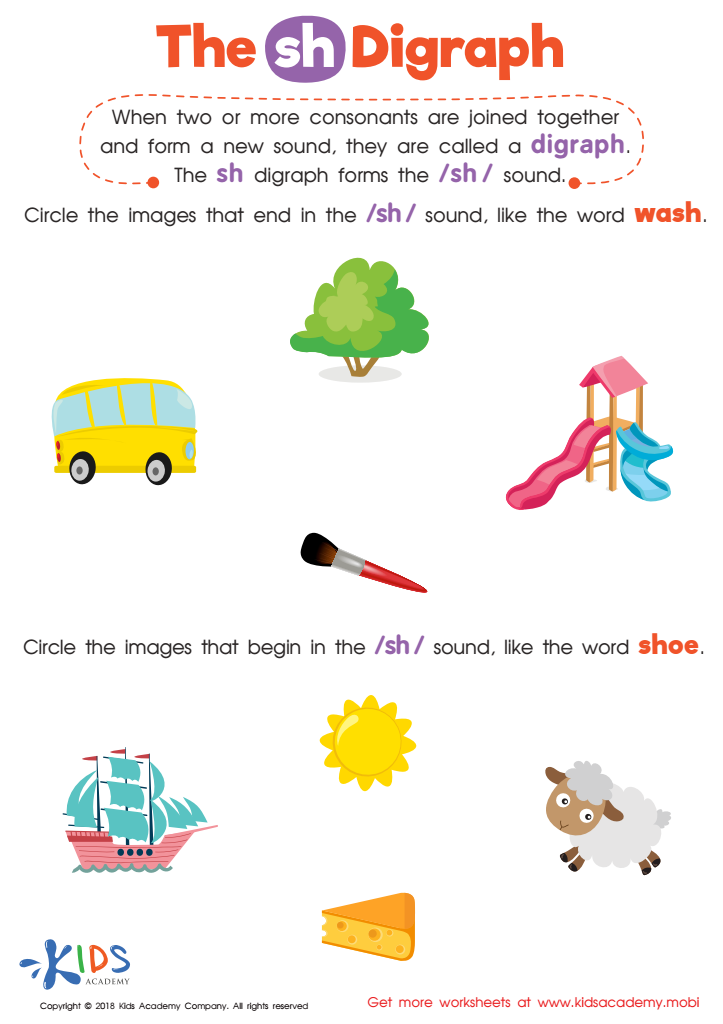
The SH Digraph Worksheet
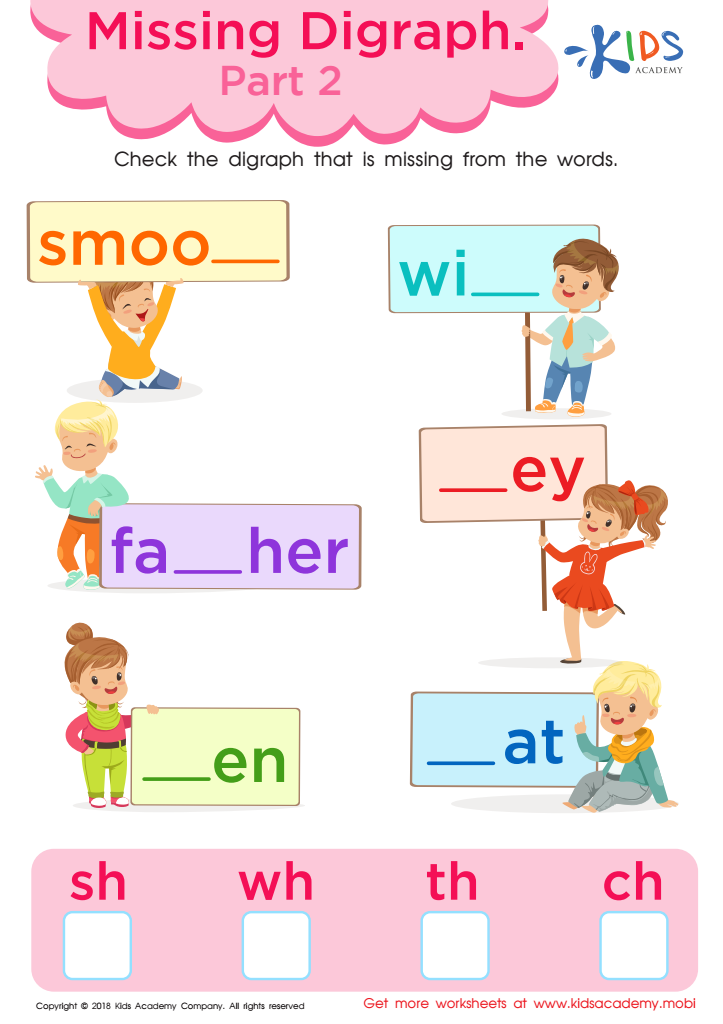
Missing Digraph: Part 2 Worksheet
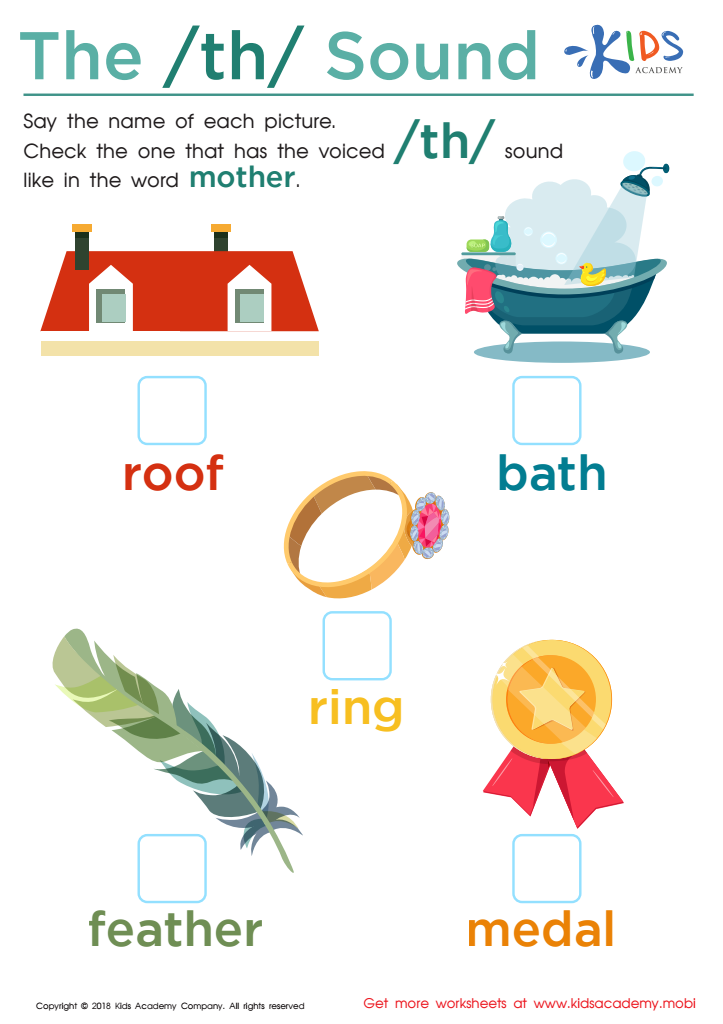
The /th/ Sound Worksheet
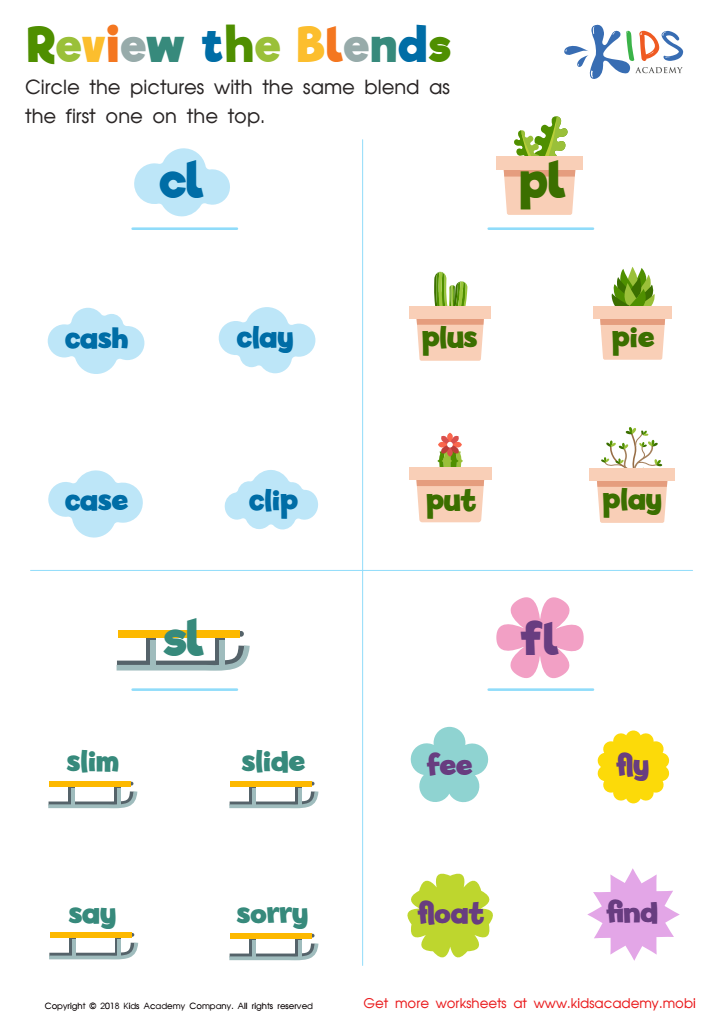
Review the Blends Worksheet
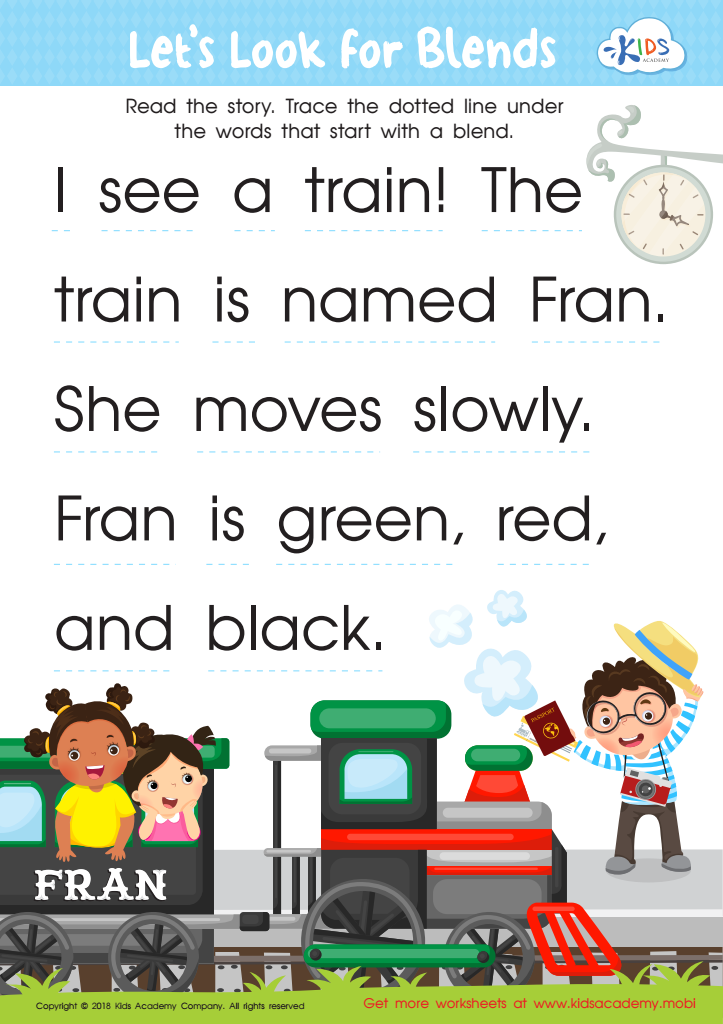
Let's Look for Blends Worksheet
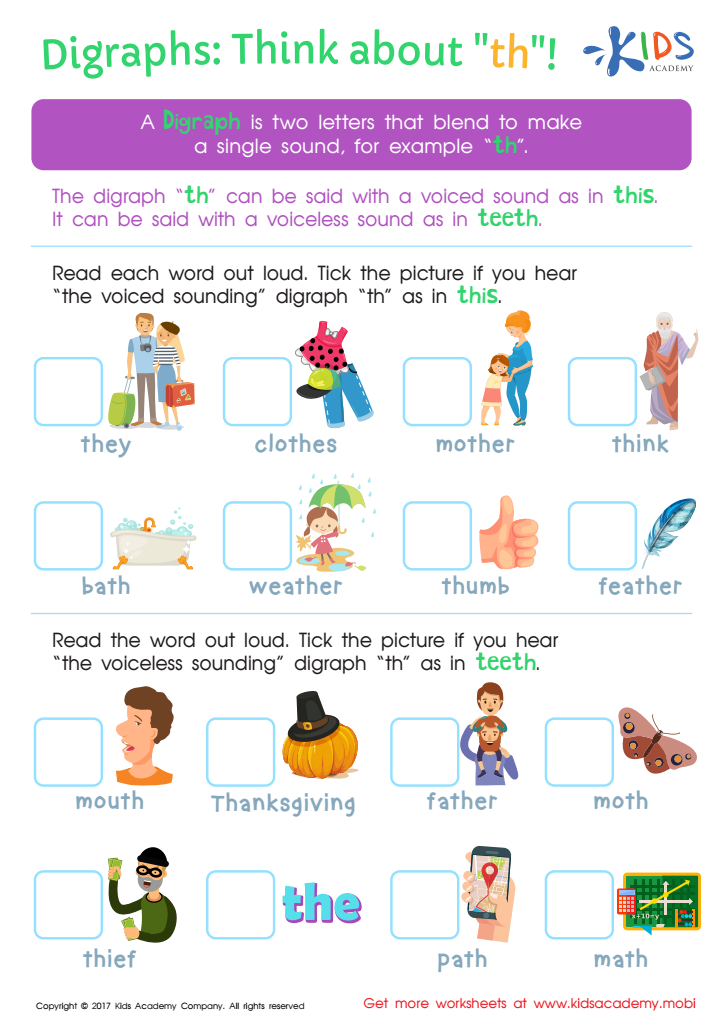
Digraphs: Think About "th" Worksheet
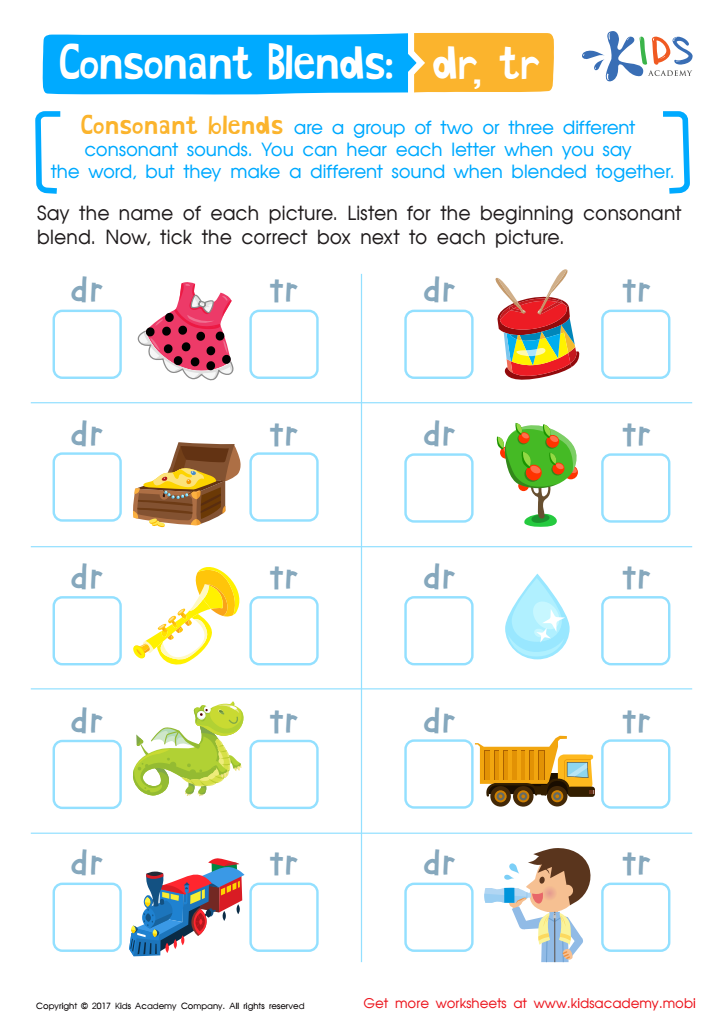
Consonant Blends: "Dr" and "Tr" Printable
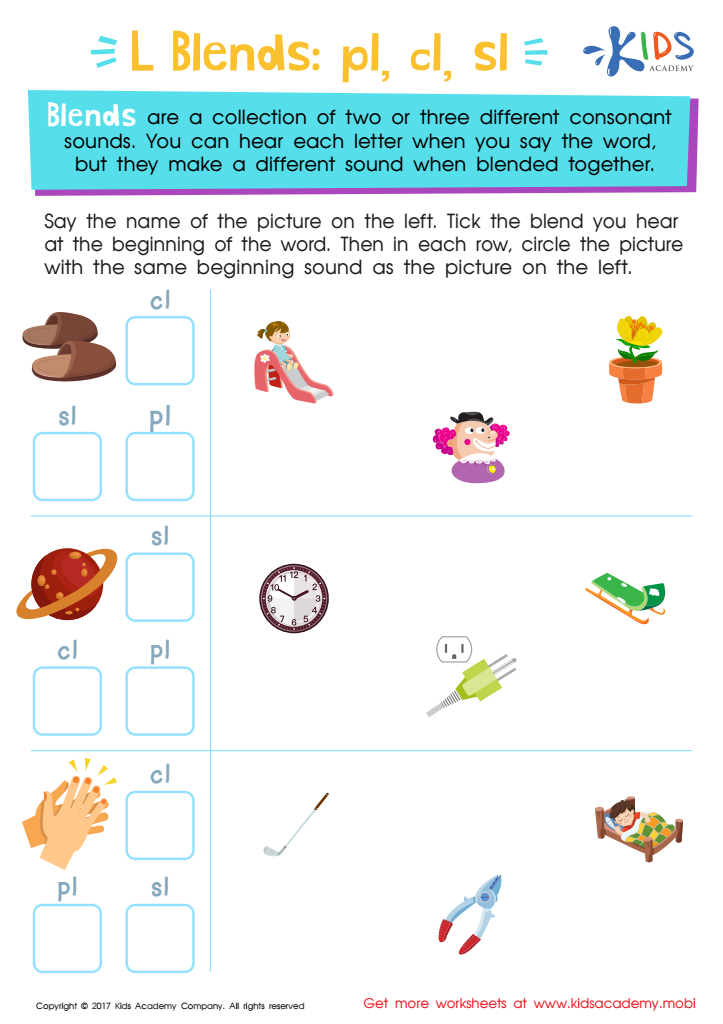
L Blends: "Pl", "Cl" and "Sl" Printable
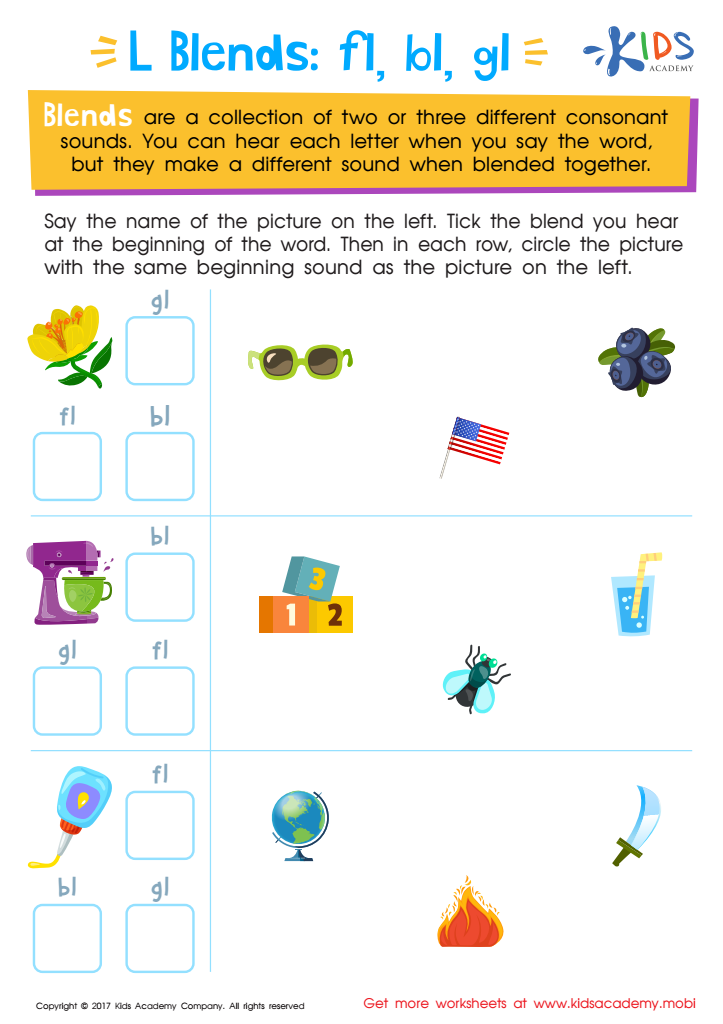
Blending Consonants: "Fl", "Bl" and "Gl" Printable


Consonant digraphs are pairs of consonants that make a single sound, such as "ch" in "chat" or "sh" in "ship." It's important for parents and teachers to care about teaching normal consonant digraphs to young children, typically between the ages of 3-7, for several key reasons:
First, mastering consonant digraphs lays a strong foundation for early literacy and successful reading development. When children understand that certain letter combinations produce specific sounds, they become more proficient readers. This skill allows them to decode new words, thus expanding their vocabulary and comprehension.
Second, understanding consonant digraphs aids in better spelling. Children who grasp these patterns can more accurately spell common words, which enhances their writing skills. By recognizing that "gh" in "laugh" is different from the "ph" in "phone," children can apply these rules to different contexts, leading to improved communication abilities.
Third, early familiarity with consonant digraphs boosts children's confidence in learning language. As they realize they can read and write more complex words, their enthusiasm for learning increases. This positive reinforcement fuels further academic growth, making future educational endeavors seem more manageable.
In essence, early instruction in normal consonant digraphs supports holistic language development, paving the way for a child's ongoing success in reading, writing, and beyond.