Normal Grammar Worksheets for Ages 3-7 - Page 4
90 filtered results
-
From - To
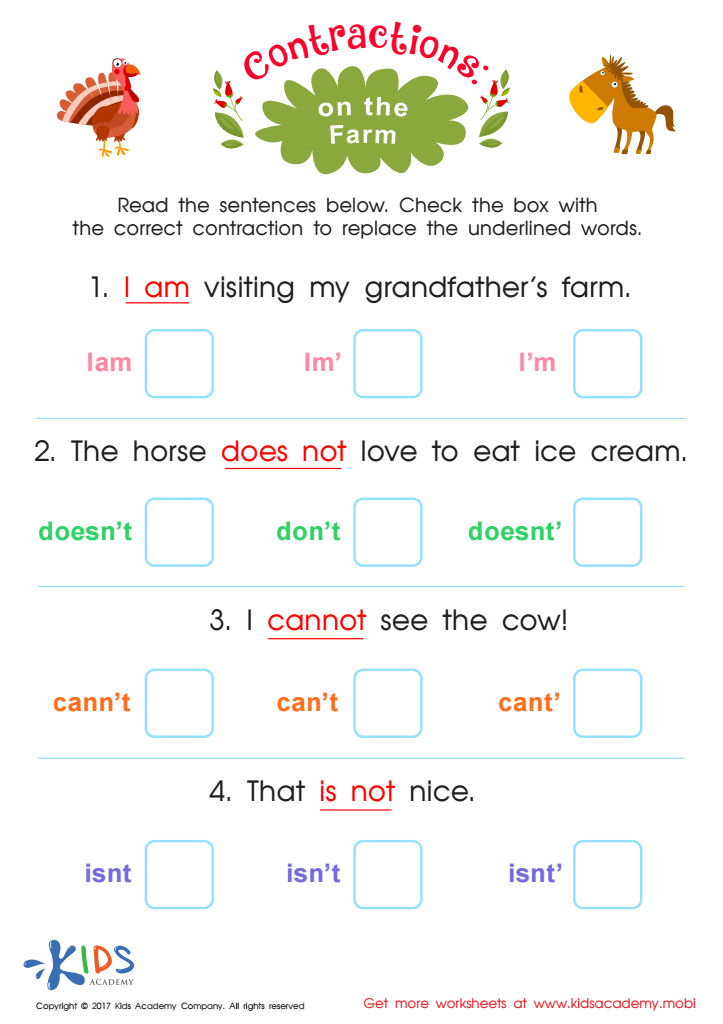
Contractions: On the Farm Printable
 Assign to My Students
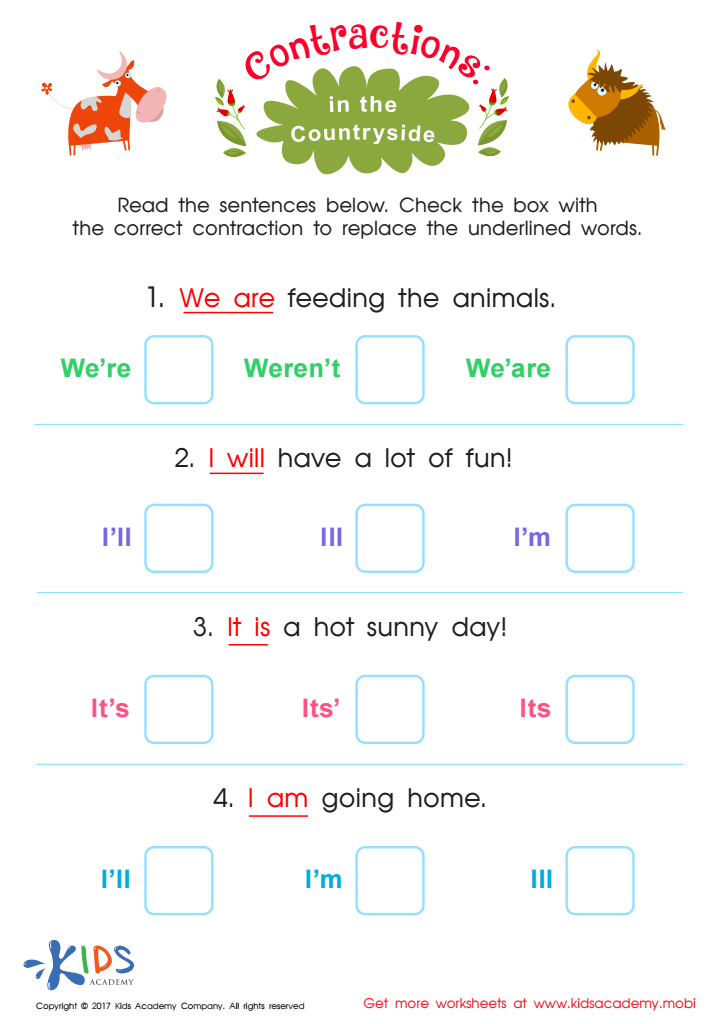
Contractions: In the Countryside Worksheet
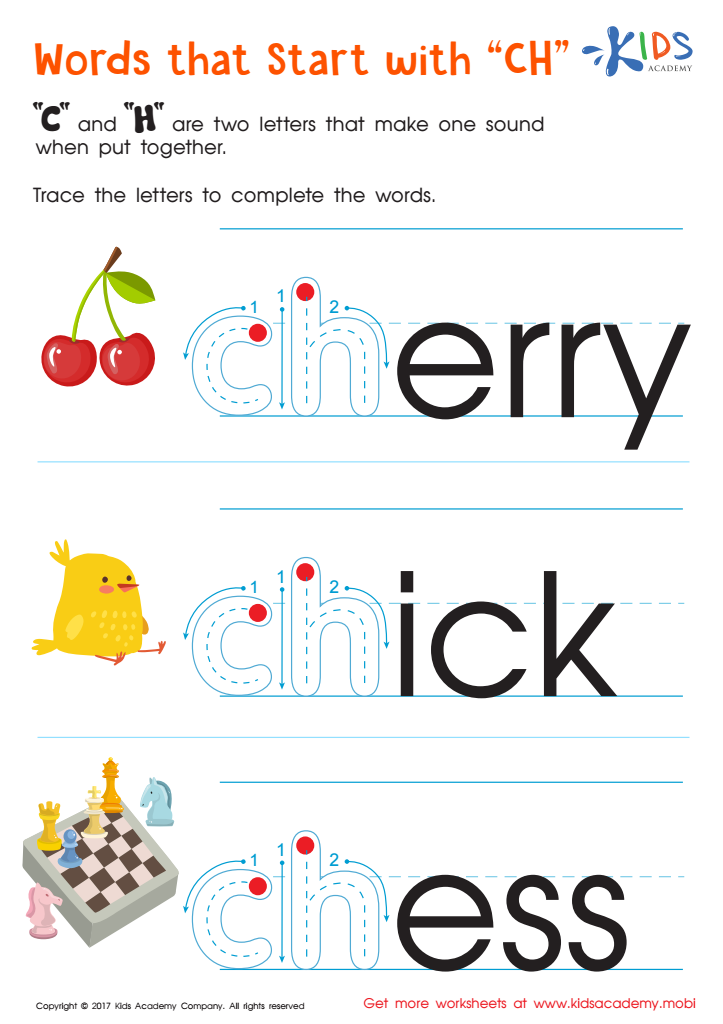
Words That Start with "ch" Spelling Worksheet
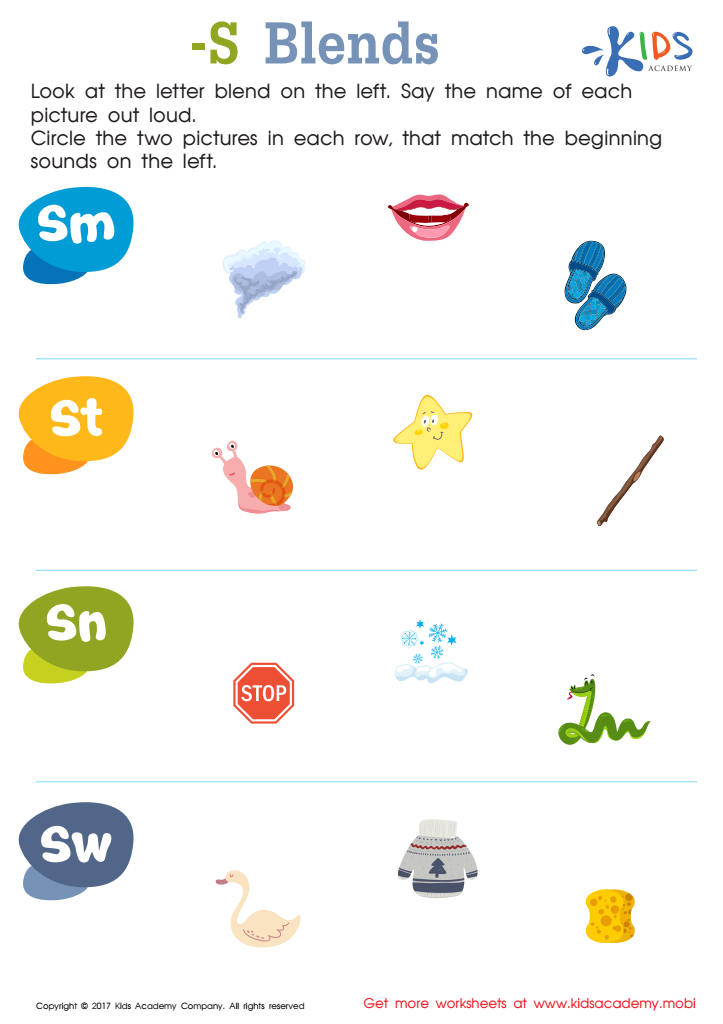
"s" Blends Spelling Printable
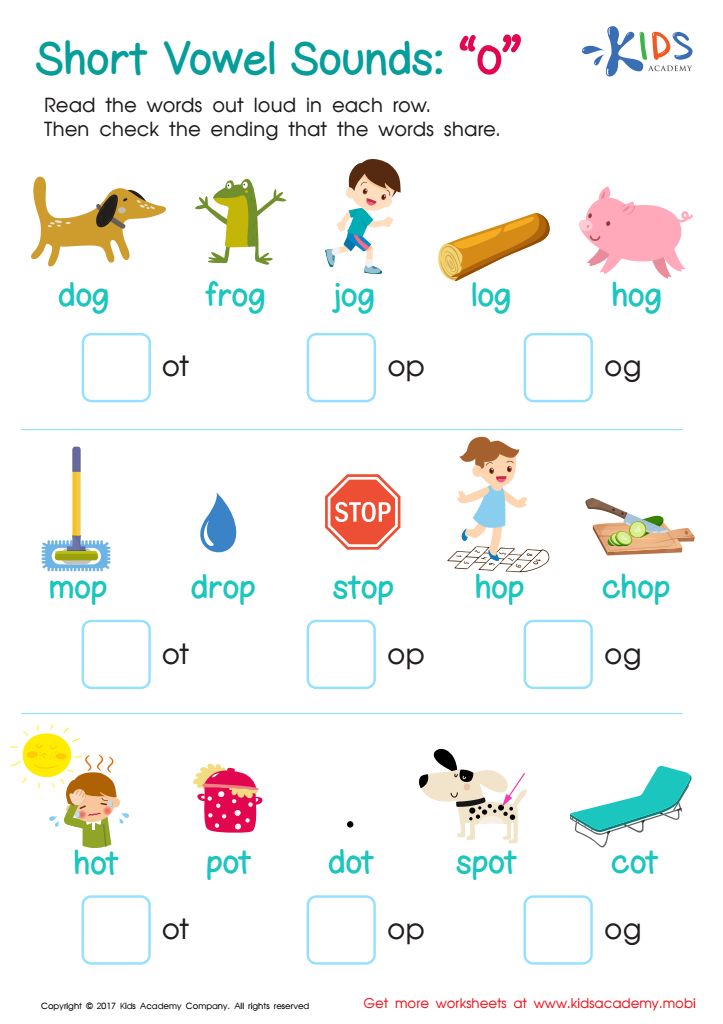
Short vowel Sounds "o" Spelling Worksheet
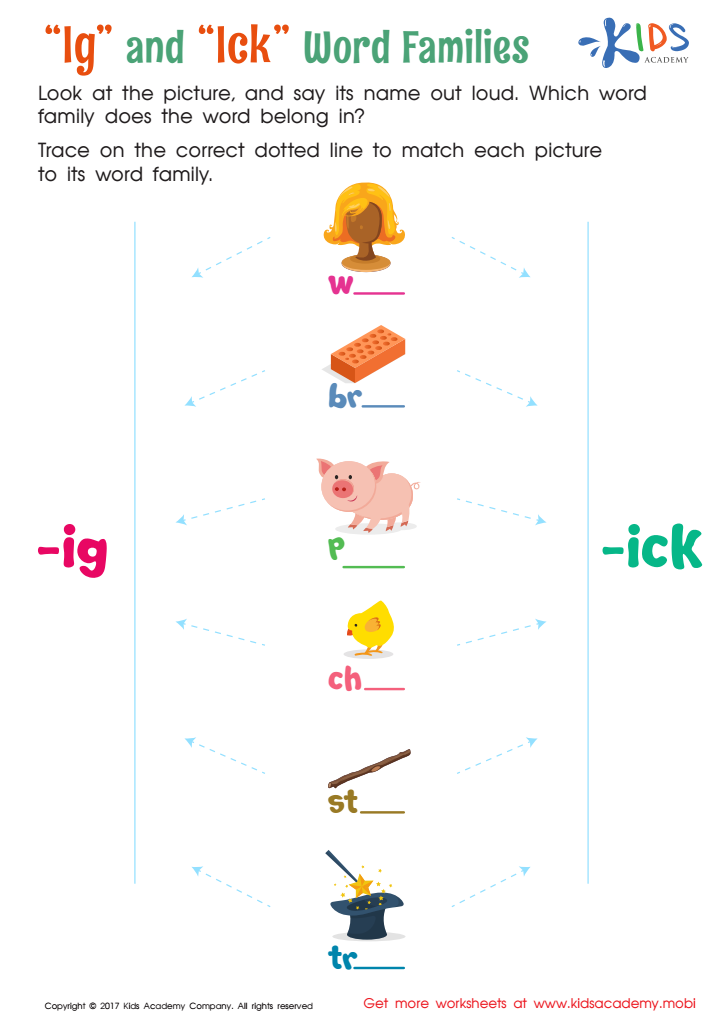
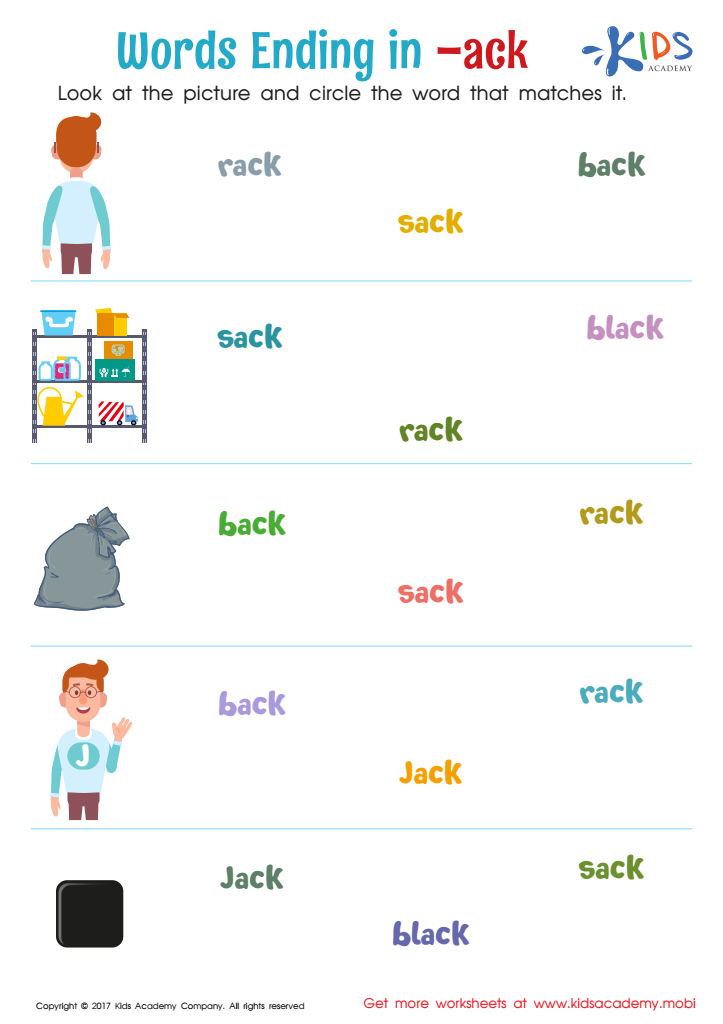
Words Families "ig" and "ick" Spelling Worksheet
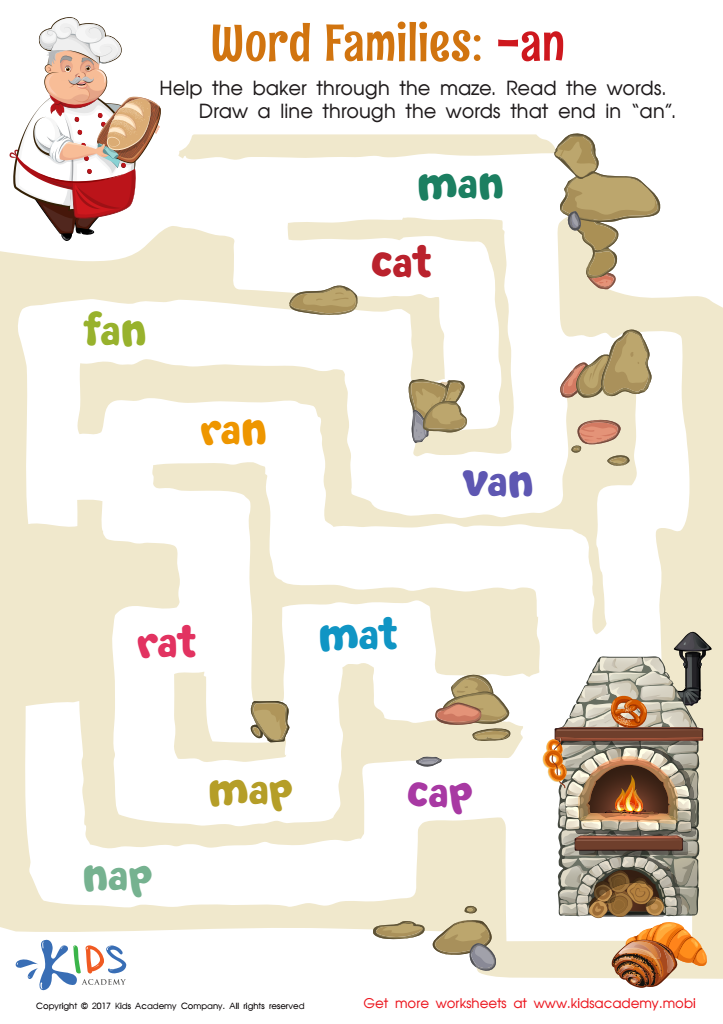
Words Families "an" Spelling Worksheet
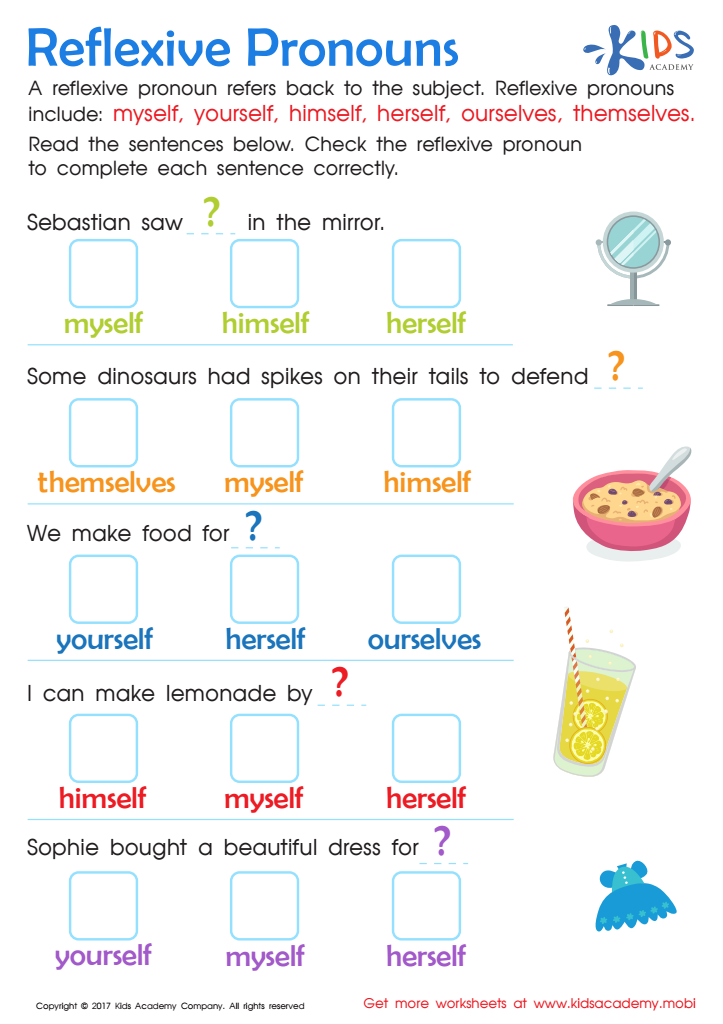
Reflexive Pronouns Worksheet
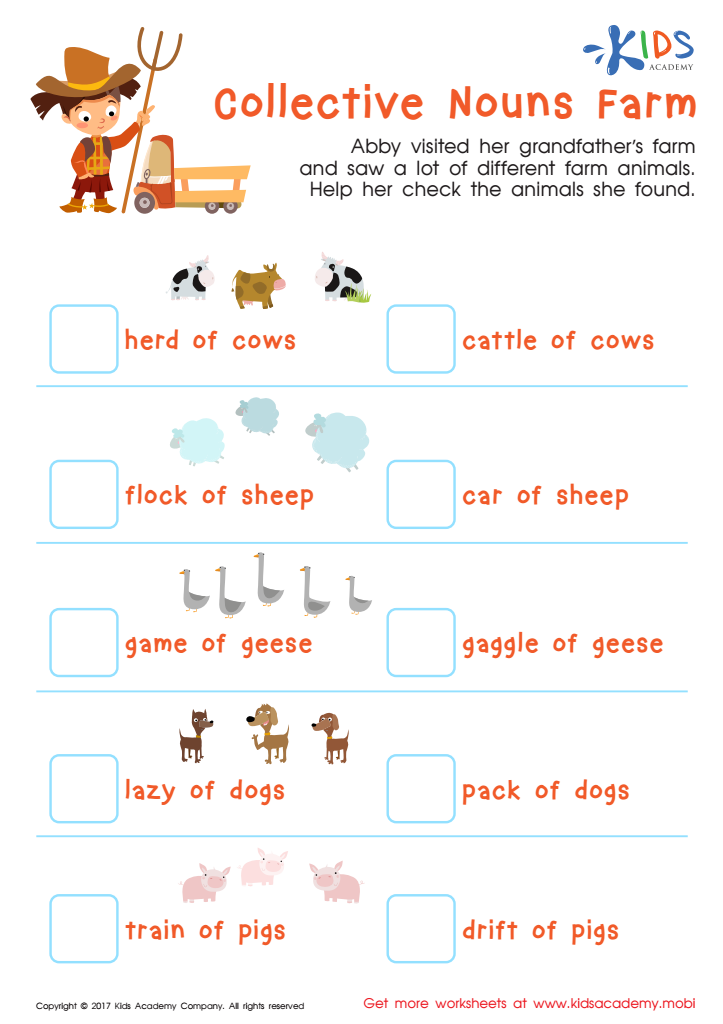
Collective Nouns Worksheet
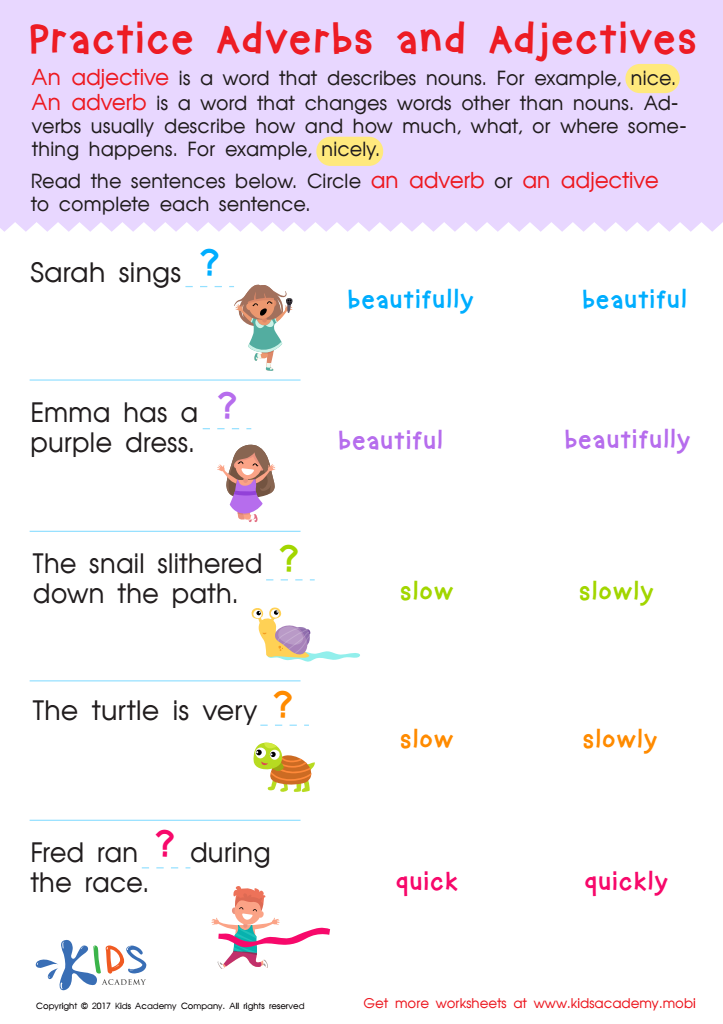
Adverbs and Adjectives Worksheet
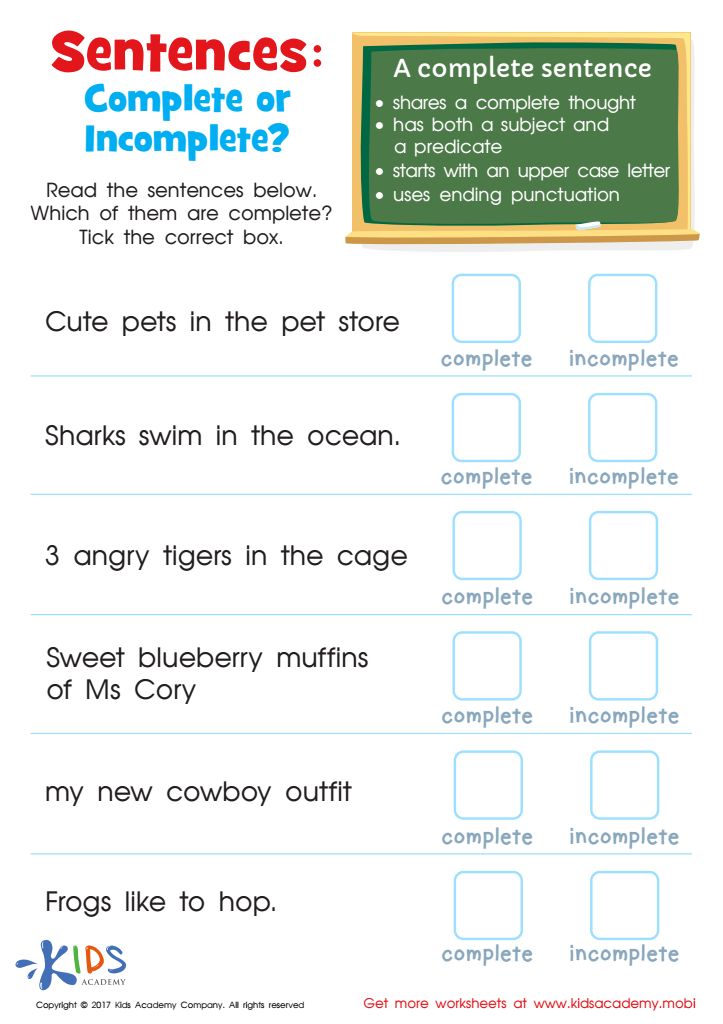
Sentences: Complete or Incomplete Worksheet
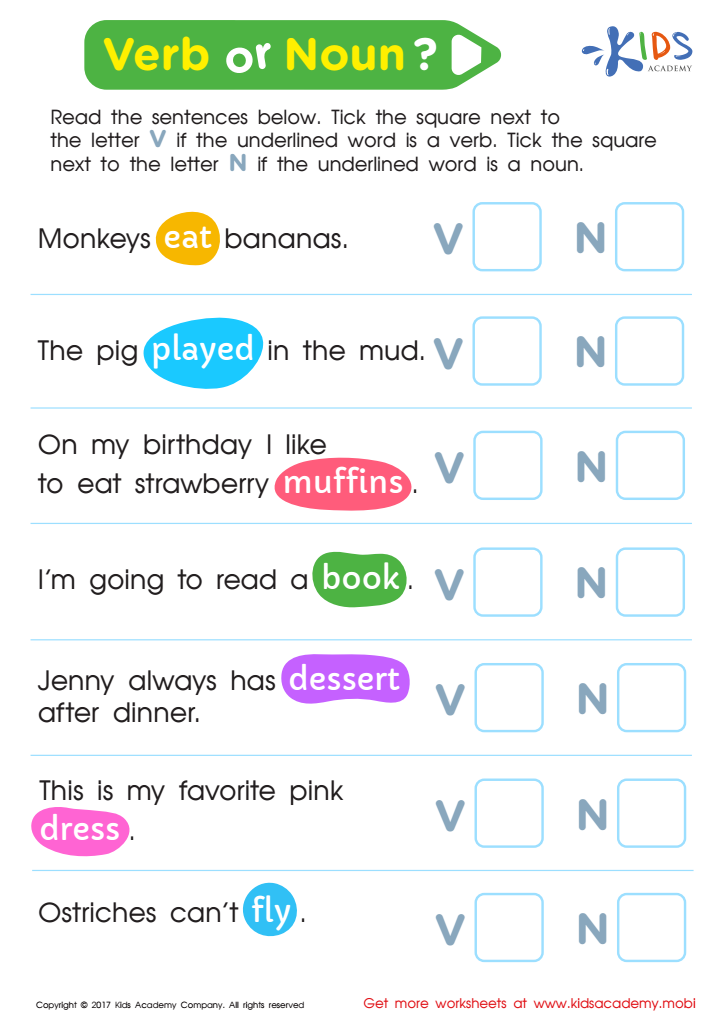
Verb or Noun Worksheet
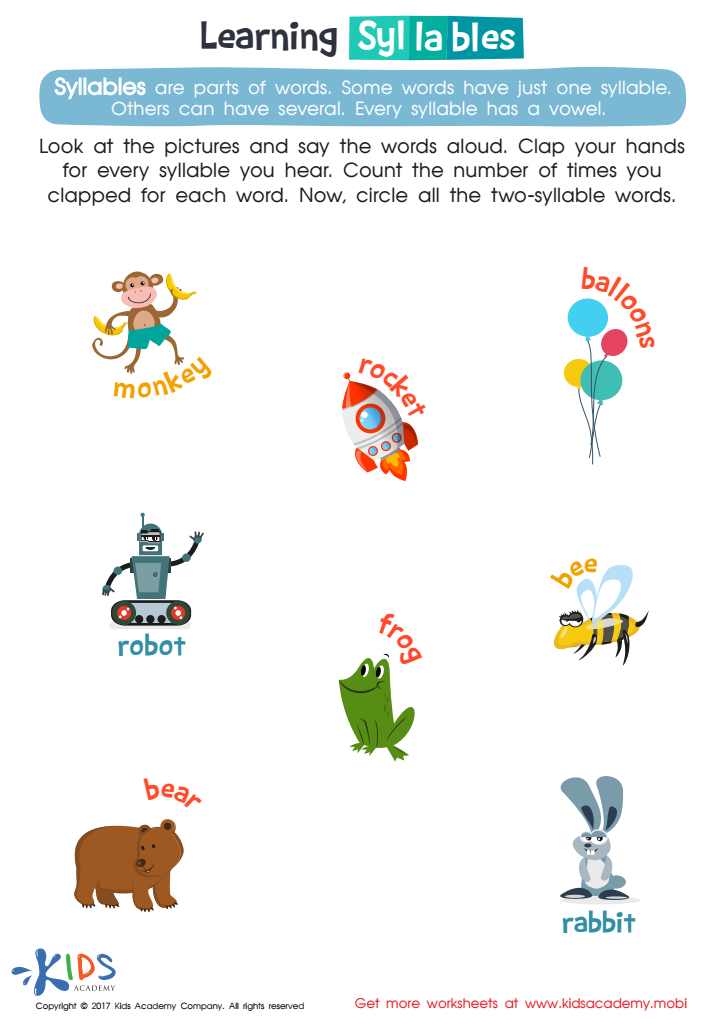
Learning Syllables Word Structure Worksheet
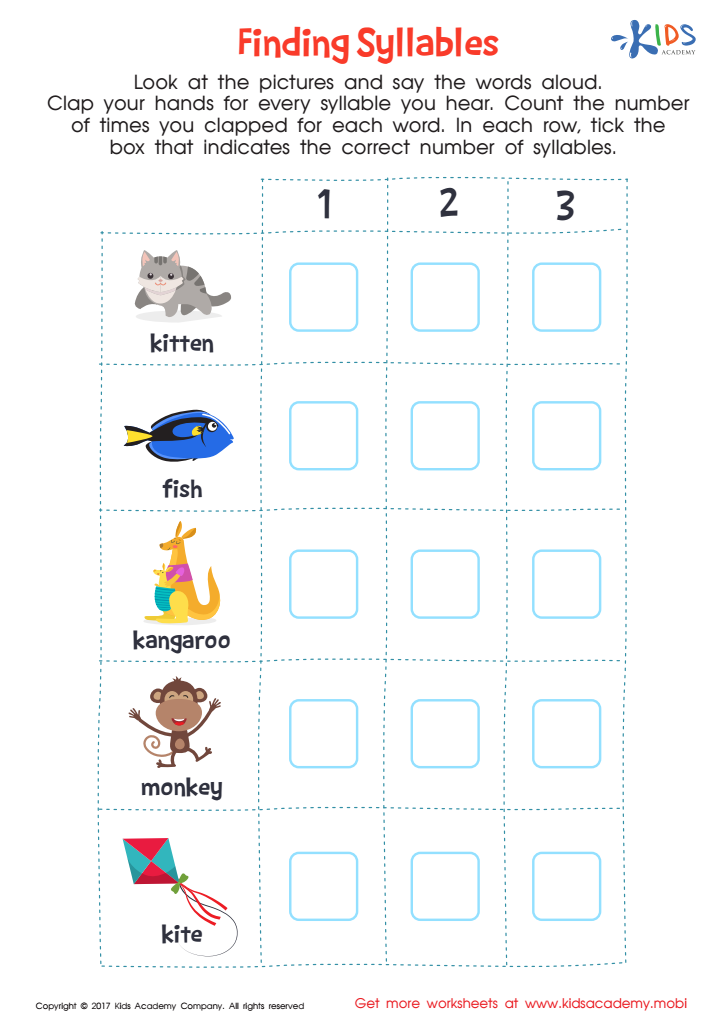
Finding Syllables Word Structure Worksheet
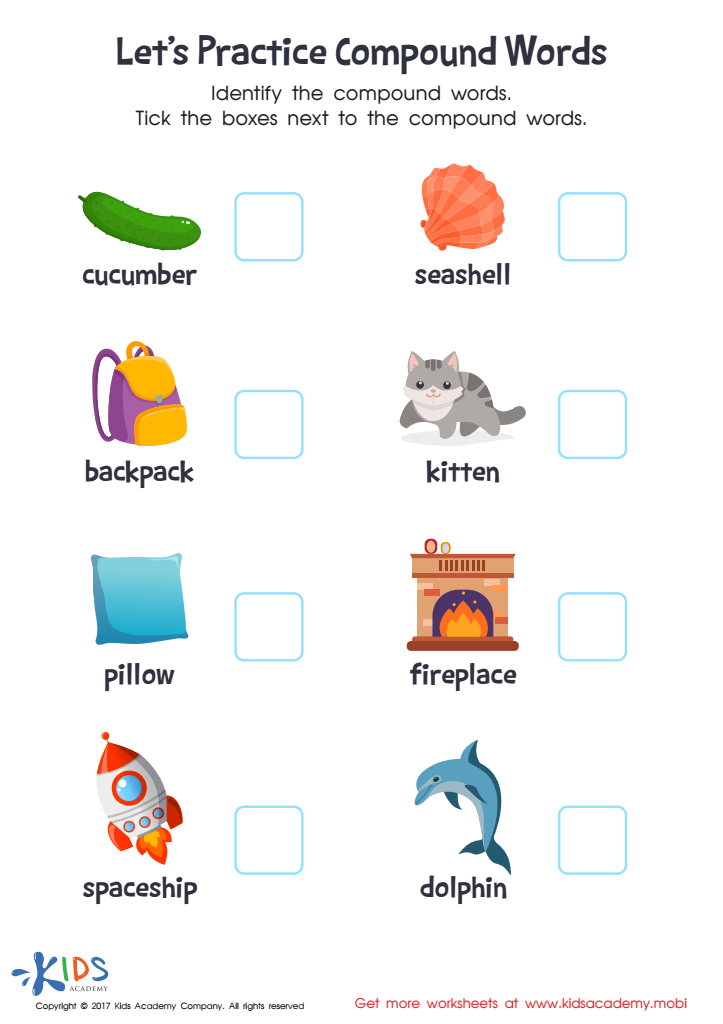
Let's Practice Compound Words Word Structure Worksheet
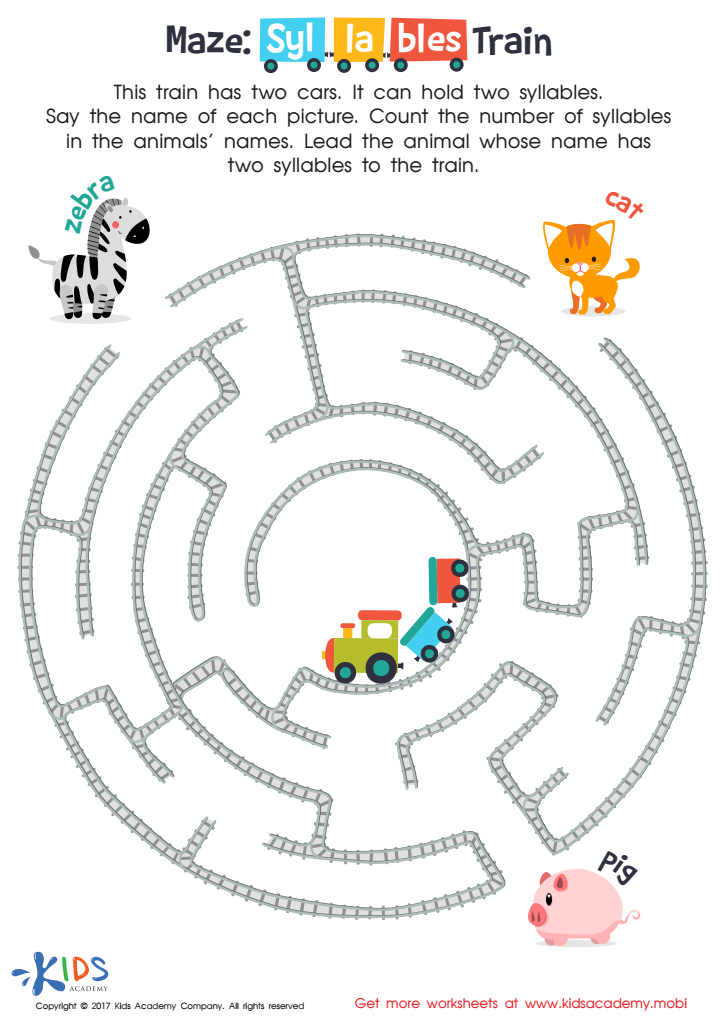
Maze Syllables Word Structure Worksheet
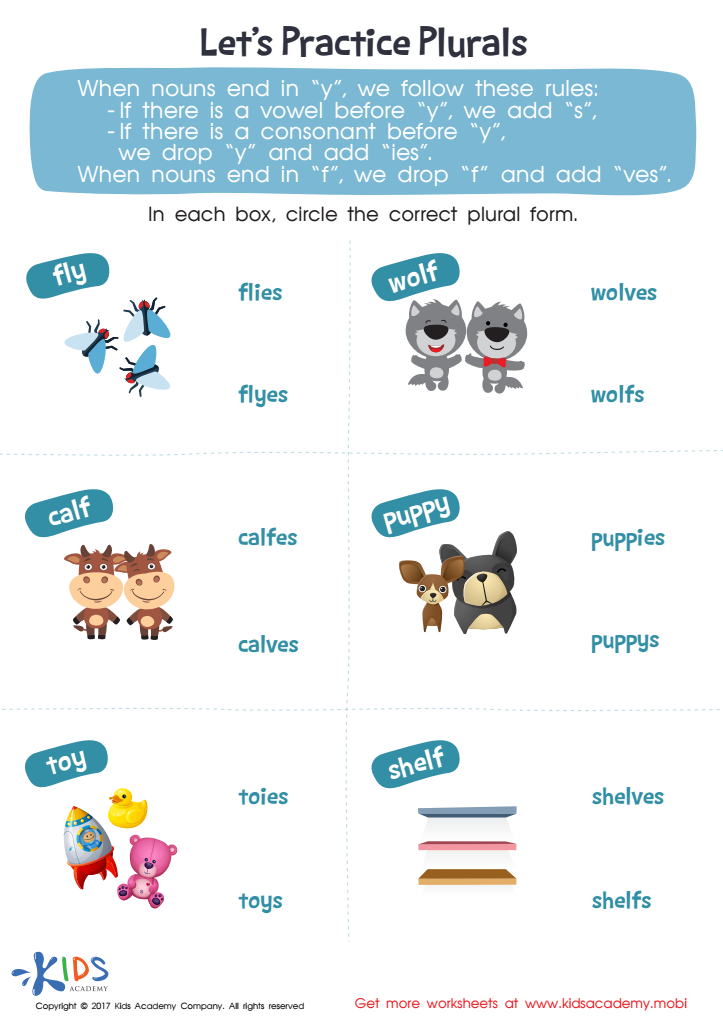
Let's Practice Plurals Word Structure Worksheet







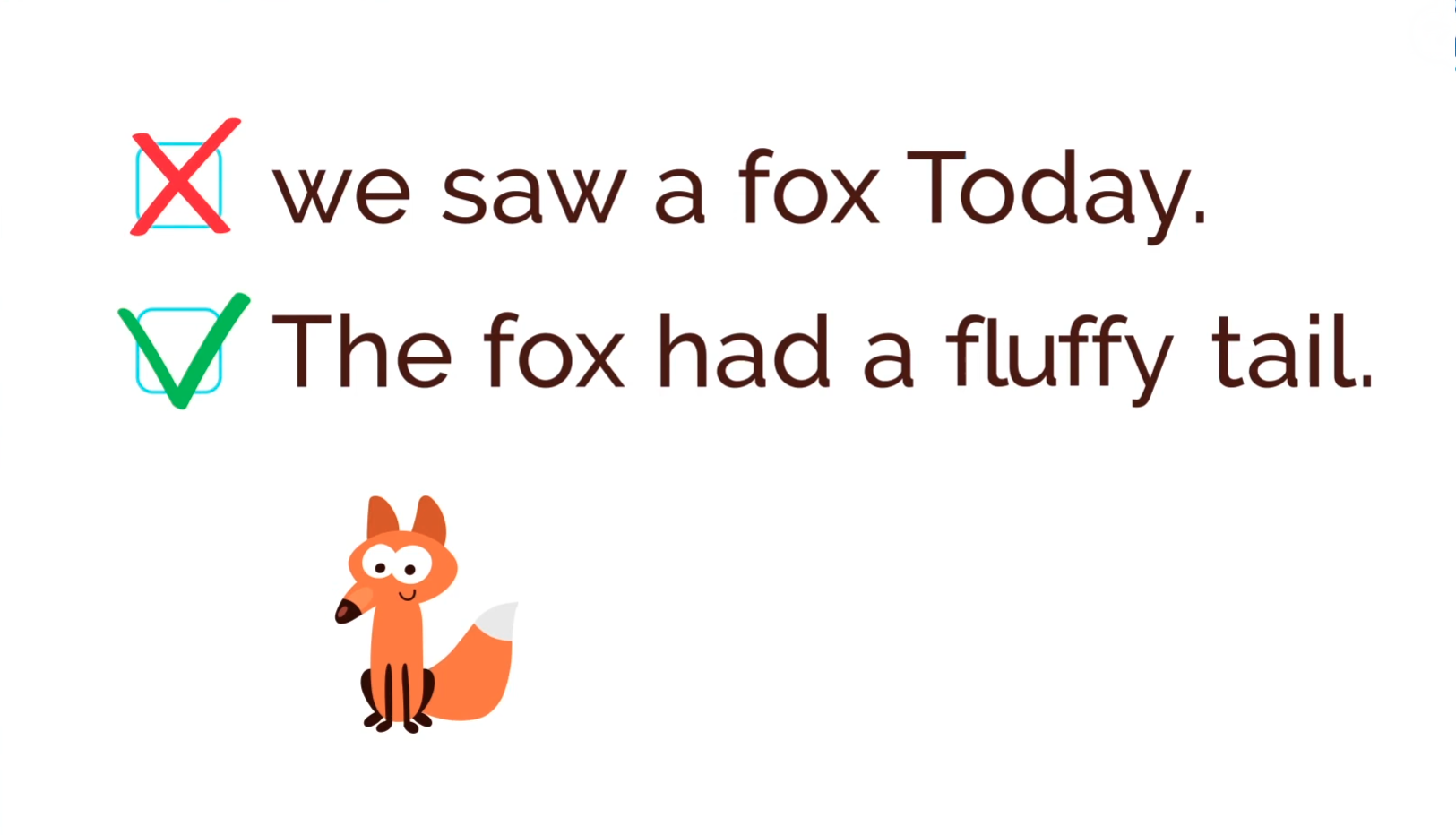
Parents and teachers should care about normal grammar for children aged 3-7 because this developmental stage is crucial for language acquisition and literacy skills. During these formative years, children learn the basics of grammar, which form the foundation for effective communication. A strong grasp of normal grammar helps children express their thoughts clearly and confidently, both verbally and in writing.
Grammar also plays a vital role in cognitive development. By understanding the structure of language, children can better comprehend and engage with complex ideas. This skill enhances their overall learning readiness and aids in academic achievement later on.
Moreover, good grammar is essential for social interaction. Children with strong grammatical skills are often more successful in initiating and maintaining conversations, which fosters social bonds. As peer relationships become increasingly important during this age, having effective communication skills can help children navigate social situations and build friendships.
In summary, nurturing an understanding of normal grammar in young children equips them with essential communication tools, supports their cognitive development, and enhances their social skills—important elements for their overall growth and future success. Parents and teachers play a critical role in cultivating these skills, promoting a lifelong appreciation for language and learning.