Normal Reading Comprehension Worksheets for Ages 3-9 - Page 4
202 filtered results
-
From - To
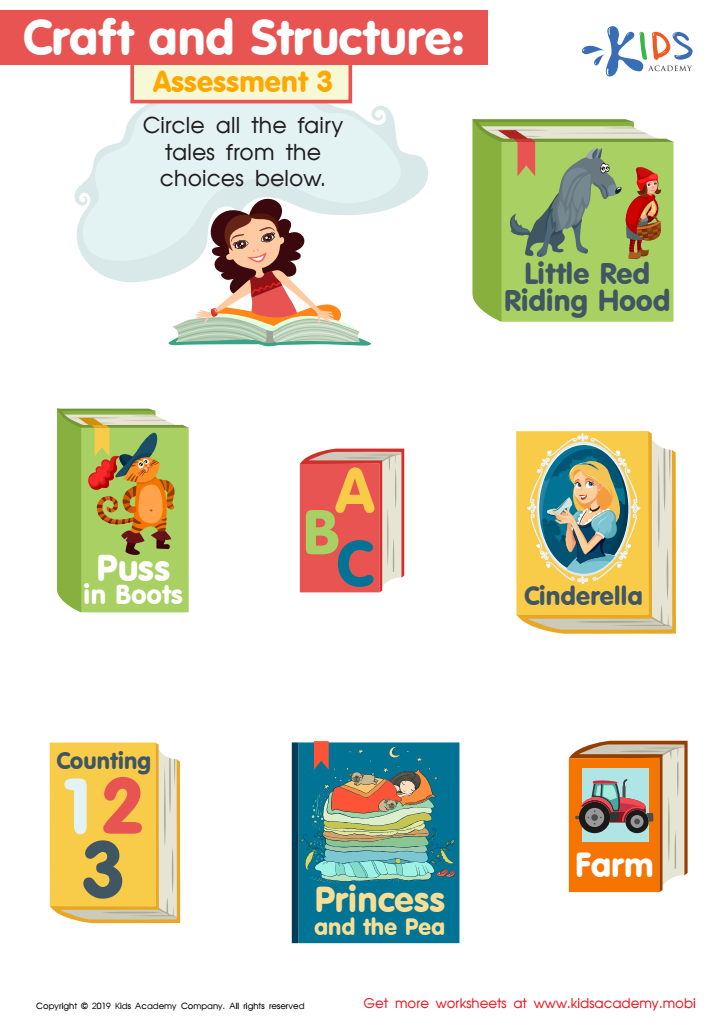
Craft and Structure: Assessment 3 Worksheet
 Assign to My Students
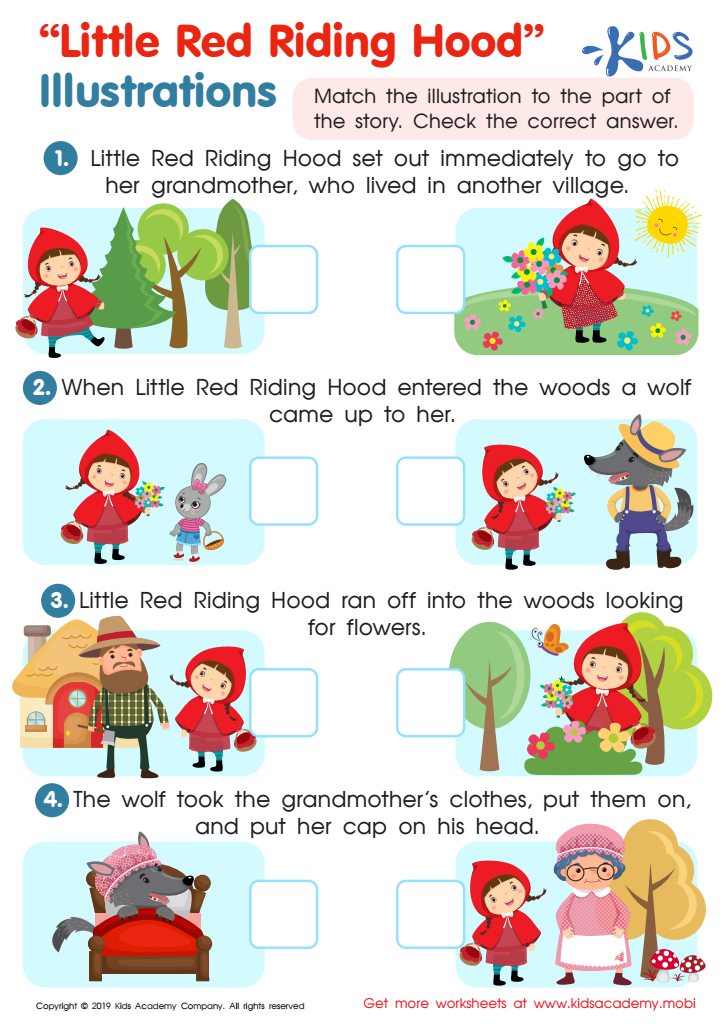
Little Red Riding Hood: Illustrations Worksheet
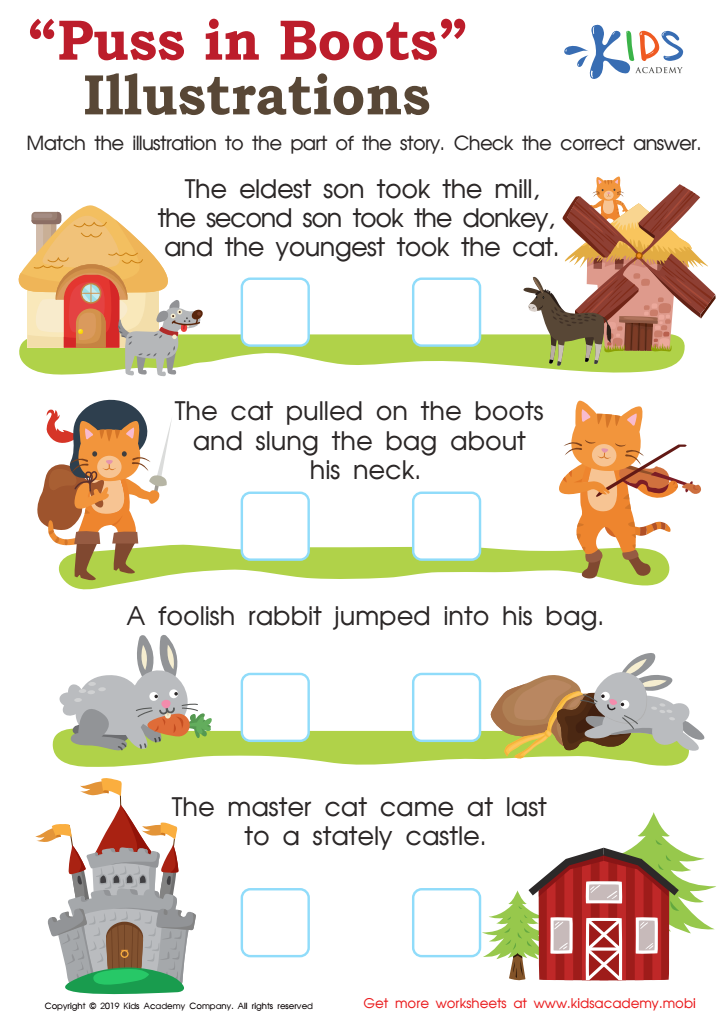
Puss in Boots Illustrations Worksheet
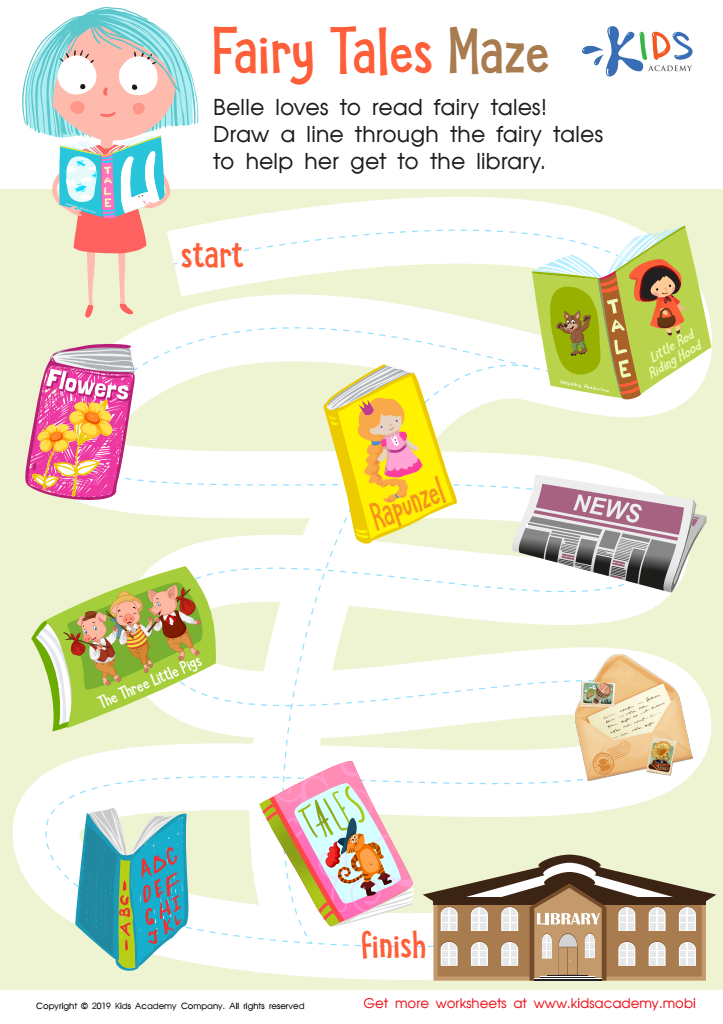
Fairy Tales Maze Worksheet
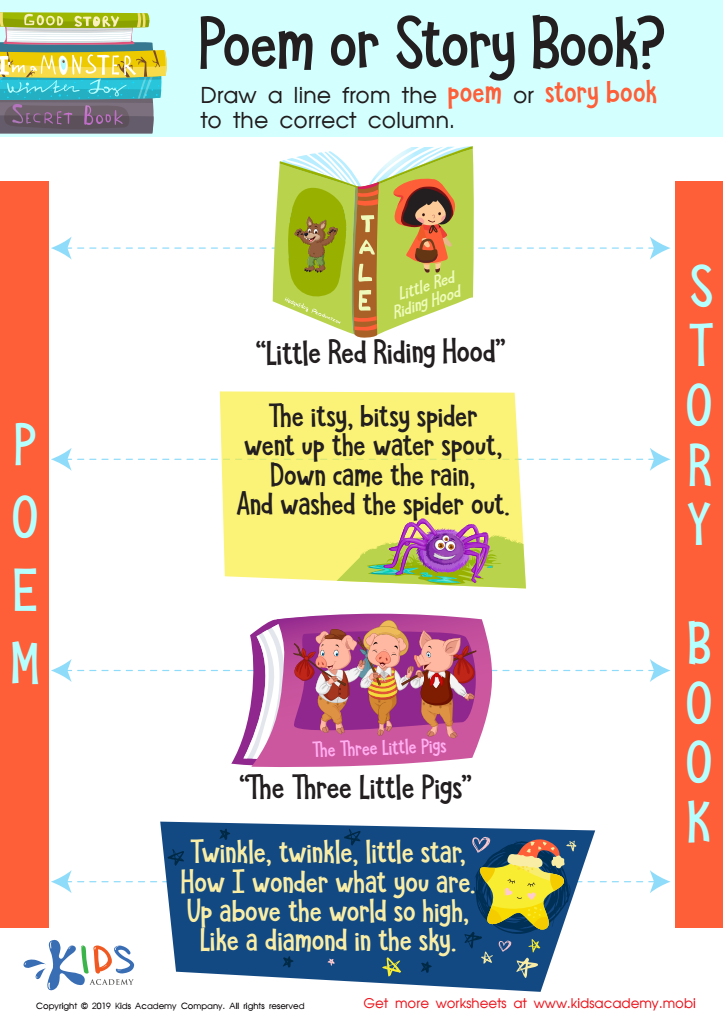
Poem or Story Book? Worksheet
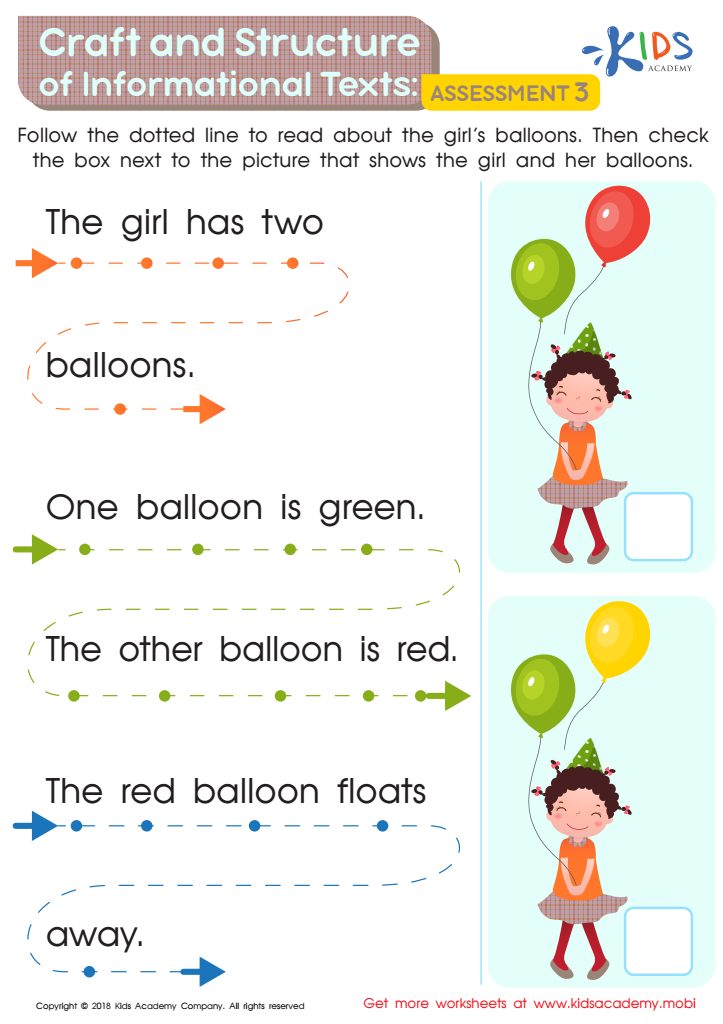
Craft and Structure of Informational Texts: Assessment 3 Worksheet
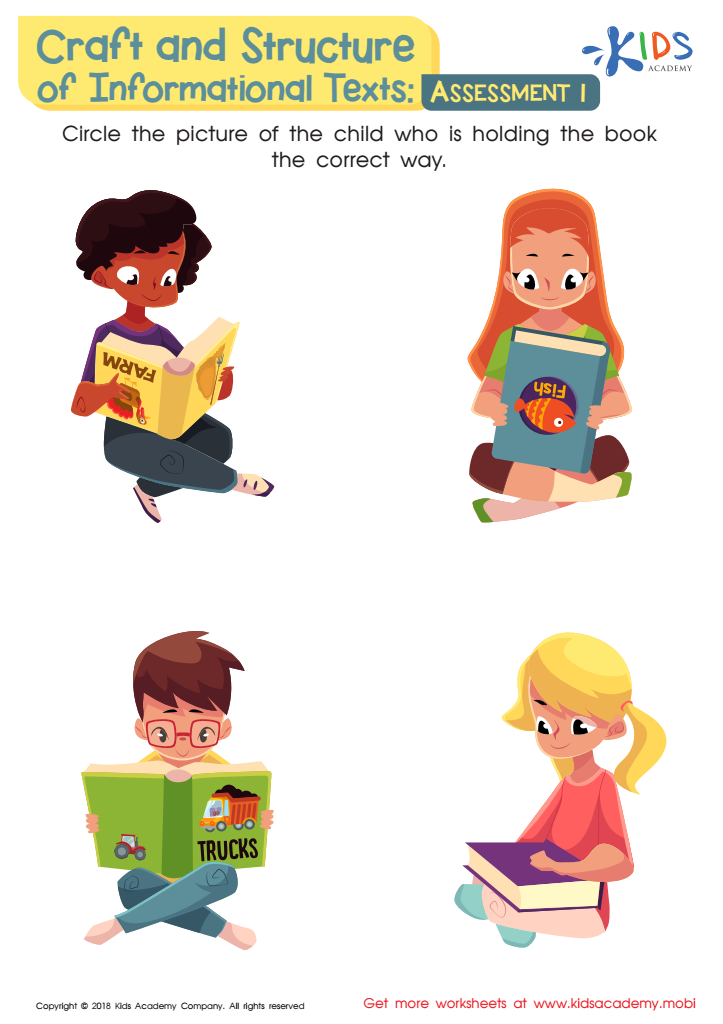
Craft and Structure of Informational Texts: Assessment 1 Worksheet
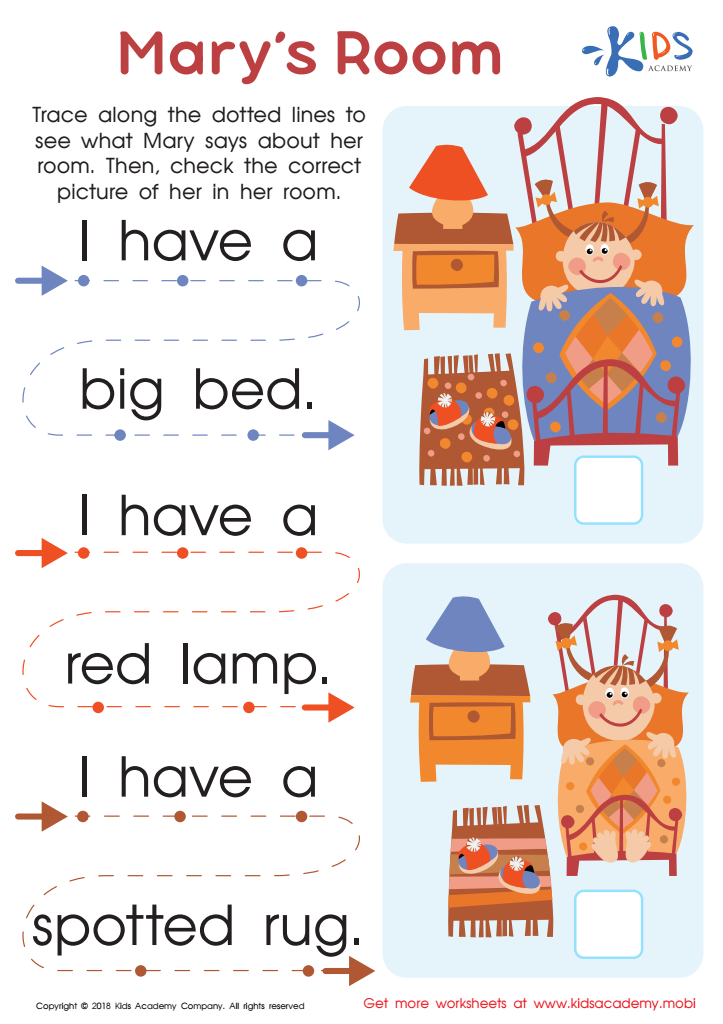
Mary's Room Worksheet
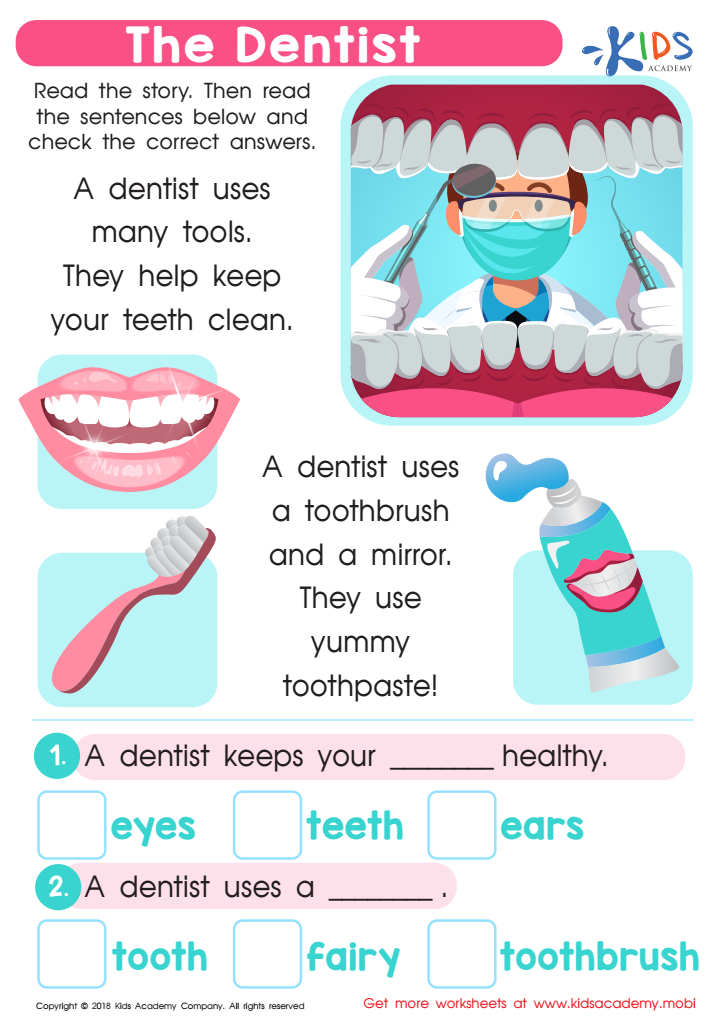
The Dentist Worksheet
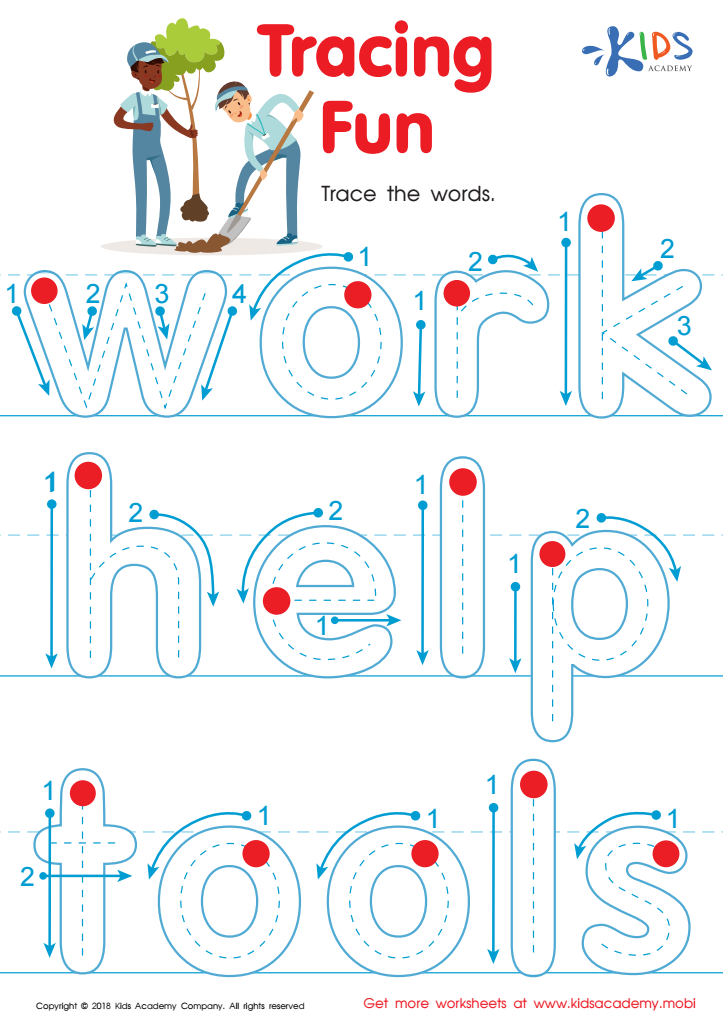
Tracing Fun Worksheet
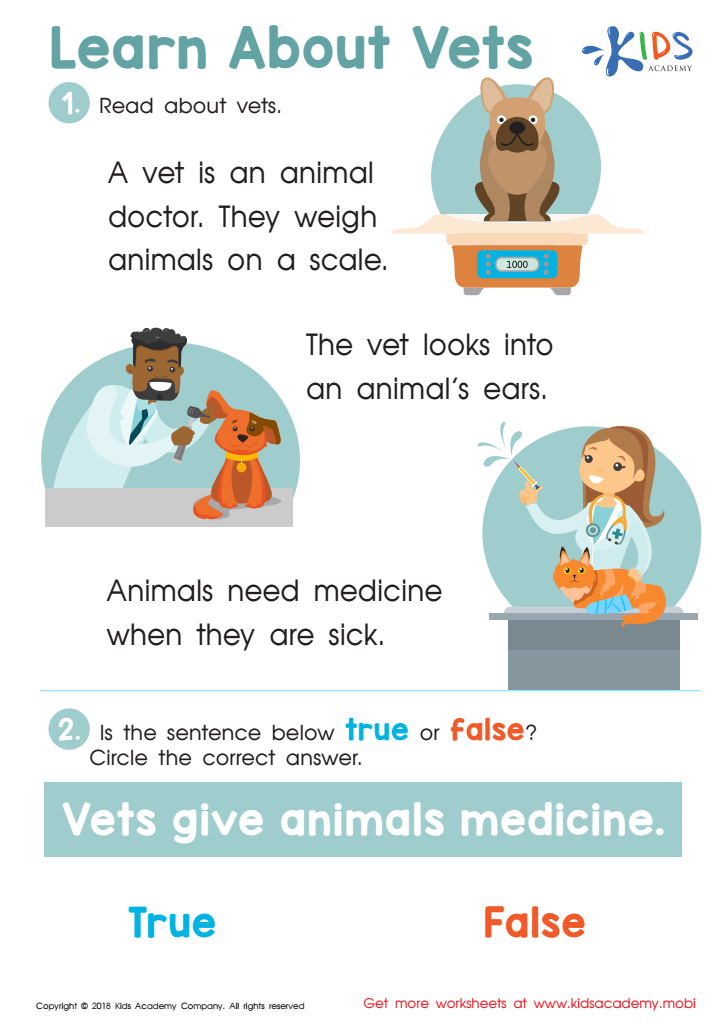
Learn About Vets Worksheet
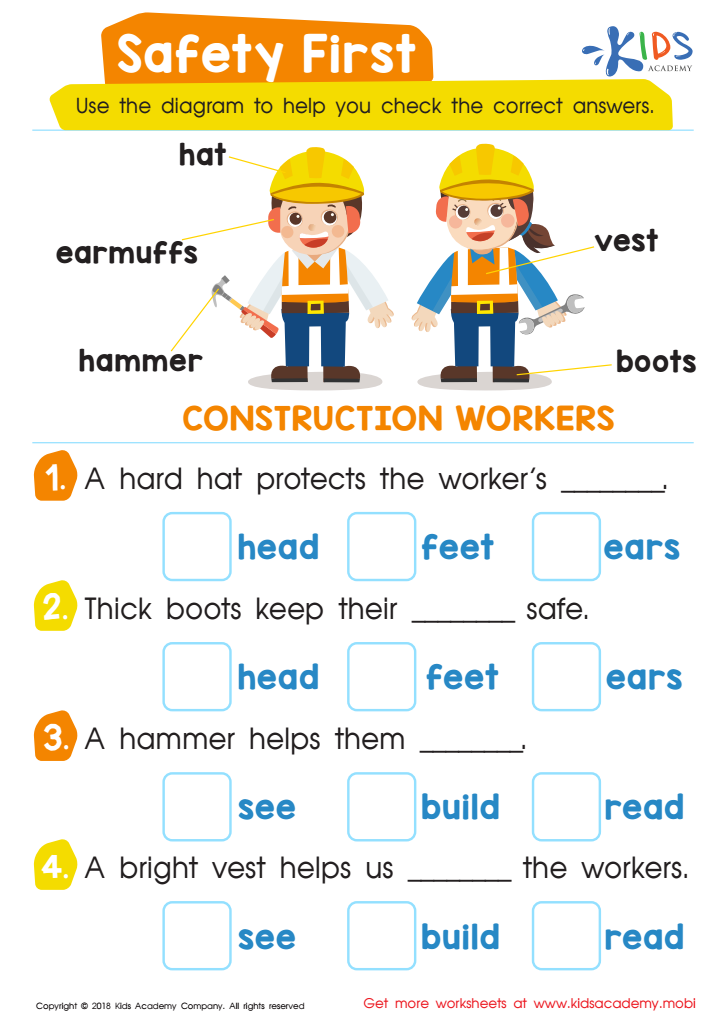
Safety First Worksheet
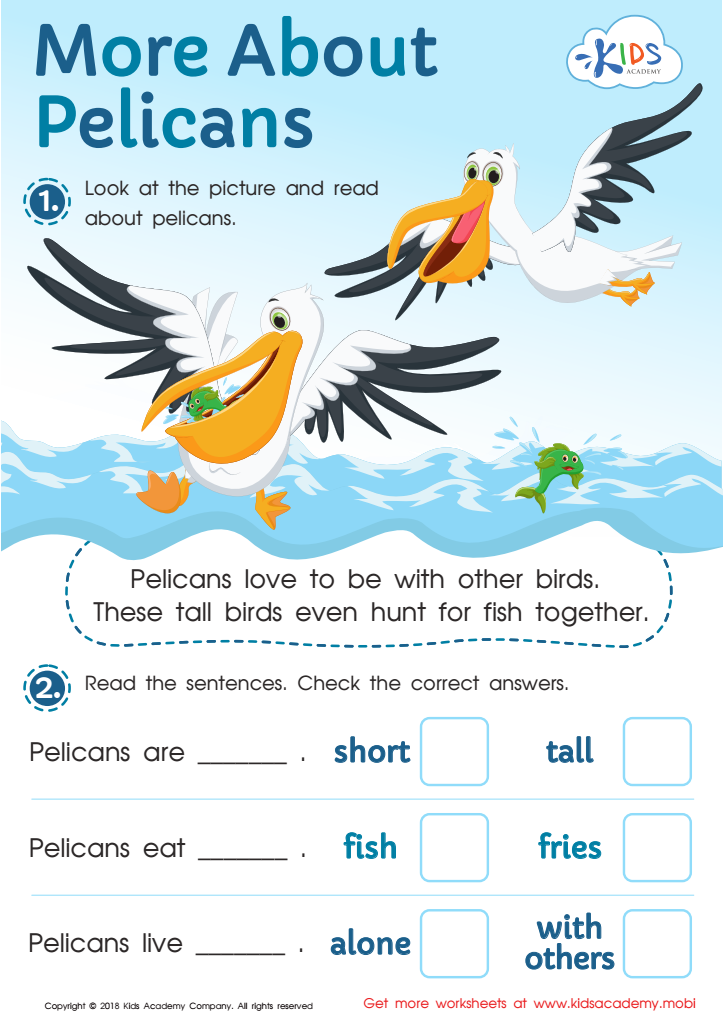
More About Pelicans Worksheet
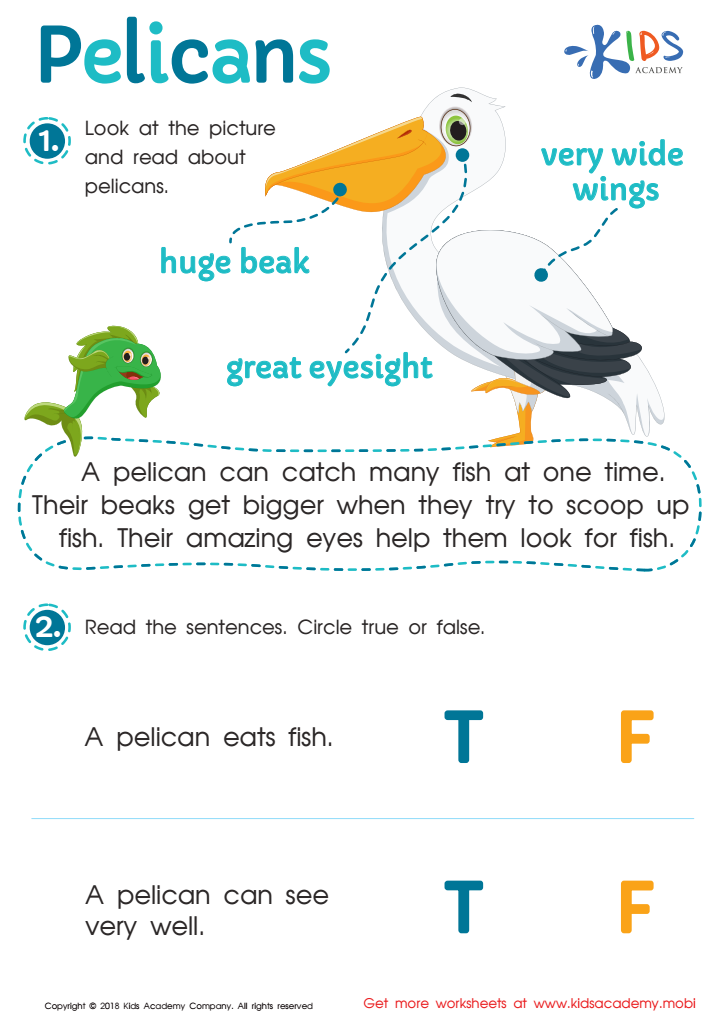
Pelicans Worksheet
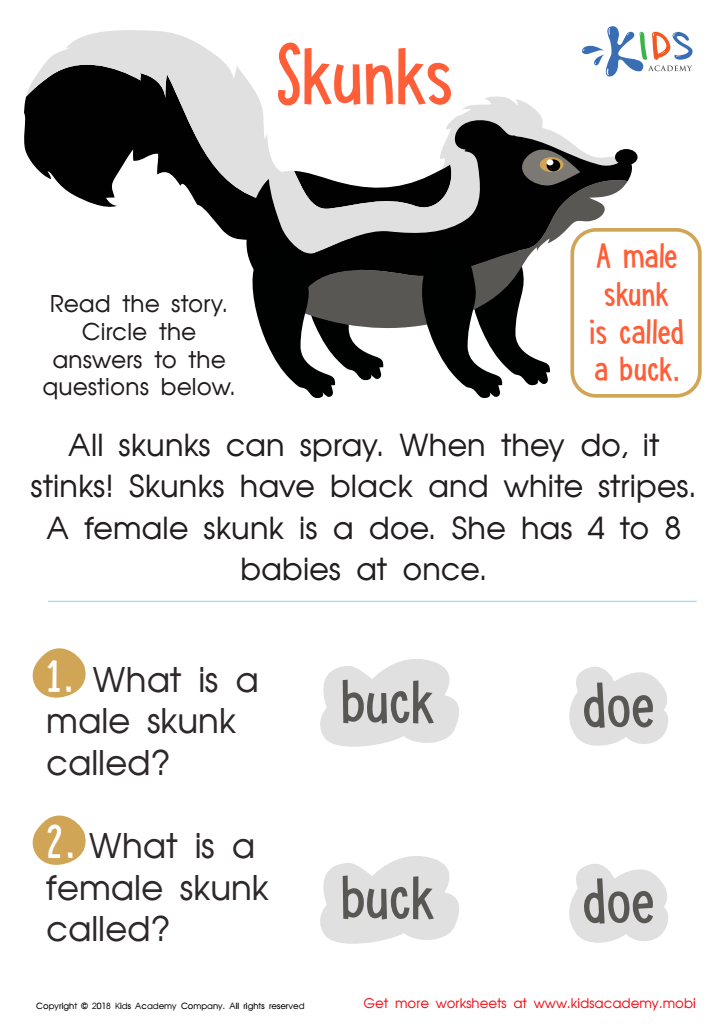
Skunks Worksheet
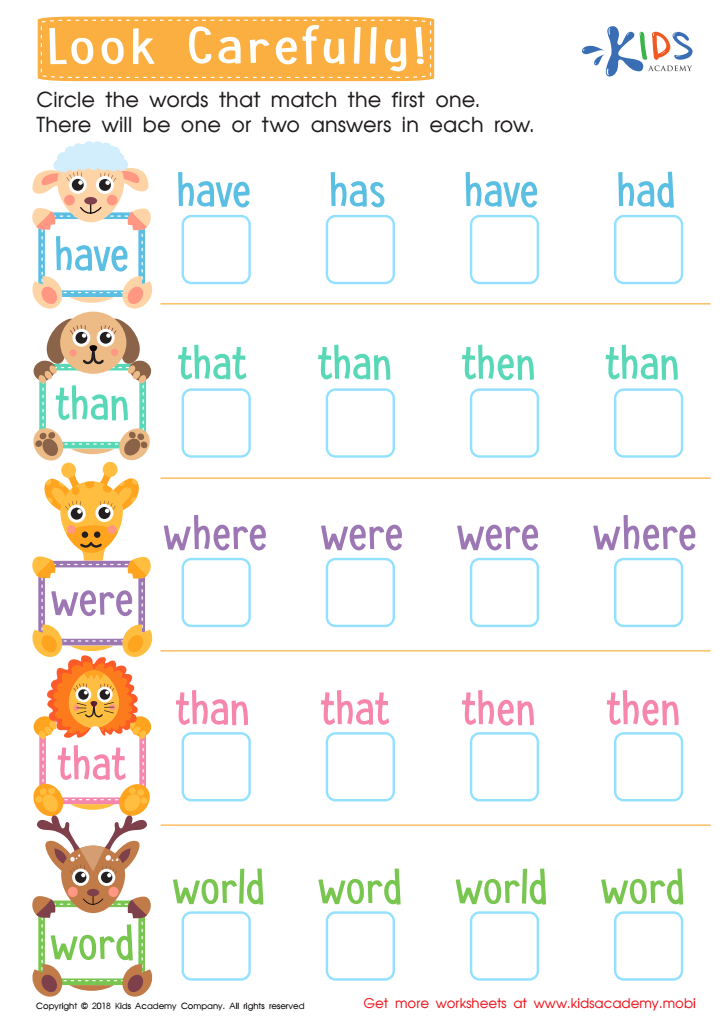
Look Carefully Worksheet
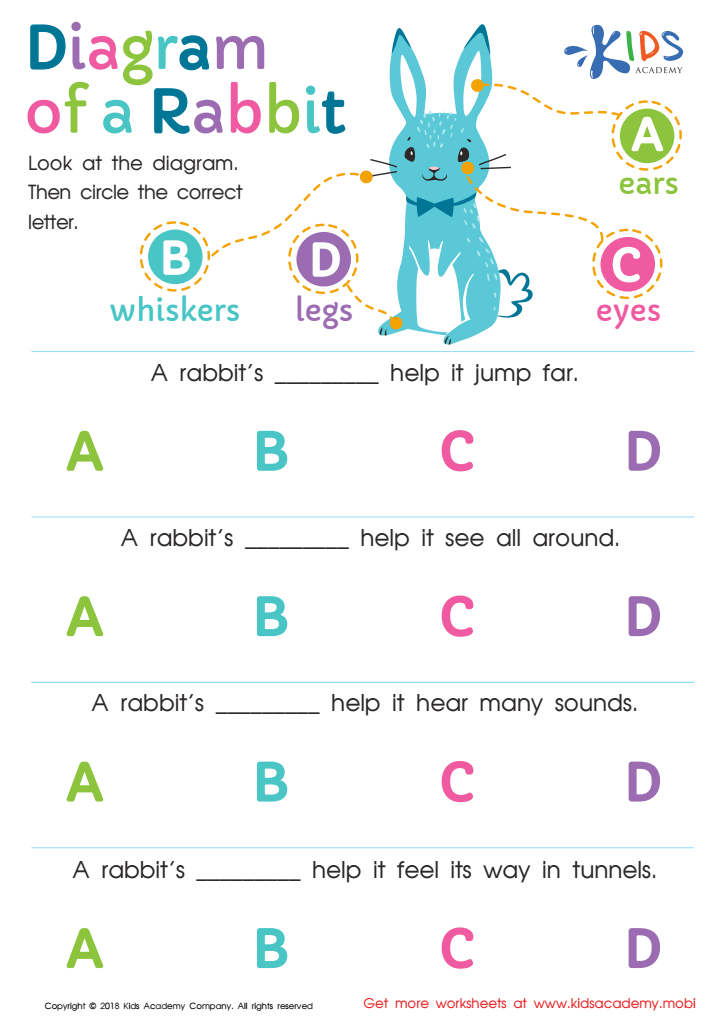
Diagram of a Rabbit Worksheet
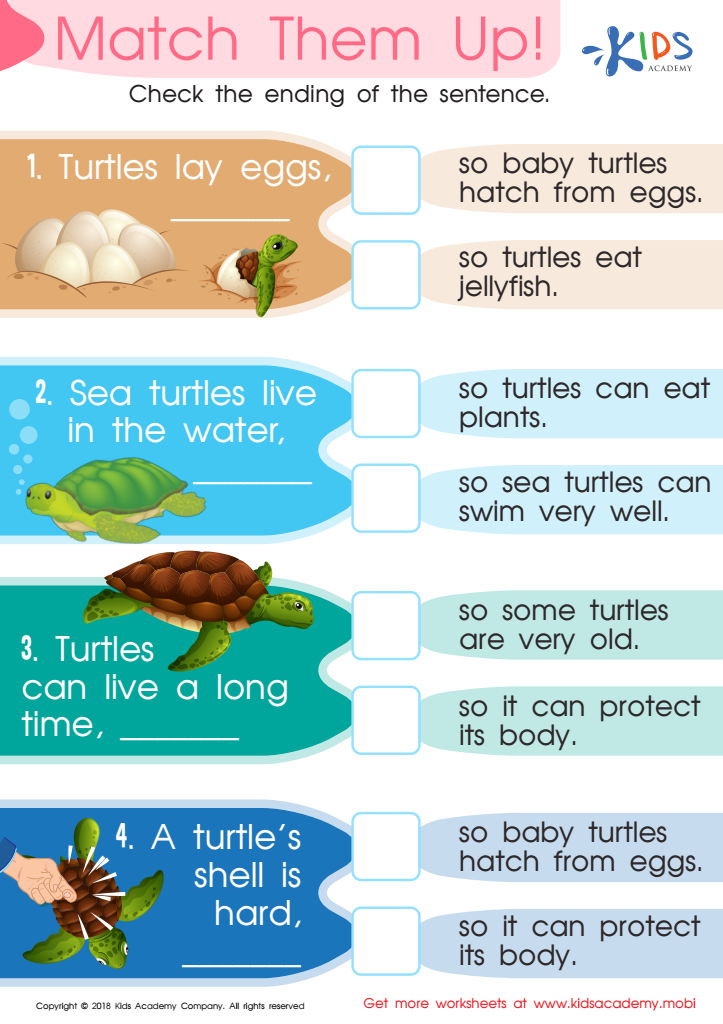
Match Them Up Worksheet
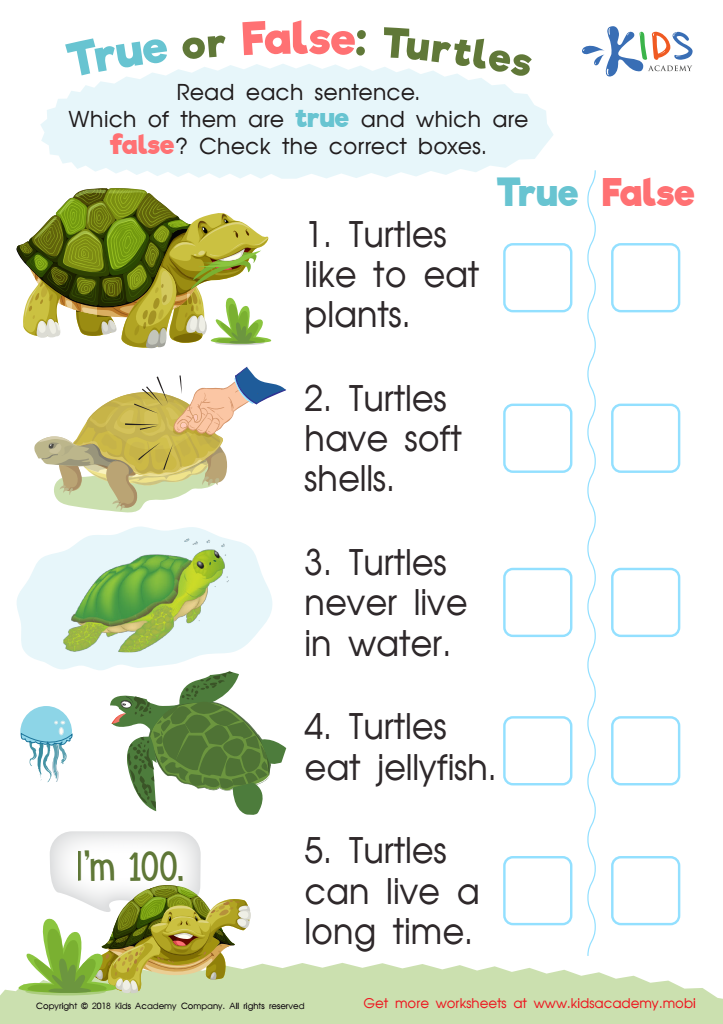
True or False: Turtles Worksheet
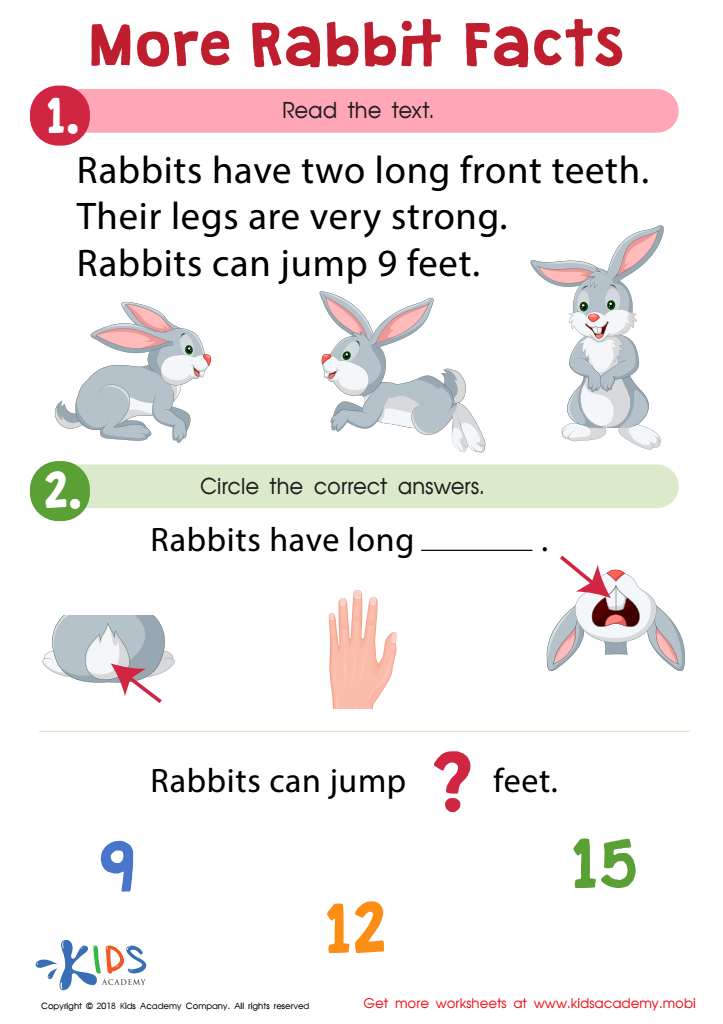
More Rabbit Facts Worksheet
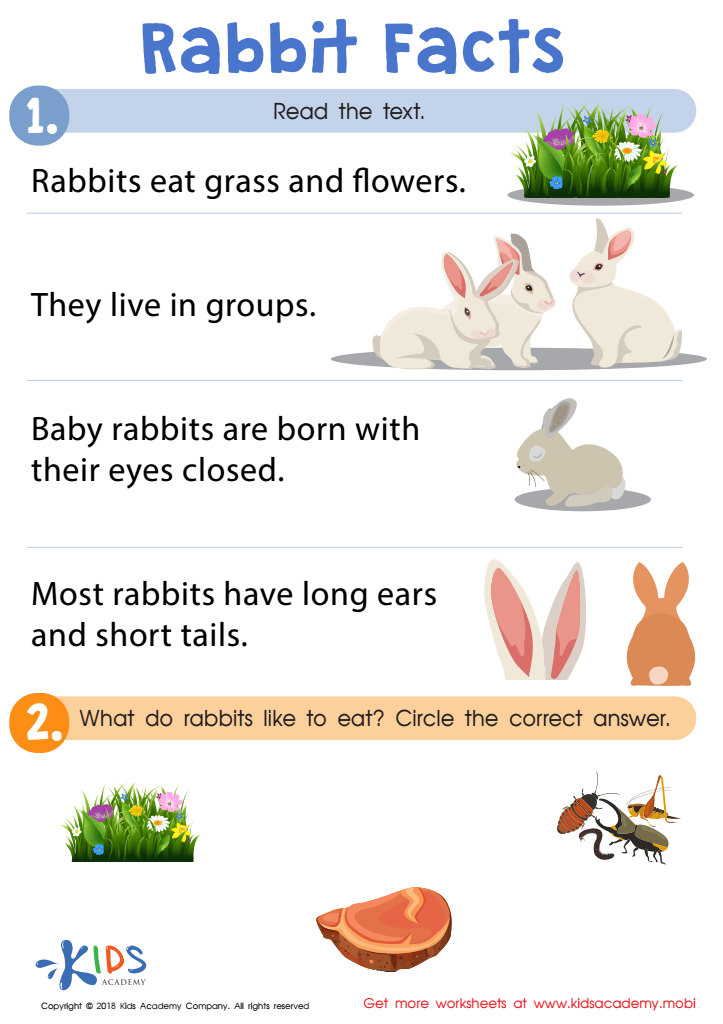
Rabbit Facts Worksheet
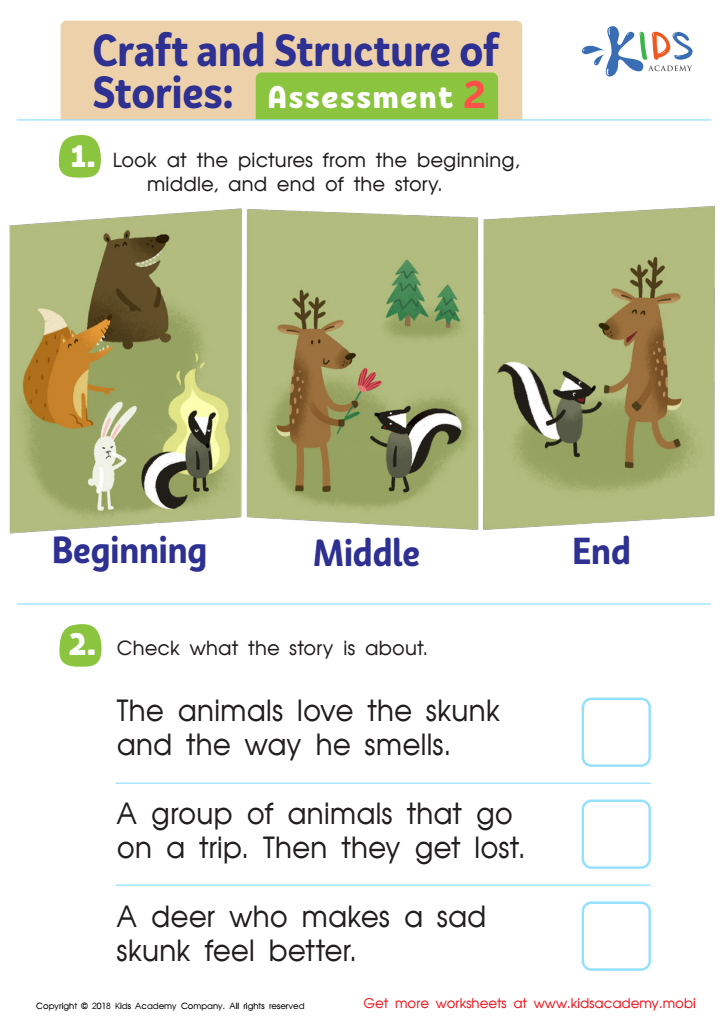
Craft and Structure of Stories: Assessment 2 Worksheet
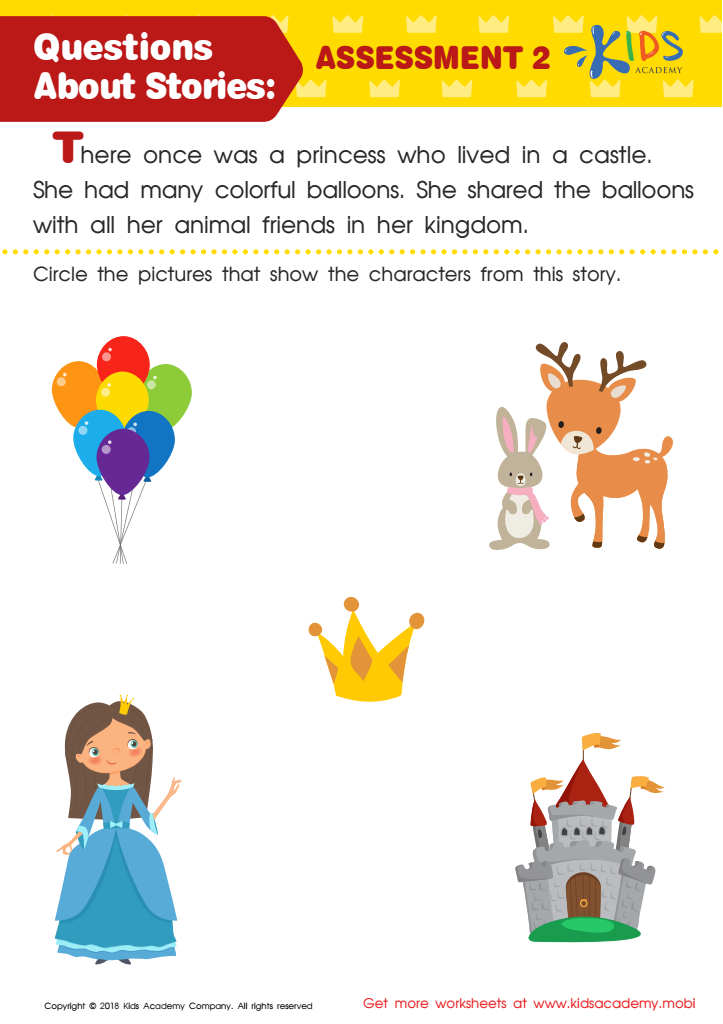
Questions About Stories: Assessment 2 Worksheet
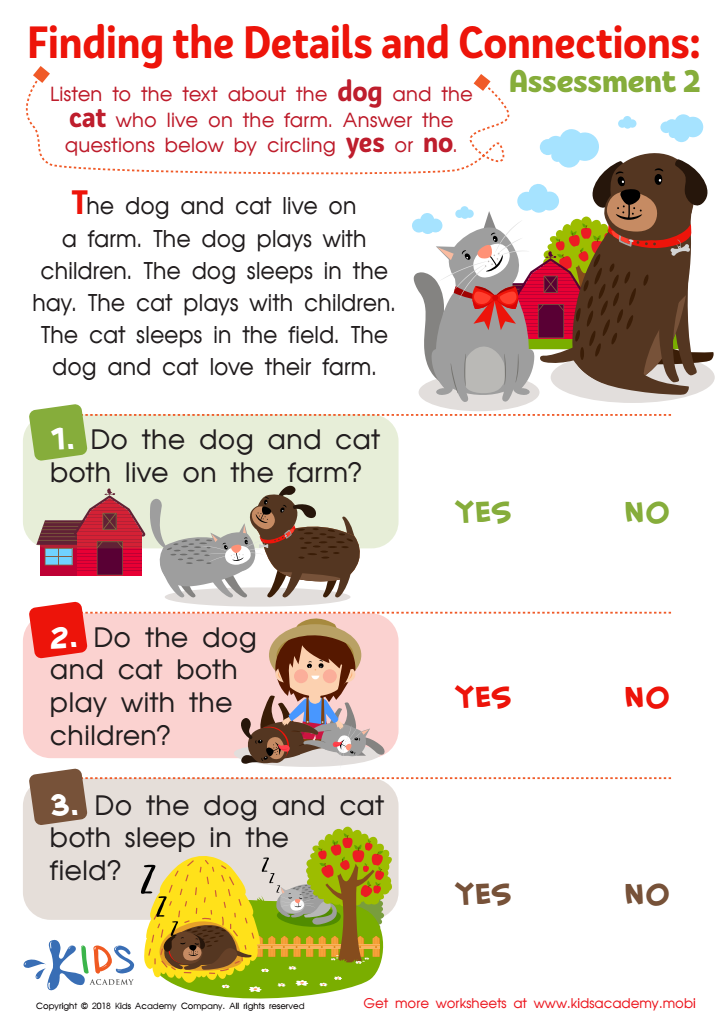
Finding the Details and Connections: Assessment 2 Worksheet




.jpg)


Normal reading comprehension for children aged 3-9 is crucial for several reasons. First, it lays the foundation for lifelong learning. During these formative years, children develop skills that affect their success in later educational stages. Comprehending text goes beyond just recognizing words; it involves grasping meanings, making connections, and drawing inferences, which are vital analytical skills.
Moreover, reading comprehension fosters cognitive development. As children engage with stories and informational texts, they expand their vocabulary and critical thinking skills. This helps them navigate not only academic content but also real-life situations requiring problem-solving.
Parents and teachers must also consider the emotional aspects of reading. Confident readers are more likely to enjoy literacy activities, engage in discussions about texts, and develop a love for reading. This engagement can lead to improved self-esteem and social skills, as children articulate their thoughts and interpretations.
Furthermore, reading comprehension is essential for academic success. Poor comprehension can lead to frustrations in learning across all subjects. By prioritizing reading skills in early education, parents and teachers can set children on a trajectory for success, ensuring they have the tools needed to thrive in school and beyond. Prioritizing these skills is an investment in a child's future.








