Normal Geography Worksheets for Ages 3-9 - Page 3
51 filtered results
-
From - To
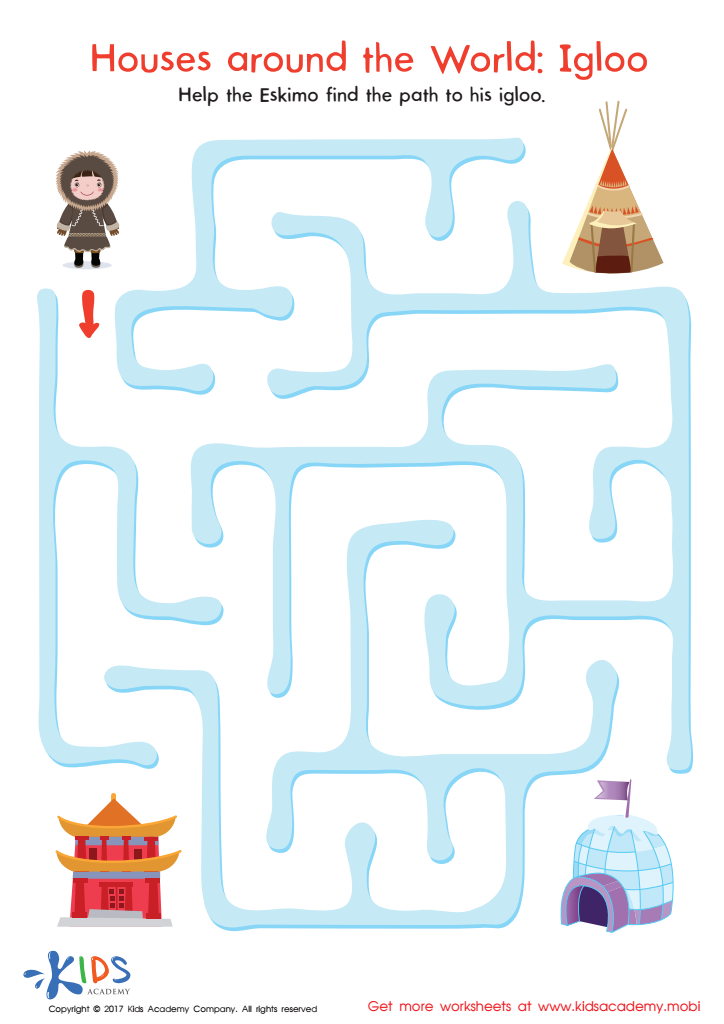
Houses Around the World: Igloo Printable
 Assign to My Students
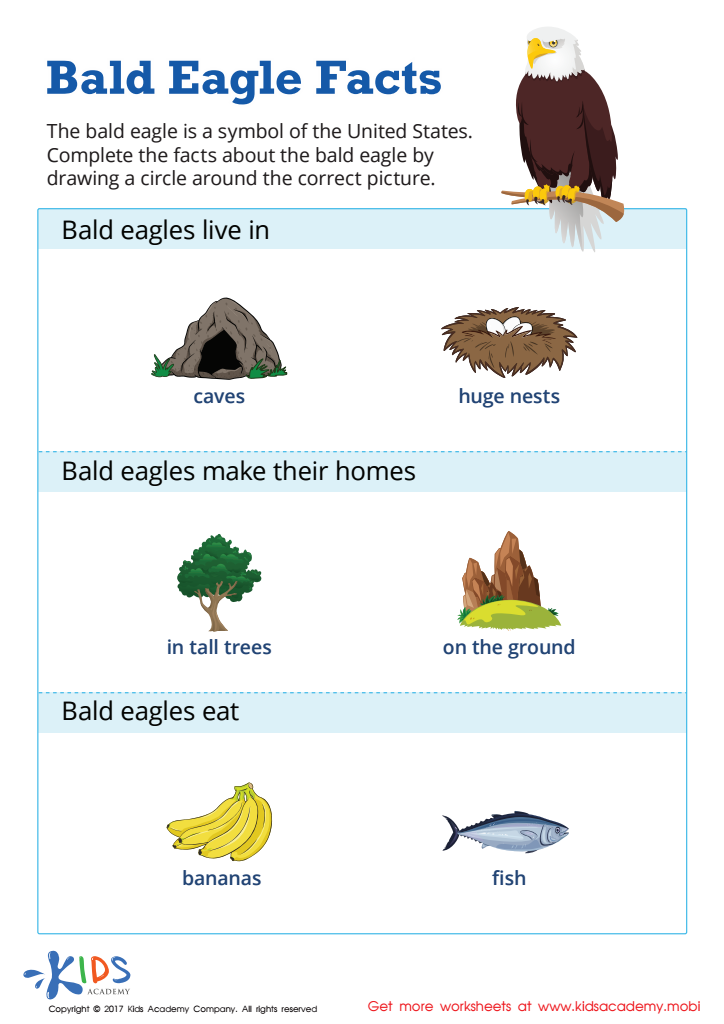
Bald Eagle Facts Worksheet
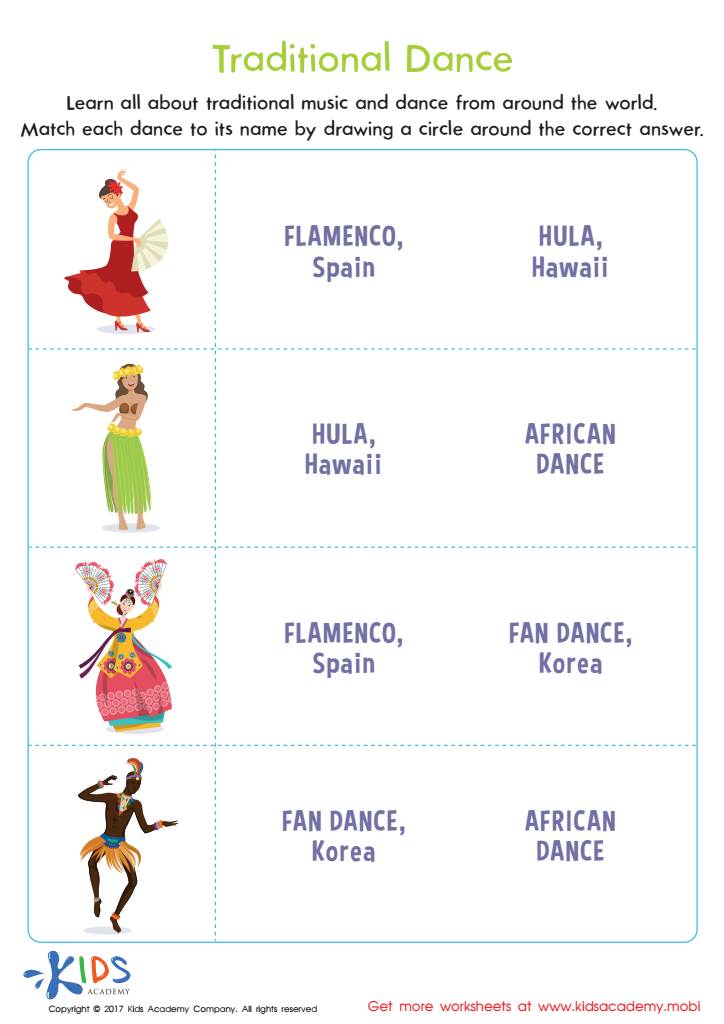
Traditional Dance Printable




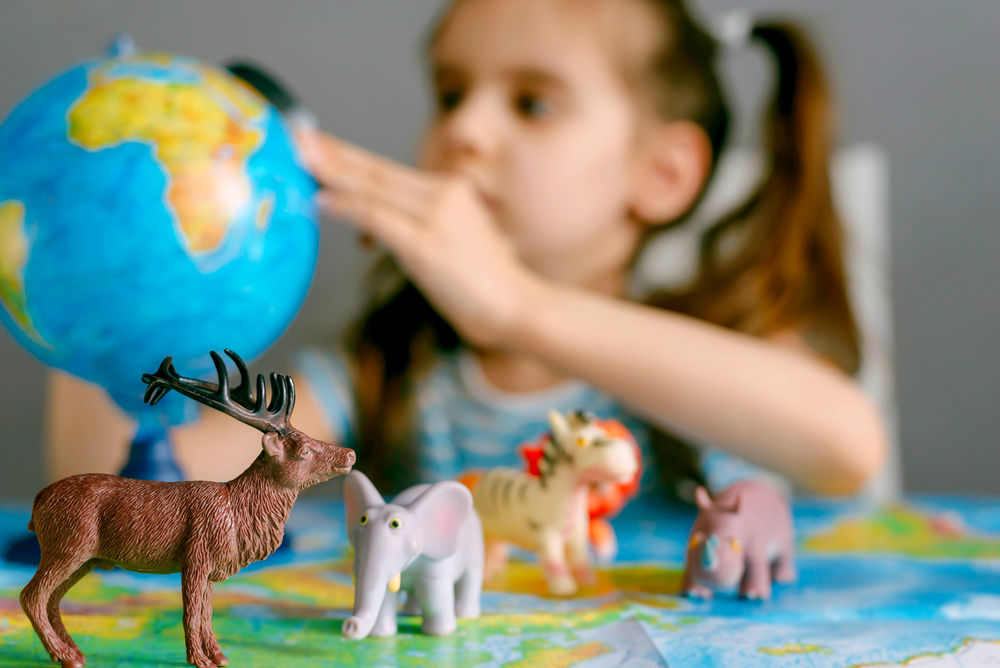


Introducing young children to basic geography is crucial for their overall cognitive and social development. For ages 3-9, understanding geography extends beyond memorizing maps and capitals — it's about sparking curiosity about the world. By teaching kids where different places are located and discussing the unique characteristics of various regions, parents and teachers can help them develop crucial life skills such as problem-solving and critical thinking.
First, basic geography lessons foster spatial awareness, allowing children to better grasp concepts of distance, scale, and direction. This foundation paves the way for learning math and science. Additionally, studying diverse geographic locations cultivates empathy and respect for different cultures, promoting social cohesion and inclusivity from an early age.
Geography also expands a child's vocabulary and comprehension skills. Learning new place names, landforms, and cultural practices enhances their linguistic abilities. Furthermore, it engages their imagination and encourages curiosity-driven learning as they start to ask questions about people, landscapes, and the relationships between them.
Finally, an understanding of geography lays the groundwork for future learning. Children who are geographically literate are more likely to appreciate the interconnectedness of global communities, leading to more informed and proactive global citizens. Encouraging an early interest in geography can thus provide lasting educational benefits well into adulthood.