Normal Governance and Civics Worksheets for Ages 3-9 - Page 2
41 filtered results
-
From - To
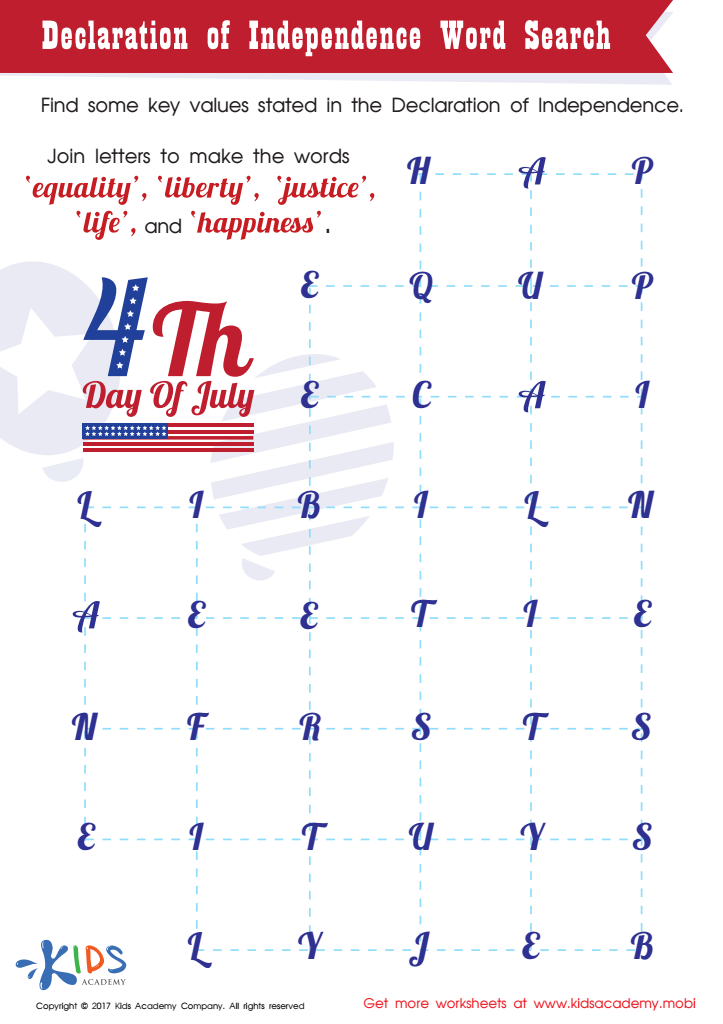
Declaration of Independence Word Search Printable
 Assign to My Students
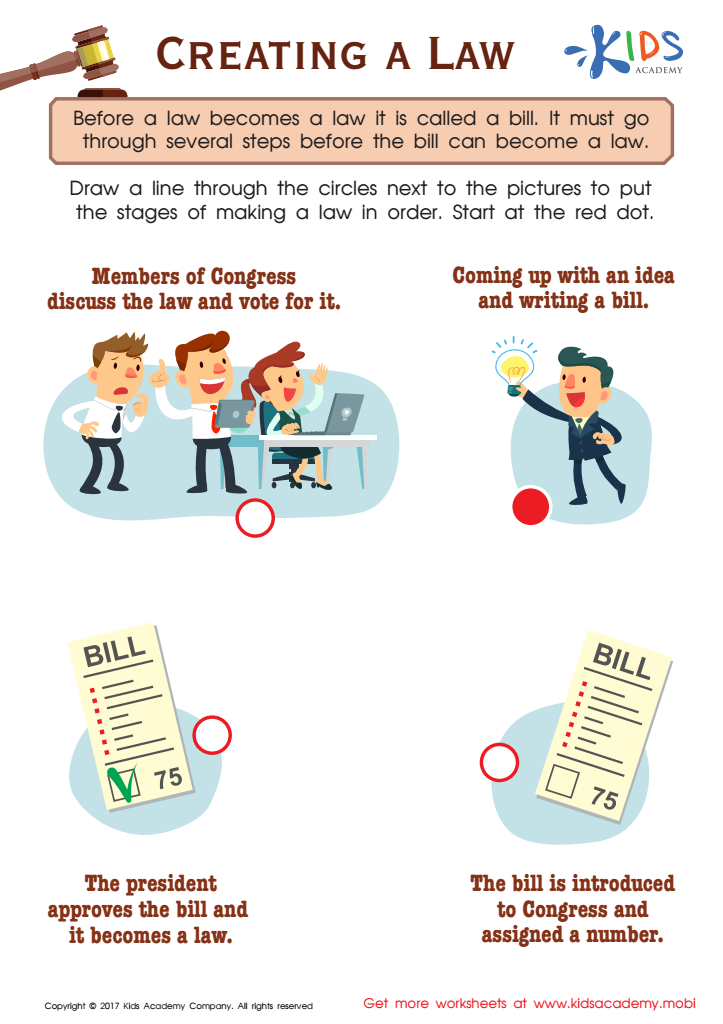
Creating a Law Worksheet
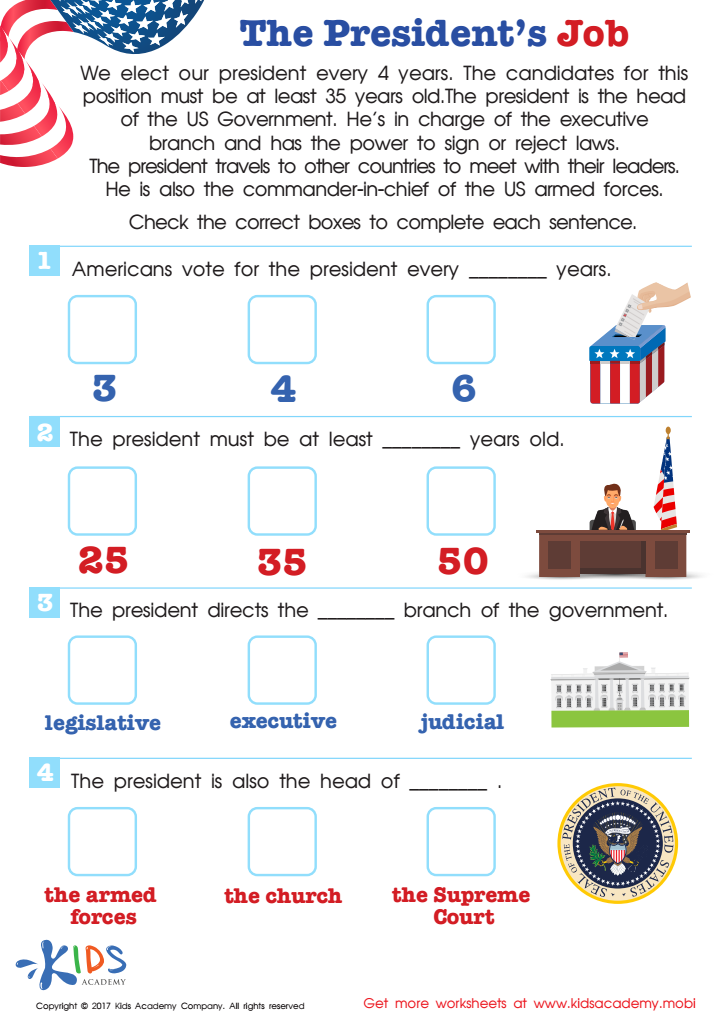
President of the USA Job Description Worksheet
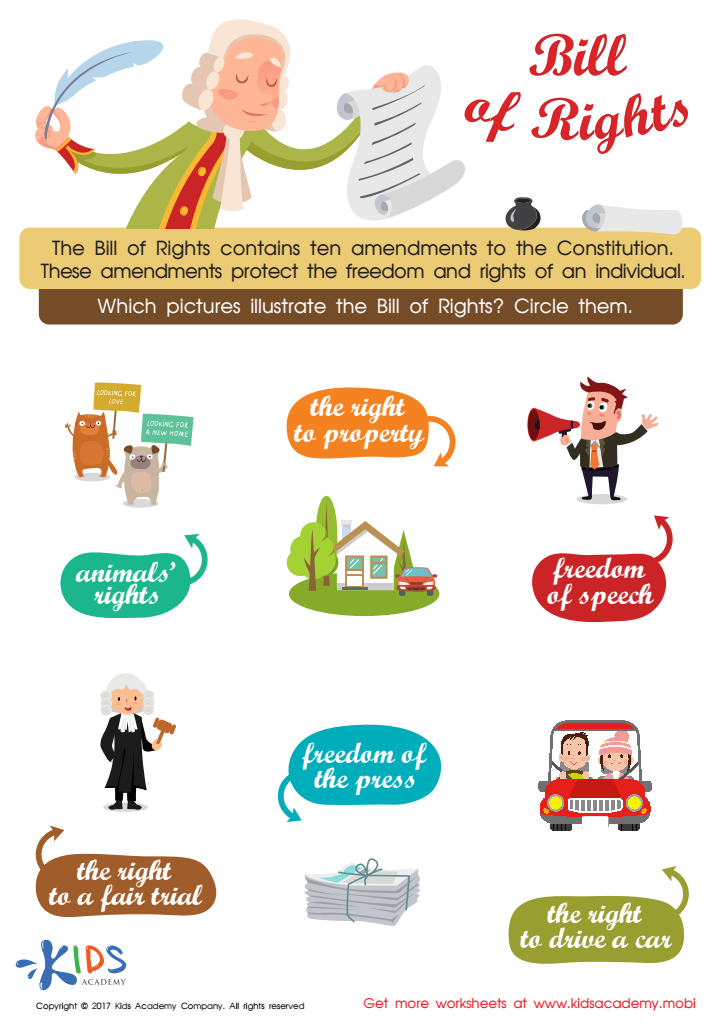
Bill of Rights Worksheet
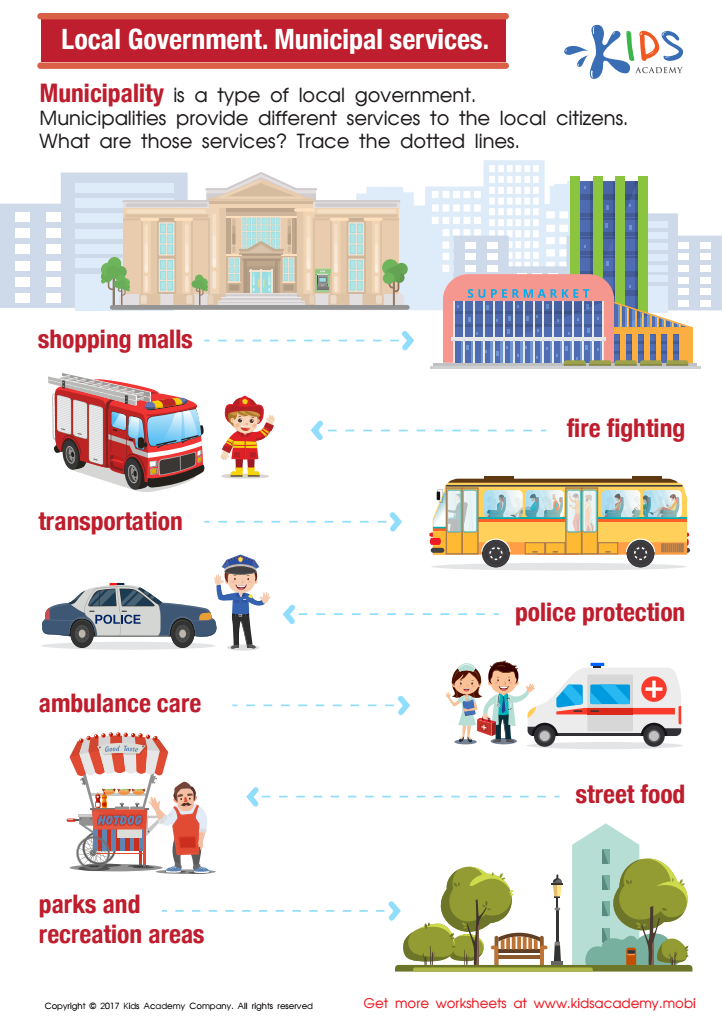
Local Government Worksheet
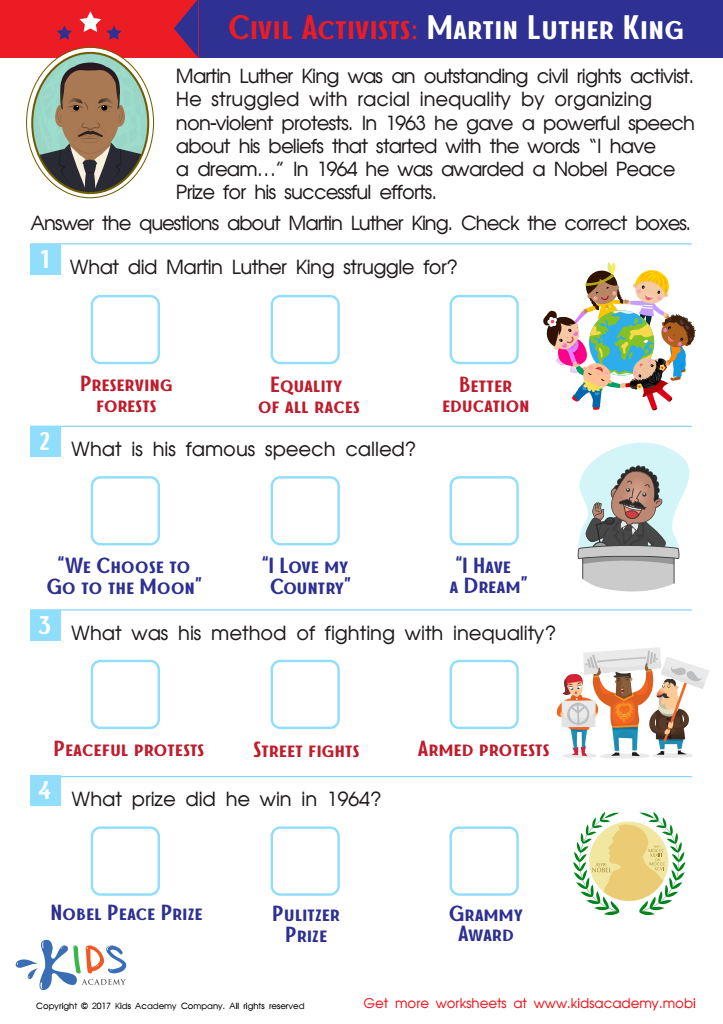
Martin Luther King Worksheet
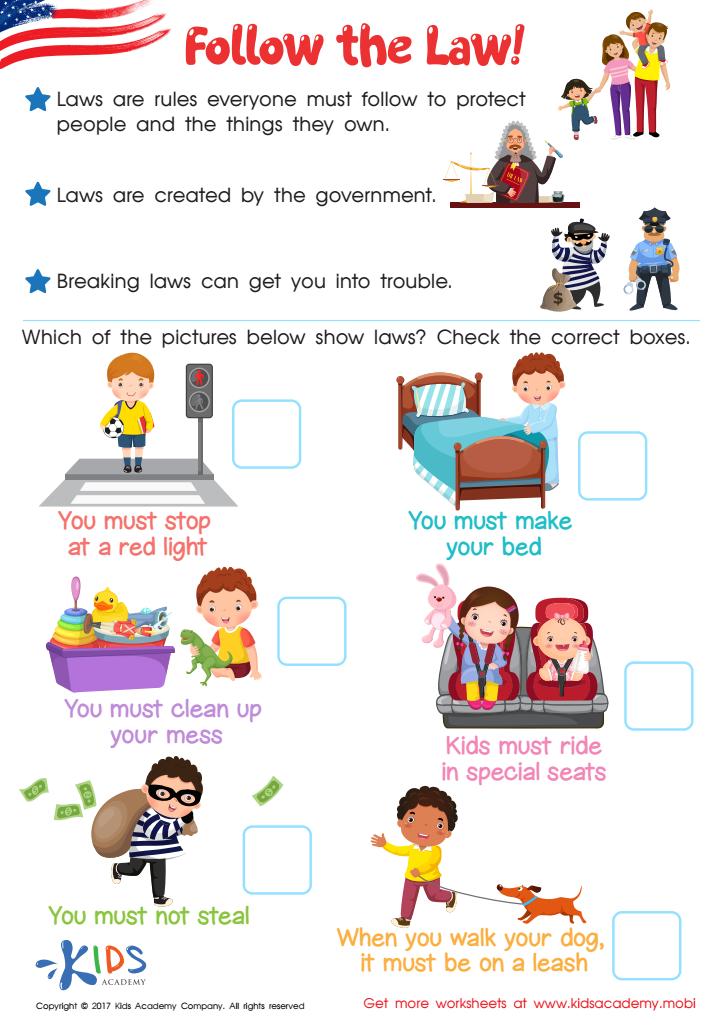
Follow the Law Worksheet
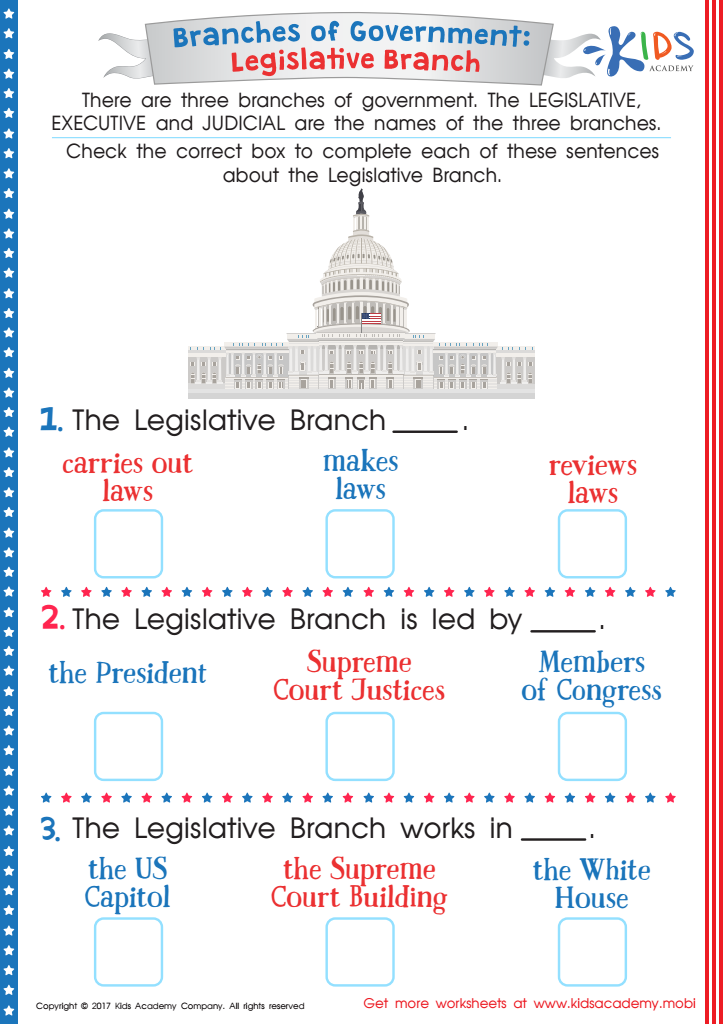
Branches of the Government: Legislative Branch Worksheet
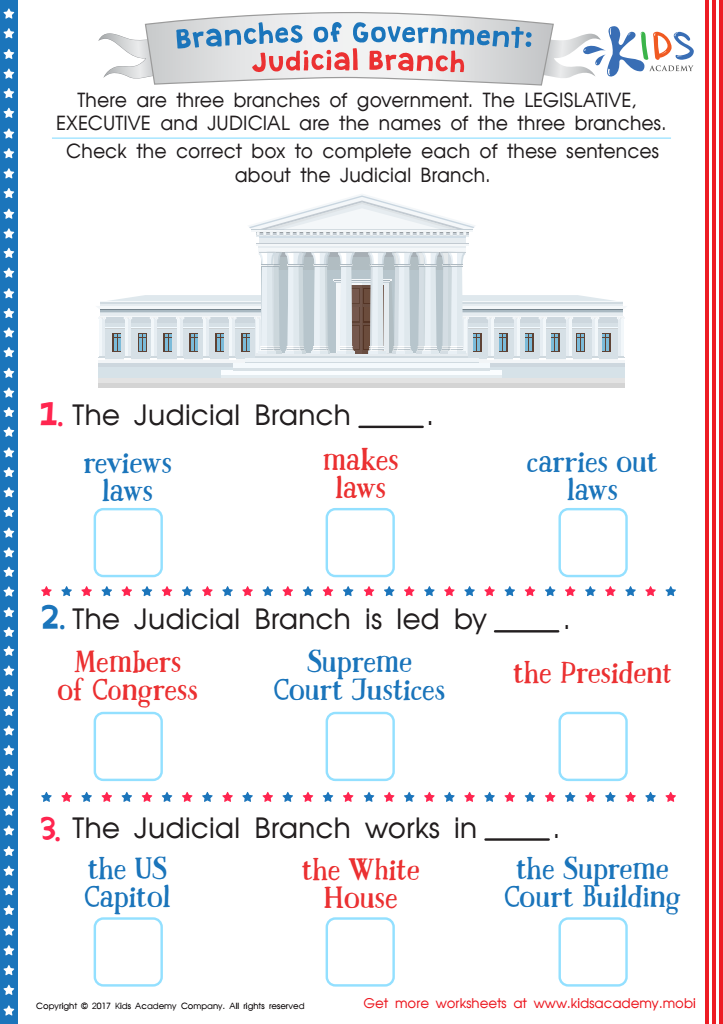
Braches of the Government: Judicial Branch Worksheet
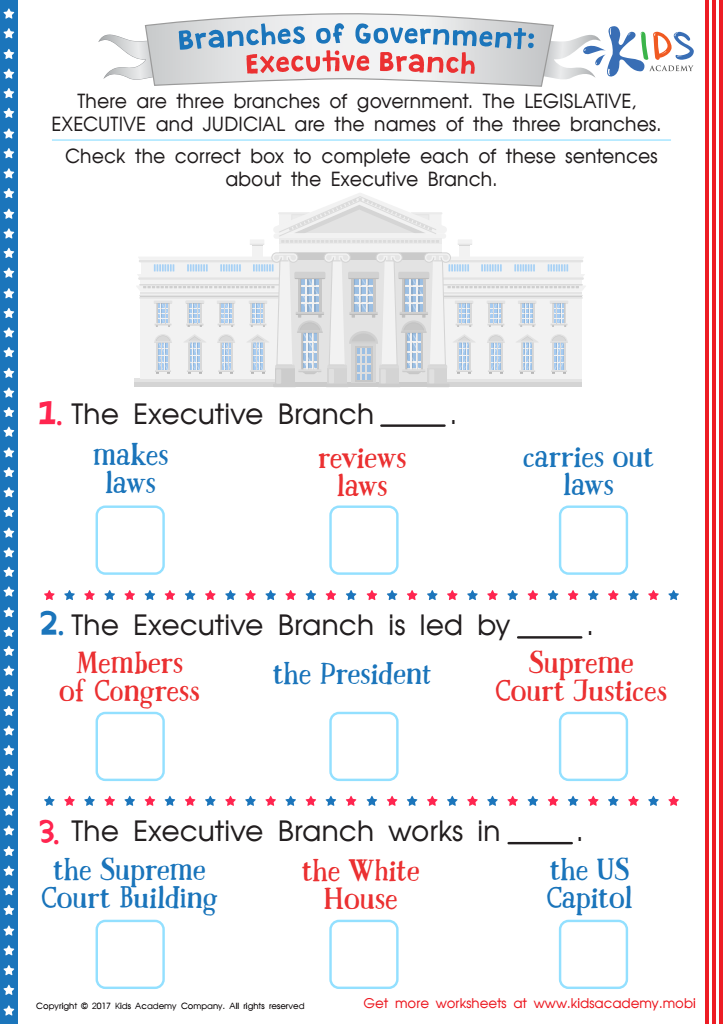
Branches of the Government: Executive Branch Printable
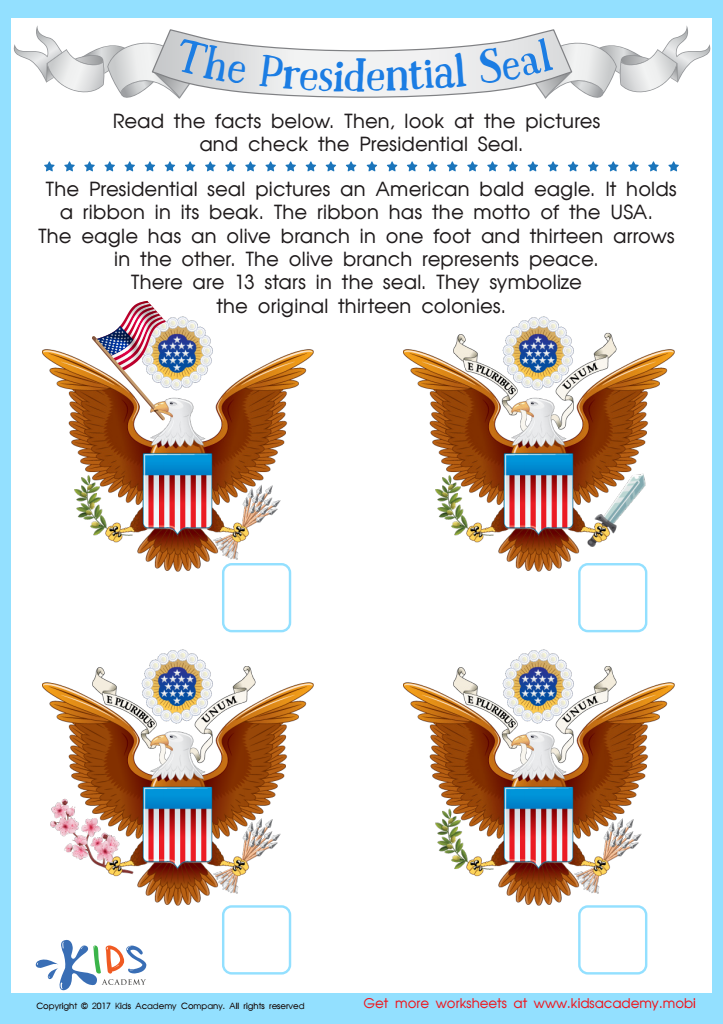
The Presidential Symbol Worksheet
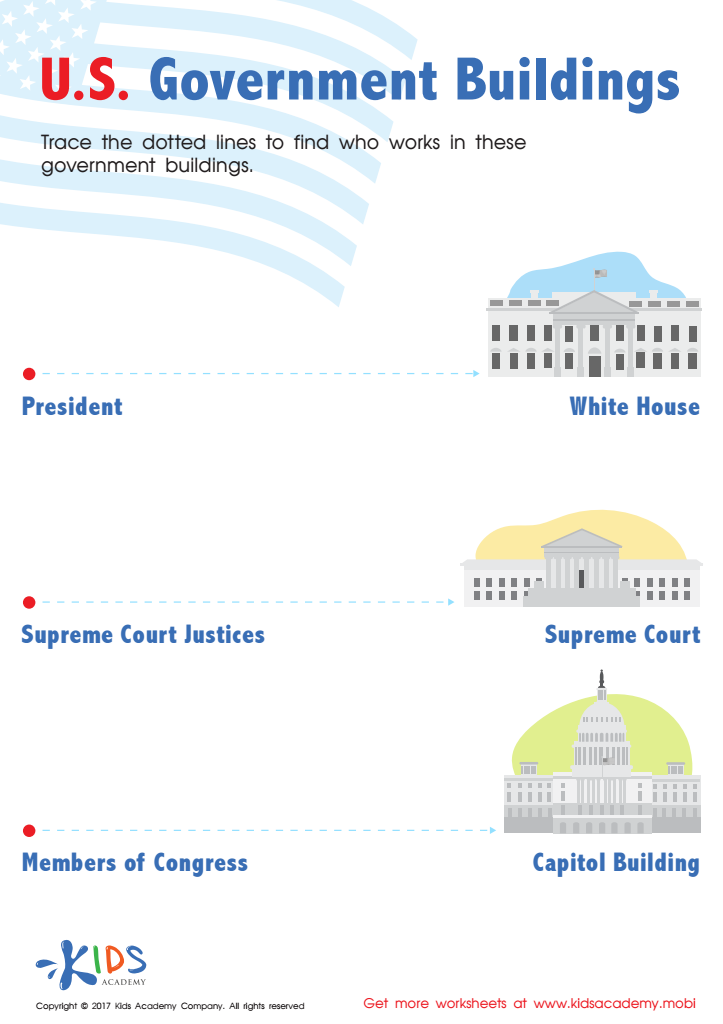
US Government Buildings Printable
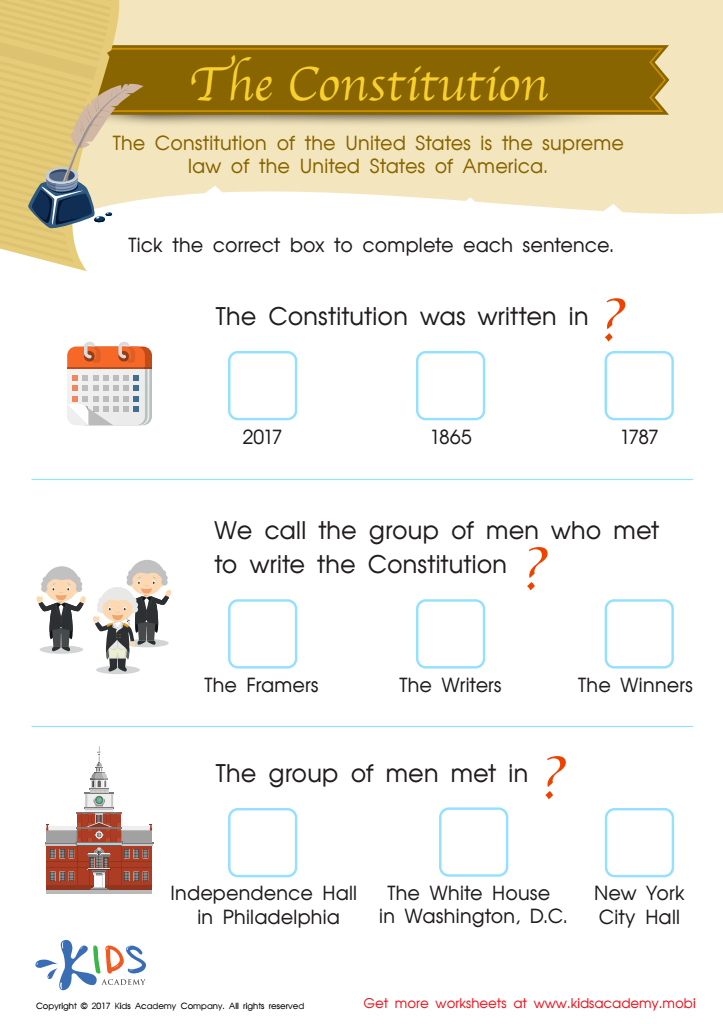
The Constitution Worksheet
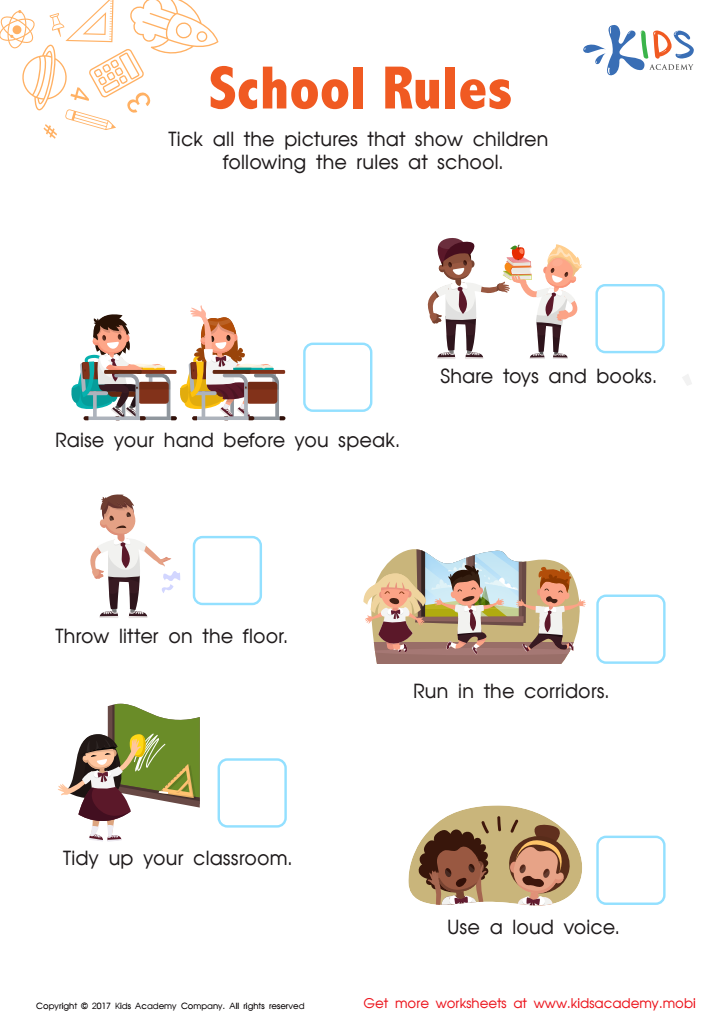
School Rules Worksheet
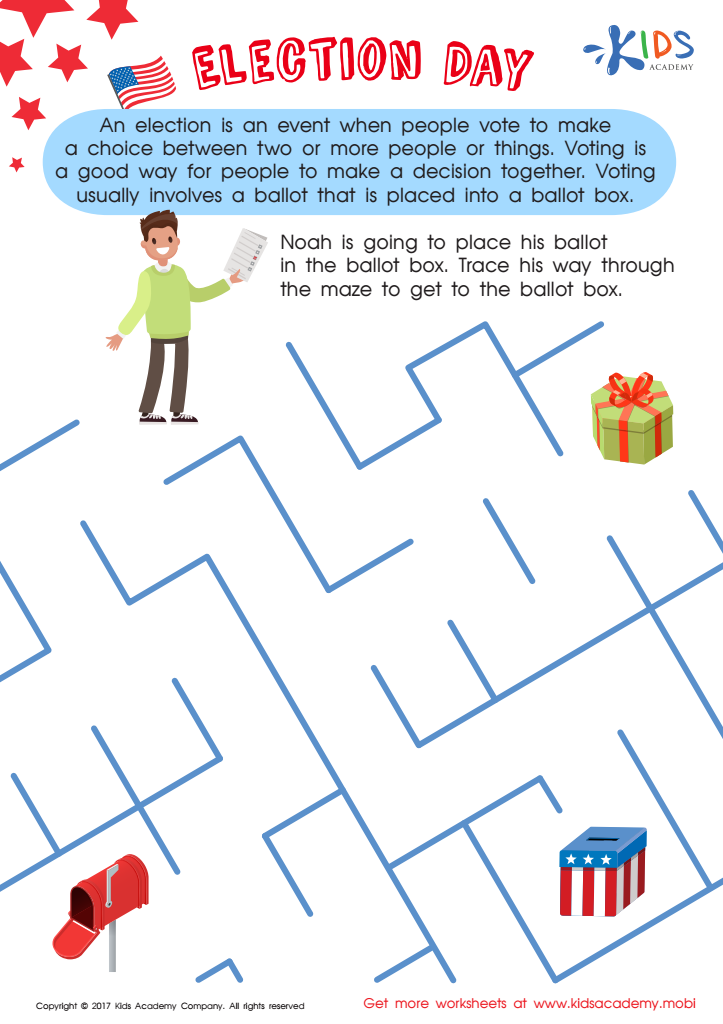
Election Day Worksheet
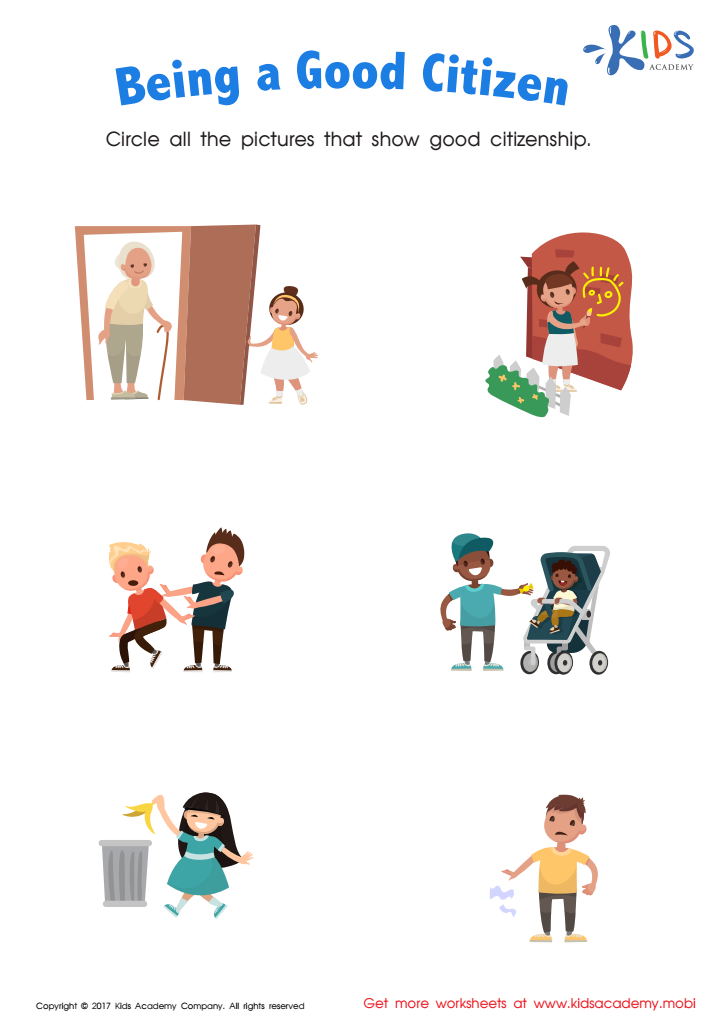
Being a Good Citizen Printable
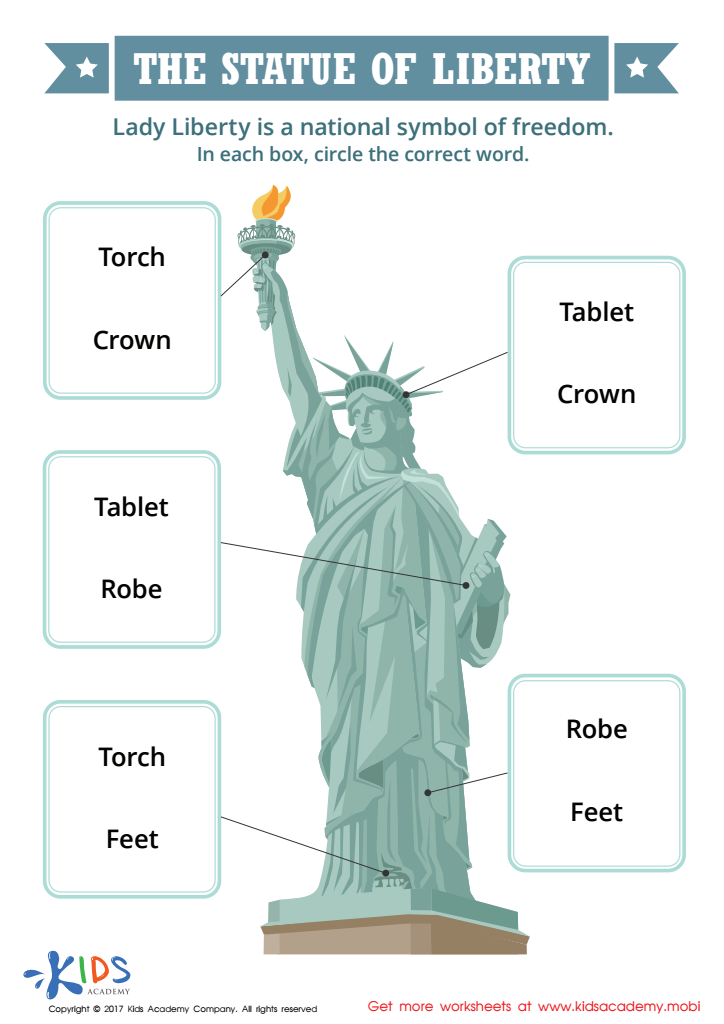
The Statue of Liberty Printable


Normal Governance and Civics education for children ages 3-9 is crucial for nurturing informed and engaged future citizens. Early exposure helps children understand basic concepts of community, responsibility, and respect for rules, laying the groundwork for their role in society. At this age, kids begin to forge identities as members of families, classes, and communities; incorporating civics into their learning fosters a sense of belonging and citizenship.
Educators and parents play a vital role in shaping attitudes. When they teach the importance of democracy, fairness, and active participation, children learn to express their opinions and appreciate diverse perspectives. This foundational knowledge equips them with critical thinking skills and emotional intelligence, essential for collaboration and conflict resolution.
Moreover, nurturing civic understanding from an early age can counteract apathy as children grow older. Discussions about fairness, sharing, and community involvement can inspire lifelong habits of civic engagement, such as voting and volunteering. Ultimately, strong civic awareness in young students promotes a culture of inclusivity and respect, vital for harmonious communities. By prioritizing Normal Governance and Civics, parents and teachers contribute to cultivating responsible, empathetic individuals, ready to positively impact society as they mature.








