Normal Upper & Lowercase Letters Worksheets for Ages 4-7 - Page 2
44 filtered results
-
From - To
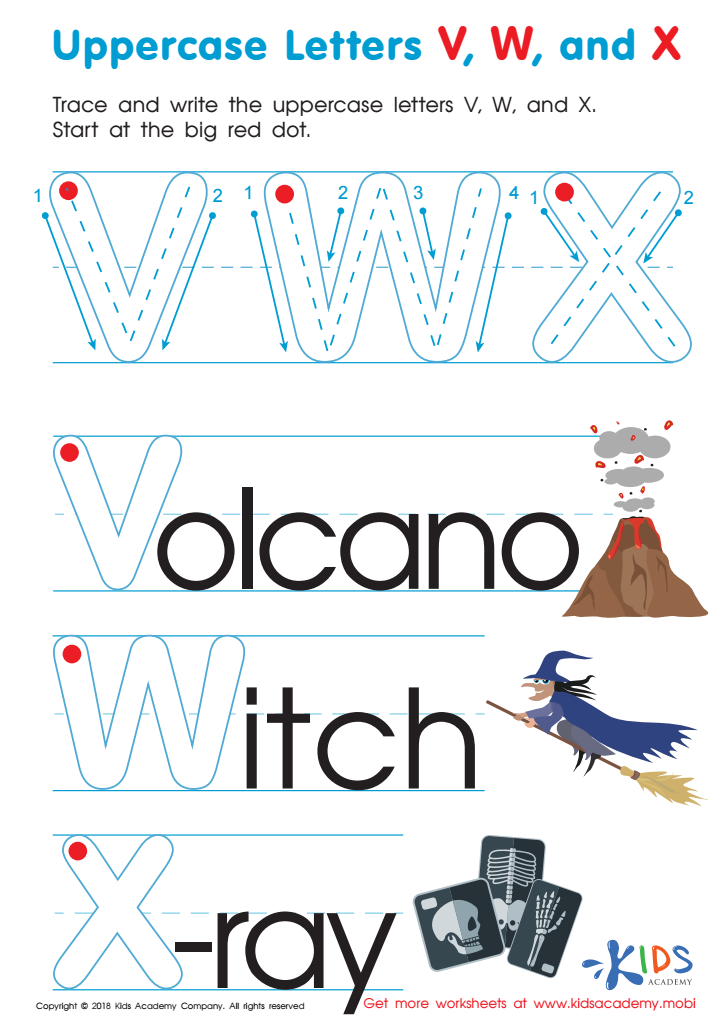
Uppercase Letters V, W, and X Worksheet
 Assign to My Students
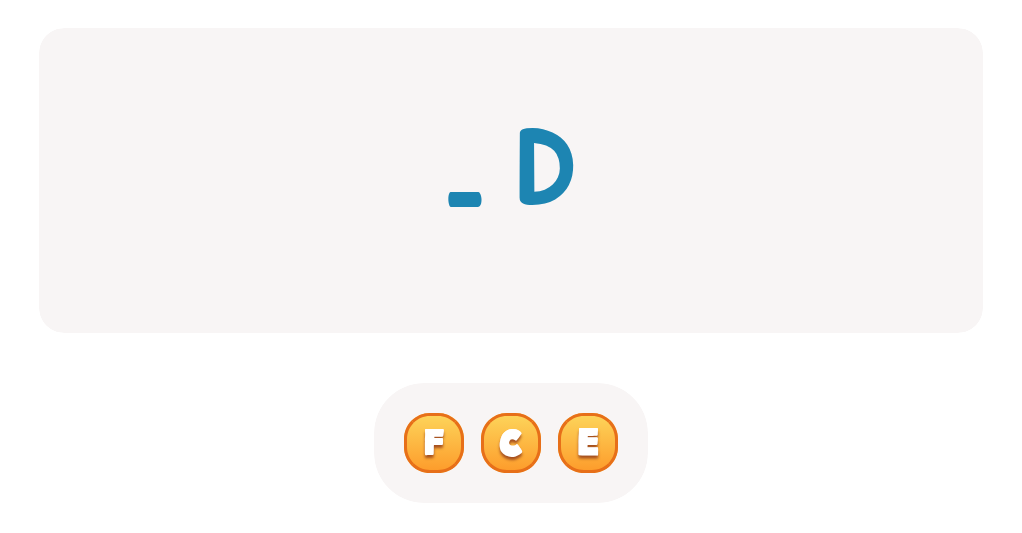

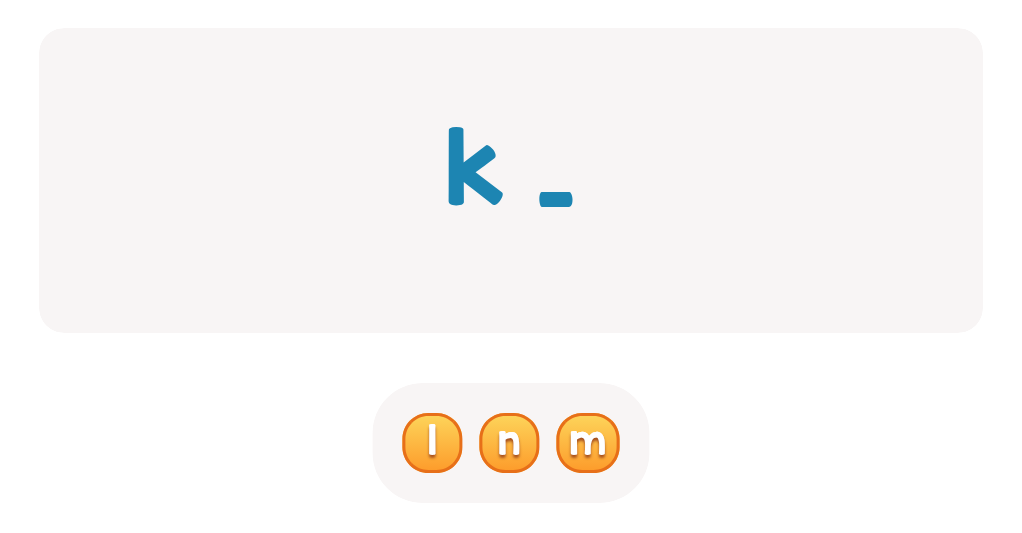
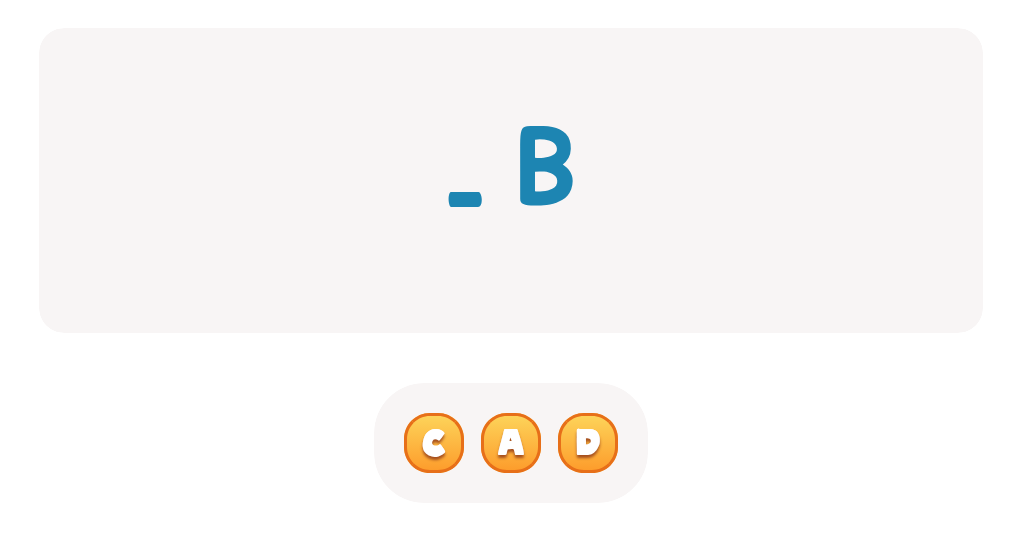
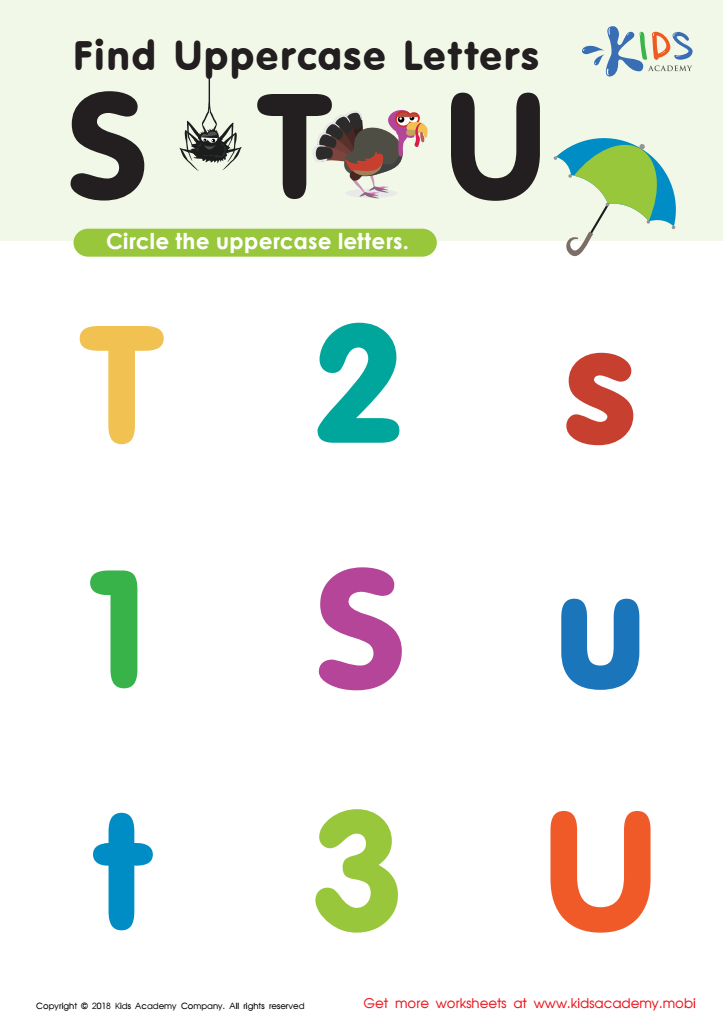
Find Uppercase Letters Worksheet
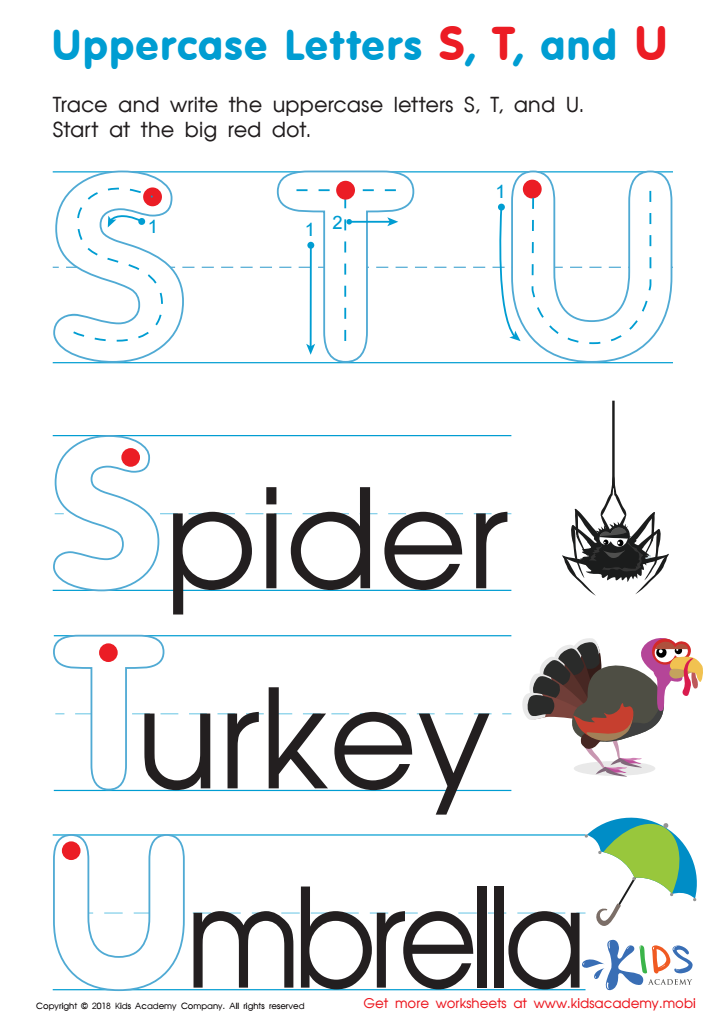
Uppercase Letters S, T, and U Worksheet
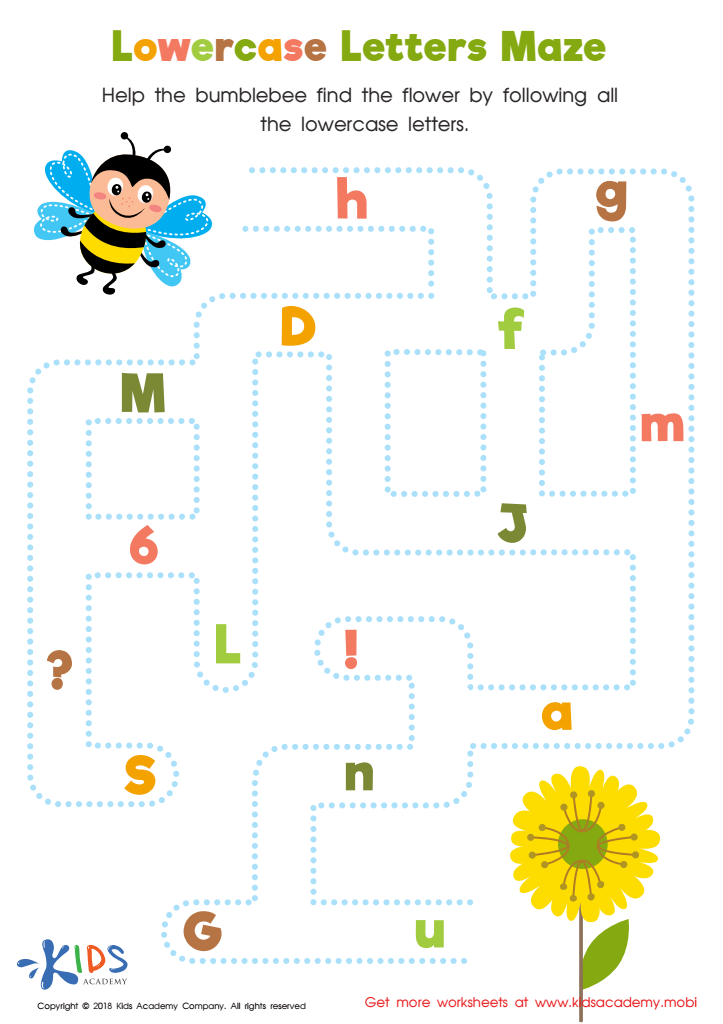
Lowercase Letters Maze Worksheet
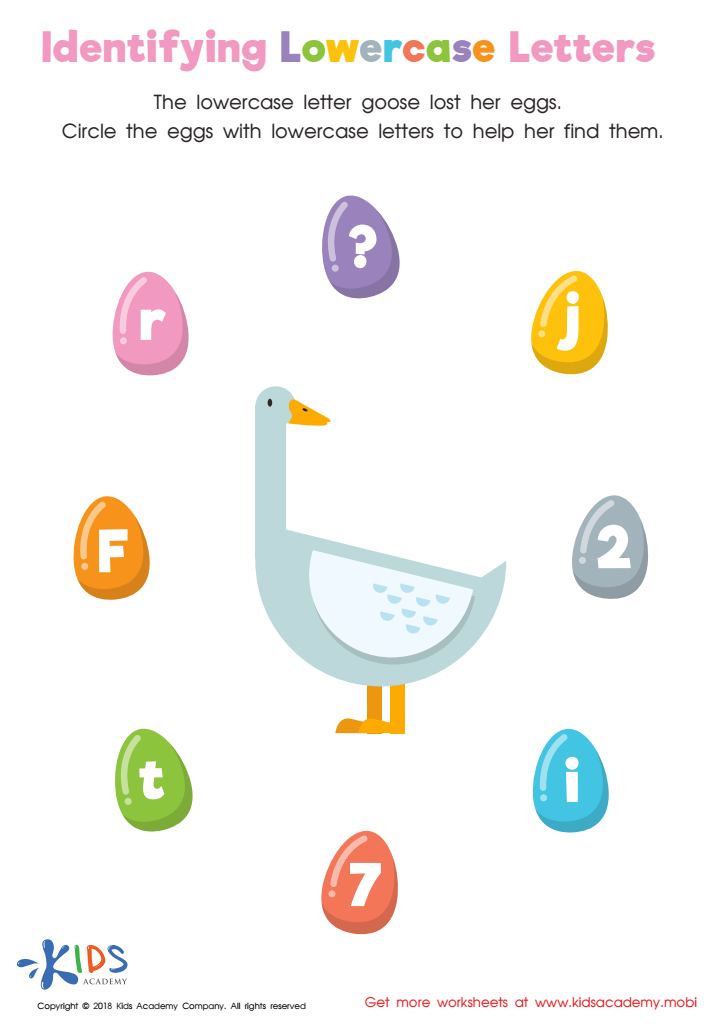
Identifying Lowercase Letters Worksheet
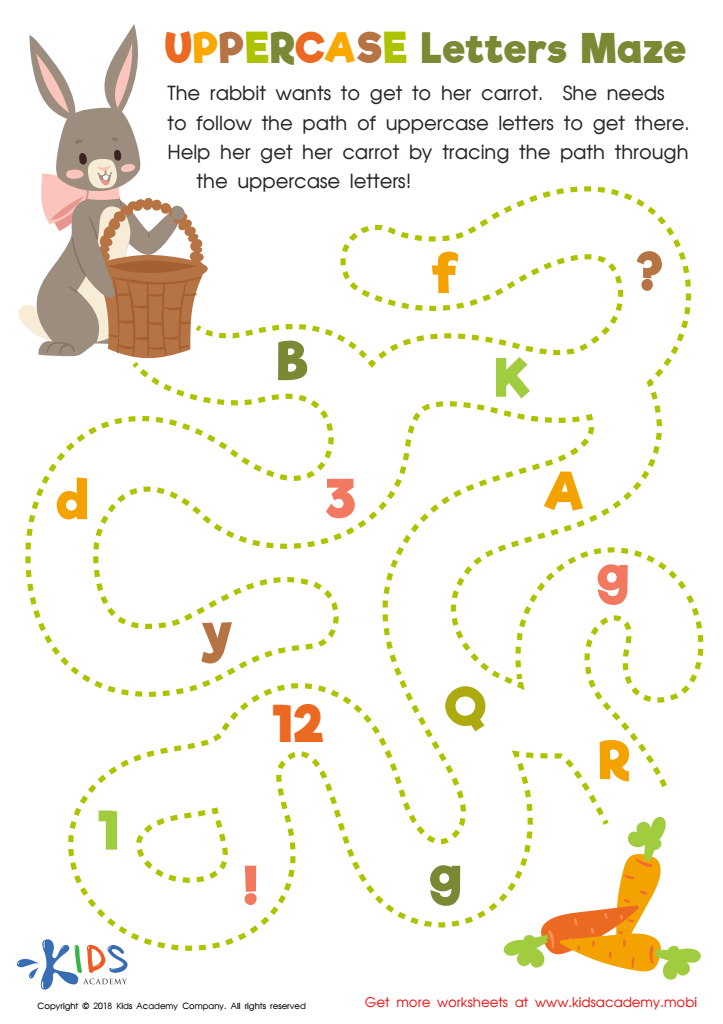
Uppercase Letters Maze Worksheet
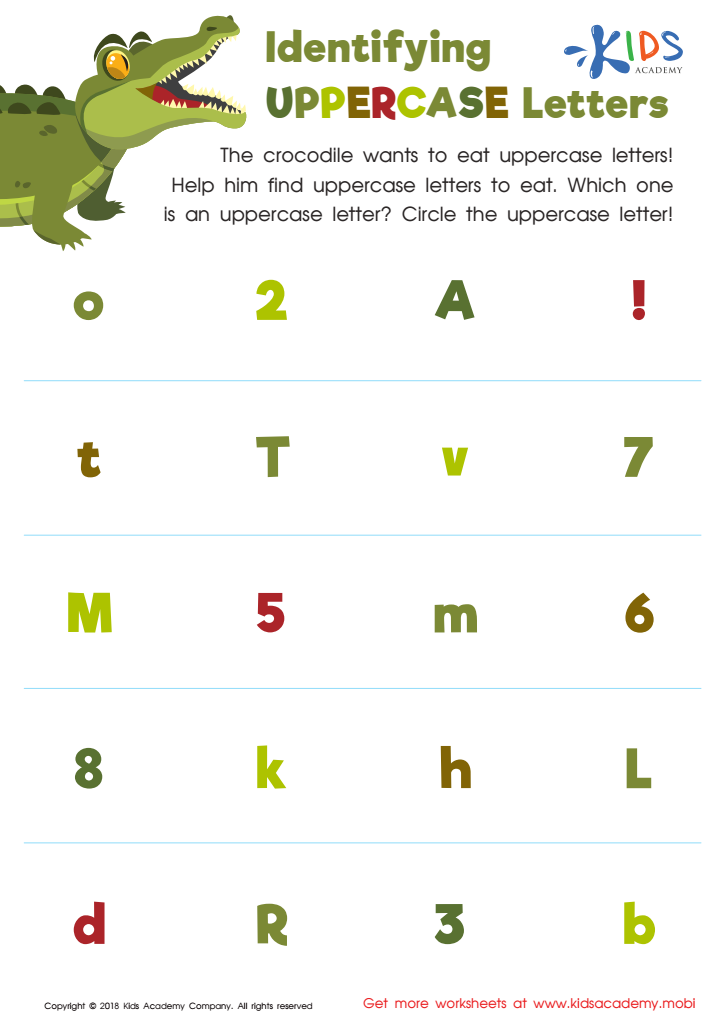
Identifying Uppercase Letters Worksheet
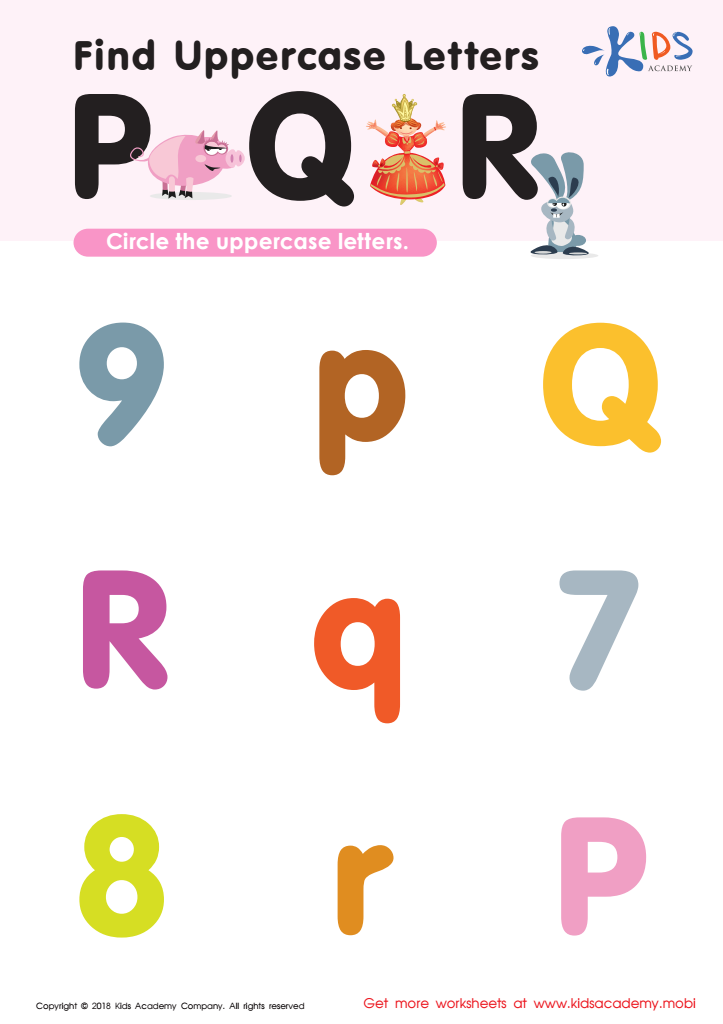
Find Uppercase Letters P, Q, and R Worksheet
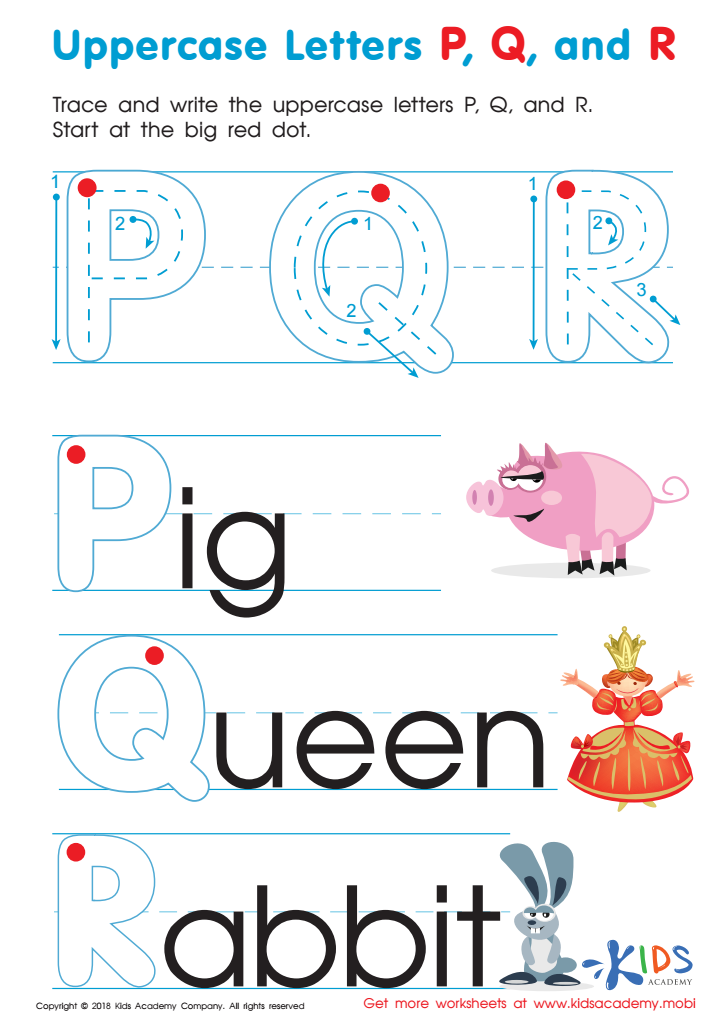
Uppercase Letters P, Q, and R Worksheet
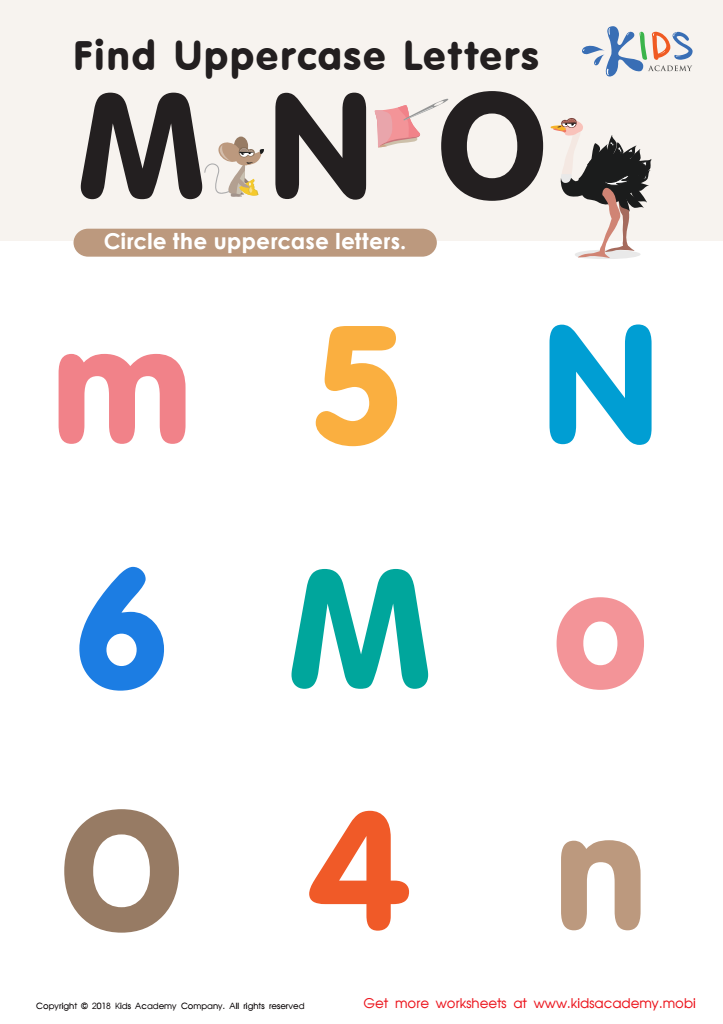
Find Uppercase Letters M, N, and O Worksheet
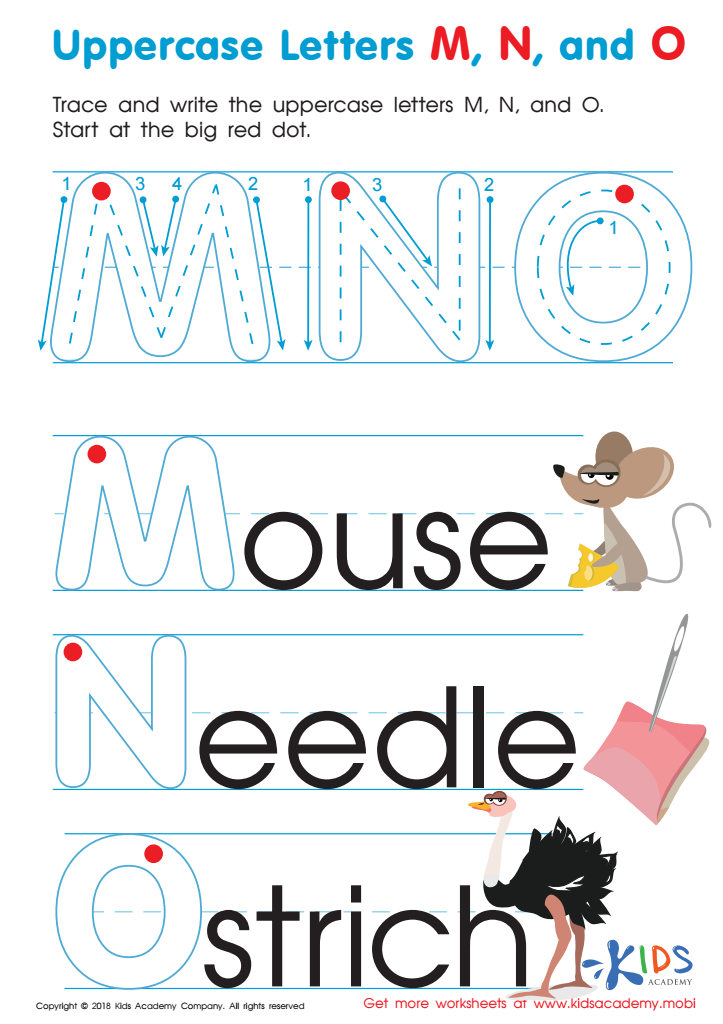
Uppercase Letters M, N, and O Worksheet
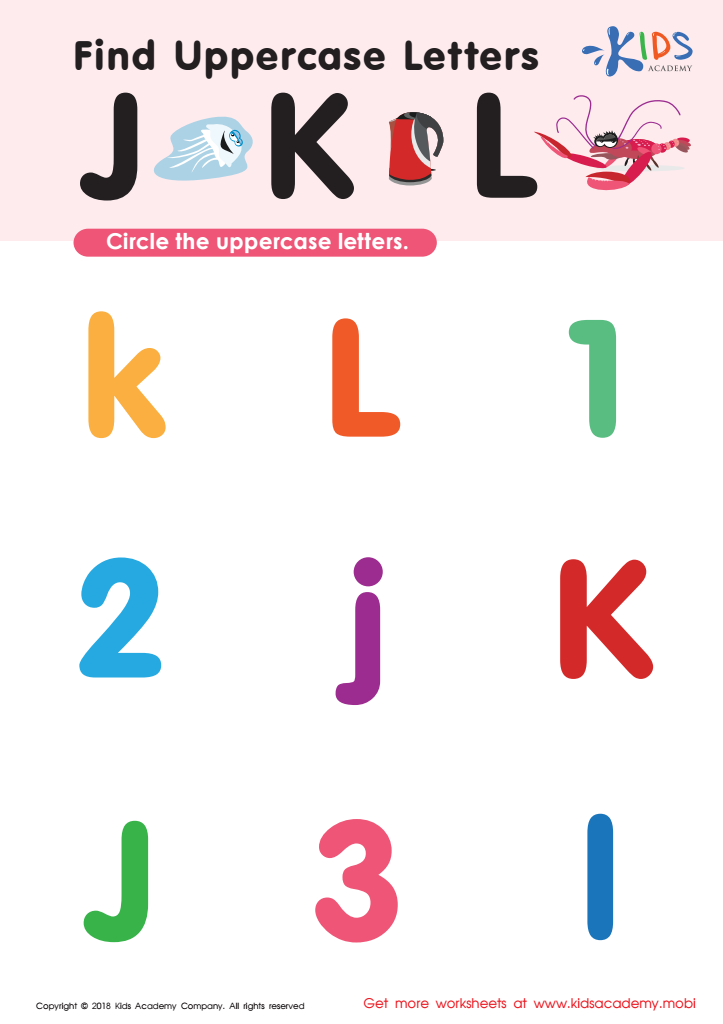
Find Uppercase Letters J, K, and L Worksheet
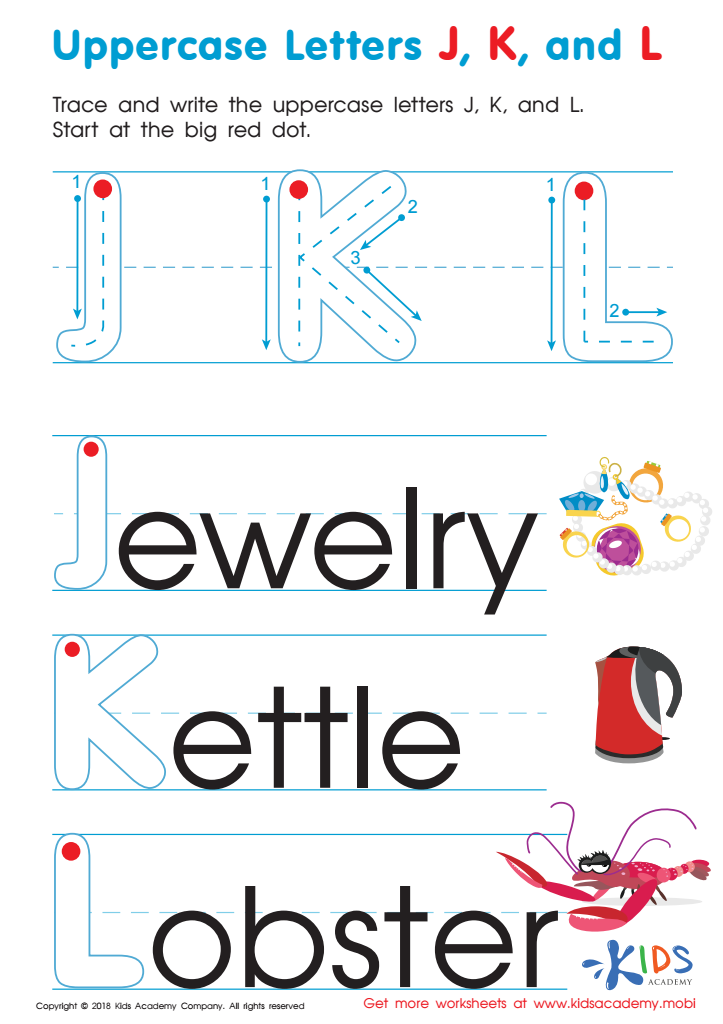
Uppercase Letters J, K, and L Worksheet
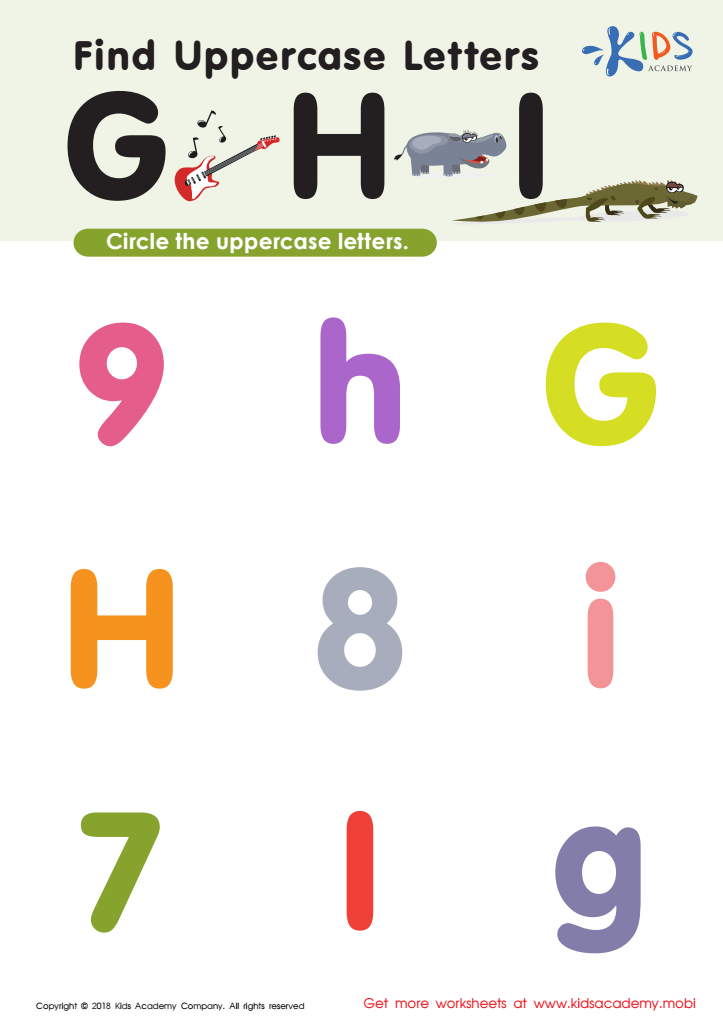
Find Uppercase Letters G, H, and I Worksheet
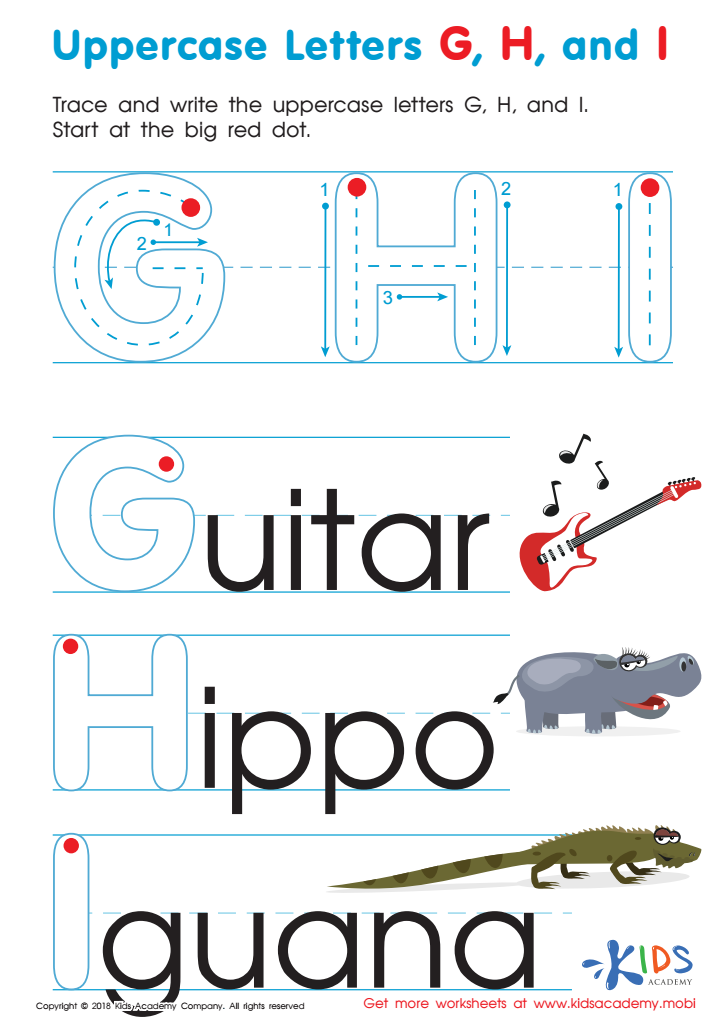
Uppercase Letters G, H, and I Worksheet
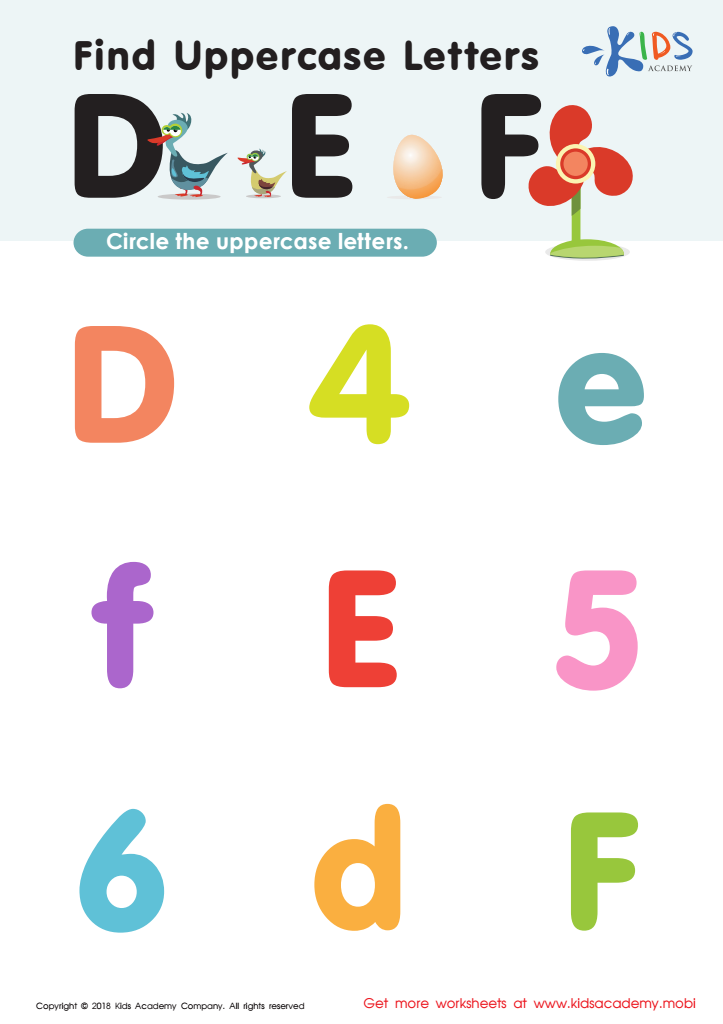
Find Uppercase Letters D, E, and F Worksheet
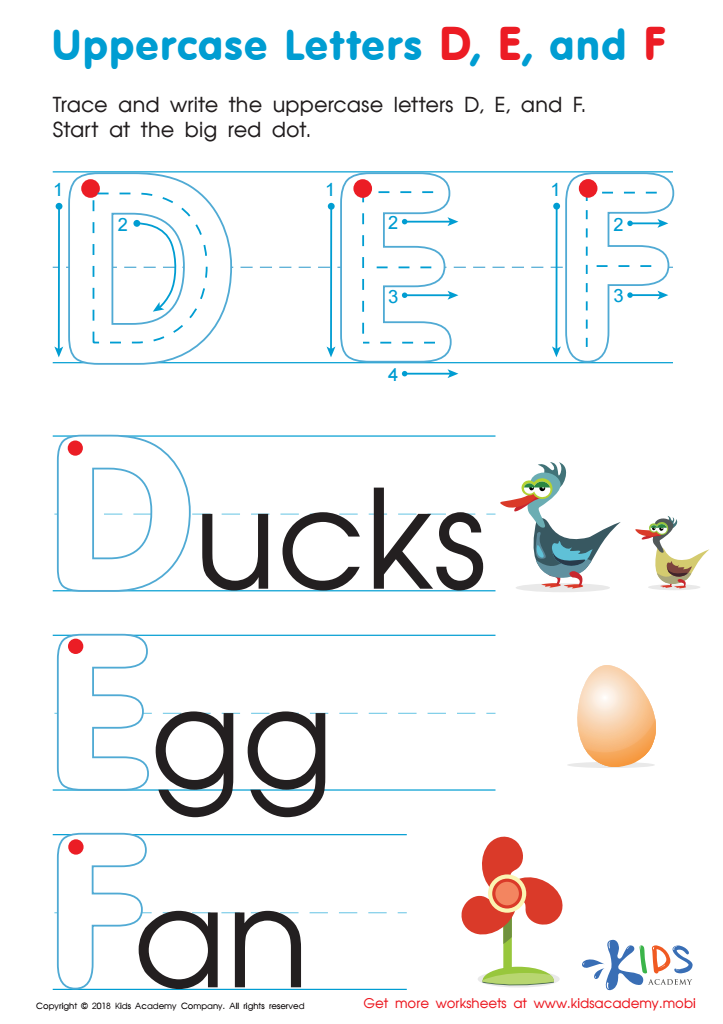
Uppercase Letters D, E, and F Worksheet

Find Uppercase Letters A, B, and C Worksheet
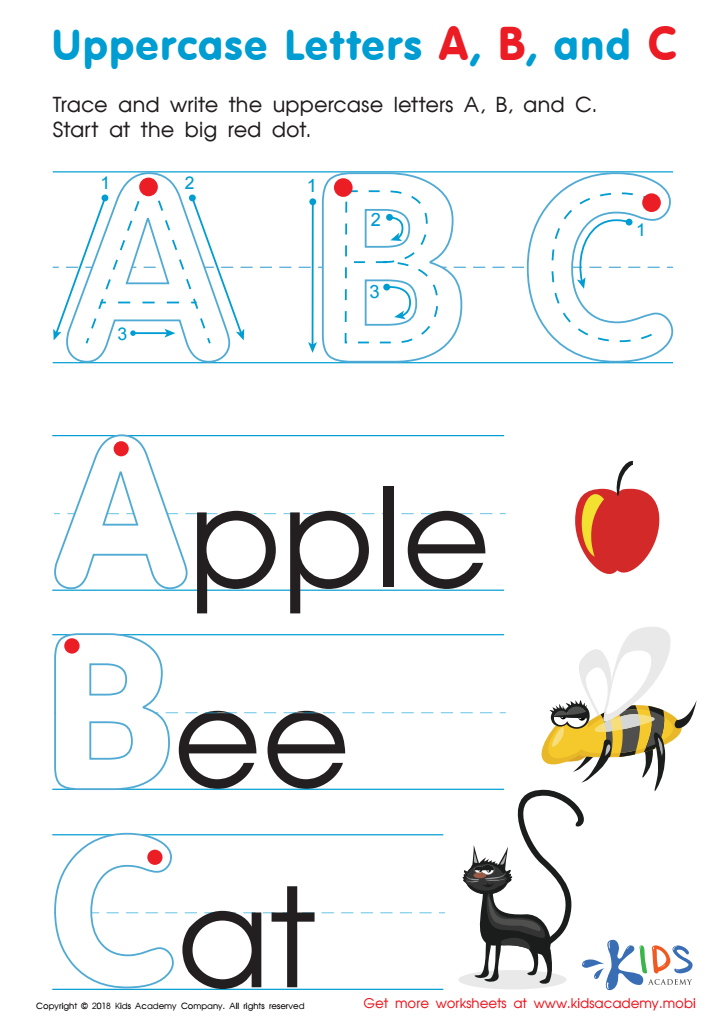
Uppercase Letters A, B, and C Worksheet
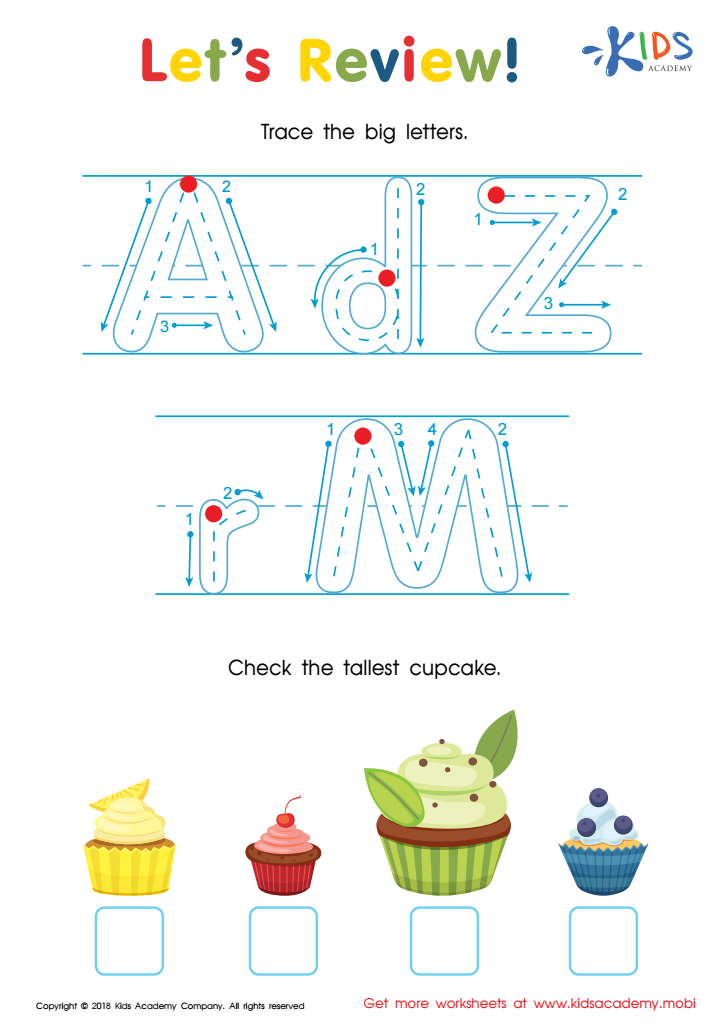
Let's Review! Big Letters Worksheet






Teaching young children about normal uppercase and lowercase letters is crucial for their cognitive and linguistic development. For children aged 4-7, these skills form the foundation for reading and writing, key components of their educational journey. Understanding letter shapes and their corresponding sounds aids in phonemic awareness, which is essential for decoding words.
Recognizing and correctly using uppercase letters is vital for helping children understand sentence structure and proper nouns, while lowercase letters dominate most written language. This knowledge allows children to improve their handwriting, spelling, and overall communication. It fosters greater confidence in their writing abilities, encouraging them to express themselves more freely.
Moreover, mastery of both letter forms prepares children for the transition from pre-writing skills to more structured literacy practices in later grades. It enhances their ability to interact with texts, participate in classroom activities, and share ideas both verbally and in writing.
Moreover, when parents and teachers emphasize these skills, they create a supportive environment that values literacy, promoting a lifelong love of reading and learning. Engaging children in fun activities that reinforce these concepts can also improve their memory and retention, making the learning process enjoyable and effective. Ultimately, caring about these foundational literacy skills shapes successful learners.







