Filters

258 filtered results

Clear all filters
Favorites
With answer key
Interactive

258 filtered results

Difficulty Level

Grade


Check out this FREE Trial Lesson on Reading for age 4-7!

Compare and Contrast the Experiences of Characters in Familiar Stories

Favorites
With answer key
Interactive
  • 4-7
  • Interactive
  • Reading
  • Normal
“The Princess and the Pea” or “Cinderella” Worksheet

“The Princess and the Pea” or “Cinderella” Worksheet

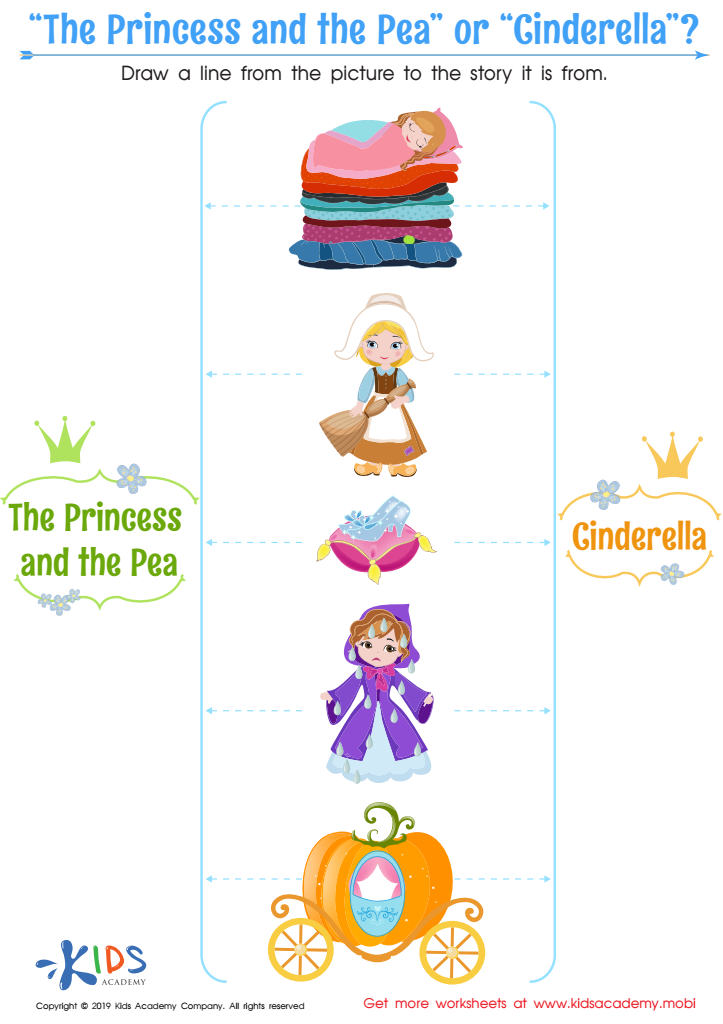
Help your child identify the characters and objects from both the Princess and the Pea and Cinderella. Ask them to draw a line from the pictures to the story it's from on the tracing sheet. Encourage them to tell you the similarities between the two stories. Enjoy the tale with your daughter and watch her be fascinated by these two classic children's stories.
“The Princess and the Pea” or “Cinderella” Worksheet
Worksheet
Craft and Structure: Assessment 3 Worksheet

Craft and Structure: Assessment 3 Worksheet

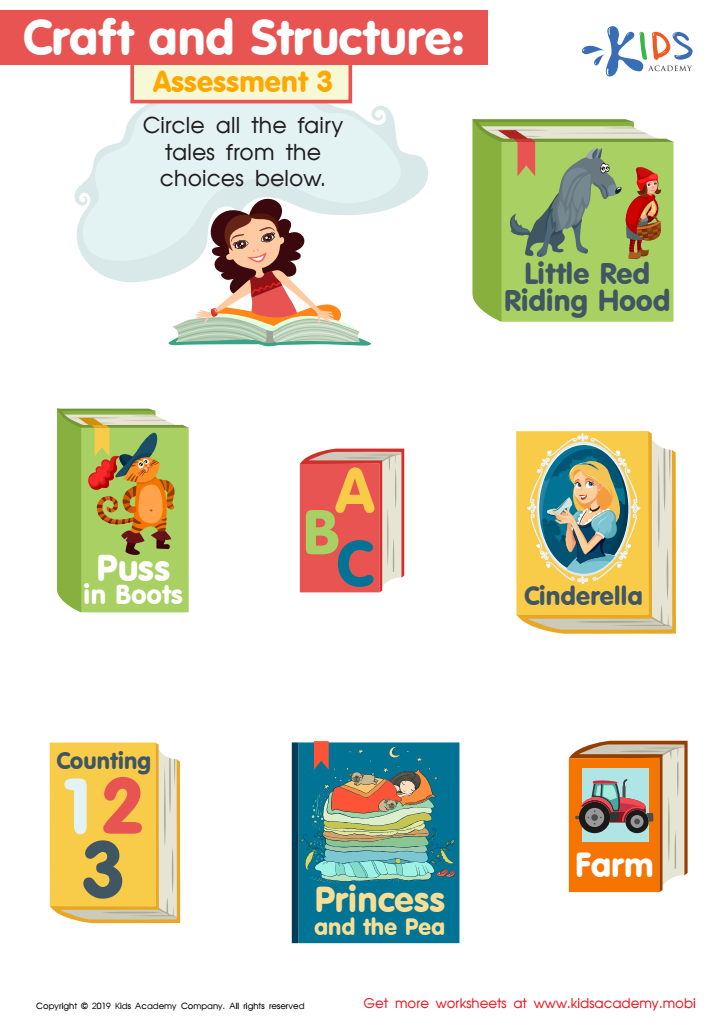
Before starting the worksheet, ask your kids to recall their favorite bedtime stories. What characters and events can they remember? Four popular children's stories are hidden among pictures of other objects - help them search and circle the fairy tales in this PDF.
Craft and Structure: Assessment 3 Worksheet
Worksheet
Little Red Riding Hood: Illustrations Worksheet
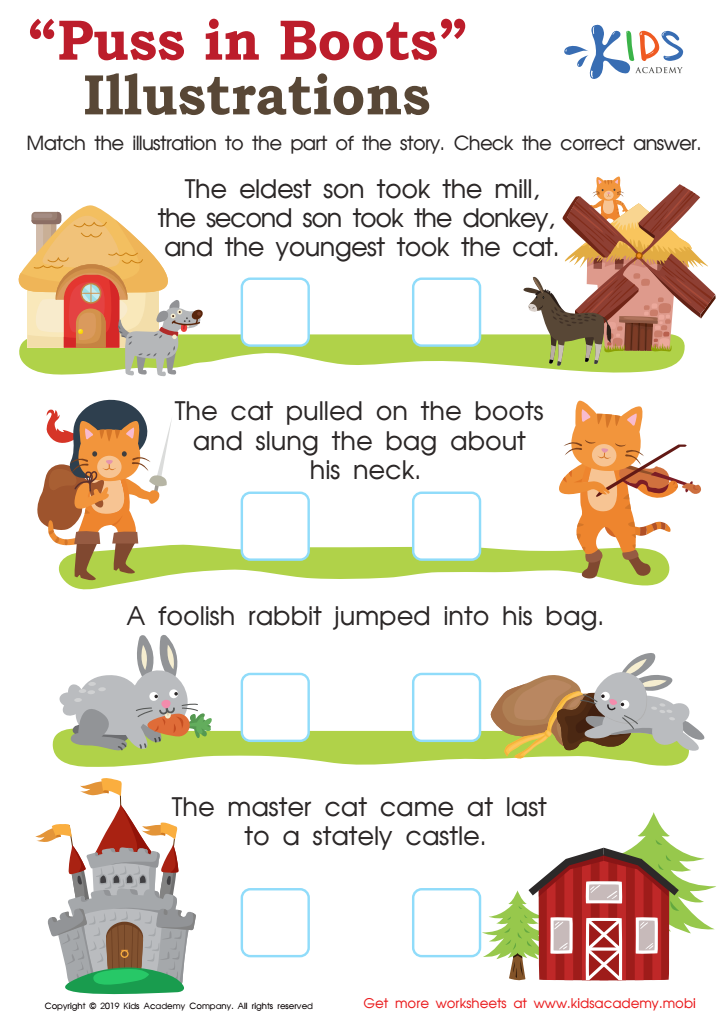

Little Red Riding Hood: Illustrations Worksheet

Comprehension is improved by having young readers recall and retell stories. This worksheet uses colorful illustrations of the fairytale Little Red Riding Hood. Children use their comprehension skills and strategy to match illustrations to the story parts, check off the appropriate boxes and use the pictures as clues.
Little Red Riding Hood: Illustrations Worksheet
Worksheet
Puss in Boots Illustrations Worksheet
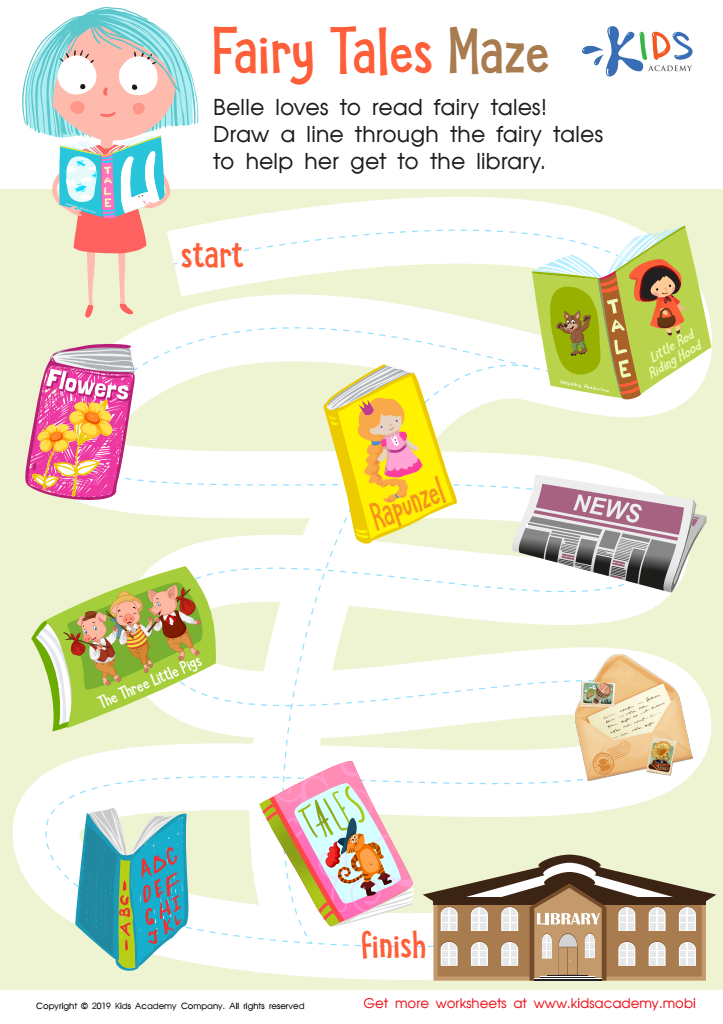

Puss in Boots Illustrations Worksheet

This Puss In Boots Illustrations worksheet is a great way to help kids learn about retelling stories. They'll match images to different parts of the story and check off the correct answer. As they recall events and put them in sequence they'll enjoy this fun and creative activity.
Puss in Boots Illustrations Worksheet
Worksheet
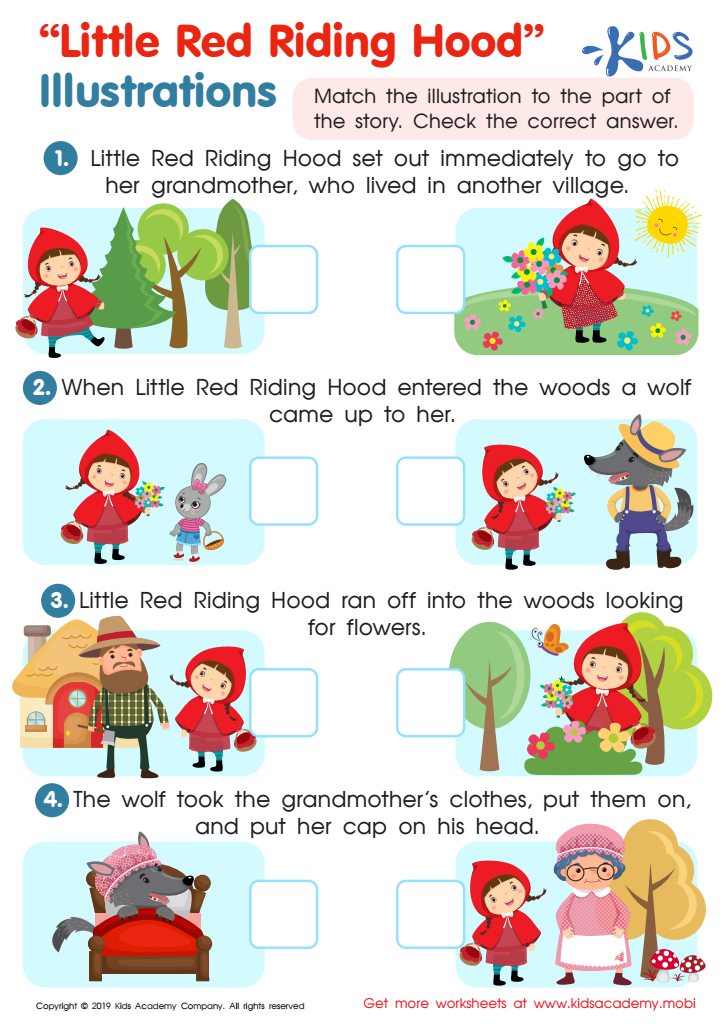
Fairy Tales Maze Worksheet

Fairy Tales Maze Worksheet

Kids love mazes and fairy tales, so this free worksheet is a great way to help teach young readers about familiar topics. They'll join Bella and use the traceable lines to travel through different reading genres, and find their way to the library for a nice reward!
Fairy Tales Maze Worksheet
Worksheet
Poem or Story Book? Worksheet

Poem or Story Book? Worksheet

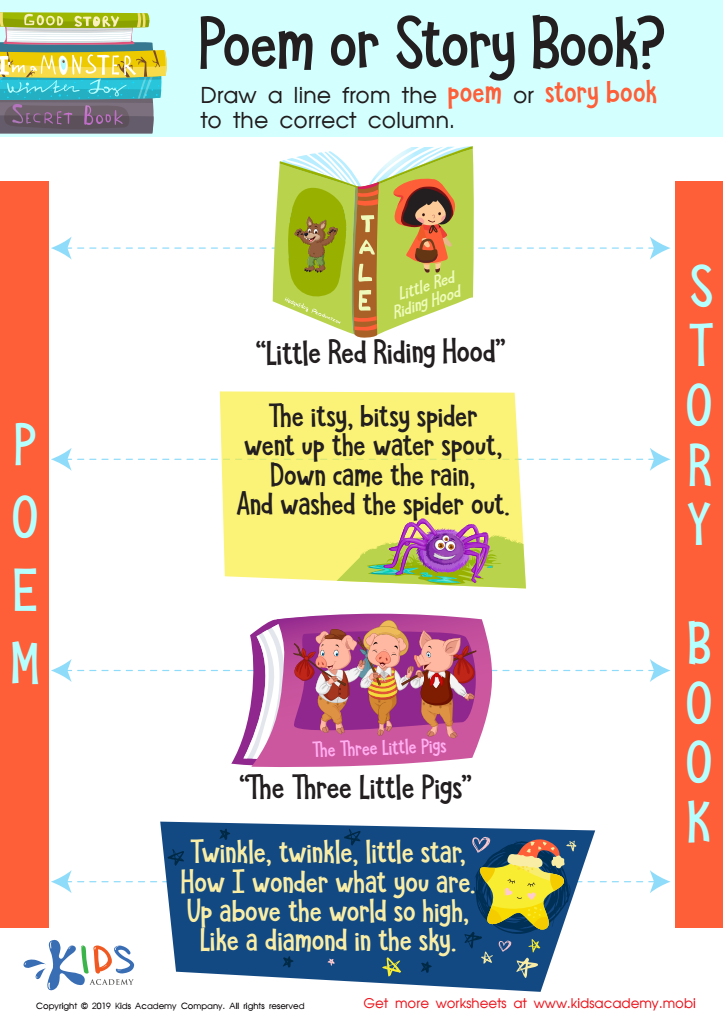
Help your little readers comprehend different genres with this free worksheet! Colorful images and familiar themes help them distinguish between poems and story books. They'll identify which is which, then connect the picture to the right column with traceable lines. A fun way to expand their understanding!
Poem or Story Book? Worksheet
Worksheet
Vocabulary: Assessment 1 Worksheet

Vocabulary: Assessment 1 Worksheet

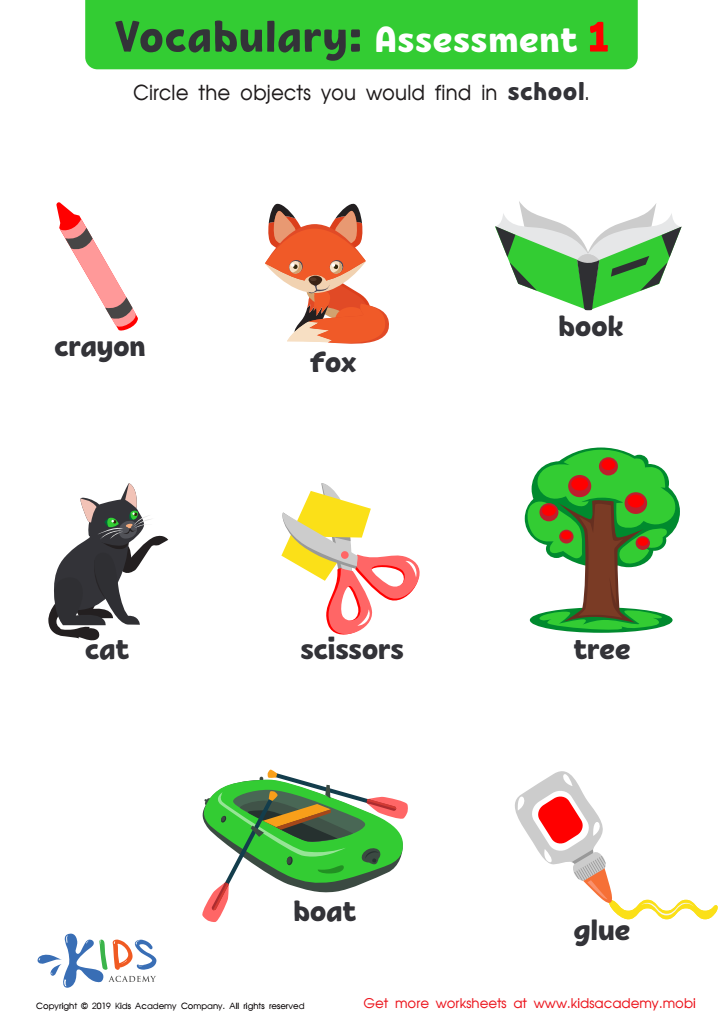
Want to check your child's vocabulary? This worksheet has kids identify objects from school through picture clues. It reinforces reading and fine motor skills, while providing an assessment of their reading growth and needs.
Vocabulary: Assessment 1 Worksheet
Worksheet
Smile and Frowns in the Solar System Worksheet

Smile and Frowns in the Solar System Worksheet

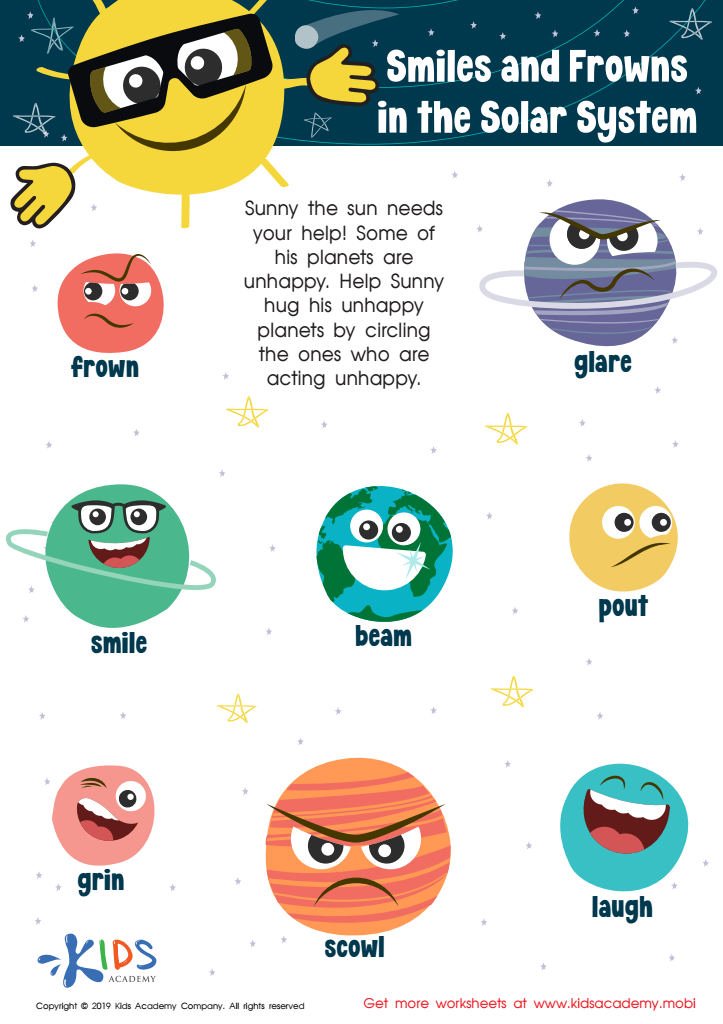
Help Sunny the sun identify emotions with this free worksheet! Kids will have a blast as they identify planetary friends that are happy and sad, building emotional intelligence and motor skills along the way. They won't even realize they're learning, they'll enjoy the faces so much!
Smile and Frowns in the Solar System Worksheet
Worksheet
The Movement Maze Worksheet

The Movement Maze Worksheet

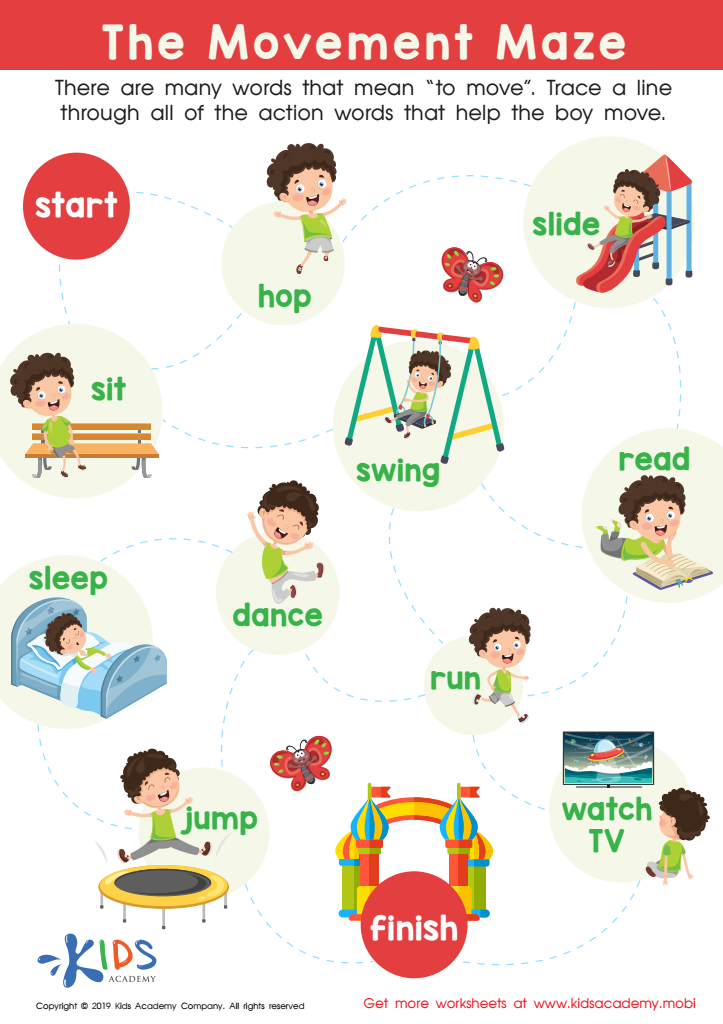
Let your child have fun with this interactive PDF download. Kids will learn movement words with cute pictures, plus practice fine motor skills as they trace. A fun way to reinforce vocabulary. Jump, hop and sit – it's all here!
The Movement Maze Worksheet
Worksheet
Neighborhood Words Worksheet

Neighborhood Words Worksheet

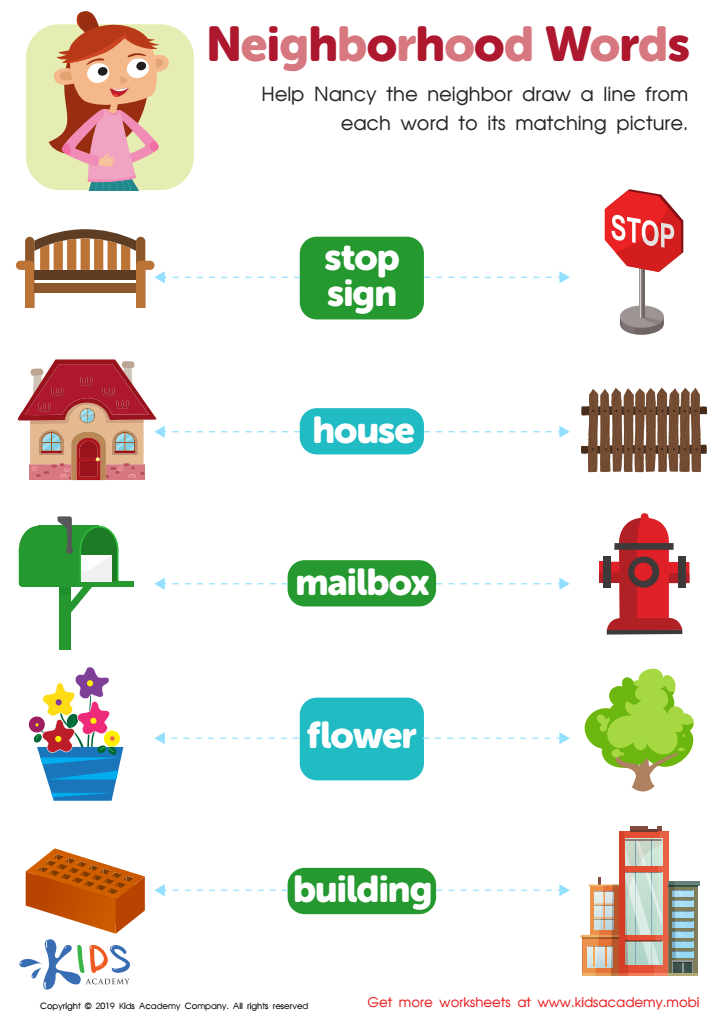
Help preschoolers develop life skills and familiarize them with words and concepts with this worksheet! It'll also boost their fine motor skills as they trace lines to match pictures with the words. They'll learn new words and feel more confident in their reading.
Neighborhood Words Worksheet
Worksheet
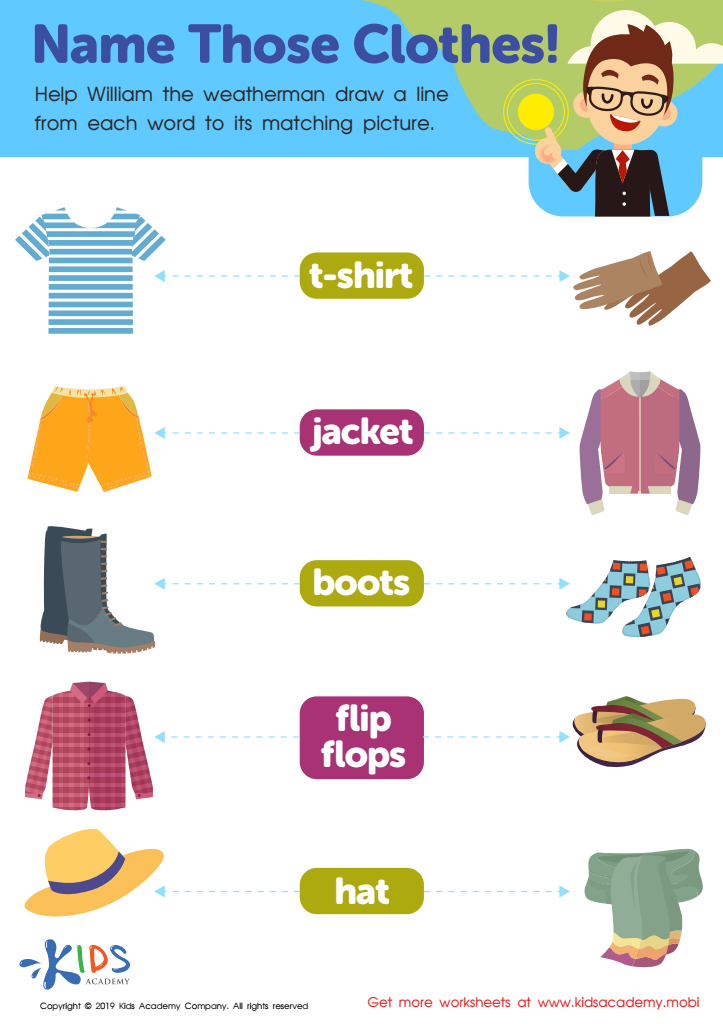
Name Those Clothes Worksheet

Name Those Clothes Worksheet

This worksheet will help your preschooler build their vocabulary, develop life-skills and work on fine motor skills. They'll analyze which clothing goes with the weatherman and match it to the word. It's a fun and interactive way to recognize high-frequency words.
Name Those Clothes Worksheet
Worksheet
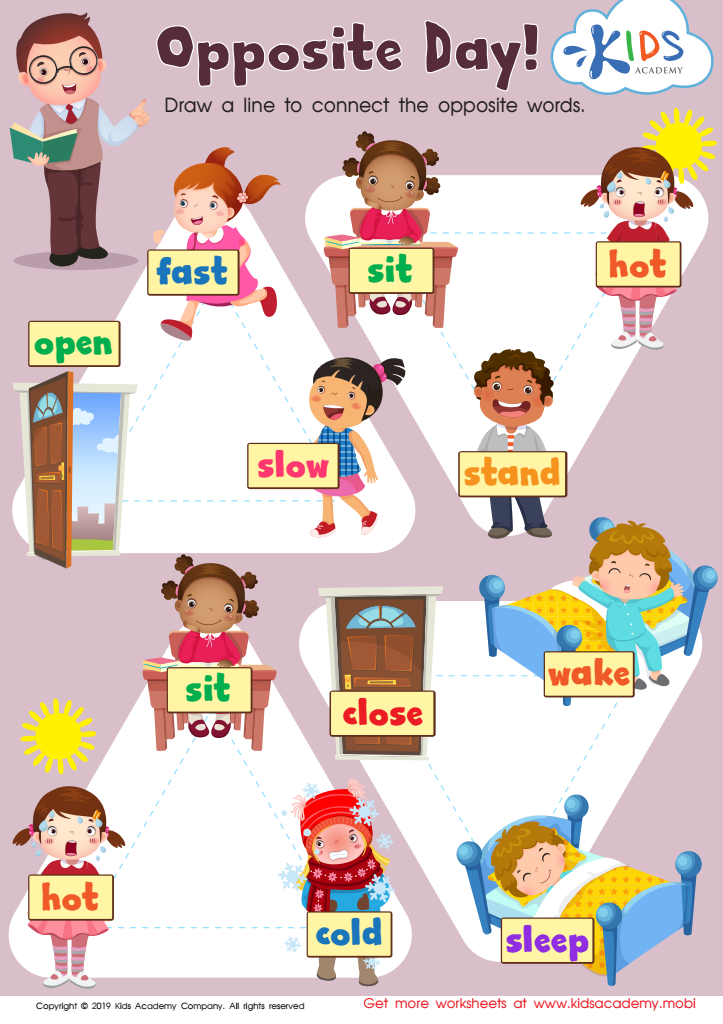
Opposite Day Worksheet

Opposite Day Worksheet

Early learners need to know about opposites to improve their higher-order thinking and critical thinking. This fun worksheet helps them understand the concept, practice opposite words, read high-frequency words and work on fine motor skills. Download the traceable PDF to get started.
Opposite Day Worksheet
Worksheet
Which Doesn't Belong? Worksheet

Which Doesn't Belong? Worksheet

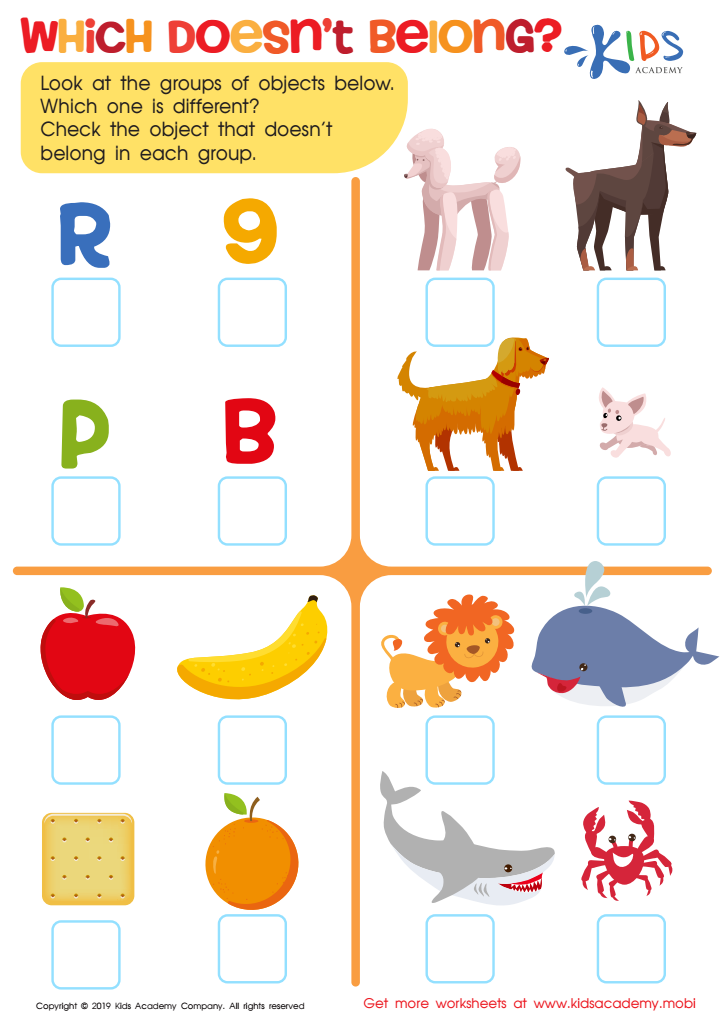
This engaging worksheet helps preschoolers recognize similar and different attributes of common words, using brightly-colored pictures. They analyze the items in each category and check off what is different. For extra practice, have them explain their reasoning verbally! Sorting and classifying are important skills to learn.
Which Doesn't Belong? Worksheet
Worksheet
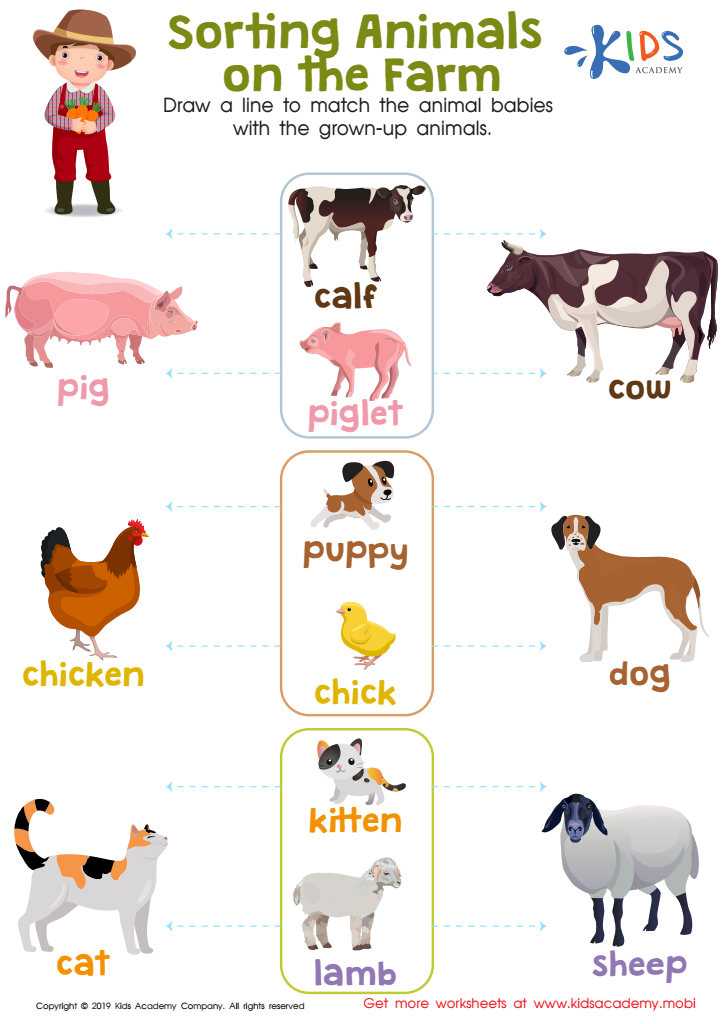
Sorting Animals on the Farm Worksheet

Sorting Animals on the Farm Worksheet

This PDF worksheet engages preschoolers in a fun activity to match Mama farm animals with their babies, strengthening their sorting and patterning skills. They'll learn to recognize rules and relationships, while gaining familiarity with animal-related words.
Sorting Animals on the Farm Worksheet
Worksheet
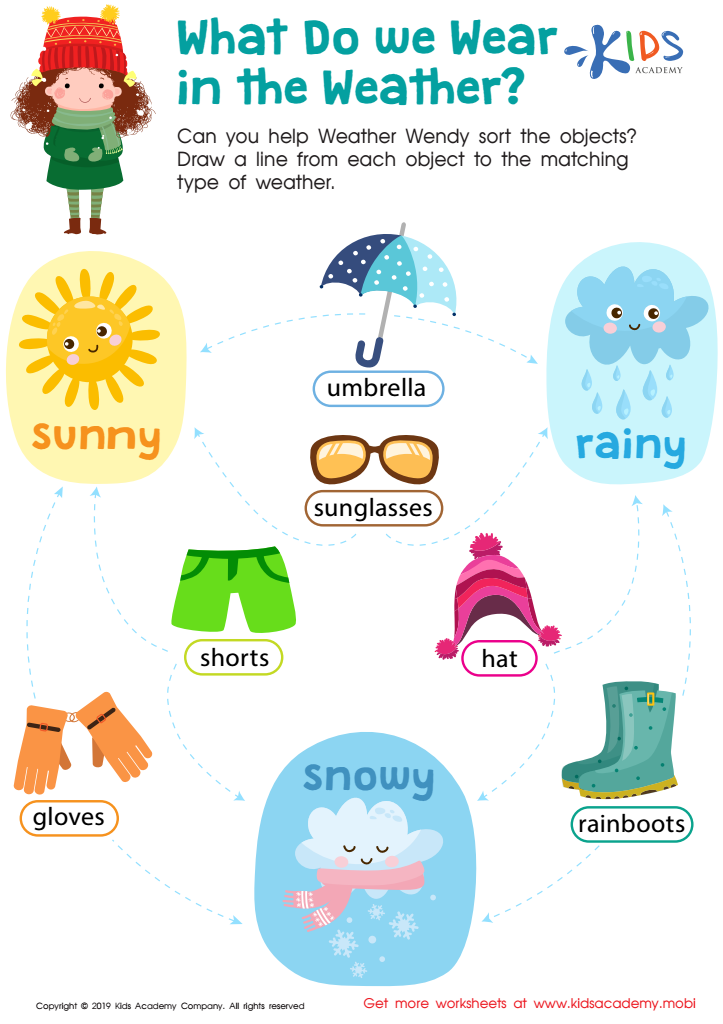
What Do We Wear in the Weather? Worksheet

What Do We Wear in the Weather? Worksheet

This worksheet boosts young learners' everyday vocab with fun high-frequency weather words. They'll see and match familiar pictures to the words they read. Plus, it helps them develop fine motor skills. Perfect for preschoolers.
What Do We Wear in the Weather? Worksheet
Worksheet
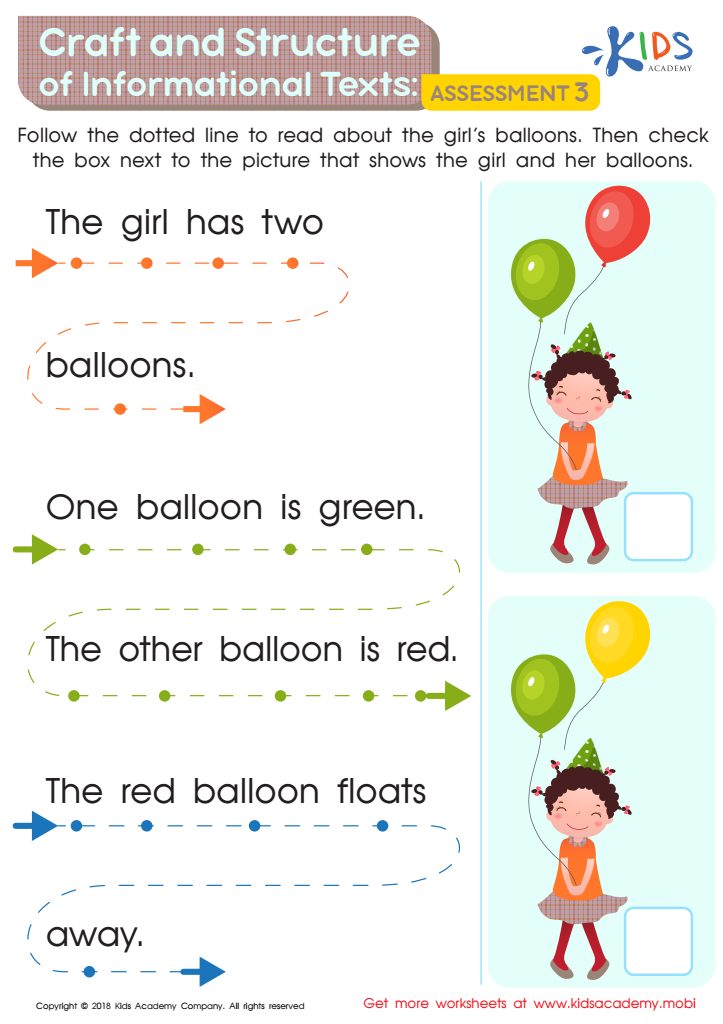
Craft and Structure of Informational Texts: Assessment 3 Worksheet

Craft and Structure of Informational Texts: Assessment 3 Worksheet

Test your beginning reader's understanding of left-to-right directionality and use of details from informational texts with this fun worksheet. Follow the traceable paths to find the right picture for each sentence. This will help your child gain confidence and be successful as a reader.
Craft and Structure of Informational Texts: Assessment 3 Worksheet
Worksheet
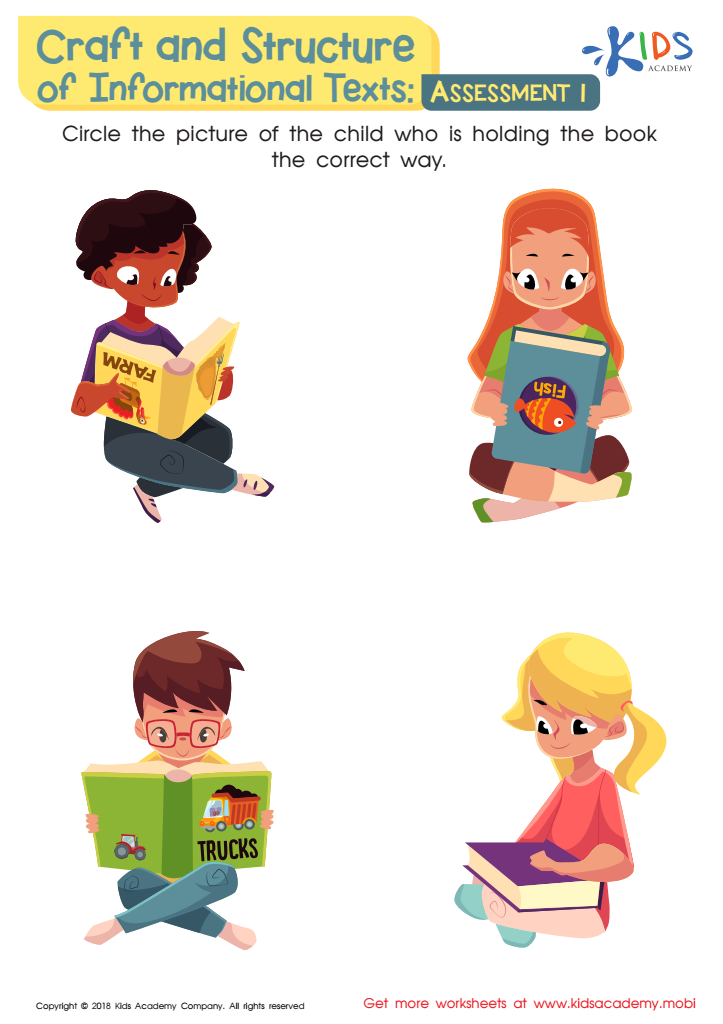
Craft and Structure of Informational Texts: Assessment 1 Worksheet

Craft and Structure of Informational Texts: Assessment 1 Worksheet

Young children need to know how to hold books correctly when they start reading. This assessment worksheet helps them show they know what to do. They'll look at the pictures and circle the child who is holding the book correctly. It's a great way to tell they are well on their way to becoming lifetime readers!
Craft and Structure of Informational Texts: Assessment 1 Worksheet
Worksheet
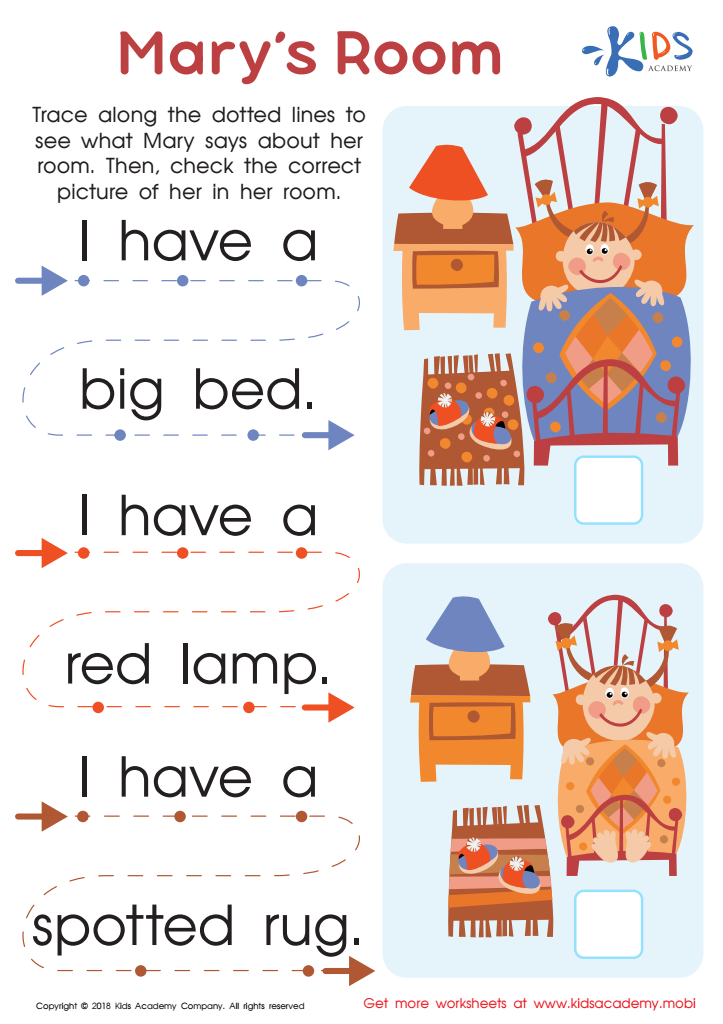
Mary's Room Worksheet

Mary's Room Worksheet

This cute PDF worksheet is a great way to help your young reader build their comprehension and directionality skills in a fun way. They'll use the images and clues to determine which room belongs to Mary. Following the traceable lines can give them a sense of being a detective, and help with directionality and fine motor skills too. Let them have fun and enjoy the activity - their skills will thank you!
Mary's Room Worksheet
Worksheet
The Dentist Worksheet

The Dentist Worksheet

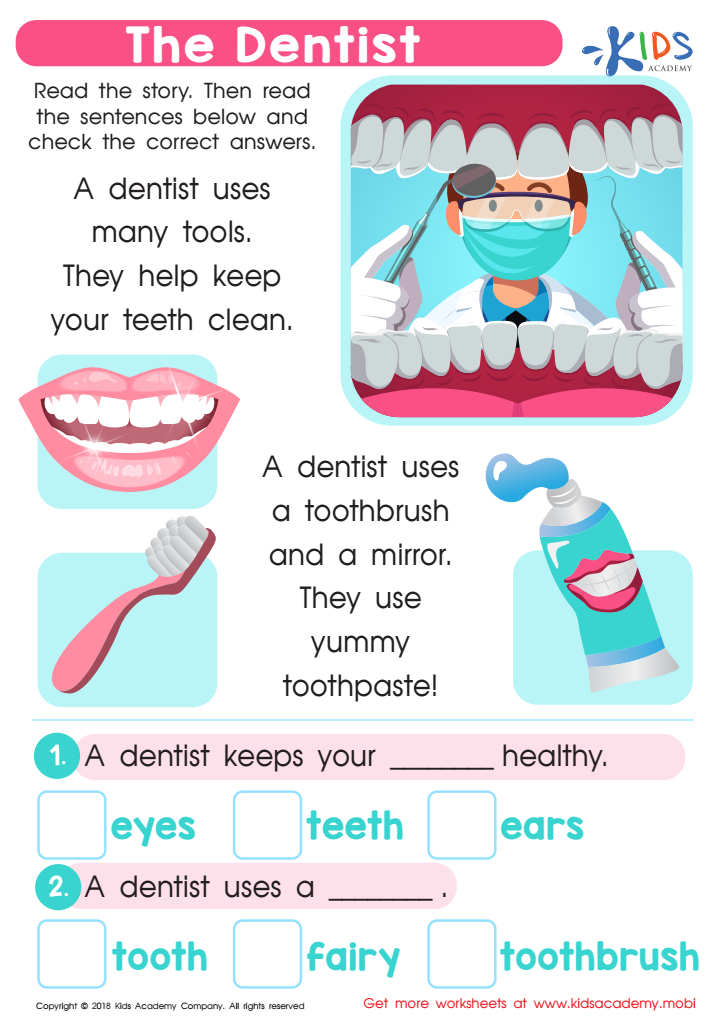
Community helpers are essential for our wellbeing. This vibrant worksheet is a great way to introduce children to the dentist and their tools. They'll read the text, use the pictures and answer questions about what the dentist does and what they use. It's a great way to make the dentist more approachable, as well as help with comprehension.
The Dentist Worksheet
Worksheet
Tracing Fun Worksheet

Tracing Fun Worksheet

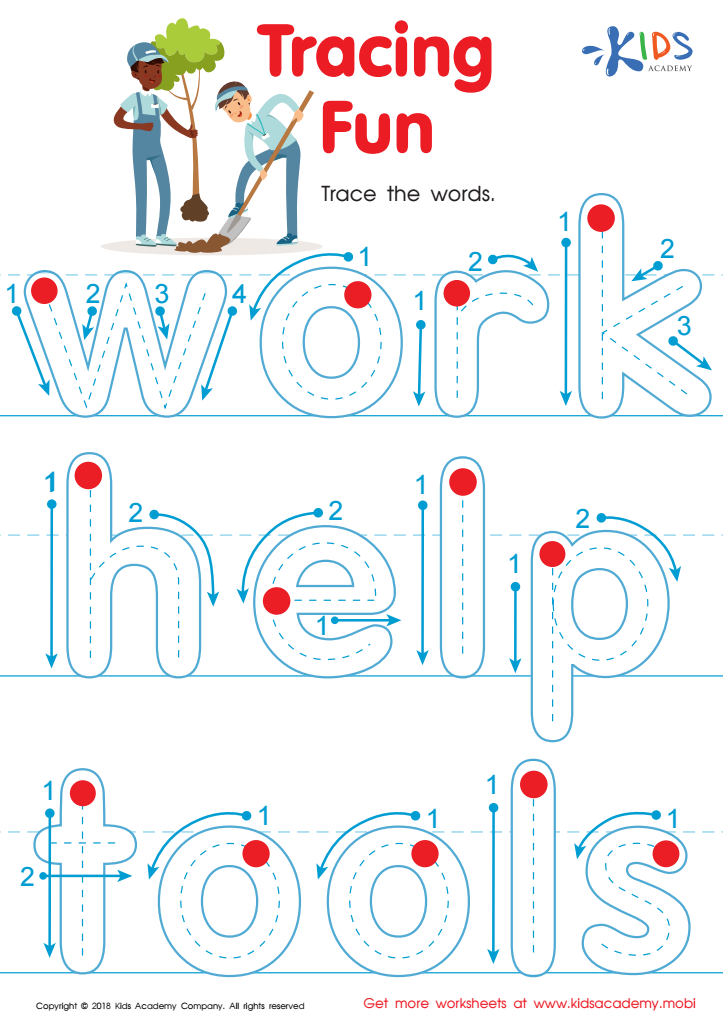
Believe it or not, good handwriting helps with reading! Starting at the top left and writing legibly builds reading skills. This free worksheet helps little learners practice basic sight words. Red dots show them where to start and the words provide reinforcement without them realising. An enjoyable way to boost their reading and writing.
Tracing Fun Worksheet
Worksheet
What's in a Neighborhood? Worksheet

What's in a Neighborhood? Worksheet

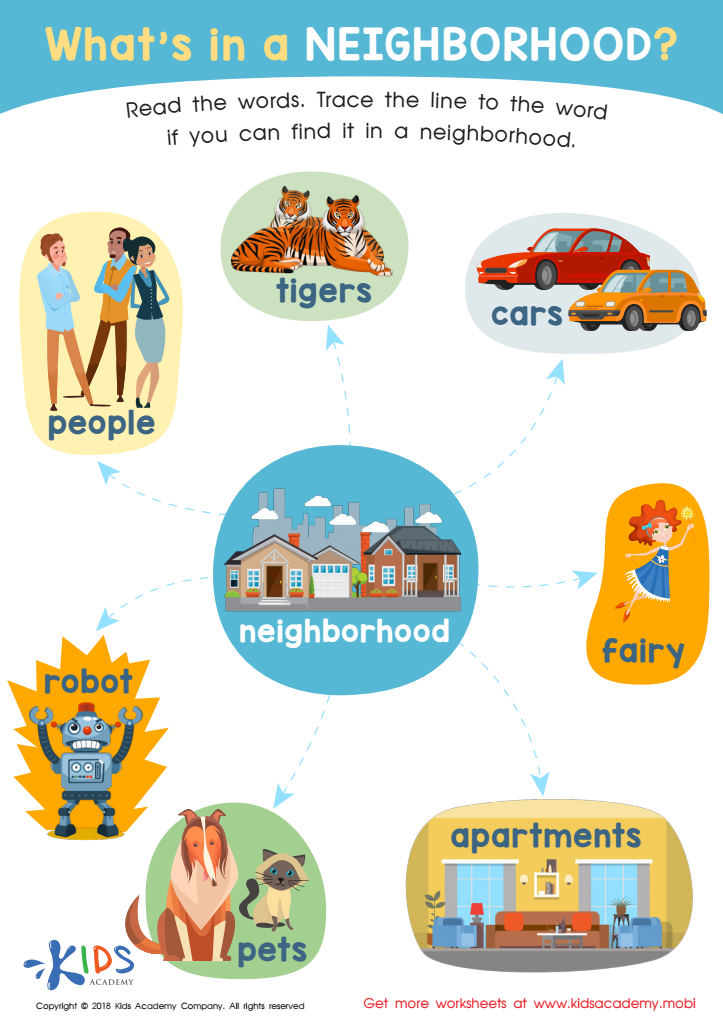
This fun worksheet uses picture clues and traceable lines to help kids learn neighborhood words. Kids will match the neighborhood pictures to the correct words and practice connecting the two. The bright colors make it a great way for kids to practice understanding the qualities of a neighborhood.
What's in a Neighborhood? Worksheet
Worksheet
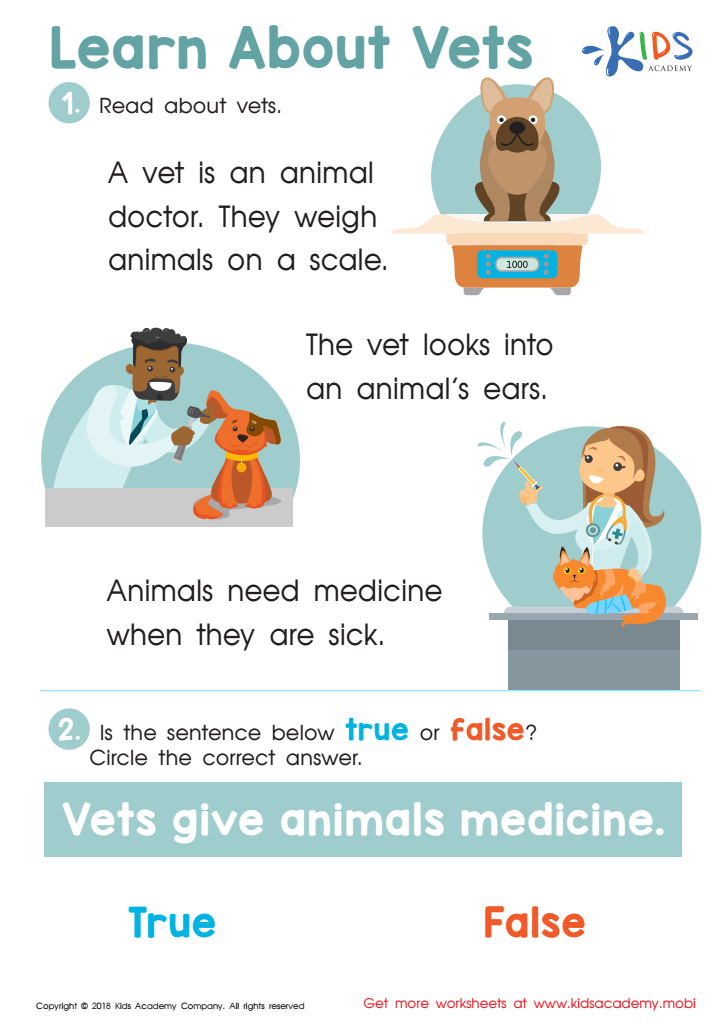
Learn About Vets Worksheet

Learn About Vets Worksheet

Assess your child's reading comprehension and recall with this ELA worksheet! It reviews interesting facts about vets with brief passages and pictures to help your reader. Ask the question at the bottom to see what they learned. It's a great way to check understanding!
Learn About Vets Worksheet
Worksheet
Safety First Worksheet

Safety First Worksheet

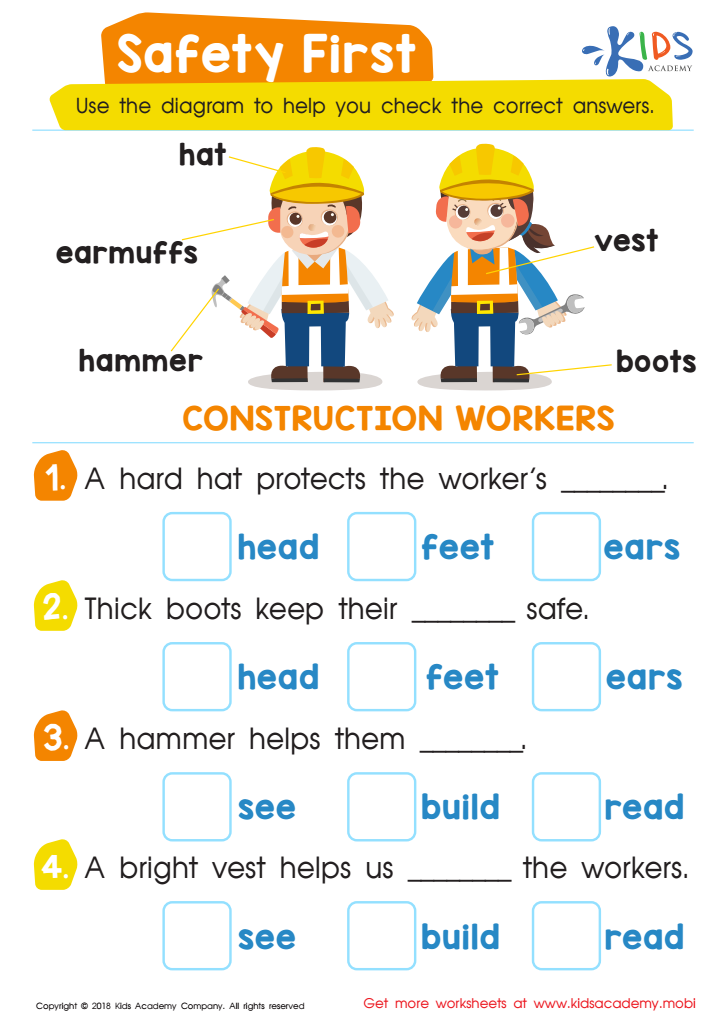
Diagrams can be informative but inference is key. This worksheet contains diagrams of construction worker equipment. Get your little one to use prior knowledge to work out the uses and protection of each part. Then read the sentences and check the correct answer that fills in the blanks!
Safety First Worksheet
Worksheet
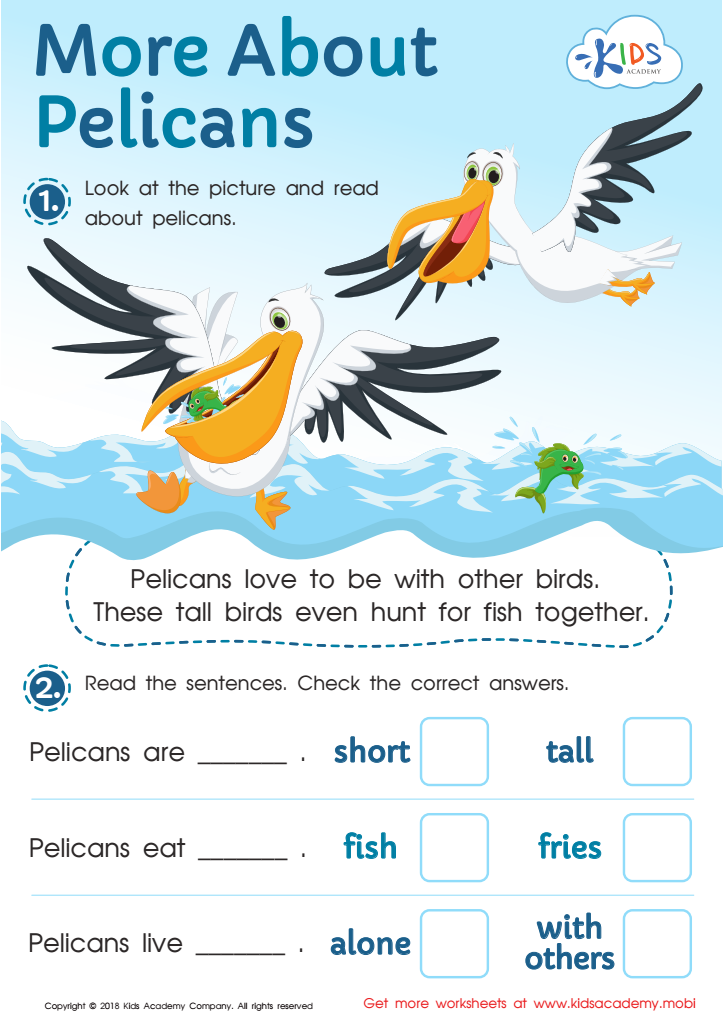
More About Pelicans Worksheet


More About Pelicans Worksheet

Train your reader to look for clues in words with this fun worksheet about pelicans! As they read each sentence, they'll learn more about these majestic birds. Once they finish, answer the questions and explore even more!
More About Pelicans Worksheet
Worksheet


Parents and teachers should care about normal reading development for children aged 4-7 because these early years are critical for building foundational literacy skills essential for future academic success. During this formative period, children develop phonemic awareness, which is the ability to recognize and manipulate sounds in words, and phonics, understanding the connection between letters and sounds. These skills are crucial for decoding words, a fundamental aspect of reading fluently and comprehending text.

Normal reading development in early childhood sets the stage for proficiency in other subject areas, as strong reading skills are crucial for understanding math problems, following scientific instructions, and grasping social studies concepts. Children who struggle with reading at this age are at a higher risk for academic difficulties and may develop negative attitudes towards schooling and learning in general. Early reading success also boosts self-esteem and confidence, critical components for lifelong learning and curiosity.

Furthermore, reading at this age enhances vocabulary, language understanding, and communication skills. Early readers are exposed to a wider range of words and sentence structures, enriching their expressive and receptive language abilities. For these reasons, fostering normal reading development in children aged 4-7 is paramount for their overall educational growth, personal development, and future academic achievement.