Normal Animals Worksheets for Ages 4-7 - Page 2
38 filtered results
-
From - To
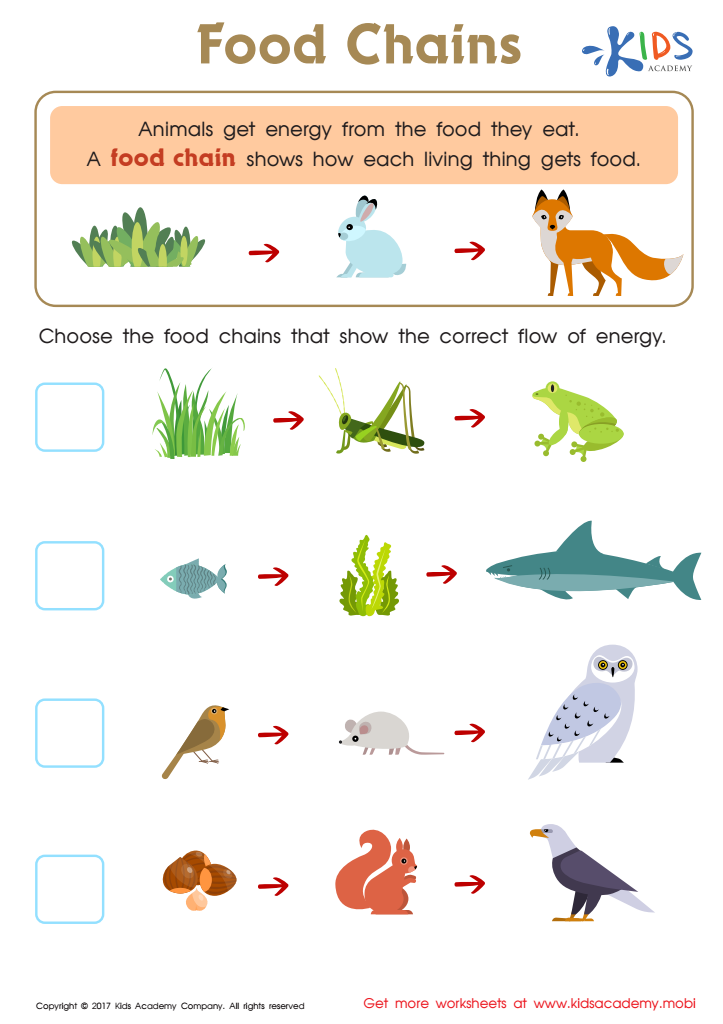
Food Webs and Food Chains Worksheet
 Assign to My Students
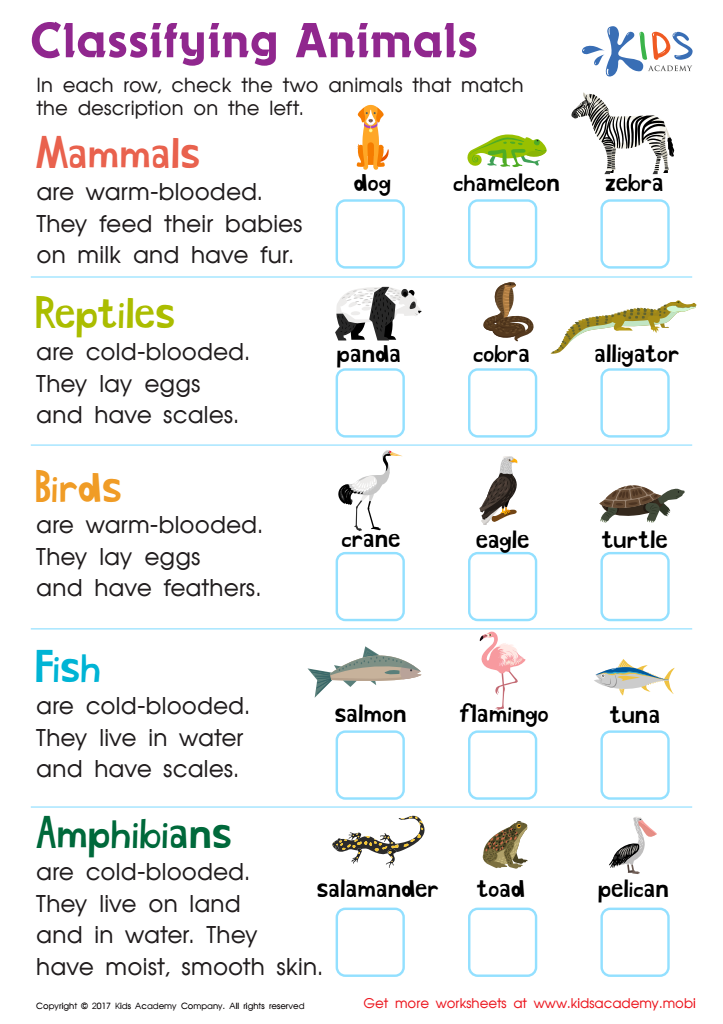
Classifying Animals Worksheet
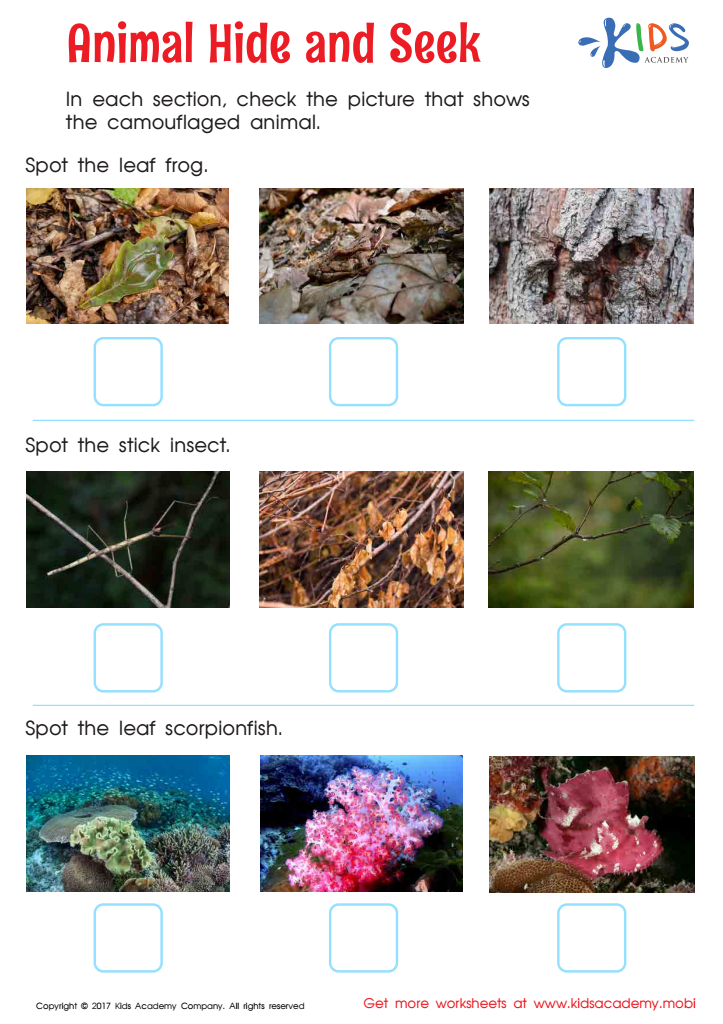
Animal Hide and Seek Worksheet
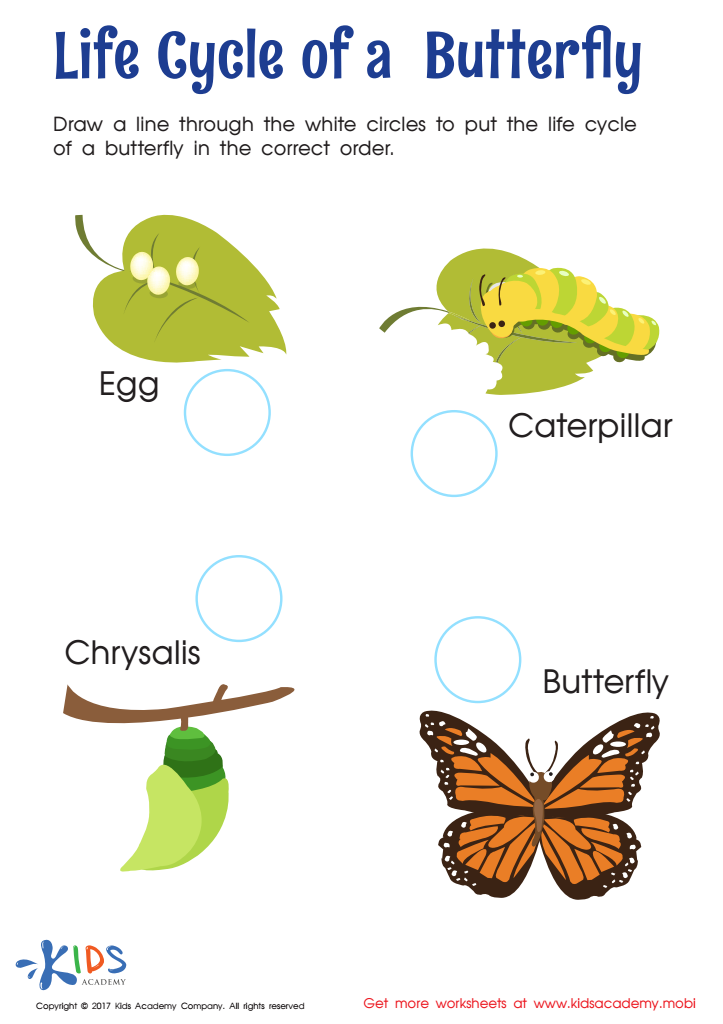
Life Cycle of Butterfly Worksheet
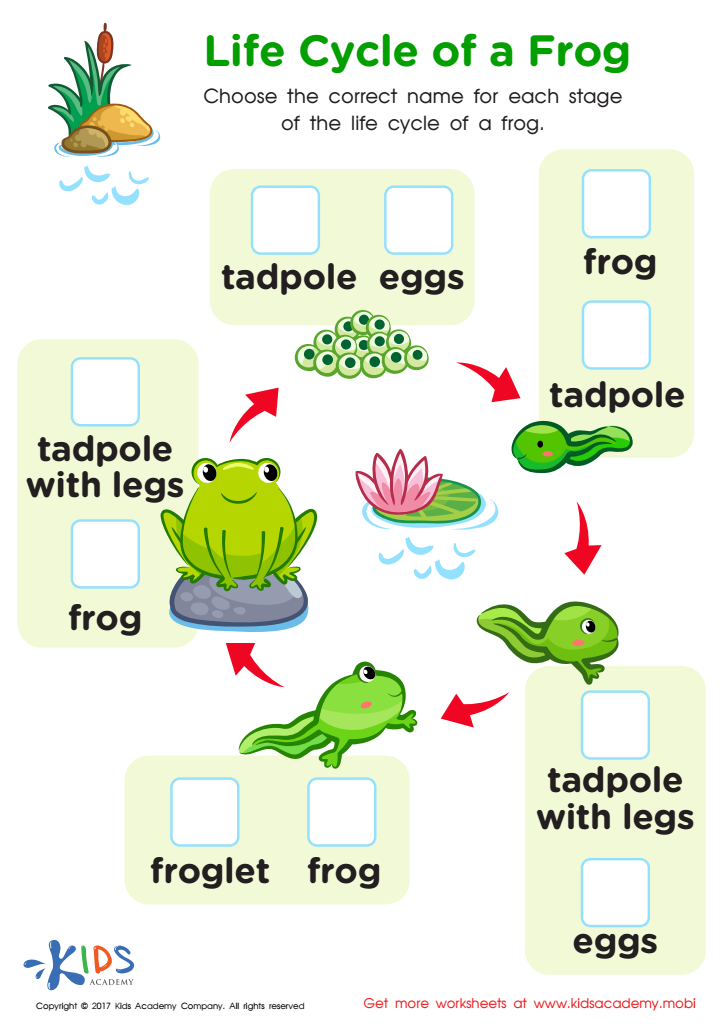
Life Cycle Frog Printable
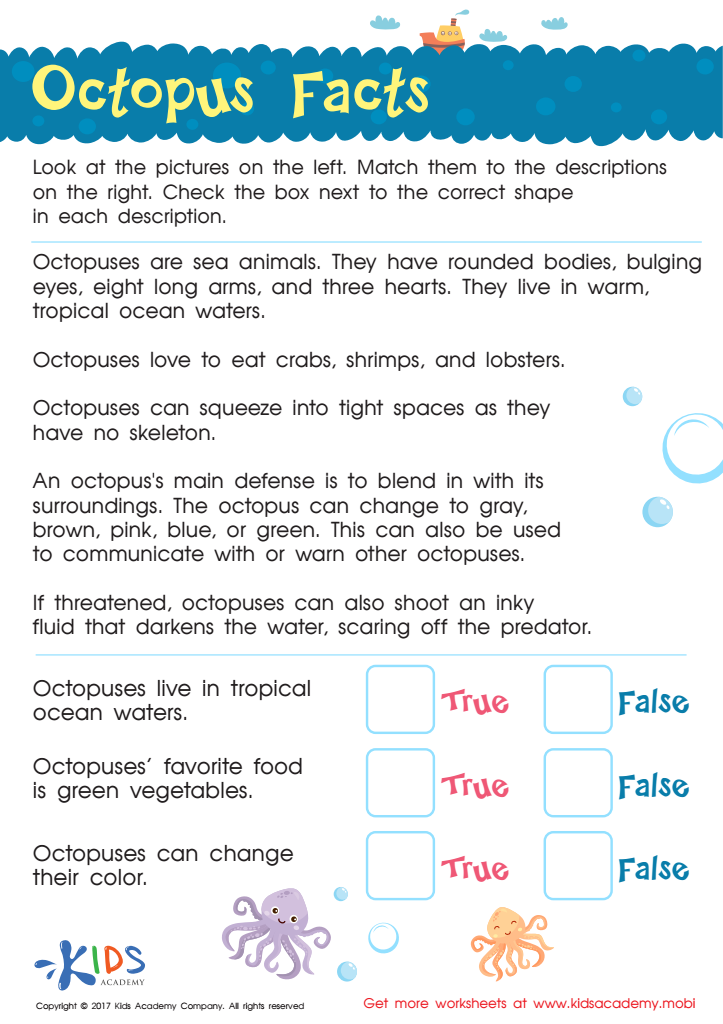
Octopus Facts Worksheet For Kids
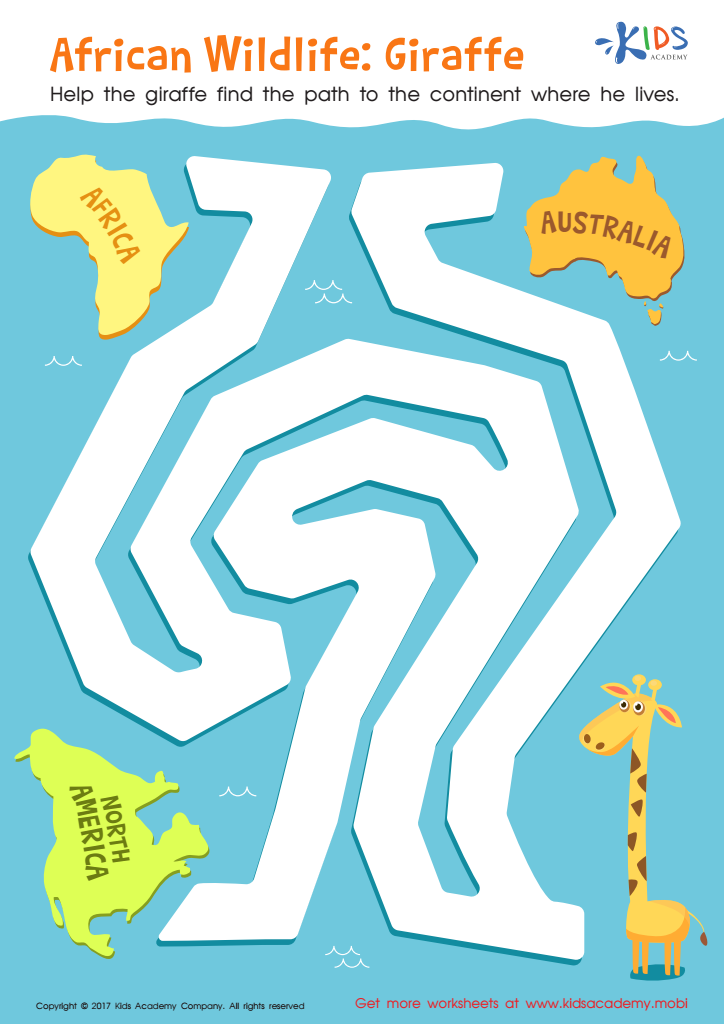
African Wildlife: Giraffe Worksheet
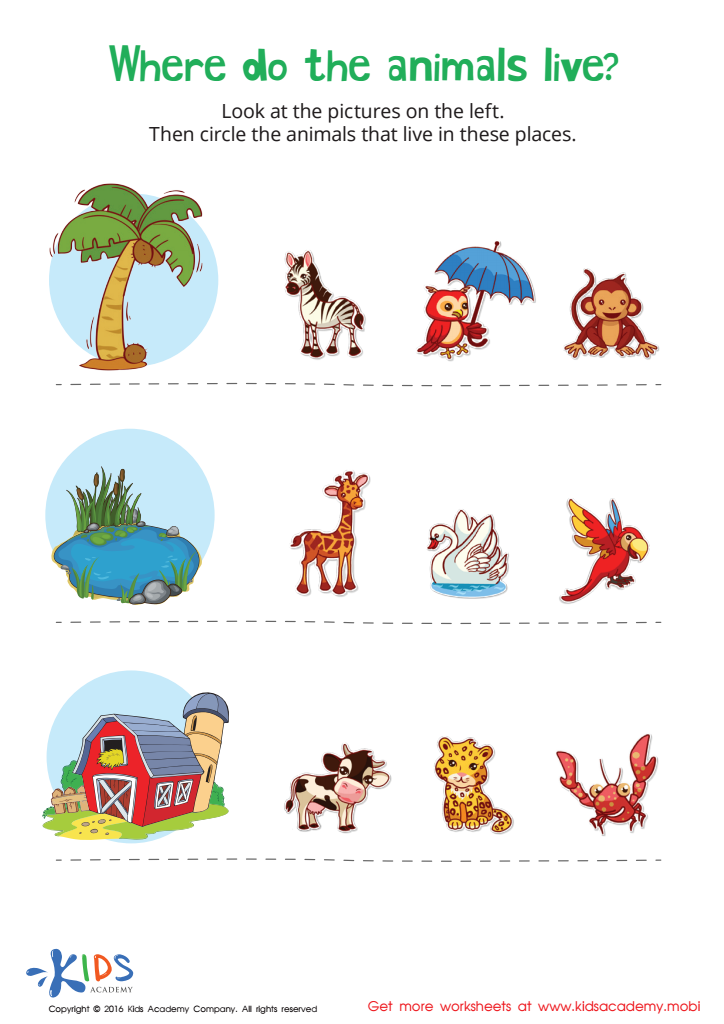
Where Animals Live Worksheet
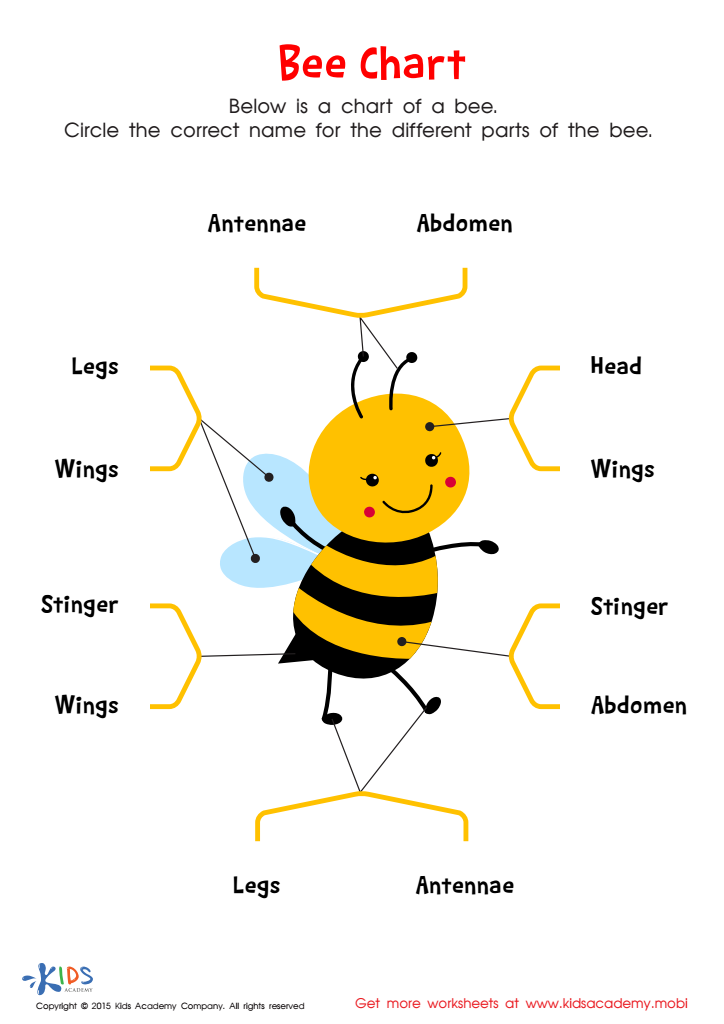
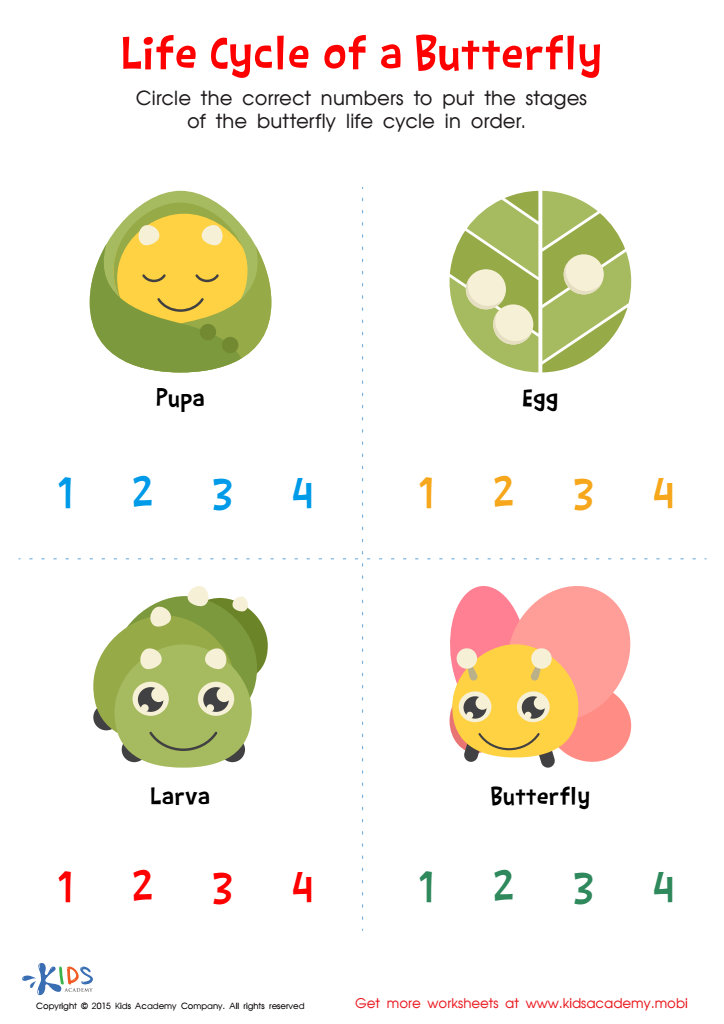
Life Cycle of Butterfly Printable
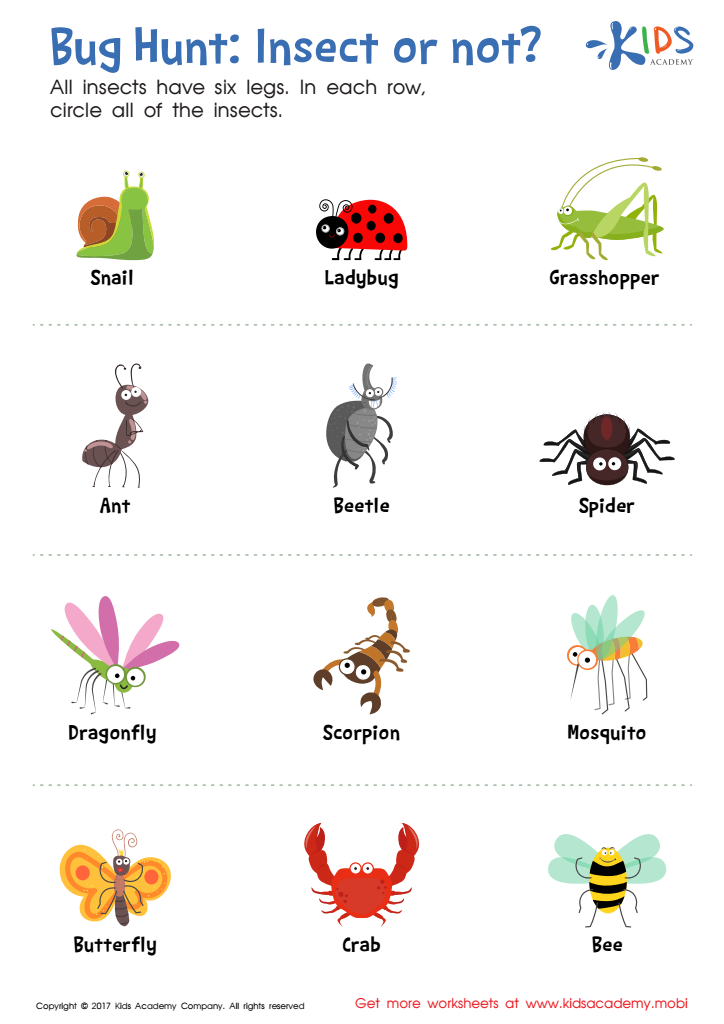
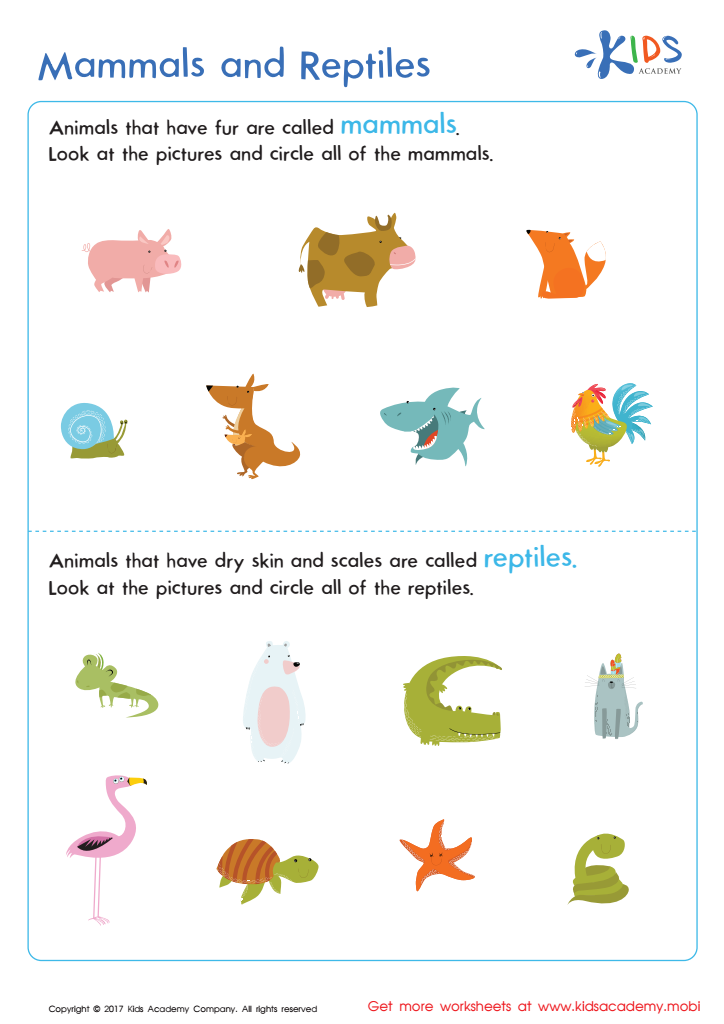
Mammals and Reptiles Worksheet
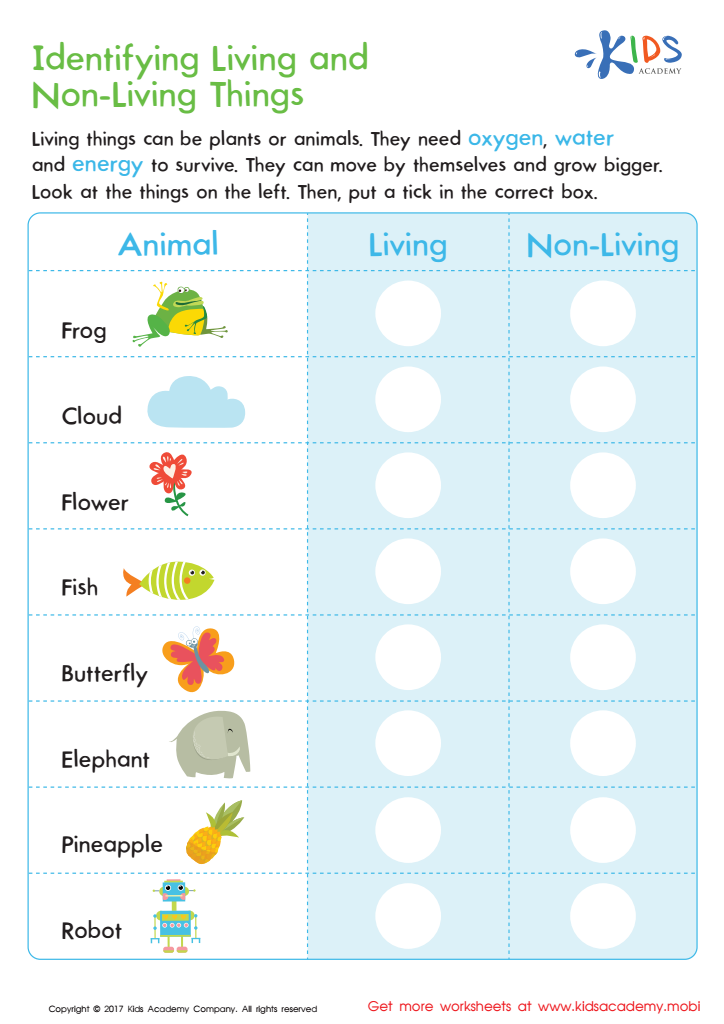
Identifying Living or Non–living Worksheet
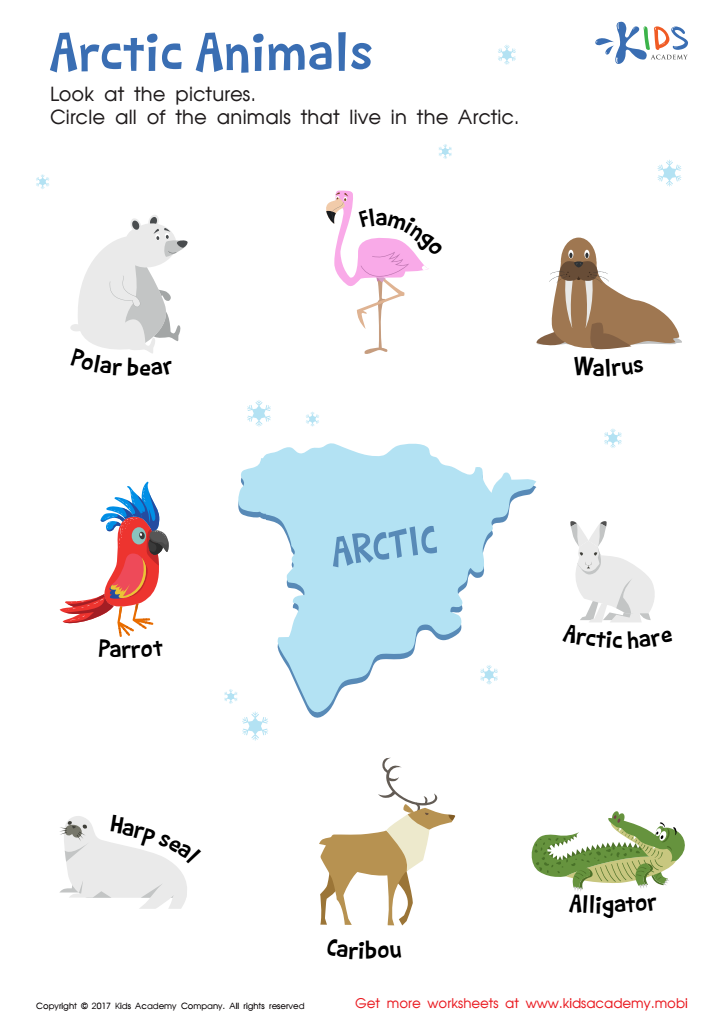
Arctic Animals Worksheet


%20(1).jpg)





Caring about "Normal Animals" for children aged 4-7 is vital for parents and teachers for several reasons. Firstly, learning about everyday animals can ignite a child's natural curiosity and develop their cognitive abilities. Regular animals like dogs, cats, or birds are often part of children’s surroundings, allowing them to make direct observations and connections, enhancing their understanding of the world.
Additionally, discussing common animals helps instill a sense of compassion and respect for living creatures. Kids learn about the needs and behaviors of these animals, fostering empathy and social skills in the process. Age-appropriate stories, songs, and activities related to animals can also hanelp in language development and increase vocabulary.
Moreover, learning about normal animals offers great opportunities for interactive and experiential learning. Activities such as visiting a farm, observing pets, or exploring local parks can make learning tangible and fun, reinforcing science, math, and environmental concepts. This experiential approach boosts not only knowledge but retention as well.
Lastly, incorporating "normal" animals into educational content can bridge cultural and socioeconomic differences, as most children encounter these animals in their daily lives, making the learning experience relatable and inclusive. In all these ways, a focus on everyday animals supports a holistic educational approach, promoting intellectual, emotional, and social development.








