
Normal Graphs Worksheets for Ages 4-8
4 filtered results
Difficulty Level
Grade
Age
-
From - To
Subject
Activity
Standards
Discover a world of fun learning with our Normal Graphs Worksheets designed specifically for children ages 4-8. Our engaging worksheets introduce young learners to foundational graph concepts through vibrant visuals and interactive activities. These resources help children develop essential skills in data interpretation, pattern recognition, and basic graphing. Ideal for home or classroom use, the worksheets are versatile and cater to various learning styles, ensuring each child can progress at their own pace. Foster a love for math and critical thinking in your little ones today with our thoughtfully crafted Normal Graphs Worksheets! Get started with fun learning experiences!
Favorites
With answer key
Interactive
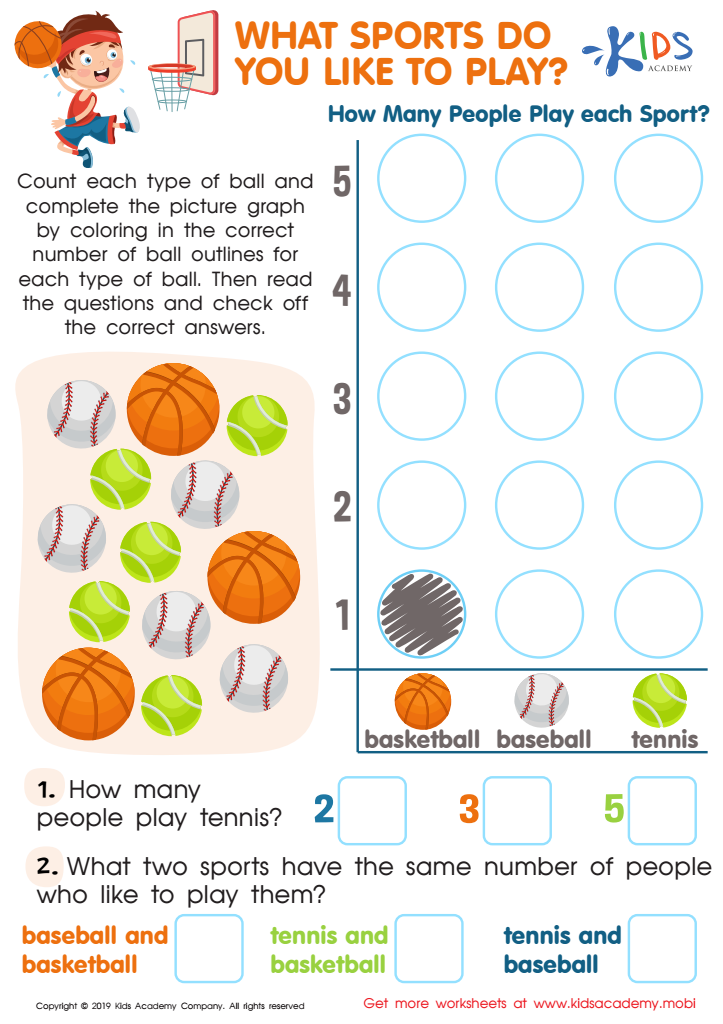
What Sports Do You Like to Play Worksheet
Encourage your kids to complete this fun sports-themed math worksheet! Count each type of ball then help them complete the picture graph. It's a great way to make math a fun, tear-free activity. Download our printable PDF to get started!
 Assign to My Students
What Sports Do You Like to Play Worksheet
Worksheet
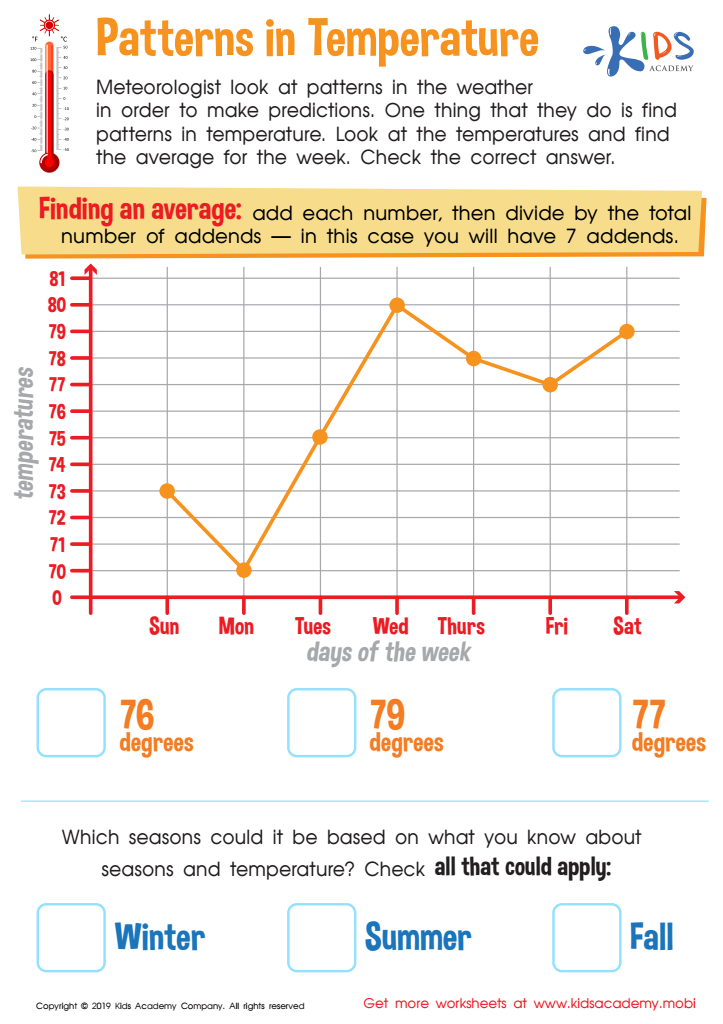
Patterns in Temperature Worksheet
Kids need to learn how to read and interpret data from graphs and charts. This free worksheet on temperature patterns helps them to do just that. They'll practice finding averages and answer questions in multiple-choice format. Plus, it provides a great learning experience!
Patterns in Temperature Worksheet
Worksheet
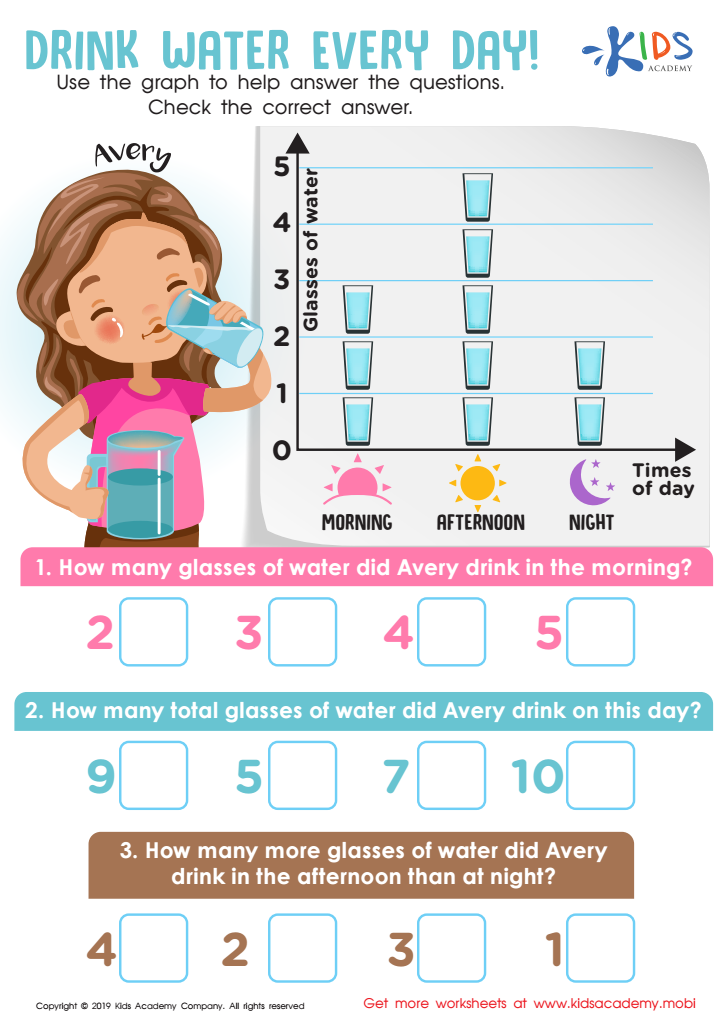
Drink Water Every Day! Worksheet
Water is essential for life. Without it, all living things would die eventually. Drinking it regularly is key to our survival. Help your kids understand the importance of water by looking at the graph in the worksheet together, and help them answer the questions it contains.
Drink Water Every Day! Worksheet
Worksheet
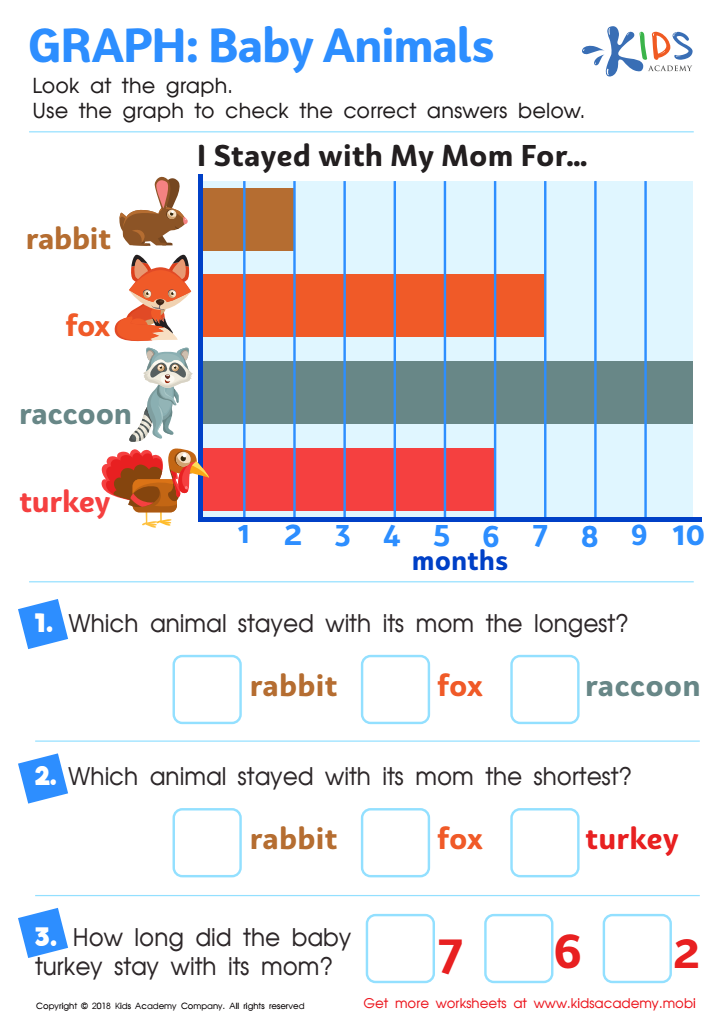
Graph: Baby Animals Worksheet
Graphs are essential for learning in math, science and ELA. This worksheet featuring baby animals is a fun way to practice reading graphs. Look at the graph and answer the questions below it. Check the boxes for the right answers based on the data.
Graph: Baby Animals Worksheet
Worksheet
Join Kids Academy for Free
Who is primarily going to use this learning content?








Normal graphs are essential tools for understanding children's development and educational progress, especially for ages 4-8. For parents and teachers, these graphical representations can demystify complex data, making it easier to observe and track a child's growth in various skills, including academic performance, social-emotional development, and behavioral patterns.
By examining a normal graph, adults can identify developmental milestones that children typically reach at specific ages, helping to set realistic expectations. This fosters developmental awareness, ensuring that parents and teachers can provide appropriate support tailored to individual learning styles.
Moreover, normal graphs highlight areas needing attention, enabling intervention strategies for children struggling academically or socially. Recognizing when a child falls outside the expected range triggers timely support, empowering educators and parents to address potential issues before they escalate.
Additionally, understanding normal graphs strengthens communication between parents and teachers. When both parties recognize a child's developmental standing, they can collaborate more effectively and share insights and strategies for nurturing growth.
In essence, normal graphs provide valuable insights into children's development, guidance for targeted support, and a framework for collaborative dialogue between parents and educators, ultimately fostering a child's holistic growth.








