Normal Geography Worksheets for Ages 4-8 - Page 3
51 filtered results
-
From - To
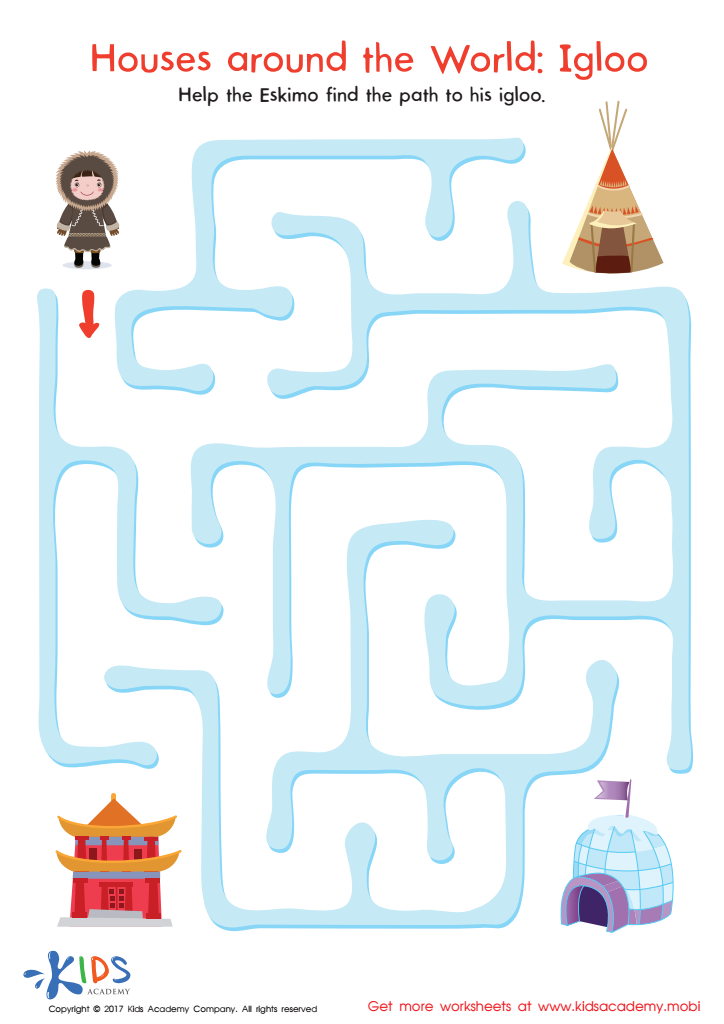
Houses Around the World: Igloo Printable
 Assign to My Students
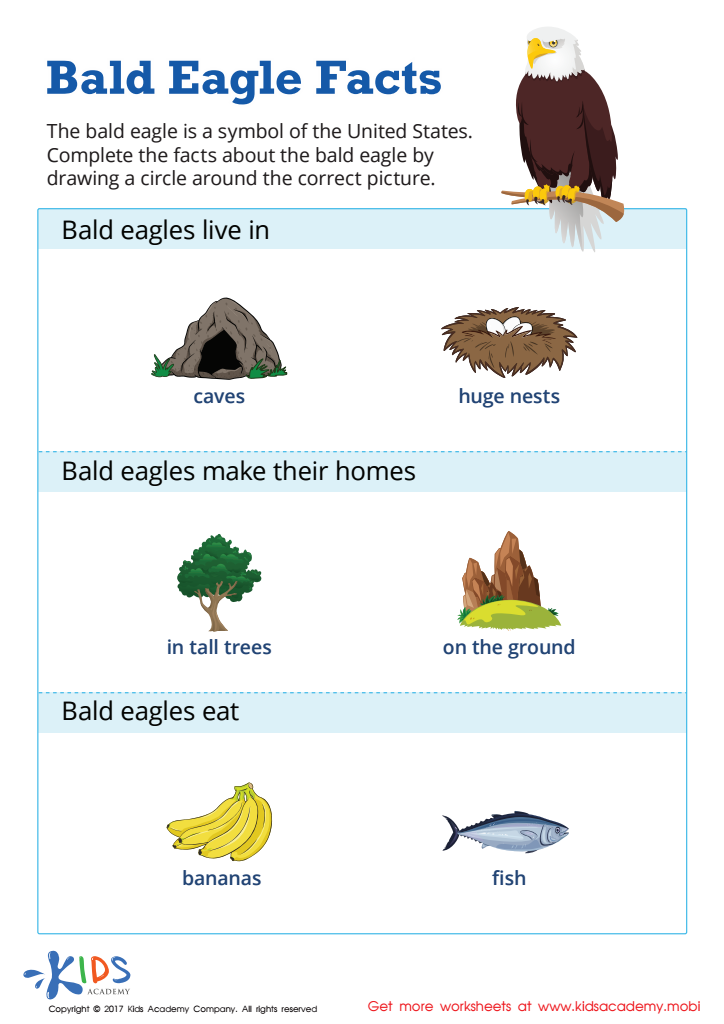
Bald Eagle Facts Worksheet
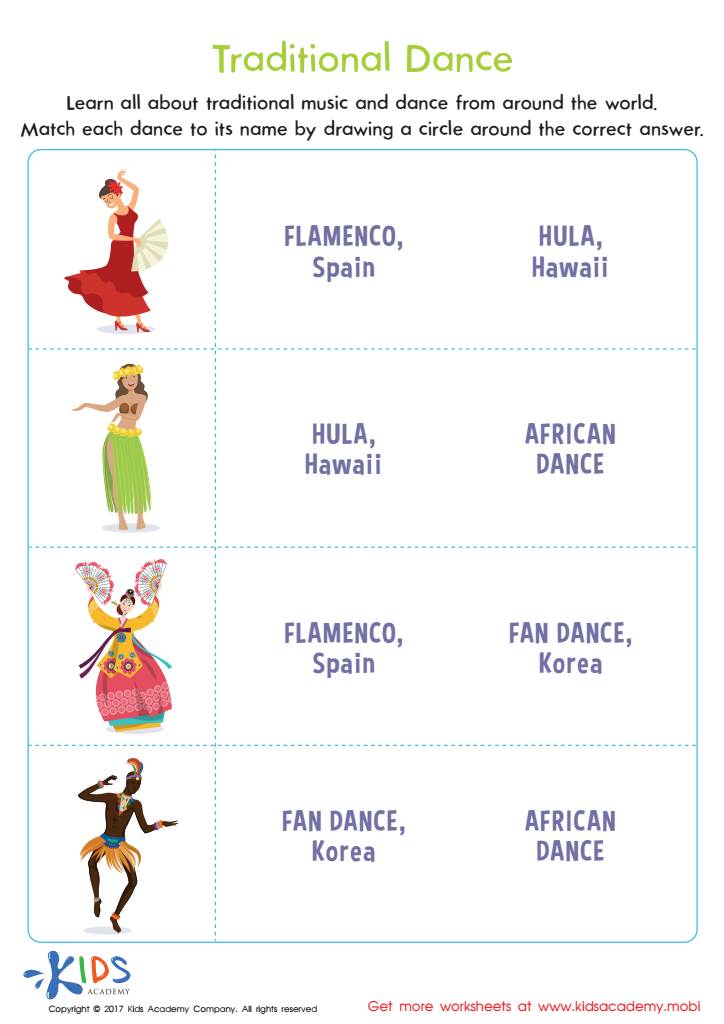
Traditional Dance Printable





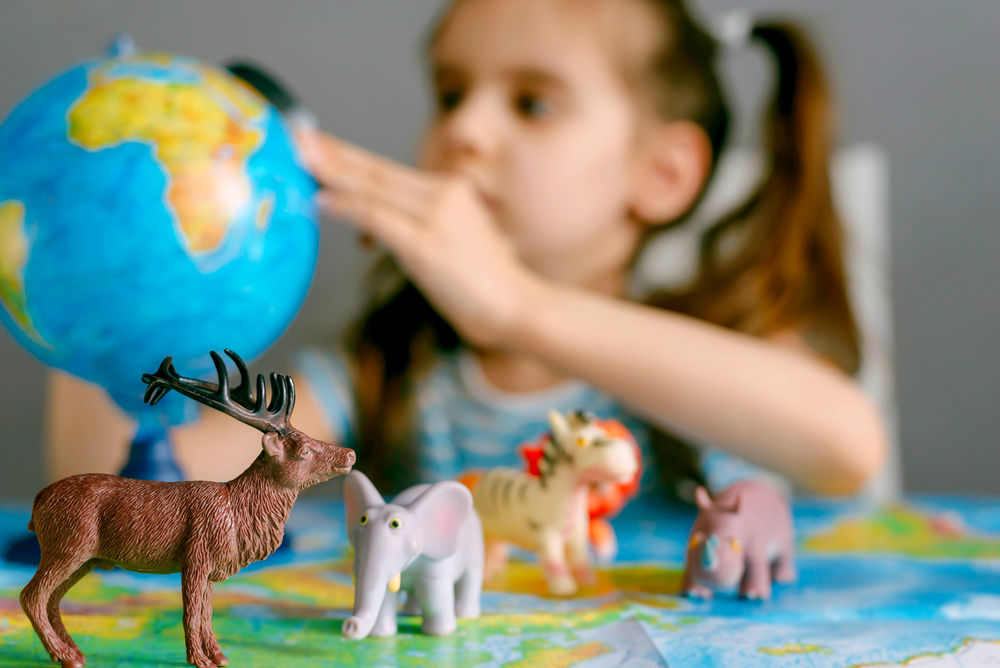

Teaching geography to children ages 4-8 is essential as it lays a foundation for understanding the world. At this age, children are naturally curious and more receptive to new information. By introducing them to geographical concepts, parents and teachers help cultivate a sense of wonder and an appreciation for different places and cultures. Early exposure to geography enriches vocabulary, enhances cognitive skills, and fosters spatial awareness.
Learning about continents, countries, and landmarks broadens young minds and nurtures open-mindedness. For instance, knowing that an animal lives in Africa or that a famous structure is in France can anchor children's understanding of the world. This can spark interest in diverse cultures and backgrounds, promoting empathy and respect for others.
Geographical education also encourages problem-solving skills and contextual thinking. When children understand basic geographic concepts, such as directions and map-reading, they develop critical thinking aptitudes. This knowledge is foundational for subjects they will encounter later in education, like history and science.
Furthermore, engaging with geography through age-appropriate activities like puzzles, maps, and stories enhances fine motor skills and boosts memory retention. Parents and teachers who invest time in teaching geography provide children with essential tools to navigate and appreciate the diverse, interconnected world they live in.








