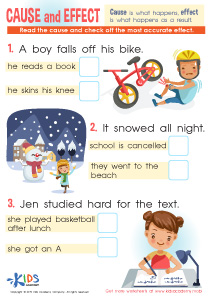
Normal Reading Non-Fiction Worksheets for Ages 5-8 - Page 3
69 filtered results
-
From - To
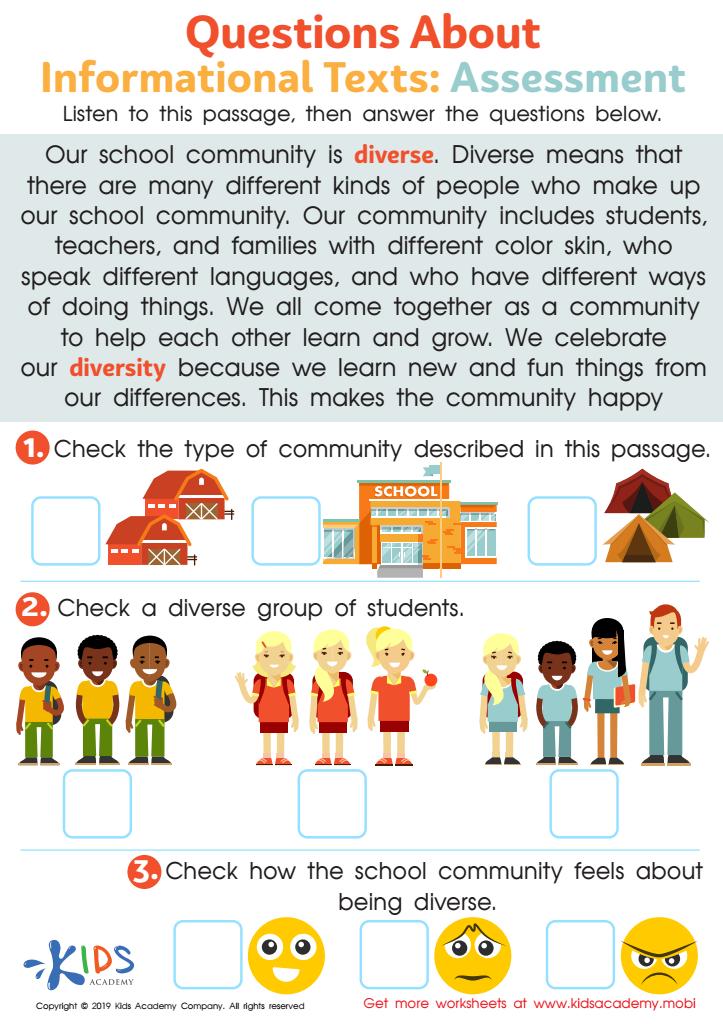
Questions About Informational Texts: Assessment 1 Worksheet
 Assign to My Students
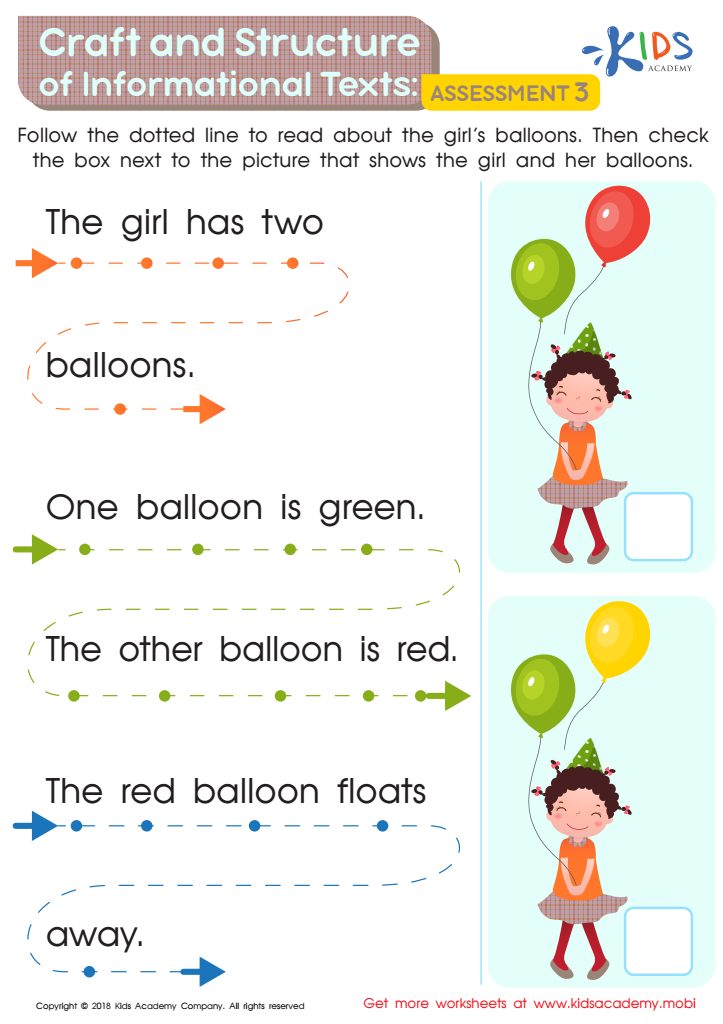
Craft and Structure of Informational Texts: Assessment 3 Worksheet
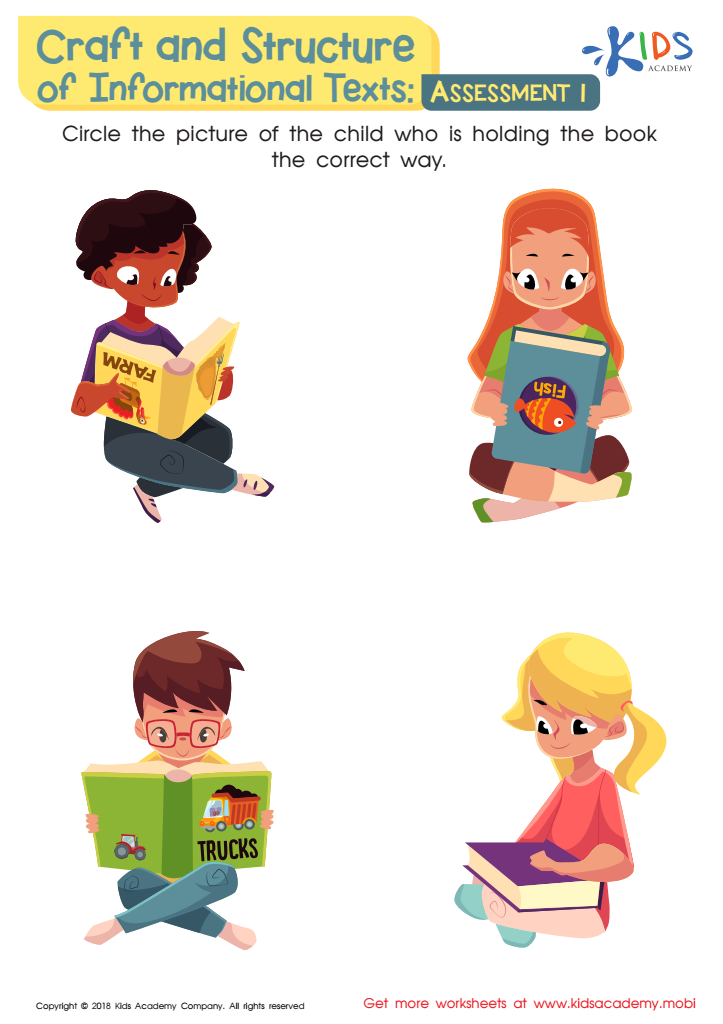
Craft and Structure of Informational Texts: Assessment 1 Worksheet
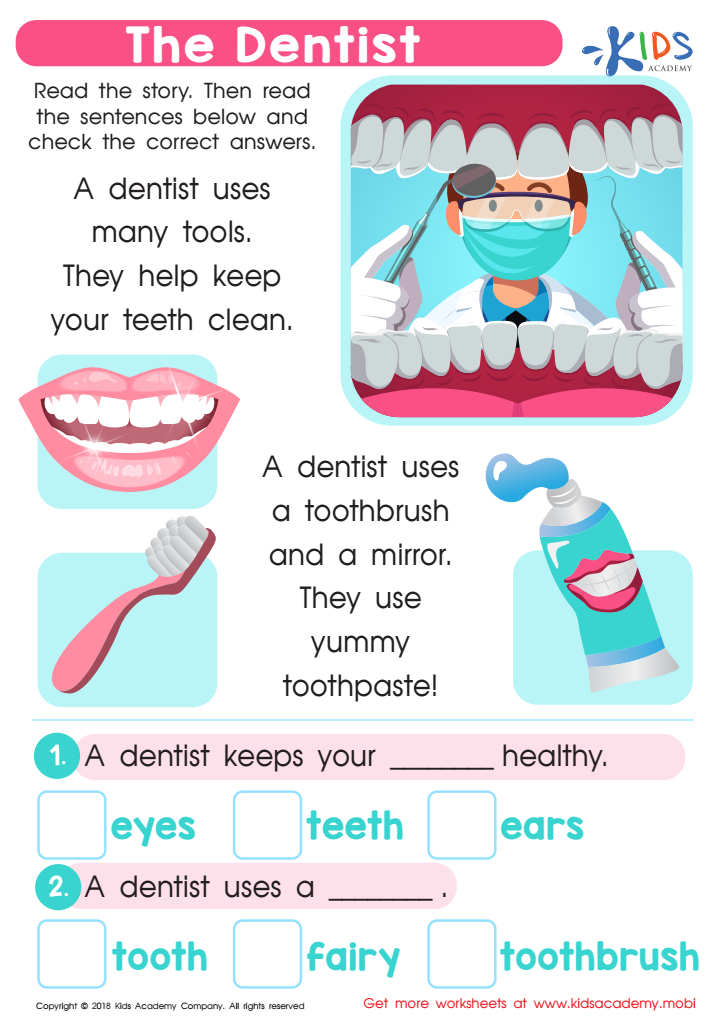
The Dentist Worksheet
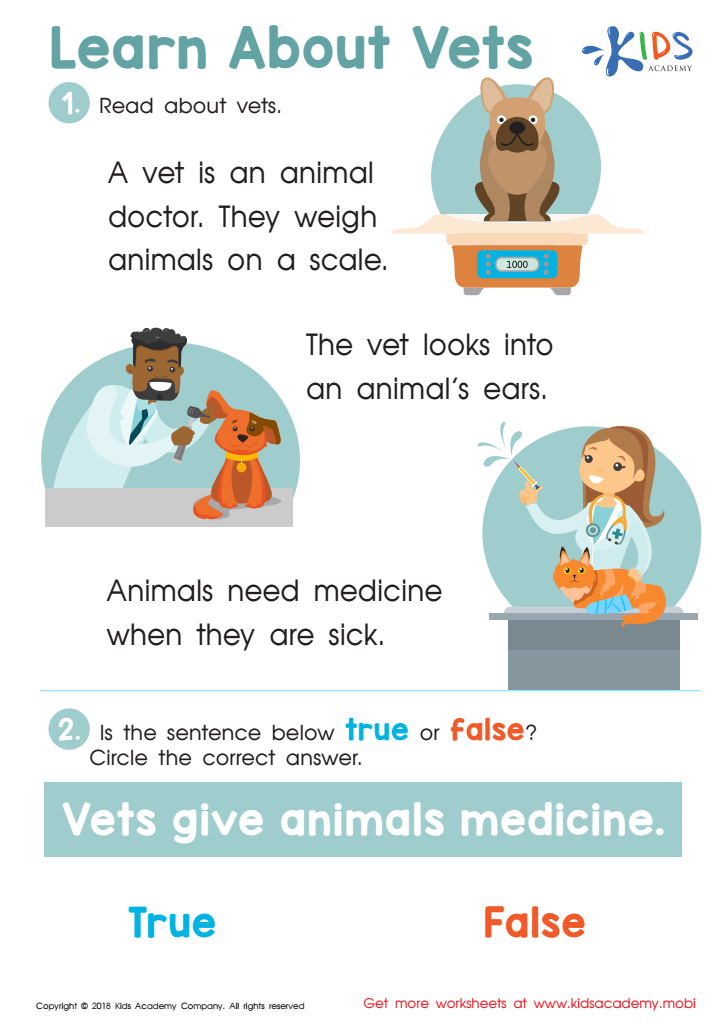
Learn About Vets Worksheet
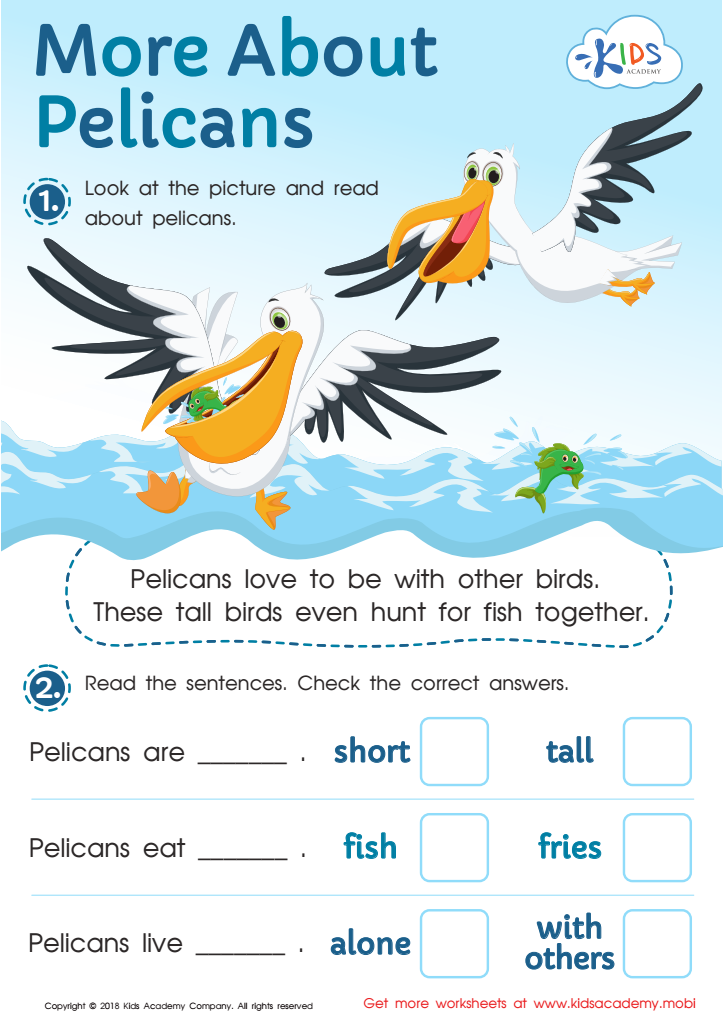
More About Pelicans Worksheet
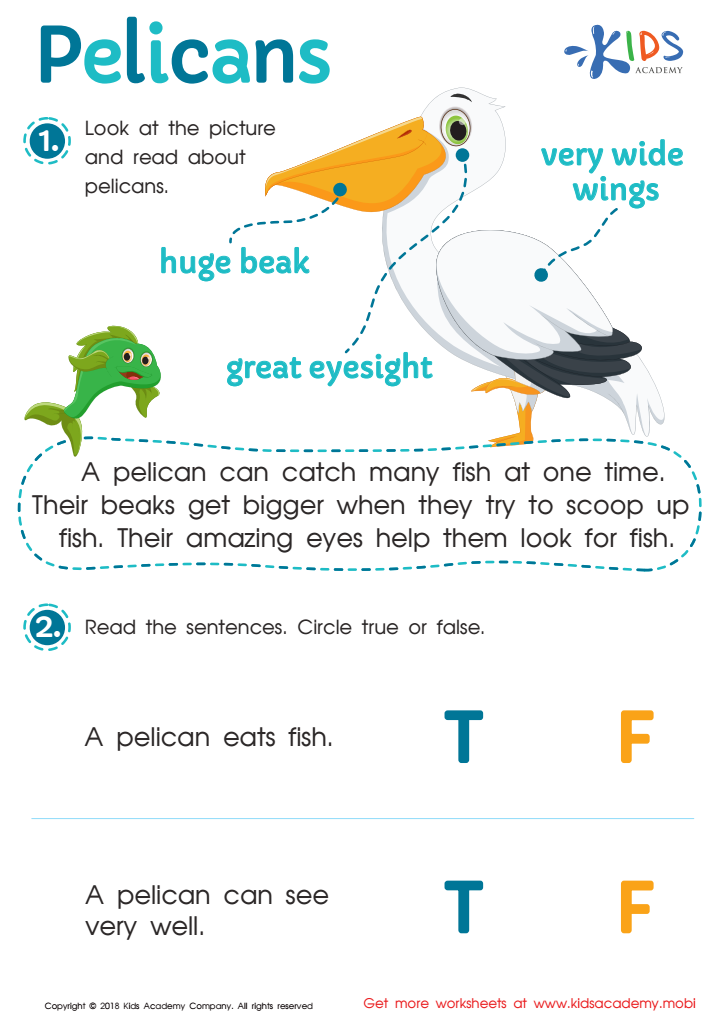
Pelicans Worksheet
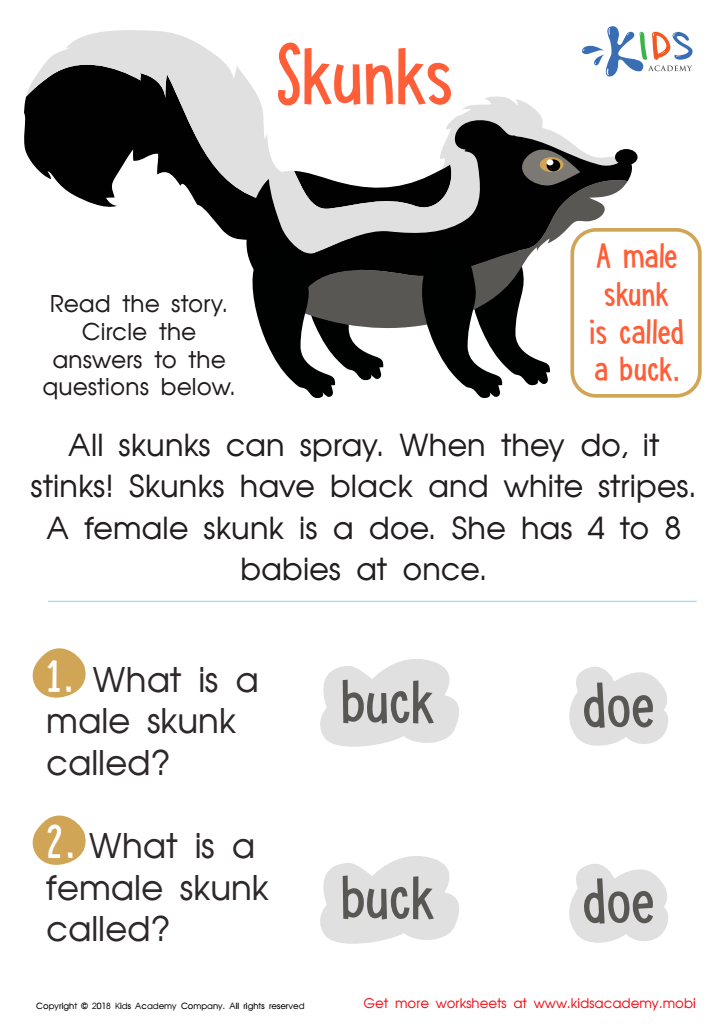
Skunks Worksheet
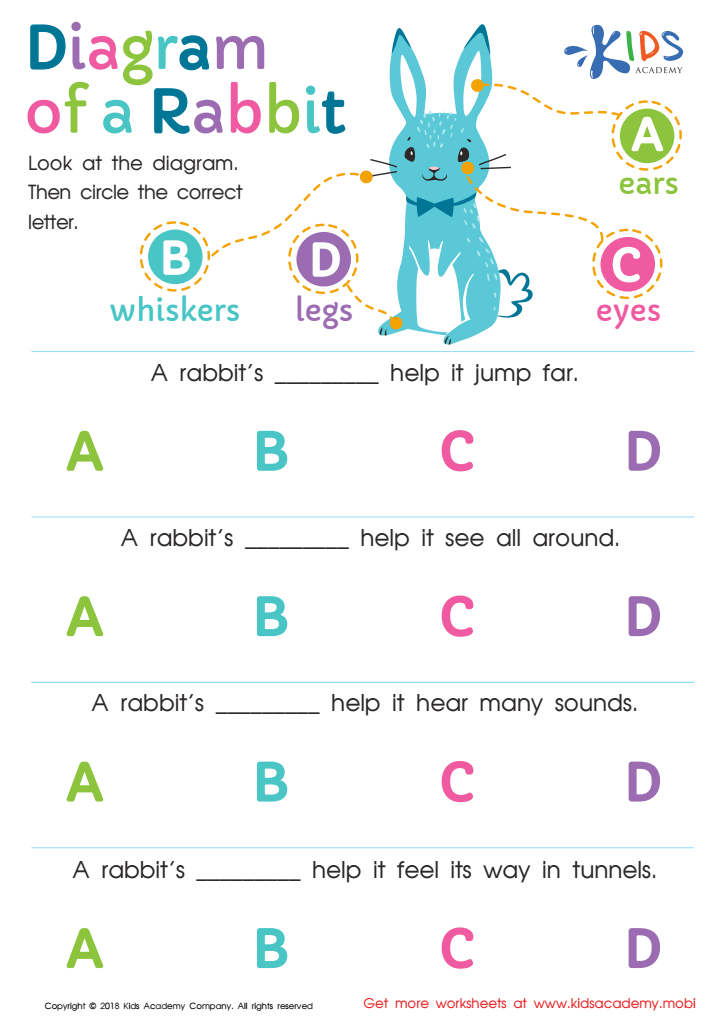
Diagram of a Rabbit Worksheet
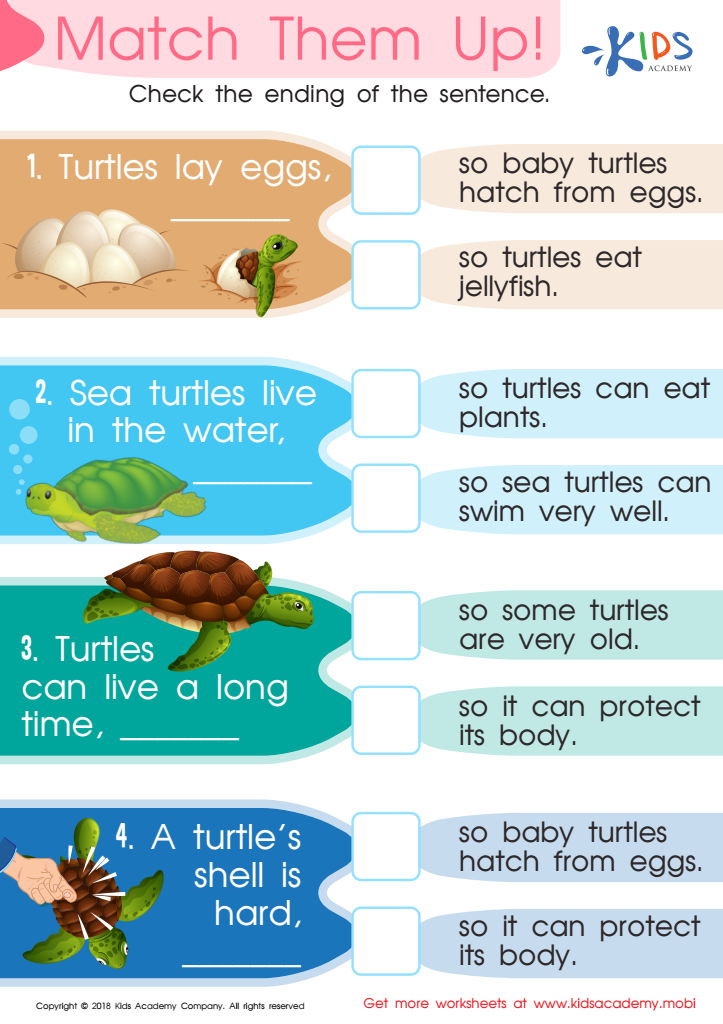
Match Them Up Worksheet
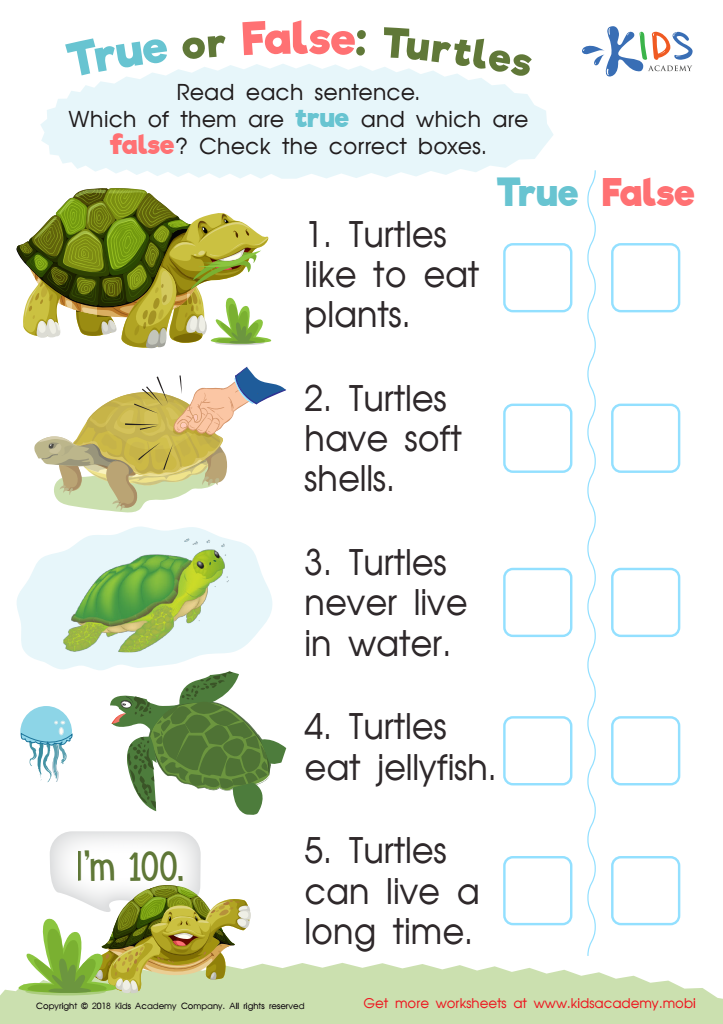
True or False: Turtles Worksheet
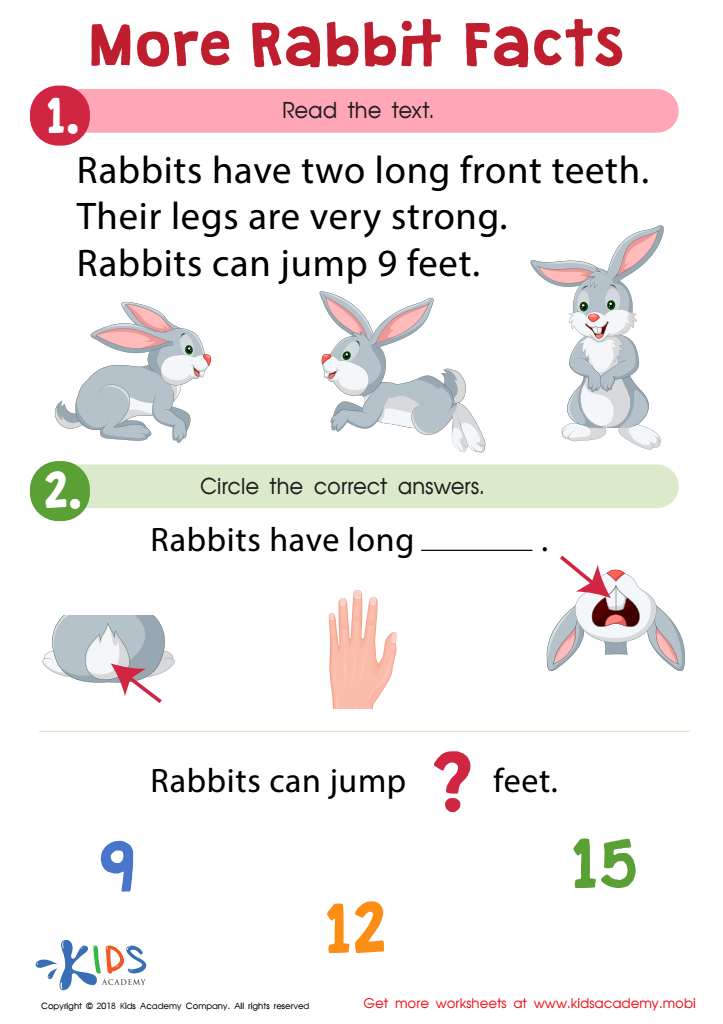
More Rabbit Facts Worksheet
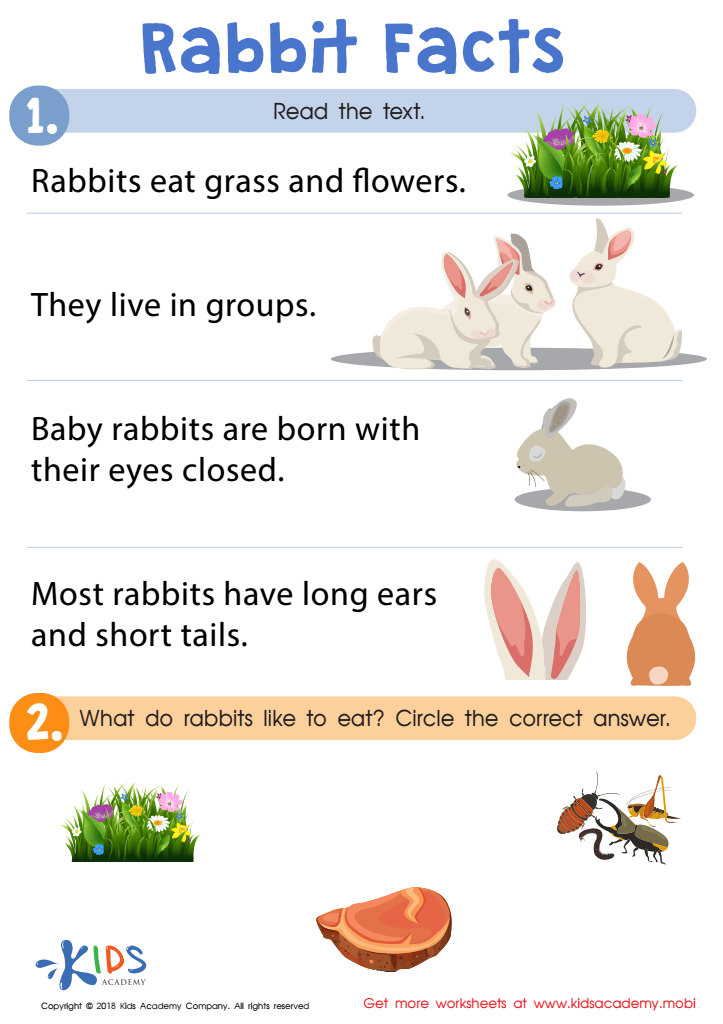
Rabbit Facts Worksheet
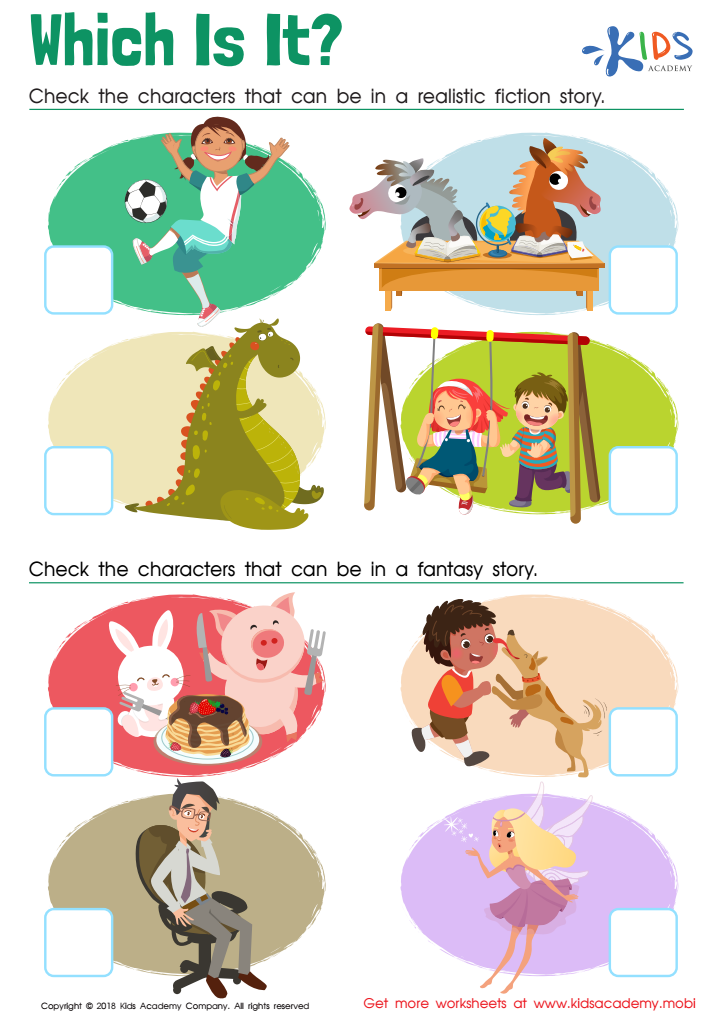
Which Is It? Worksheet
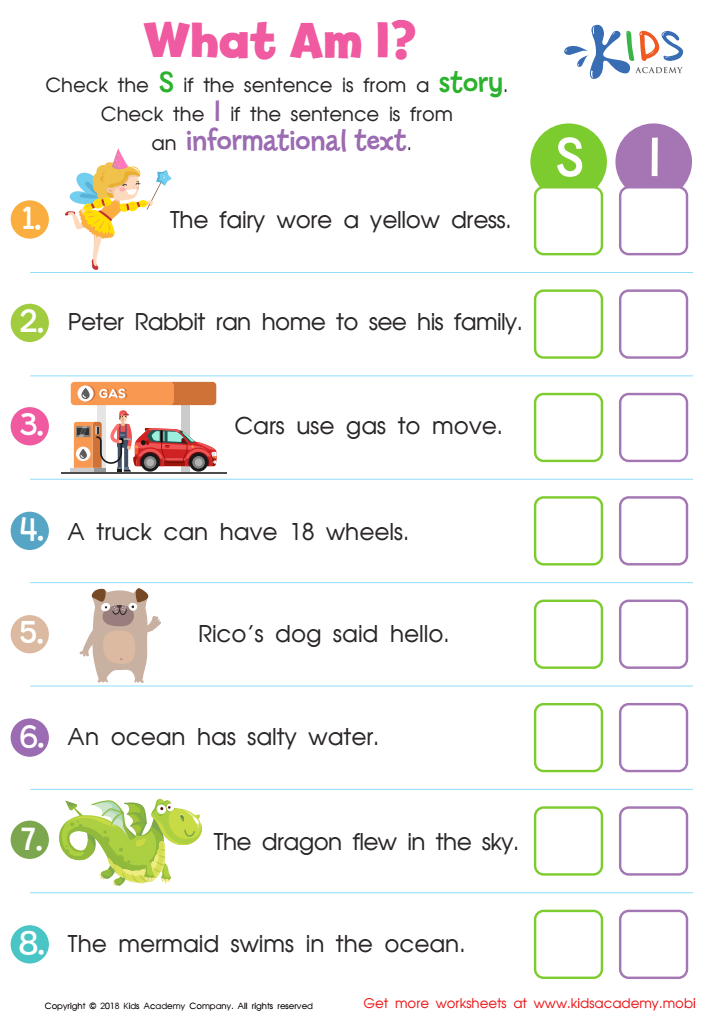
What Am I? Worksheet
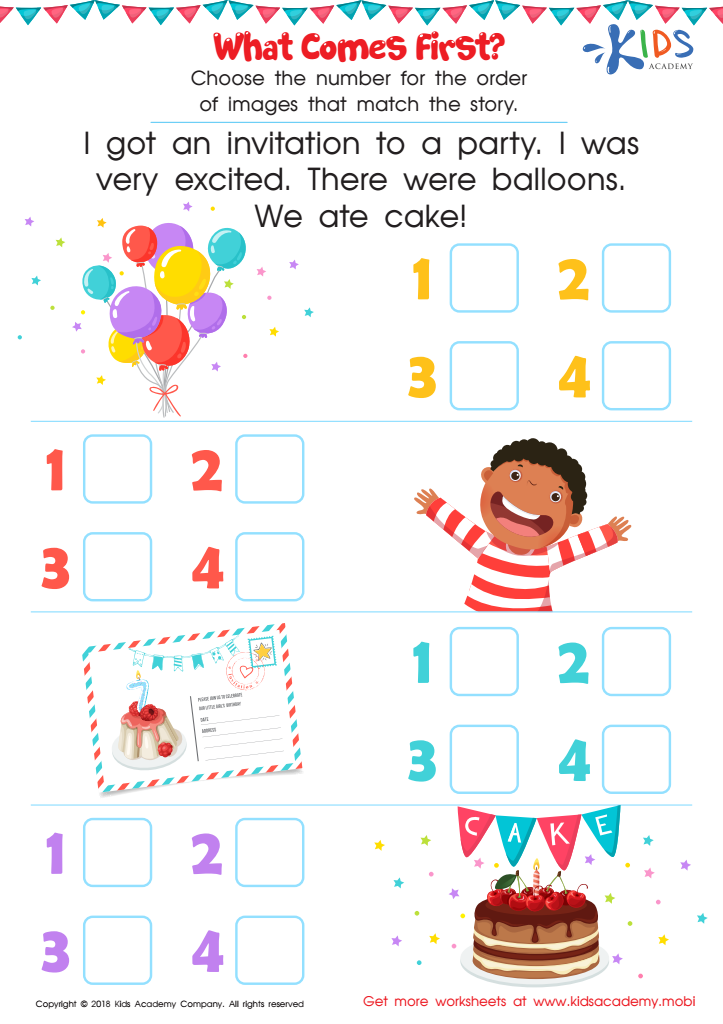
What Comes First Worksheet
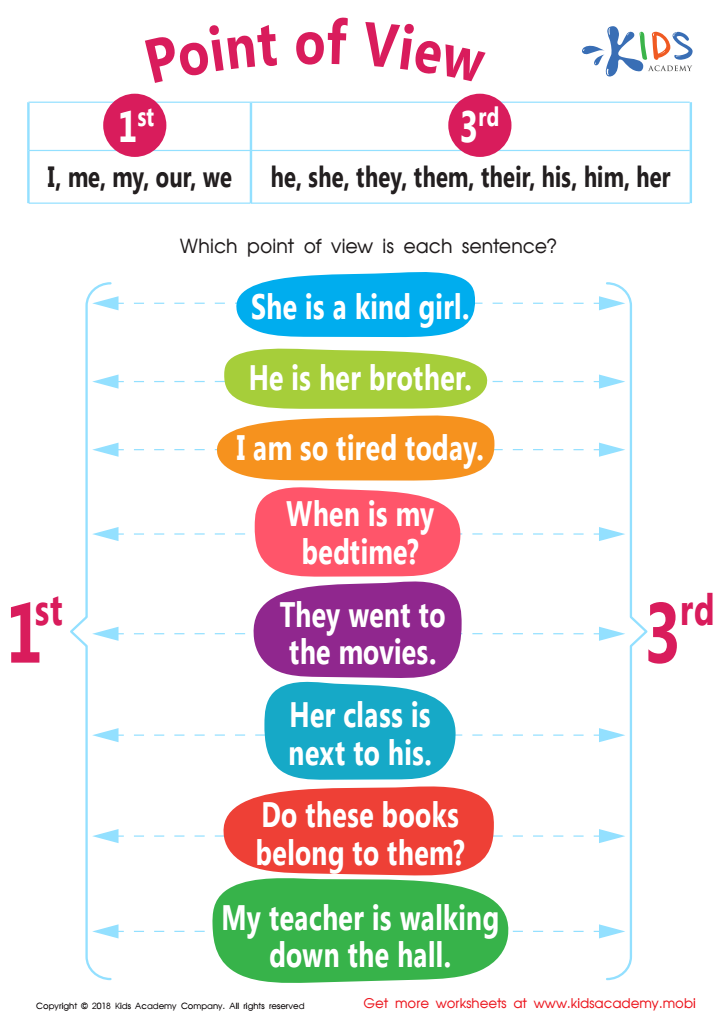
Point of View Worksheet
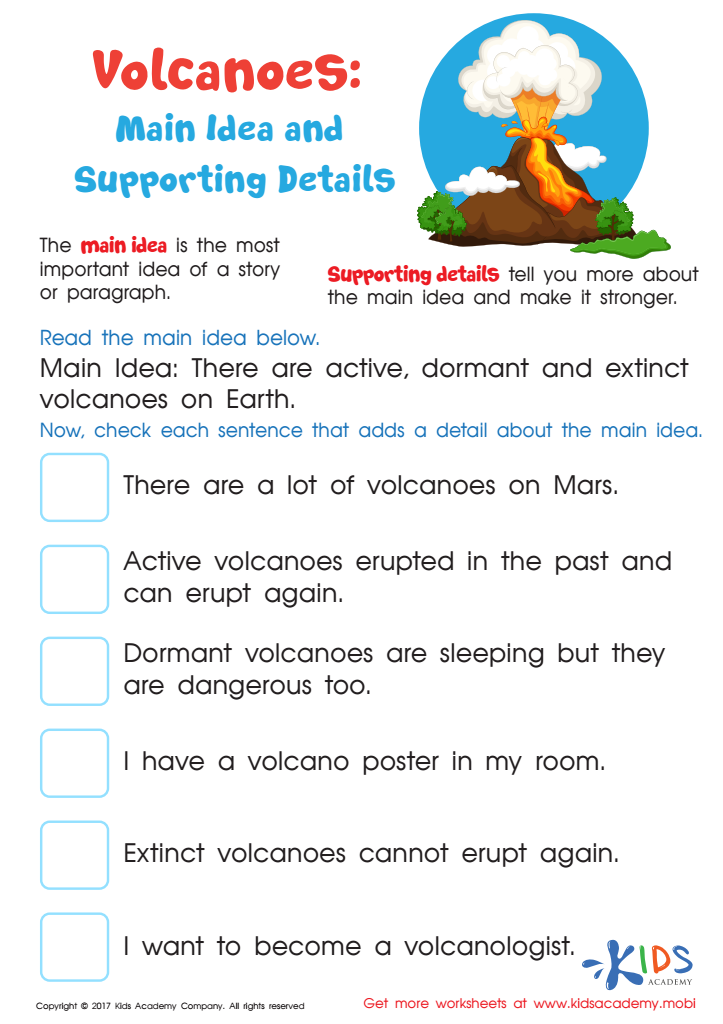
Volcano Facts Worksheet
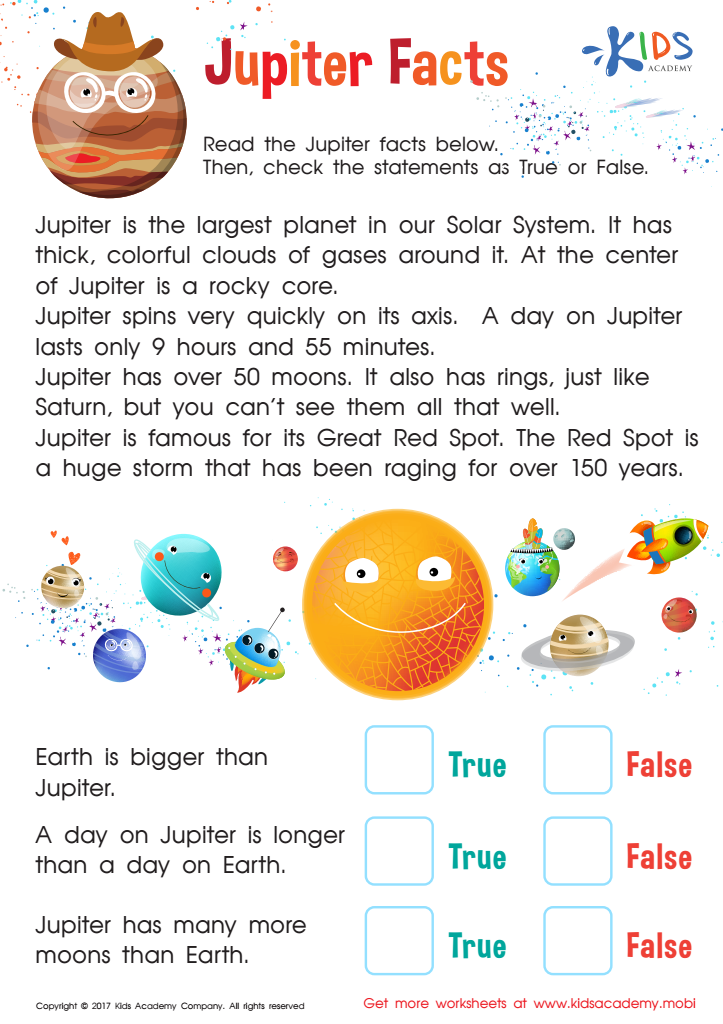
Jupiter Facts Worksheet
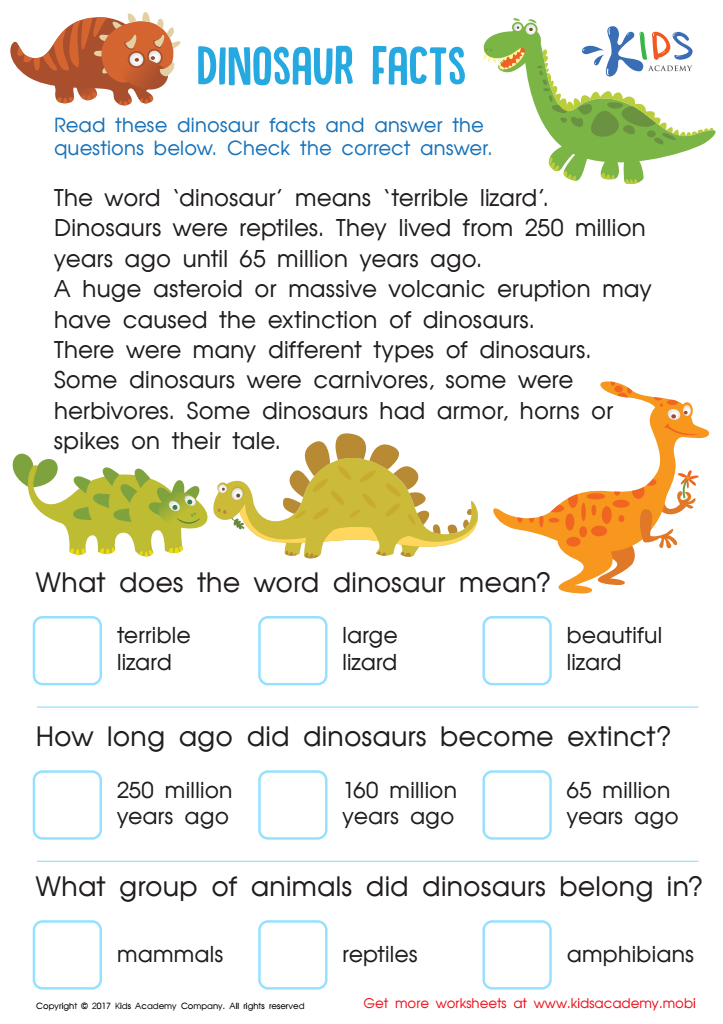
Dinosaur Facts Worksheet
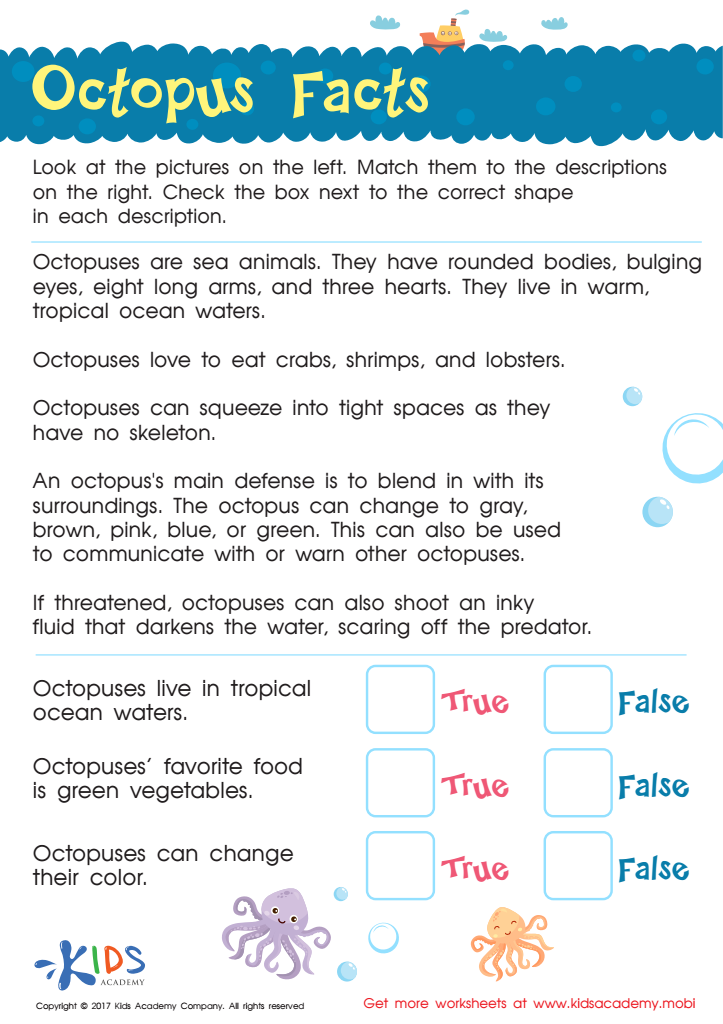
Octopus Facts Worksheet For Kids








Parents and teachers should care about normal reading non-fiction for ages 5-8 because it plays a crucial role in children's cognitive and social development. Non-fiction texts introduce young readers to the real world, fostering curiosity and encouraging critical thinking. Through these texts, children learn essential facts about science, history, nature, and cultures, helping to build their knowledge base and expand their worldview.
Furthermore, non-fiction reading develops literacy skills essential for academic success. It enhances vocabulary acquisition, improves comprehension abilities, and promotes the understanding of text structures, which contrasts with narrative forms. By engaging with diverse non-fiction sources, children also learn to differentiate between credible information and opinions, preparing them for the digital age's flood of information.
Additionally, exploring non-fiction instills a sense of empowerment as children identify their interests and connect with topics that resonate with them. This can inspire a lifelong love of learning and inquiry. Including non-fiction in a child's reading repertoire also creates opportunities for meaningful discussions between parents, teachers, and children, strengthening bonds while fostering a rich culture of exploration and understanding. In essence, normal reading non-fiction is invaluable for nurturing well-rounded, informed, and curious individuals.