Normal History Worksheets for Ages 5-8 - Page 3
59 filtered results
-
From - To
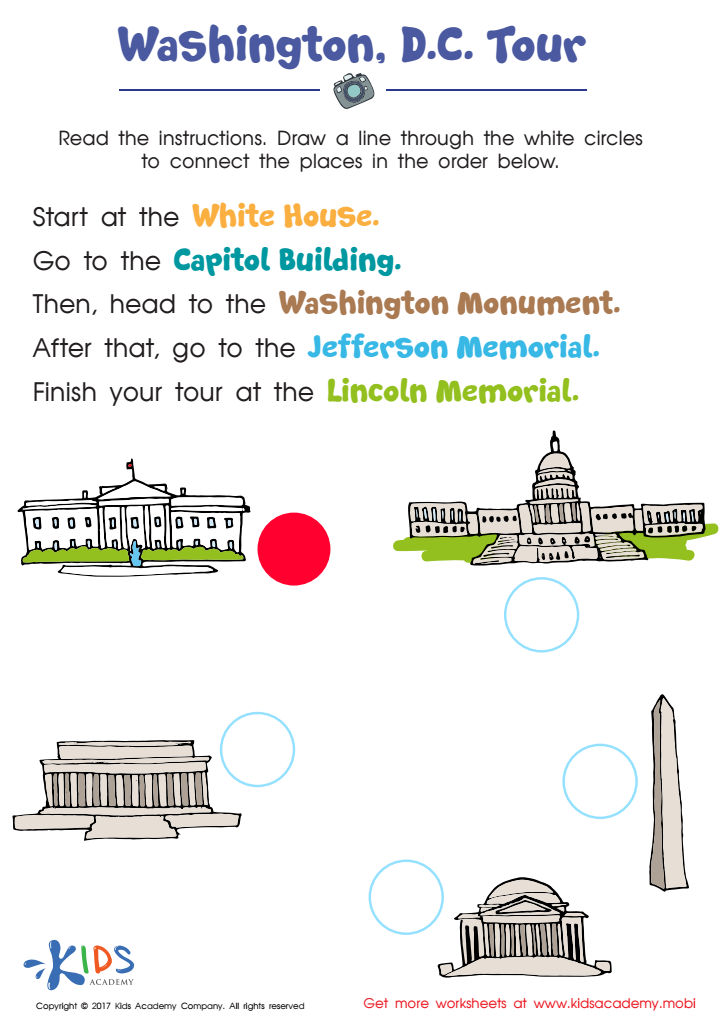
Washington, D.C. Symbols Worksheet
 Assign to My Students
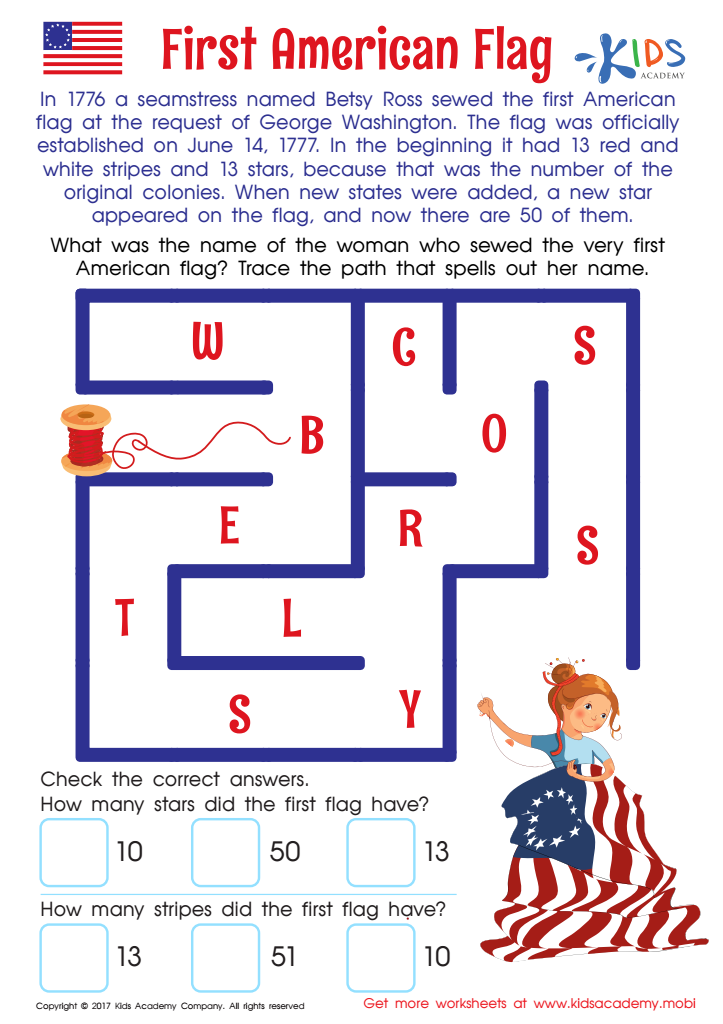
First American Flag Worksheet
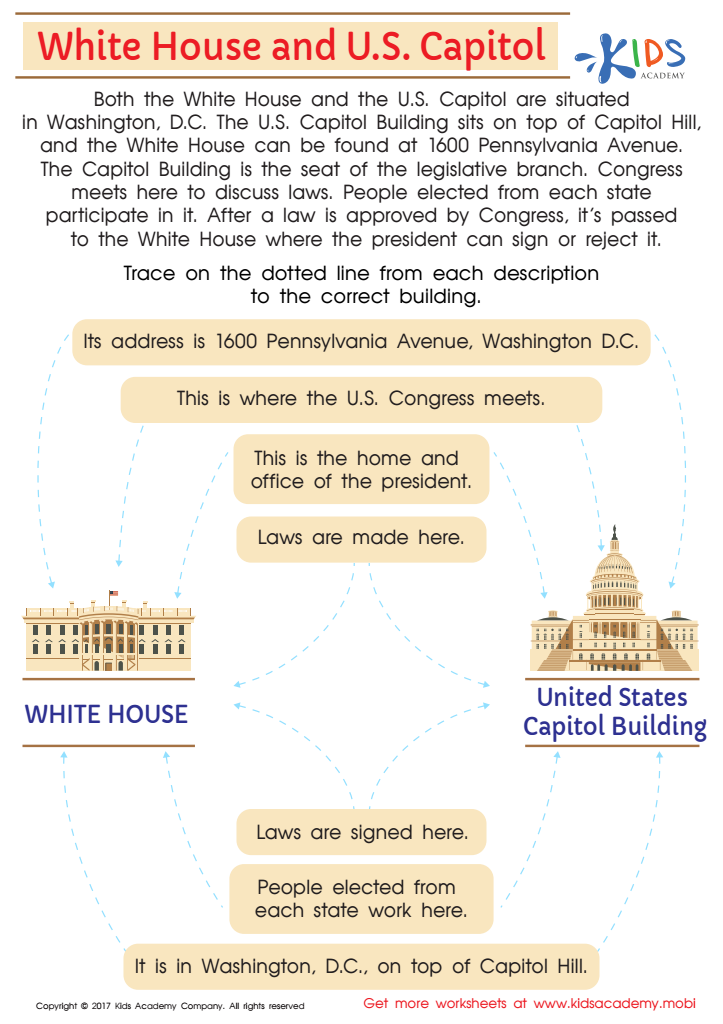
White House and US Capitol Worksheet
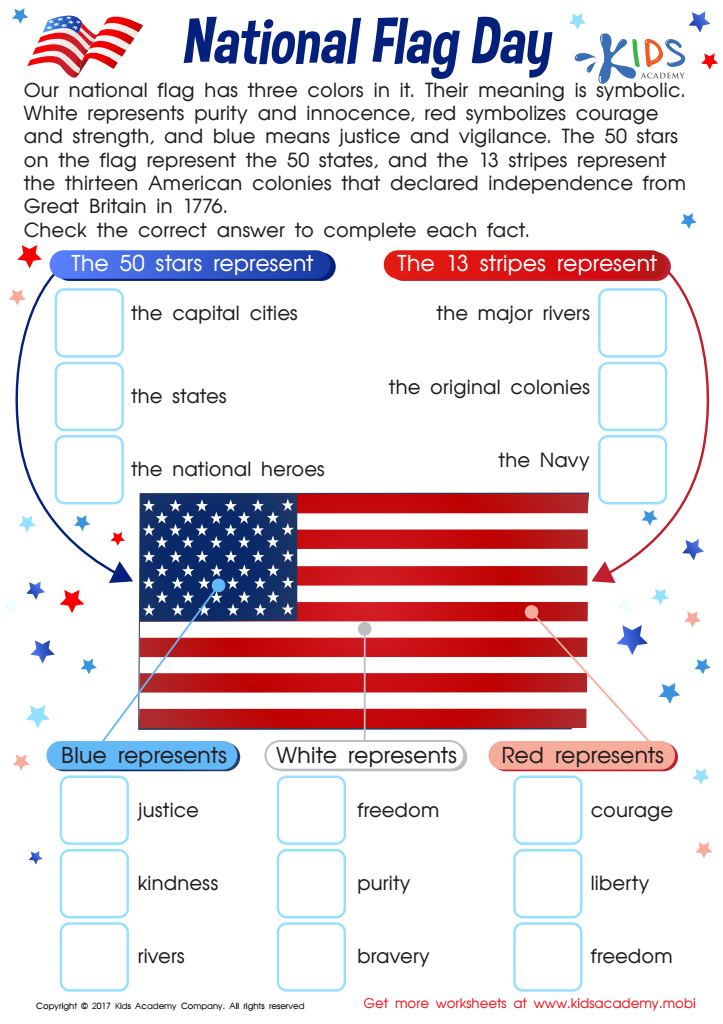
US National Flag Day Worksheet
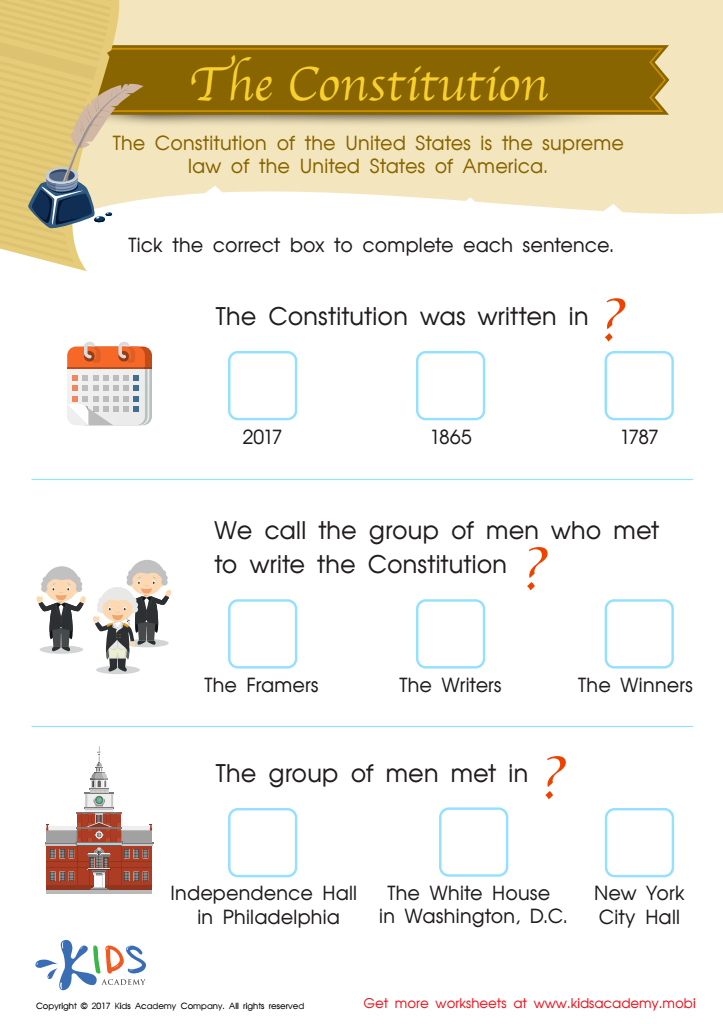
The Constitution Worksheet
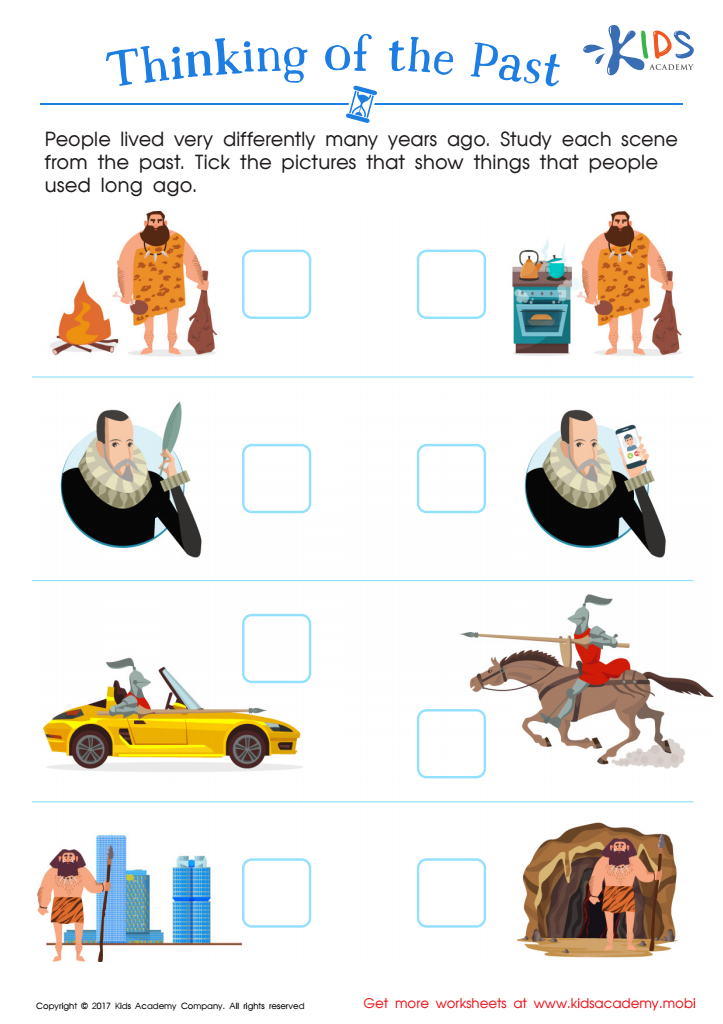
Thinking Past Printable
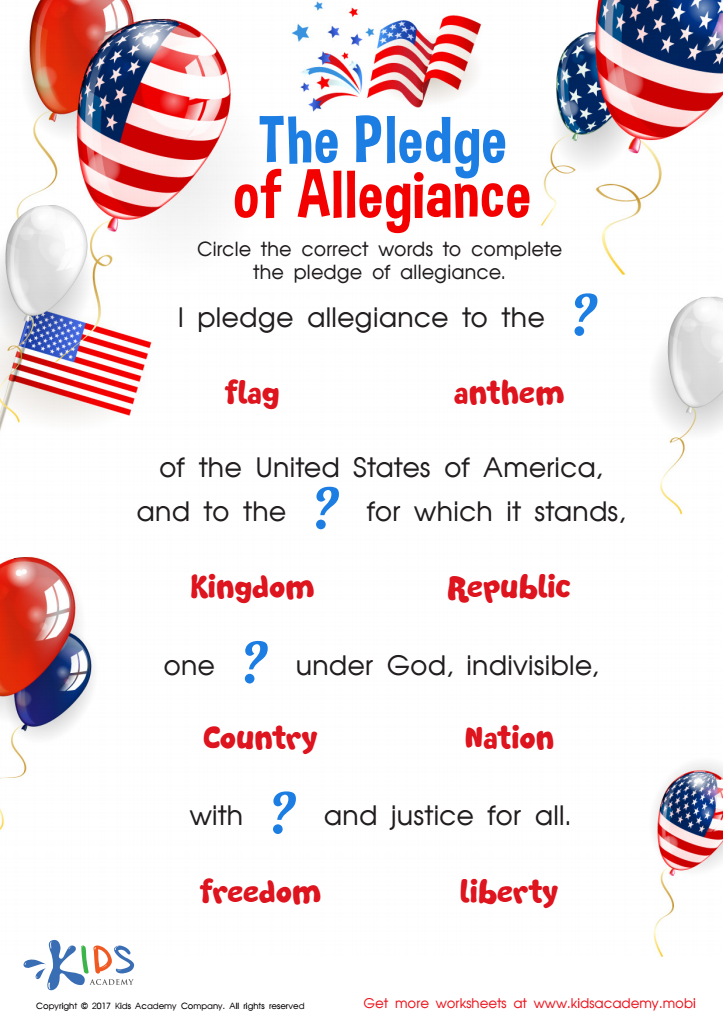
The Pledge of Allegiance Worksheet
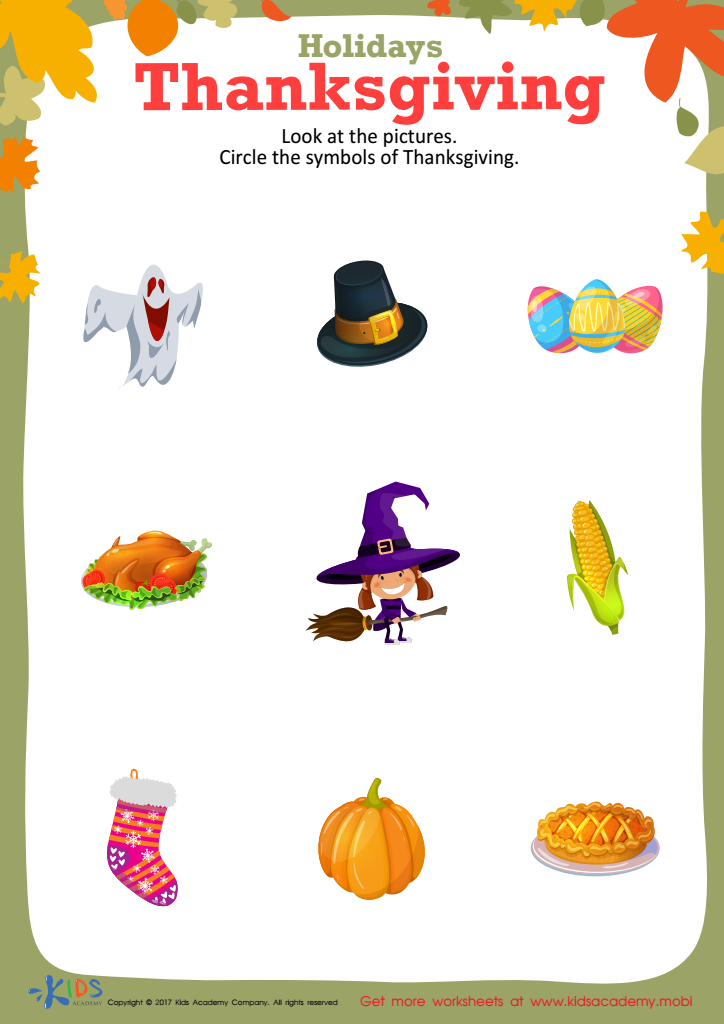
Thanksgiving Holiday Printable
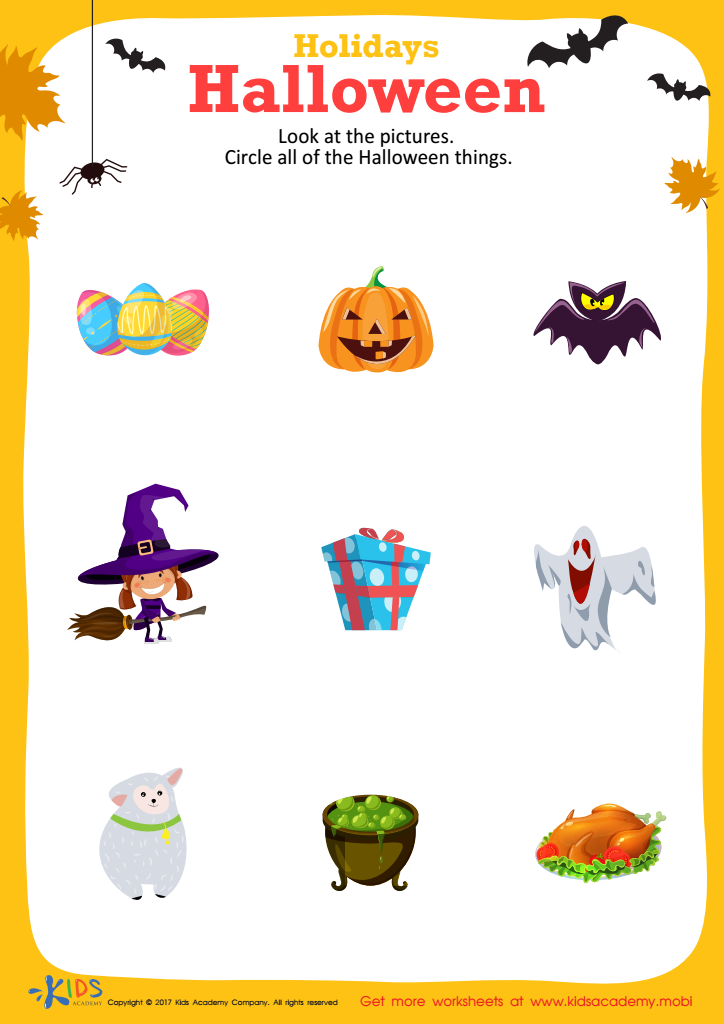
Halloween Holiday Worksheet
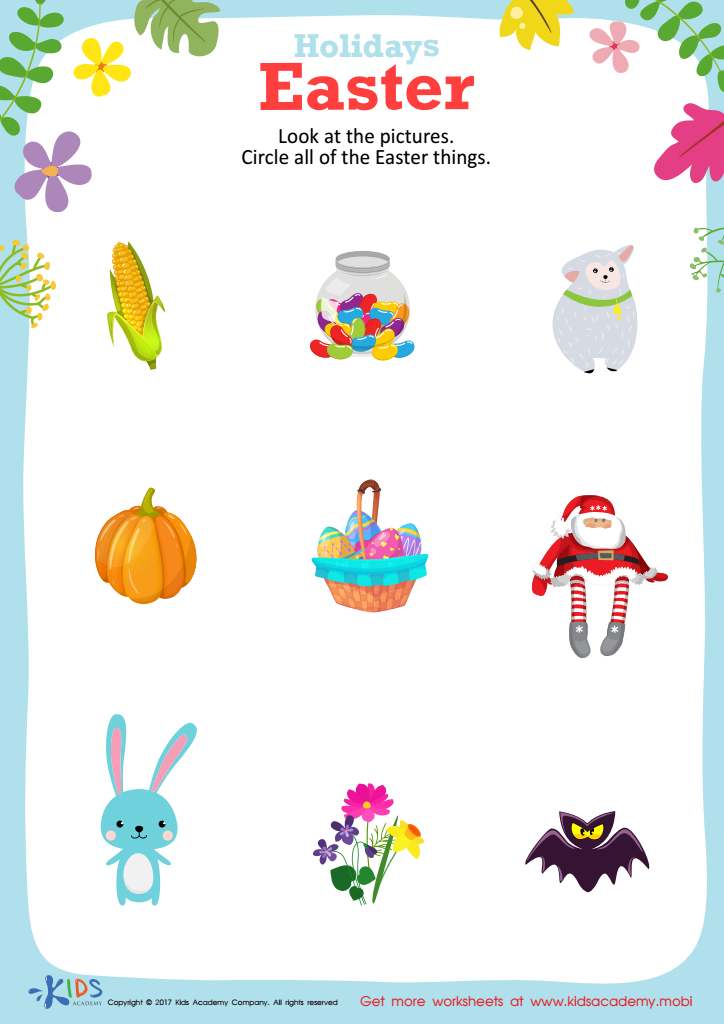
Easter Holiday Printable
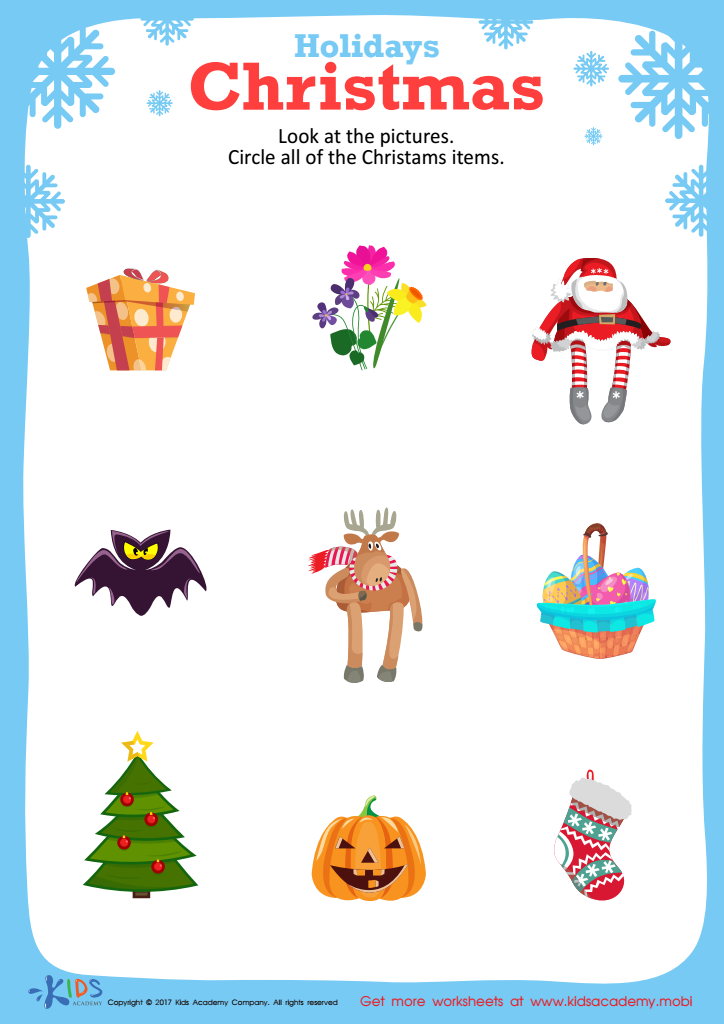
Christmas Holiday Worksheet








Parents and teachers should prioritize Normal History for children ages 5-8 because it serves as a vital foundation for understanding our world. At this developmental stage, children are naturally curious and eager to learn about the past. Introducing them to historical narratives helps cultivate a sense of identity, belonging, and community. Normal History illustrates how past events shape contemporary society, making it more relatable and engaging for young learners.
Furthermore, learning history promotes critical thinking skills. By exploring diverse viewpoints and the causes and effects of historical events, children develop the ability to analyze information and form reasoned opinions. This also encourages compassion and empathy as they encounter stories of people's struggles and triumphs.
Additionally, integrating Normal History into education fosters literacy and language development. Engaging with historical texts, stories, and discussions expands children's vocabulary and helps them practice comprehension skills.
Ultimately, learning history at a young age lays the groundwork for informed citizenship. When children grasp the lessons of the past, they become more aware of their role in society and are better prepared to engage with pressing global issues as they grow. Investing in Normal History education helps cultivate thoughtful, responsible future leaders.