Normal Alphabet Worksheets for Ages 5-9 - Page 10
252 filtered results
-
From - To
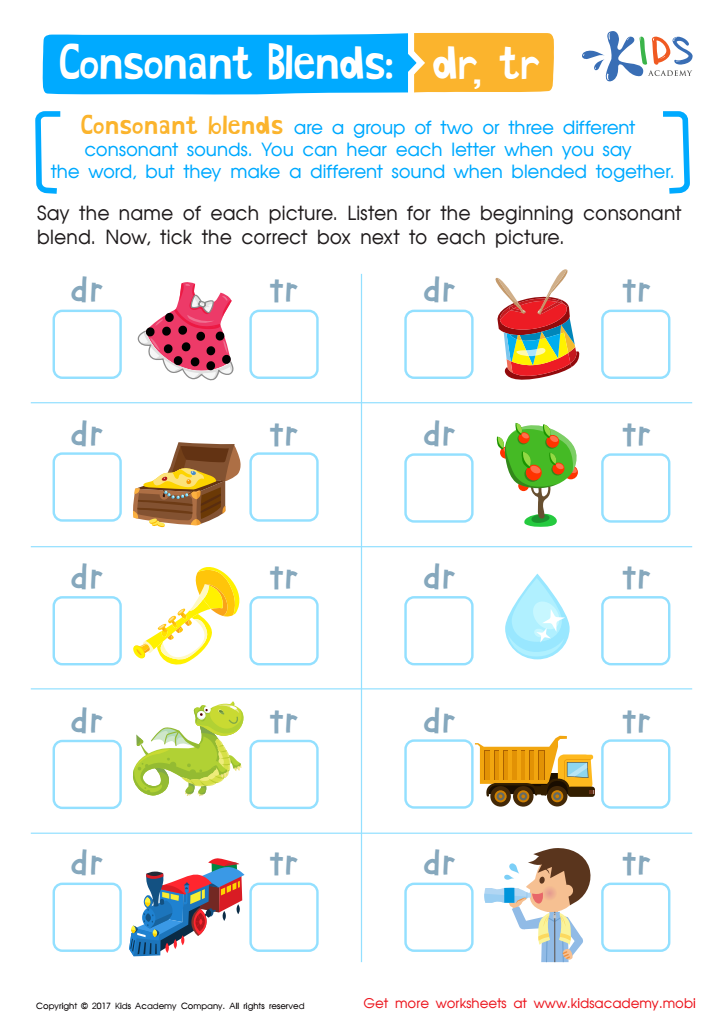
Consonant Blends: "Dr" and "Tr" Printable
 Assign to My Students
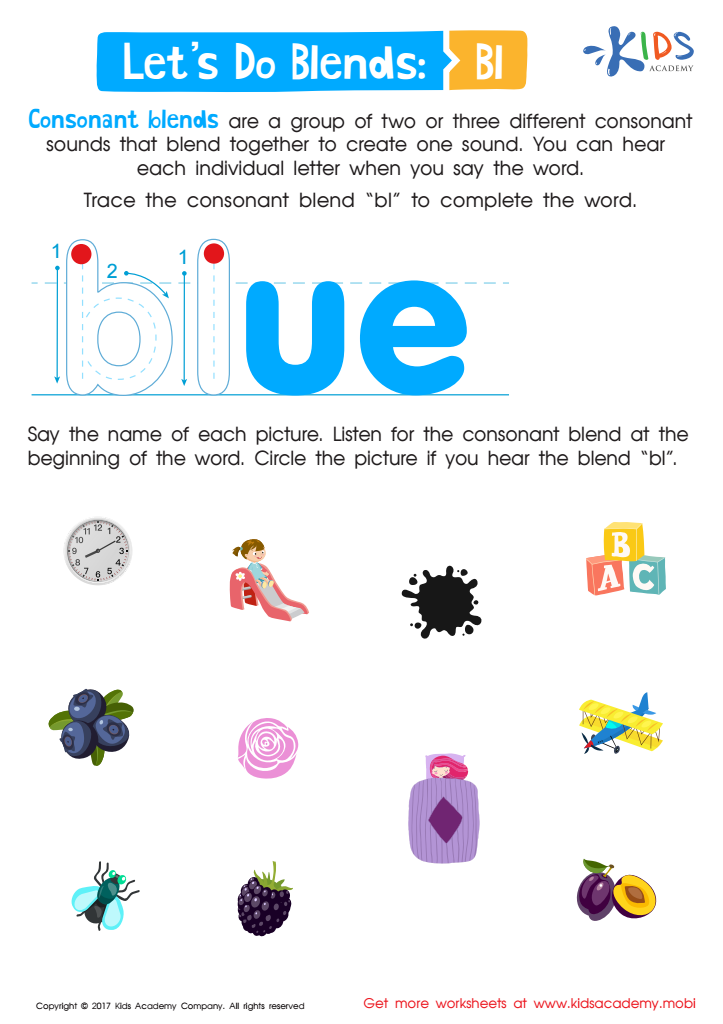
Beginning Blends: "Bl" Words Worksheet
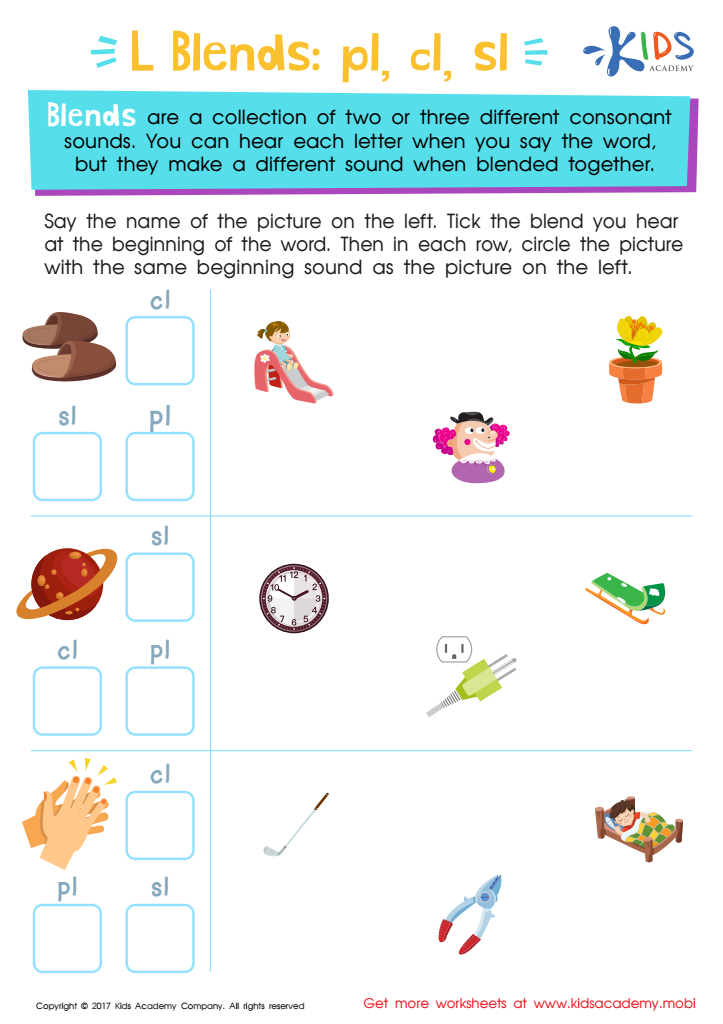
L Blends: "Pl", "Cl" and "Sl" Printable
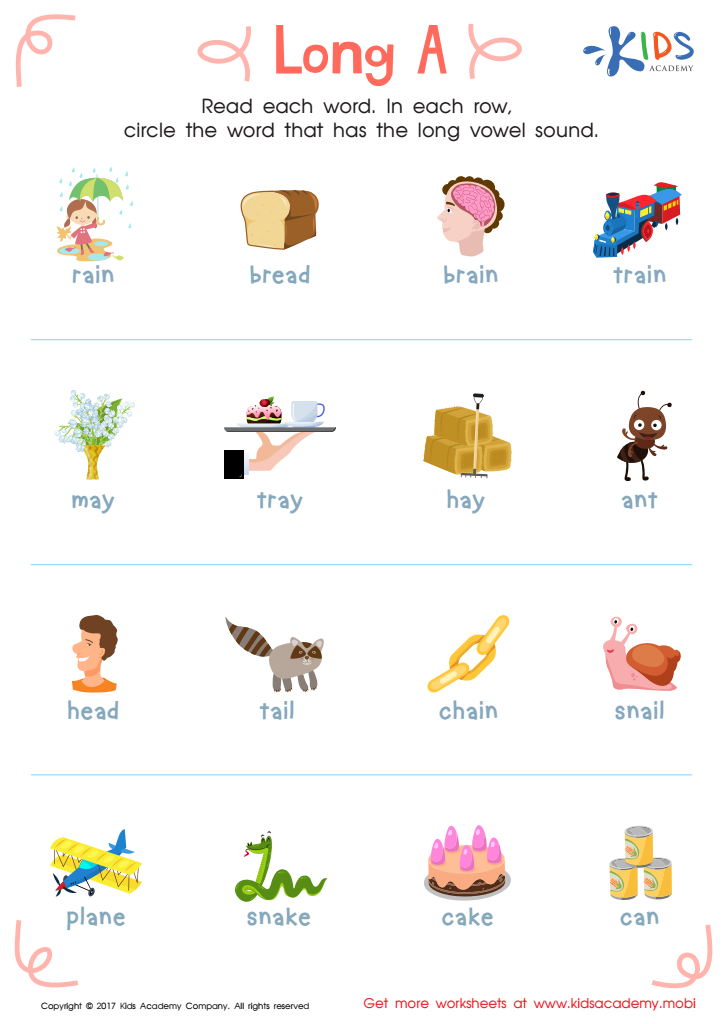
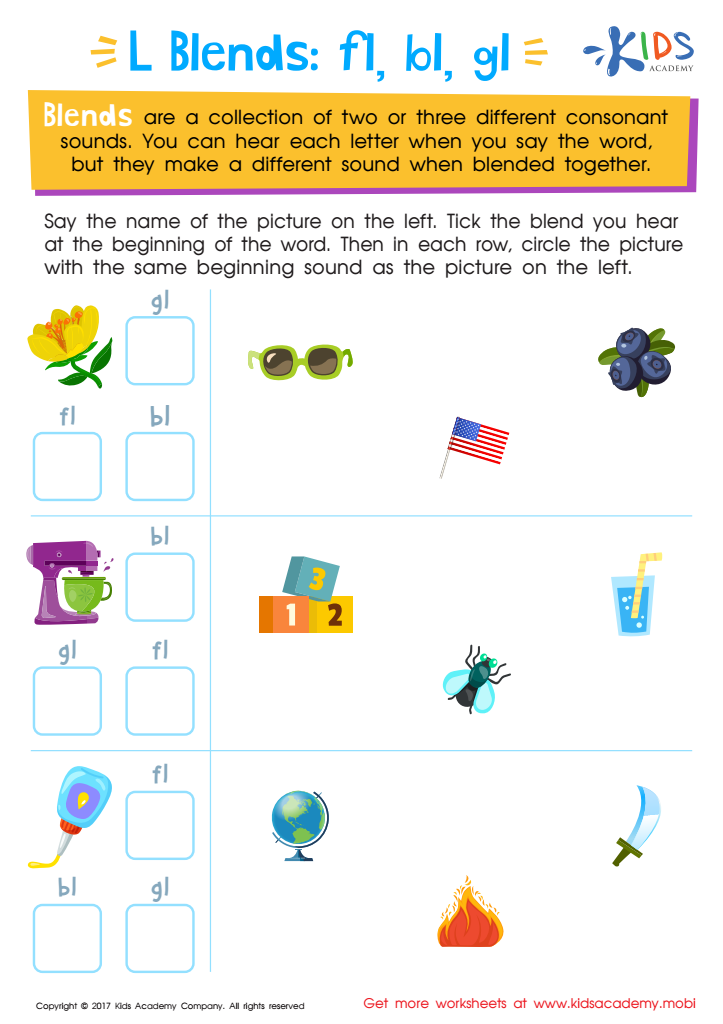
Blending Consonants: "Fl", "Bl" and "Gl" Printable
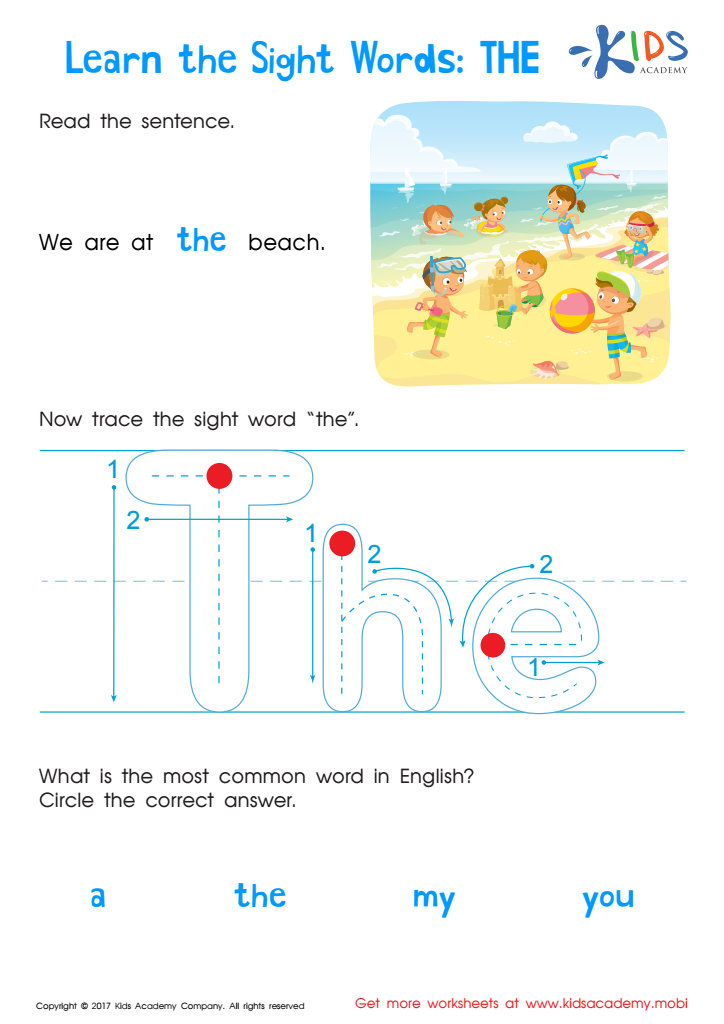
Sight Words: The Worksheet
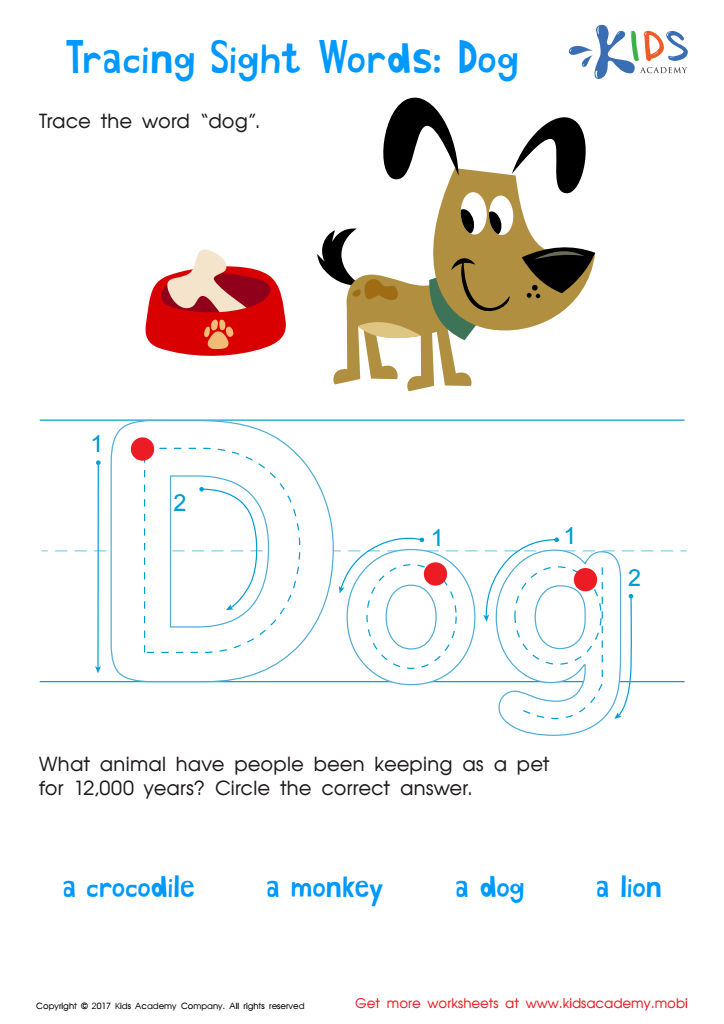
Dog Worksheet Sight Words Worksheet
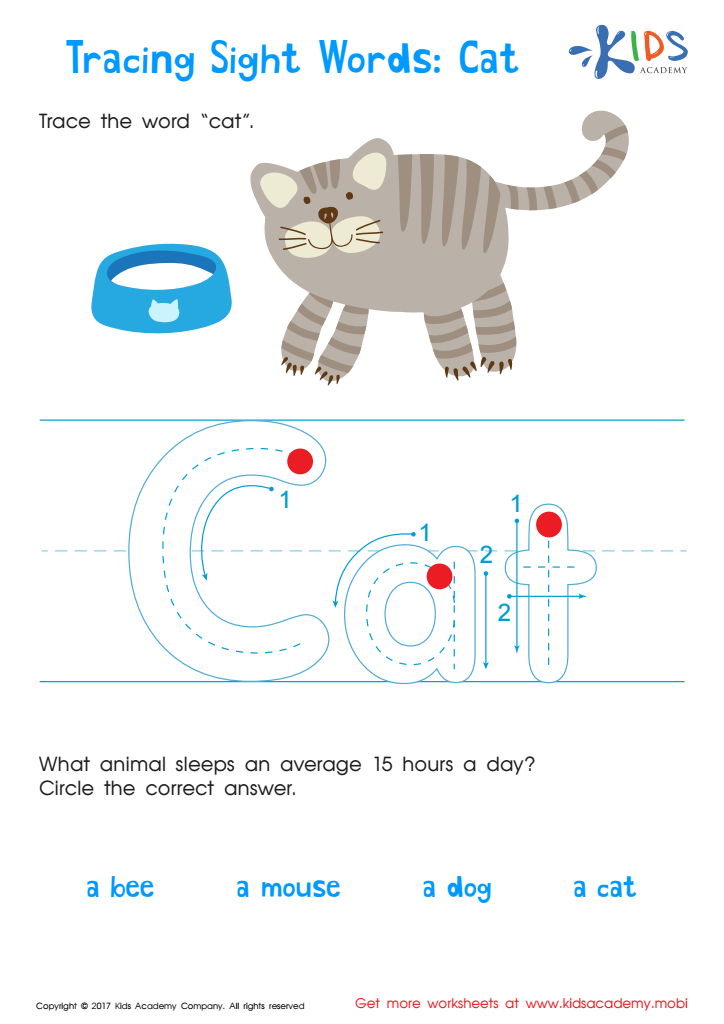
Cat Printable Sight Words Worksheet
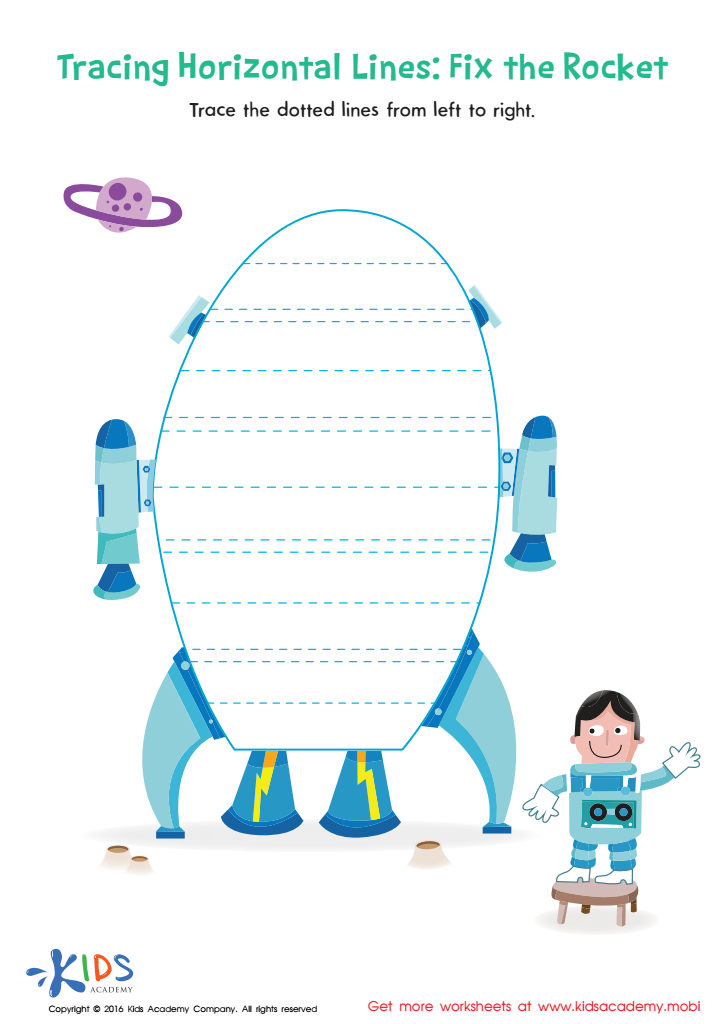
Tracing Horizontal Lines Worksheet
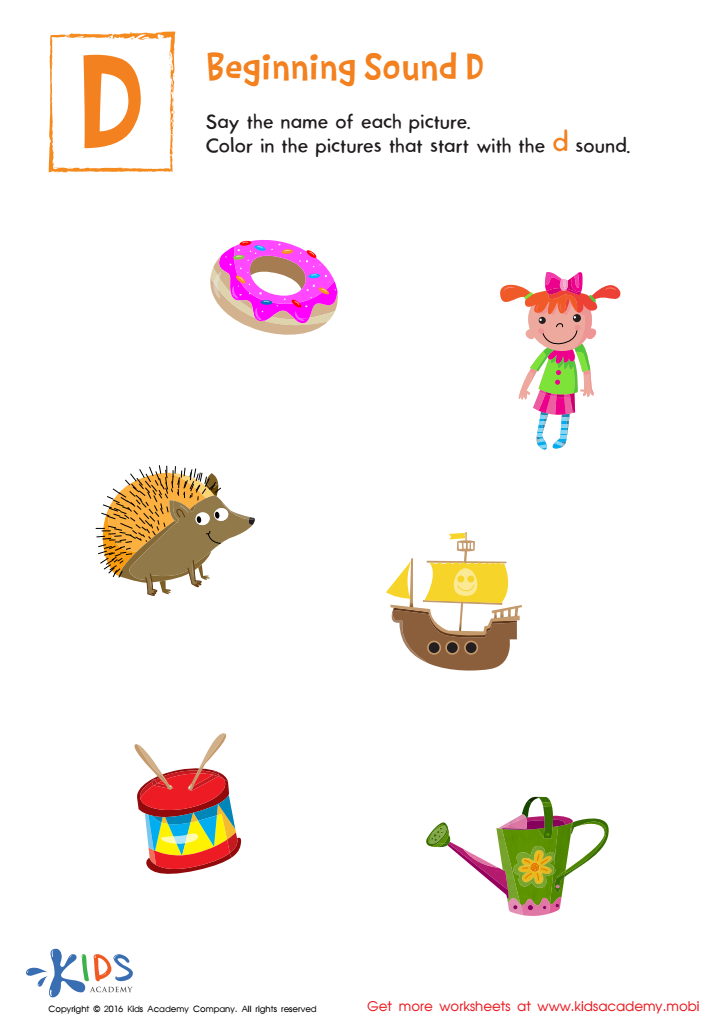
Beginning Sound D Worksheet
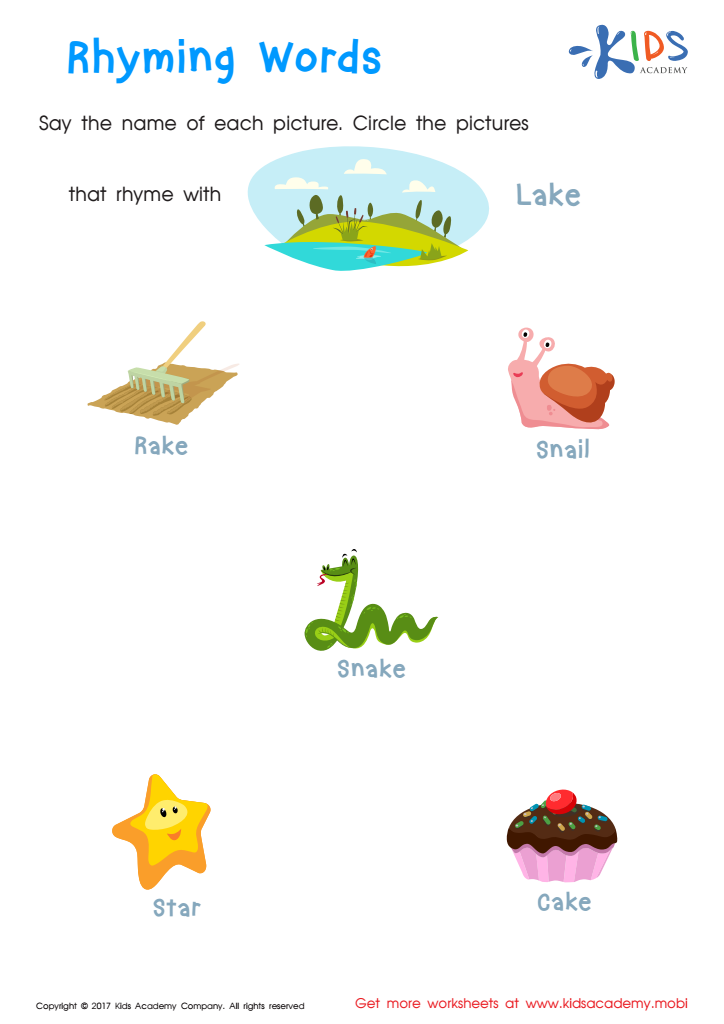
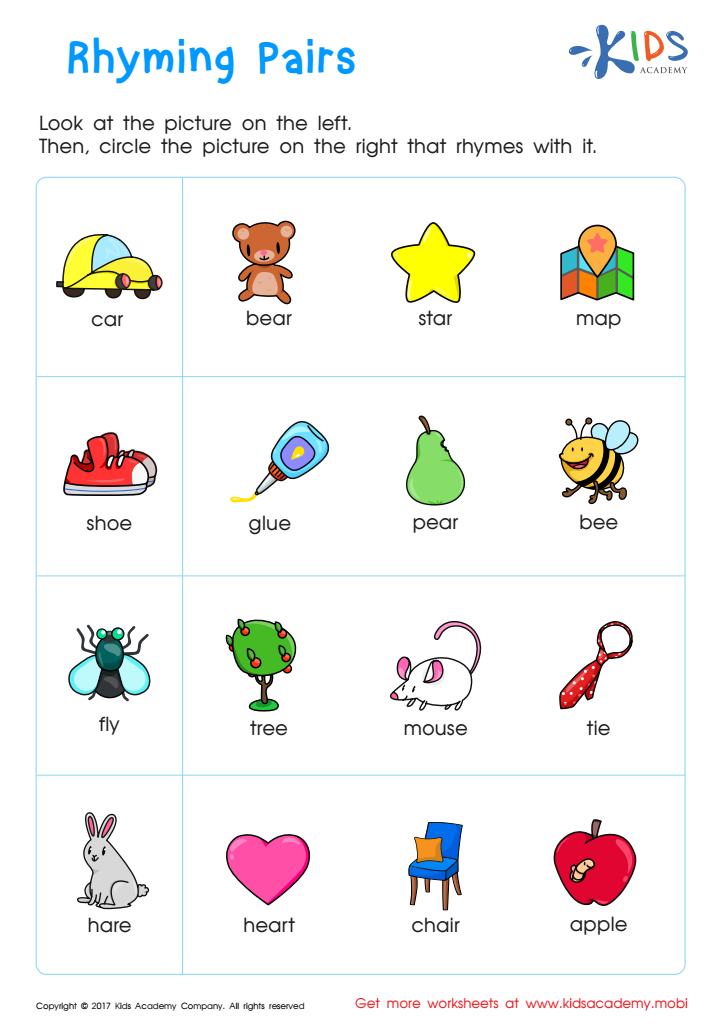
Rhyming Words Rhyming Worksheet
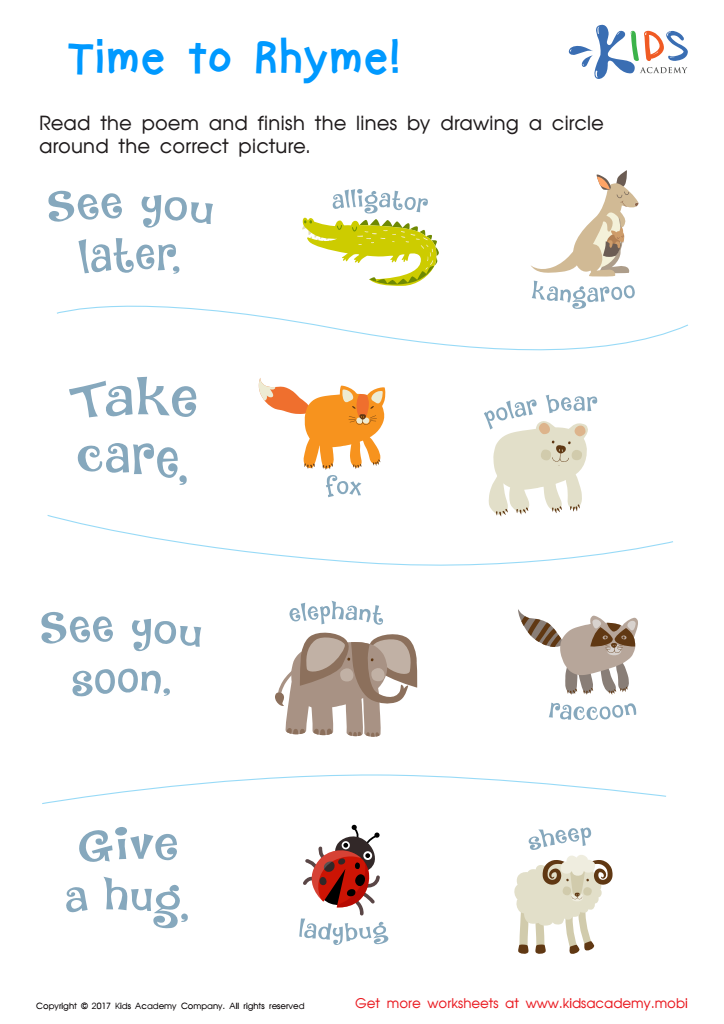
Time to Rhyme Rhyming Worksheet
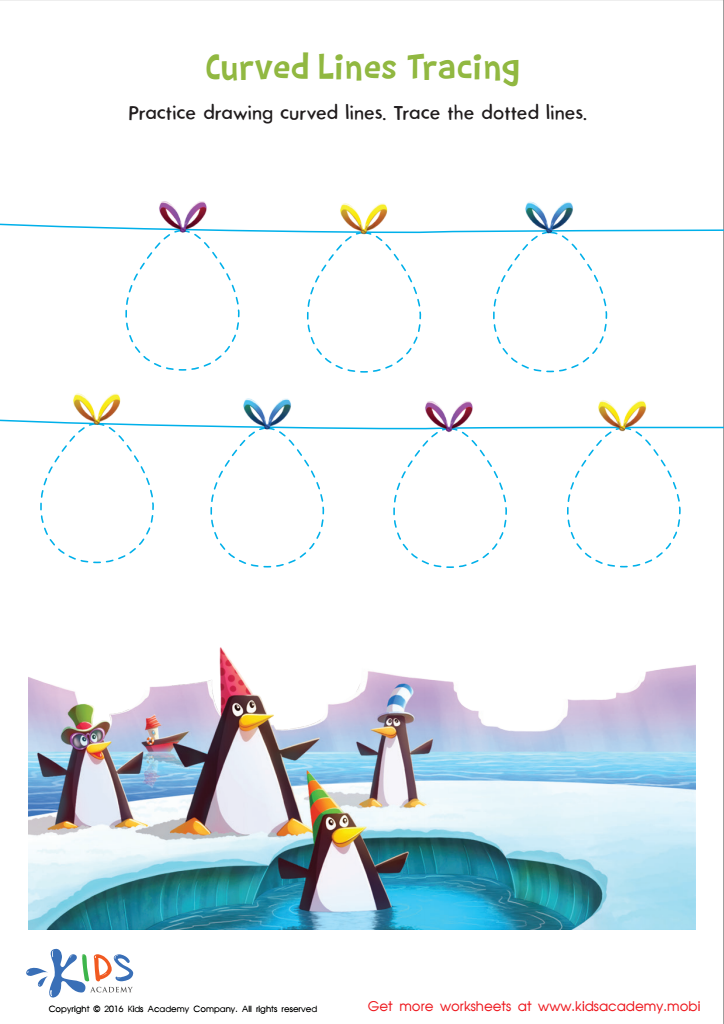
Curved Lines Tracing Worksheet
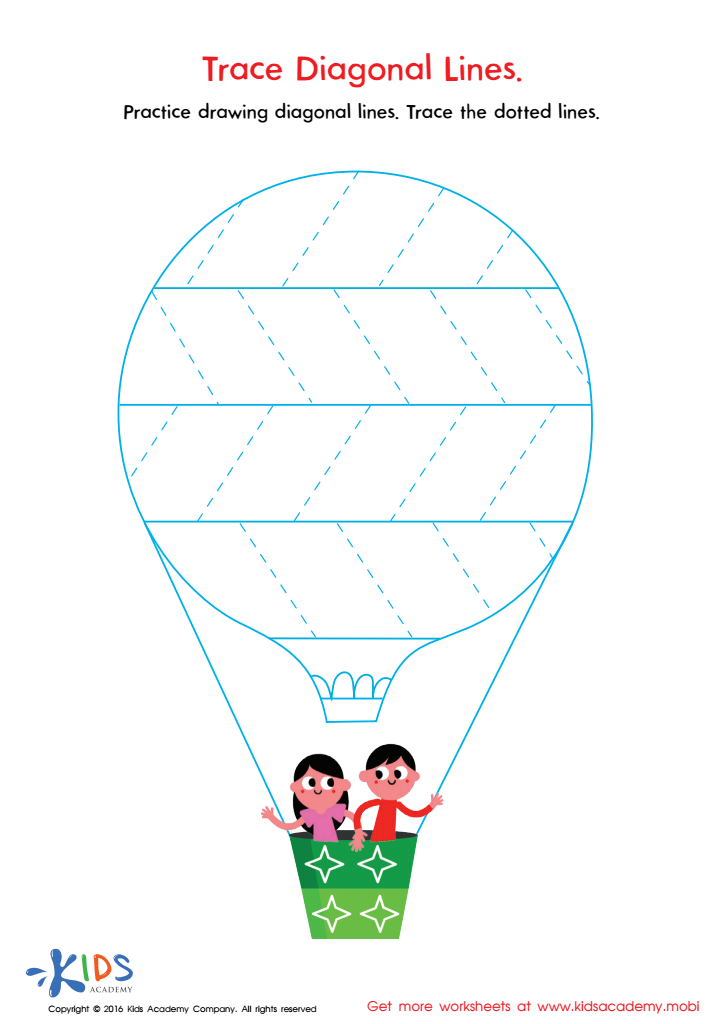
Trace Diagonal Lines Worksheet
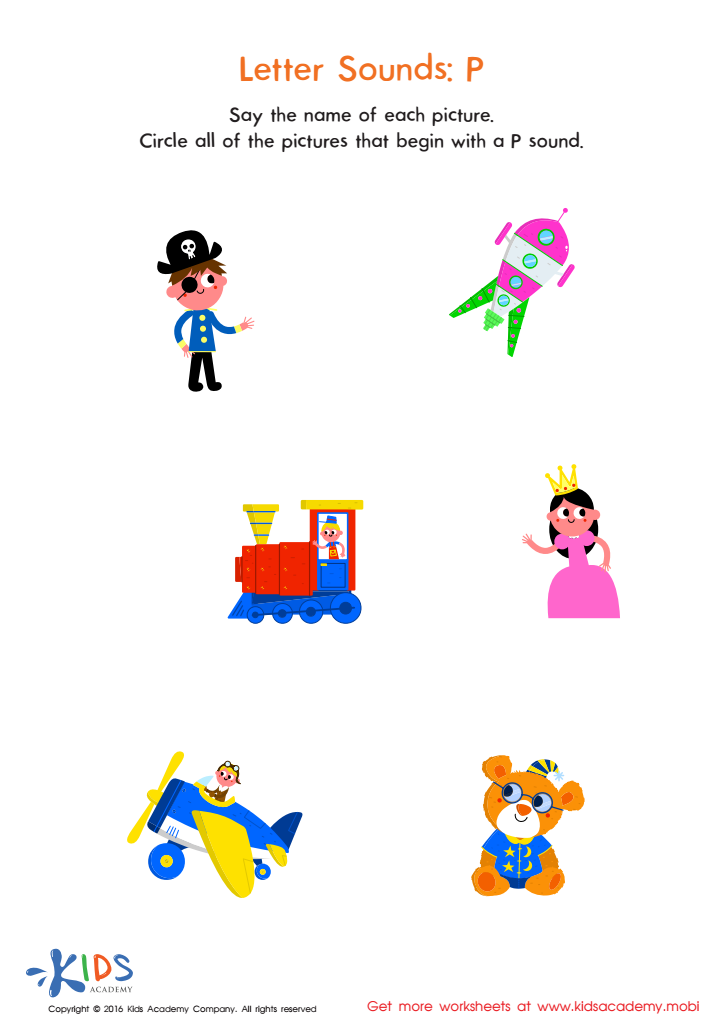
Letter P Sound Worksheet
First Words: Picture Rhymes Worksheet
First Words: Let's Trace Lines Worksheet
Long Vowel Sound E Worksheet
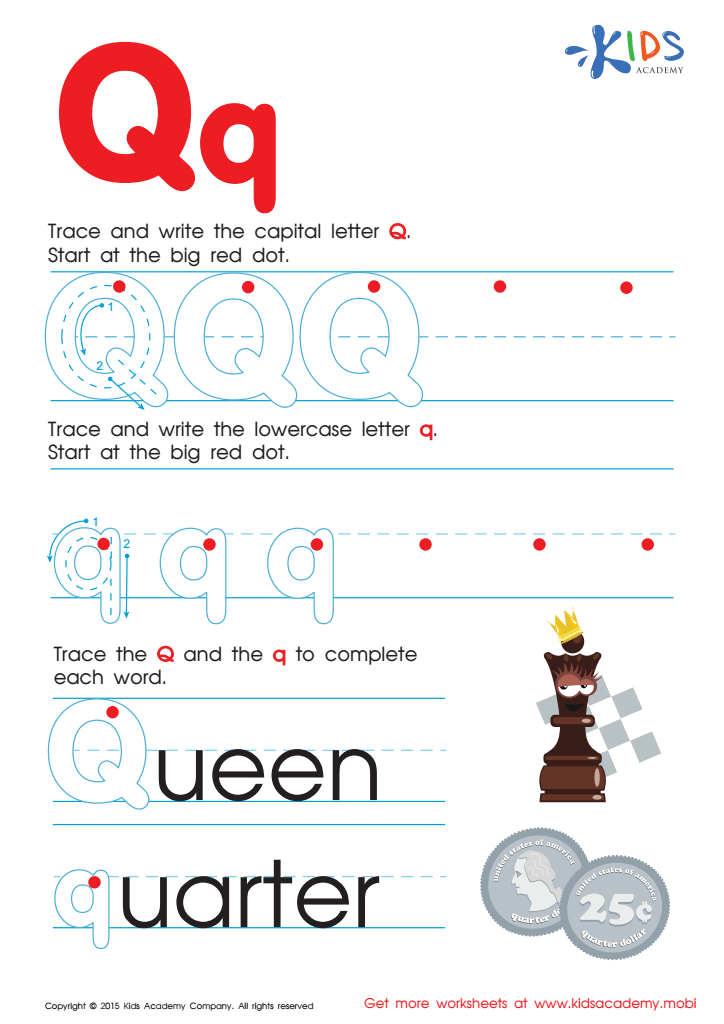
Letter Q Tracing Page
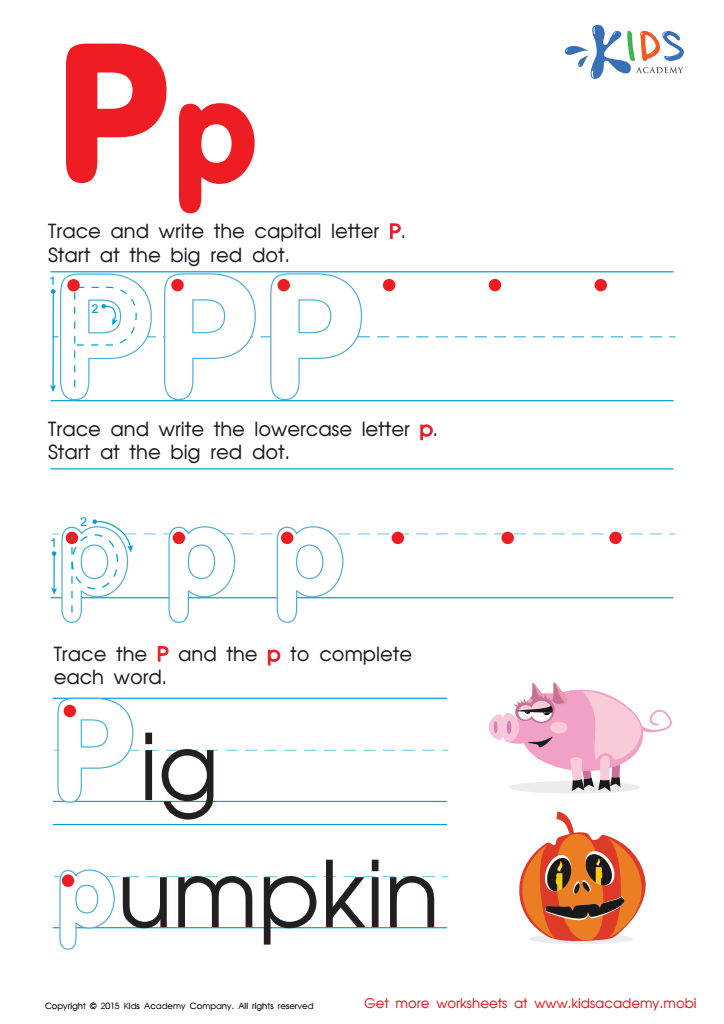
Letter P Tracing Page
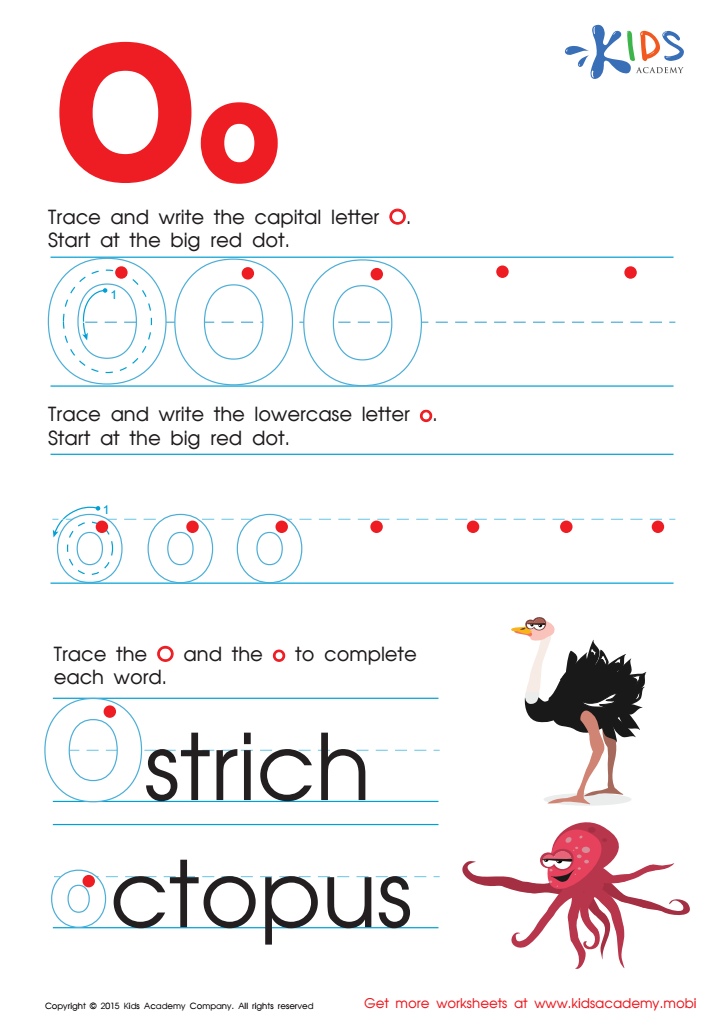
Letter O Tracing Page
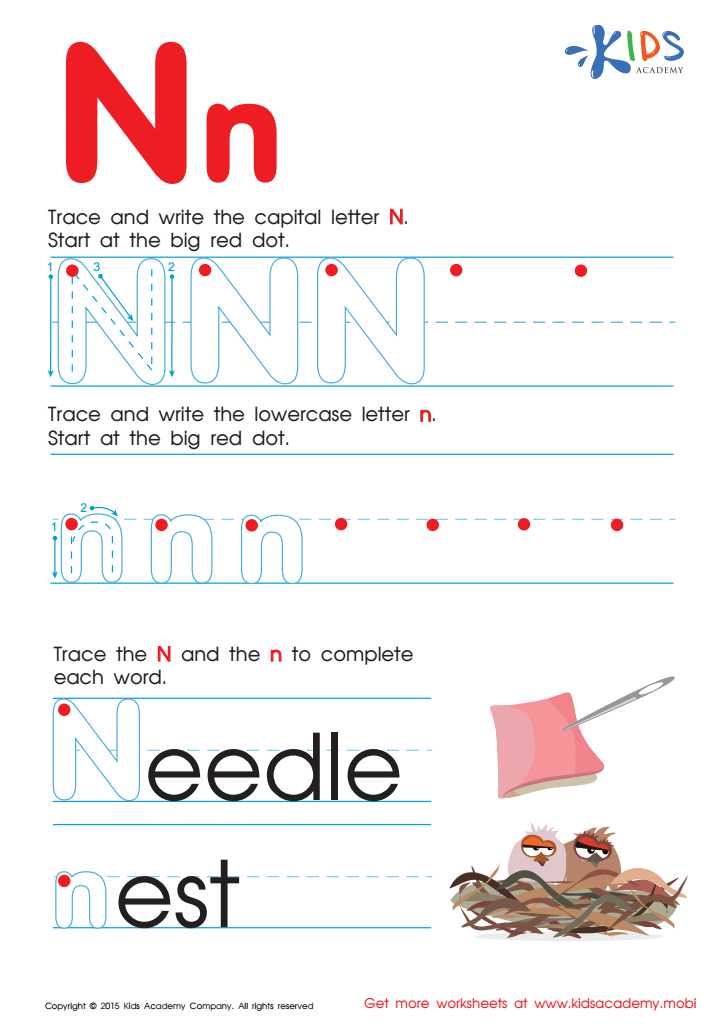
Letter N Tracing Page






The Normal Alphabet for ages 5-9 serves as a foundational tool for literacy development, crucial for young learners' educational journey. During these formative years, children are not only learning letters but also how to recognize and use them to form words and sentences. Understanding the Normal Alphabet helps in developing reading and writing skills, fostering communication and critical thinking abilities.
Parents and teachers should care about the Normal Alphabet because it aligns with early childhood education standards, promoting an engaging and effective learning environment. Familiarity with the alphabet supports children's confidence as they learn to express themselves, laying the groundwork for future academic success.
Additionally, the focus on pronunciation and letter recognition enhances phonemic awareness, critical for effective reading. Interactive methods, such as songs, games, and crafts associated with the Normal Alphabet, can motivate young learners and provide enjoyable learning experiences.
By prioritizing the Normal Alphabet's teaching, parents and teachers contribute to a child's overall cognitive growth, preparing them not just for academic challenges ahead but also equipping them with essential communication skills for life. Cooperation between home and school in reinforcing these early literacy skills accelerates development and builds a strong, literacy-rich foundation for children.







