Normal Comparing Numbers Worksheets for Ages 5-9
32 filtered results
-
From - To
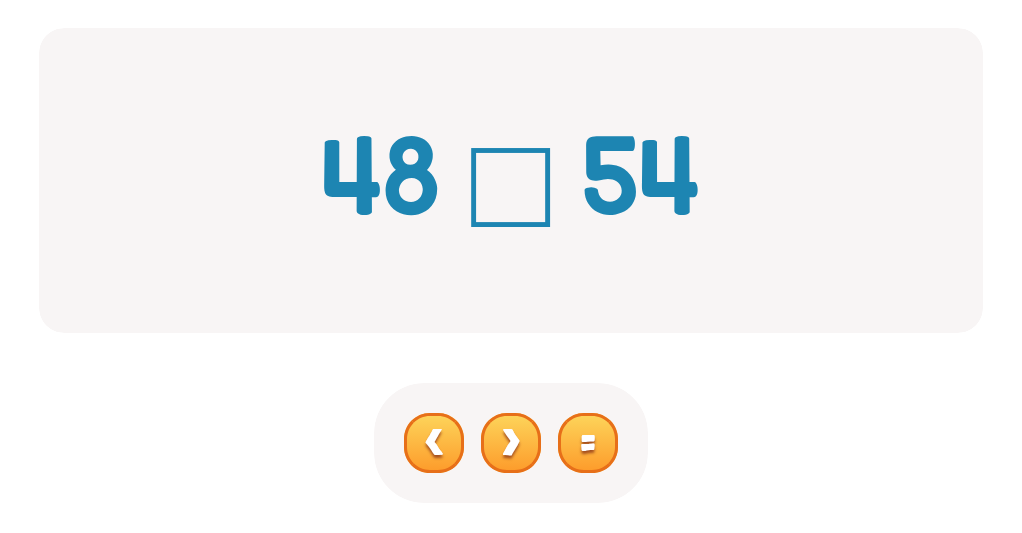
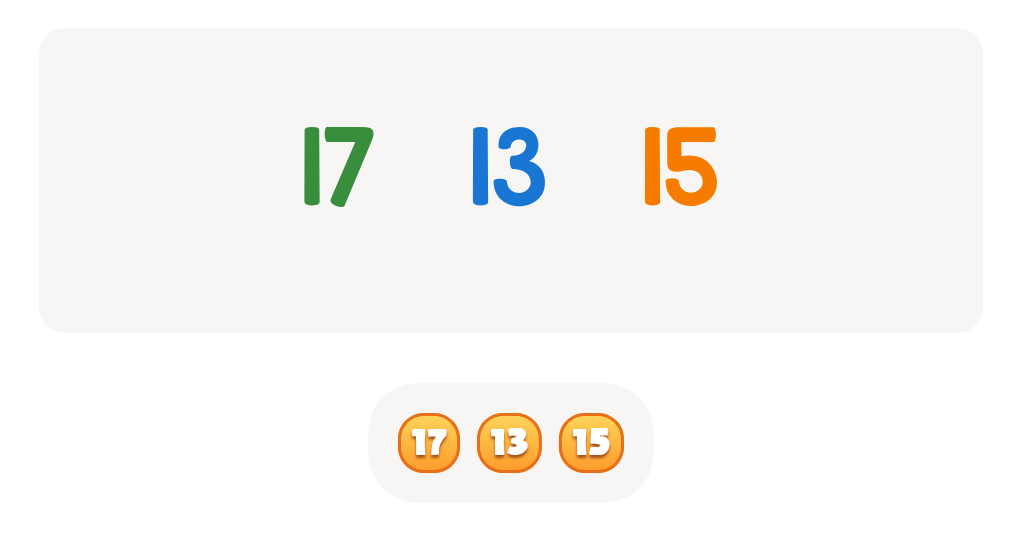
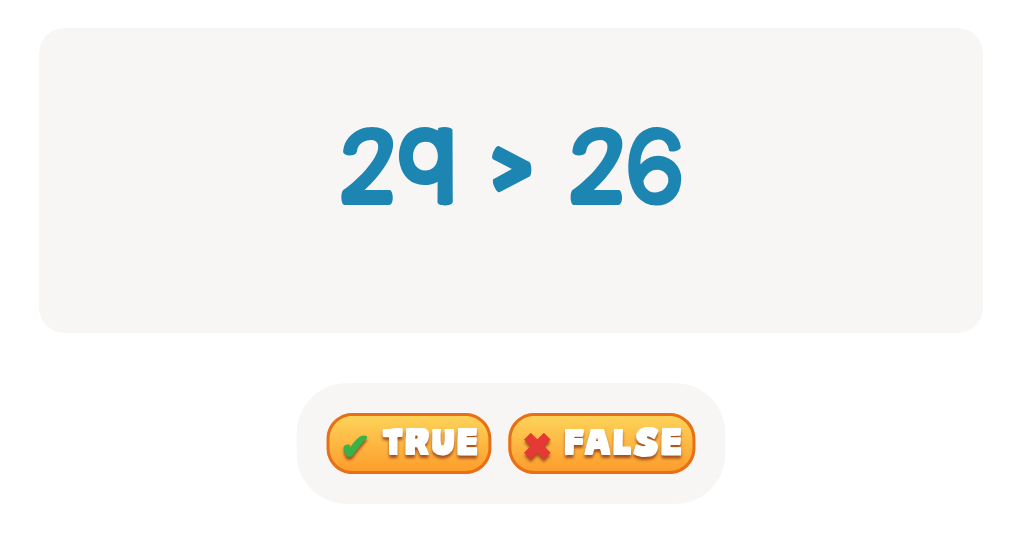
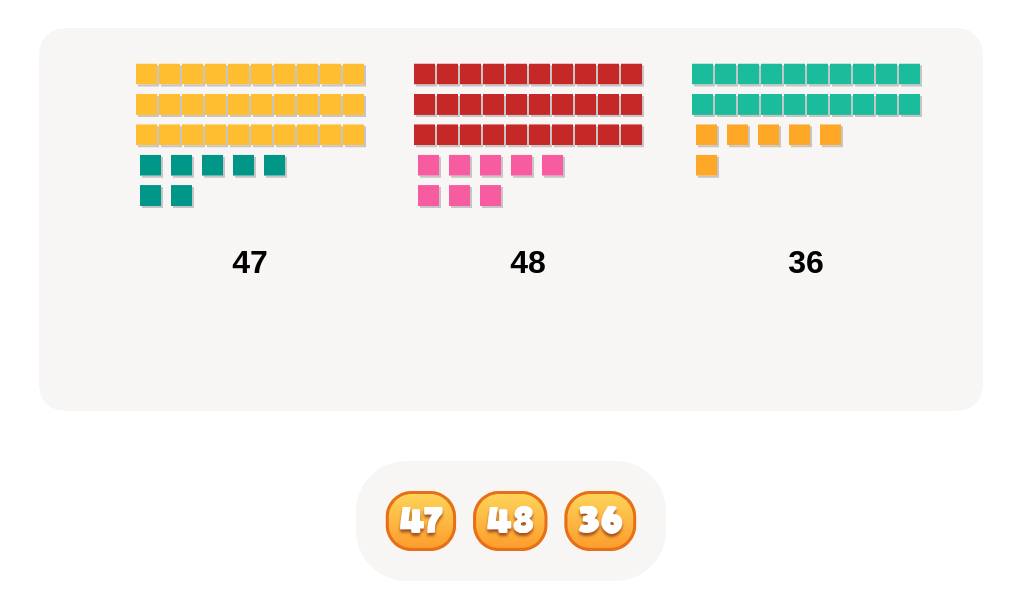
Explore our engaging "Normal Comparing Numbers Worksheets" designed for children ages 5-9. These worksheets provide fun and interactive activities to help young learners develop essential skills in comparing numbers. Through a variety of exercises, students will practice identifying greater than, less than, and equal to relationships, strengthening their foundational math abilities. Our worksheets are brightly illustrated and easy to follow, making learning enjoyable and effective. Perfect for classroom use or at-home practice, these resources will support your child’s confidence and fluency in mathematics. Download and print these worksheets to cultivate your child’s understanding of numbers today!
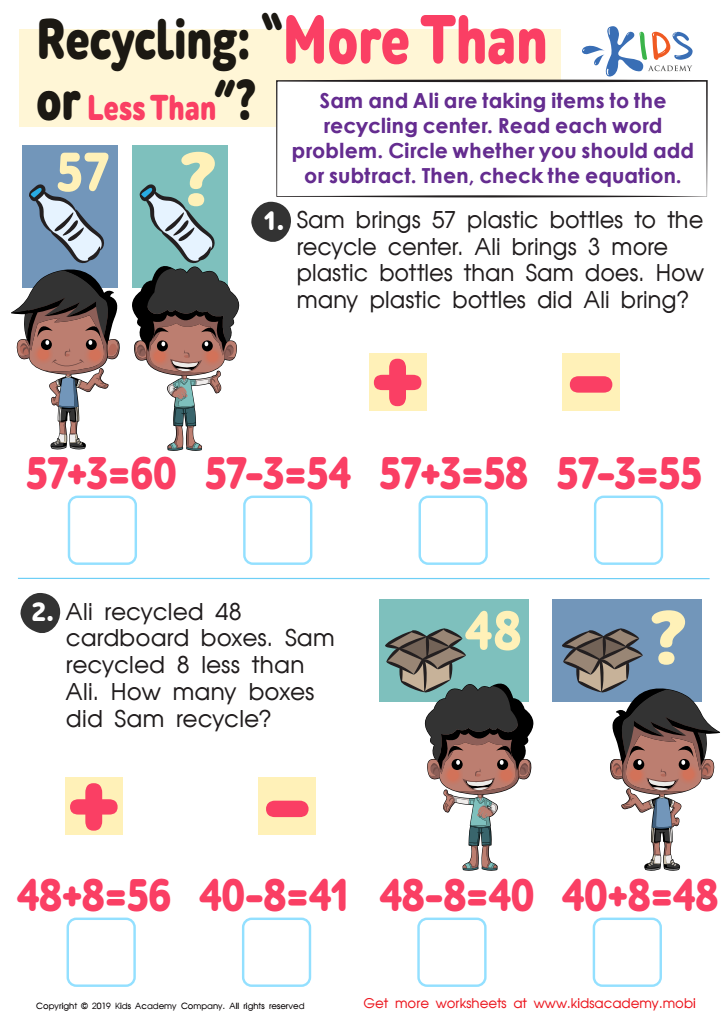
Recycling - More or Less Worksheet
 Assign to My Students
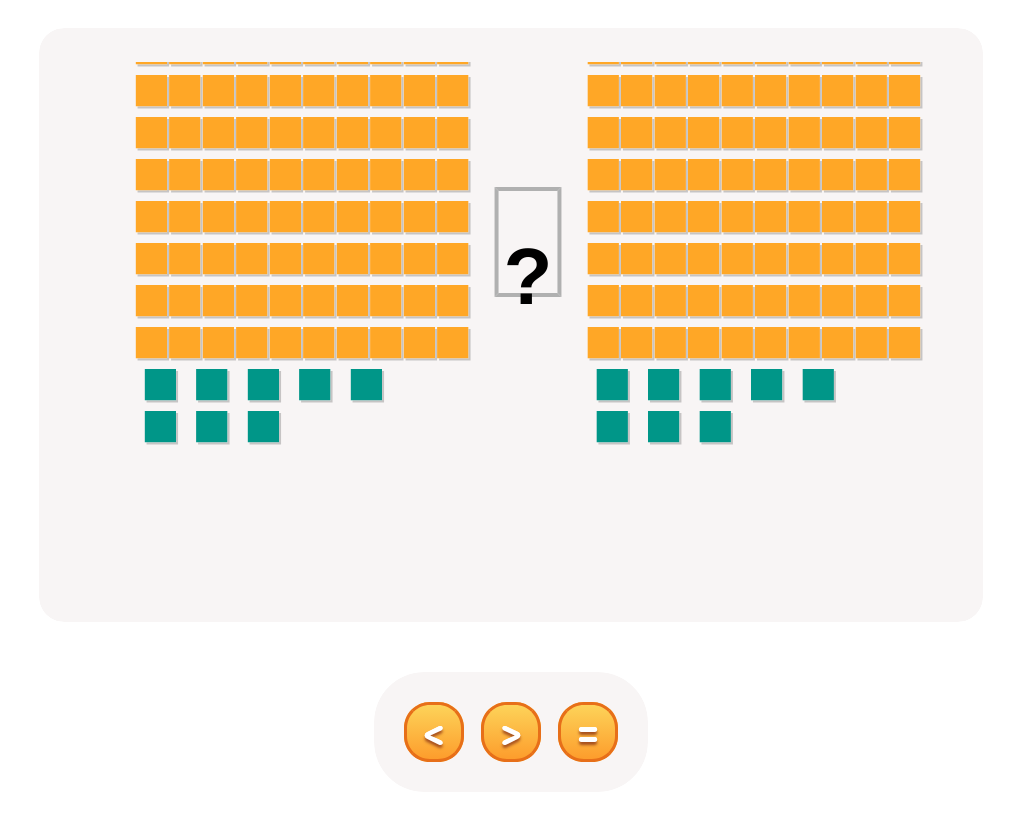

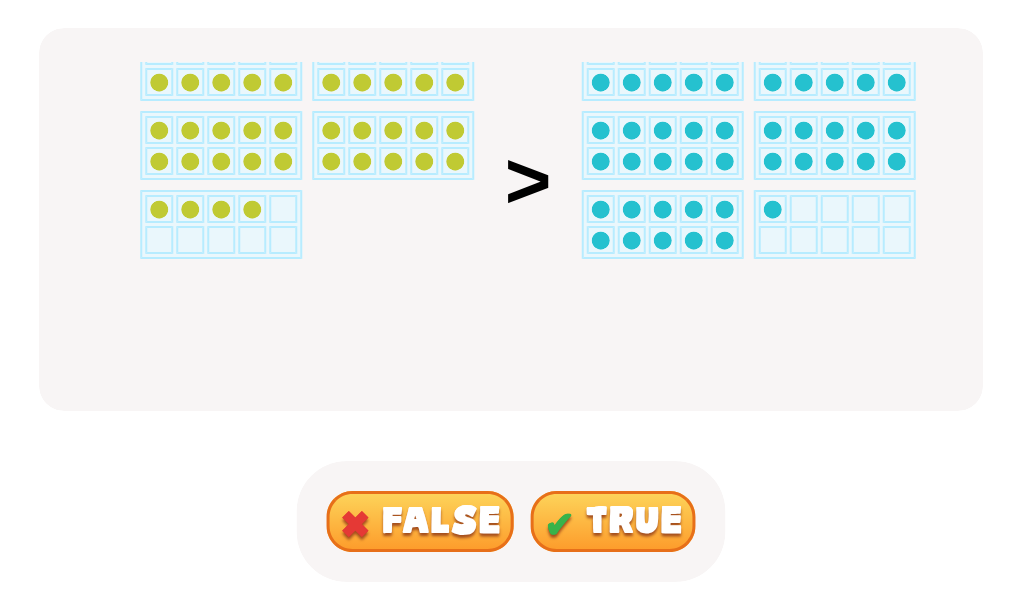
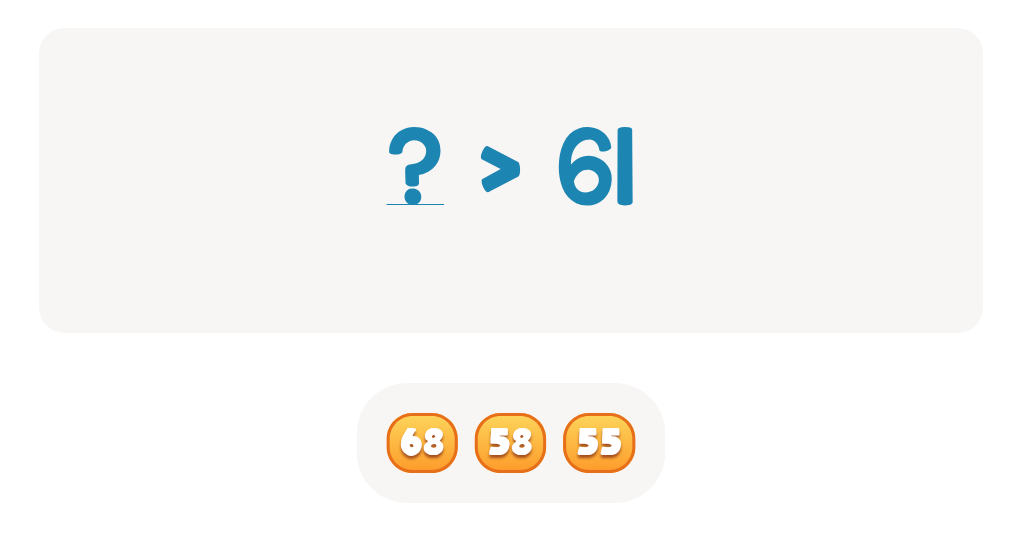
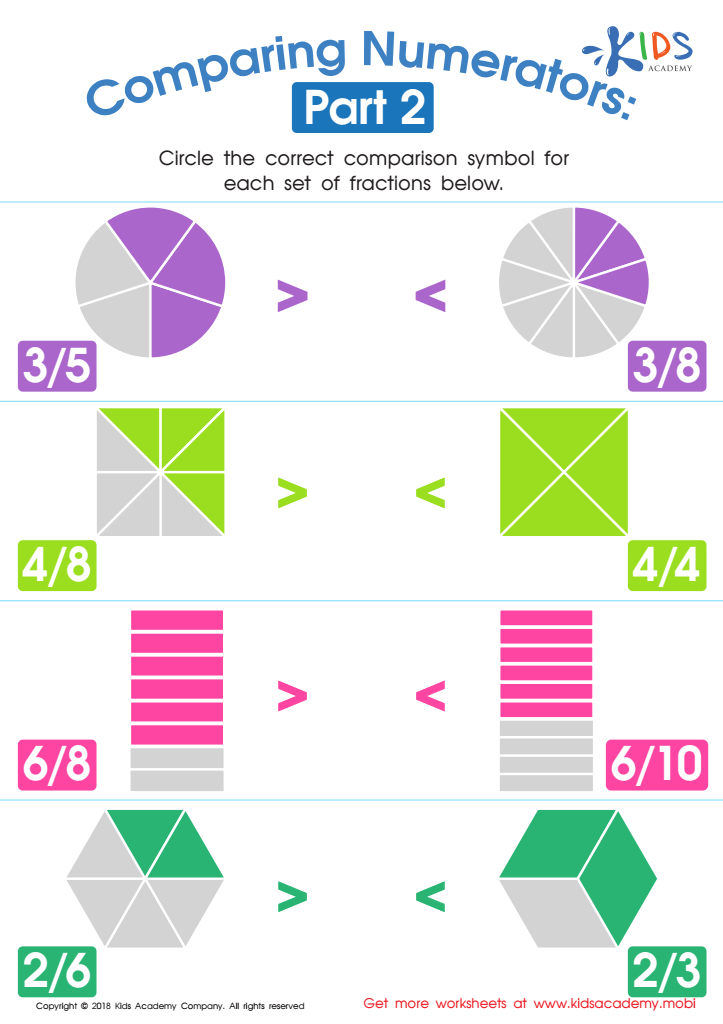
Comparing Numerators Part 2 Worksheet
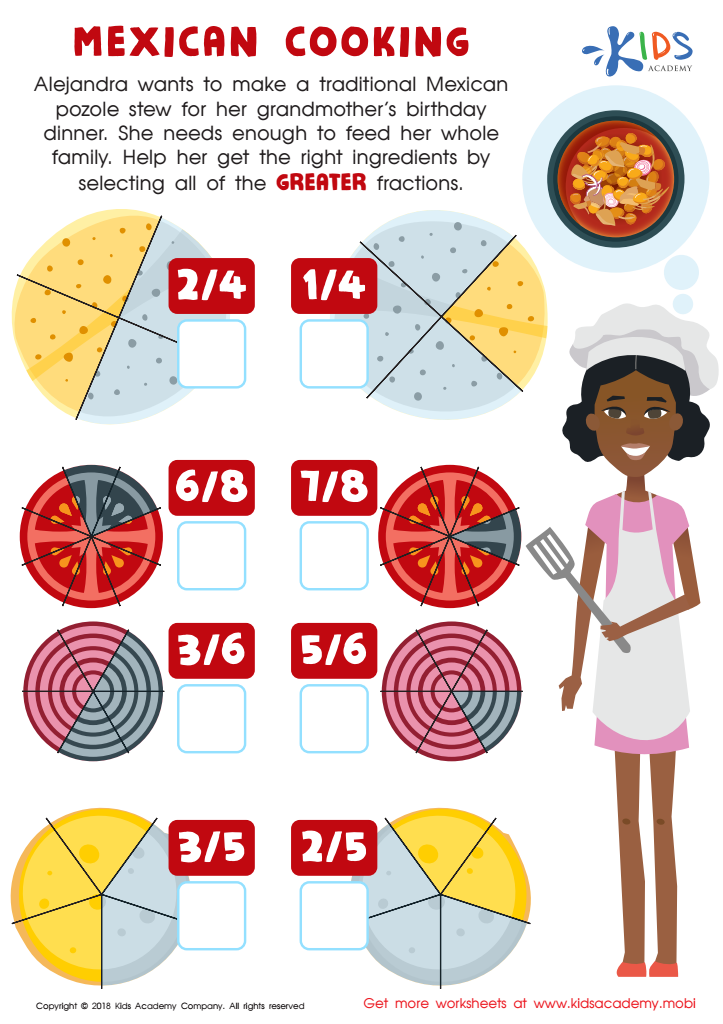
Mexican Cooking Worksheet
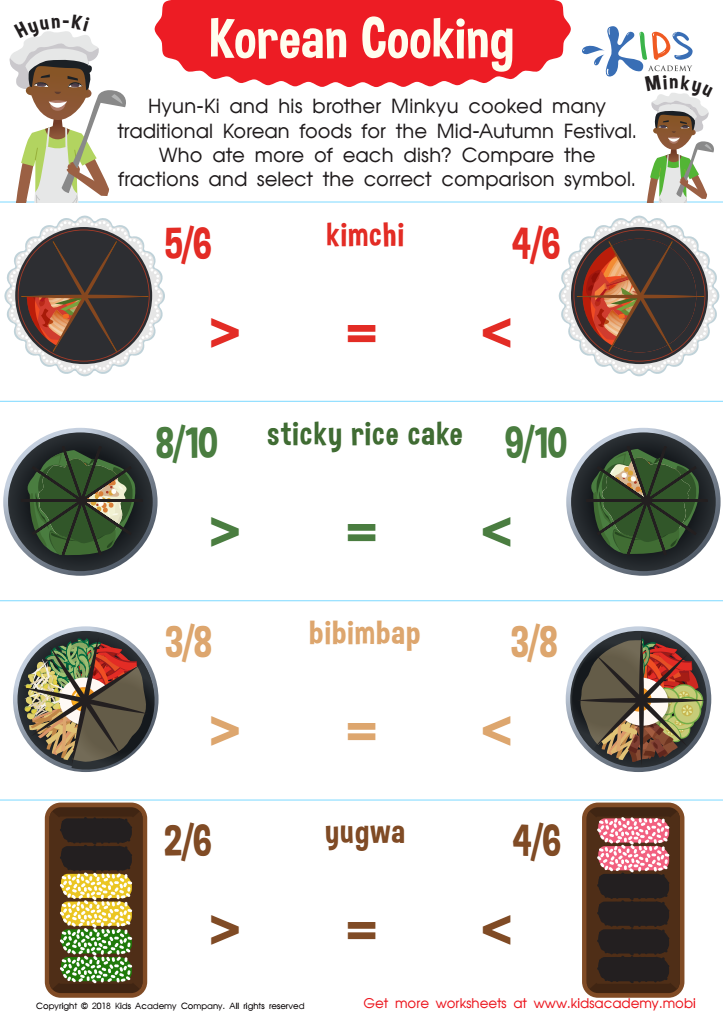
Korean Cooking Worksheet
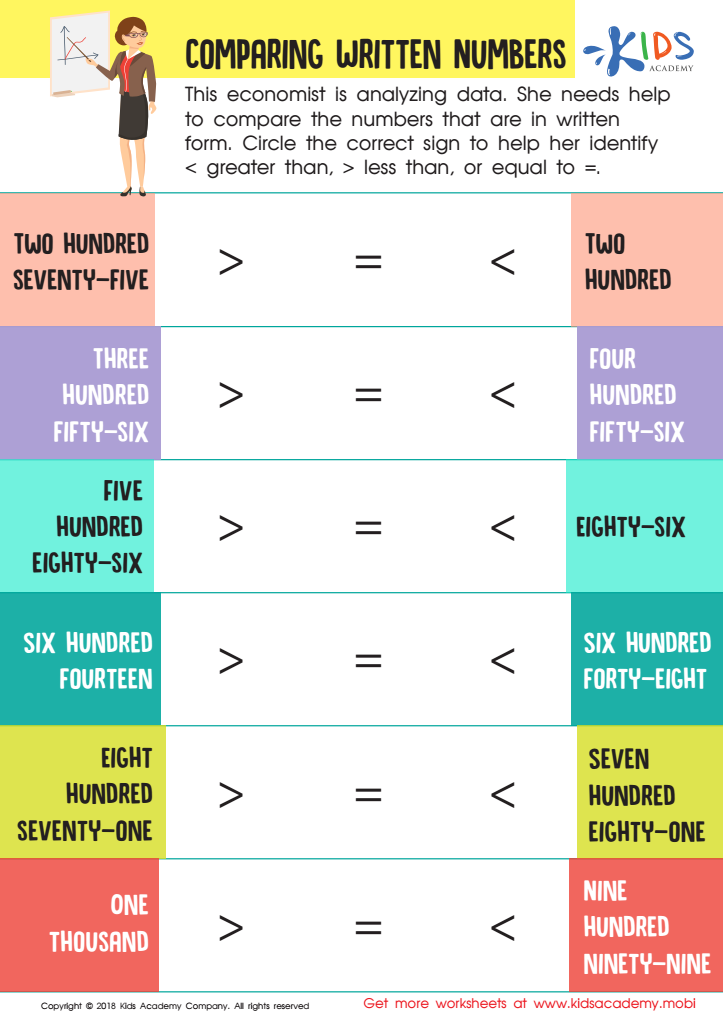
Comparing Written Numbers Worksheet
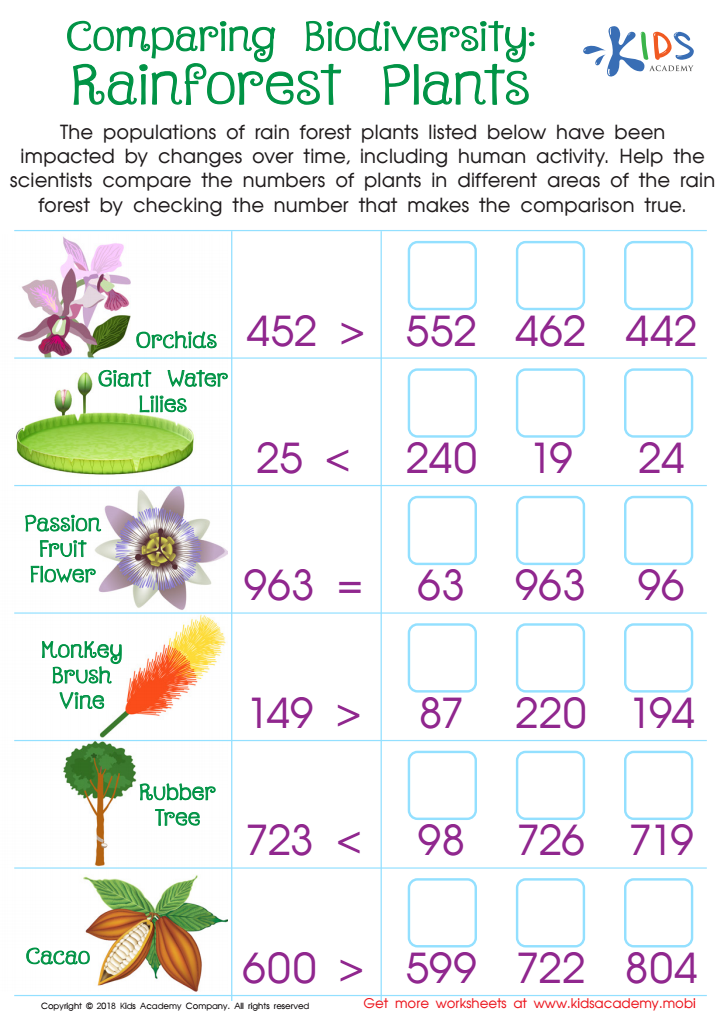
Comparing Biodiversity: Rainforest Plants Worksheet
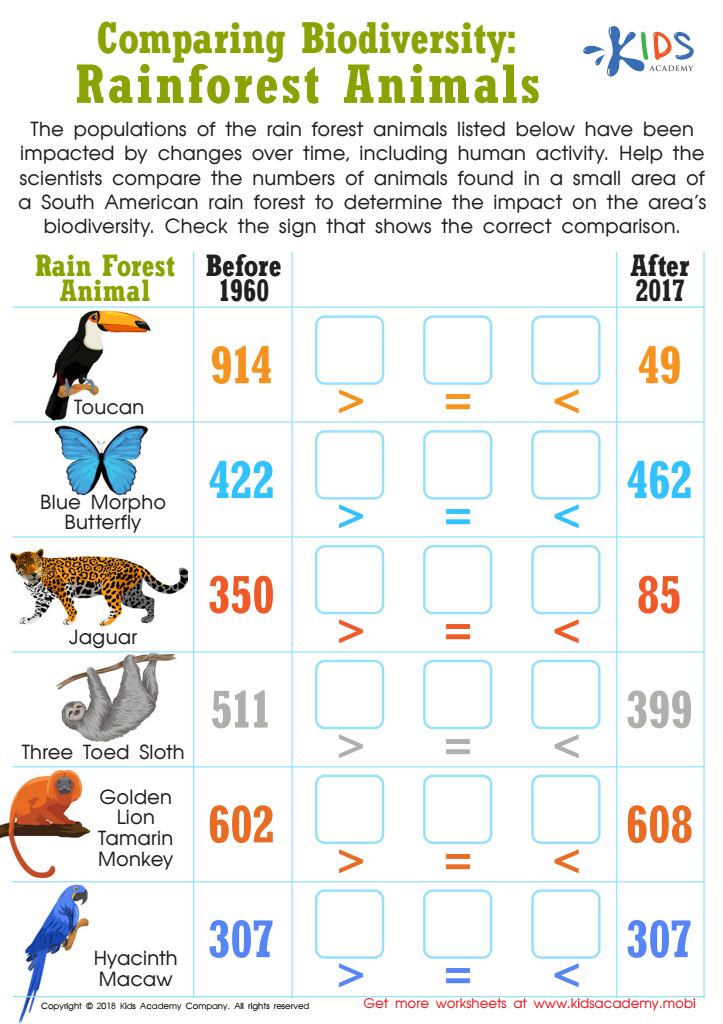
Comparing Biodiversity: Rainforest Animals Worksheet
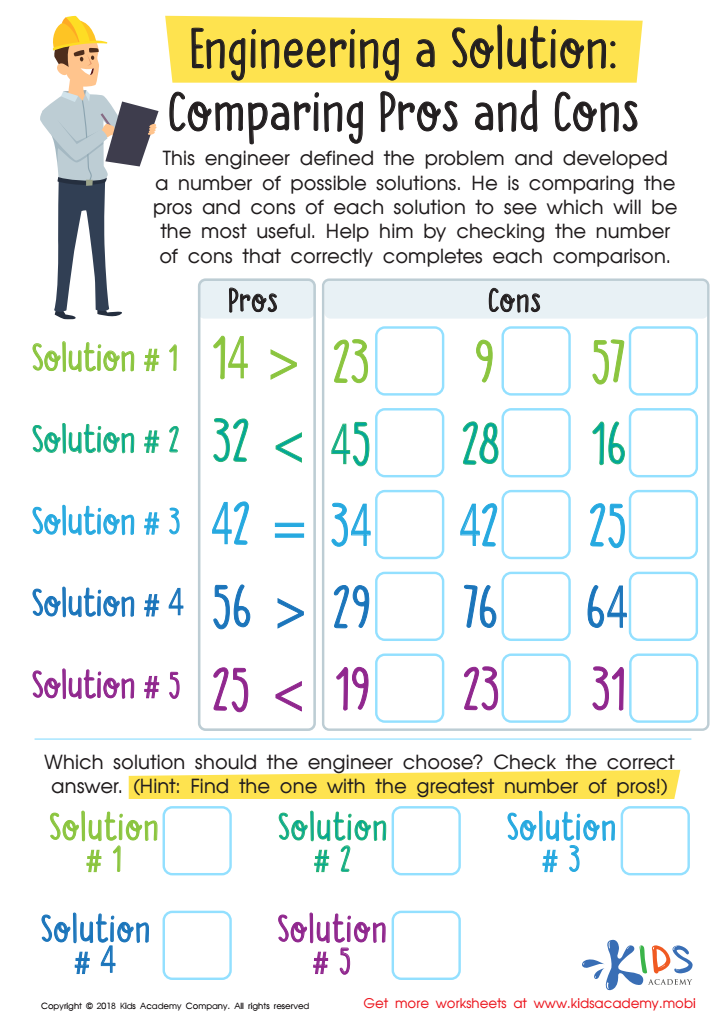
Engineering a Solution: Comparing Pros and Cons Worksheet
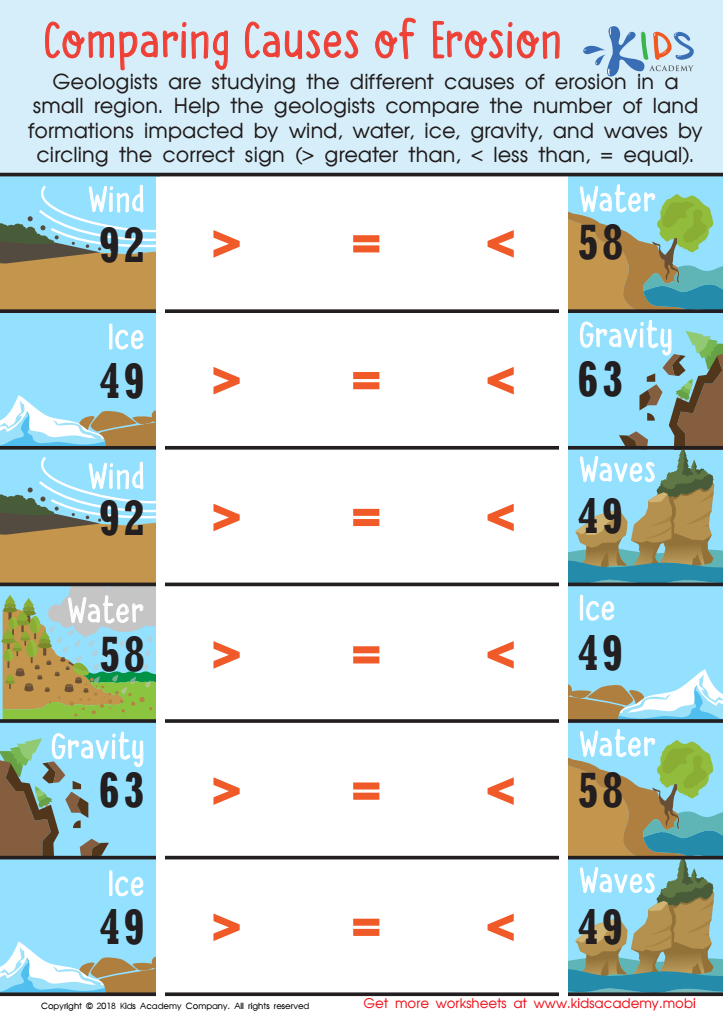
Comparing Causes of Erosion Worksheet
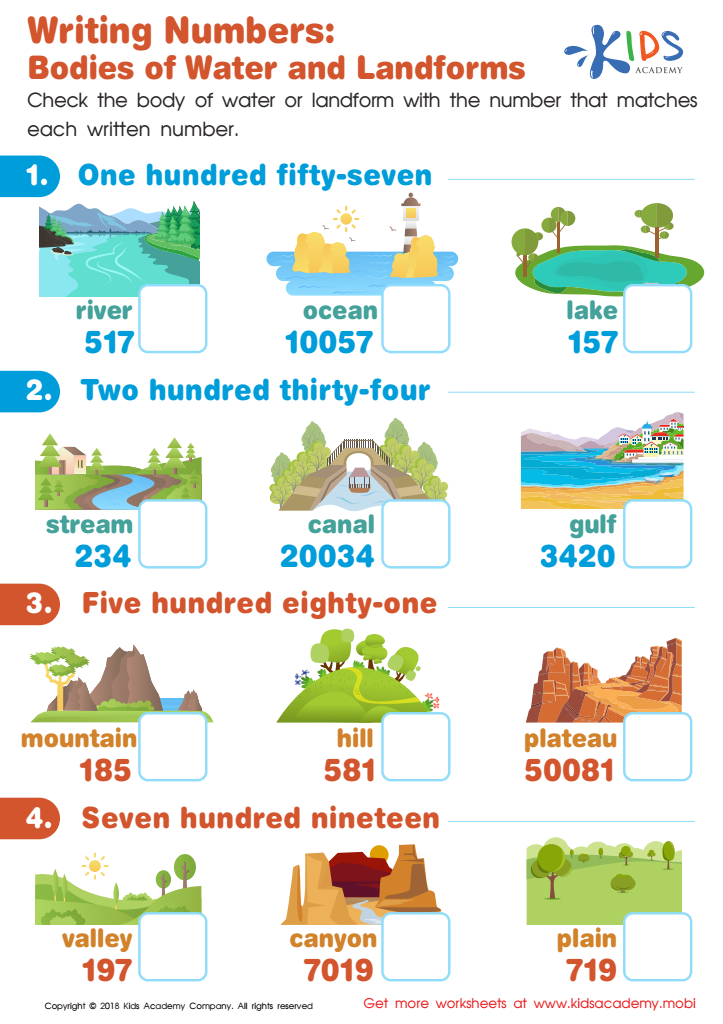
Bodies of Water and Landforms Writing Numbers Worksheet
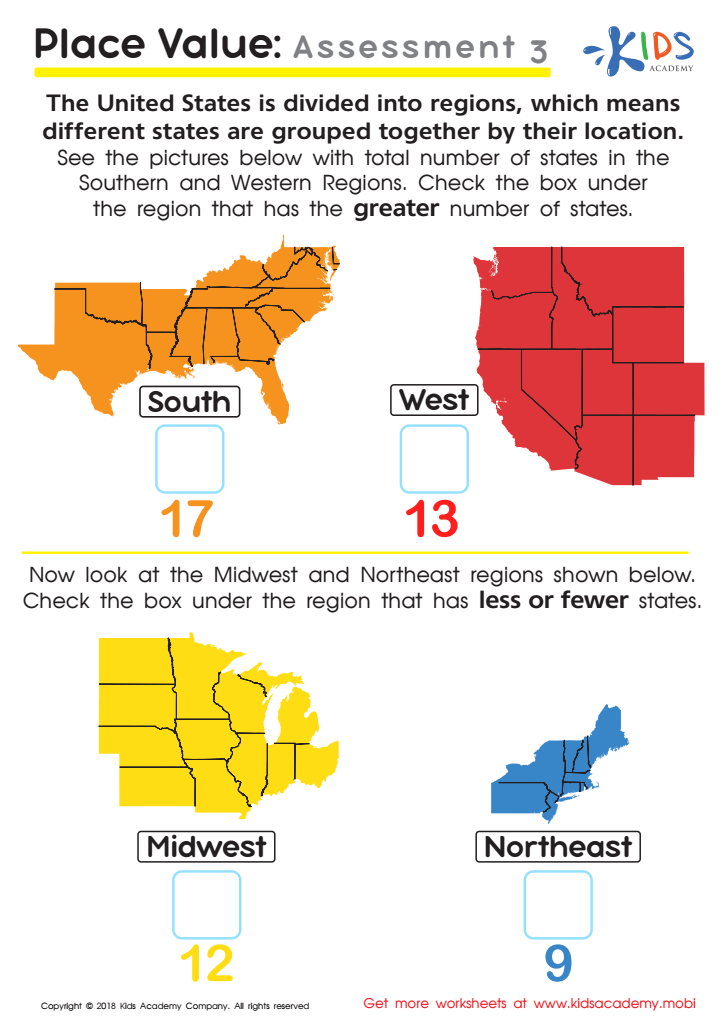
Place Value: Assessment 3 Worksheet
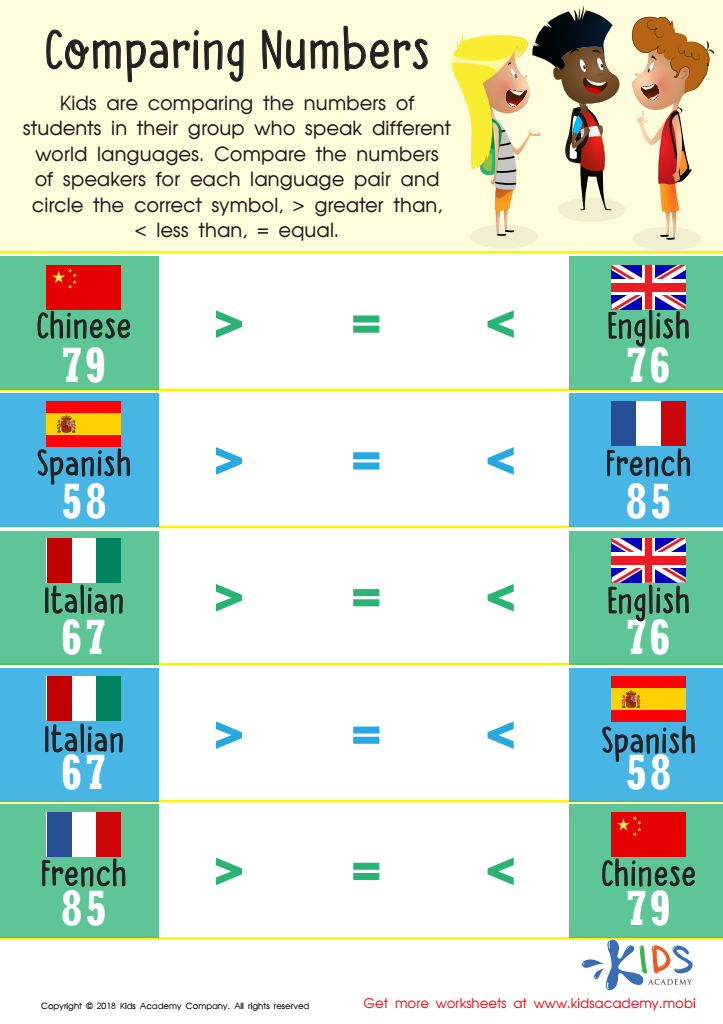
Comparing Numbers Worksheet for 1st Grade
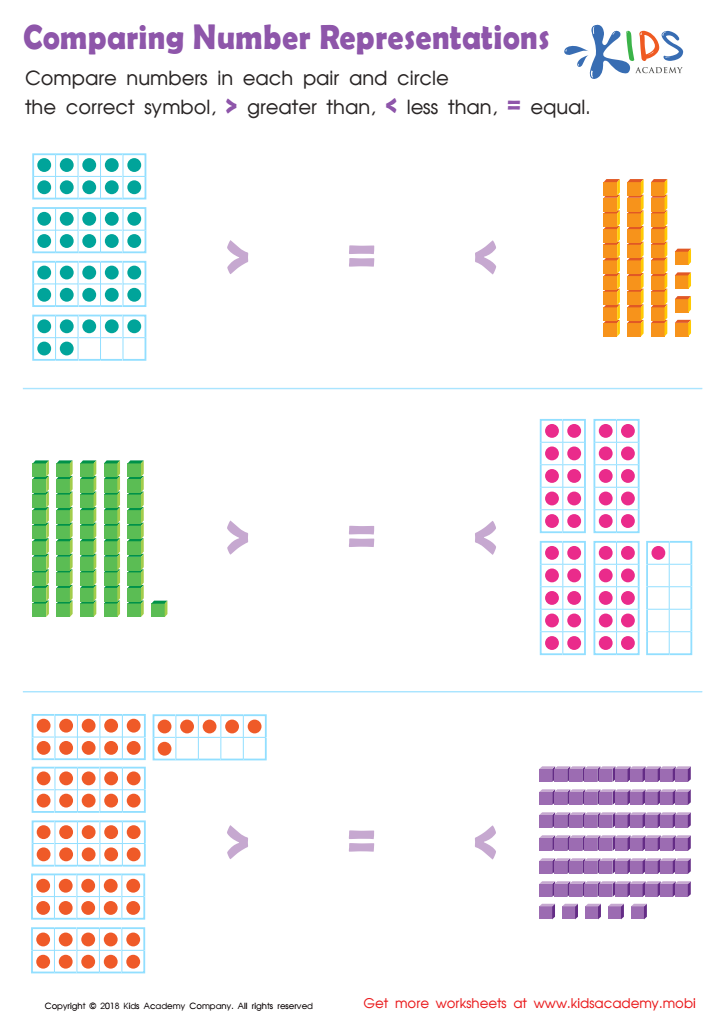
Comparing Number Representations Worksheet
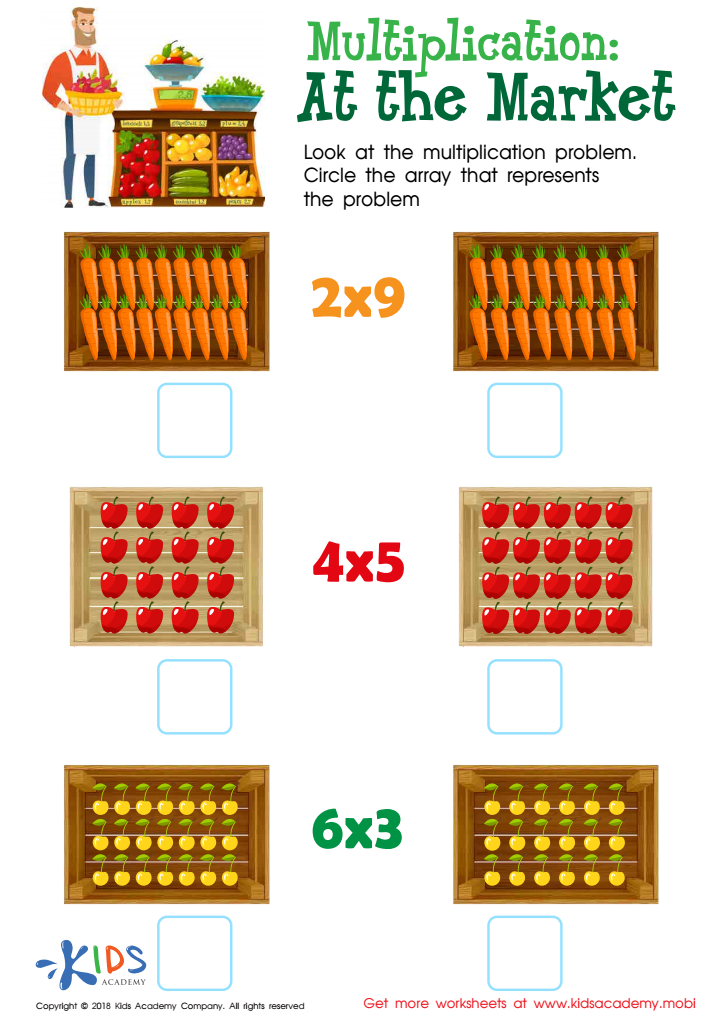
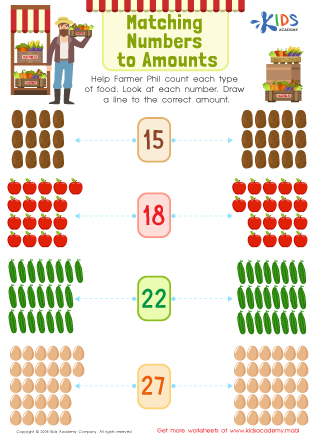
At the Market Worksheet
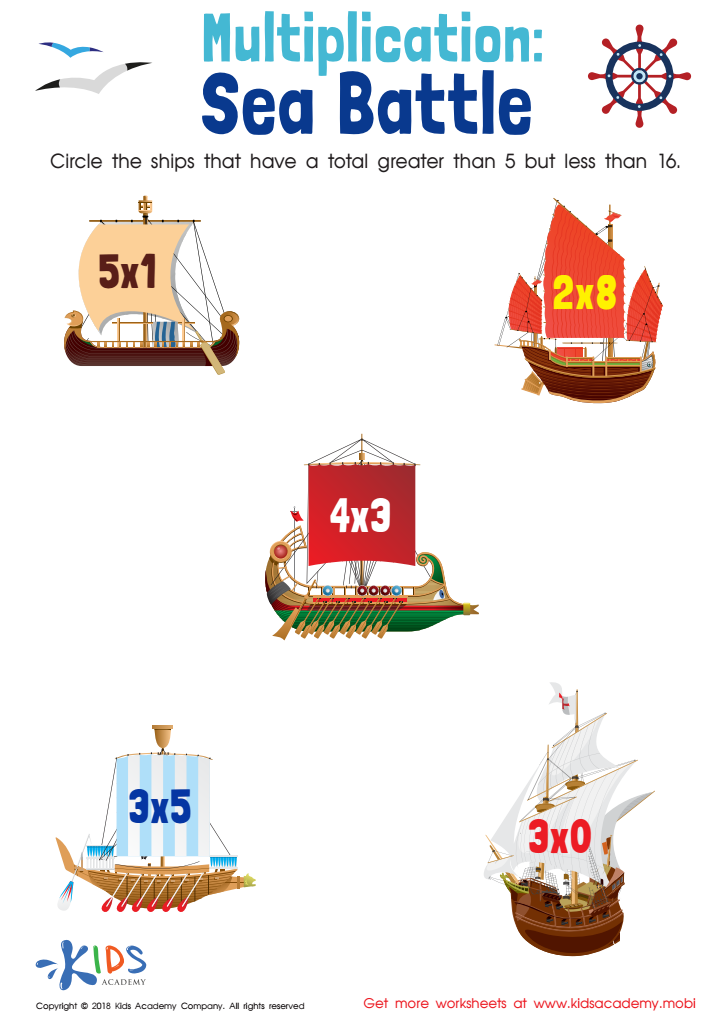
Sea Battle: Multiplication Worksheet
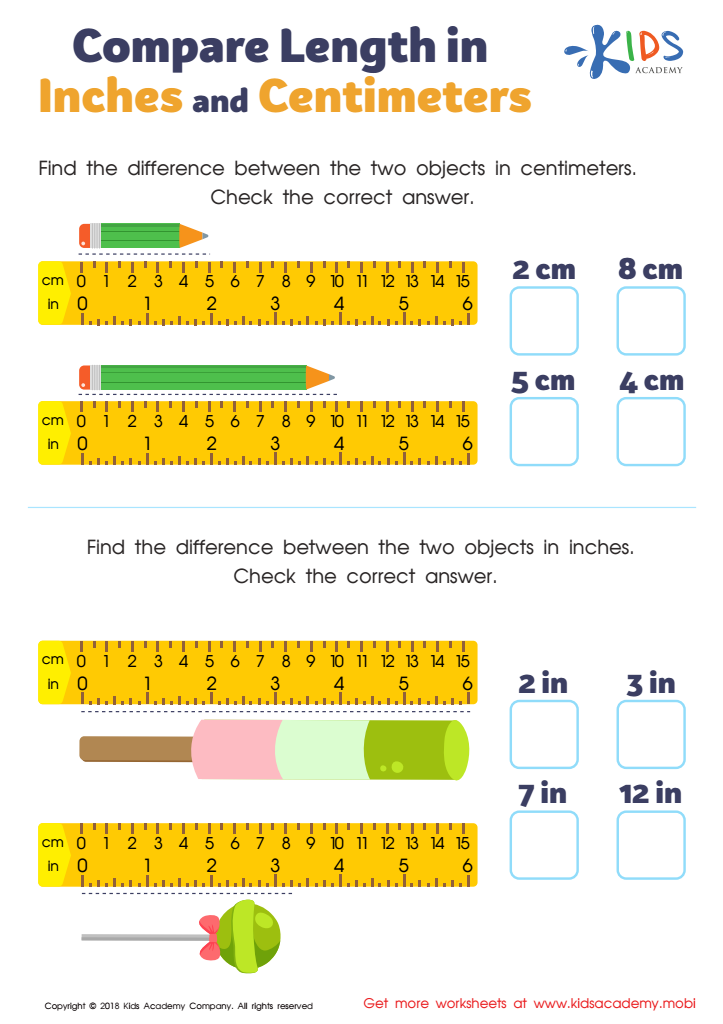
Compare Length in Inches and Centimeters Worksheet
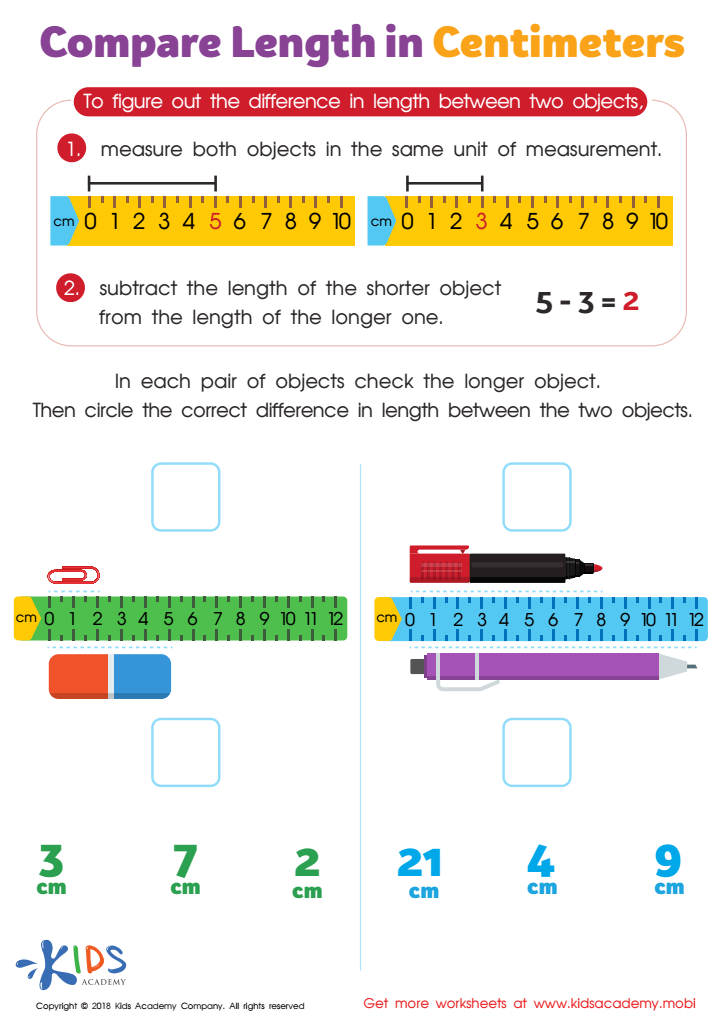
Compare Length in Centimeters Worksheet
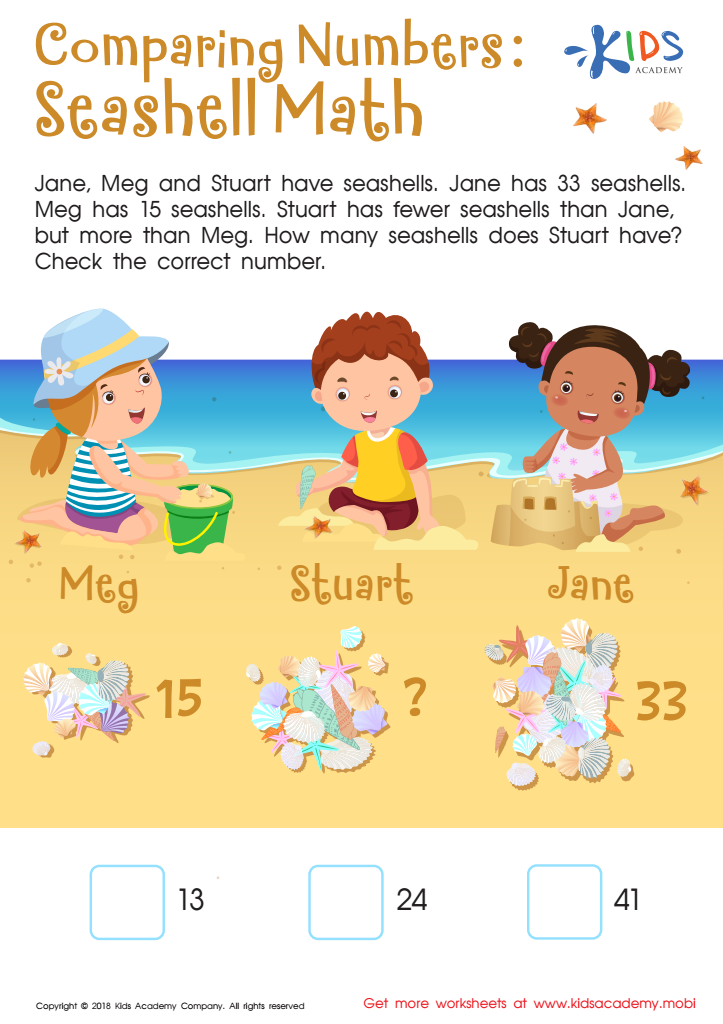
Seashell Collectors Worksheet
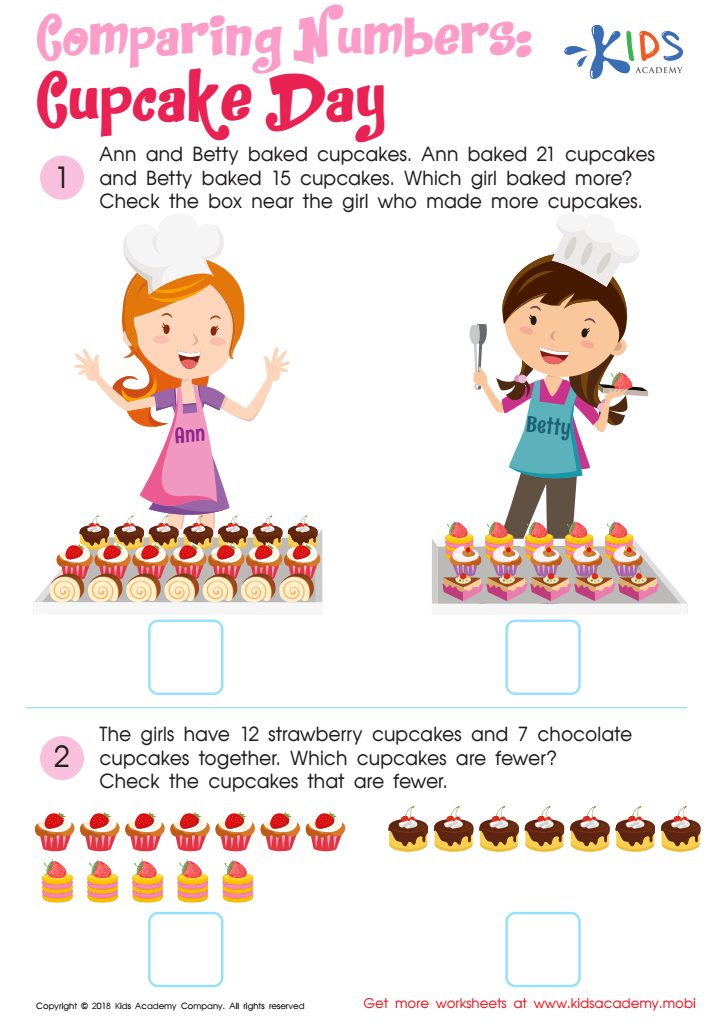
Cupcake Day Worksheet
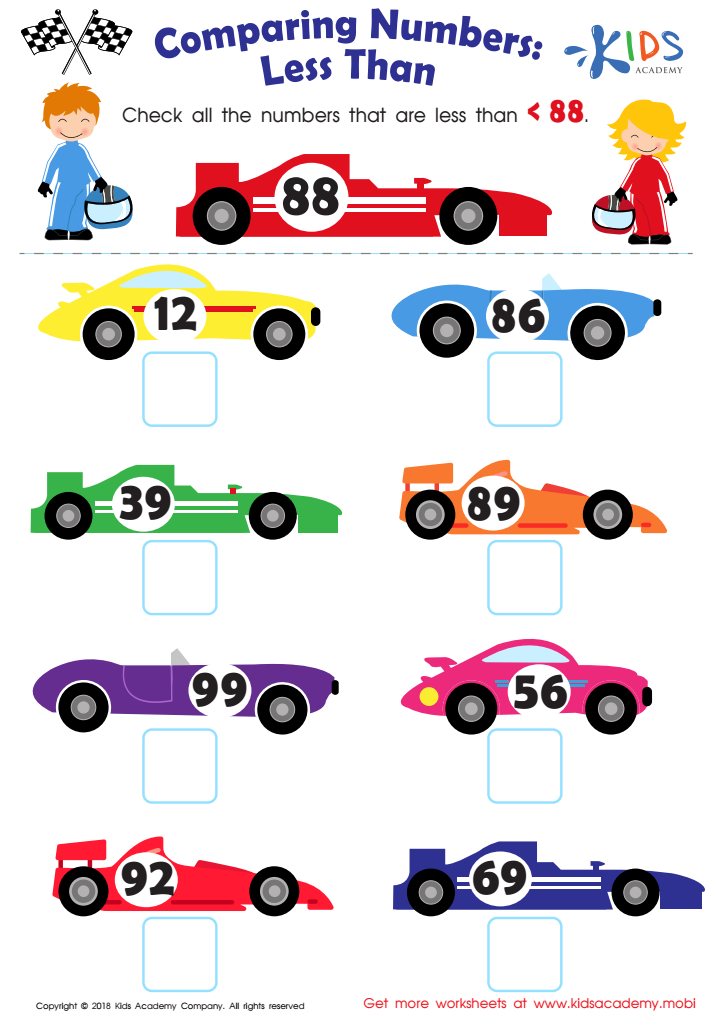
Less Than Worksheet
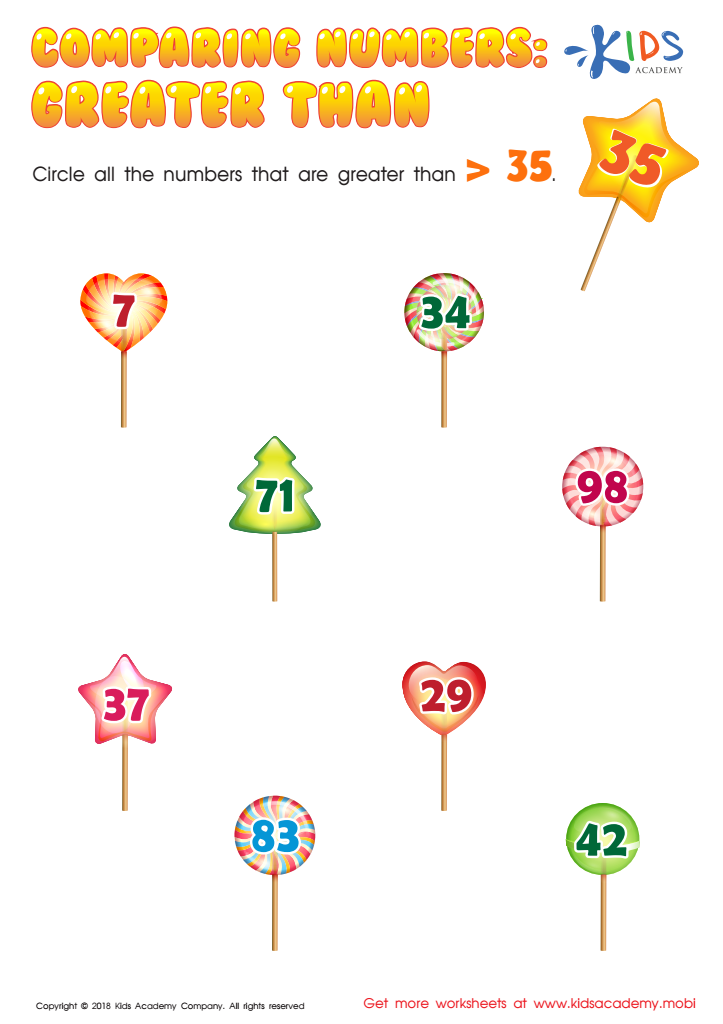
Greater Than Worksheet
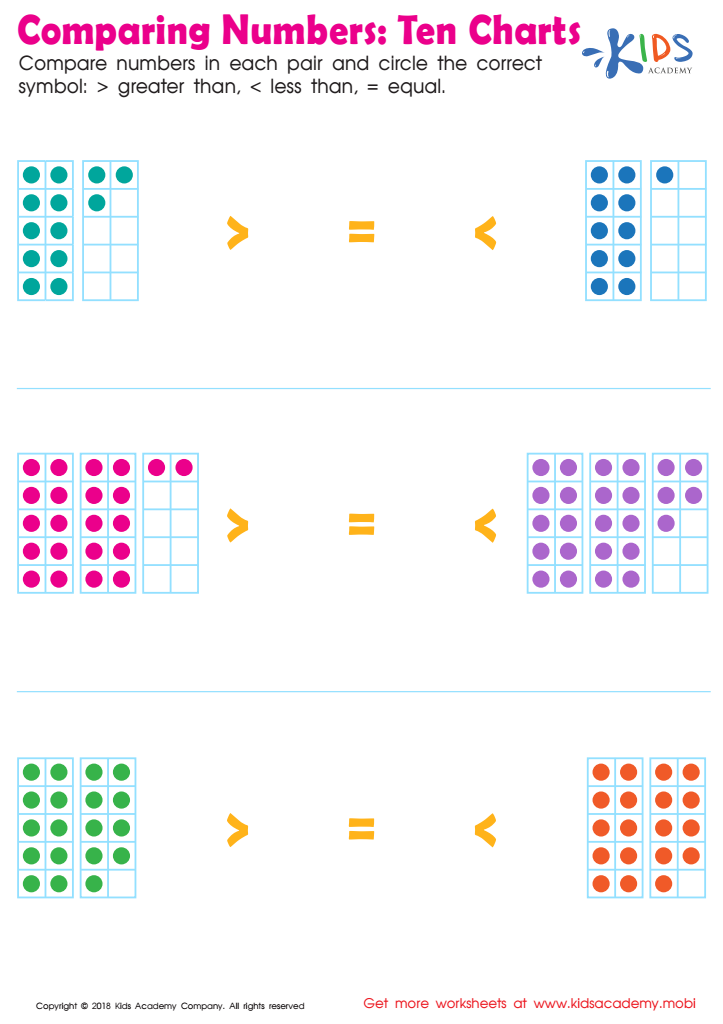
Ten Charts Worksheet
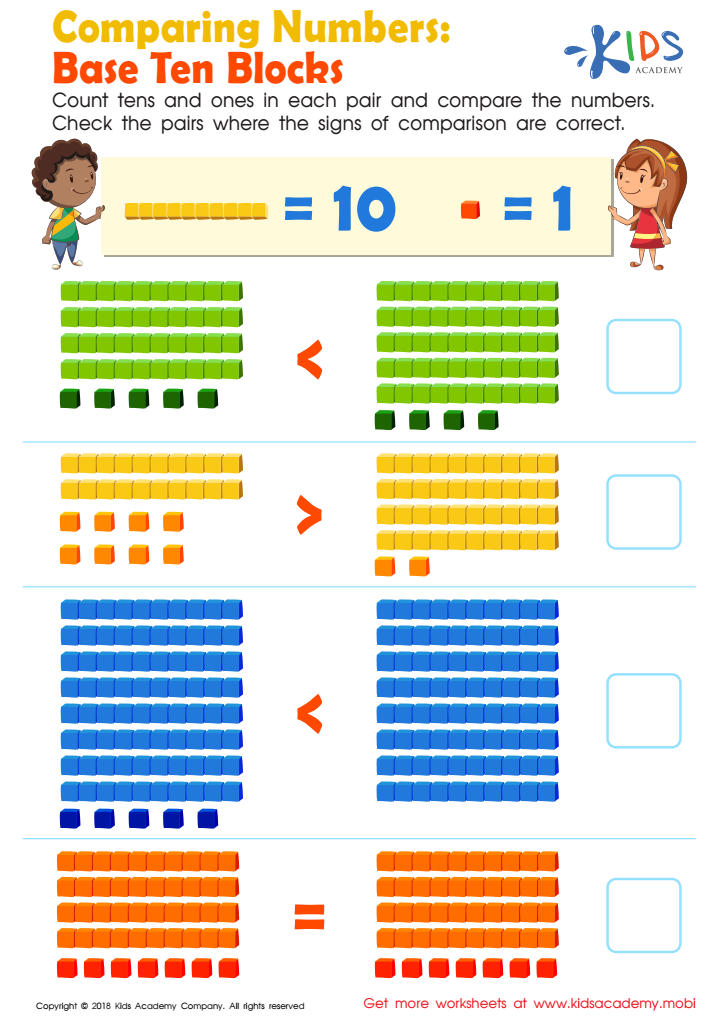
Comparing Numbers: Base Ten Blocks Worksheet
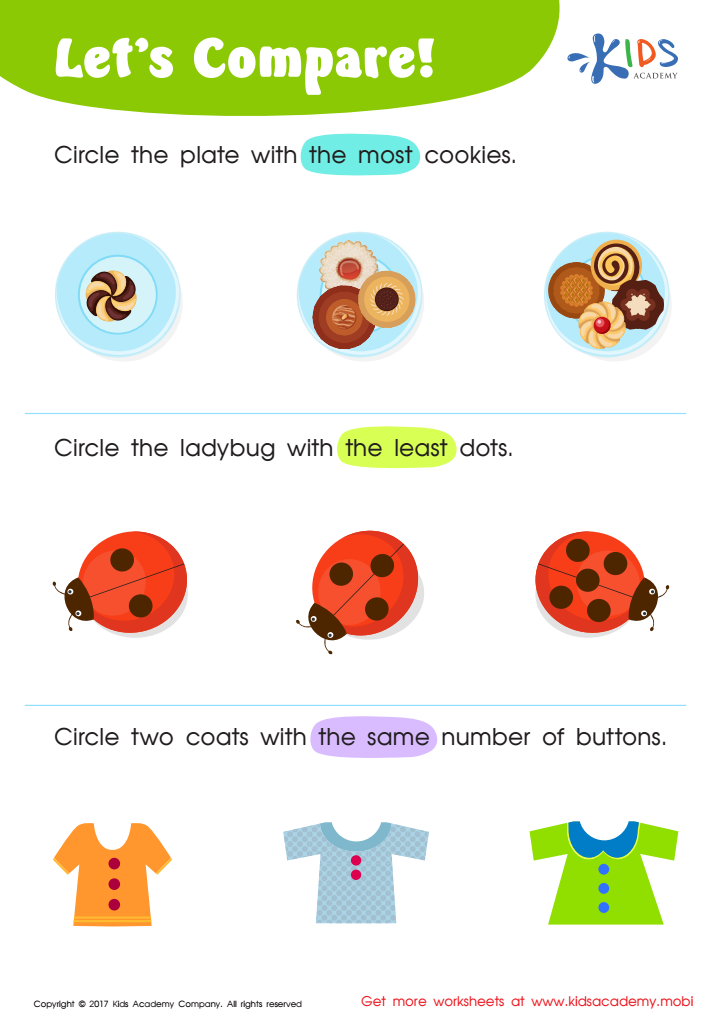
Matching: Classifying Toys by Size Worksheet








Parents and teachers should care about normal comparing numbers for children aged 5-9 because it lays the groundwork for essential mathematical skills that are critical in all areas of learning. During these formative years, children develop number sense, which helps them understand quantities, comparisons, and the relationships between numbers. Mastering the ability to compare numbers equips children to make informed decisions and solve problems in everyday life, such as determining which portion of food is larger or how many more items they have compared to a friend.
Additionally, the process of comparing numbers fosters cognitive development, encouraging children to think critically and logically. By engaging with fundamental concepts of greater than, less than, and equal to, educators can introduce foundational concepts in addition and subtraction. Moreover, integrating these skills into hands-on activities, games, and real-world scenarios makes learning enjoyable and motivates children to explore mathematical concepts further.
Furthermore, instilling a strong foundation in number comparison during early childhood helps prevent future learning difficulties in math, leading to greater academic success. Ultimately, nurturing these skills promotes confidence, encourages curiosity, and prepares children for more complex mathematical concepts as they progress in their education.