Normal Upper & Lowercase Letters Worksheets for Ages 6-7 - Page 2
43 filtered results
-
From - To
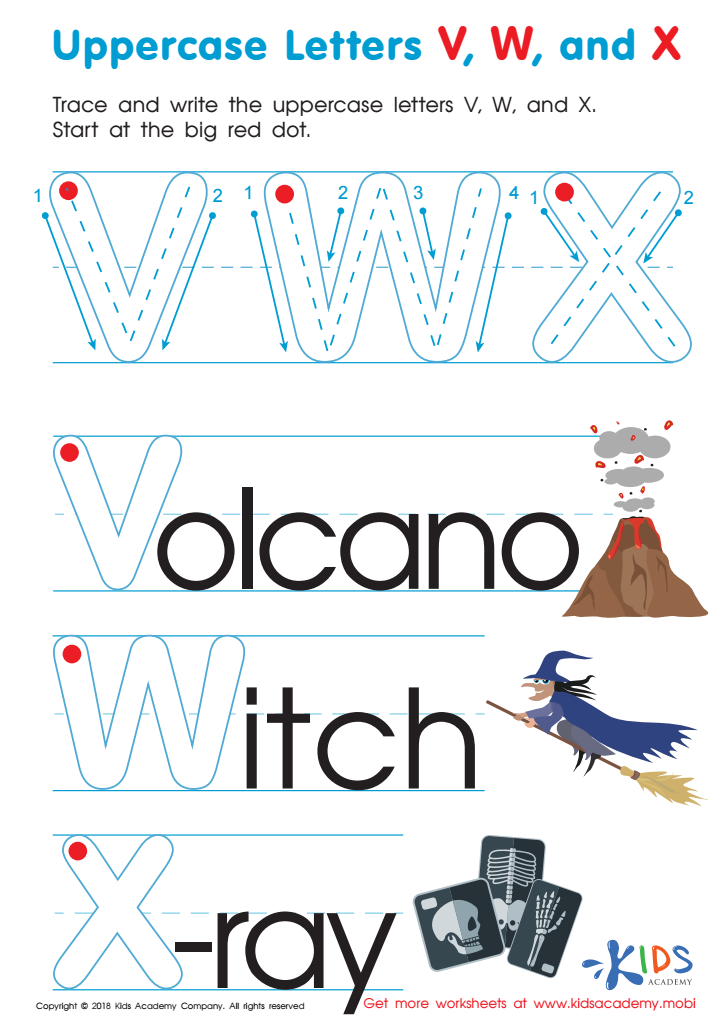
Uppercase Letters V, W, and X Worksheet
 Assign to My Students

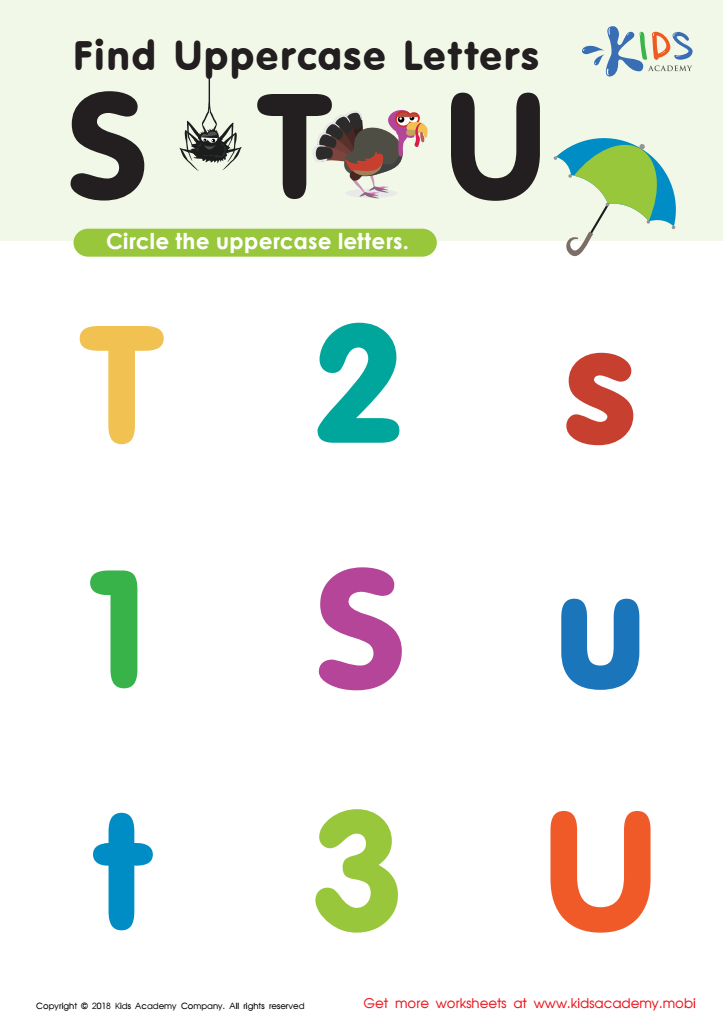
Find Uppercase Letters Worksheet
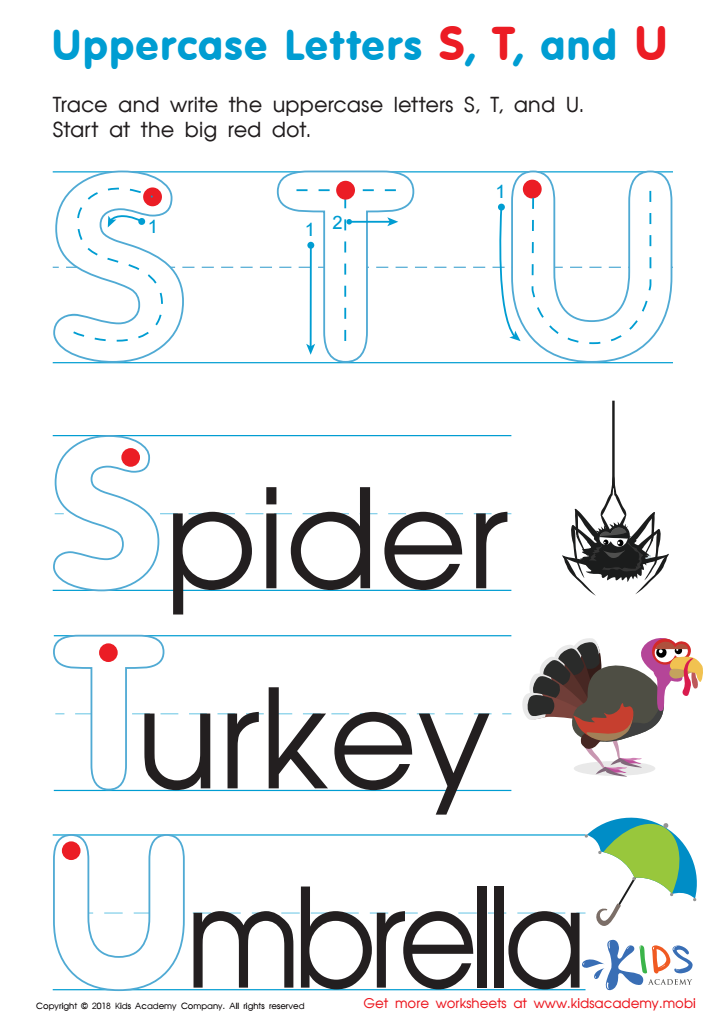
Uppercase Letters S, T, and U Worksheet
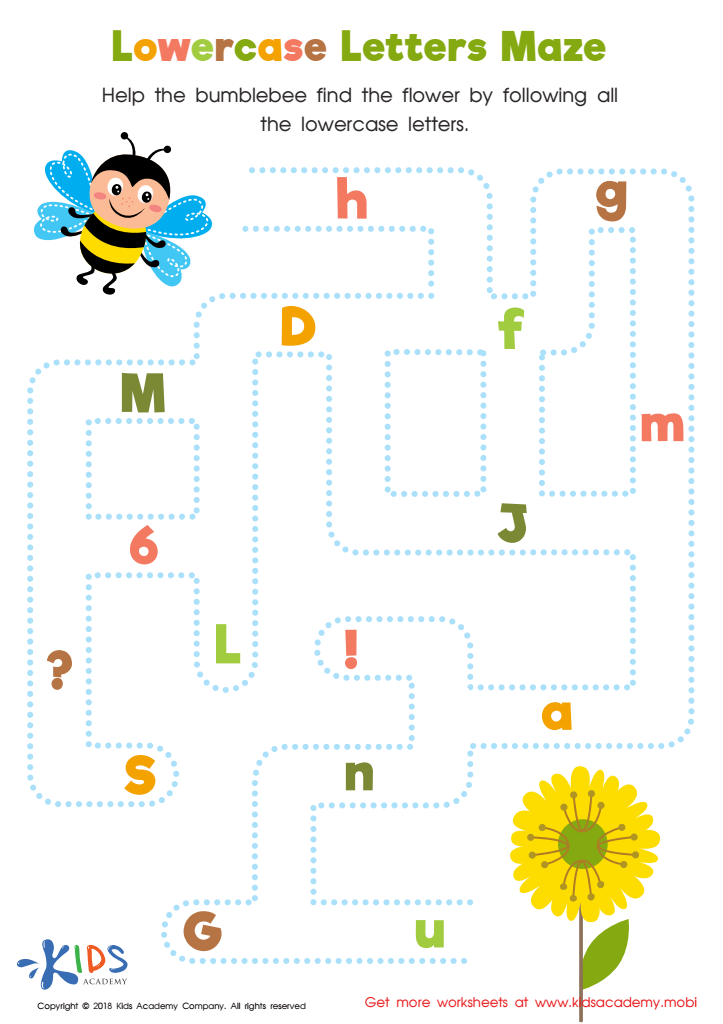
Lowercase Letters Maze Worksheet
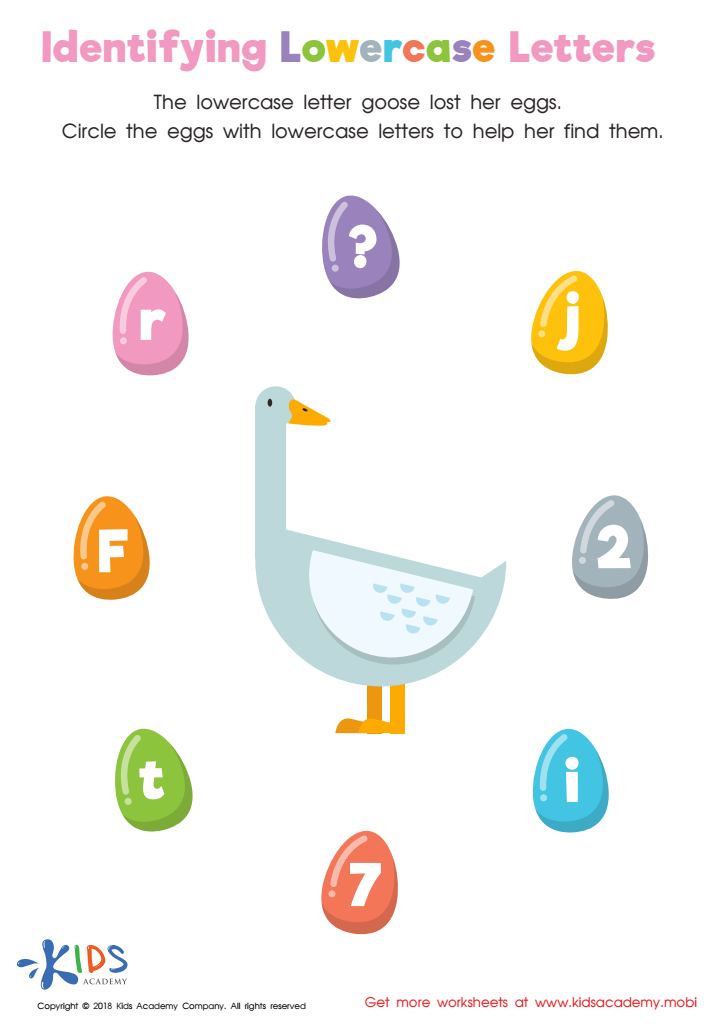
Identifying Lowercase Letters Worksheet
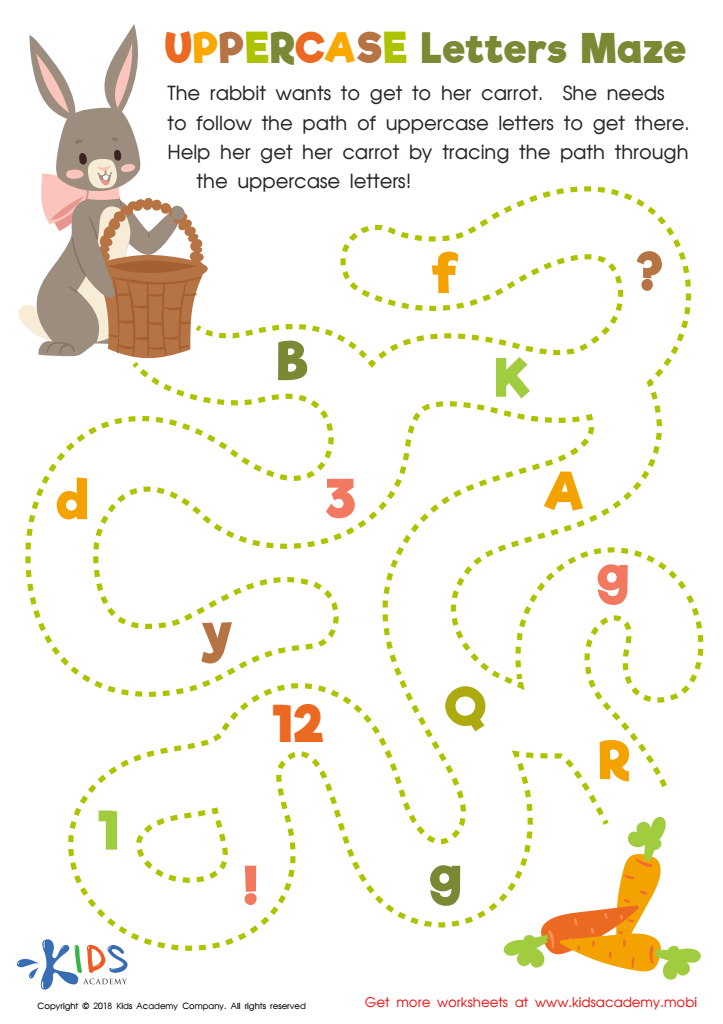
Uppercase Letters Maze Worksheet
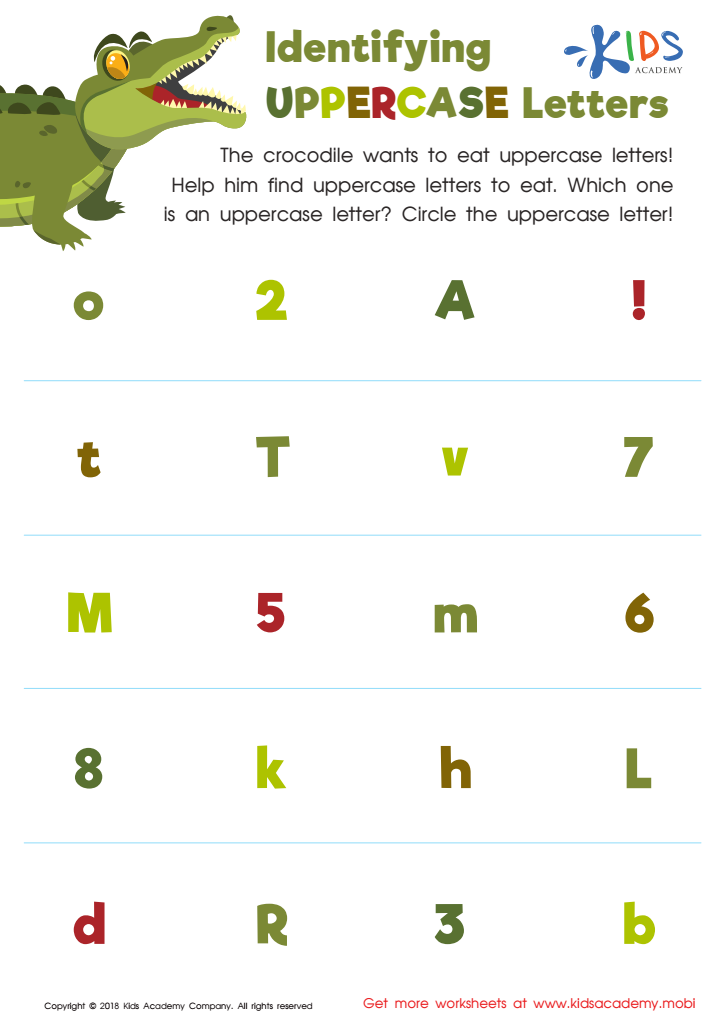
Identifying Uppercase Letters Worksheet
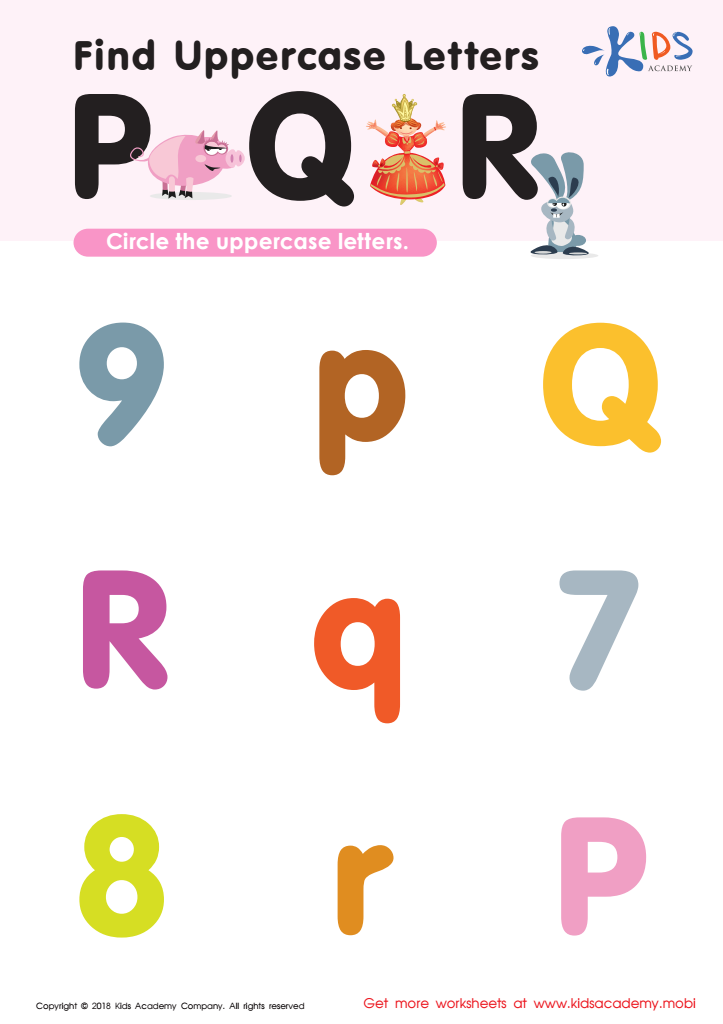
Find Uppercase Letters P, Q, and R Worksheet
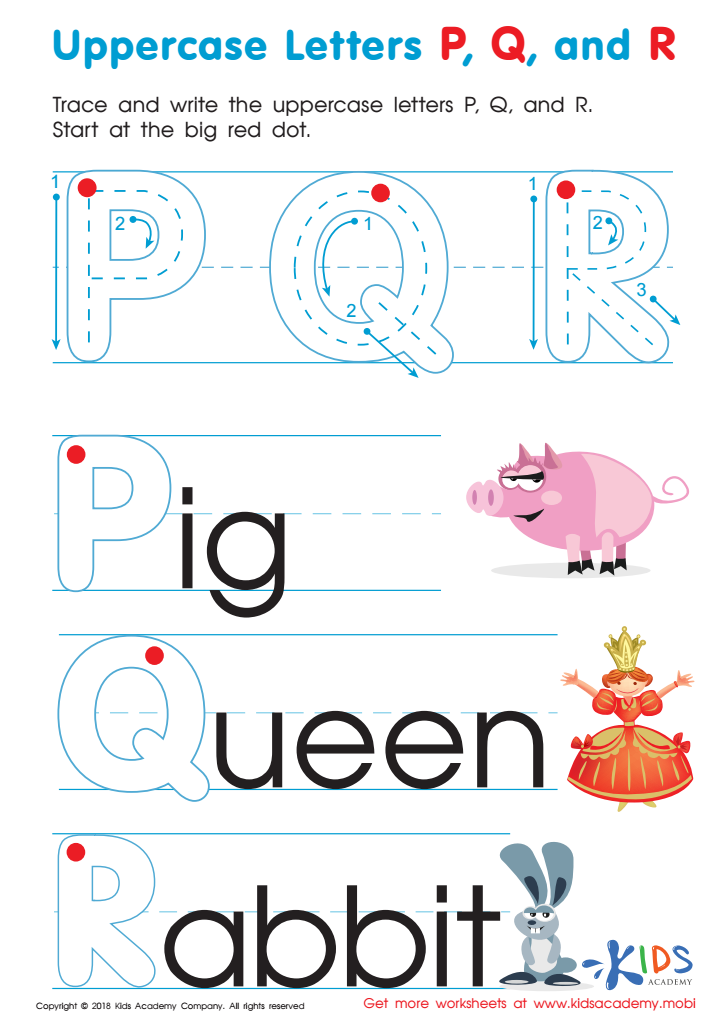
Uppercase Letters P, Q, and R Worksheet
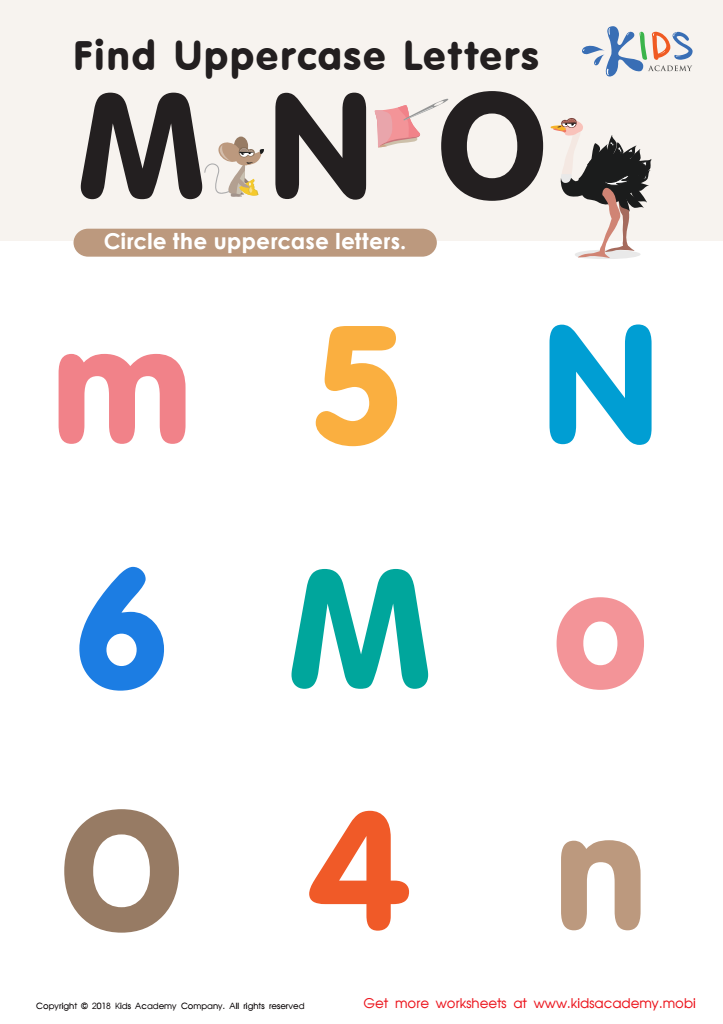
Find Uppercase Letters M, N, and O Worksheet
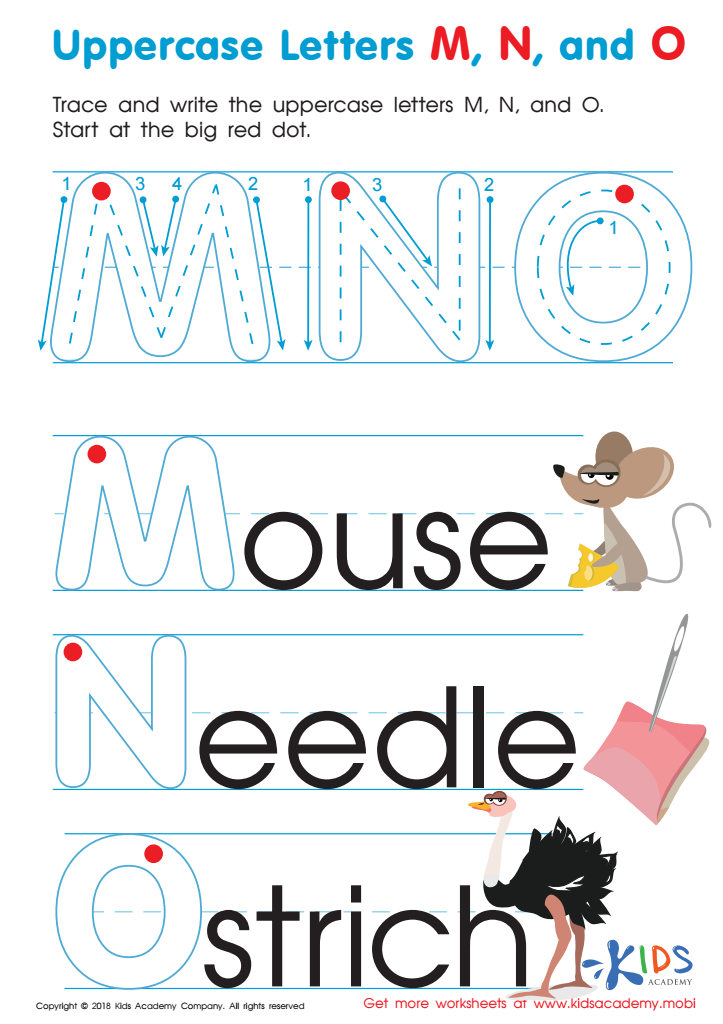
Uppercase Letters M, N, and O Worksheet
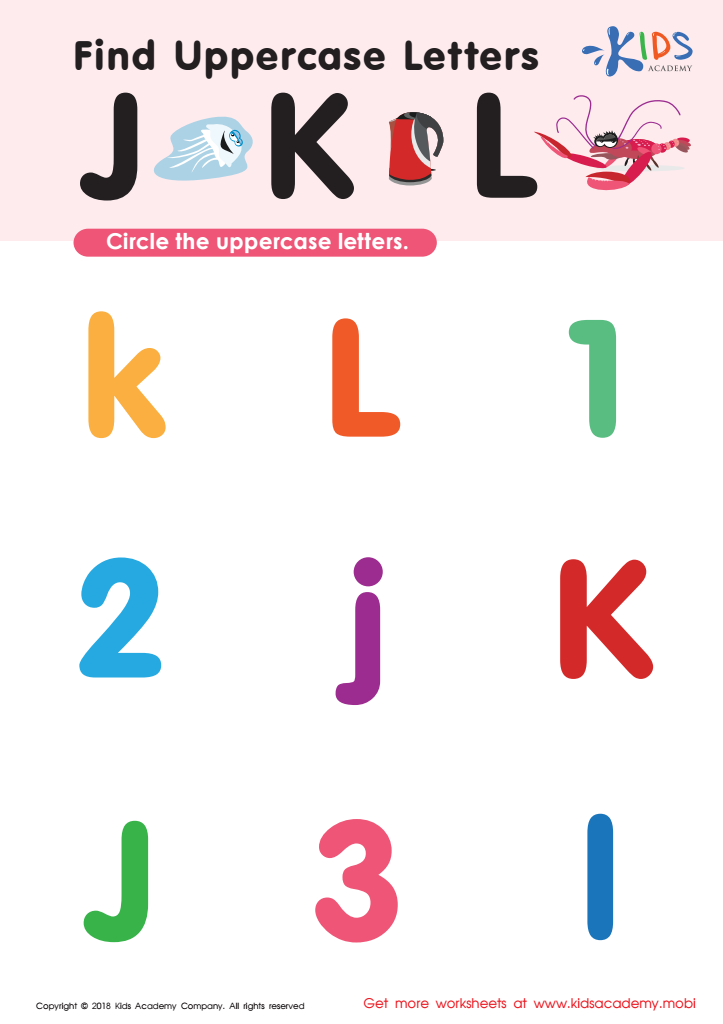
Find Uppercase Letters J, K, and L Worksheet
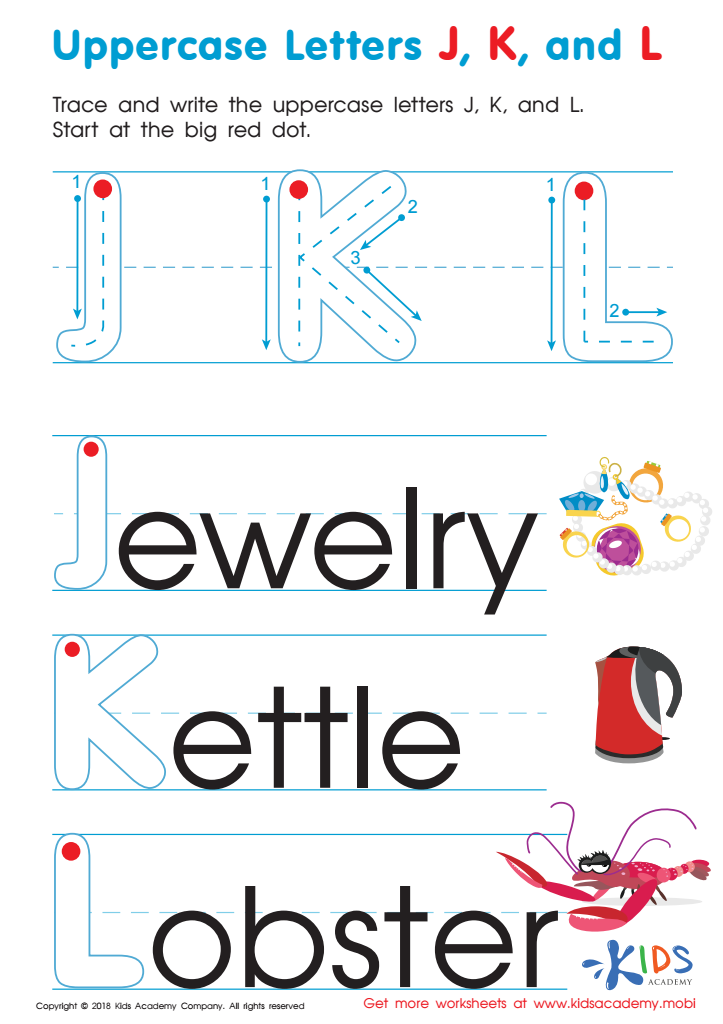
Uppercase Letters J, K, and L Worksheet
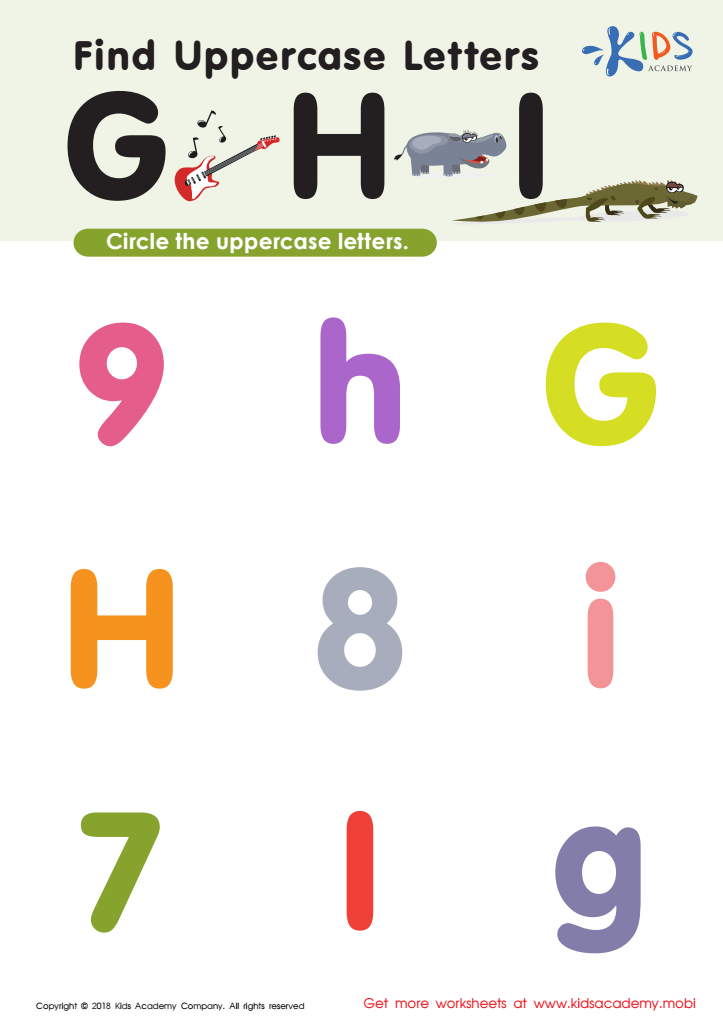
Find Uppercase Letters G, H, and I Worksheet
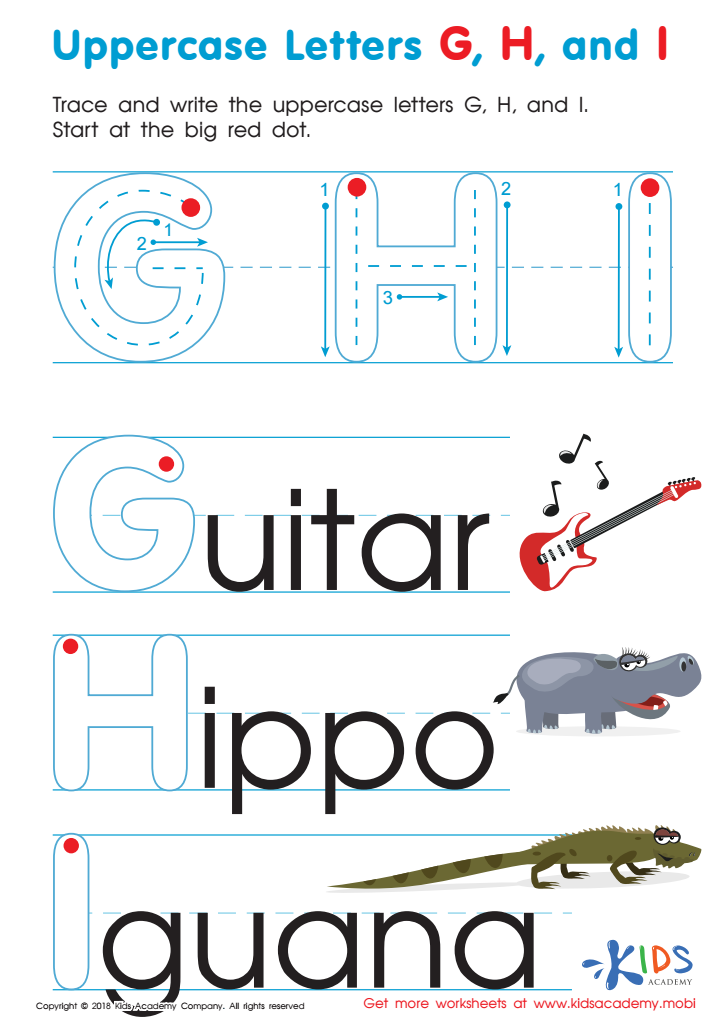
Uppercase Letters G, H, and I Worksheet
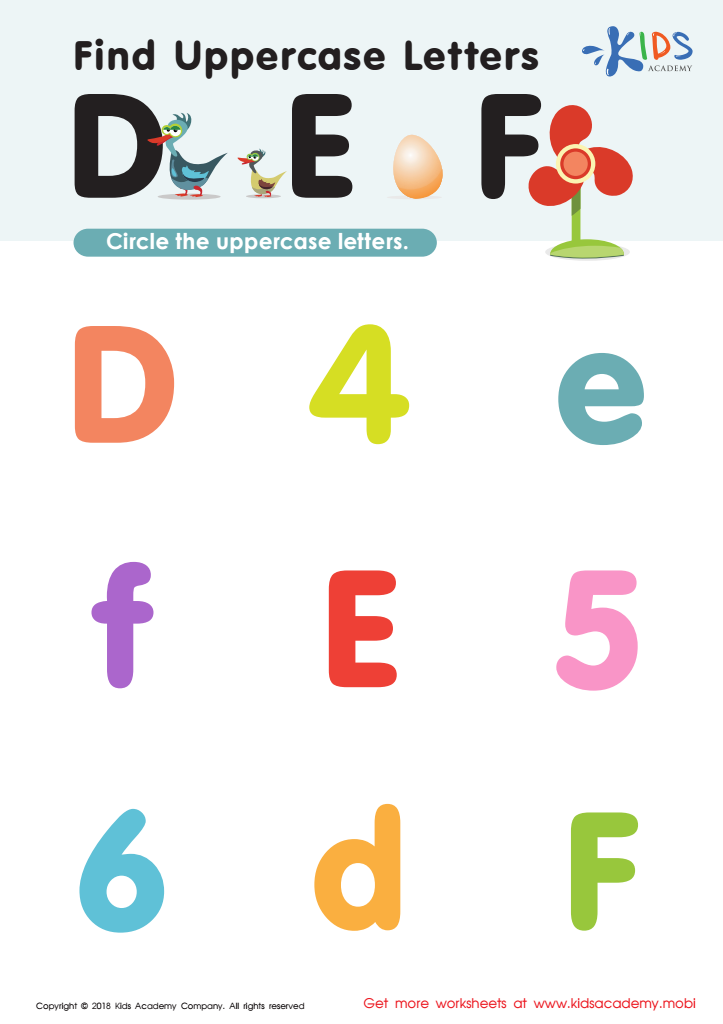
Find Uppercase Letters D, E, and F Worksheet
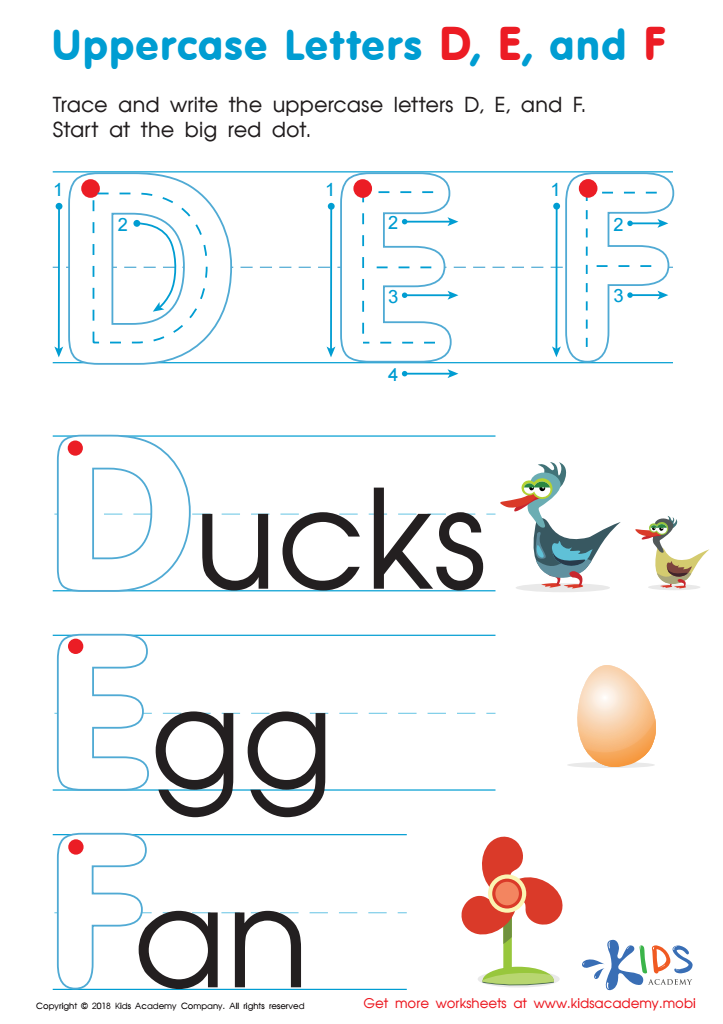
Uppercase Letters D, E, and F Worksheet
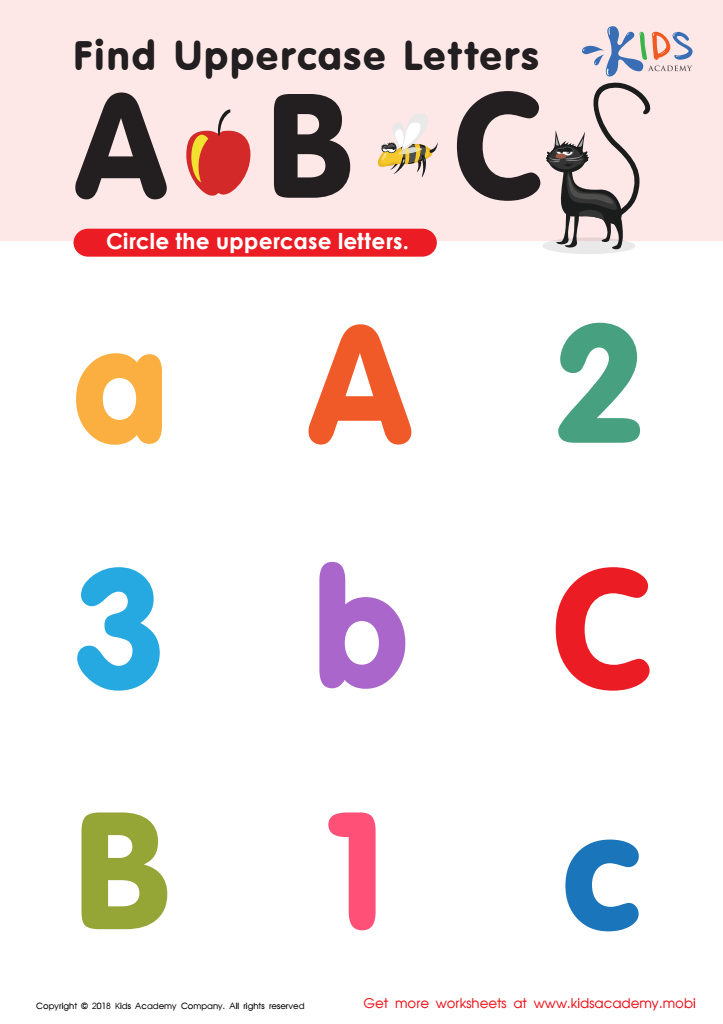
Find Uppercase Letters A, B, and C Worksheet
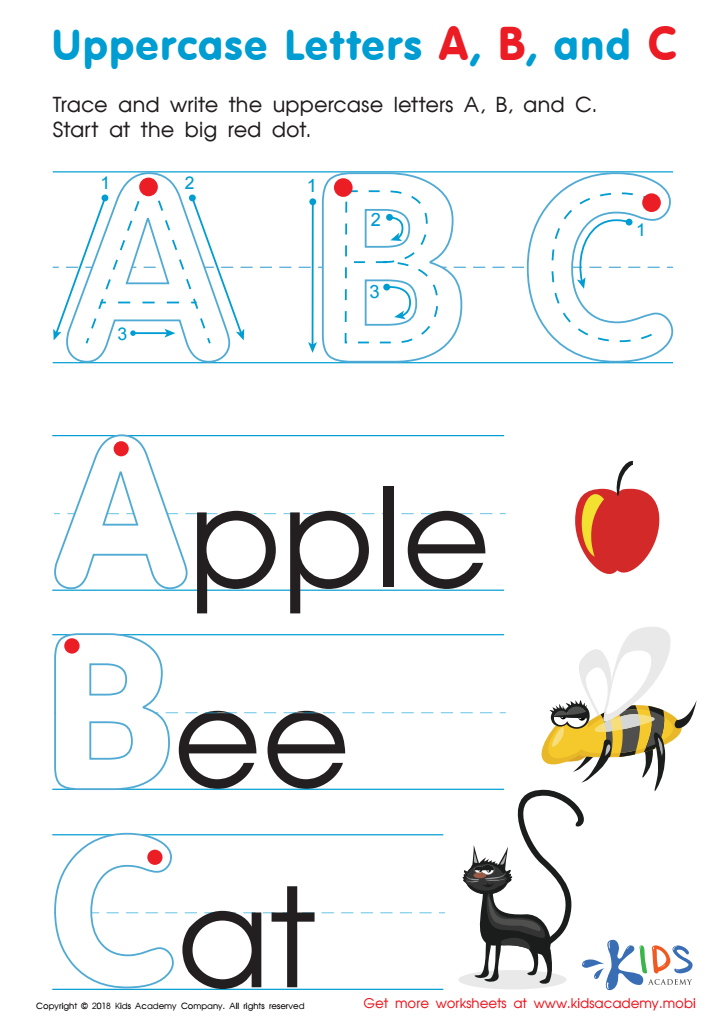
Uppercase Letters A, B, and C Worksheet






Parents and teachers should prioritize teaching normal upper and lowercase letters to children ages 6-7 because this foundational skill is critical for literacy development. At this age, children begin to blend reading with writing, and understanding uppercase and lowercase letters lays the groundwork for both.
First, recognizing and using these letters helps children in reading. Uppercase letters typically signal the beginning of sentences or names, making it easier for children to decipher text. Learning the distinction also helps in developing spelling skills, as many words have both forms in varying contexts.
Furthermore, writing legibly in both cases is important for effective communication. It helps children express their thoughts clearly and is essential for assignments and written assessments. Incorporating these skills into daily activities cultivates fine motor skills, enhancing handwriting quality.
Moreover, mastery of upper and lowercase letters fosters confidence in young learners. Proficiency in these fundamental aspects of literacy encourages a love for reading and writing, attributing to longer-term academic success.
Thus, ensuring children have a solid understanding of normal upper and lowercase letters equips them with vital communication tools, ultimately impacting their educational journey and personal growth.







