Normal Tracing Letters Worksheets for Ages 6-8 - Page 2
31 filtered results
-
From - To
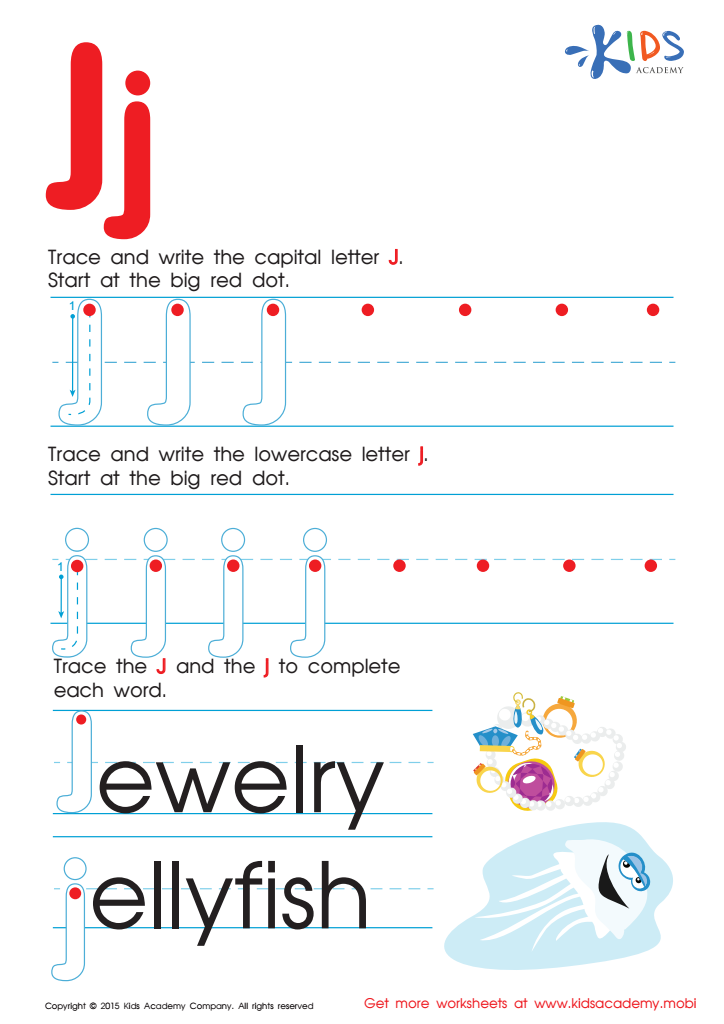
Letter J Tracing Page
 Assign to My Students
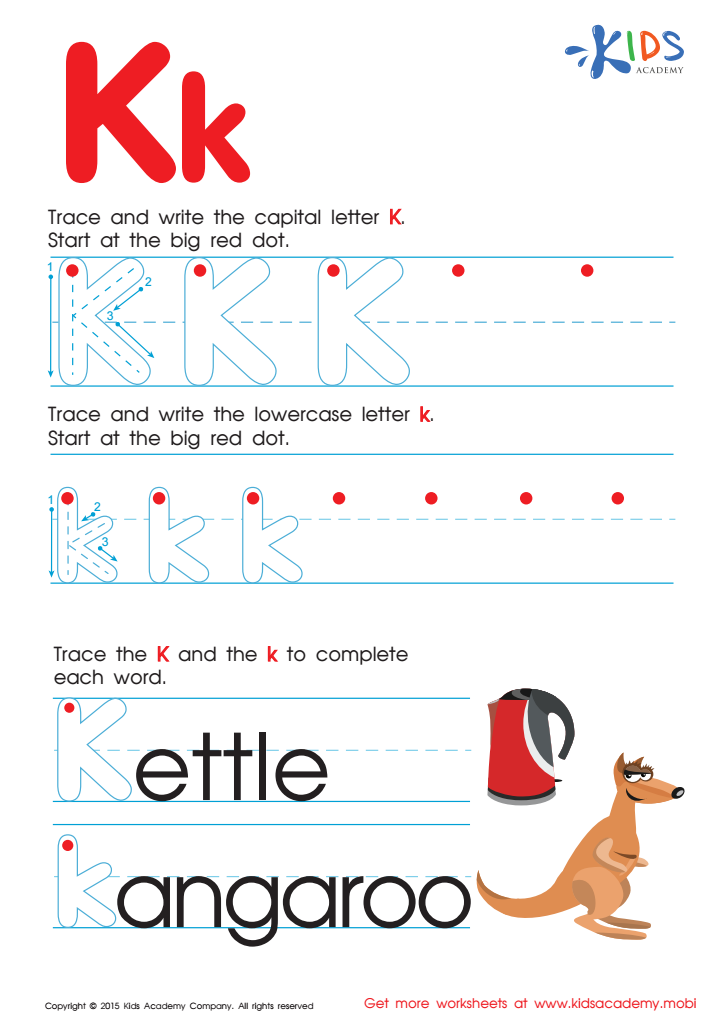
Letter K Tracing Page
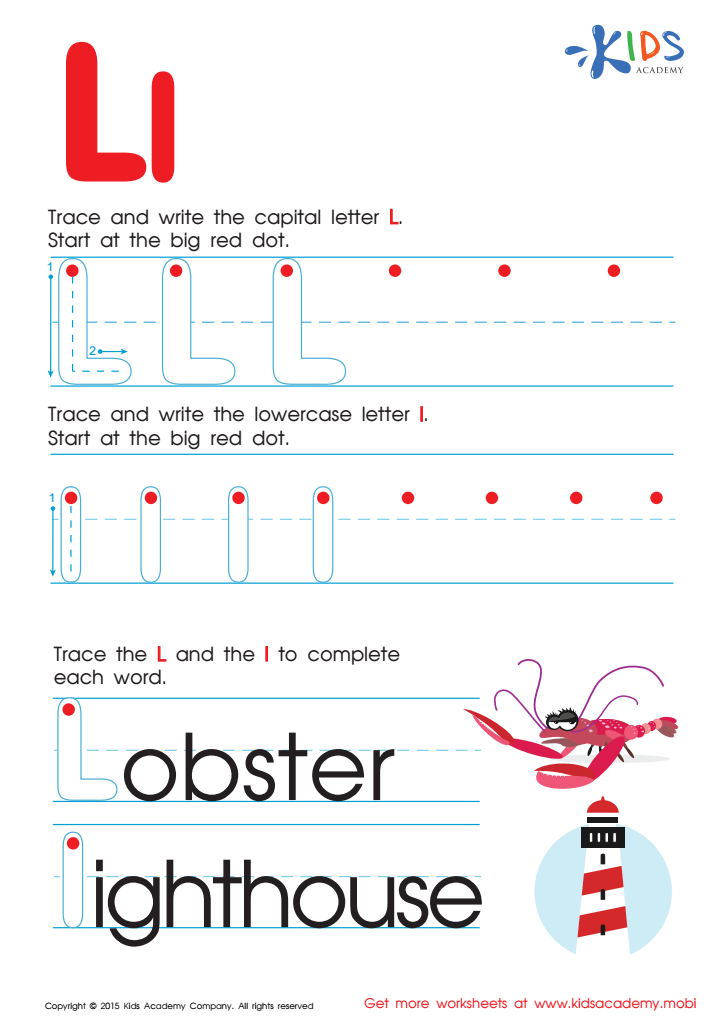
Letter L Tracing Page
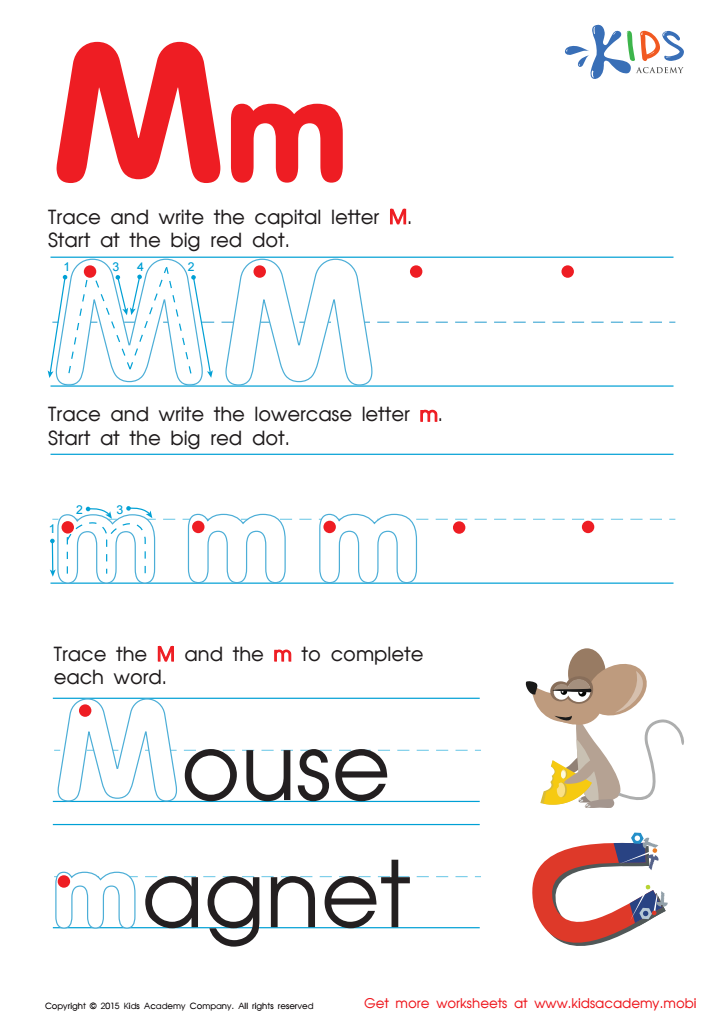
Letter M Tracing Page
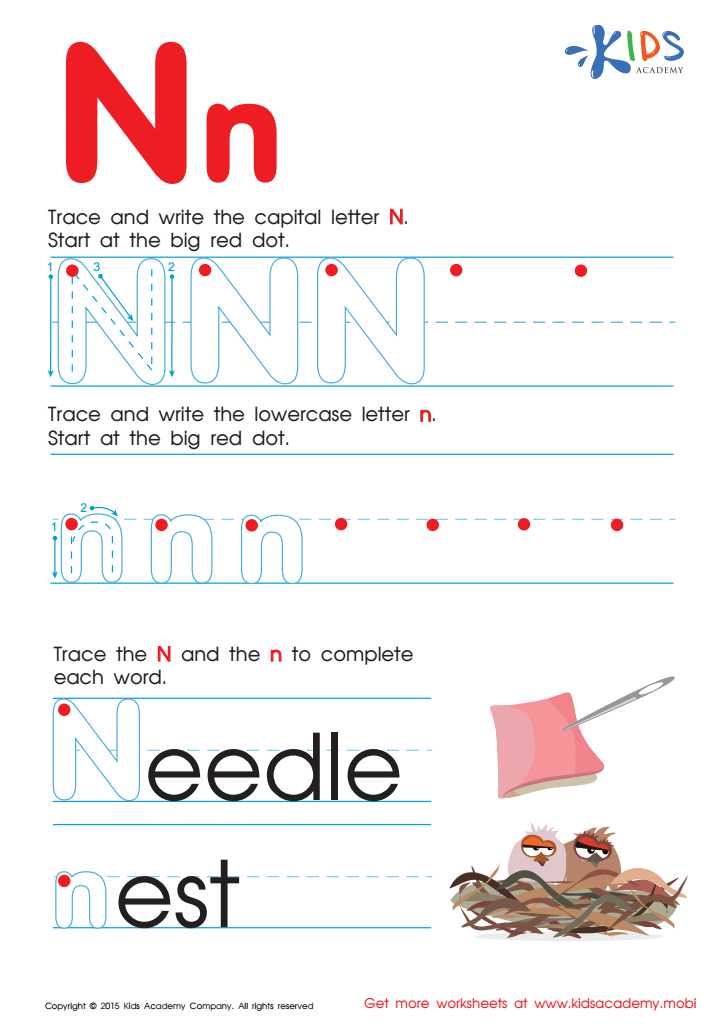
Letter N Tracing Page
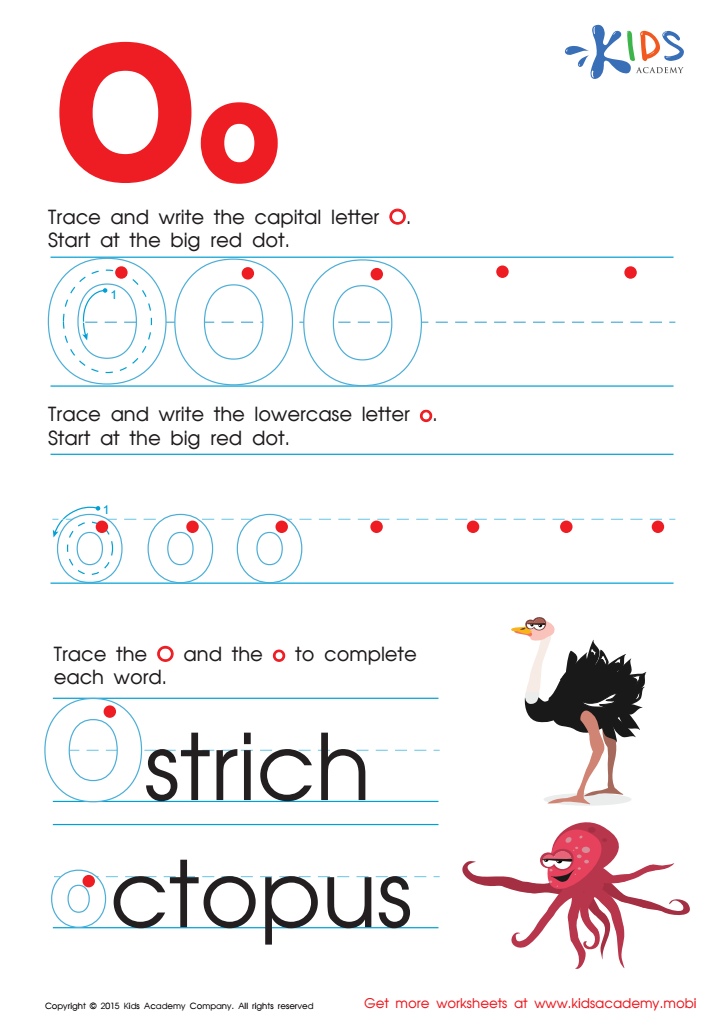
Letter O Tracing Page

Letter P Tracing Page







Normal tracing letters are pivotal for children aged 6-8 because they lay the foundation for essential handwriting skills. At this developmental stage, fine motor skills are still maturing, so tracing helps strengthen these muscles, leading to better hand control and coordination. This practice is not merely about copying shapes; it actively enhances a child's ability to form letters neatly and legibly, an essential skill for effective communication.
Through tracing, children become familiar with the shape and structure of each letter, which aids in the automatic recognition needed for reading proficiency. This recognition contributes to overall literacy, supporting both writing and reading. Moreover, the repetitive nature of tracing enhances memorization and retention, ensuring that children can reproduce letters independently over time.
For teachers and parents, endorsing normal tracing activities is a constructive way of ensuring that children achieve academic success. It shapes positive educational experiences and builds confidence. Moreover, tracing can be a calming and enjoyable activity, which can make learning to write a positive experience. Including normal tracing in educational routines provides children with a strong, fundamental basis on which they can build more complex writing skills, thus fostering their overall educational and personal development.








