Normal Worksheets for Ages 6-9 - Page 65
1541 filtered results
-
From - To
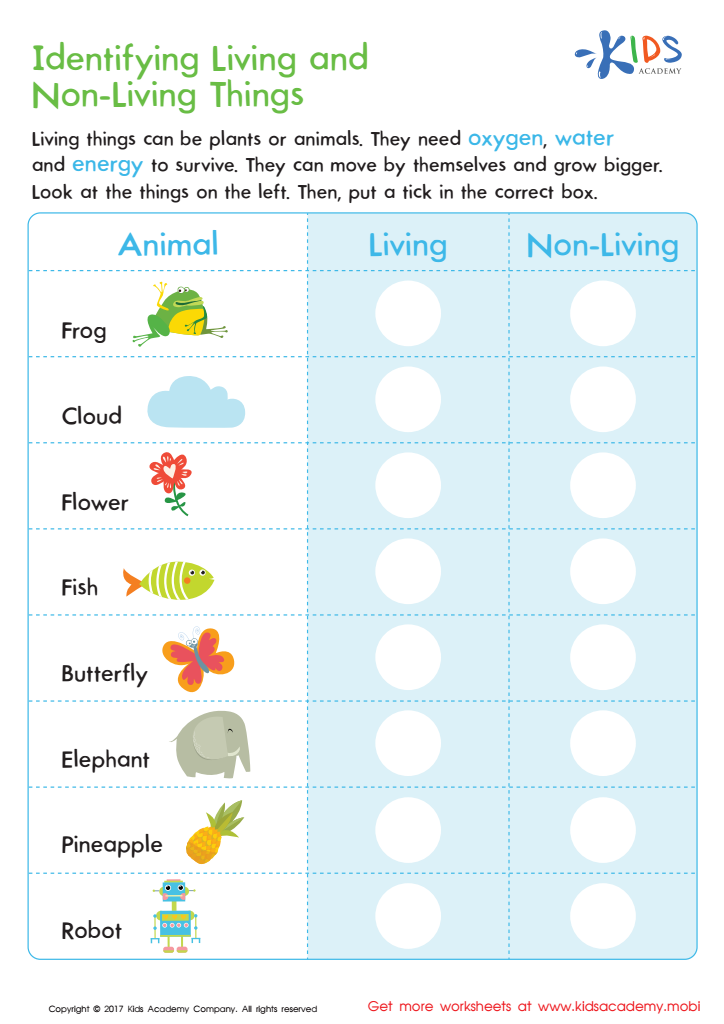
Identifying Living or Non–living Worksheet
 Assign to My Students
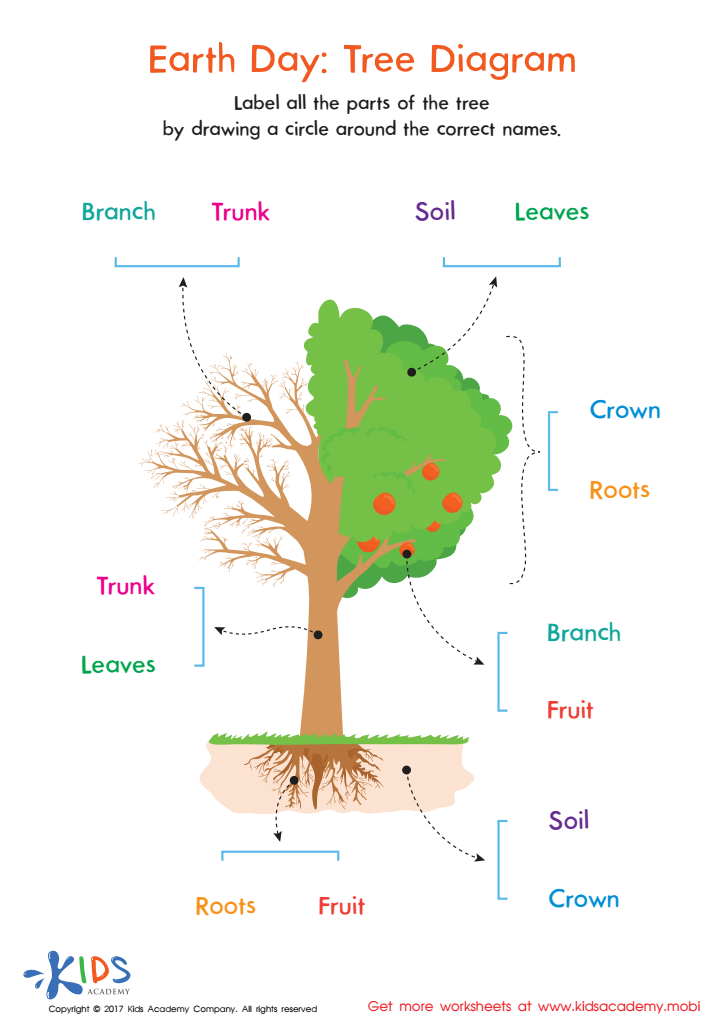
Earth Day: Tree Diagram Worksheet
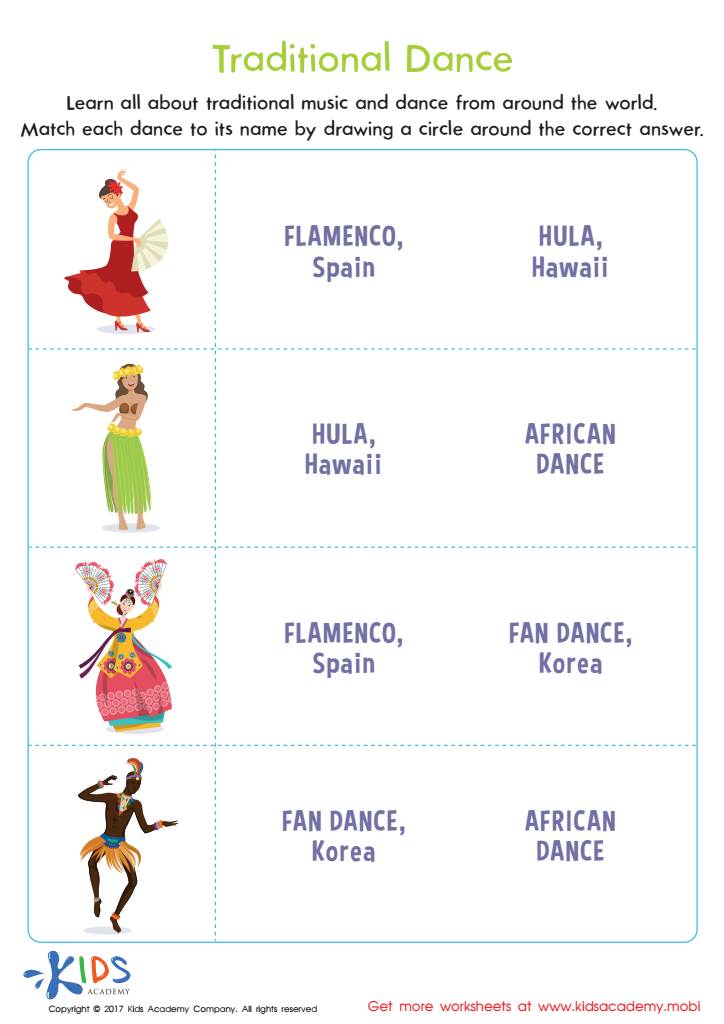
Traditional Dance Printable
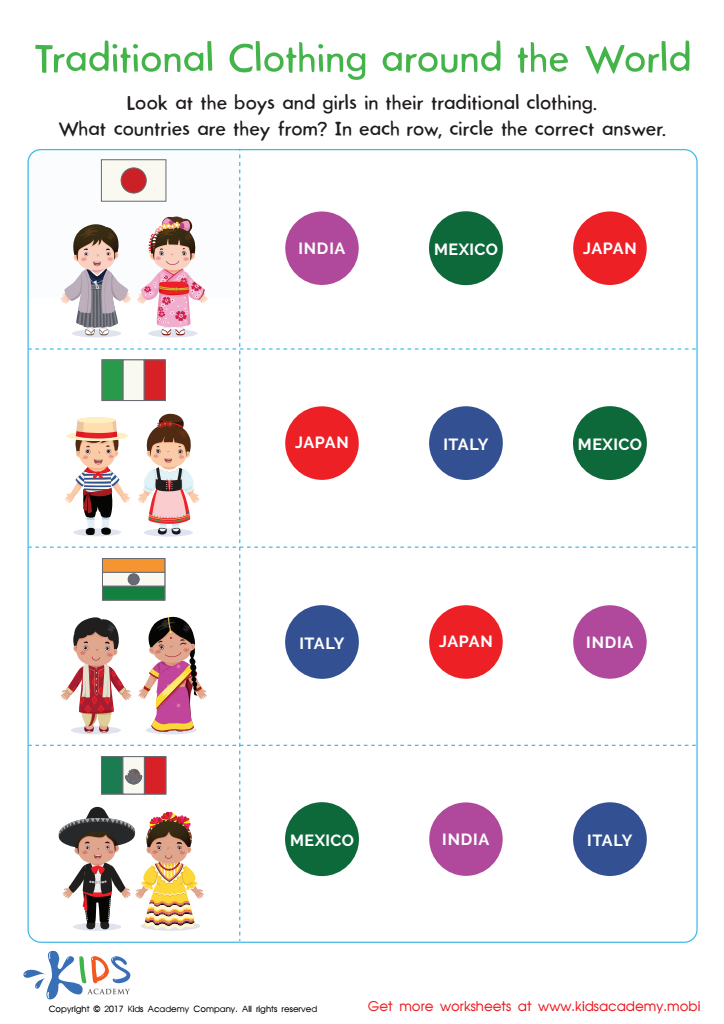
Traditional Clothing Worksheet








Parents and teachers should care about the concept of "normal" for ages 6-9 because it plays a crucial role in a child's development and emotional well-being. During this stage, children are rapidly developing their social, cognitive, and emotional skills. Understanding what is considered typical behavior for this age group helps adults recognize milestones and identify any concerns early on.
Children in this age range often compare themselves to peers, shaping their self-esteem and sense of belonging. By fostering a supportive environment that celebrates individual differences, adults can help children develop resilience and healthy perspectives on normality. This can prevent issues like bullying, anxiety, and low self-esteem, which can have lasting effects on their development.
Moreover, recognizing normal behavior aids in creating appropriate learning experiences. Teachers can better tailor their teaching methods and curricula to meet the varied needs of their students. In school settings, this creates inclusive and engaging environments where every child can thrive.
In summary, understanding and caring about what is considered normal for children aged 6-9 helps guide adults in supporting their growth, teaching empathy, fostering self-acceptance, and creating more effective learning experiences.








