Normal Upper & Lowercase Letters Worksheets for Ages 6-9 - Page 2
43 filtered results
-
From - To
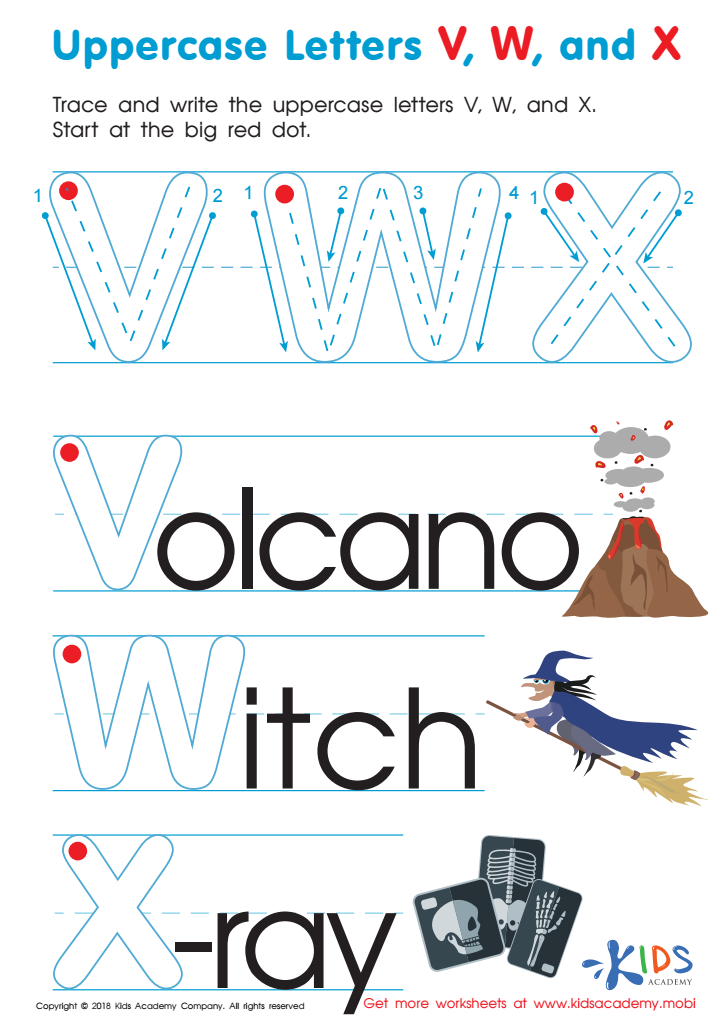
Uppercase Letters V, W, and X Worksheet
 Assign to My Students
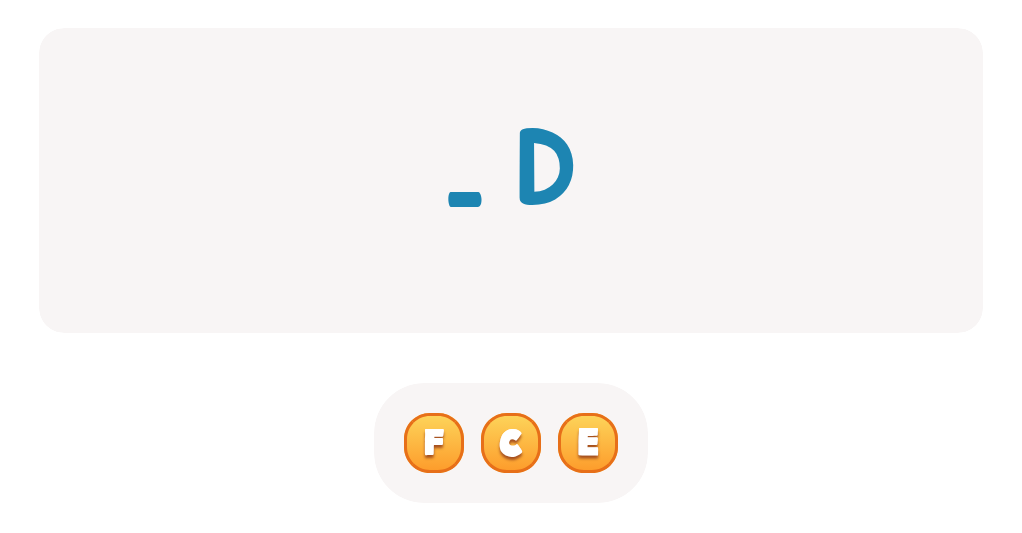

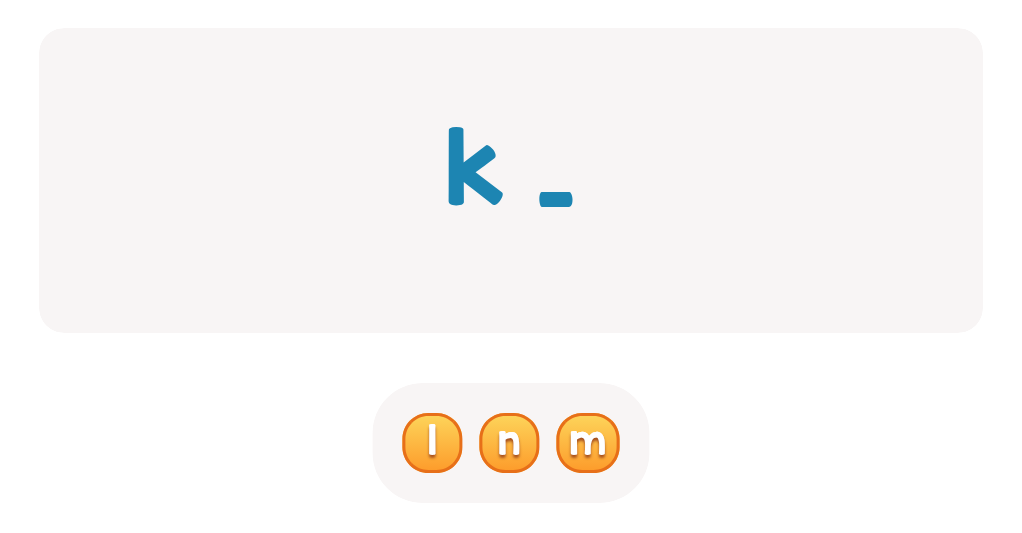
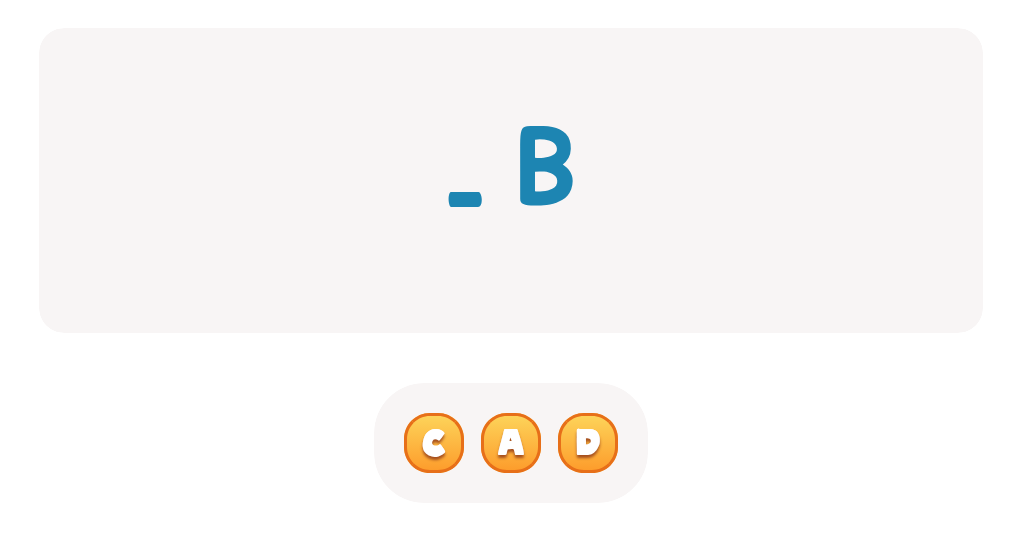
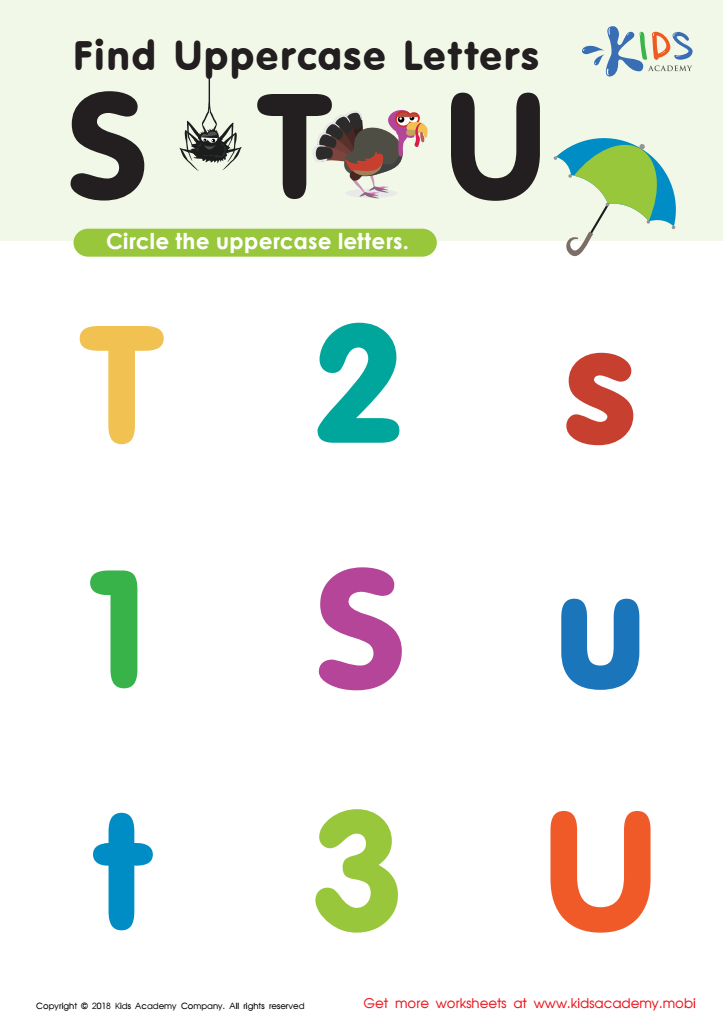
Find Uppercase Letters Worksheet
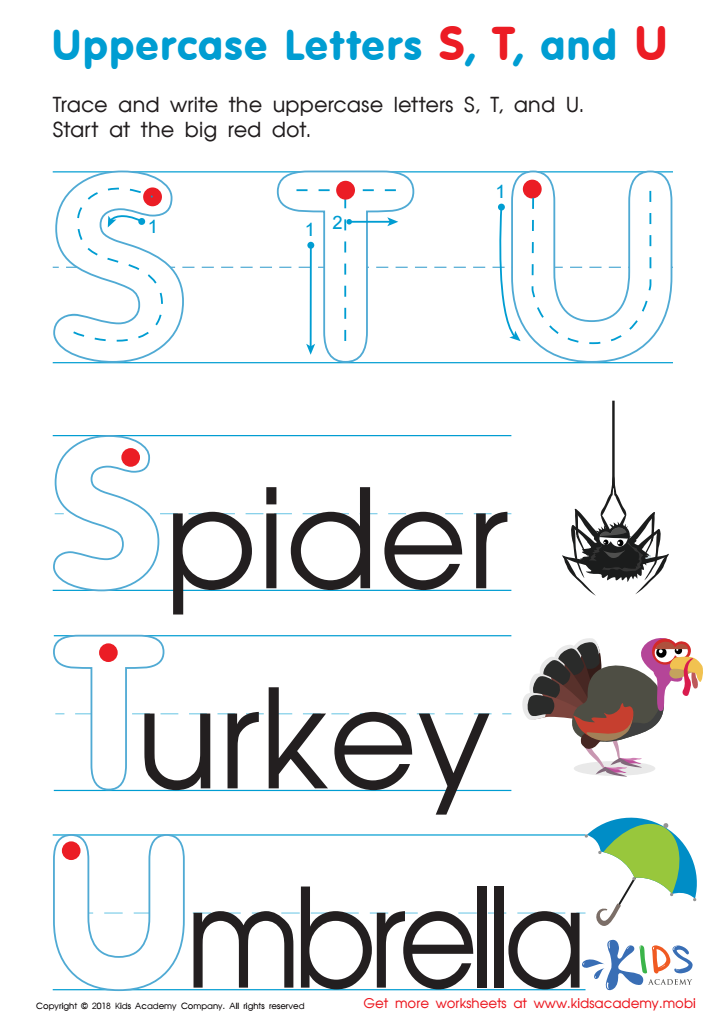
Uppercase Letters S, T, and U Worksheet
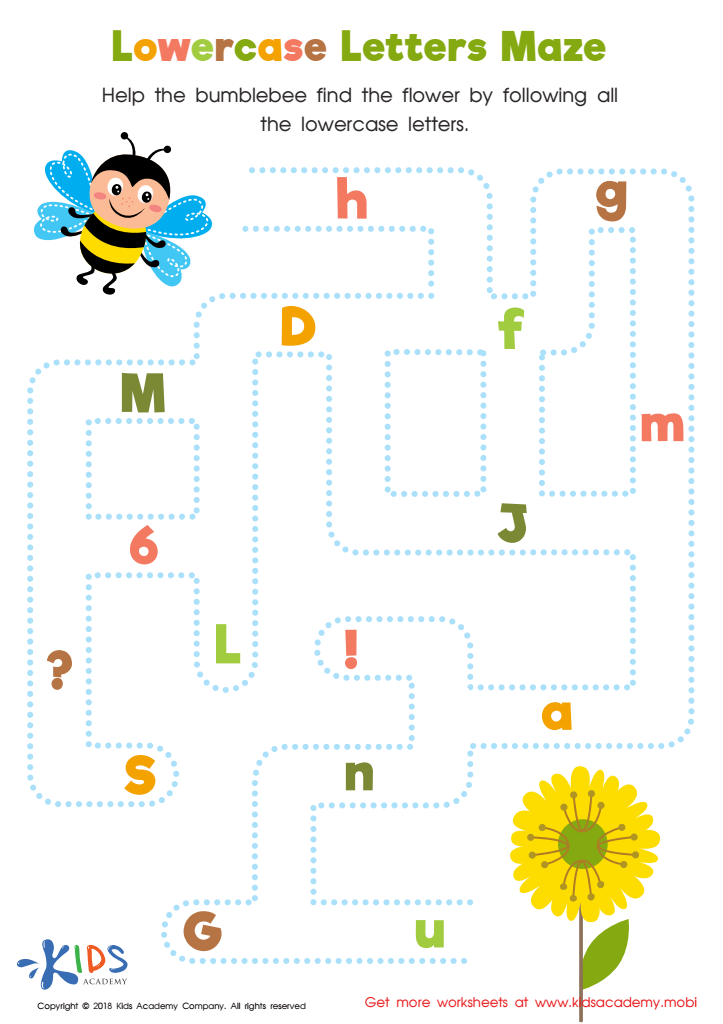
Lowercase Letters Maze Worksheet
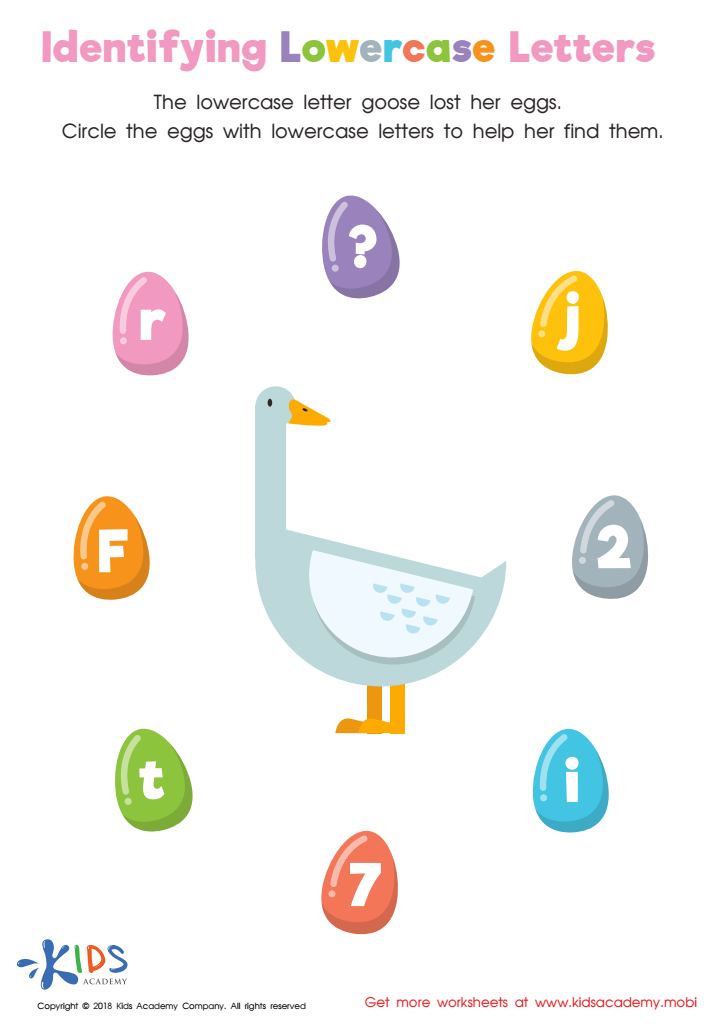
Identifying Lowercase Letters Worksheet
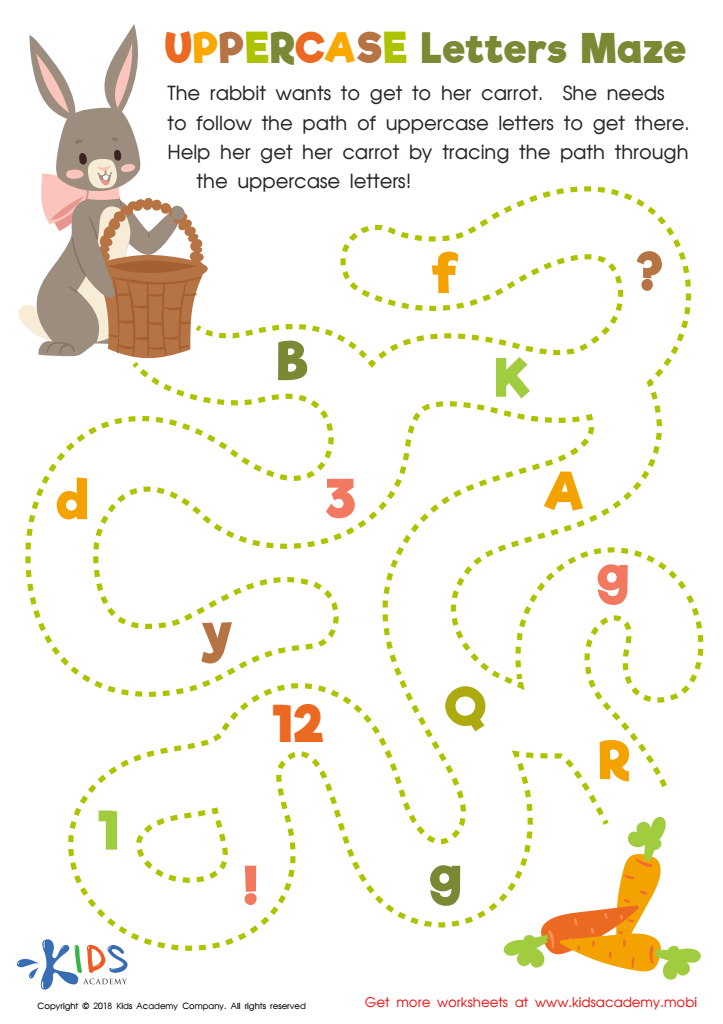
Uppercase Letters Maze Worksheet
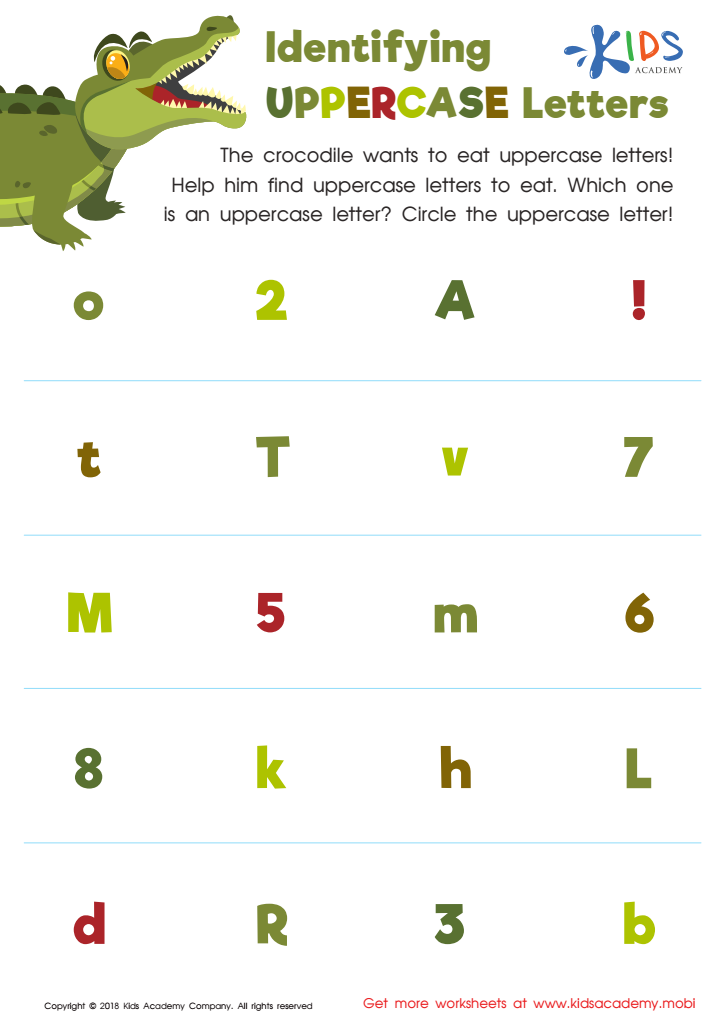
Identifying Uppercase Letters Worksheet
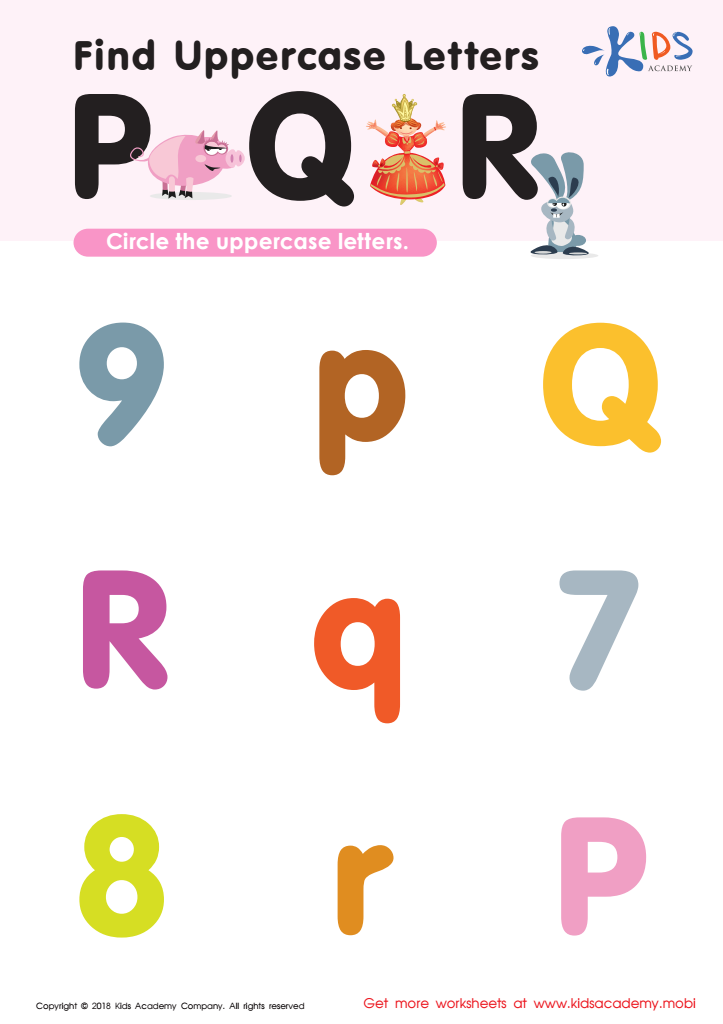
Find Uppercase Letters P, Q, and R Worksheet
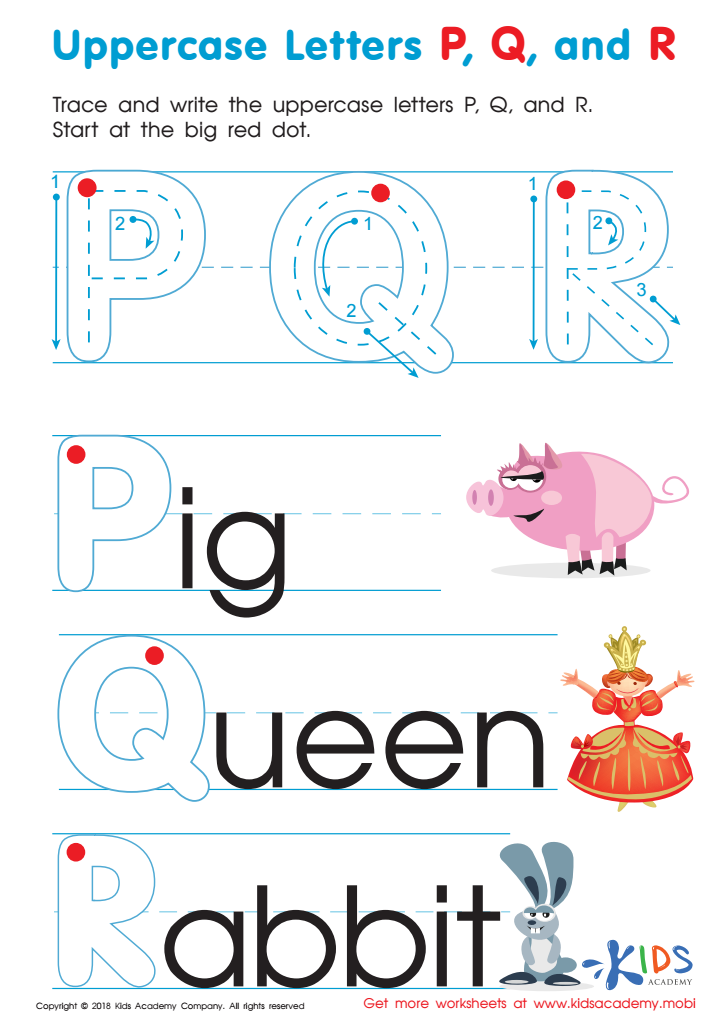
Uppercase Letters P, Q, and R Worksheet
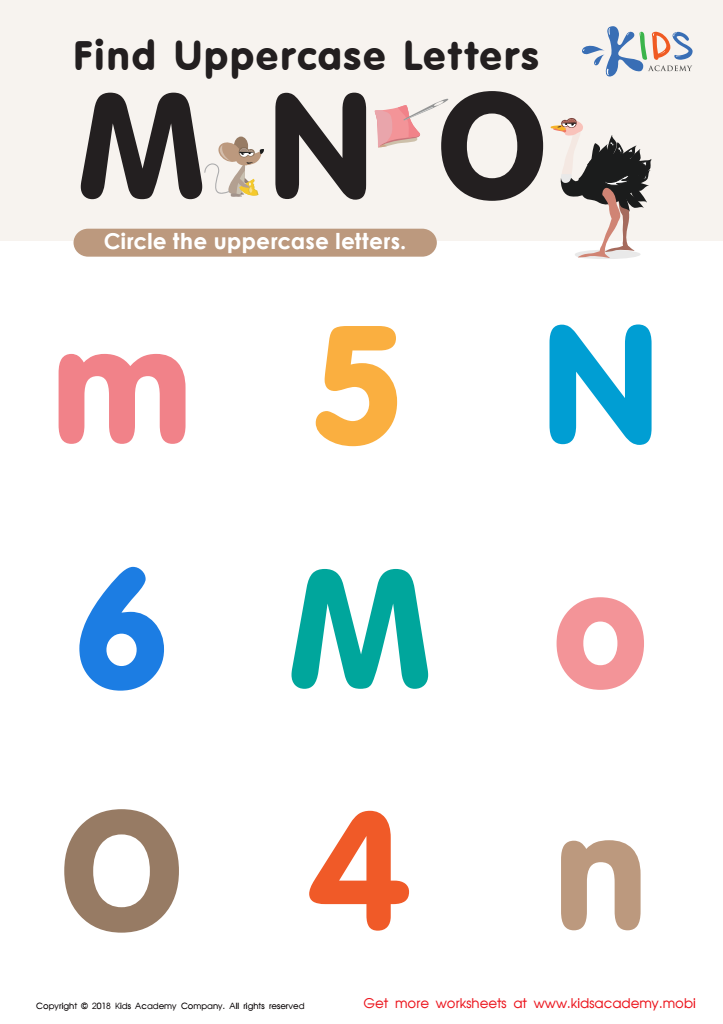
Find Uppercase Letters M, N, and O Worksheet
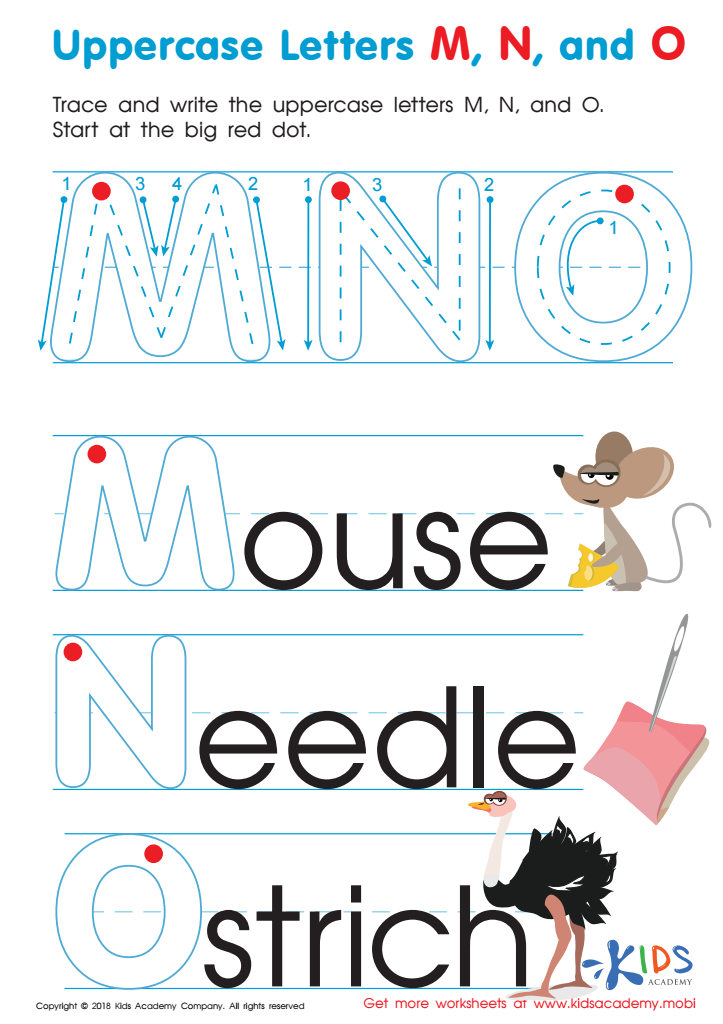
Uppercase Letters M, N, and O Worksheet
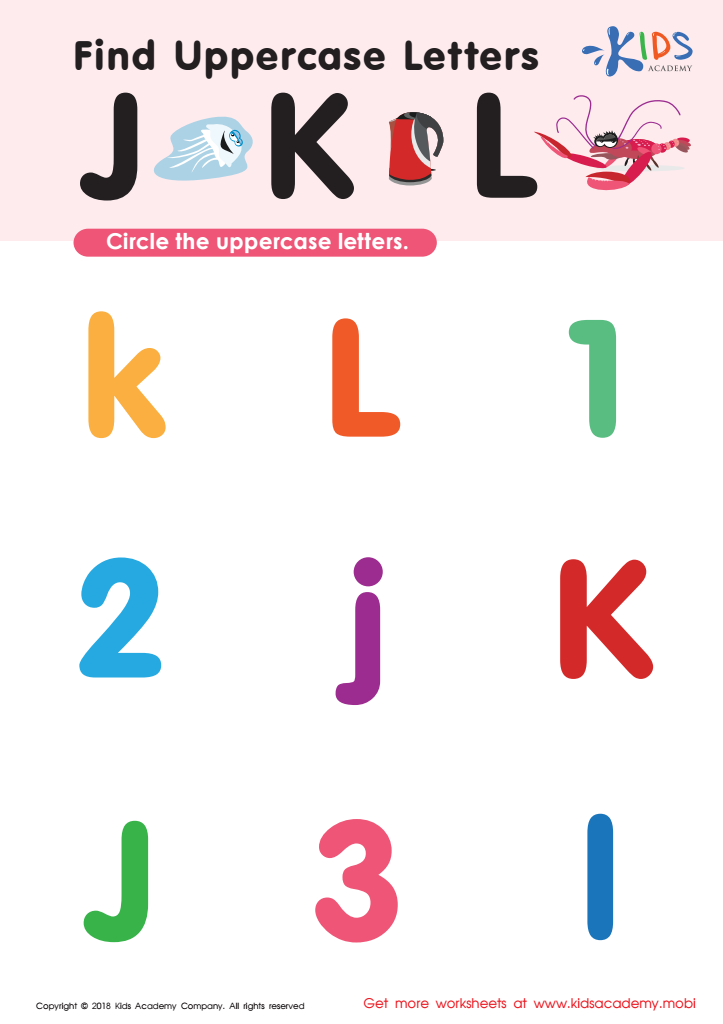
Find Uppercase Letters J, K, and L Worksheet
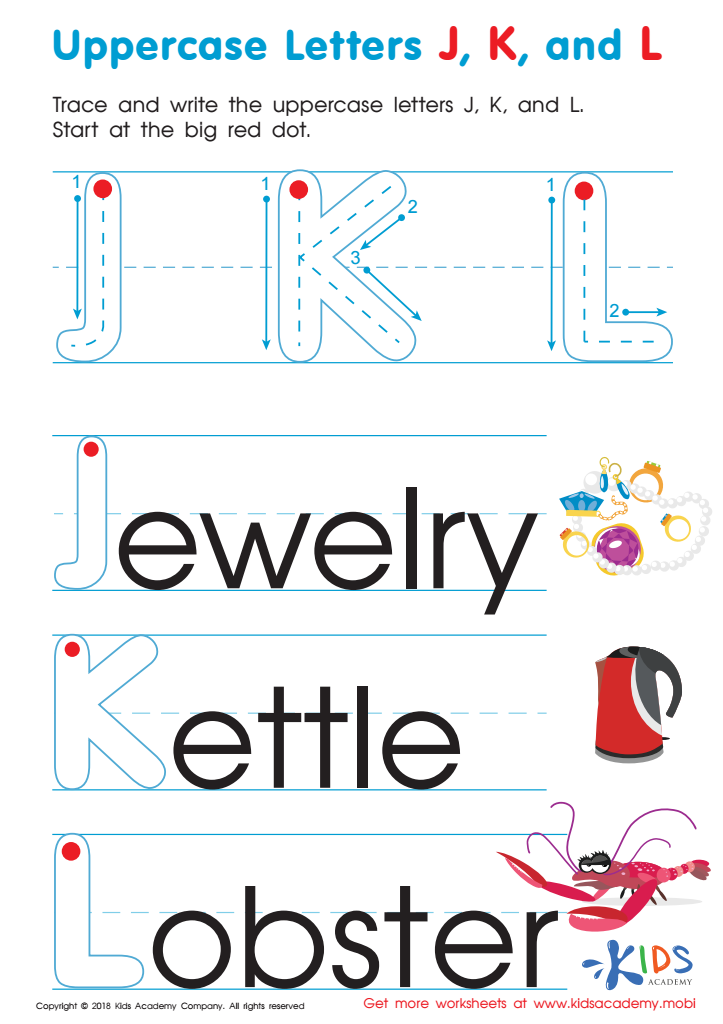
Uppercase Letters J, K, and L Worksheet
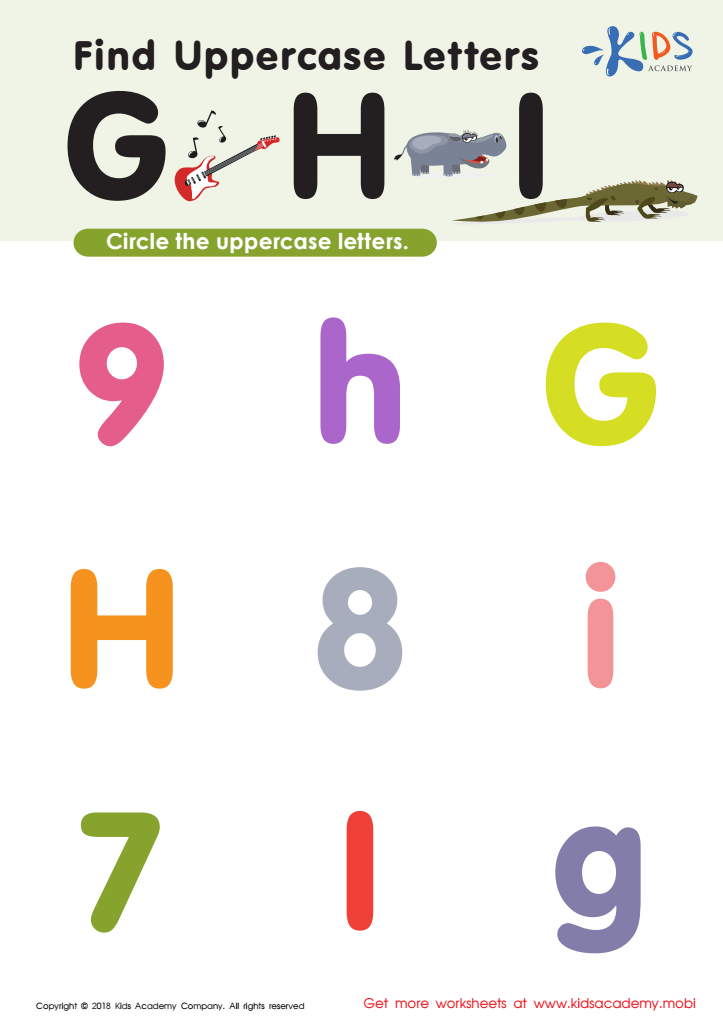
Find Uppercase Letters G, H, and I Worksheet
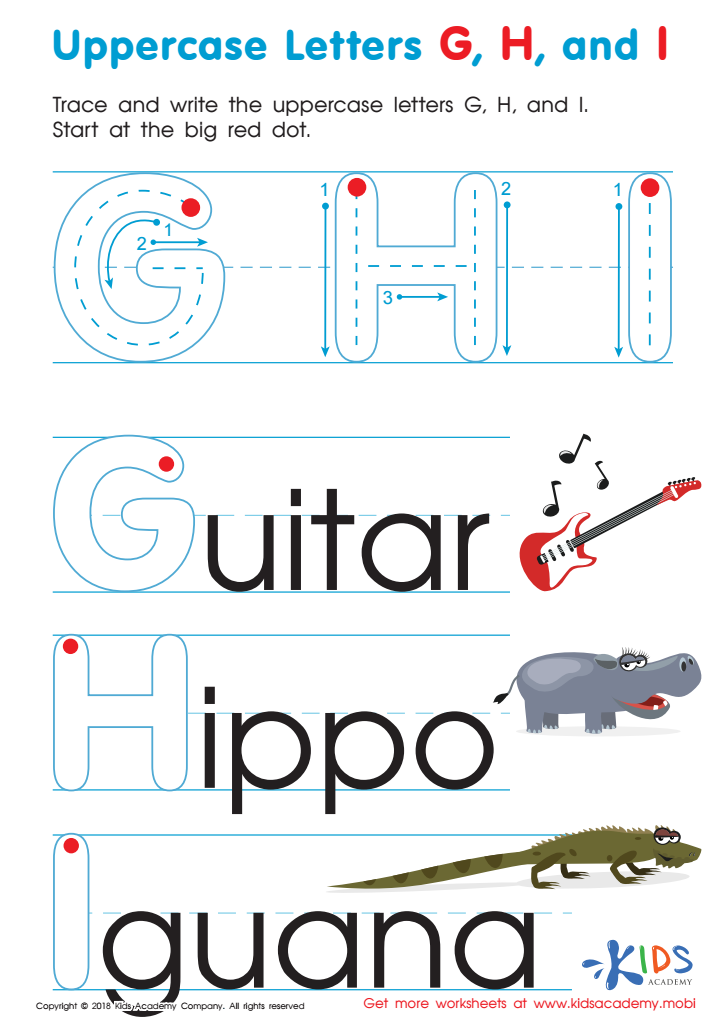
Uppercase Letters G, H, and I Worksheet
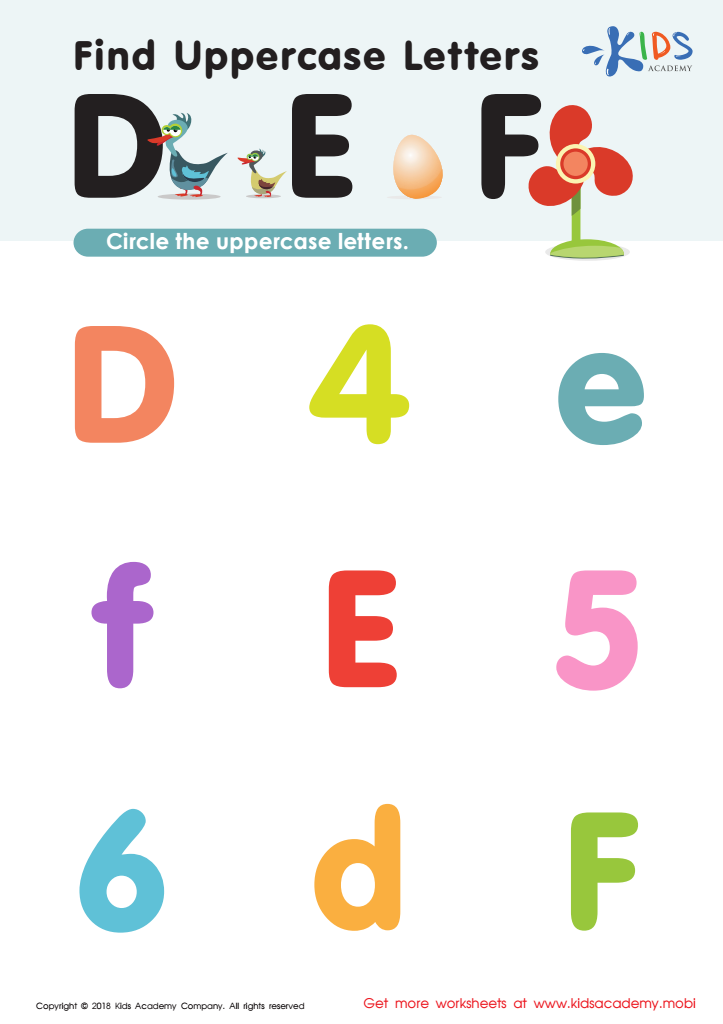
Find Uppercase Letters D, E, and F Worksheet
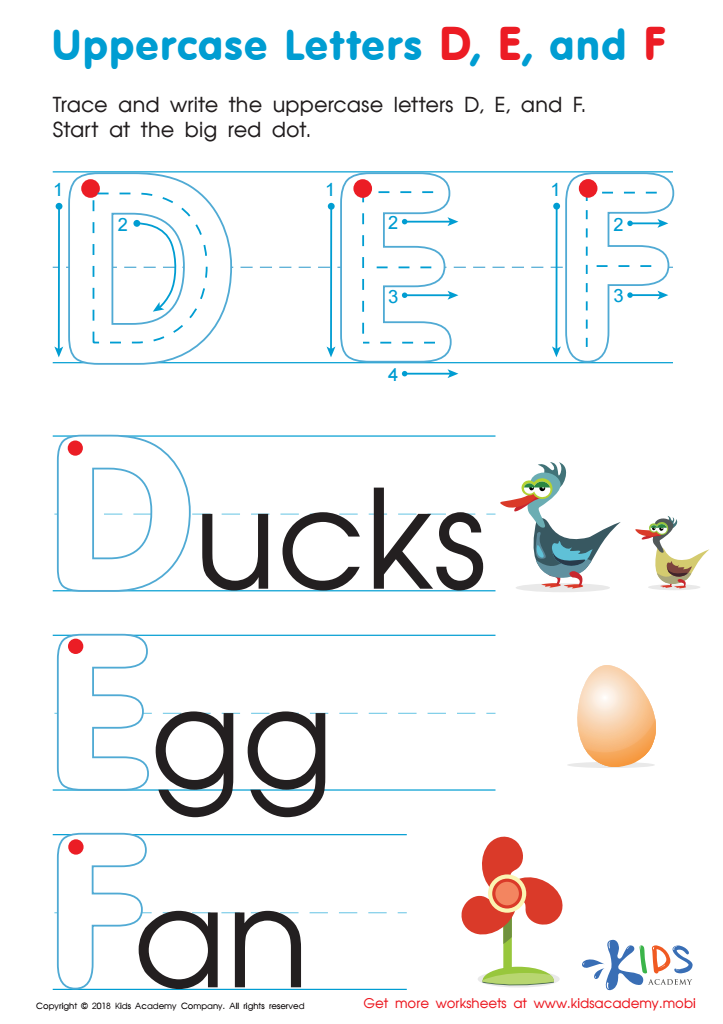
Uppercase Letters D, E, and F Worksheet

Find Uppercase Letters A, B, and C Worksheet
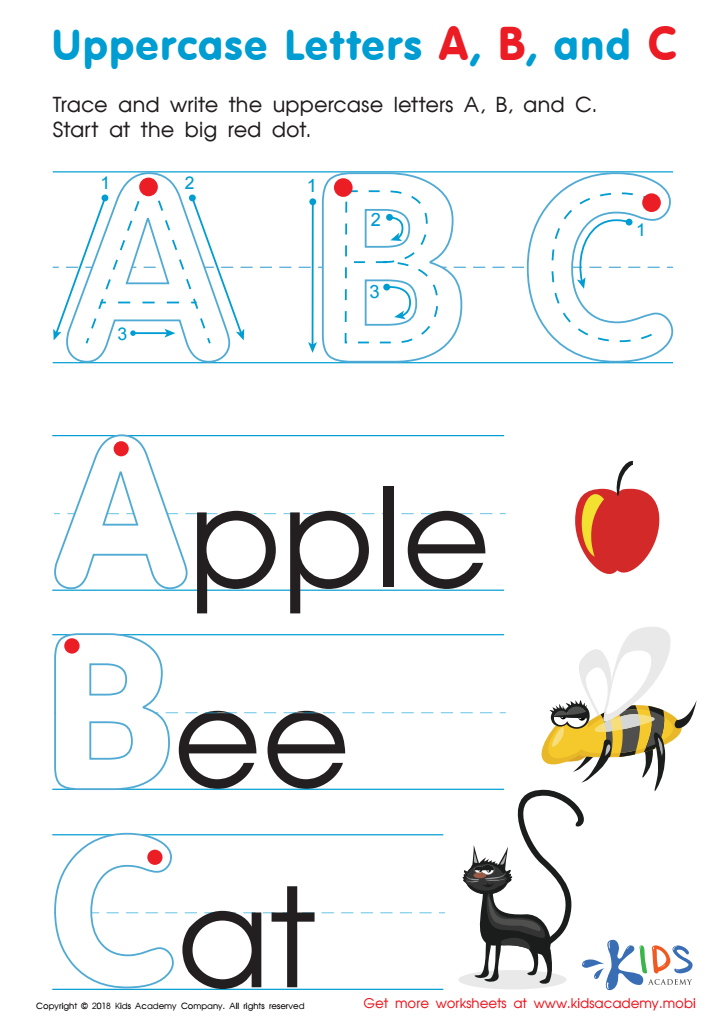
Uppercase Letters A, B, and C Worksheet






Understanding normal upper and lowercase letters is crucial for children aged 6-9 as it foundationally supports their literacy development. At this stage, children are typically transitioning from learning to read to reading to learn. Mastery of both uppercase and lowercase letters is vital for several reasons.
Firstly, recognizing these letters enhances reading fluency. Uppercase letters are often used at the beginning of sentences and for proper nouns, while lowercase letters form the majority of written text. Thus, a child’s ability to identify and differentiate between them is essential for comprehension.
Secondly, writing skills intricately depend on this knowledge. Children at this stage begin to express their thoughts in writing. Improper use of capitalization can lead to misunderstandings and poor communication. Teaching correct letter forms promotes clear and effective writing habits.
Lastly, being adept with both types strengthens children's confidence and encourages a positive attitude towards literacy. When teachers and parents emphasize the importance of letter casing through engaging activities and games, they foster a love for reading and writing. By valuing this aspect of literacy education, adults will help children establish a key building block for their academic success and lifelong learning journey.







