Normal Building Vocabulary Worksheets for Ages 6-9 - Page 3
157 filtered results
-
From - To
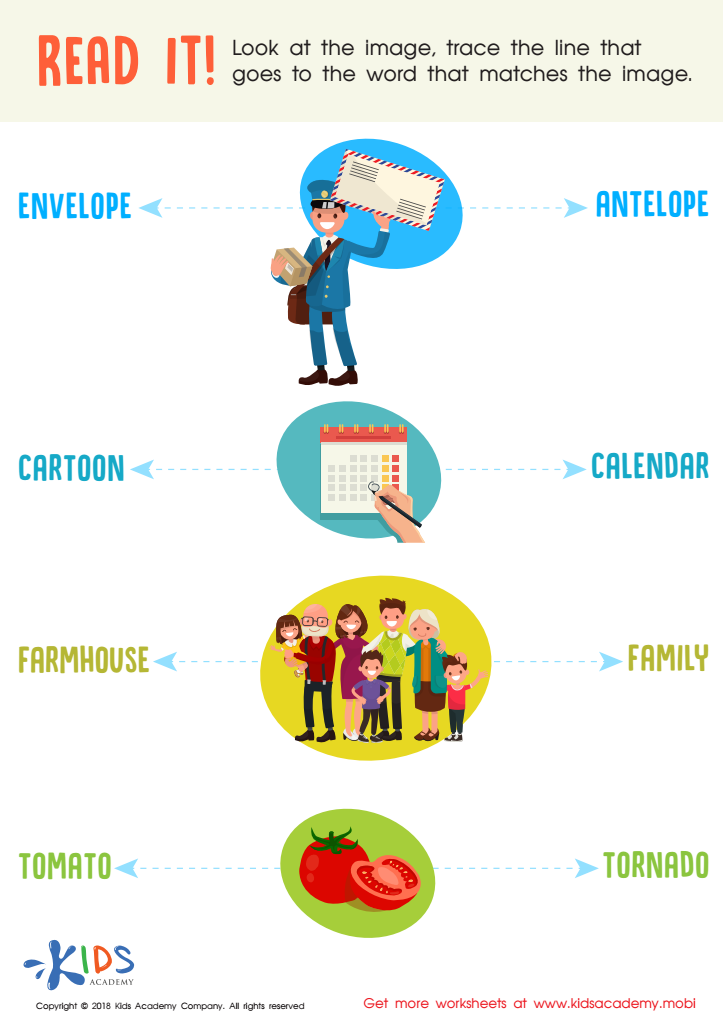
Read It! Worksheet
 Assign to My Students











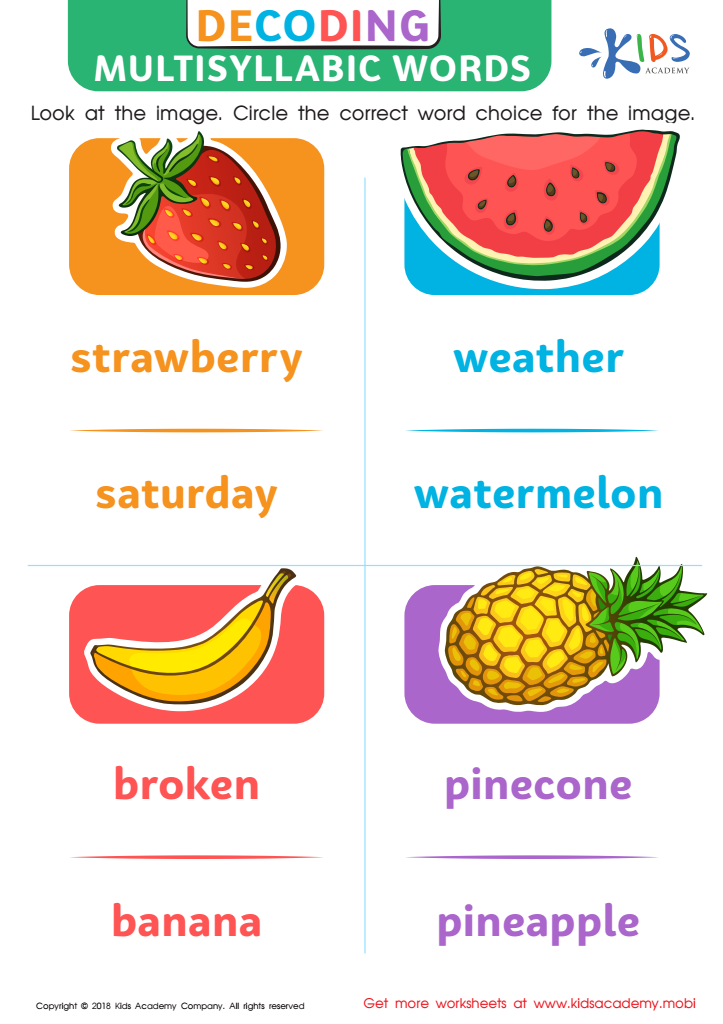
Decoding Multisyllabic Words Worksheet
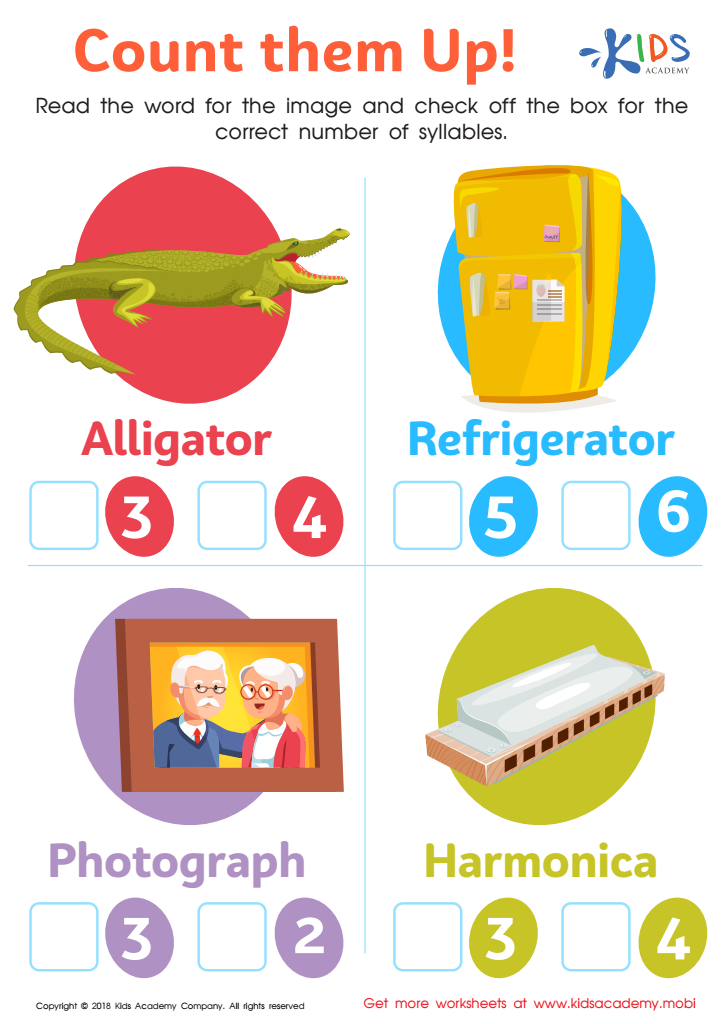
Count Them Up Worksheet
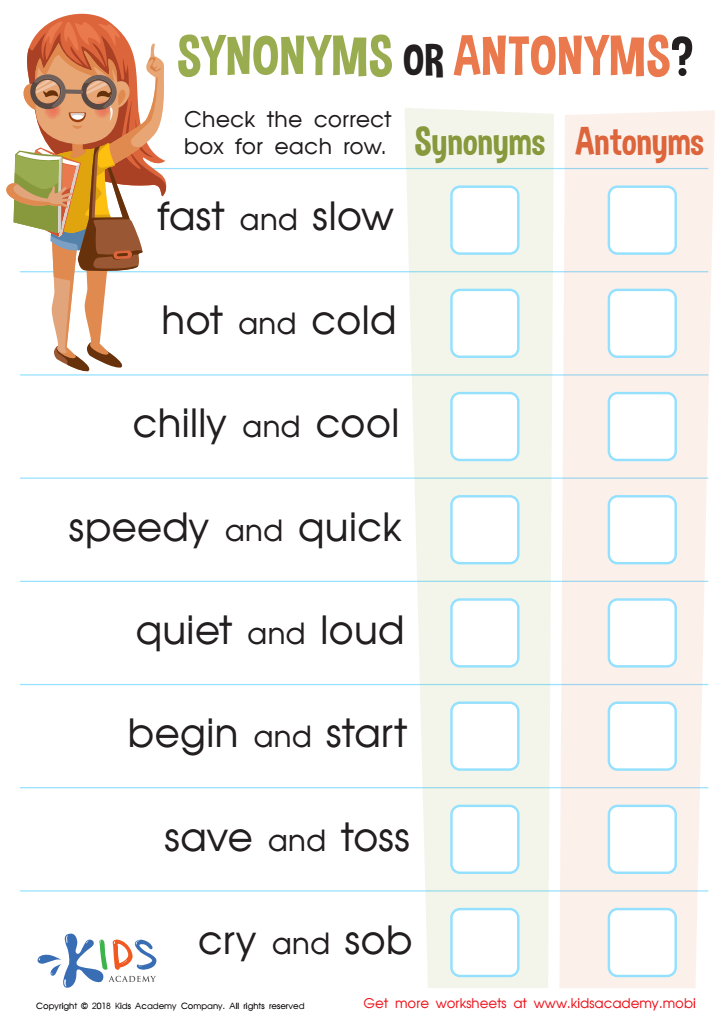
Synonyms or Antonyms: Assessment Worksheet
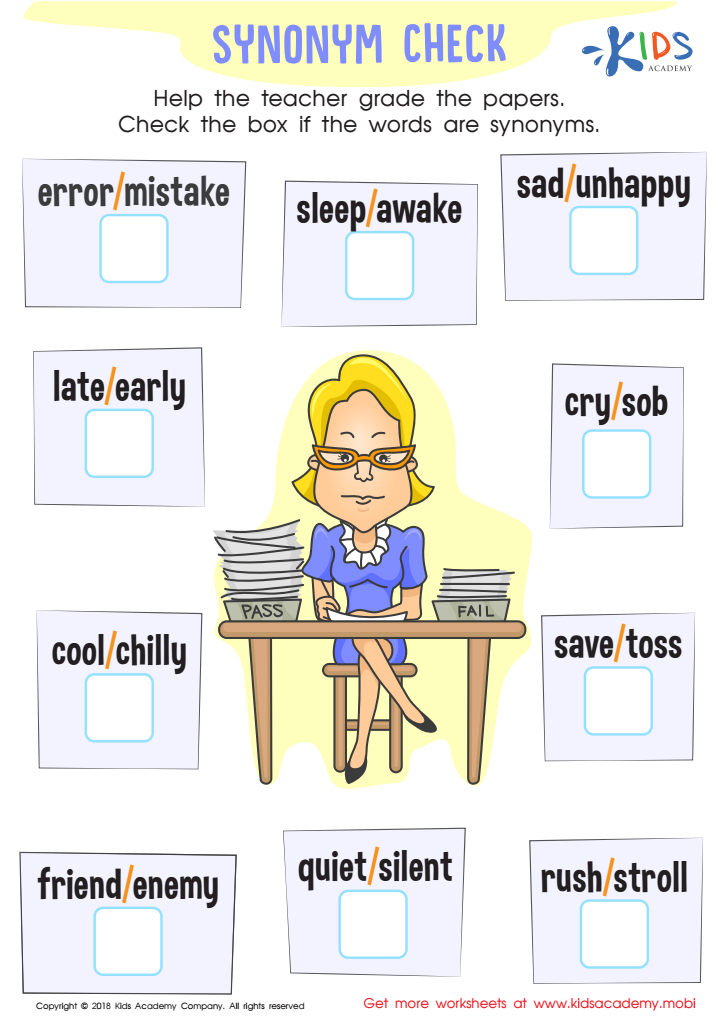
Synonym Check Worksheet
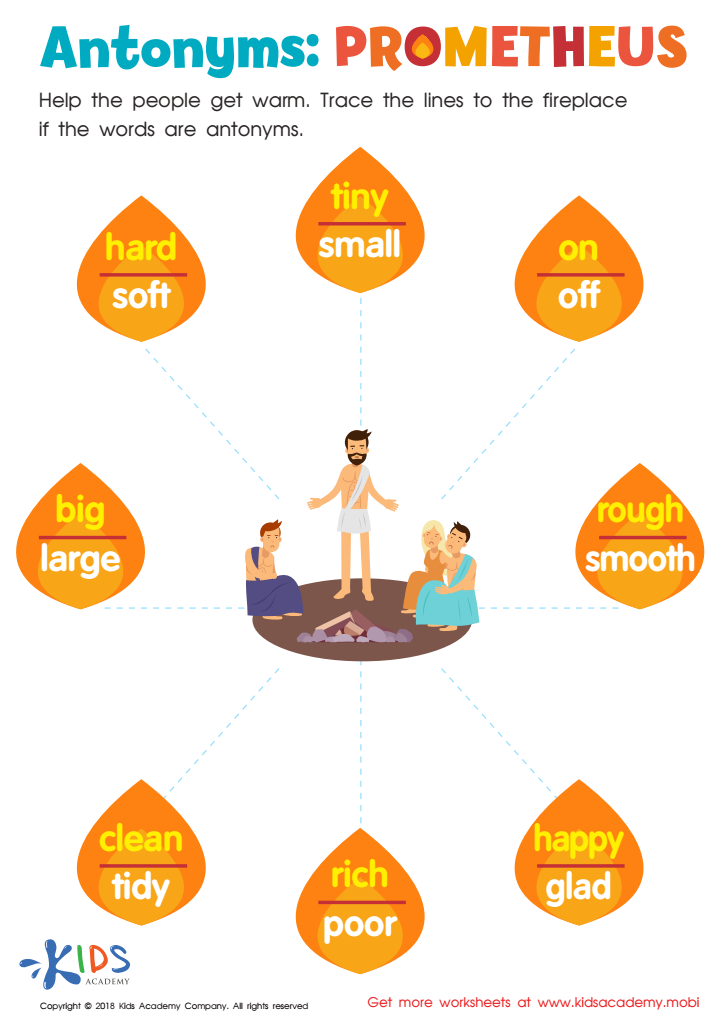
Antonyms: Prometheus Worksheet
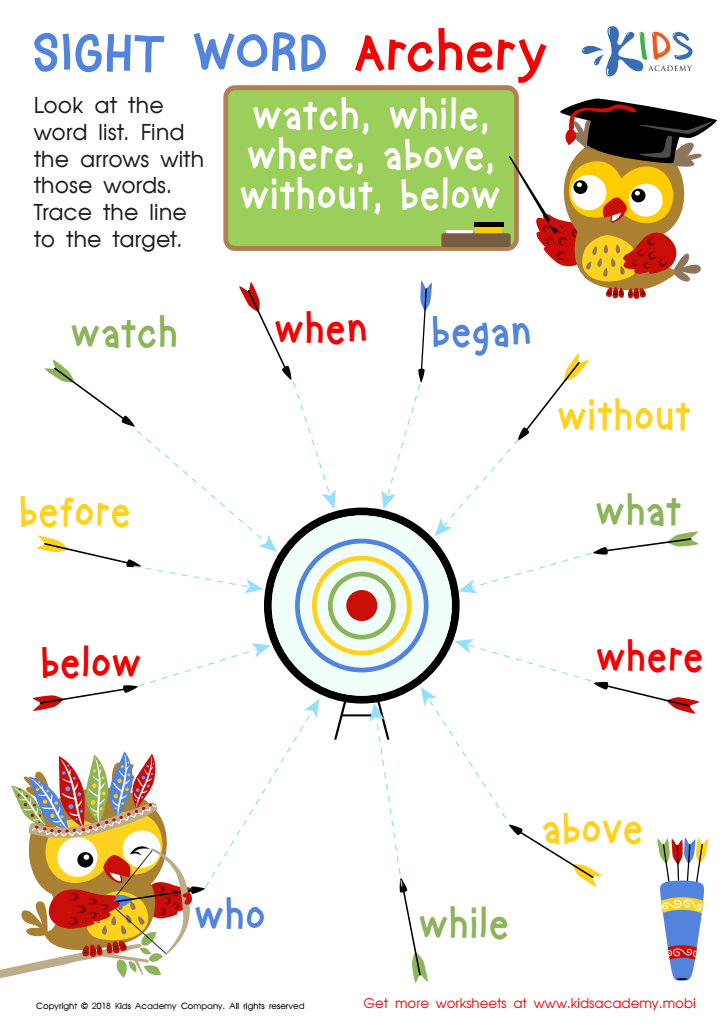
Sight Word Archery Worksheet
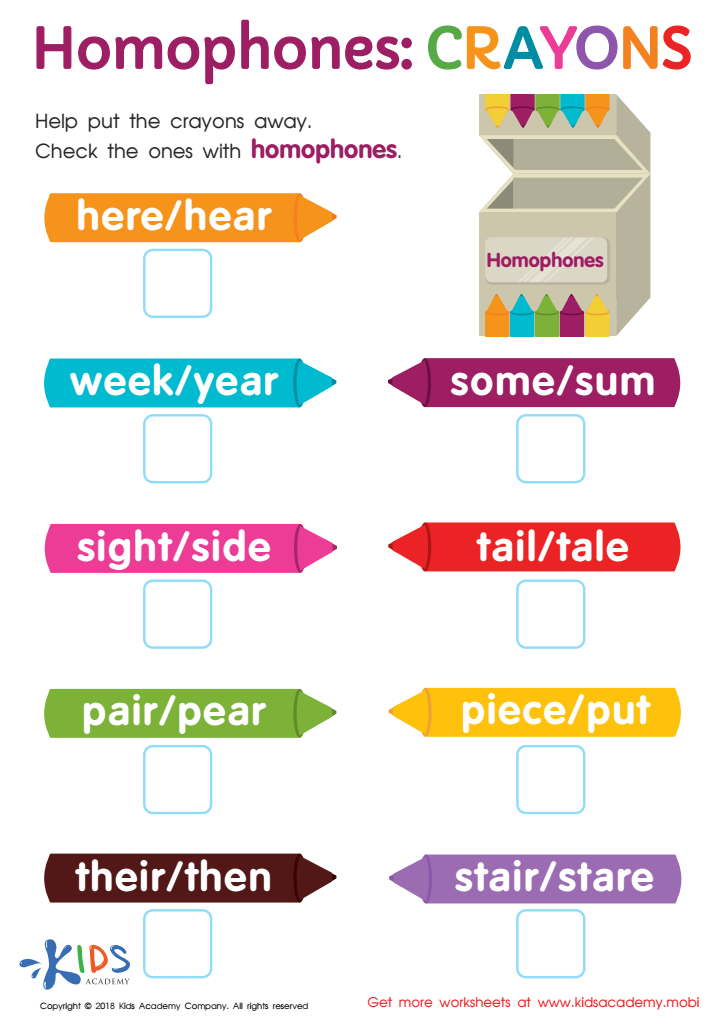
Homophones: Crayons Worksheet
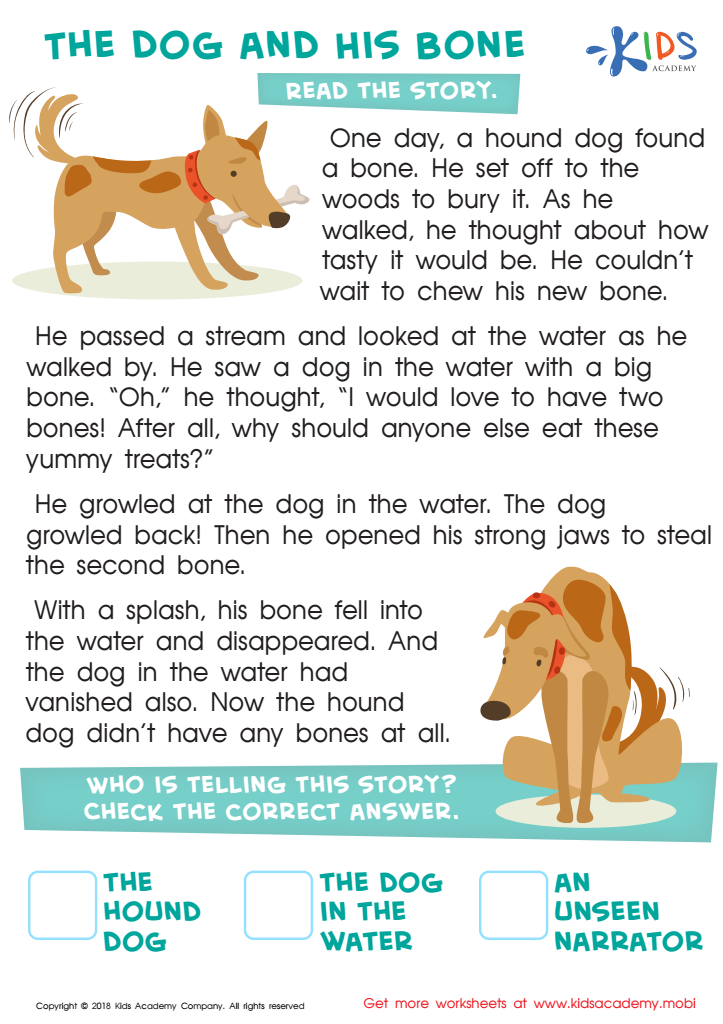
The Dog and His Bone Worksheet
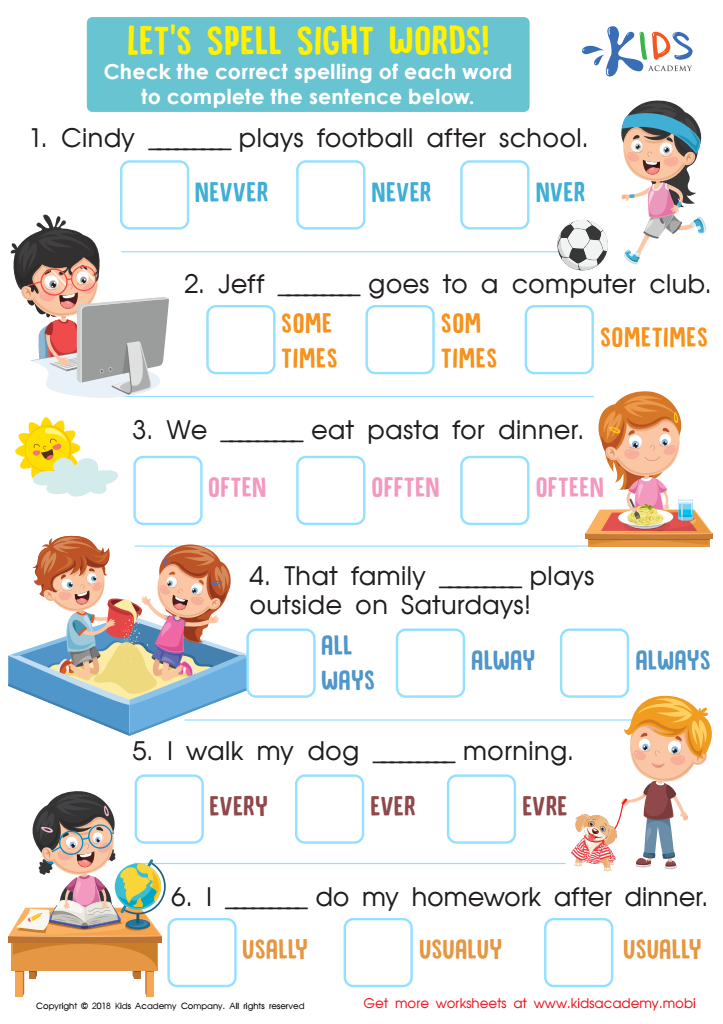
Let's Spell Sight Words Worksheet
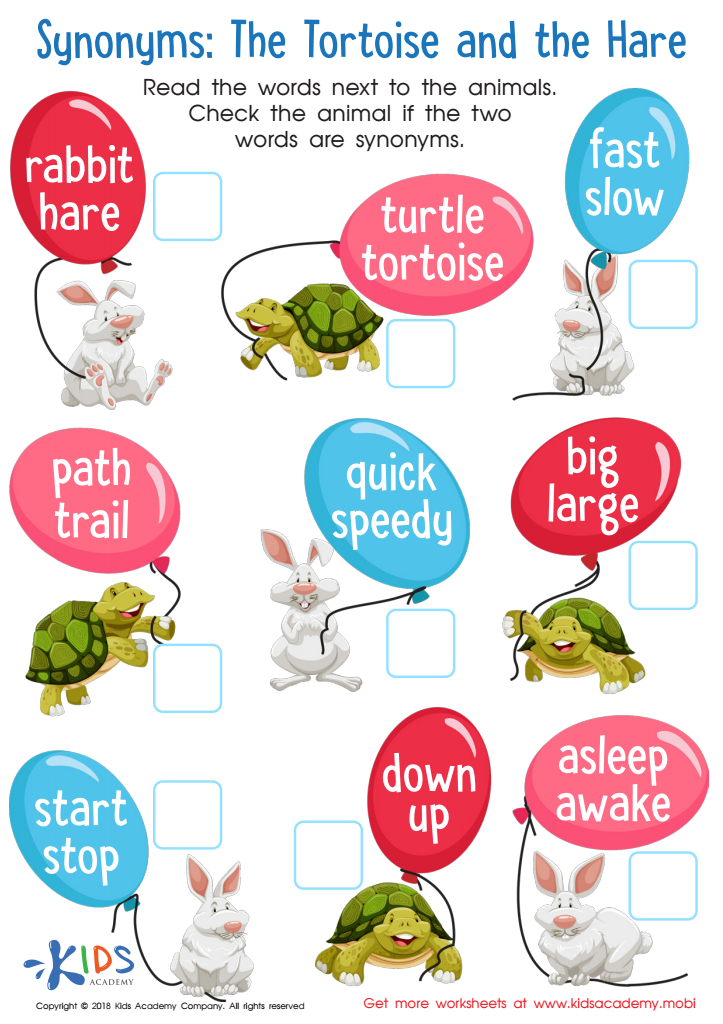
Synonyms: The Tortoise and Hare Worksheet
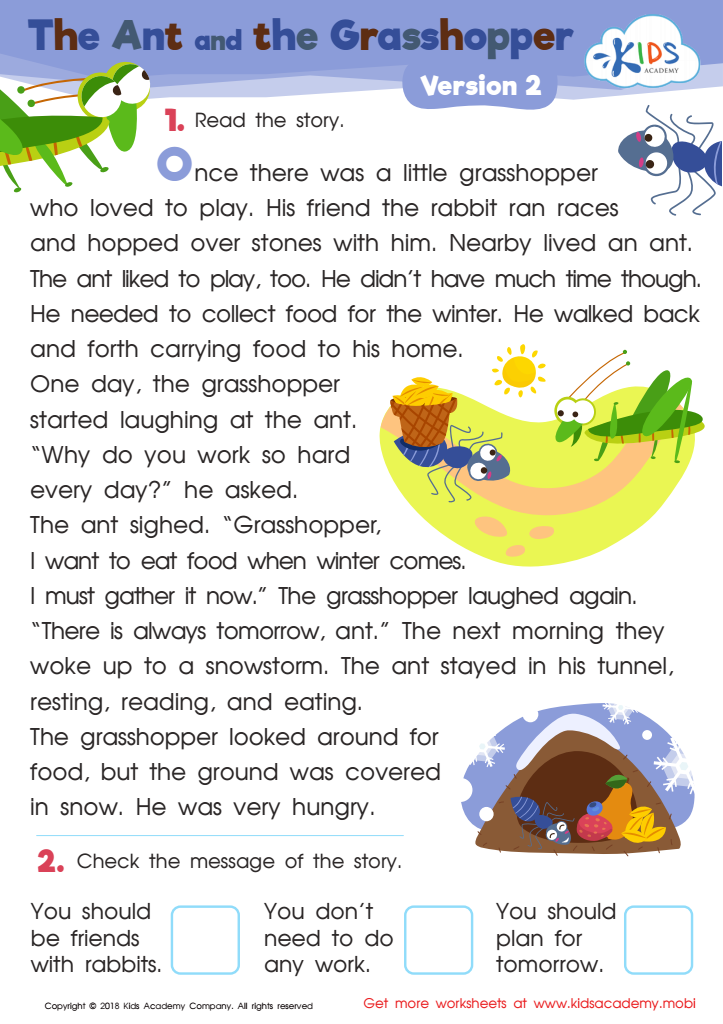
The Ant and The Grasshopper Version 2 Worksheet
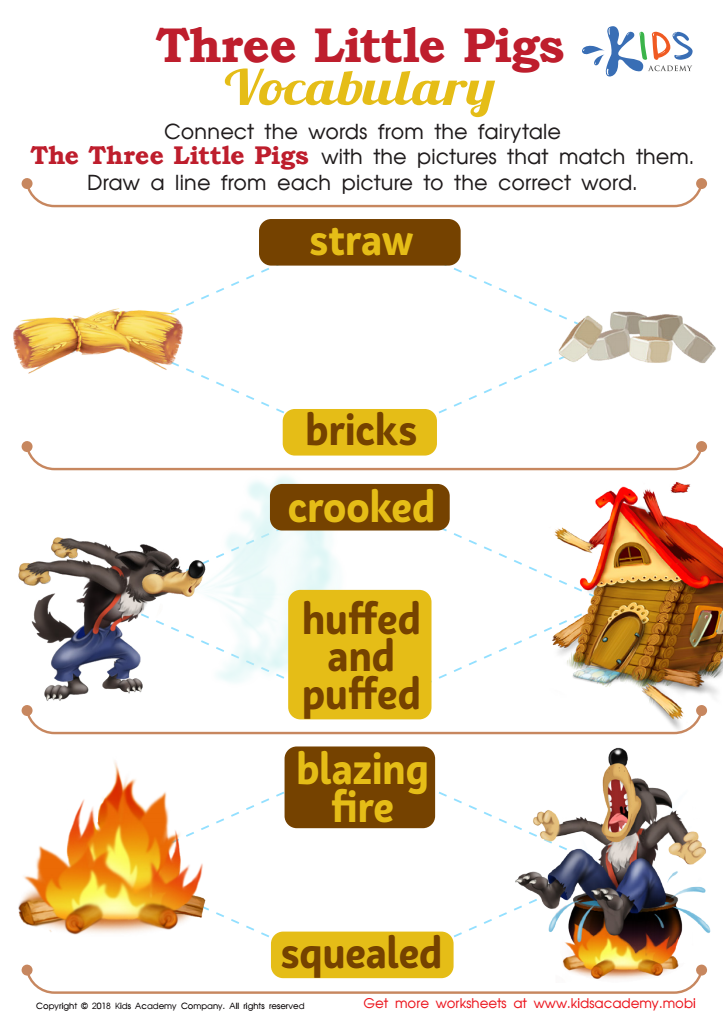
Three Little Pigs Vocabulary Worksheet
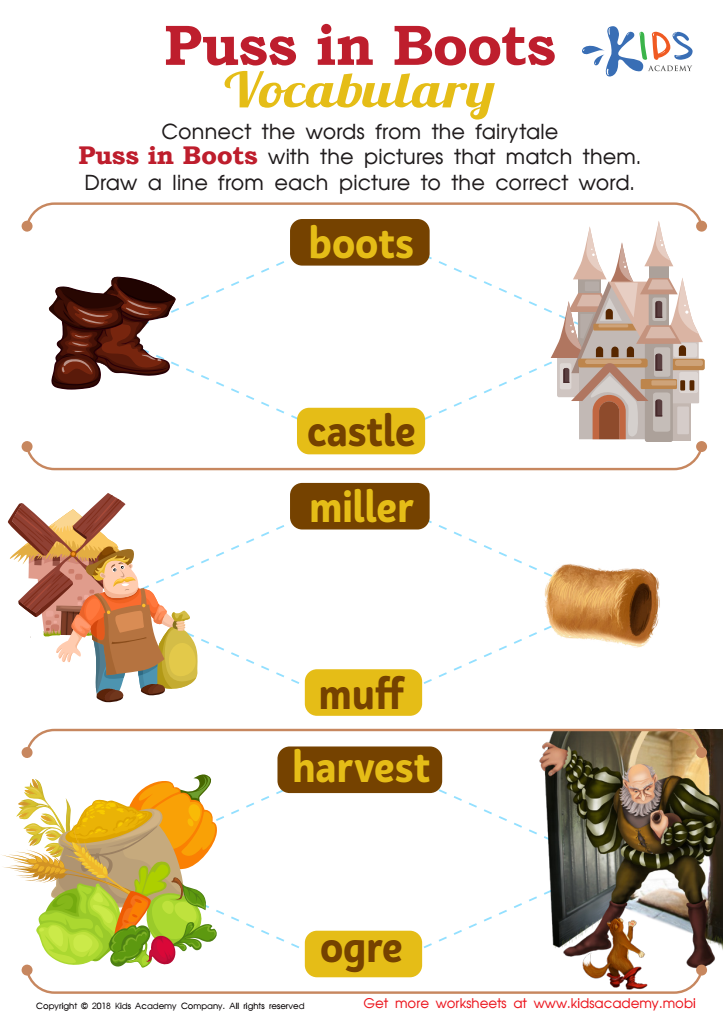
Puss in Boots Vocabulary Worksheet
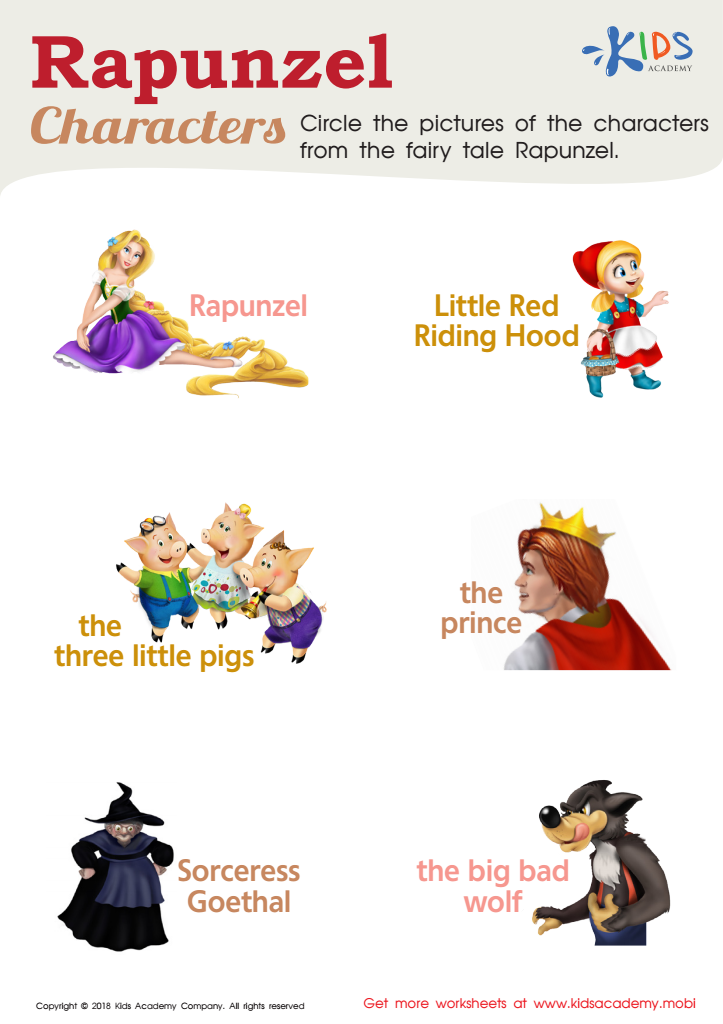
Rapunzel Characters Worksheet
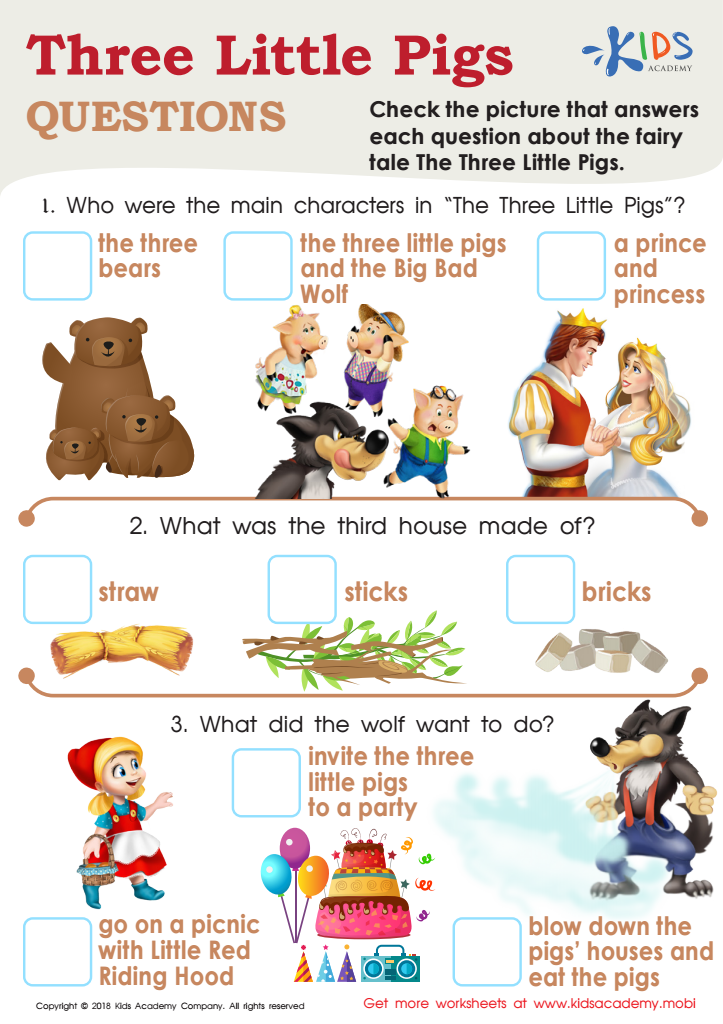
Three Little Pigs Questions Worksheet
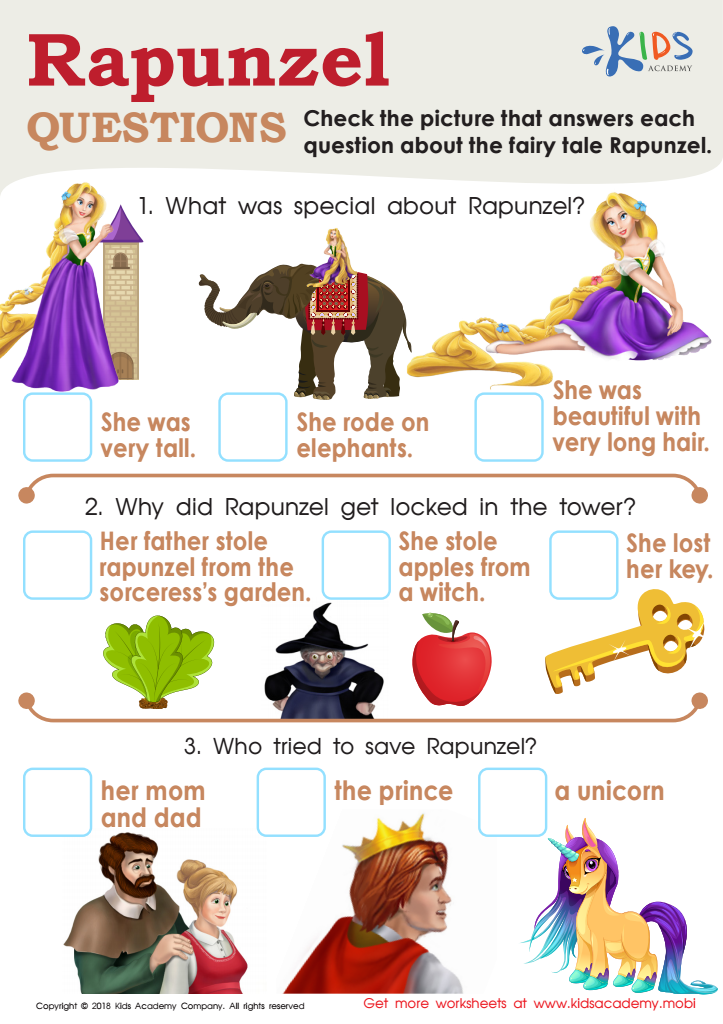
Rapunzel Questions Worksheet
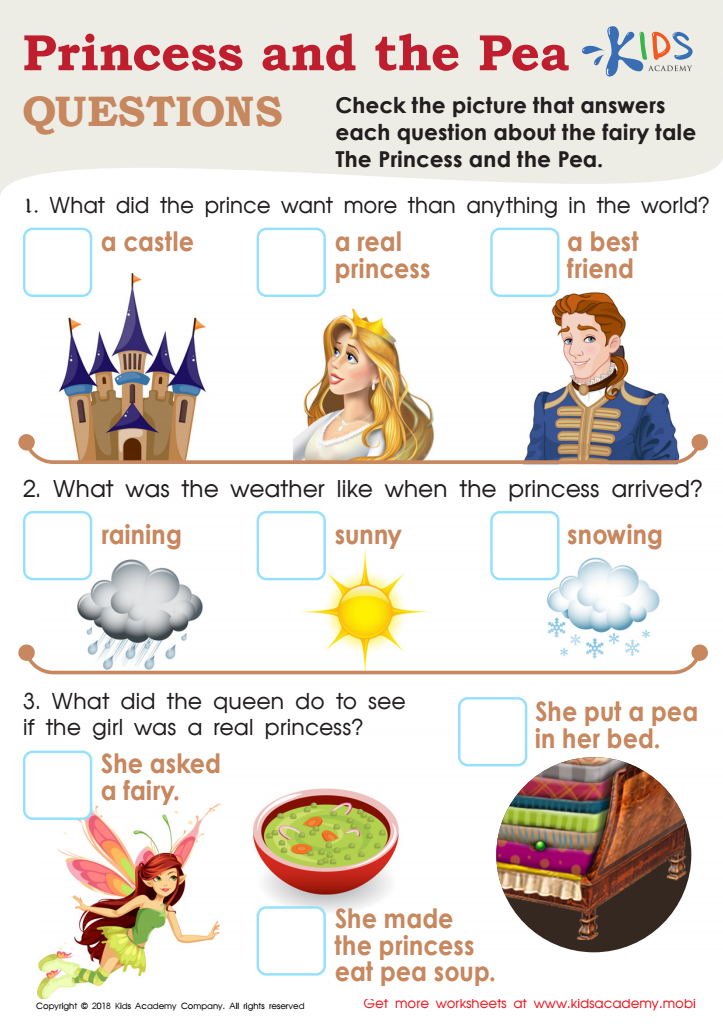
Princess and the Pea Questions Worksheet
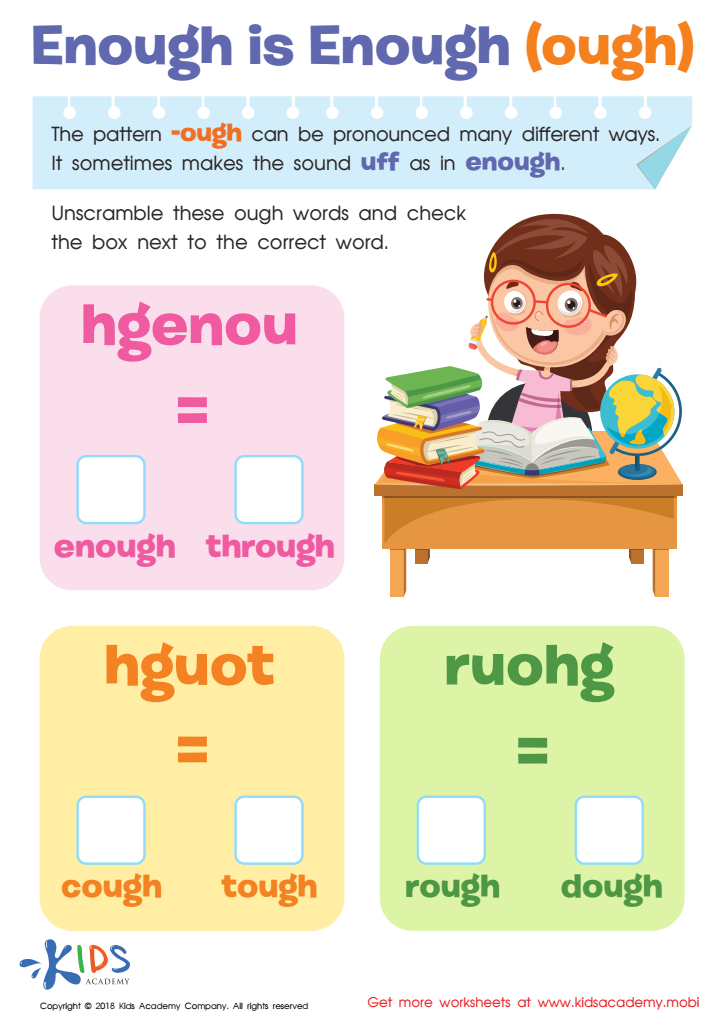
Enough Is Enough (ough) Worksheet
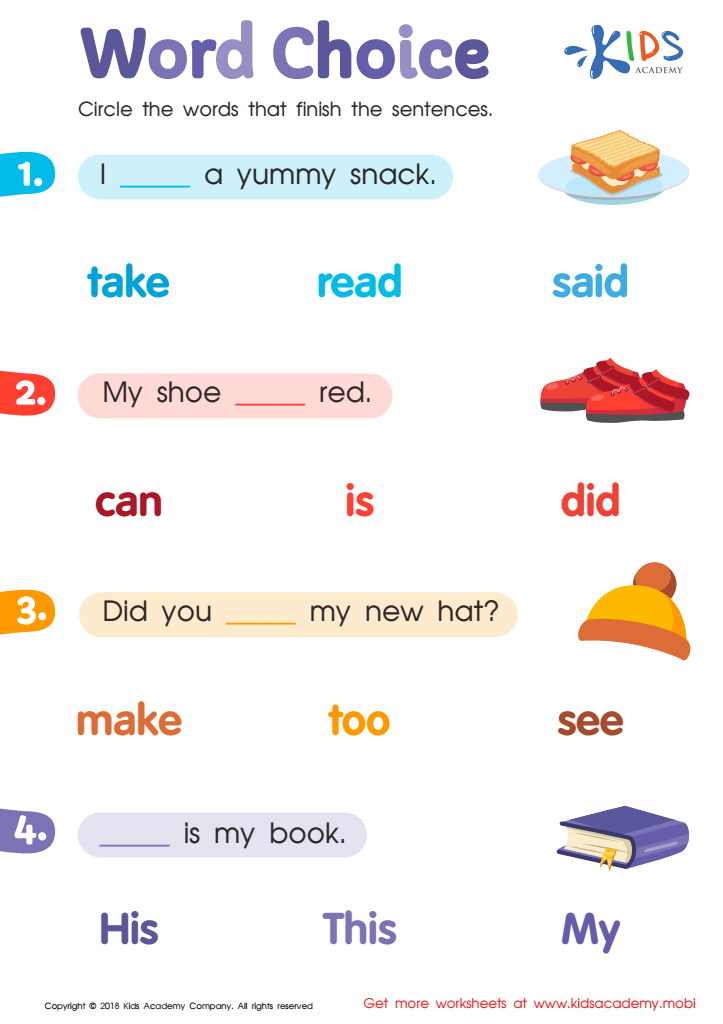
Word Choice Worksheet
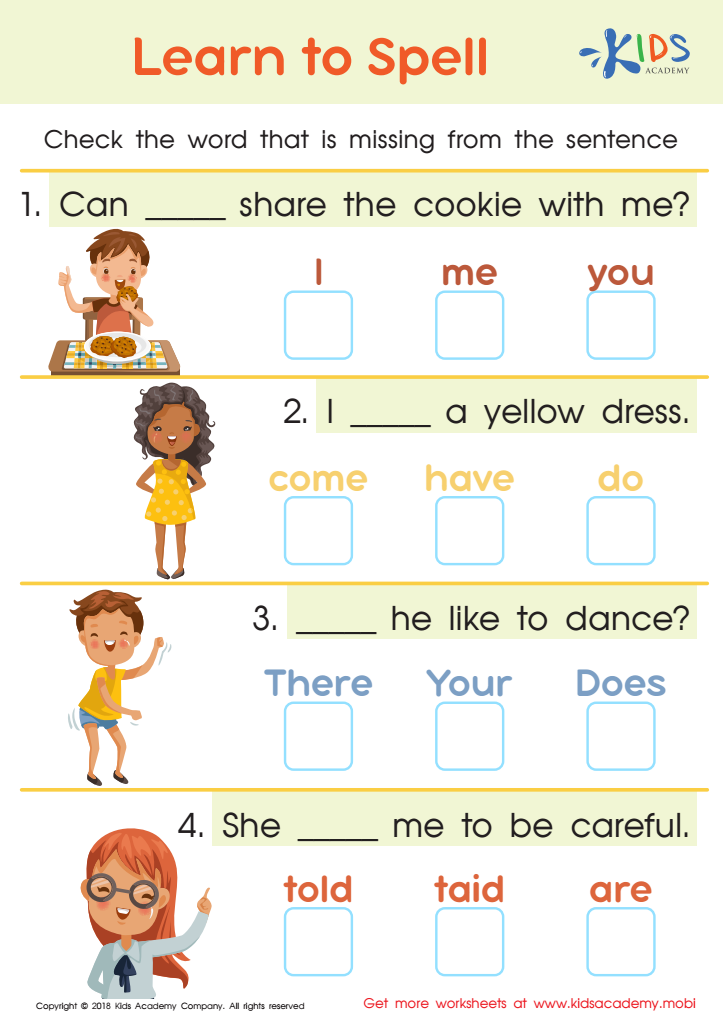
Learn to Spell Worksheet
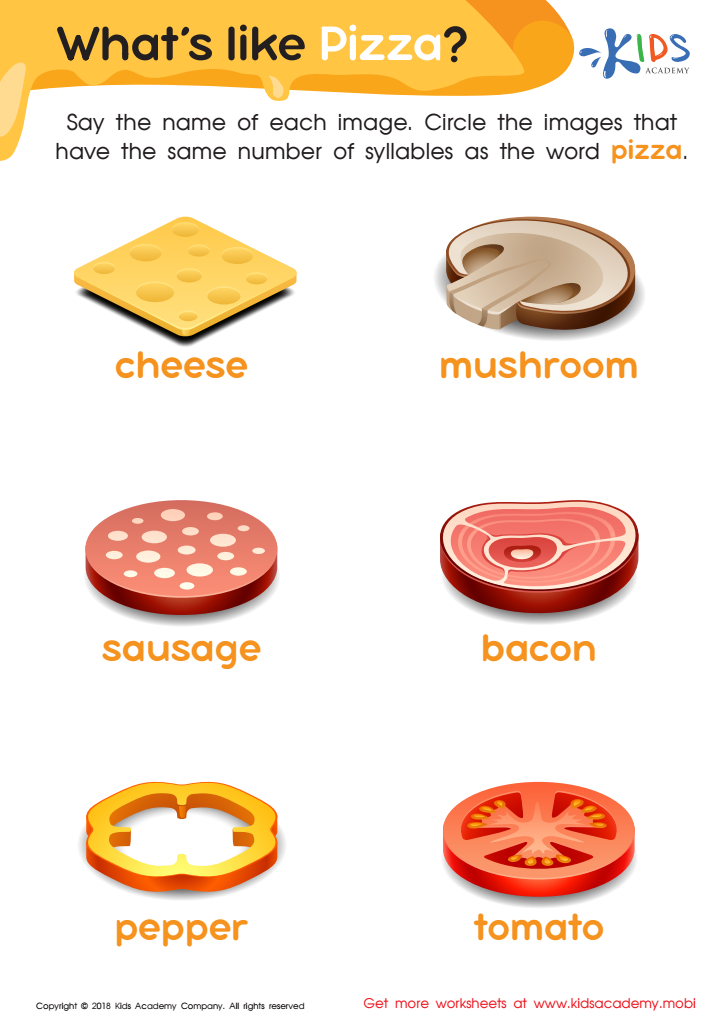
What's Like Pizza? Worksheet
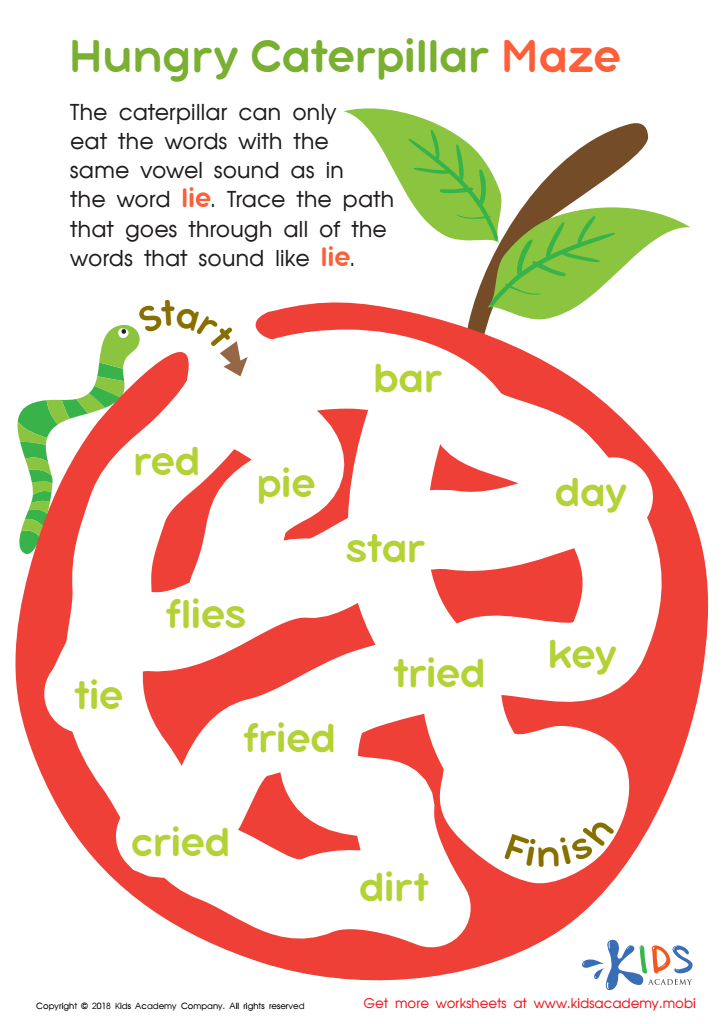
Hungry Caterpillar Maze Worksheet
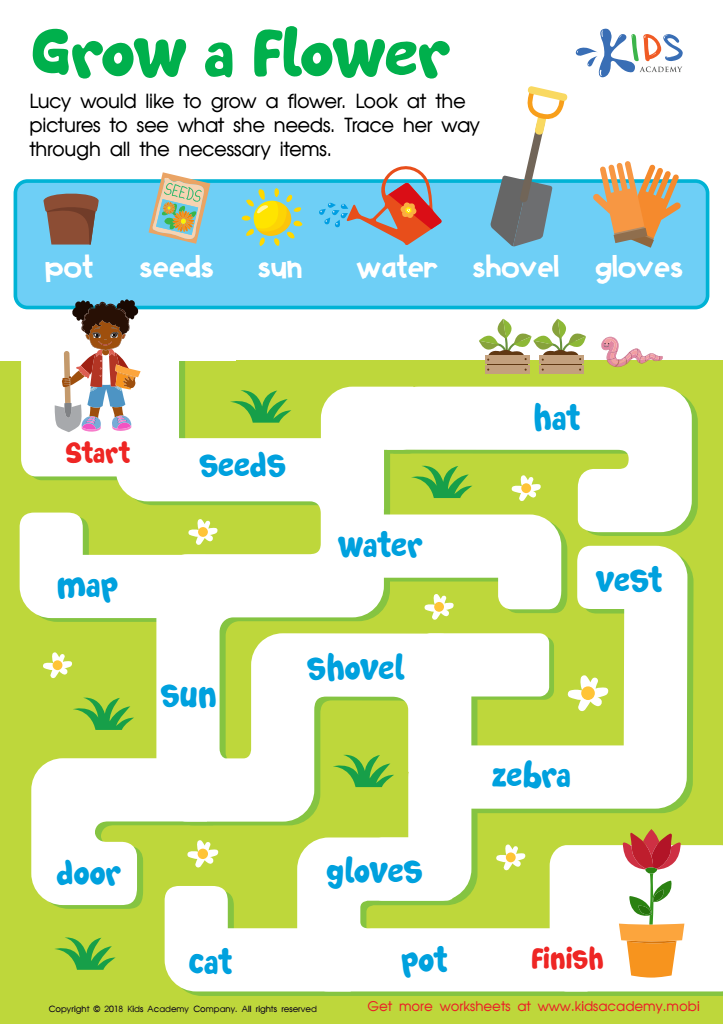
Grow a Flower Worksheet



.jpg)




Building vocabulary in children ages 6-9 is crucial for their overall development, as it lays the foundation for effective communication and comprehension skills. During these formative years, children are rapidly expanding their language capacity, making it essential for parents and teachers to engage in vocabulary-building activities.
Firstly, a robust vocabulary enhances reading skills. Children who possess a wide range of words can better understand texts, leading to improved literacy. When they encounter unfamiliar words, they are more equipped to decipher meanings in context, fostering a love for reading that can last a lifetime.
Secondly, vocabulary development is tied to academic success. Students with a larger vocabulary tend to excel in various subjects, as many concepts require the understanding of specific terminology. Moreover, strong language skills are essential for expressing thoughts and ideas clearly, facilitating participation in discussions and collaborative projects.
Lastly, vocabulary impacts confidence and self-expression. Children who can articulate their thoughts with precision are more likely to engage socially, helping to develop their interpersonal skills. Through conversation, storytelling, and interactive play, parents and teachers can cultivate a rich language environment, ensuring that children thrive not only academically but also socially and emotionally.








