Normal Measurement Worksheets for Ages 7-9 - Page 2
28 filtered results
-
From - To
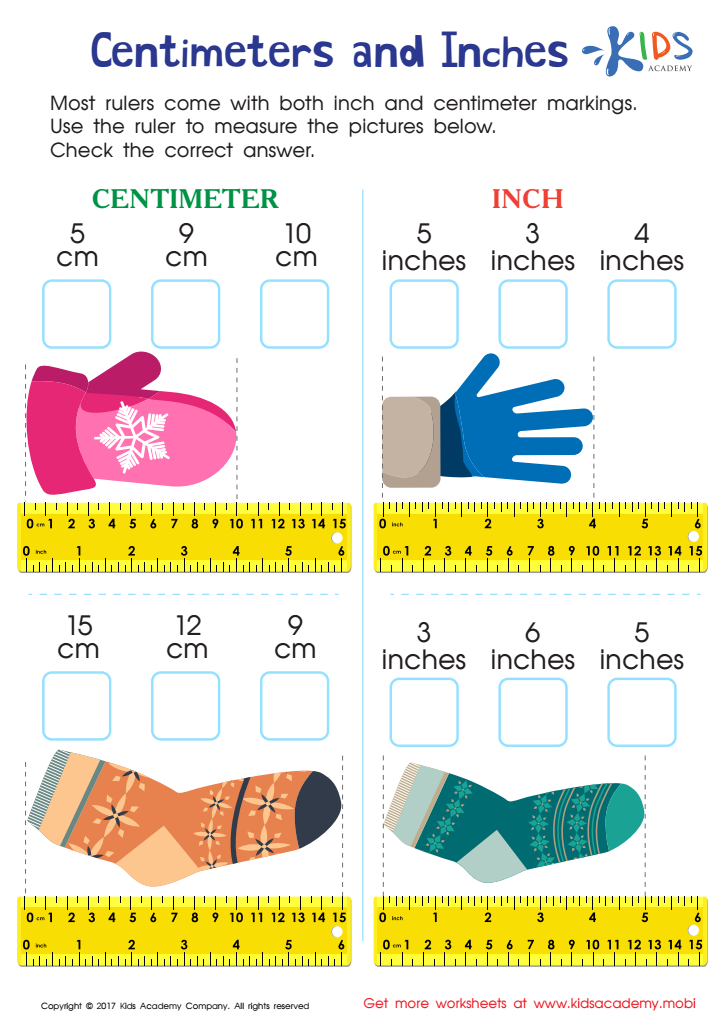
Centimeters and Inches Worksheet
 Assign to My Students
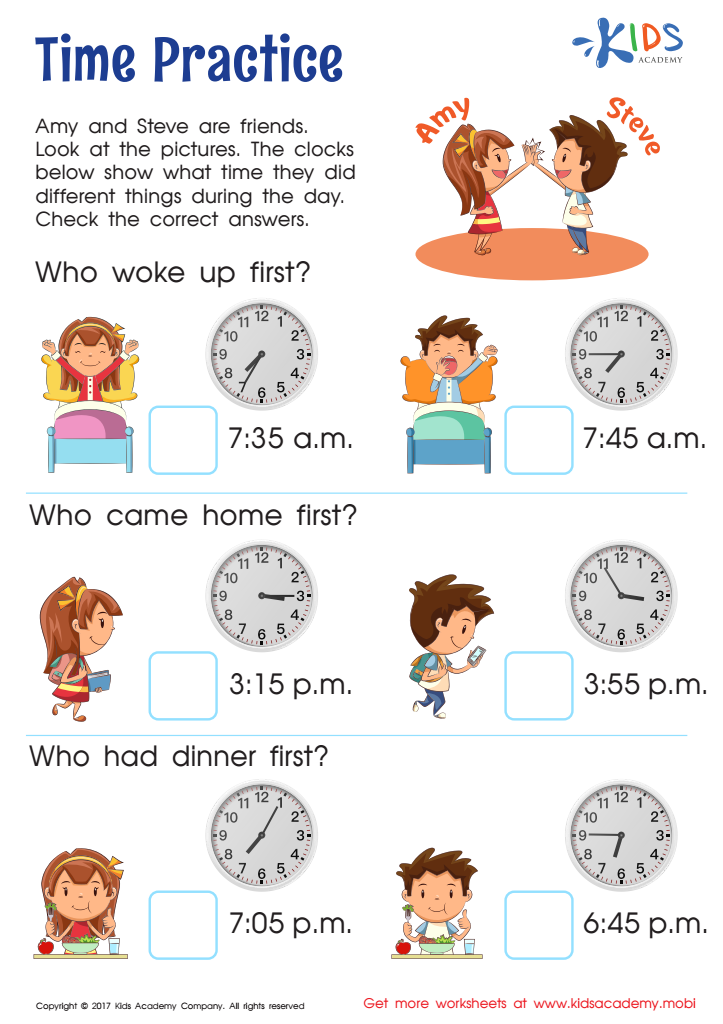
Time Practice Worksheet
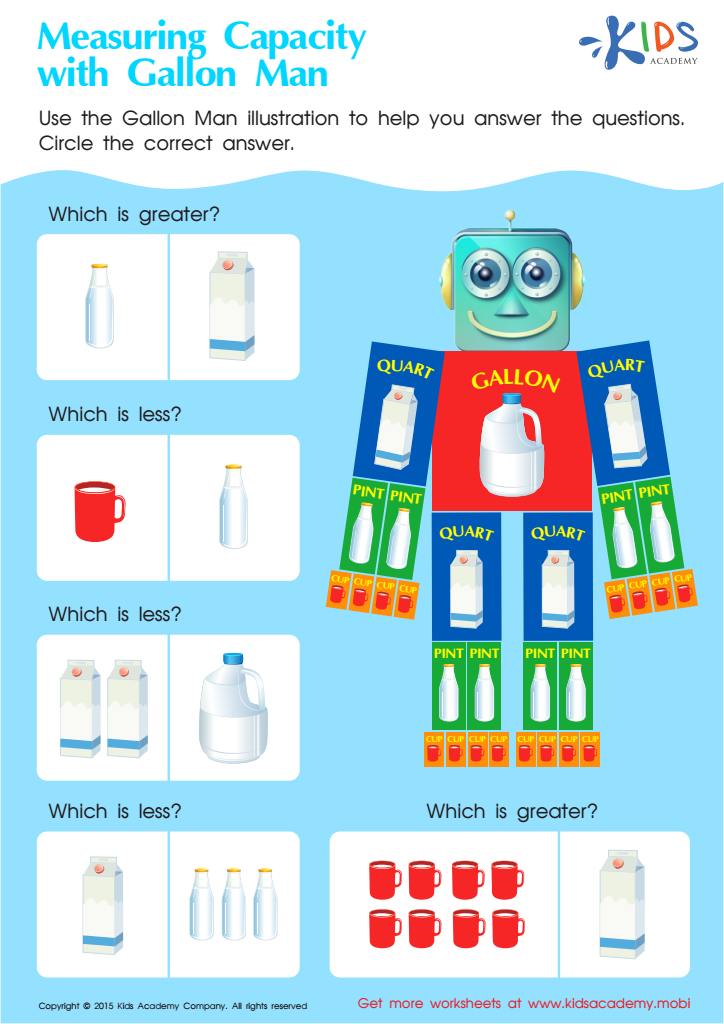
Measurement: Measuring Capacity with Gallon Man Worksheet
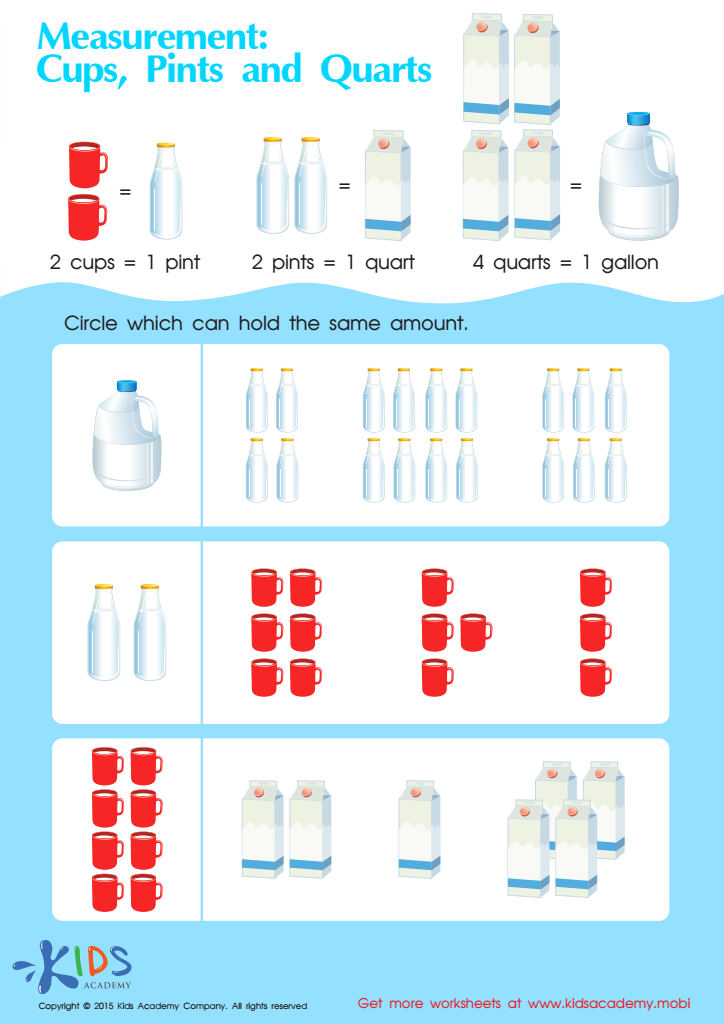
Cups, Pints and Quarts 2 Worksheet



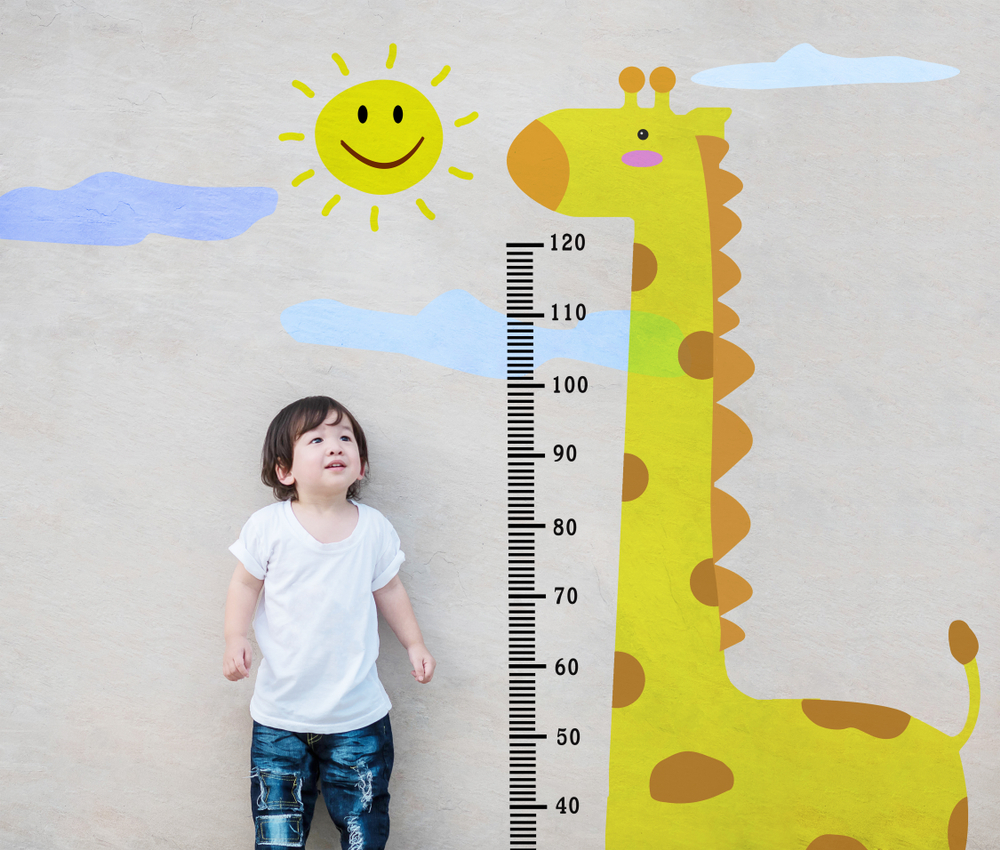




Normal measurement for children aged 7-9 is crucial for several reasons, especially for parents and teachers. At this developmental stage, children are beginning to grasp key measurement concepts, such as length, weight, and volume, which are foundational in their understanding of mathematics and science. Learning these concepts encourages critical thinking and problem-solving skills, as children often apply these measurements in real-world scenarios, such as cooking or building.
By understanding normal measurements, children also develop a sense of logic and reasoning. This is vital for future academic success, as it fosters analytical abilities and encourages children to explore and question their environments. For educators, integrating measurement into the curriculum allows for hands-on activities that cater to various learning styles, enhancing engagement and comprehension.
Moreover, establishing knowledge in normal measurement promotes confidence in math, encouraging a positive attitude towards the subject as children progress in their education. Parents can support this learning at home through everyday activities, reinforcing academic skills and making measurement relatable and fun.
In summary, early knowledge of normal measurement is essential not only for academic skill development but also for nurturing a lifelong love of learning.








