Normal Multiplication Worksheets for Ages 7-9 - Page 2
34 filtered results
-
From - To
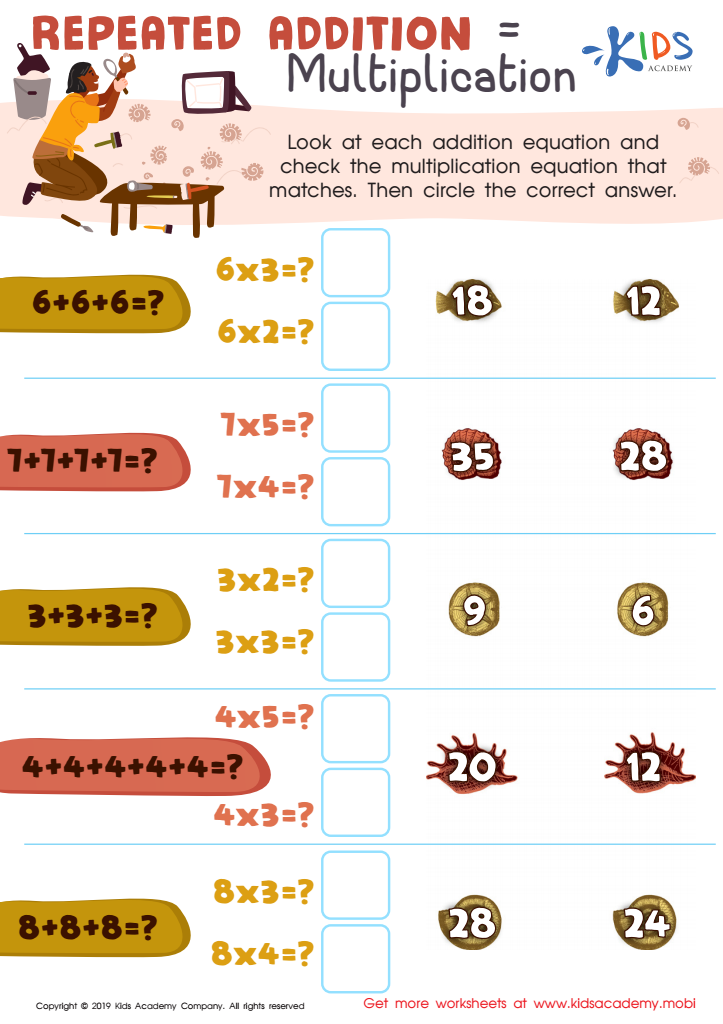
Repeated Addition = Multiplication Worksheet
 Assign to My Students
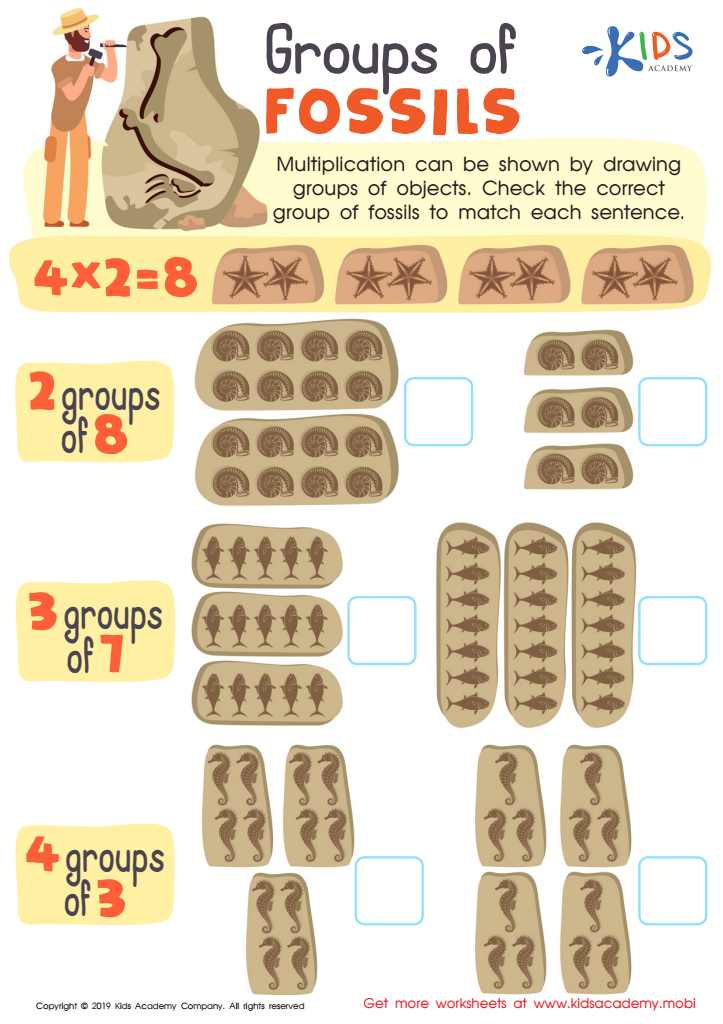
Groups of Fossils Worksheet
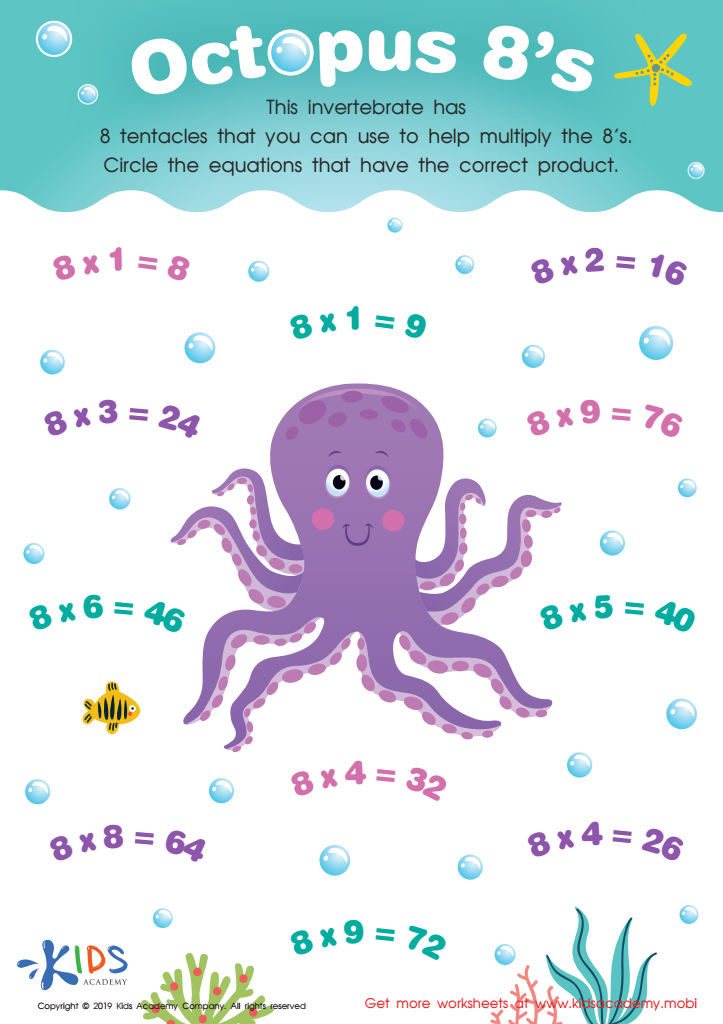
Octopus 8’s Worksheet
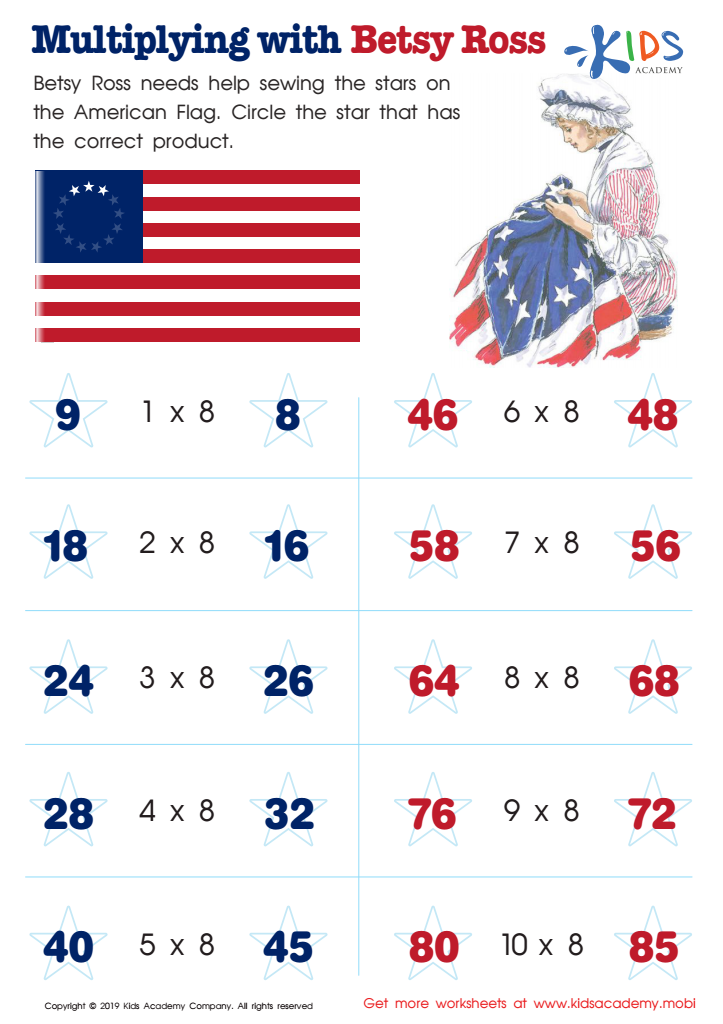
Multiplying with Betsy Ross Worksheet
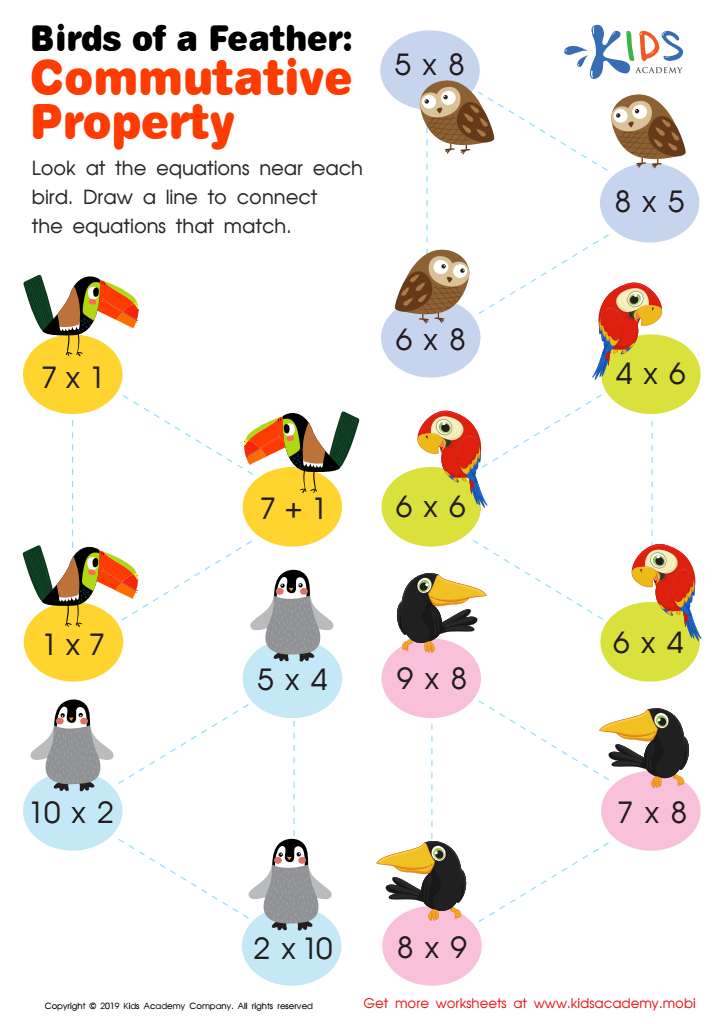
Birds of a Feather: Commutative Property Worksheet
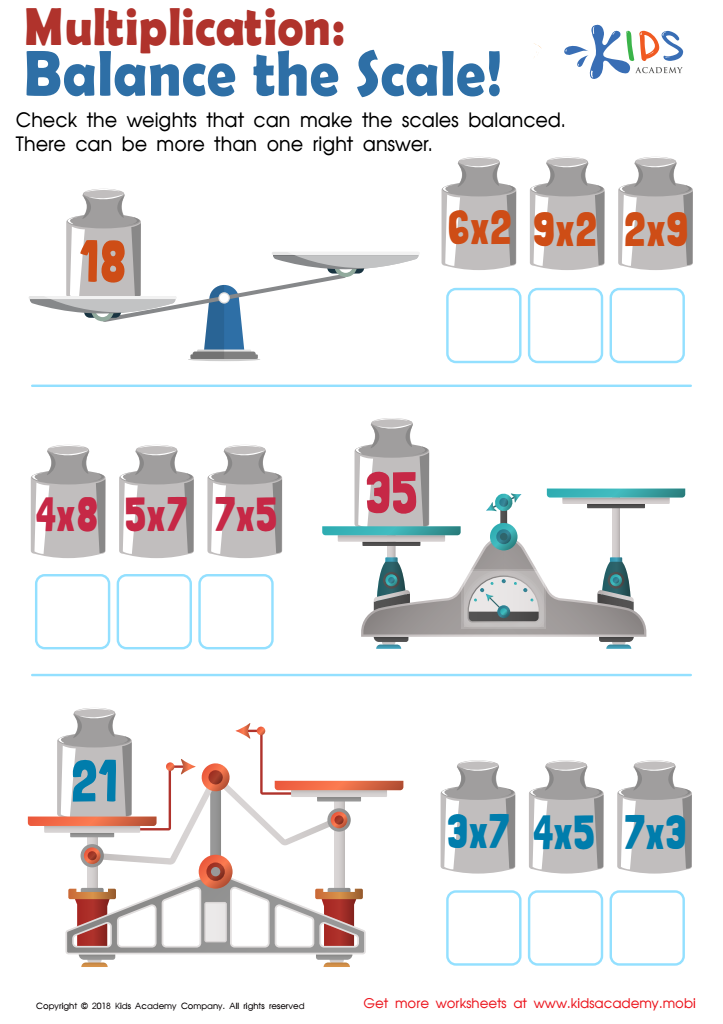
Balance the Scales Multiplication Worksheet
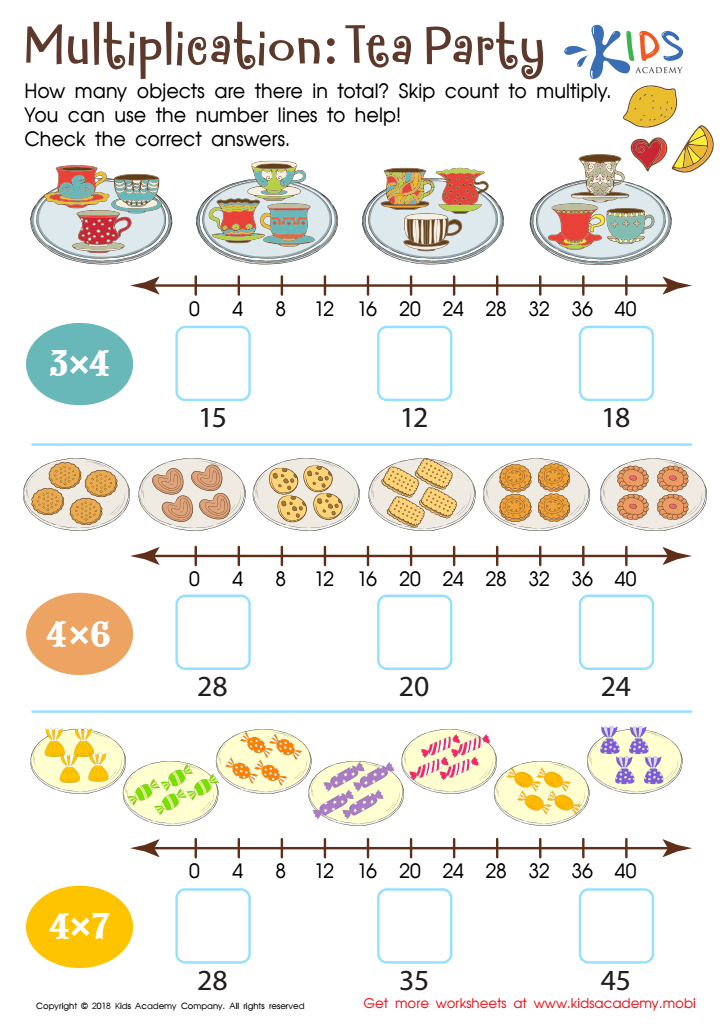
3rd Grade Math Worksheet Multiplication
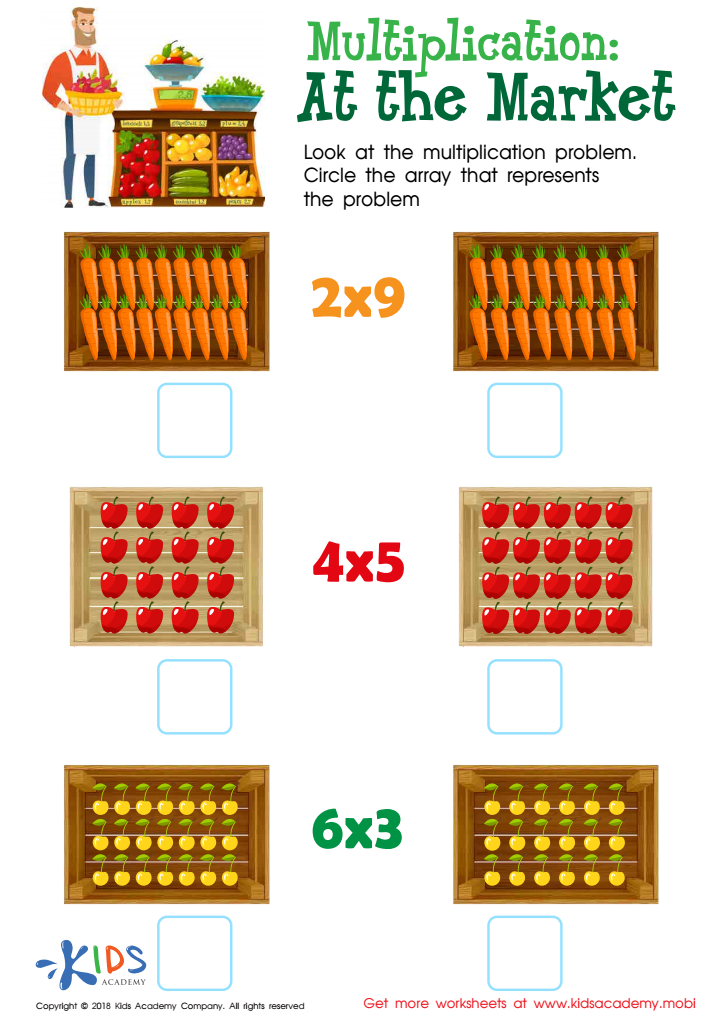
At the Market Worksheet
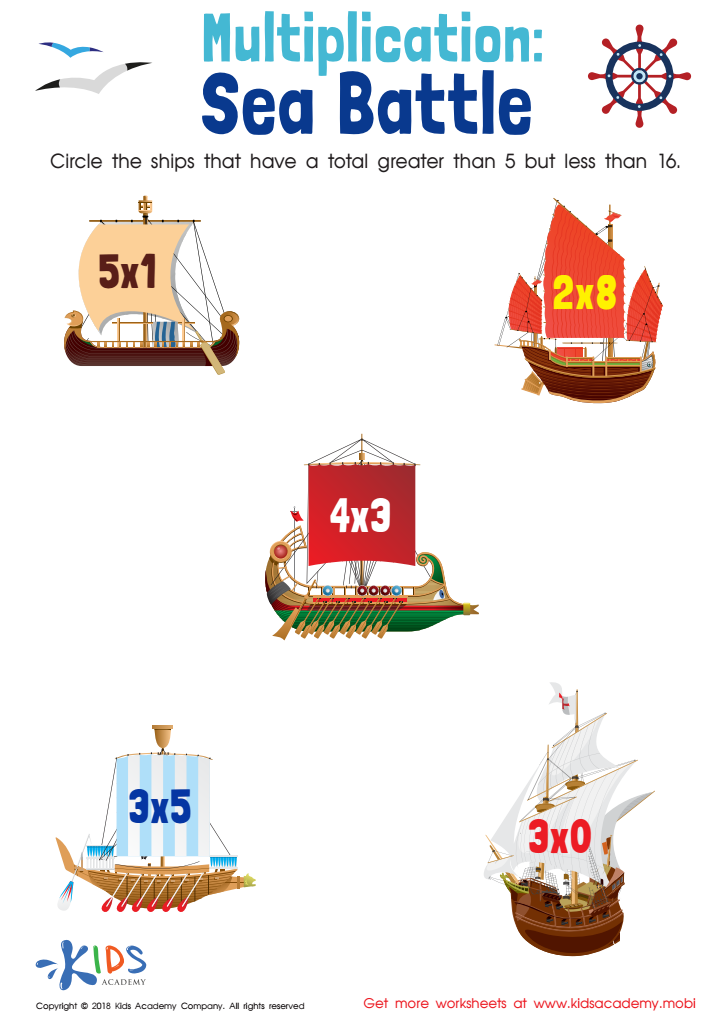
Sea Battle: Multiplication Worksheet
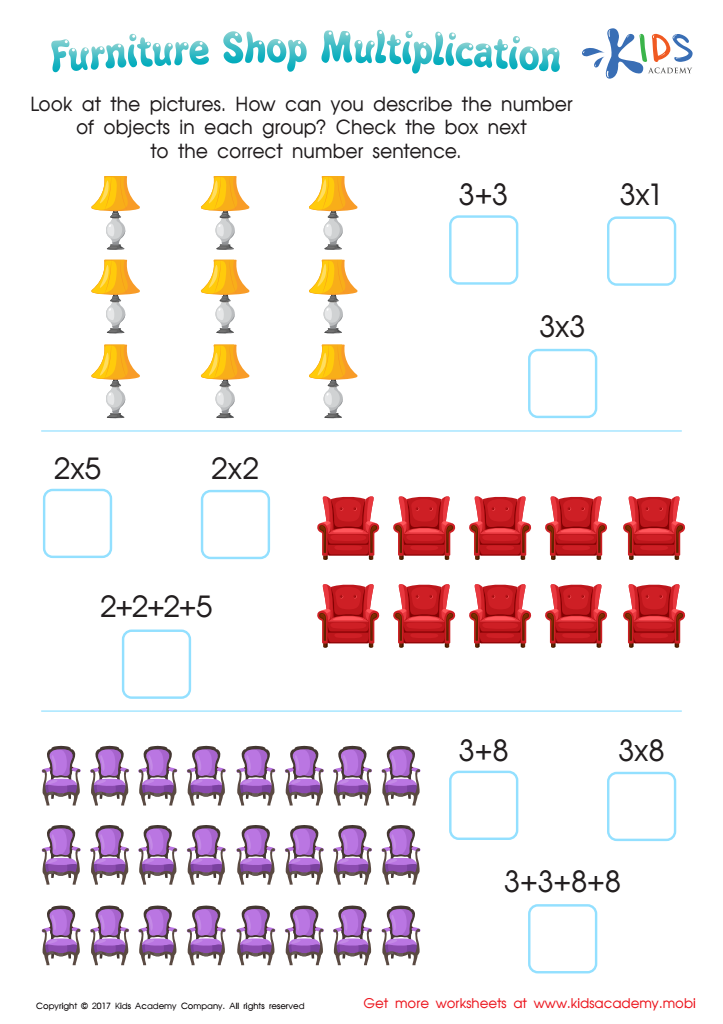
Furniture Shop Worksheet








Understanding multiplication at an early age, typically between the ages of 7-9, is crucial for a child's academic development and cognitive growth. This age range is when children transition from basic arithmetic to more complex mathematical concepts, and multiplication serves as a foundational skill in their mathematical education.
Firstly, mastering multiplication enhances problem-solving abilities. It equips children with the tools to tackle real-world scenarios, such as calculating quantities, understanding proportions, and managing time and money. These skills are not only vital in daily life but also form the basis for more advanced mathematics and sciences.
Furthermore, learning multiplication helps build numerical fluency. Children who can multiply efficiently are able to approach math with greater confidence, allowing them to progress to division, fractions, and algebra with ease. This confidence can foster a positive attitude towards learning and academic achievement.
For educators and parents, focusing on multiplication encourages the development of critical thinking and logical reasoning. It also enables them to identify and address learning difficulties early on, providing targeted support which can significantly enhance a child’s performance.
Therefore, ensuring that children grasp multiplication at ages 7-9 sets a strong academic foundation, encourages a lifelong interest in mathematics, and equips them with essential skills for the future.








