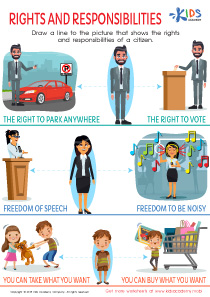
Normal Governance and Civics Worksheets for Ages 7-9 - Page 2
38 filtered results
-
From - To
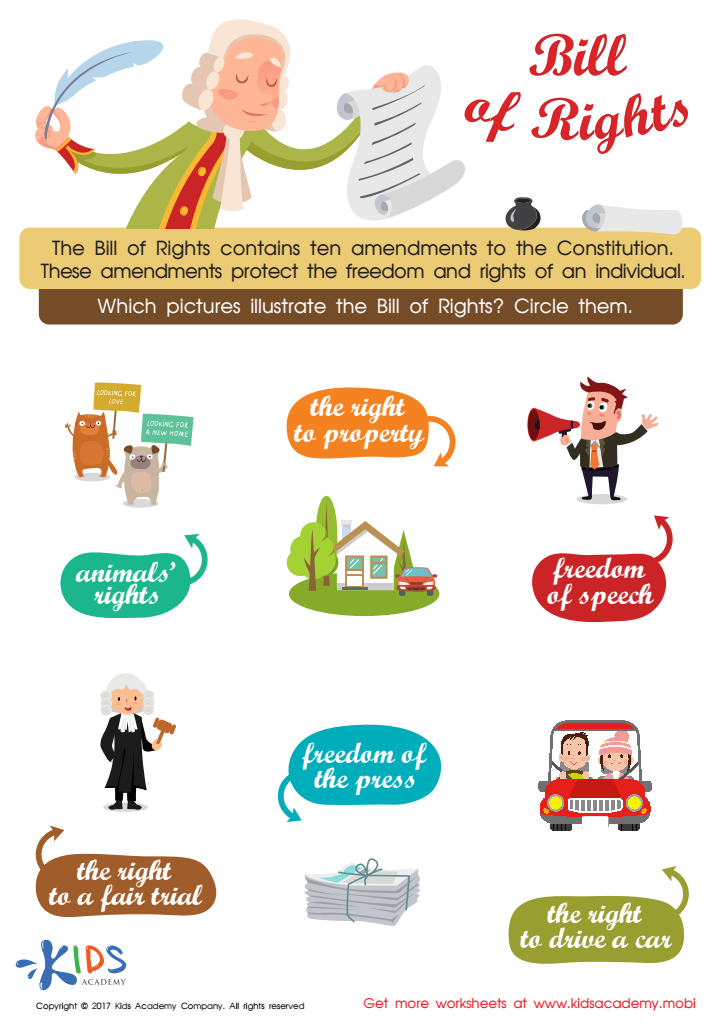
Bill of Rights Worksheet
 Assign to My Students
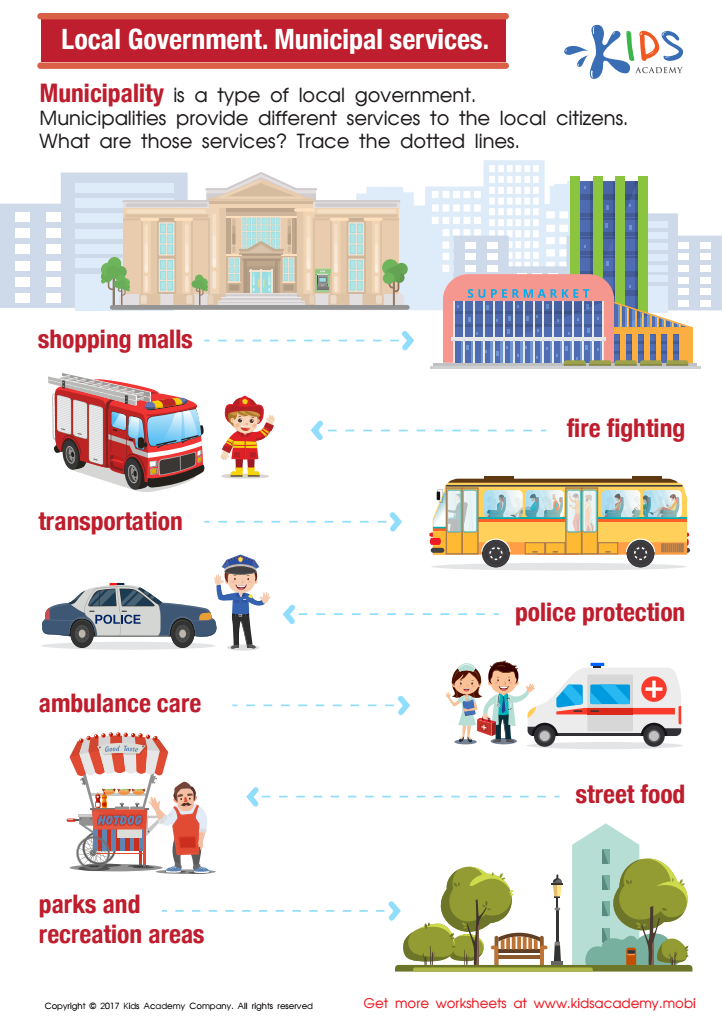
Local Government Worksheet
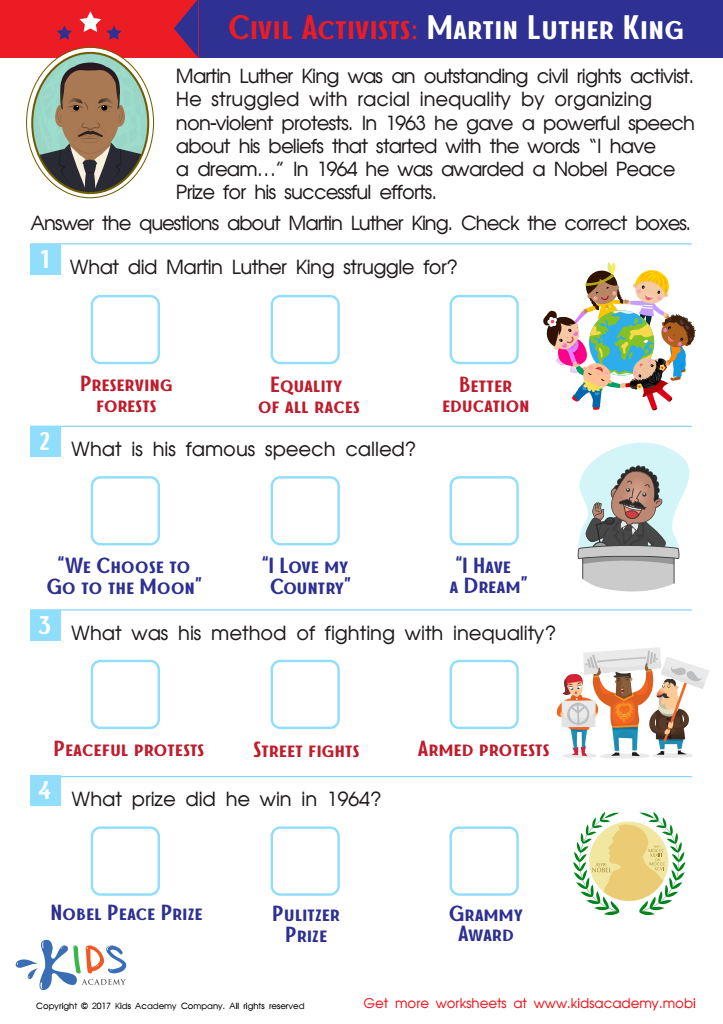
Martin Luther King Worksheet
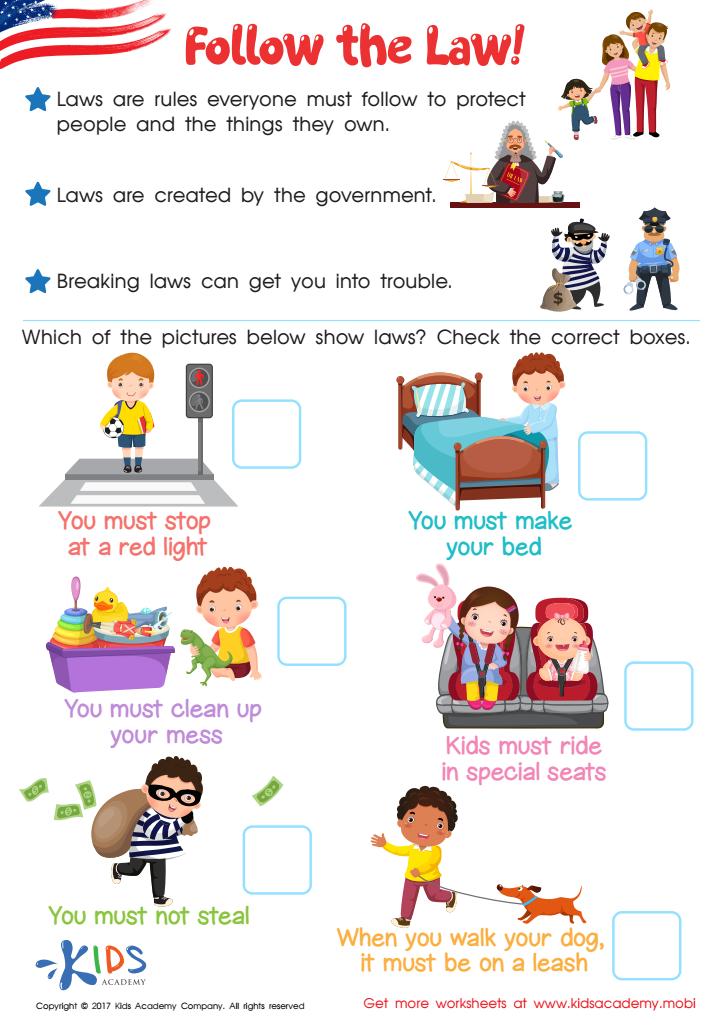
Follow the Law Worksheet
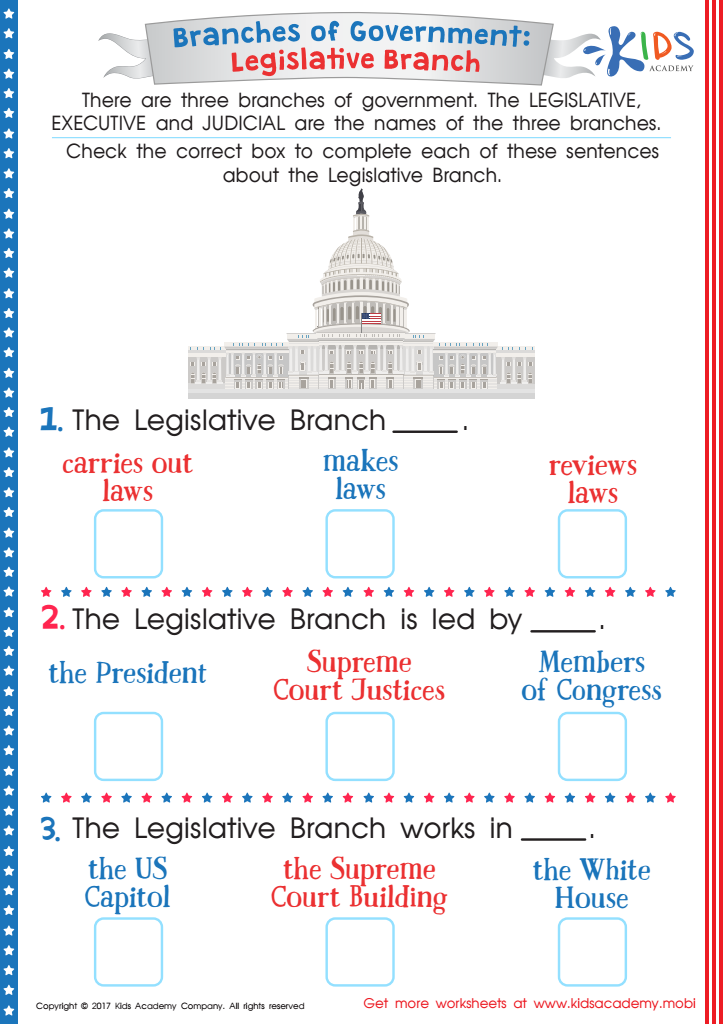
Branches of the Government: Legislative Branch Worksheet
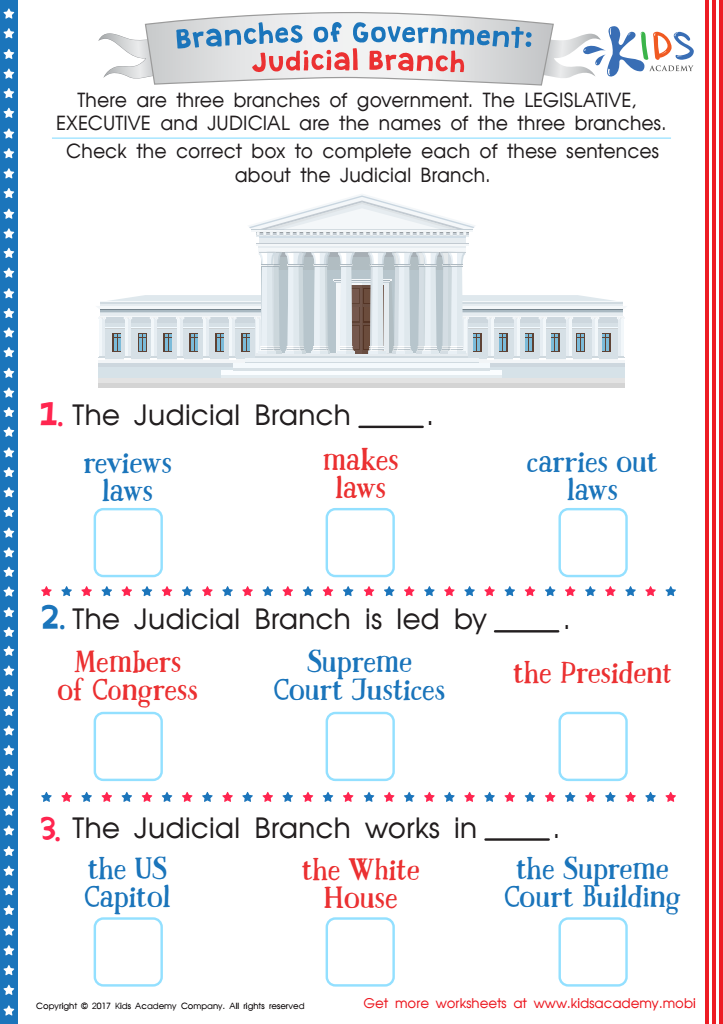
Braches of the Government: Judicial Branch Worksheet
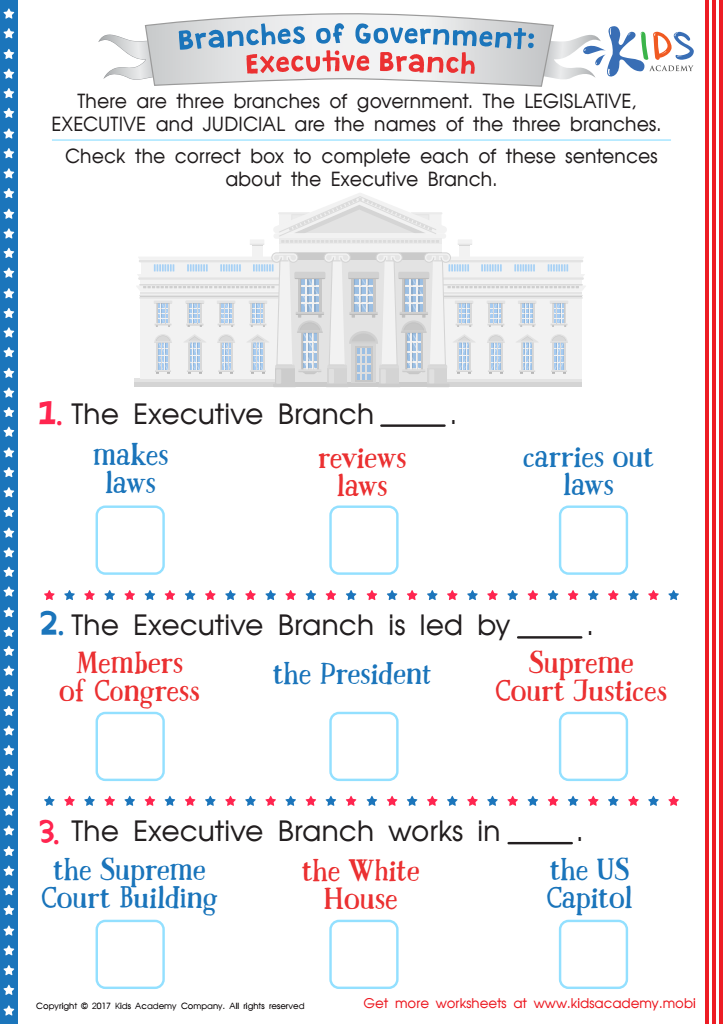
Branches of the Government: Executive Branch Printable
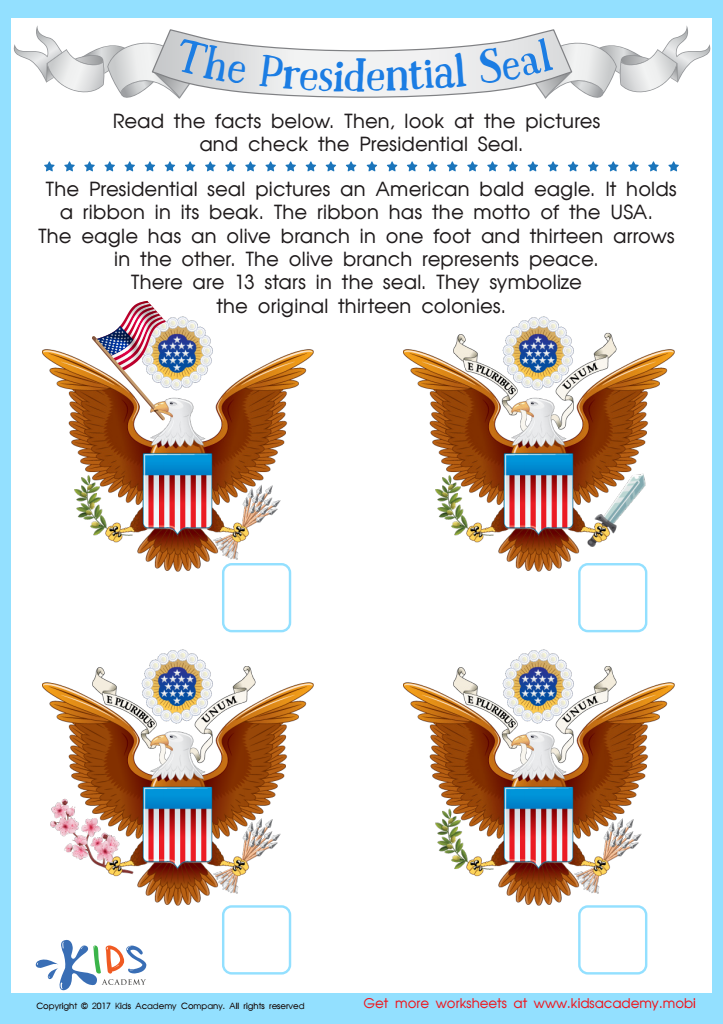
The Presidential Symbol Worksheet
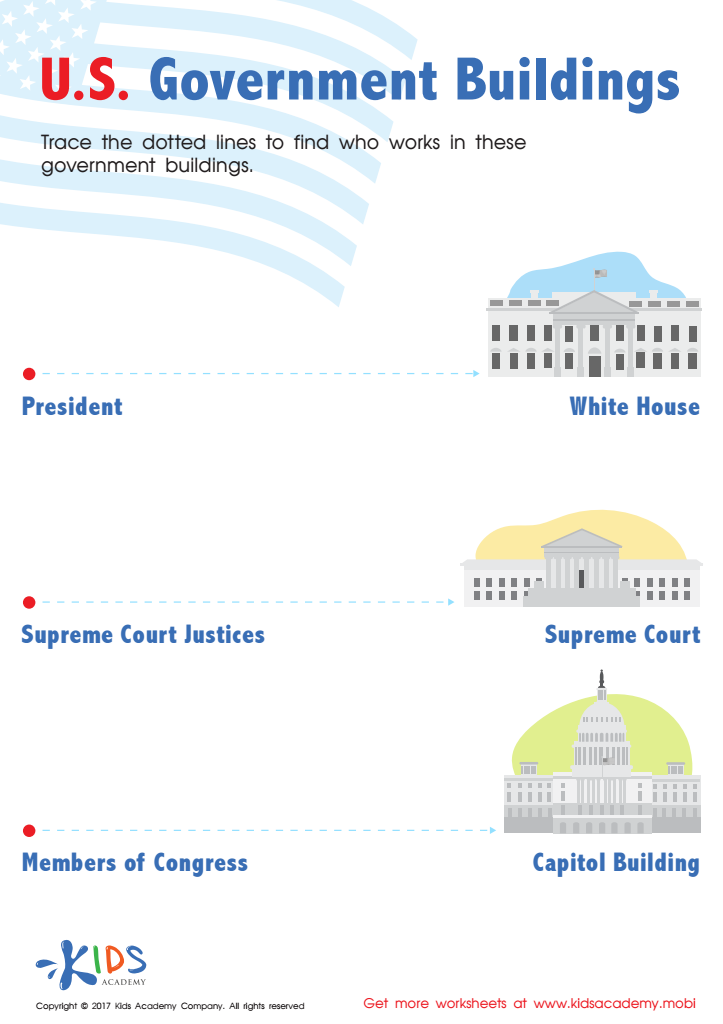
US Government Buildings Printable
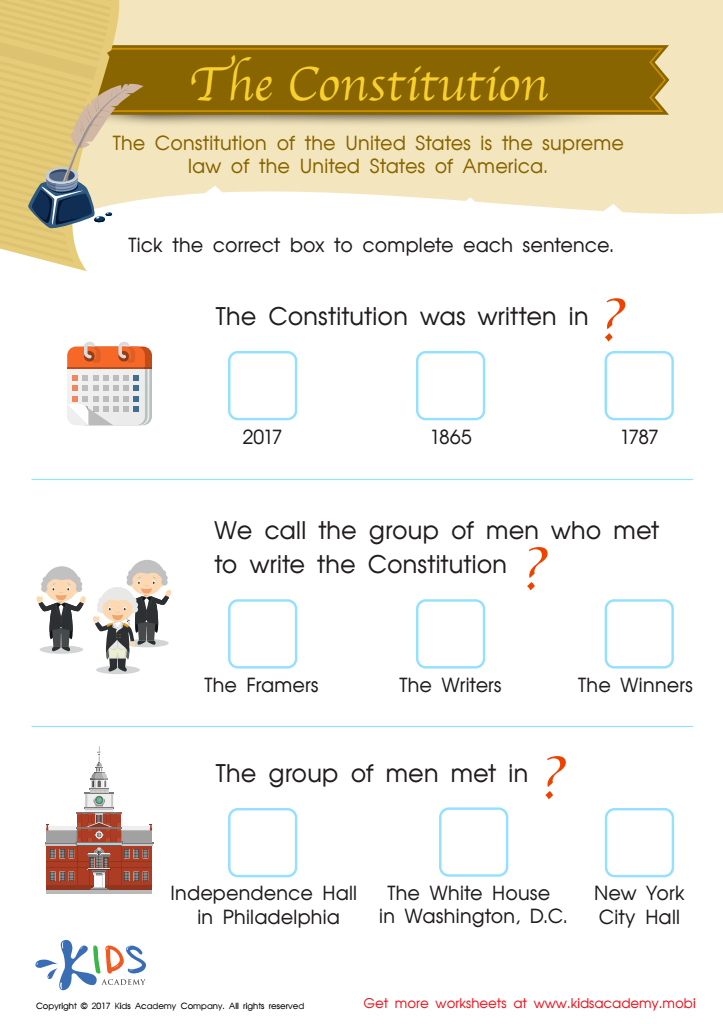
The Constitution Worksheet
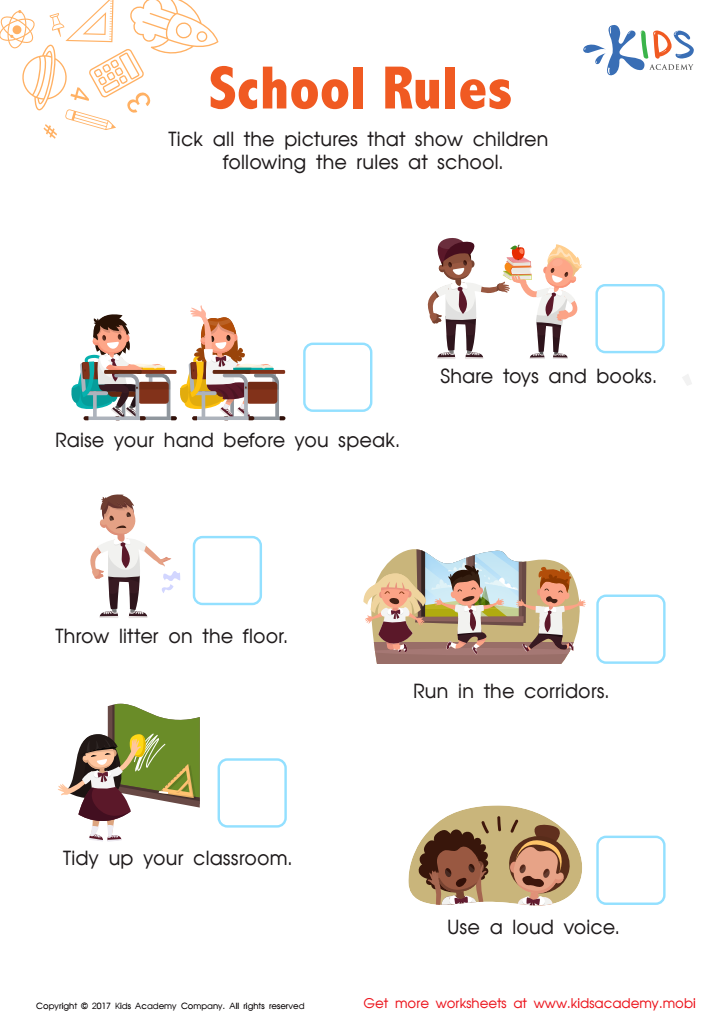
School Rules Worksheet
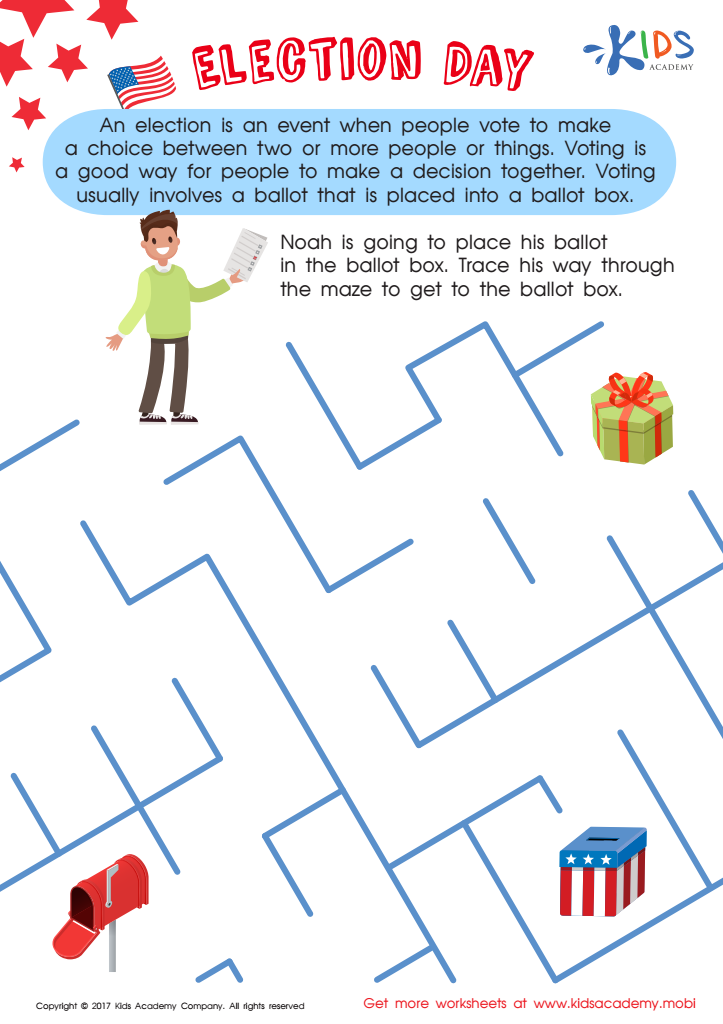
Election Day Worksheet
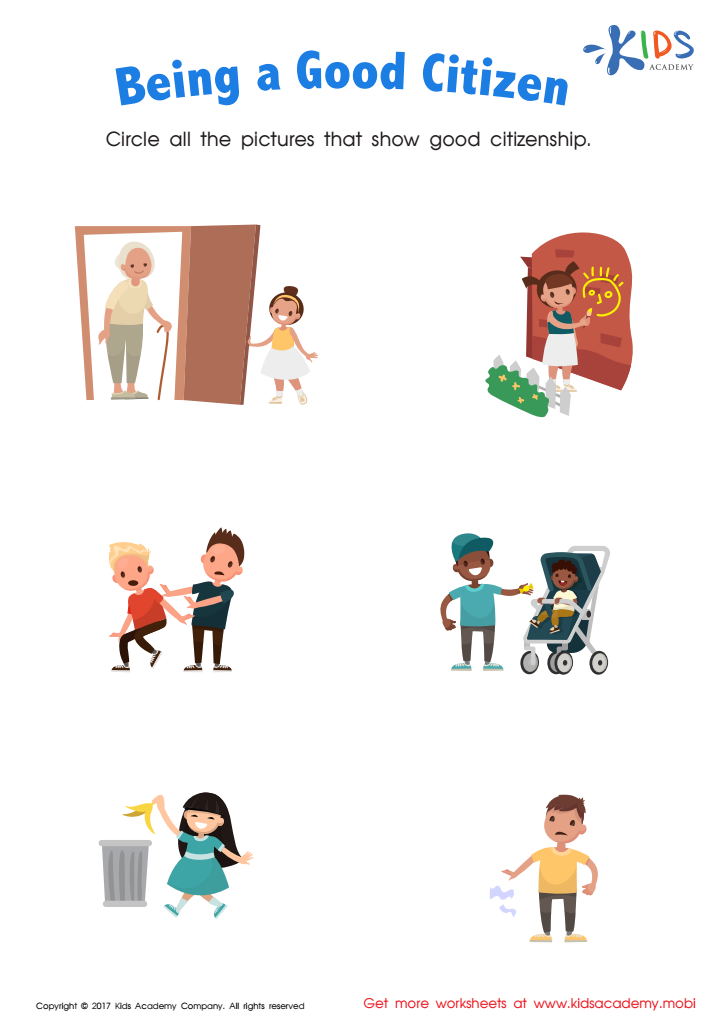
Being a Good Citizen Printable
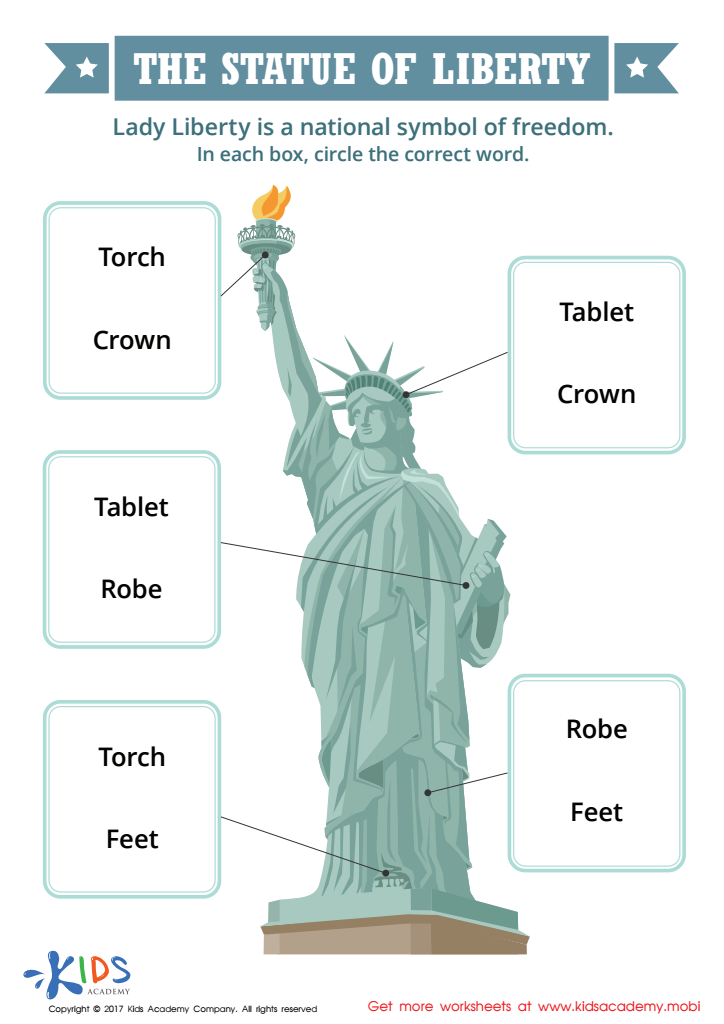
The Statue of Liberty Printable


Normal Governance and Civics are essential components of education for children aged 7-9, as they provide a foundational understanding of how societies function and the importance of civic engagement. At this age, children are naturally curious about the world around them, and introducing them to concepts such as rules, communities, and citizenship helps nurture this curiosity into a sense of responsibility and belonging.
Teaching governance principles—like fairness, justice, and the role of leaders—encourages children to become aware of their rights and responsibilities as members of their community. It cultivates critical thinking, enabling them to question, understand, and participate in discussions around decisions that affect their lives, such as school rules or community policies.
Moreover, instilling an understanding of civics at a young age helps develop empathy and respect for diverse perspectives. Children learn the value of cooperation and the importance of contributing positively to their environment. By fostering these skills early on, parents and teachers equip children with the tools needed to engage thoughtfully in democratic processes as they grow, turning them into informed, active citizens who can contribute to a better society for all.