Normal Letter Recognition Worksheets for 7-Year-Olds
30 filtered results
-
From - To
Introducing our engaging Normal Letter Recognition worksheets, specially designed for 7-Year-Olds! These worksheets are tailored to enhance your child's ability to recognize and differentiate between letters in a standard, fun, and interactive way. Crafted by educational experts, our worksheets aim to build a strong foundation in reading and writing by focusing on normal letter shapes and forms. As children navigate through each activity, they'll develop critical literacy skills with ease and confidence. Perfect for home or classroom use, our Normal Letter Recognition worksheets for 7-Year-Olds are your go-to resource for fostering early reading success!

Letter E Tracing Worksheet
 Assign to My Students
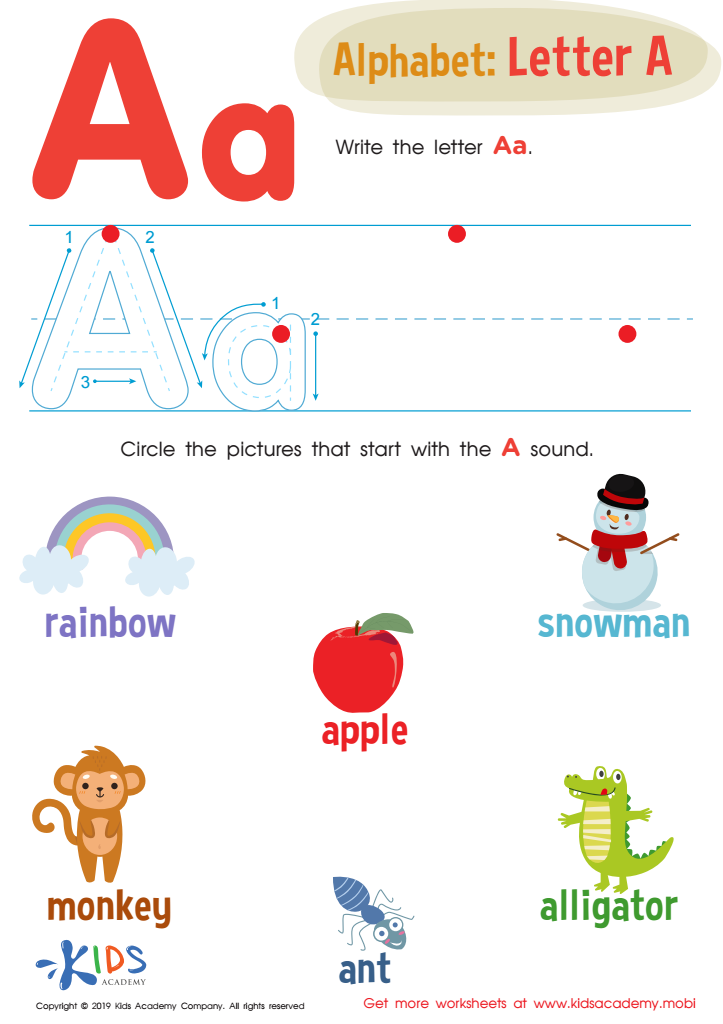
Letter A Tracing Worksheet
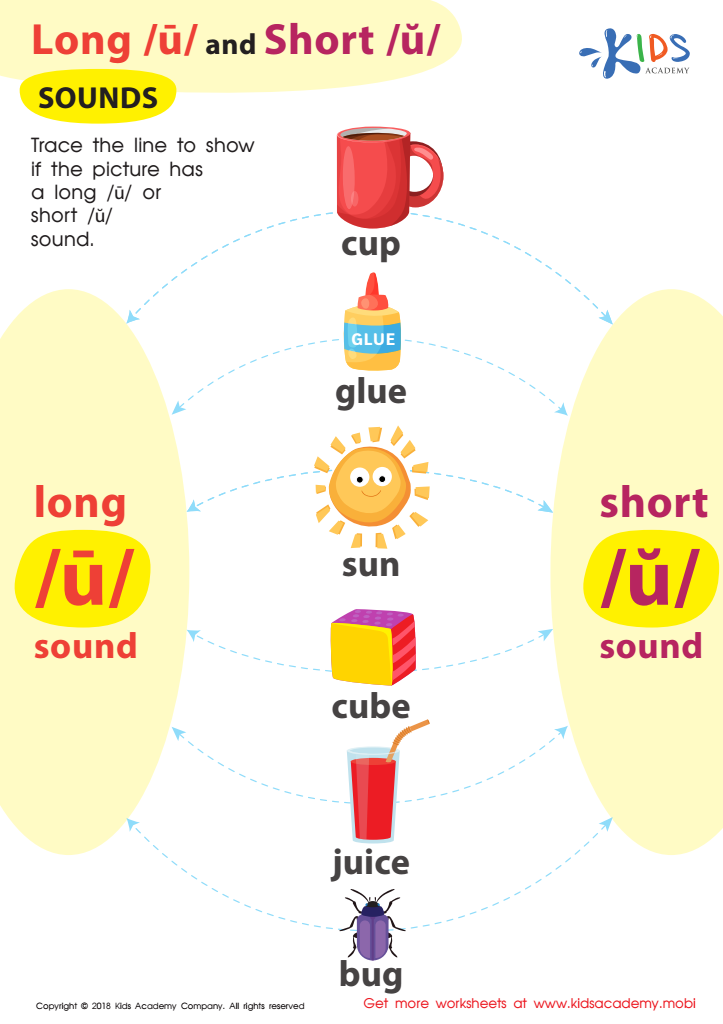
Reading: Long U and Short U Sounds Worksheet
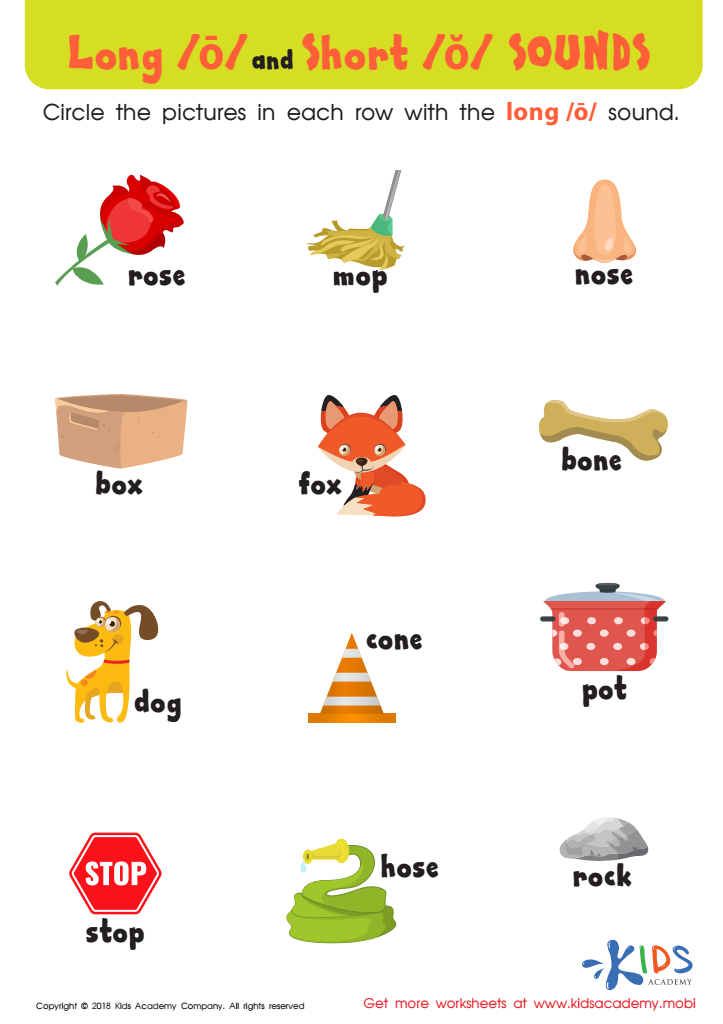
Reading: Long O and Short O Sounds Worksheet
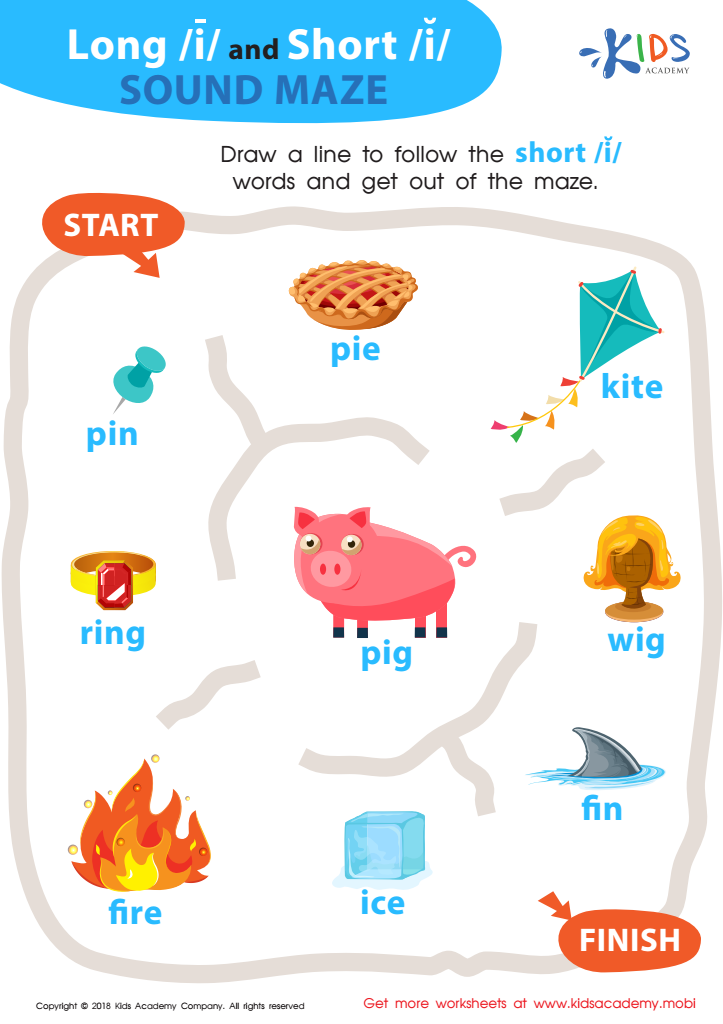
Reading: Long I and Short I Sound Maze Worksheet
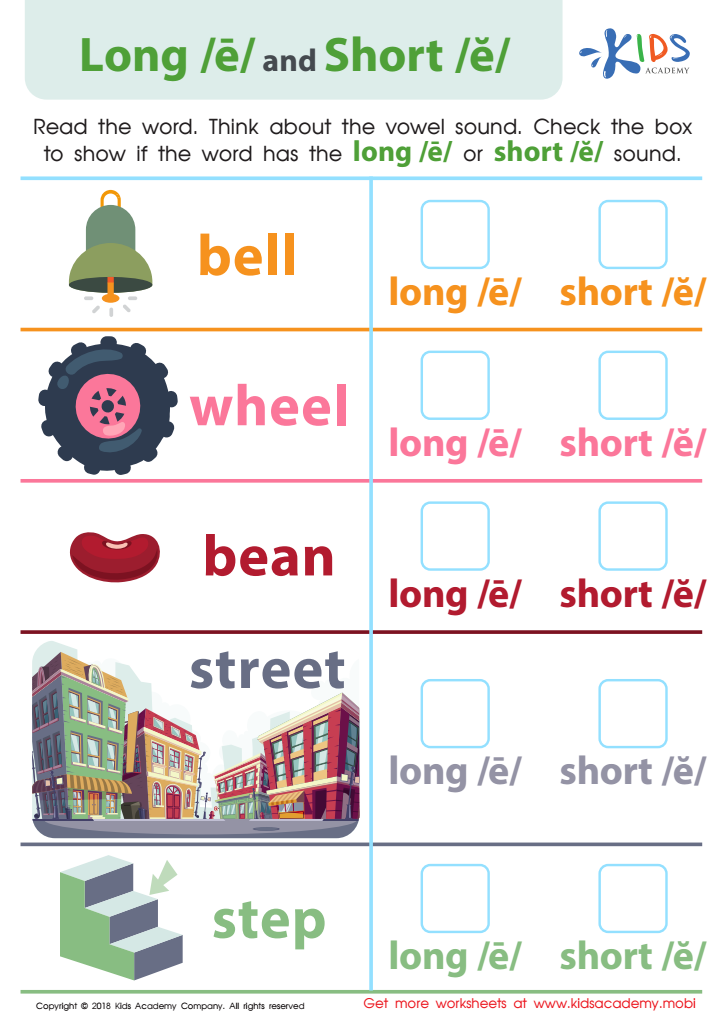
Reading: Long E and Short E Worksheet
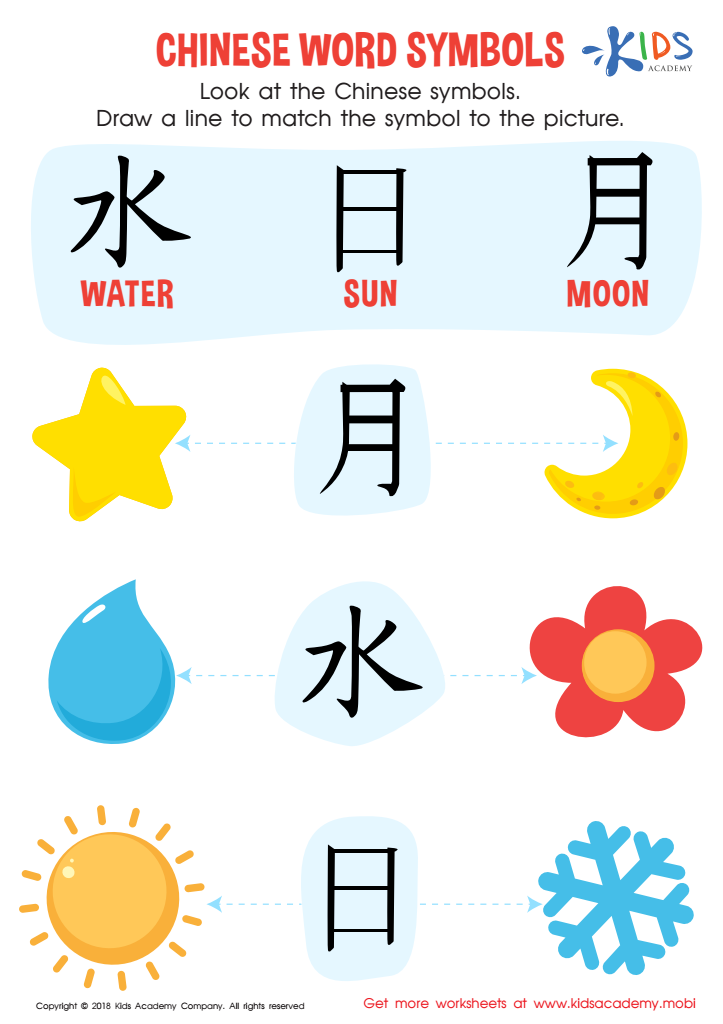
Chinese Word Symbols Worksheet
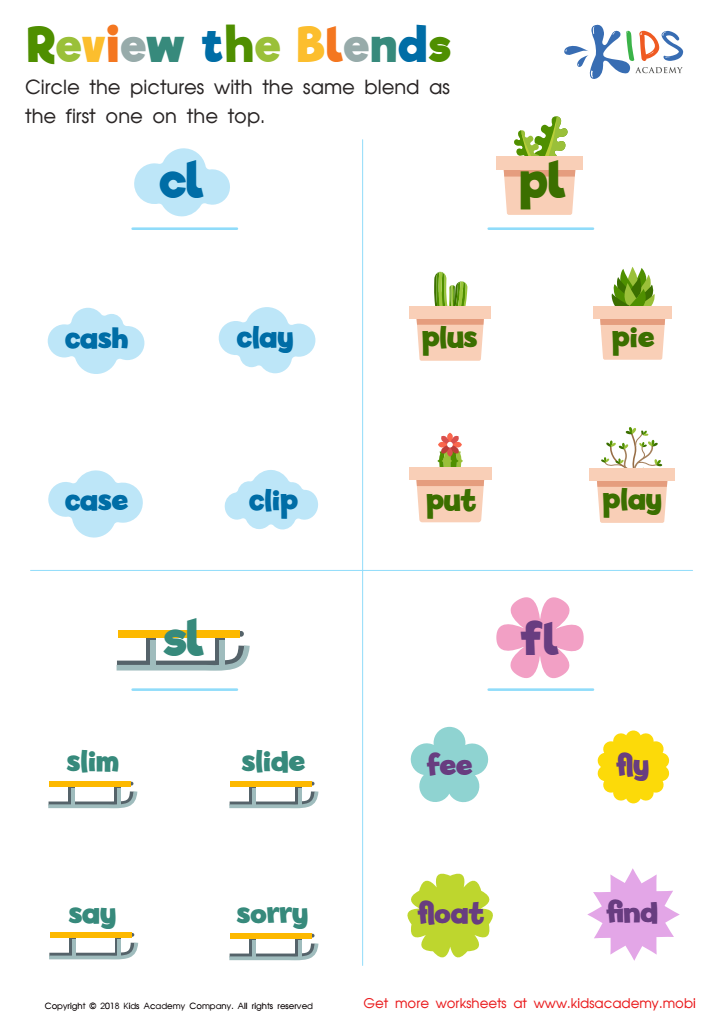
Review the Blends Worksheet
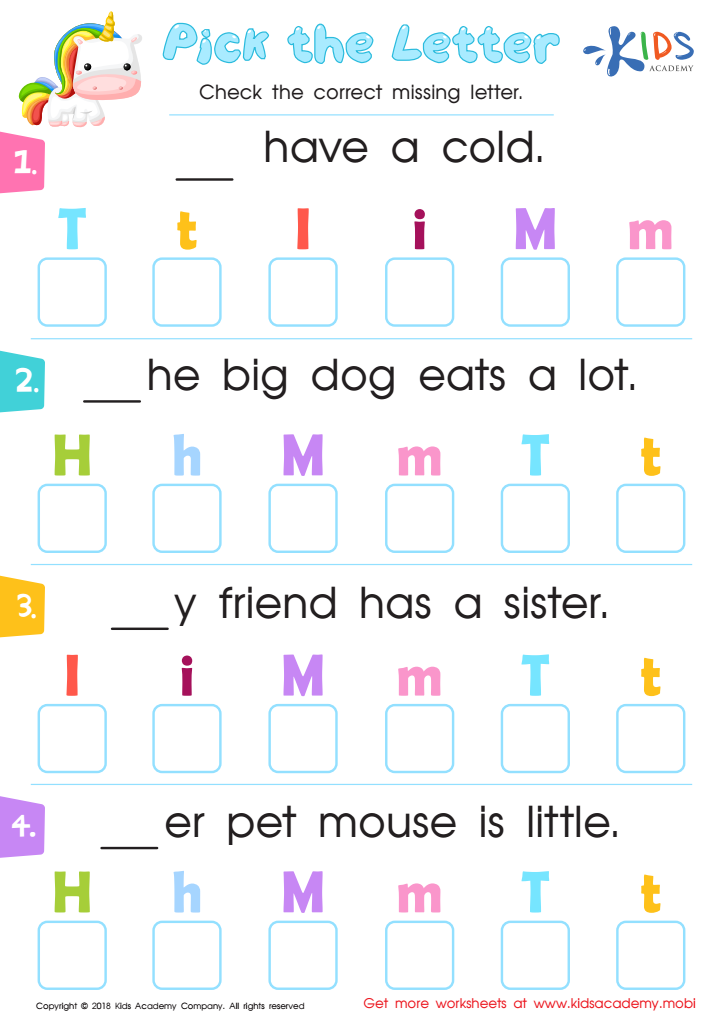
Pick the Letter Worksheet
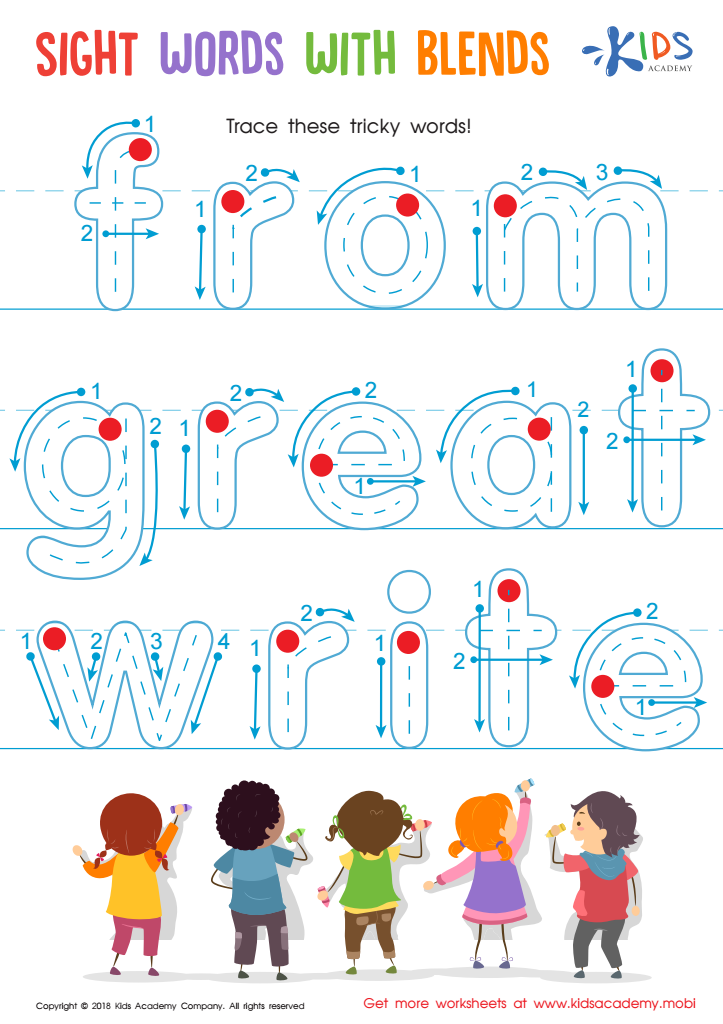
Sight Words with Blends Worksheet
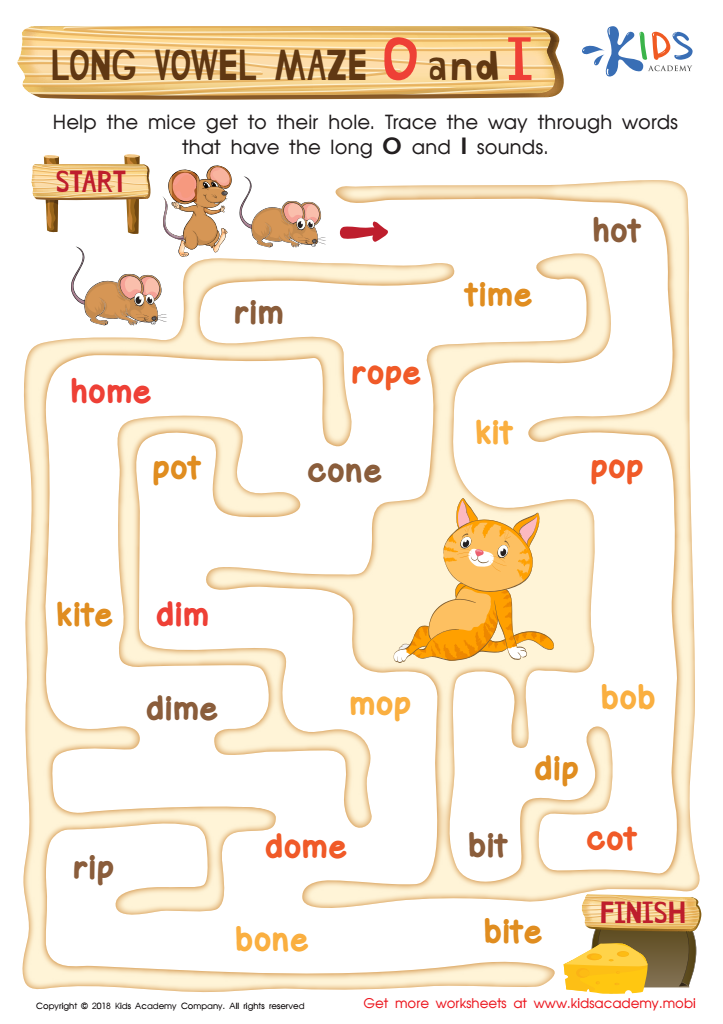
Long Vowel Maze /o/ and /i/ Worksheet
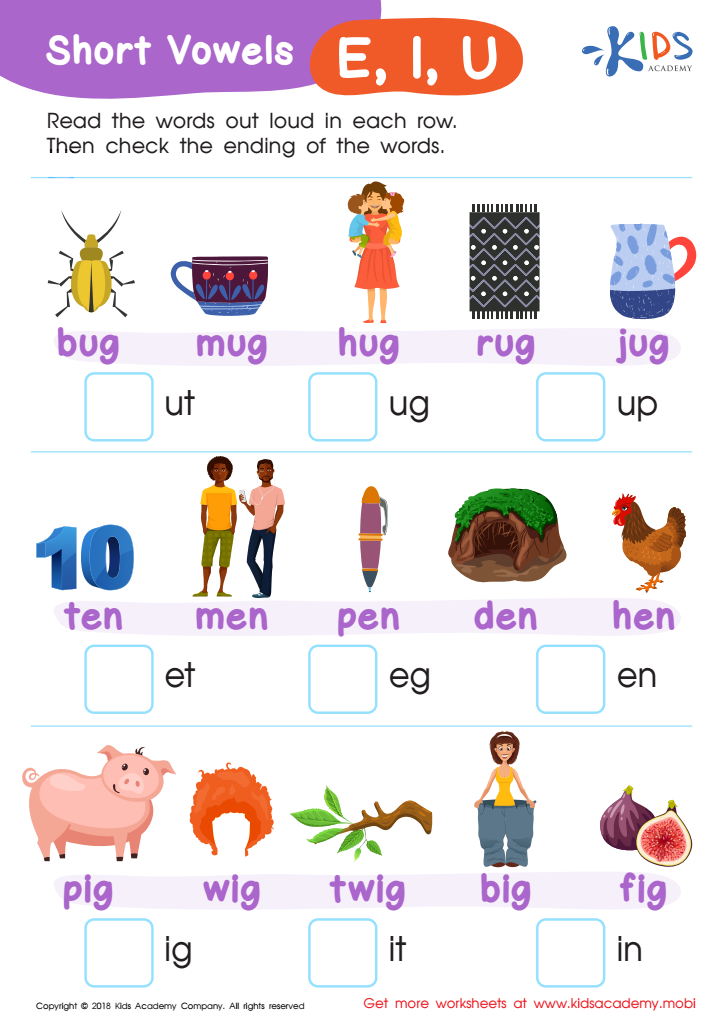
Short Vowels /e/, /i/, and /u/ Worksheet
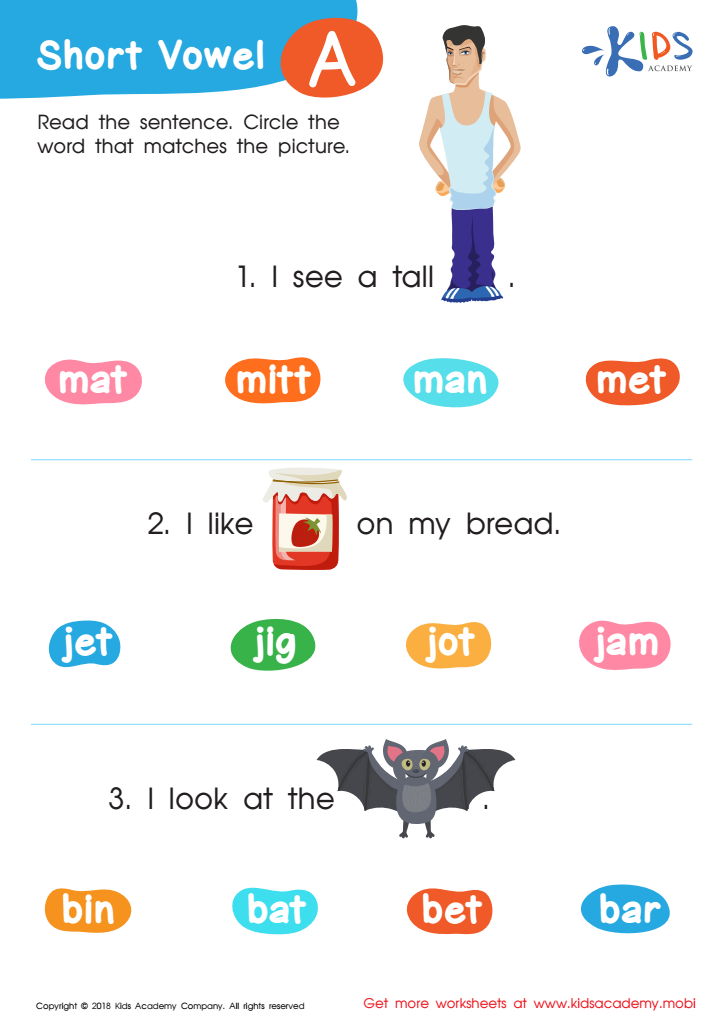
Short Vowel /a/ Worksheet
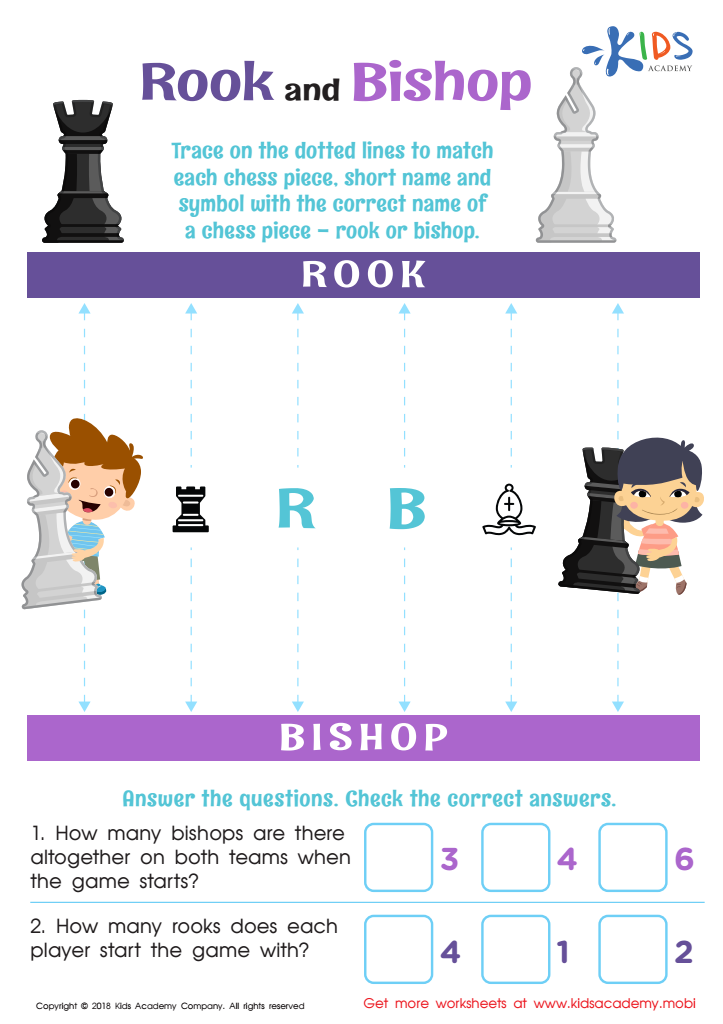
Rook and Bishop Worksheet
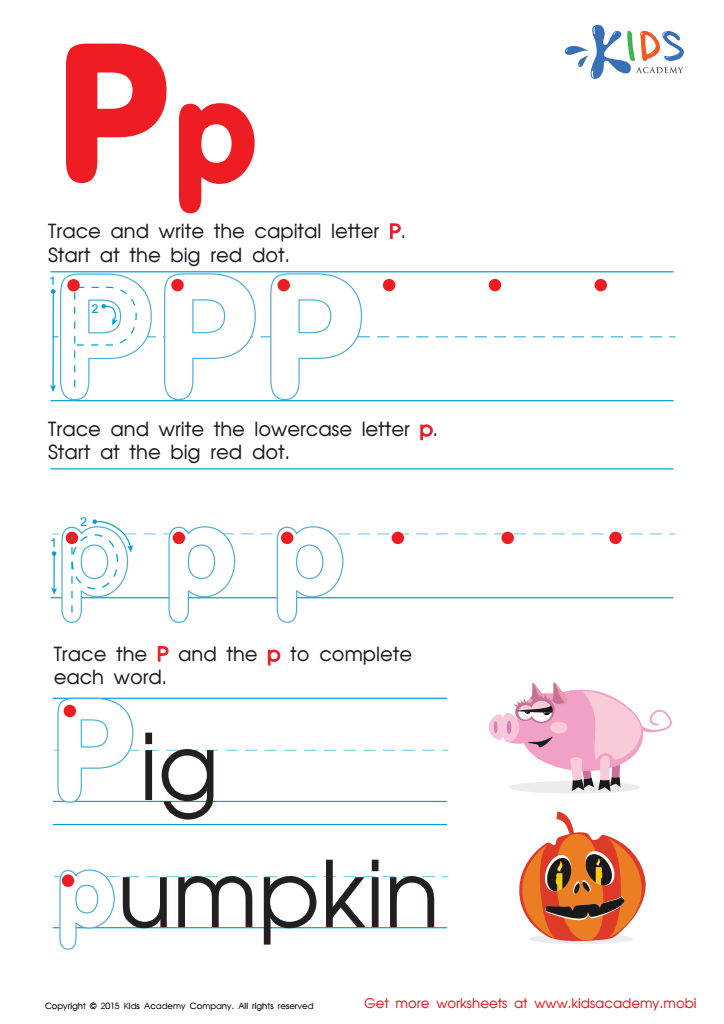
Letter P Tracing Page
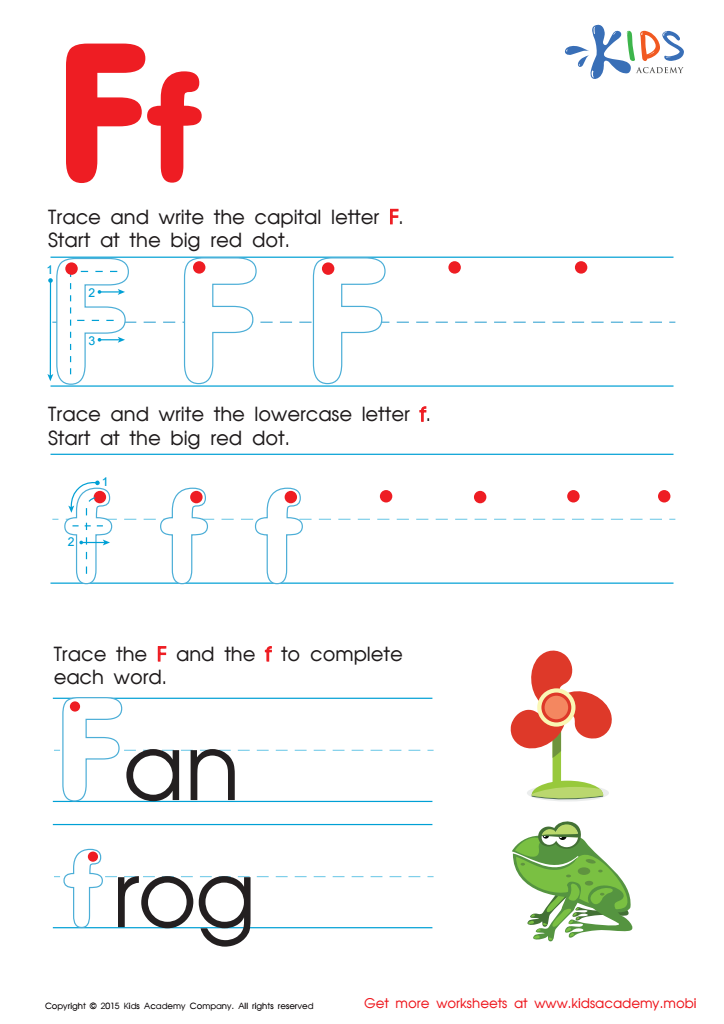
Letter F Tracing Page
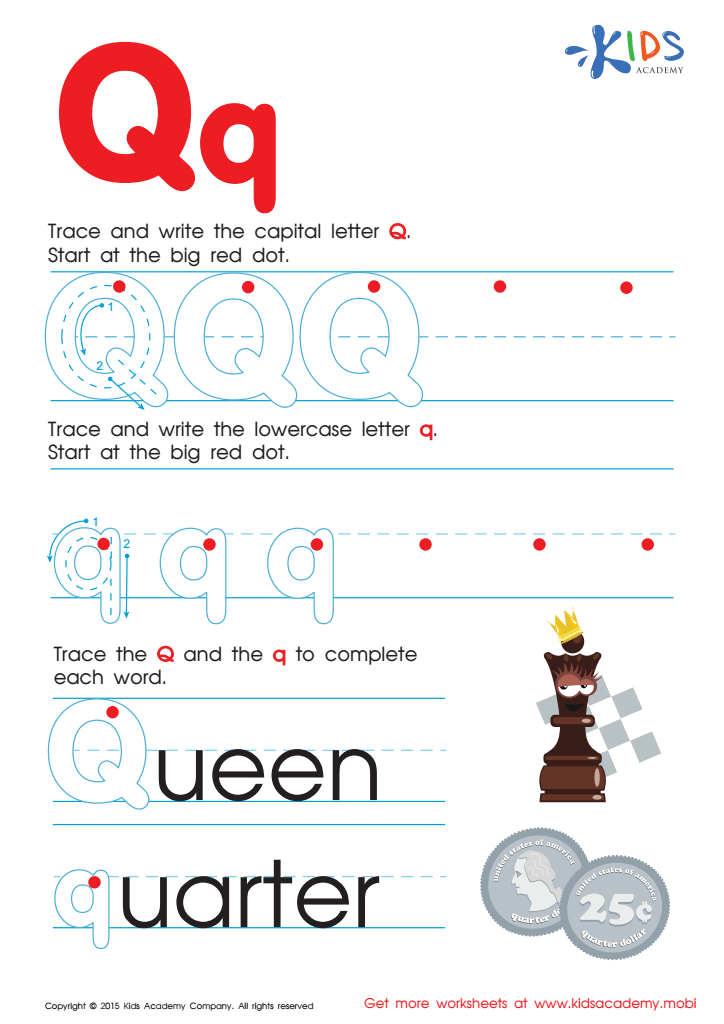
Letter Q Tracing Page
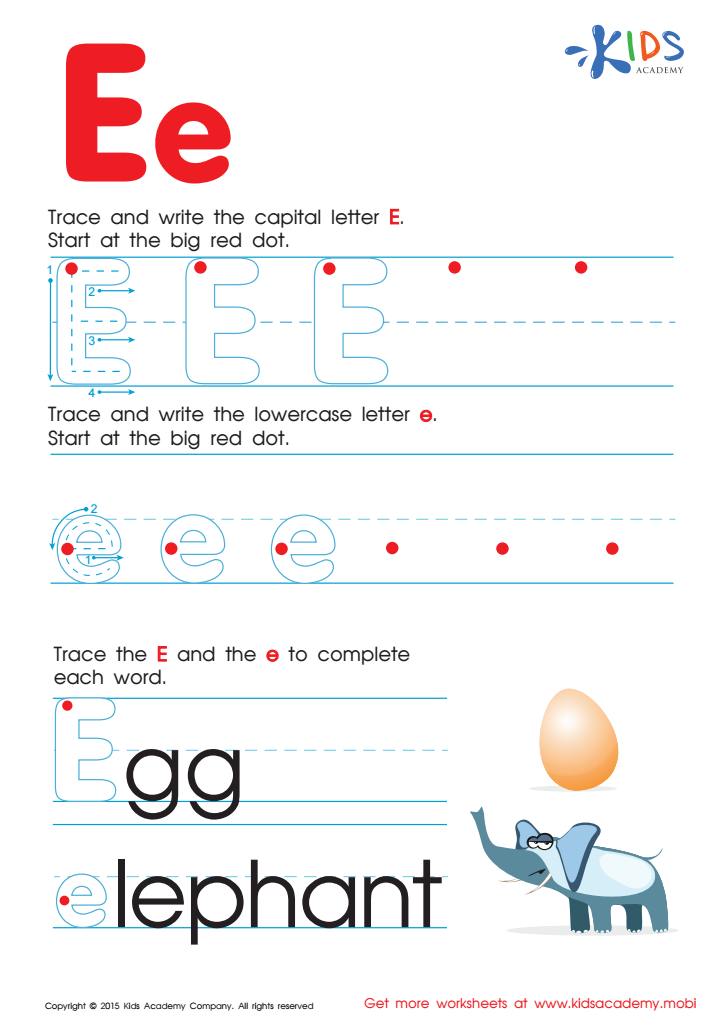
Letter E Tracing Page

Letter D Tracing Page
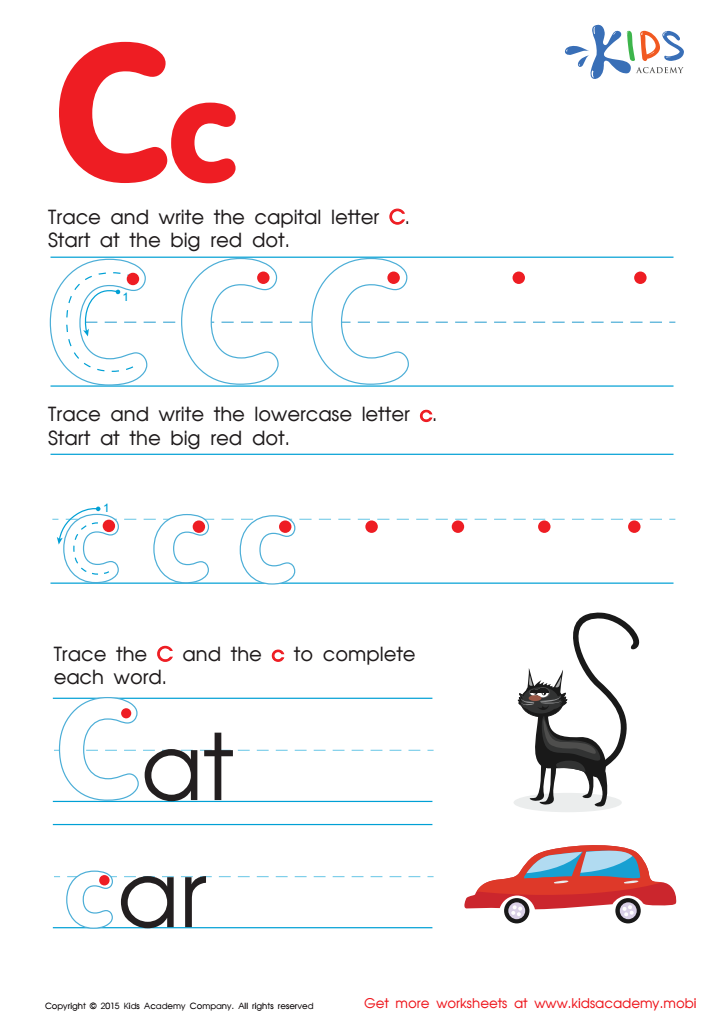
Letter C Tracing Page
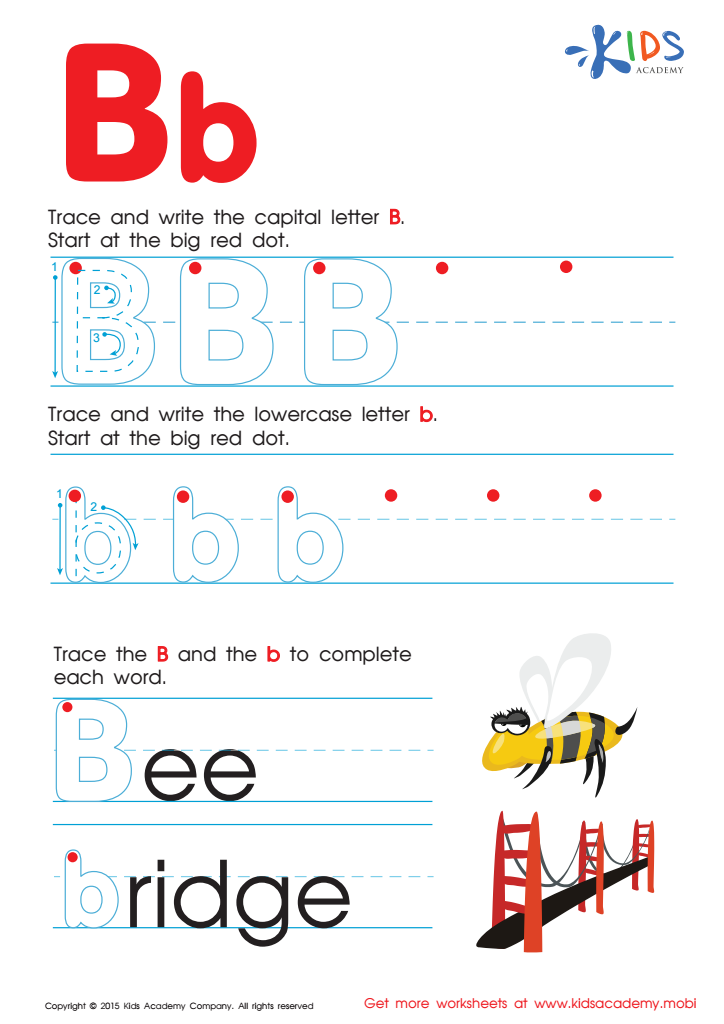
Letter B Tracing Page
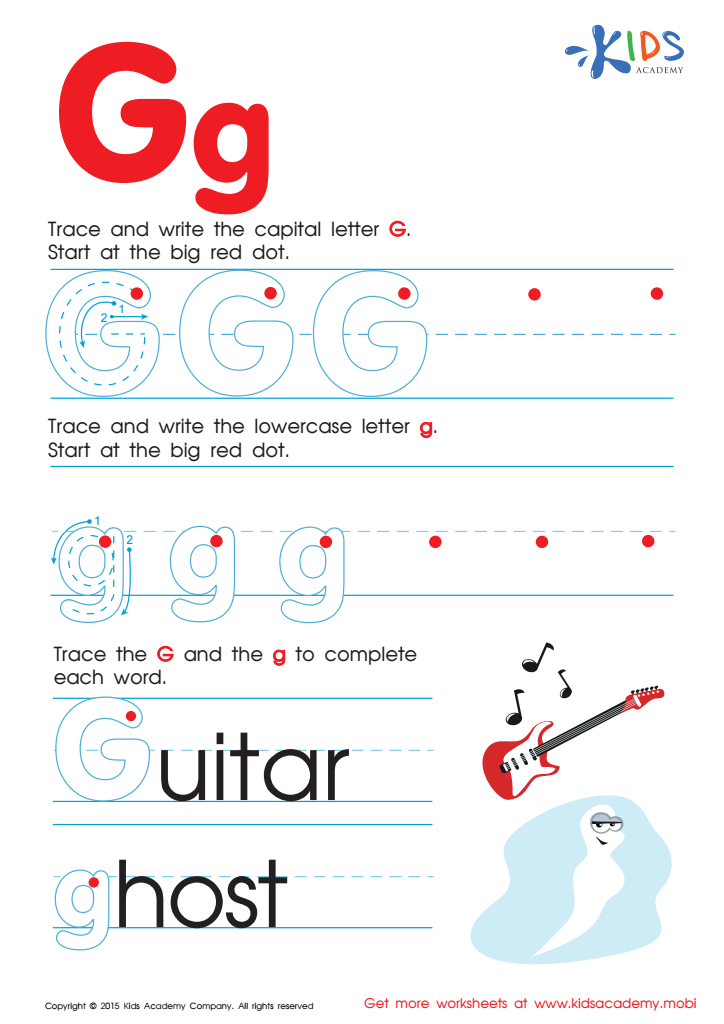
Letter G Tracing Page

Letter H Tracing Page
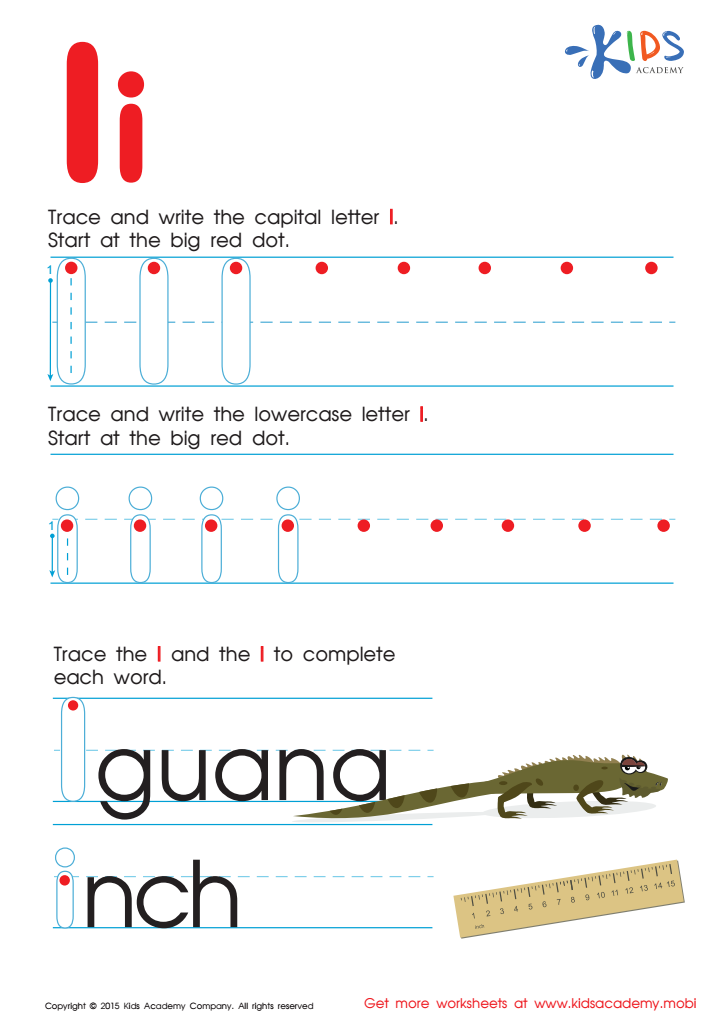
Letter I Tracing Page








Normal Letter Recognition worksheets for 7-Year-Olds are an invaluable tool in the developmental journey of children's literacy skills. At 7 years old, children are at a crucial stage where they solidify their understanding of the alphabet, transitioning from mere letter recognition to fluent reading and writing. These worksheets are designed to cater to this specific age group, ensuring that the tasks are engaging and appropriately challenging.
These specialized worksheets help in reinforcing the shapes, sounds, and names of letters through repetitive yet creative exercises. By focusing on Normal Letter Recognition, they lay a sturdy foundation for phonemic awareness, which is essential for developing reading skills. Children learn to distinguish between similar-looking letters, understand upper and lower case differences, and begin to link letters with their corresponding sounds.
Moreover, for 7-Year-Olds, these worksheets are not just about learning; they are about gaining confidence in their abilities. Successfully completing these exercises boosts their self-esteem and encourages a positive attitude towards learning. This age is also about developing fine motor skills, and the act of writing or coloring on the worksheets contributes significantly to honing these skills.
In essence, Normal Letter Recognition worksheets for 7-Year-Olds are a blend of educational necessity and developmental appropriateness, making them a fundamental component of the learning toolkit for young children.








