Filters

183 filtered results

Clear all filters
Favorites
With answer key
Interactive

183 filtered results

Difficulty Level

Grade


Check out this FREE Trial Lesson on Reading for age 7!

Key Details in a Text

Favorites
With answer key
Interactive
  • 7
  • Interactive
  • Reading
  • Normal
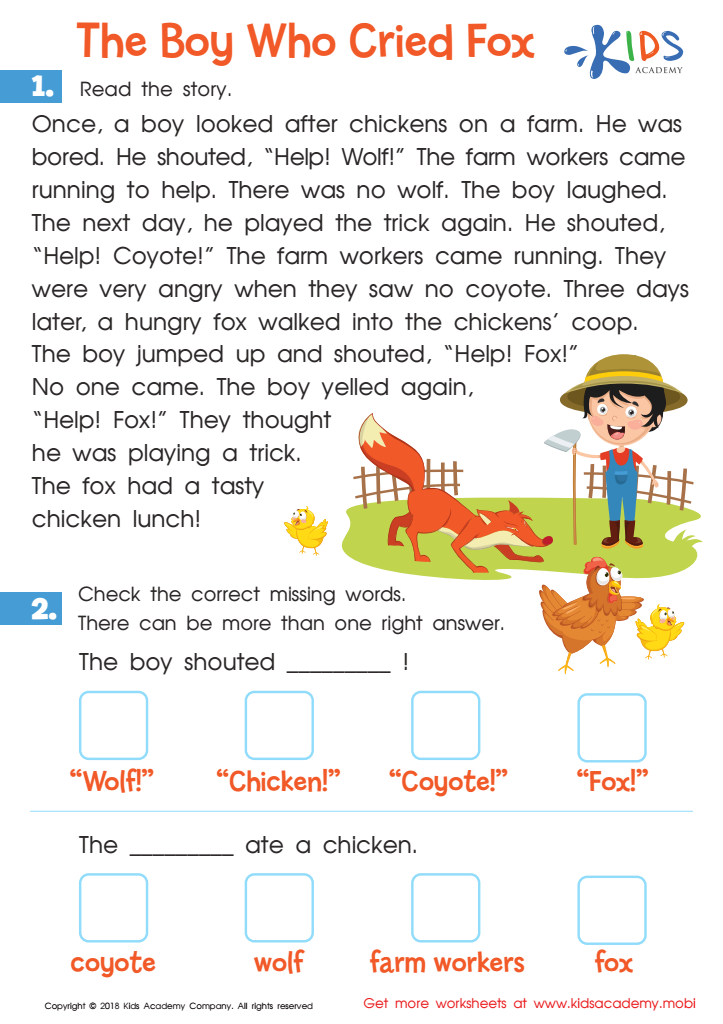
The Boy Who Cried Fox Worksheet

The Boy Who Cried Fox Worksheet

This worksheet encourages students to recall details from a story and answer questions to test their comprehension. Perfect for reading lessons, enrichment, or extra help.
The Boy Who Cried Fox Worksheet
Worksheet
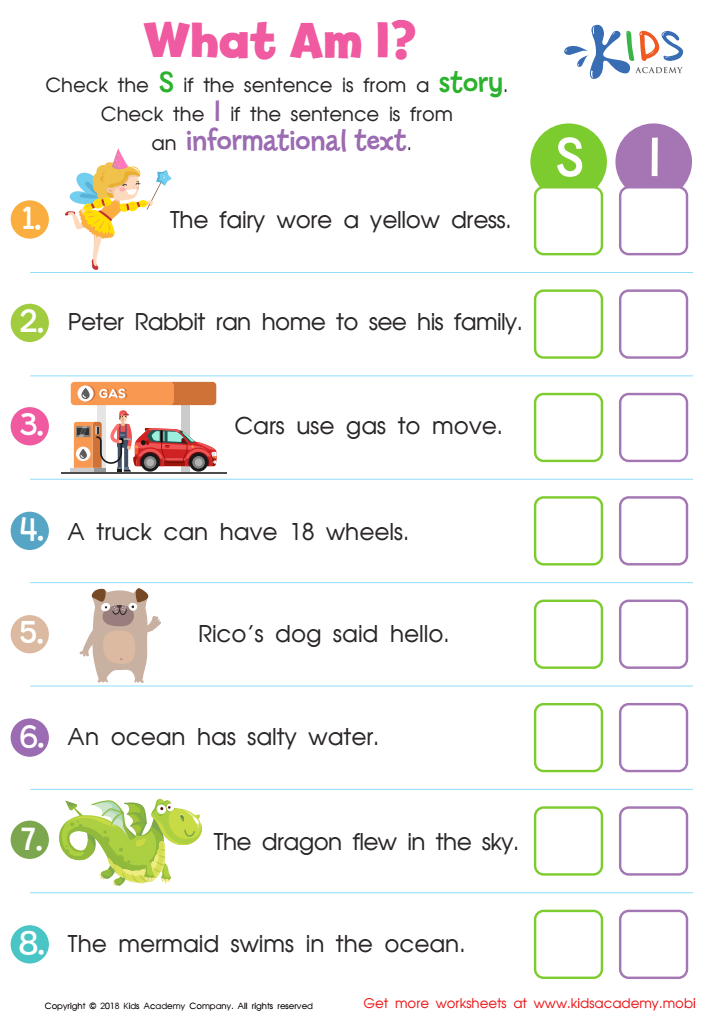
What Am I? Worksheet

What Am I? Worksheet

This worksheet assesses students' ability to differentiate between stories and texts they read for facts. Students learn to distinguish between reading for pleasure and reading for information. It includes statements from both a story and an informational text, and students must decide what type of text it is.
What Am I? Worksheet
Worksheet
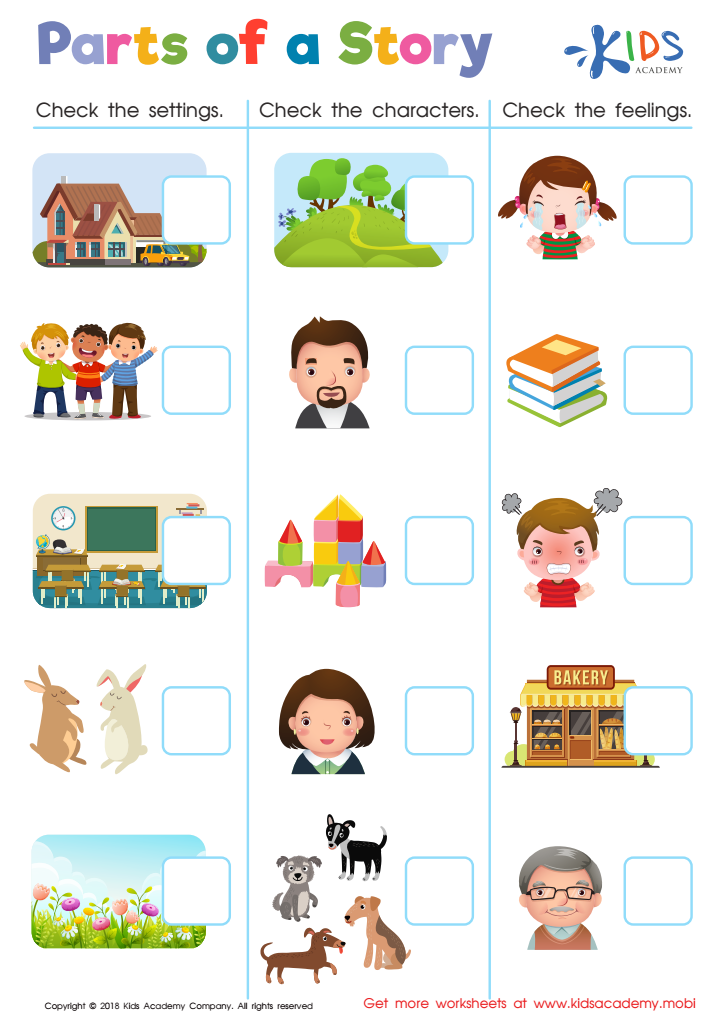
Parts of a Story Worksheet

Parts of a Story Worksheet

This worksheet is great for emerging readers to identify story elements without needing to read. It features pictures and students decide the right answers. Perfect for aiding understanding of characters, setting, and feelings in a story. Incorporate it into your lessons today!
Parts of a Story Worksheet
Worksheet
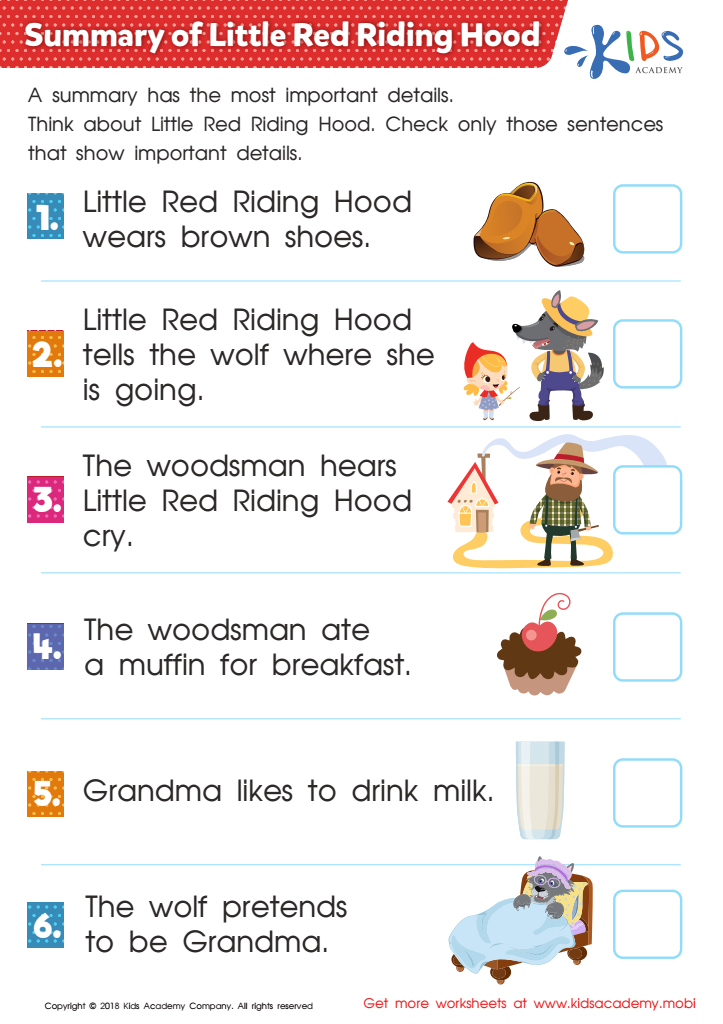
Summary of Little Red Riding Hood Worksheet

Summary of Little Red Riding Hood Worksheet

Young students may find it hard to summarize stories. This worksheet helps them learn to distinguish between important story details and unimportant ones. Practice reading Little Red Riding Hood and pick out only the important details with the help of this downloadable worksheet.
Summary of Little Red Riding Hood Worksheet
Worksheet
Look at the Pictures: The Princess and the Pea Worksheet

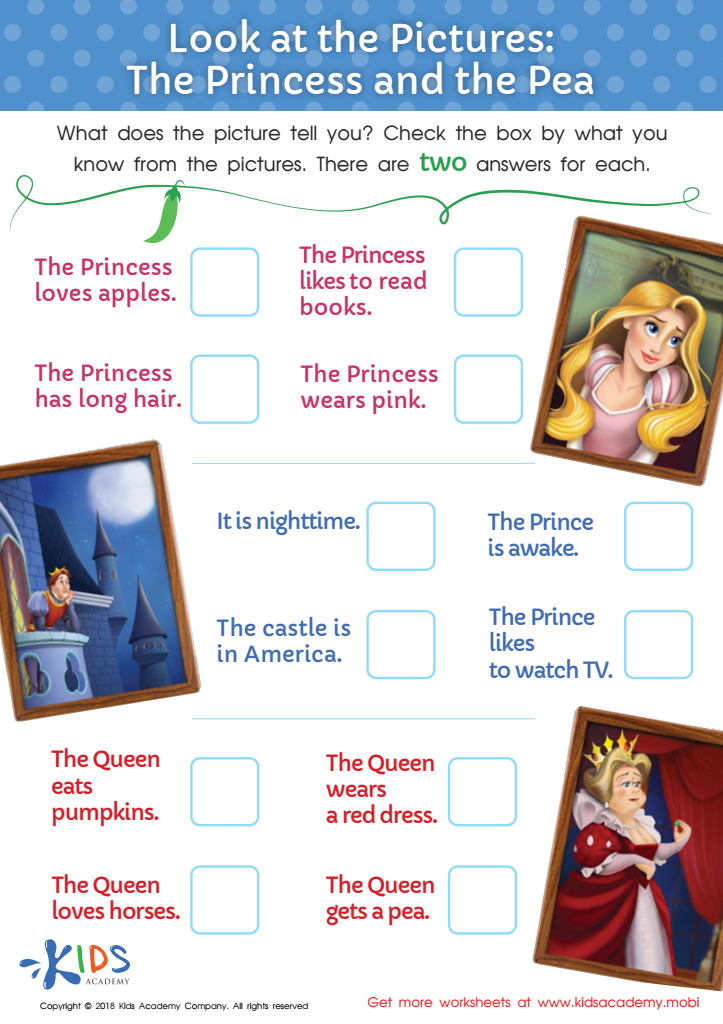
Look at the Pictures: The Princess and the Pea Worksheet

Early readers can benefit from picture clues to understand stories and text. Looking at images helps them learn the meaning of words and comprehend events. Use this worksheet on The Princess and the Pea to let students observe and learn from the pictures. It's a great way to help them comprehend early reading materials.
Look at the Pictures: The Princess and the Pea Worksheet
Worksheet
Take a Look - Part 1 Worksheet

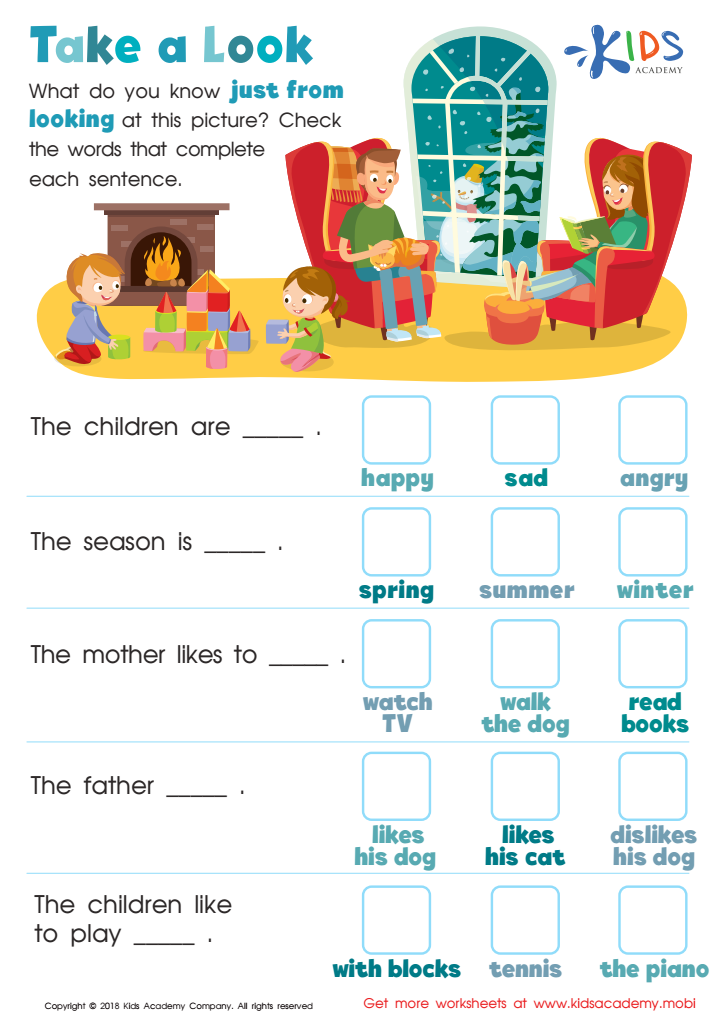
Take a Look - Part 1 Worksheet

Young learners gain understanding when using picture clues when reading. Looking at illustrations can help students learn the meaning of key vocabulary when reading fiction or informational text. Ask your students to look at the worksheet and observe what they can learn from the picture. It's a great comprehension strategy for early readers.
Take a Look - Part 1 Worksheet
Worksheet
First Person Worksheet

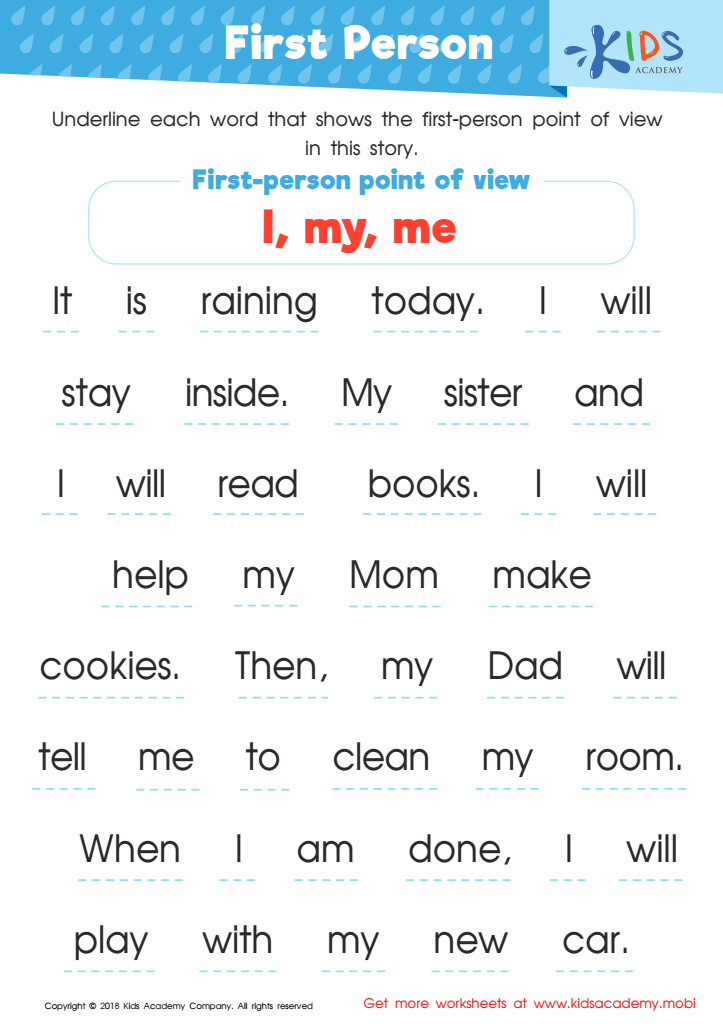
First Person Worksheet

Teachers help students understand and recognize why authors choose different points of view. This worksheet focuses on first person point of view and its pronouns (I, me and my). Students will read a story, then circle each first-person pronoun. Through this activity, they'll practice identifying the POV in a text.
First Person Worksheet
Worksheet
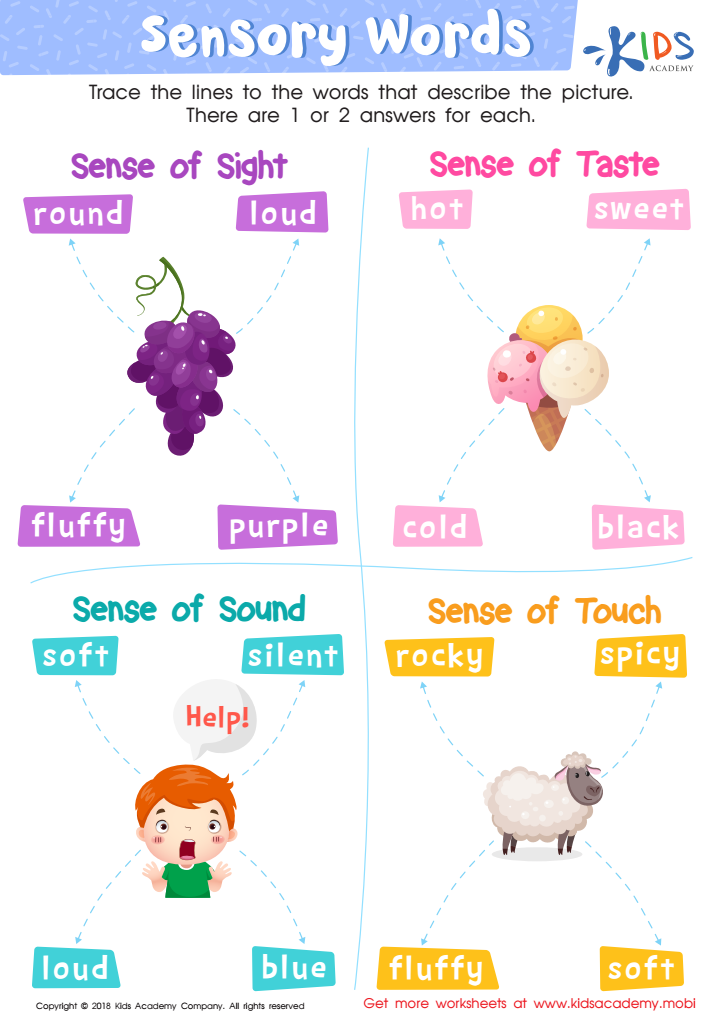
Sensory Words Worksheet

Sensory Words Worksheet

This worksheet helps students explore sensory words by looking at pictures and selecting one or two words to describe how it looks, feels, tastes, smells or sounds. Adding sensory words to texts makes them more interesting and helps students comprehend stories and articles better.
Sensory Words Worksheet
Worksheet
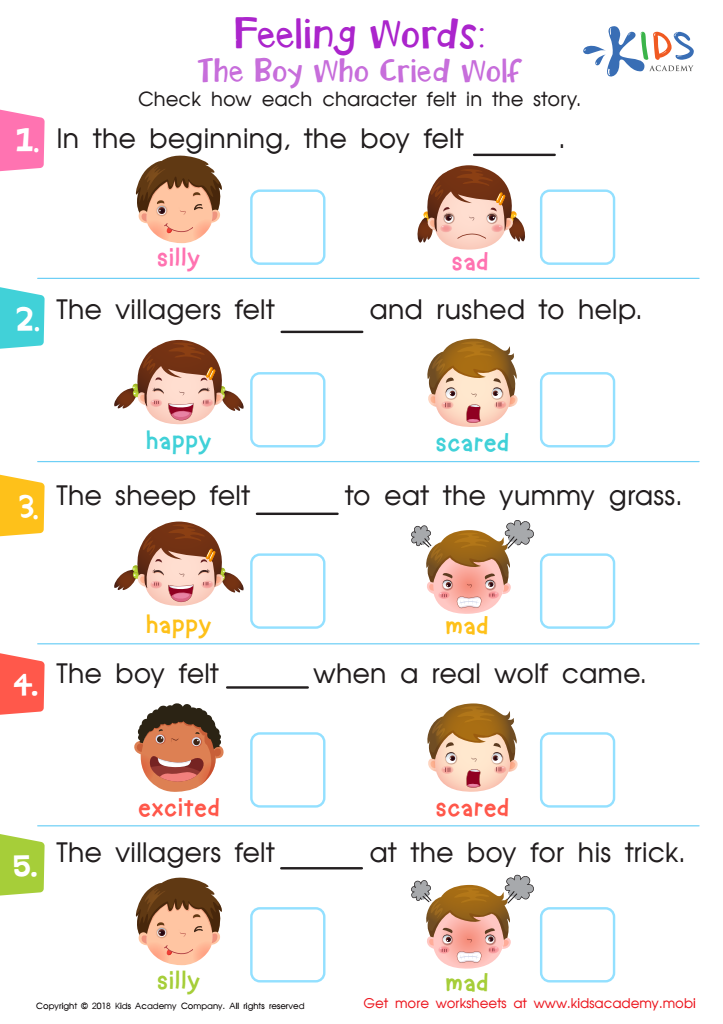
Feeling Words: The Boy Who Cried Wolf Worksheet

Feeling Words: The Boy Who Cried Wolf Worksheet

This worksheet helps students infer characters' traits and feelings by reading The Boy Who Cried Wolf. They choose the correct emotion for each character to improve their story comprehension. A great resource for the reading classroom, it teaches an essential comprehension skill.
Feeling Words: The Boy Who Cried Wolf Worksheet
Worksheet
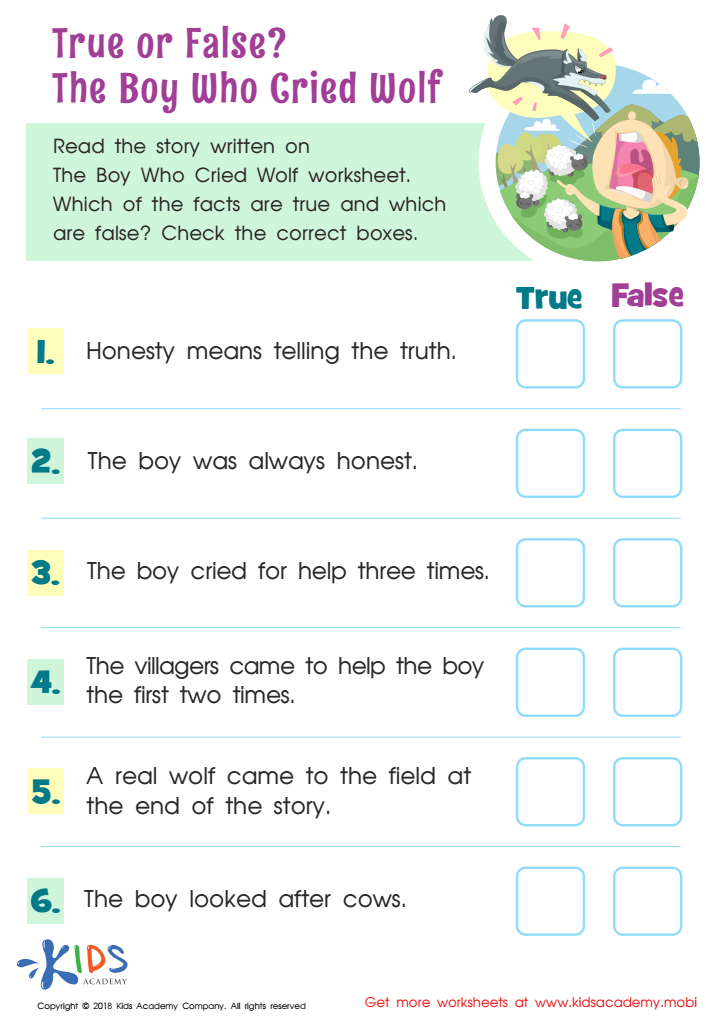
True or False? The Boy Who Cried Wolf Worksheet

True or False? The Boy Who Cried Wolf Worksheet

Test students' understanding of The Boy Who Cried Wolf with this free downloadable worksheet. It contains true/false questions to assess comprehension of key events. Easy to complete, it checks students can recall facts from the story. Try it and see!
True or False? The Boy Who Cried Wolf Worksheet
Worksheet
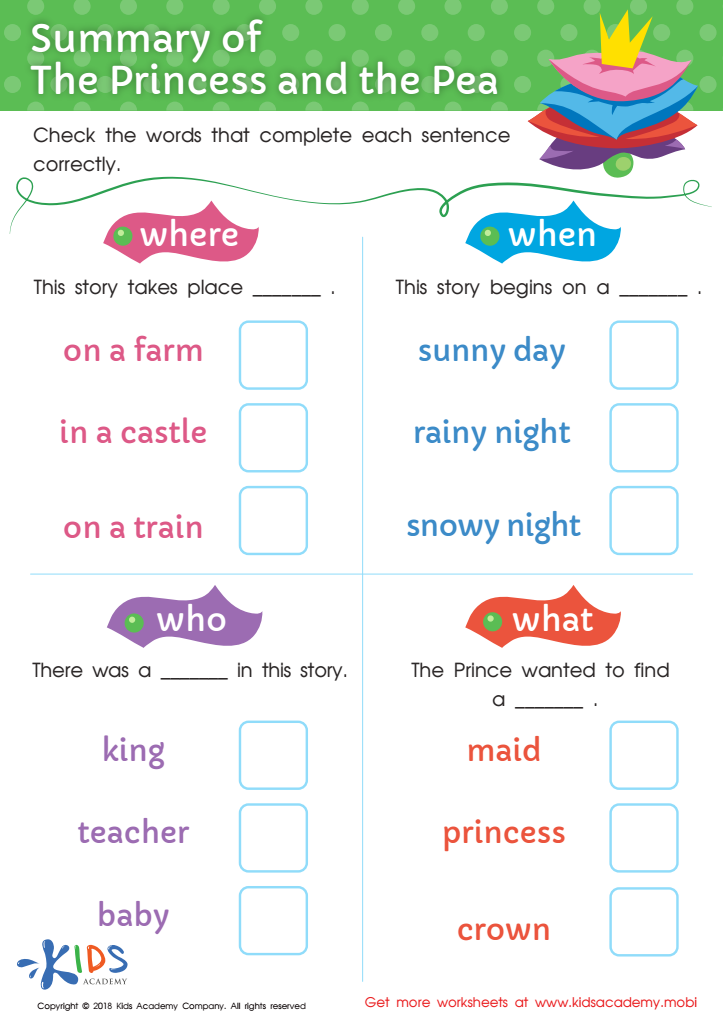
The Summary of the Princess and the Pea Worksheet

The Summary of the Princess and the Pea Worksheet

Test your student’s knowledge of the story The Princess and the Pea with this quick worksheet. With who, what, when and where questions, it's a great way to assess comprehension skills. It's a perfect resource for school or home classrooms. Download it now and start improving comprehension skills!
The Summary of the Princess and the Pea Worksheet
Worksheet
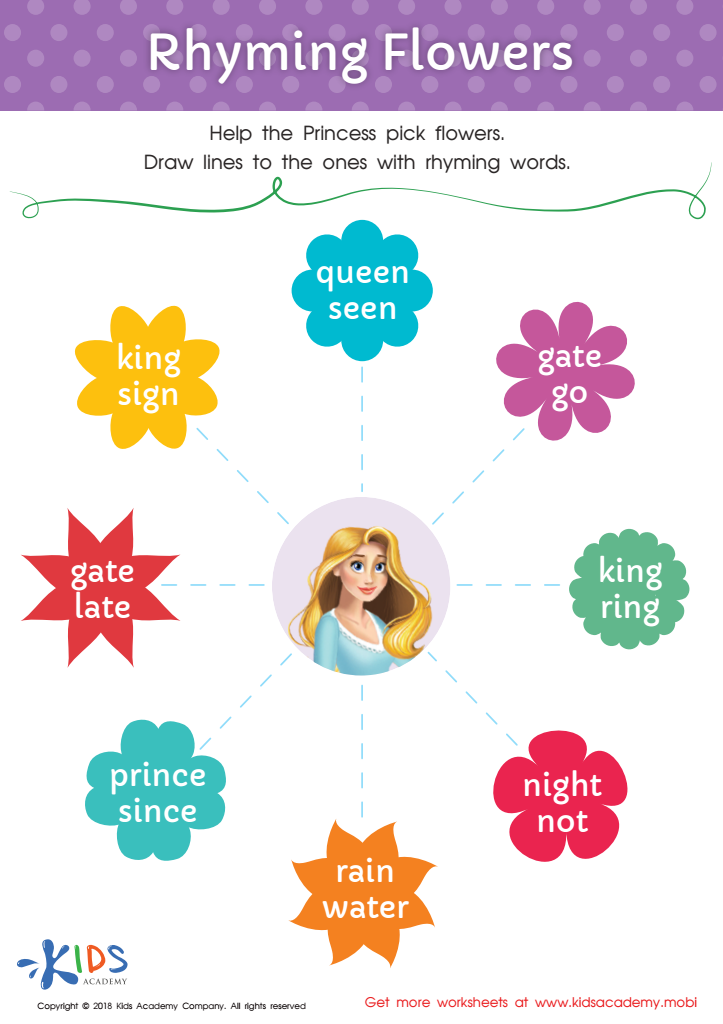
Rhyming Flowers Worksheet

Rhyming Flowers Worksheet

Recognizing rhyming words boosts phonological awareness. With this skill, students can identify similar sounds in words and predict new words more accurately. This worksheet provides practice and is ideal for the reading classroom. Download and find the rhyming words! (80 words)
Rhyming Flowers Worksheet
Worksheet
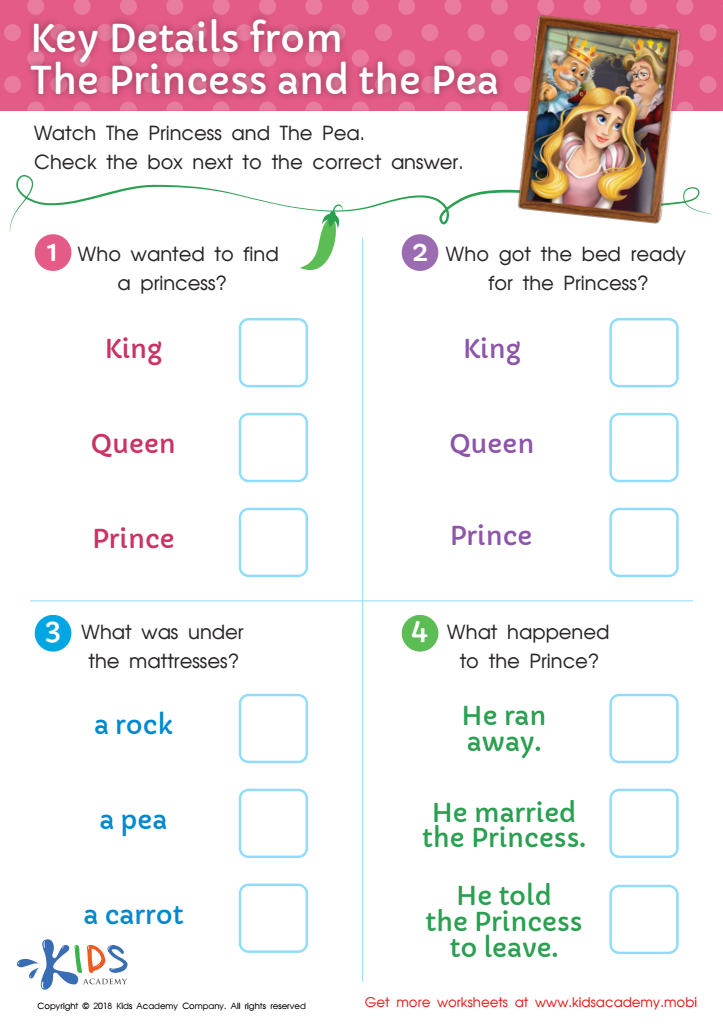
Key Details from the Princess and the Pea Worksheet

Key Details from the Princess and the Pea Worksheet

After reading The Princess and the Pea, ask your students questions to assess their comprehension of the story. Check their knowledge of key details. This printable can be used to help evaluate their understanding. Encouraging the recall of story events helps build important reading skills.
Key Details from the Princess and the Pea Worksheet
Worksheet
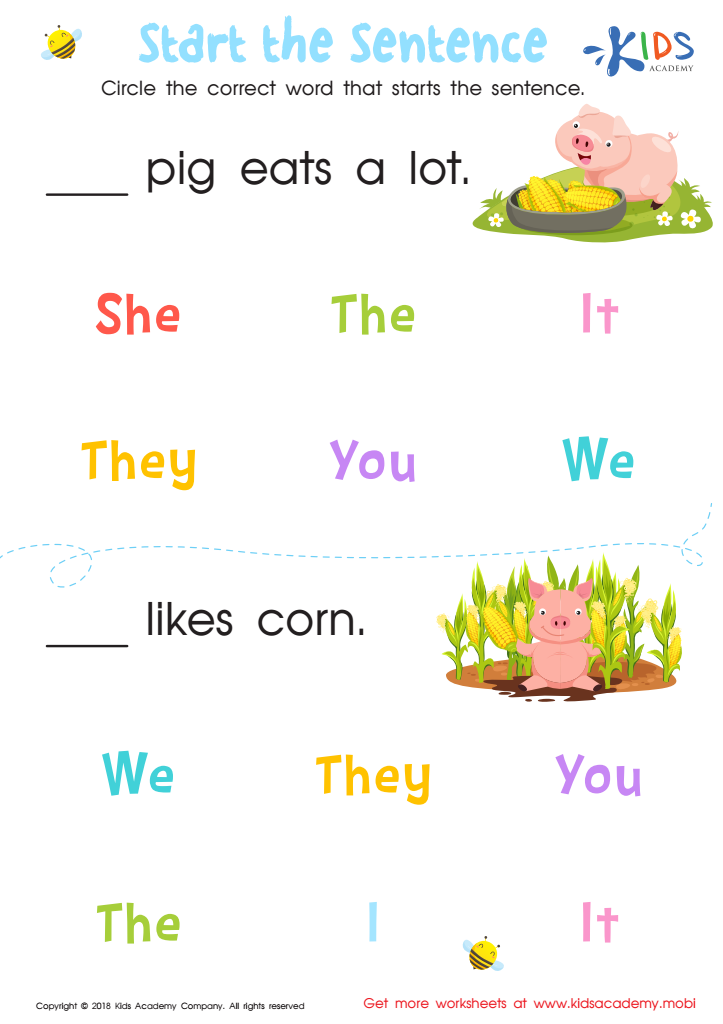
Start the Sentence Worksheet

Start the Sentence Worksheet

Test your students' understanding of sentences with this easy worksheet. Ask them to read the sentences and circle the correct word that starts each. This will show how well their lessons have paid off and if they can construct short simple sentences.
Start the Sentence Worksheet
Worksheet
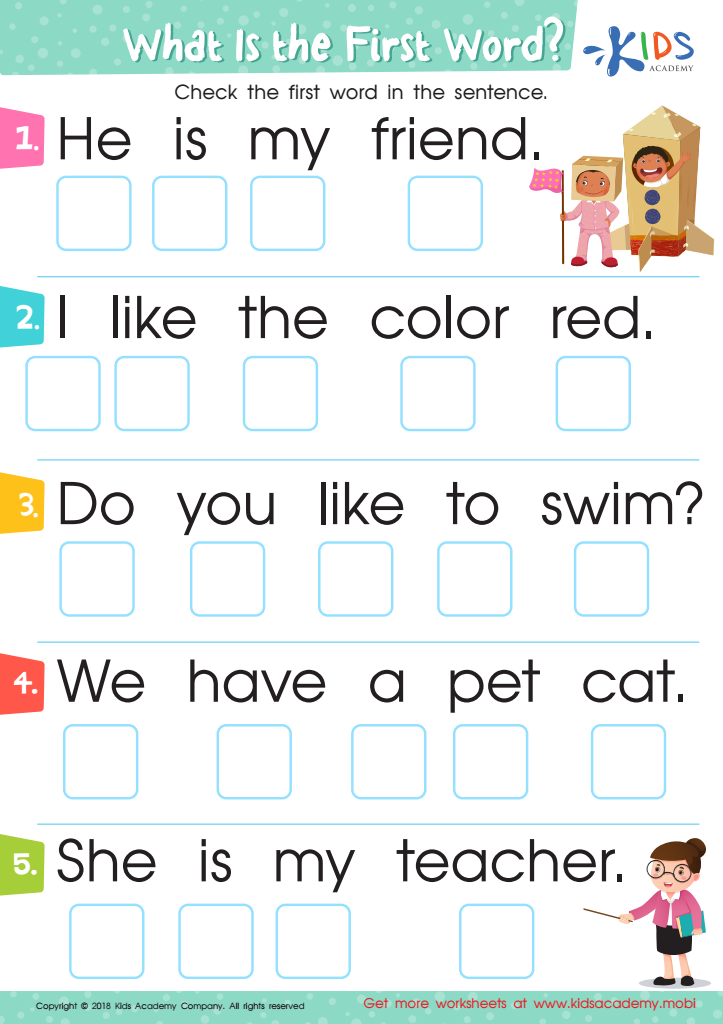
What is the First Word? Worksheet

What is the First Word? Worksheet

Help your students test their sentence-reading skills with this printout! After teaching the alphabet, have them identify and write the first word in each sentence. With this exercise, they'll gain reading proficiency and be better prepared to write their own sentences.
What is the First Word? Worksheet
Worksheet
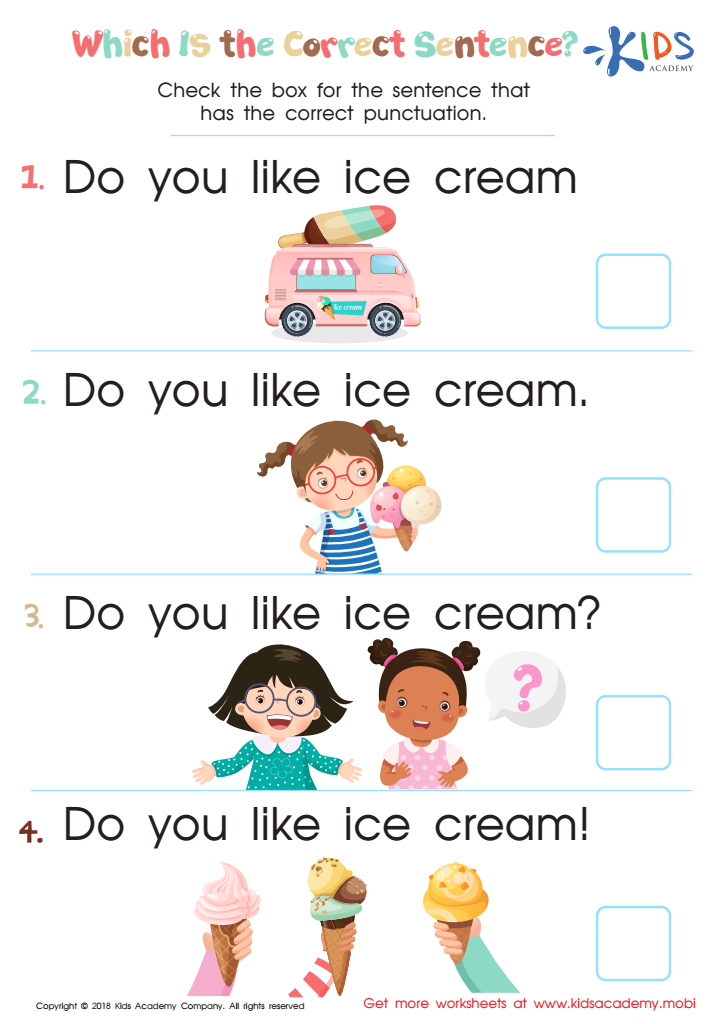
Which is the Correct Sentence? Worksheet

Which is the Correct Sentence? Worksheet

Punctuation is crucial in sentence formation. If your kid still doesn't grasp it, bigger hurdles await when writing sentences. Get them to read simple sentences, then ask if they know the right punctuation. Assist them in selecting the sentence that has the accurate punctuation.
Which is the Correct Sentence? Worksheet
Worksheet
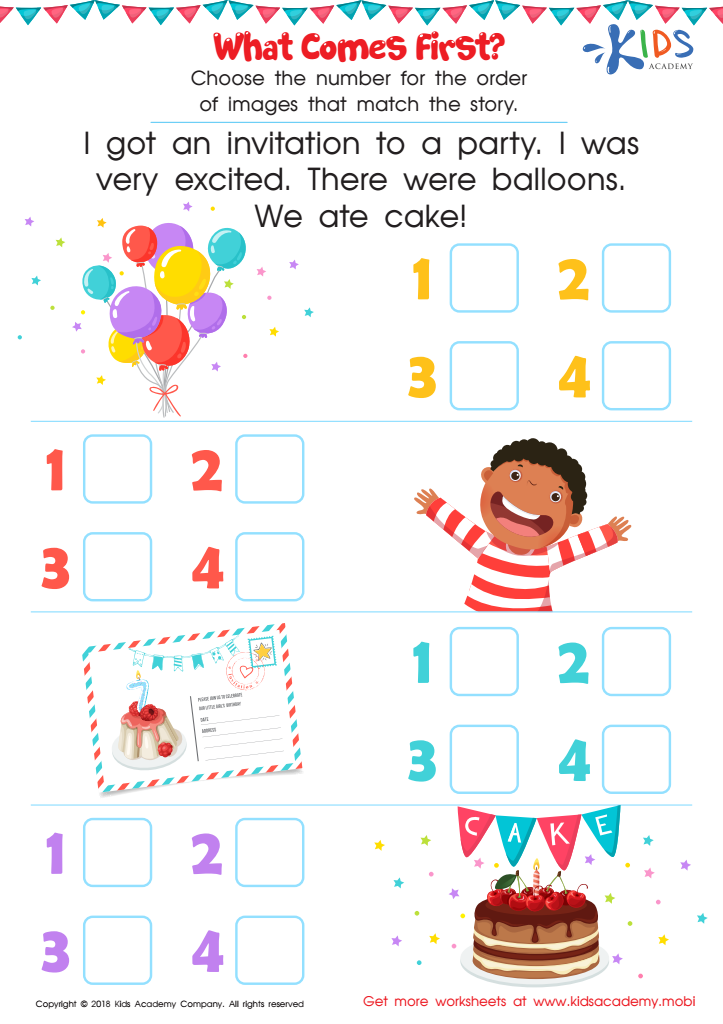
What Comes First Worksheet

What Comes First Worksheet

Before you start, ask your child what they see in the picture. Read the story aloud together, then show them the images in order, numbered 1-5. Ask them to choose the numbers that match the story. Have fun and enjoy this party worksheet with your little one! (80 words)
What Comes First Worksheet
Worksheet
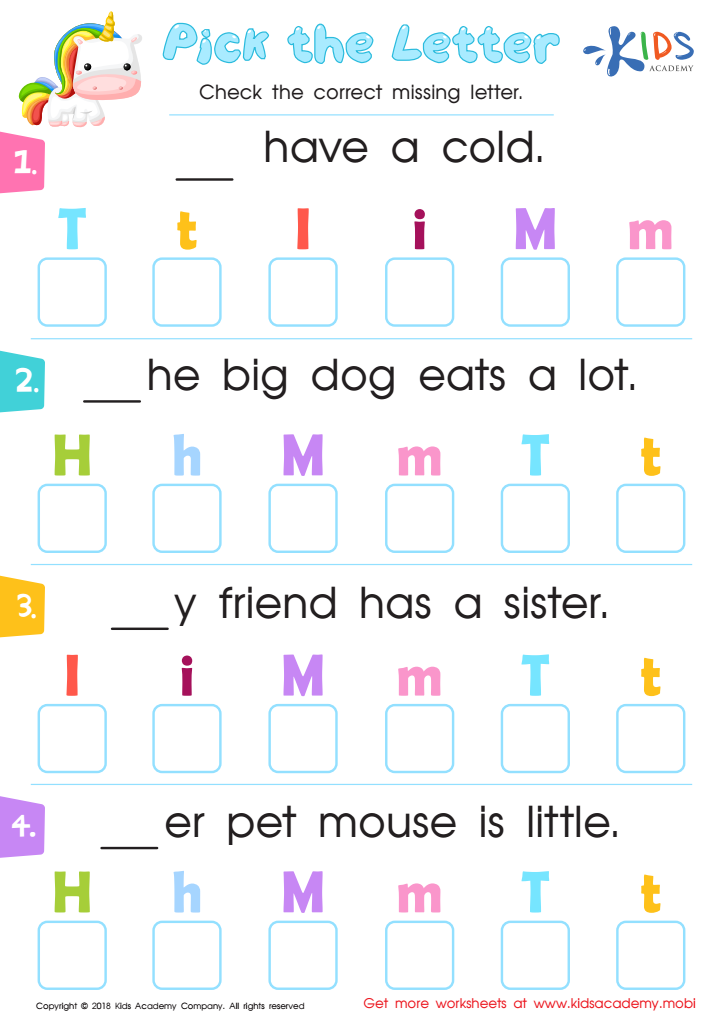
Pick the Letter Worksheet

Pick the Letter Worksheet

Put your child's capitalization and reading skills to the test with this missing letter worksheet! Have them look at each sentence, note the blank and review the letters below. Find the uppercase letter that should start each sentence and check the boxes to complete. Fun and colorful, this worksheet is sure to keep your child engaged!
Pick the Letter Worksheet
Worksheet
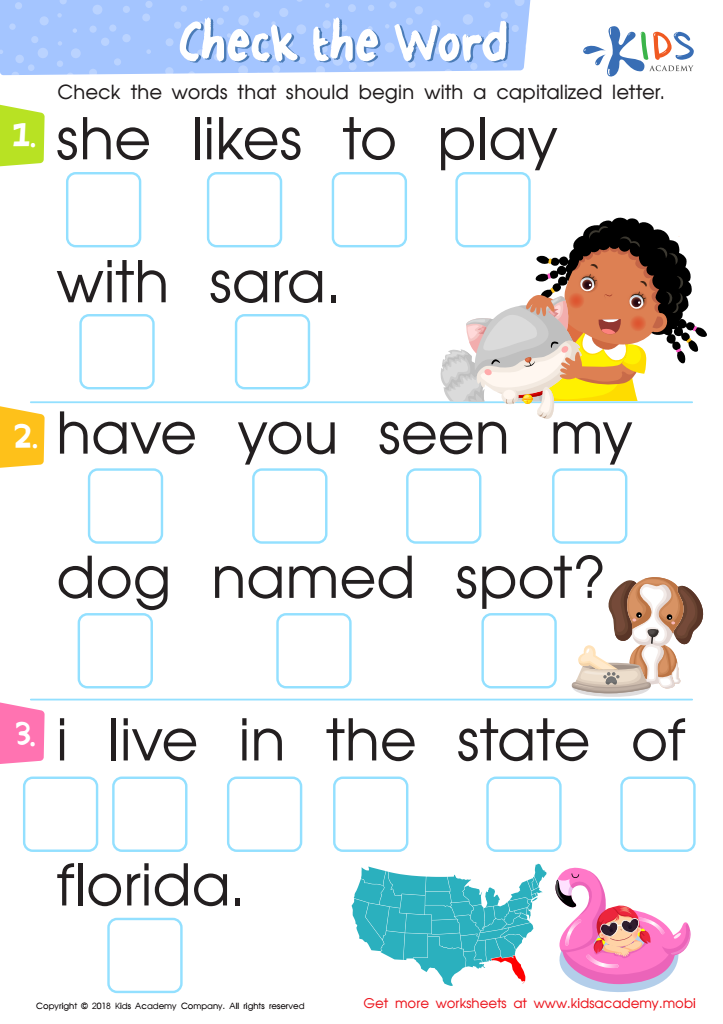
Check the Word Worksheet

Check the Word Worksheet

Help your kids learn the rules of capitalisation - that the first word of each sentence and nouns must start with a capital letter. Use this worksheet to test their understanding: ask them to identify which words should begin with a capital.
Check the Word Worksheet
Worksheet
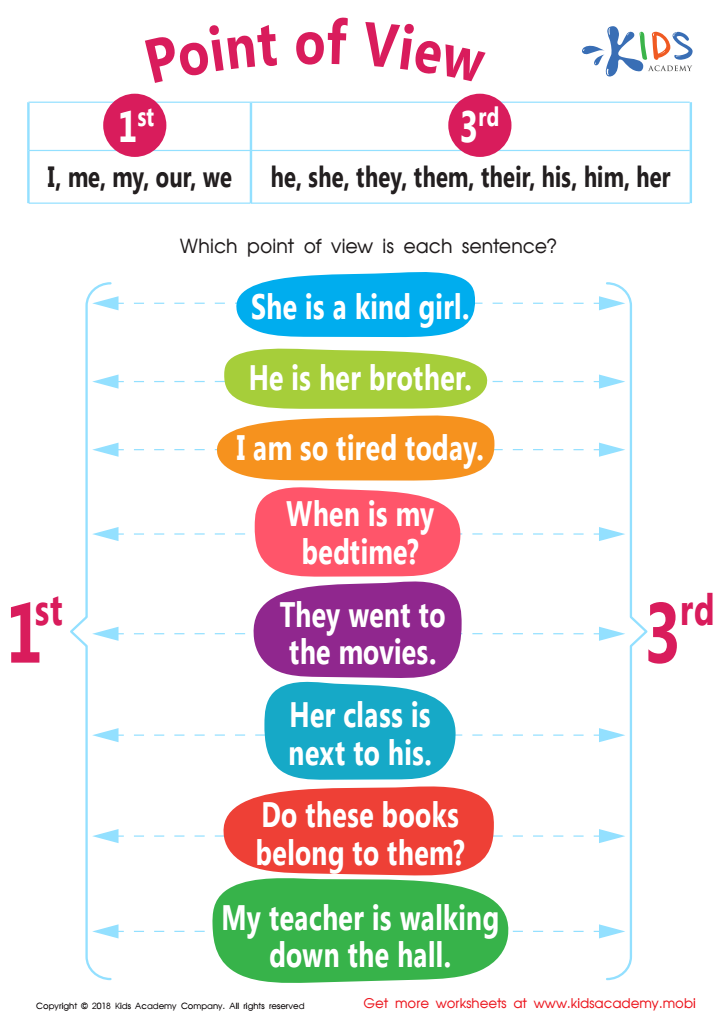
Point of View Worksheet

Point of View Worksheet

This printable worksheet helps kids understand Point of View by providing 1st and 3rd person choices. It's a fun way to practice differentiating between the two viewpoints and improve their reading comprehension. Match the sentences to 1st or 3rd person to strengthen understanding and enjoy the task!
Point of View Worksheet
Worksheet
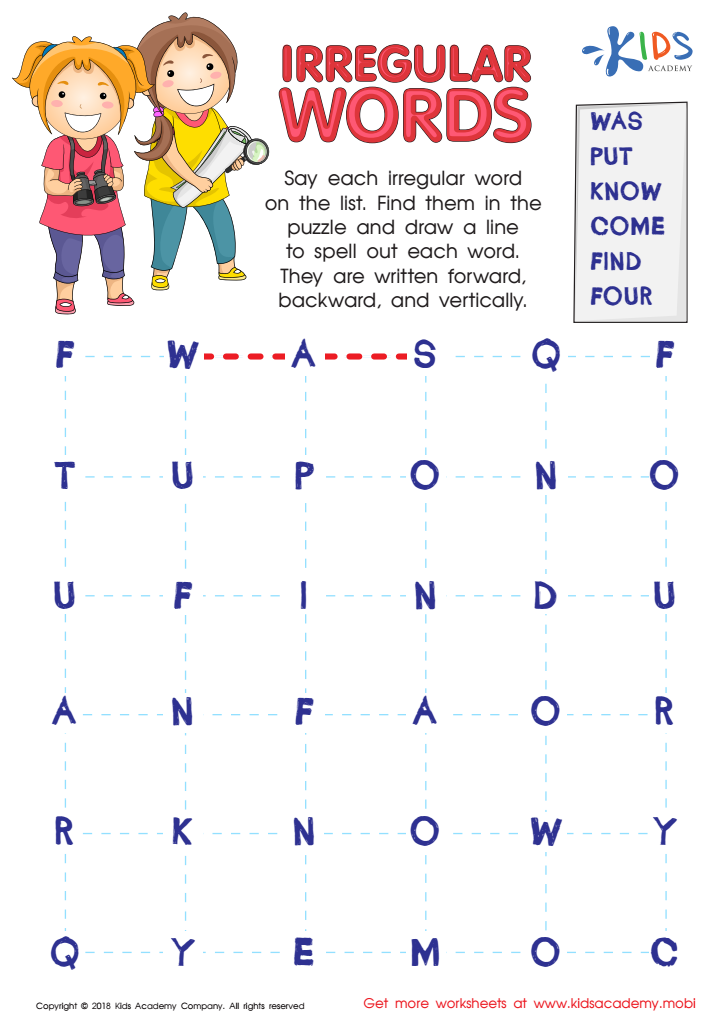
Irregular Words Worksheet

Irregular Words Worksheet

This fun word search worksheet helps kids practice reading irregular words and build their sight word banks. They'll also get practice with visual discrimination and fine motor skills as they hunt down the words.
Irregular Words Worksheet
Worksheet
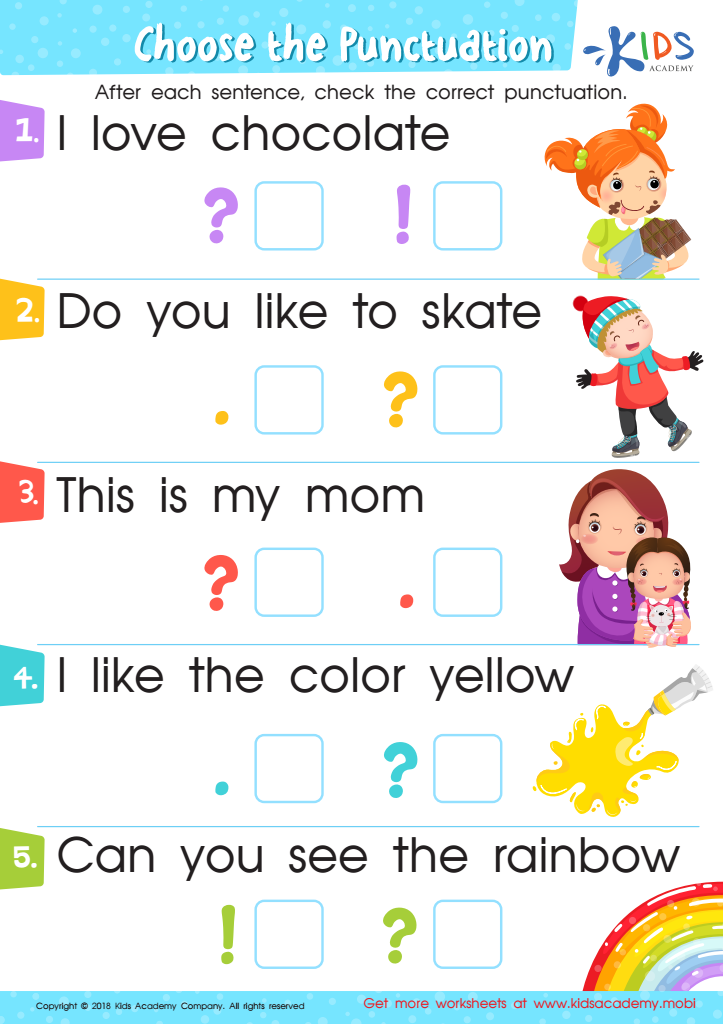
Choose the Punctuation: Assessment Worksheet

Choose the Punctuation: Assessment Worksheet

Does your child know punctuations? Found at the end of words, they signify the tone of the sentence. Ask them which punctuations they use daily. With your little one, look at a worksheet. Read each sentence aloud and ask them to identify the two punctuations given. Instruct them to choose the correct one. 80 words.
Choose the Punctuation: Assessment Worksheet
Worksheet
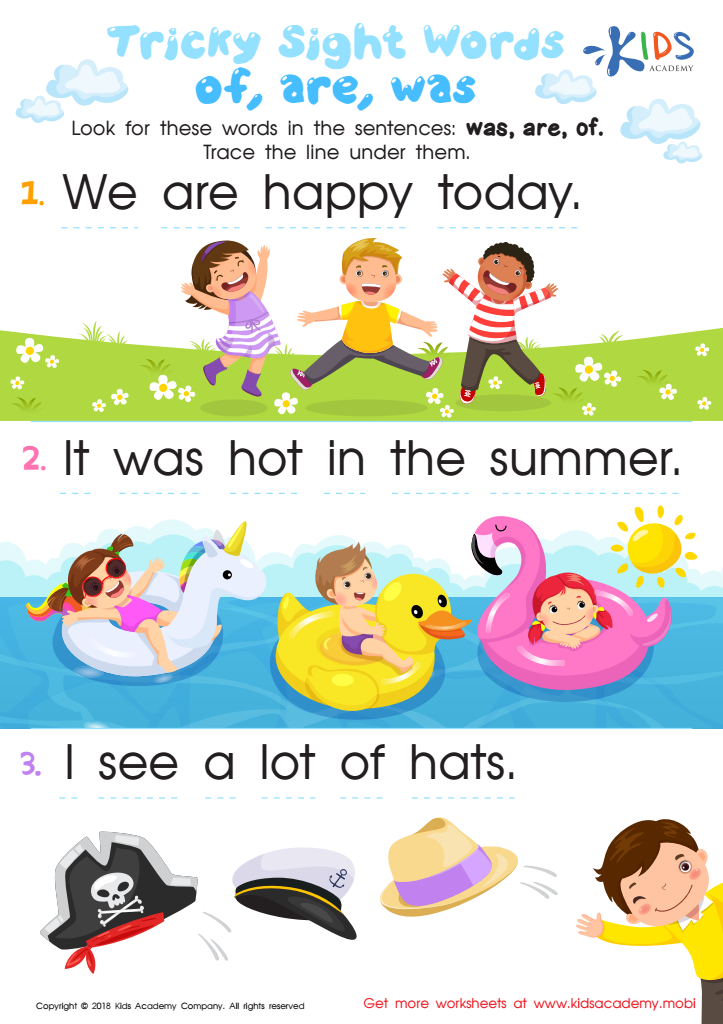
Tricky Sight Words Worksheet

Tricky Sight Words Worksheet

Read the sentences to your students. Ask them to spot words 'of, are, was' and trace the line under them. It could be challenging for them to use them correctly or understand their meanings. Provide help where needed.
Tricky Sight Words Worksheet
Worksheet
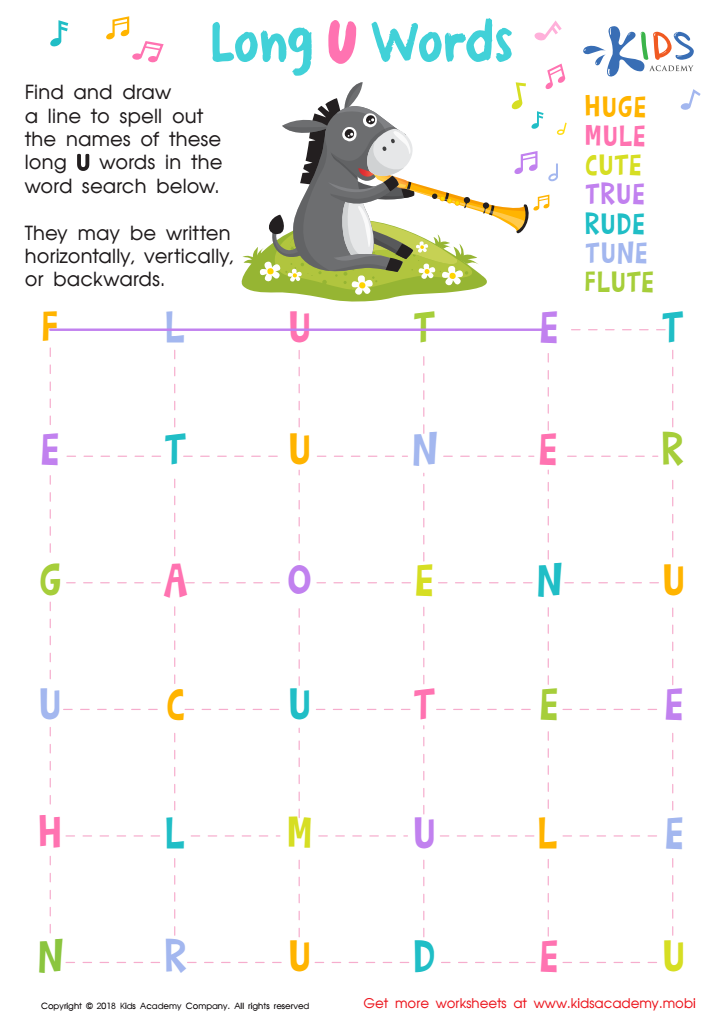
Long /u/ Words Worksheet

Long /u/ Words Worksheet

Your child needs to learn phonetics to enunciate and differentiate words. This fun worksheet encourages them to find and draw lines connecting the long 'U' words in the word search. Help them read the words on the right side of the picture, then look for them in the word search (horizontally, backwards or vertically).
Long /u/ Words Worksheet
Worksheet


Normal reading for 7-year-olds is a pivotal aspect of their educational journey, helping them transition from learning to read to reading to learn. At this age, children are expanding their vocabulary, improving their comprehension skills, and beginning to explore more complex texts. Normal worksheets on reading are especially useful tools in facilitating this growth, offering a structured approach that caters to the unique developmental needs of 7-year-olds.

Firstly, these worksheets are designed to align with the cognitive and linguistic capabilities of 7-year-olds, presenting challenges that are just right for their level. This ensures that children are neither overwhelmed by difficulty nor bored by simplicity, maintaining their engagement and motivation. Normal reading worksheets often include a mix of reading passages, comprehension questions, and vocabulary exercises that are calibrated for second graders, promoting a balanced development of reading skills.

Moreover, such worksheets provide invaluable practice in critical thinking and comprehension. Through carefully crafted questions, children are encouraged to delve deeper into texts, identifying main ideas, inferring meanings, and making connections. This enhances their analytical skills, which are crucial for academic success across all subjects.

Finally, normal reading worksheets for 7-year-olds offer a spectrum of genres, from fiction and non-fiction to poetry, exposing children to a variety of writing styles. This not only broadens their understanding and appreciation of literature but also sparks their imagination and creativity.

In sum, normal reading worksheets are instrumental in bolstering the reading capabilities of 7-year-olds, laying a solid foundation for their future academic endeavors and fostering a lifelong love for reading.