Online Community Worksheets for Grade 2
28 filtered results
Difficulty Level
Grade
Age
-
From - To
Subject
Activity
Standards
Welcome to our enriching selection of Online Community Worksheets for Grade 2! These downloadable and printable resources are expertly designed to engage young learners in understanding the intricacies of communities near and far. Through interactive activities, vibrant illustrations, and thought-provoking questions, second graders will explore roles, responsibilities, and the diverse aspects of neighborhoods and societies. These worksheets align with educational standards, ensuring your child not only enjoys their learning experience but also builds a solid foundation in social studies. Dive into our Online Community Worksheets and watch your Grade 2 student grow in knowledge and curiosity about the world they live in!
Favorites
With answer key
Interactive
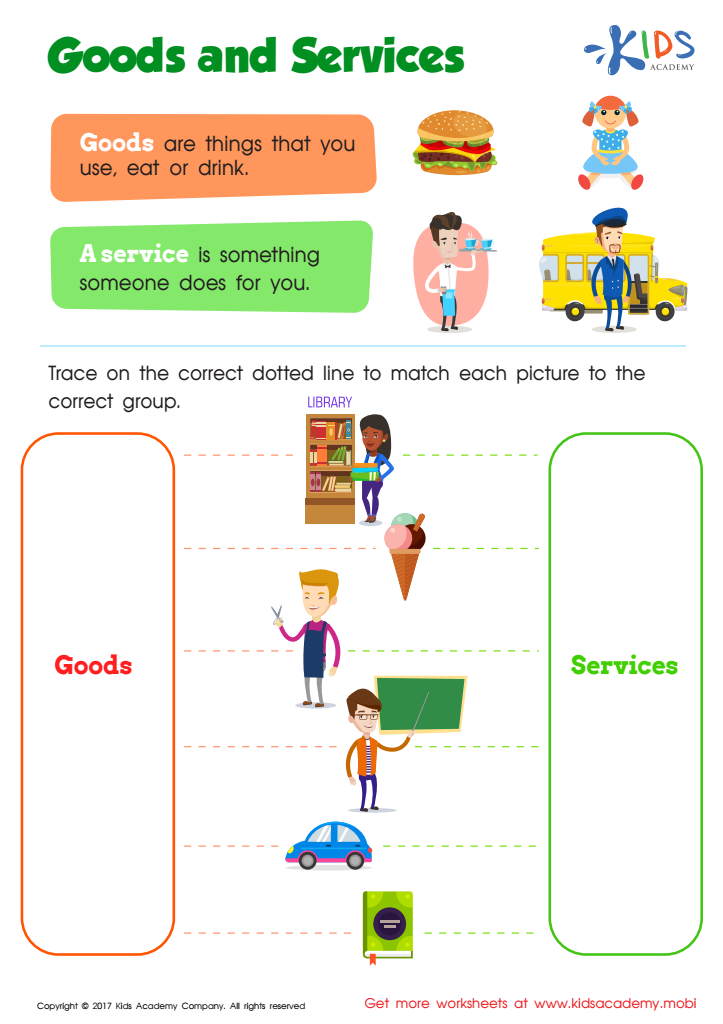
Services Worksheet
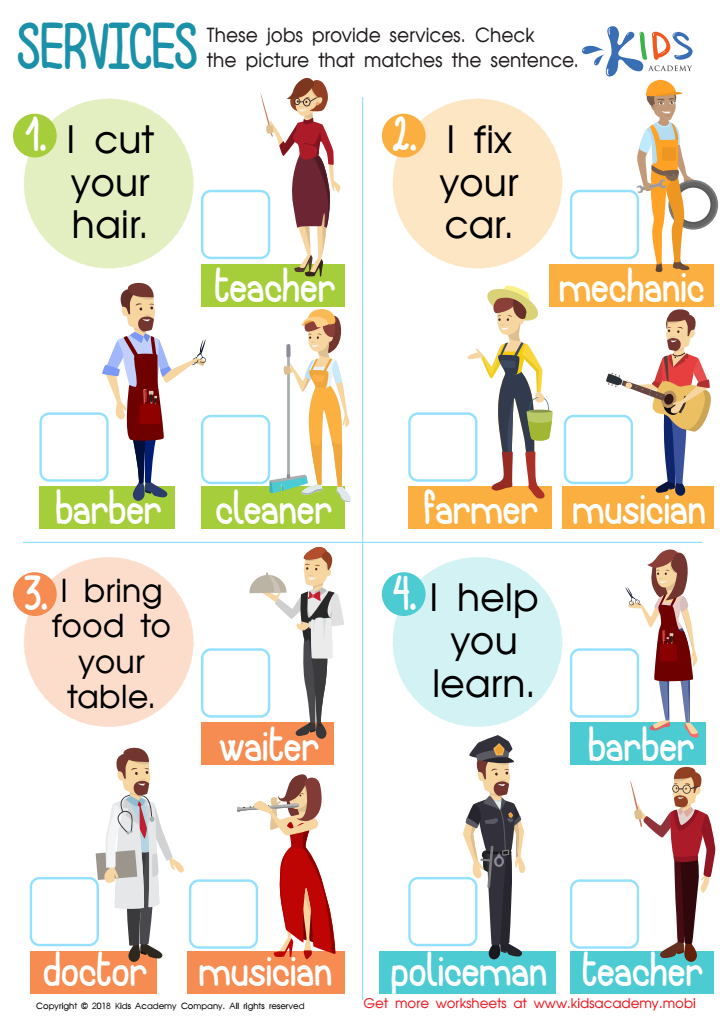
Help your child learn the difference between services and goods with this Kids Academy worksheet. Guide your child to read each sentence and select the correct worker who does the job for the service. With this worksheet, your child can learn about common services in the community.
 Assign to My Students
Services Worksheet
Worksheet
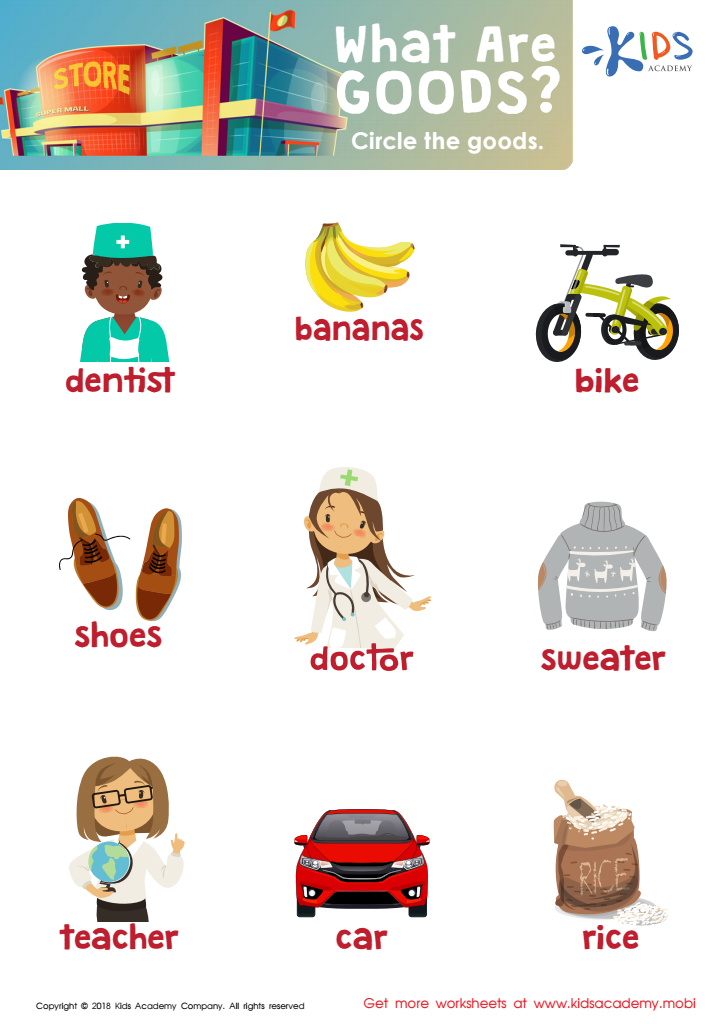
What Are Goods? Worksheet
Introduce your child to economics with this social studies worksheet! It helps kids differentiate between goods and services. Have them look at each picture, discuss what it does, and decide whether it's an object or a service. Encourage them to think carefully and circle the goods. It's a great way to start teaching the basics of economics.
What Are Goods? Worksheet
Worksheet
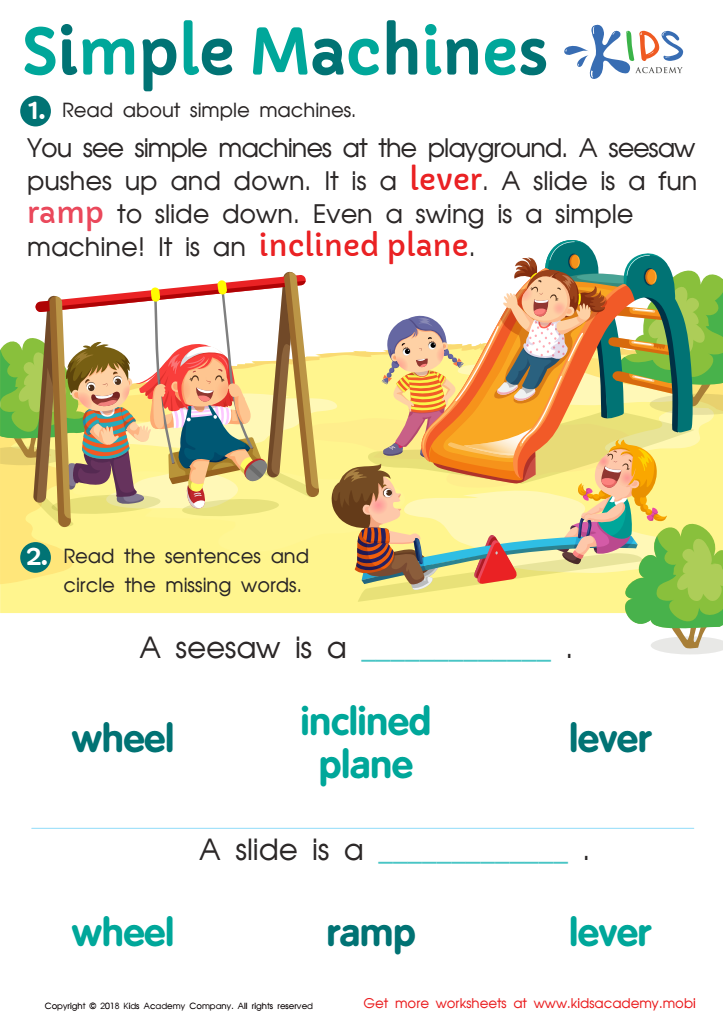
Simple Machines Worksheet
At the playground, your kids likely love to play and swing. Swings are simple machines – they work by using force to move something. Read the following sentences to them, with some words missing - help them fill in the blanks. Simple machines make work easier by __changing__ the size or __direction__ of a force. Swings use a _fulcrum_ and a _lever_ to move.
Simple Machines Worksheet
Worksheet
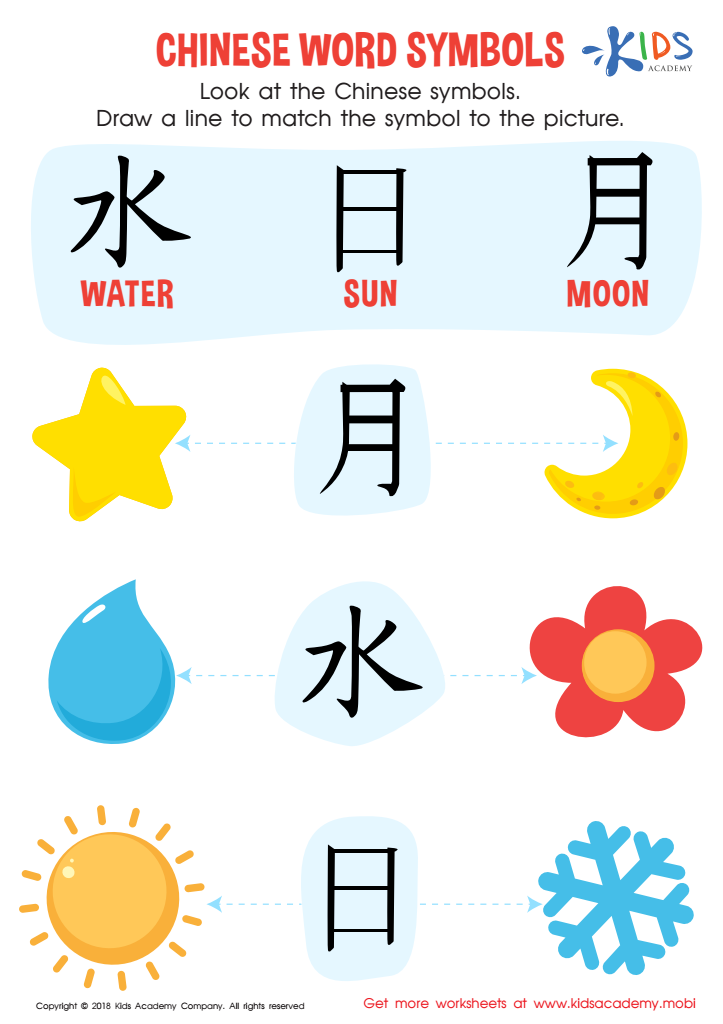
Chinese Word Symbols Worksheet
This fun worksheet helps kids learn Chinese symbols for words like water, sun, and moon. Paired with colorful pictures, tracing lines encourages fine motor skills and builds success. Kids will learn without realizing it, having fun in the process.
Chinese Word Symbols Worksheet
Worksheet
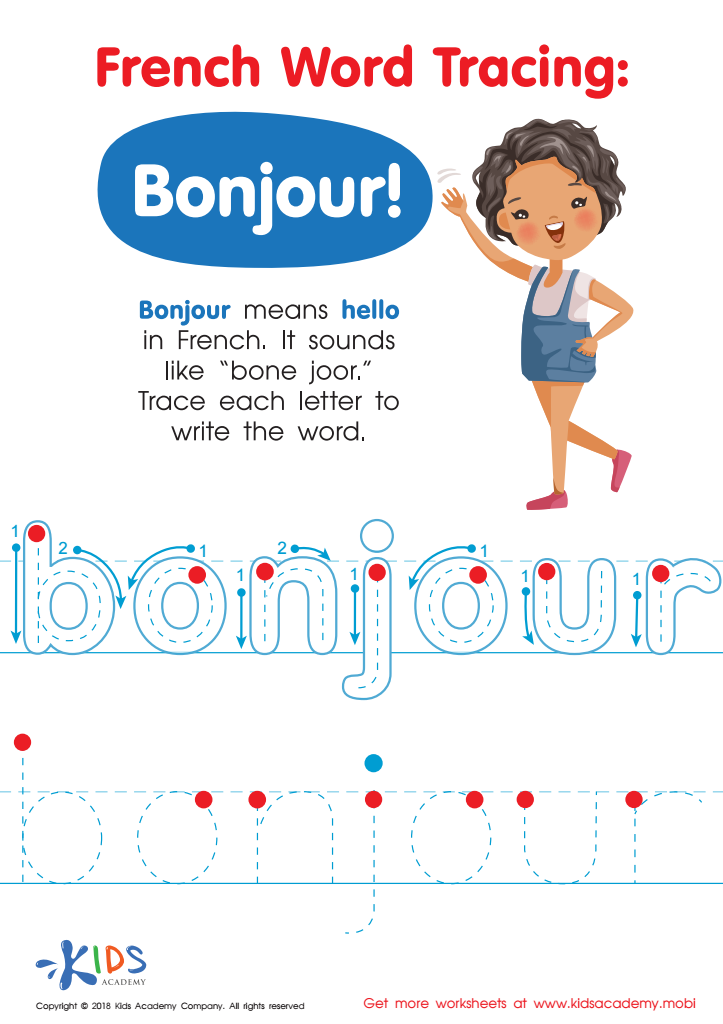
French Word Tracing: Bonjour Worksheet
Students can learn about culture and practice writing and saying "Bonjour" using the traceable lines. Guide dots support top-to-bottom patterning and left-to-right reading/writing. It's an ideal introduction to different greetings and connecting as global citizens.
French Word Tracing: Bonjour Worksheet
Worksheet
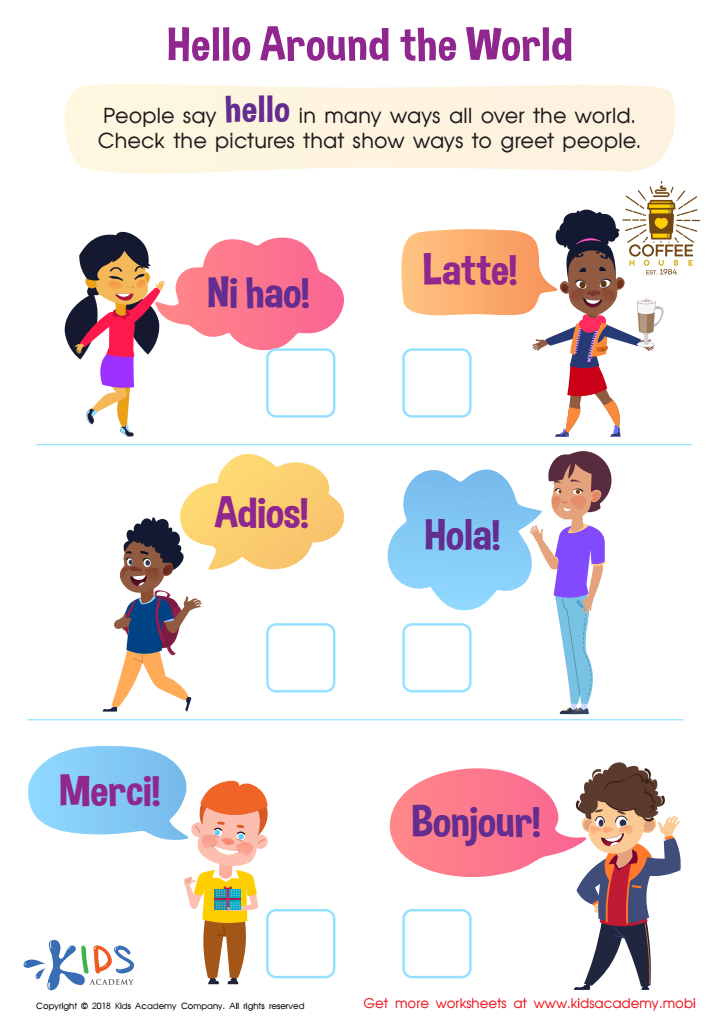
Hello Around the World Worksheet
This fun and cheery worksheet helps kids explore different cultures and how people greet each other around the world. With colorful pictures and clues, they'll check off greetings from different countries and learn more about the world.
Hello Around the World Worksheet
Worksheet
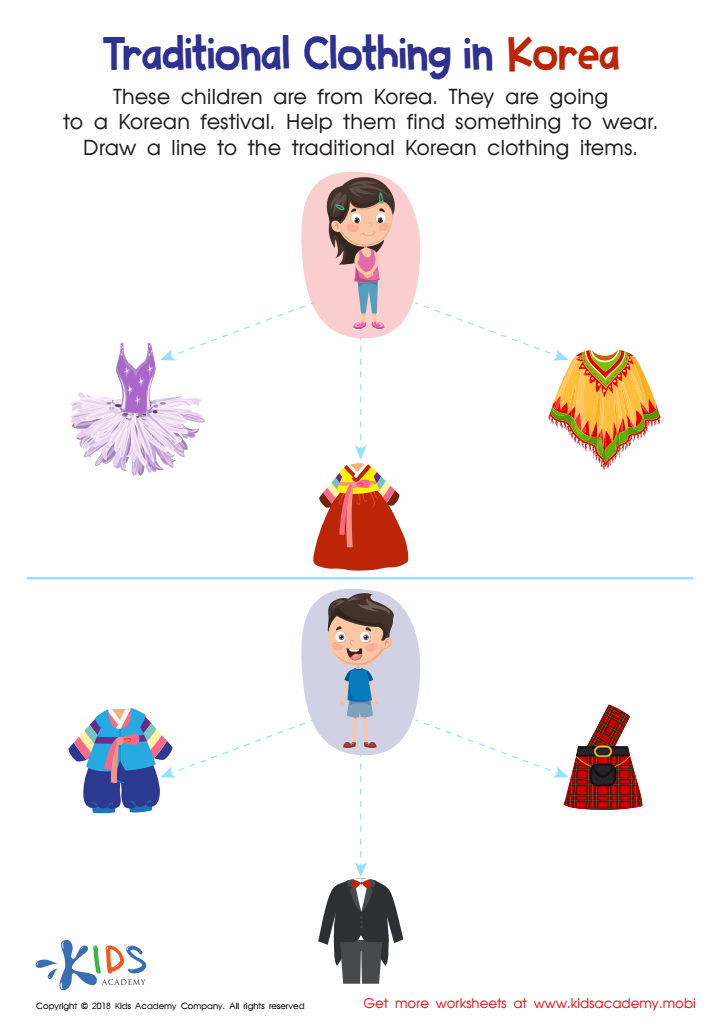
Traditional Clothing in Korea Worksheet
Students can explore global cultures through this fun PDF worksheet. It introduces Korean children and a Korean festival. Students can choose the children's clothing using traceable lines. It's essential for our globally connected students to learn about different traditions, clothing, foods and cultures of other countries.
Traditional Clothing in Korea Worksheet
Worksheet
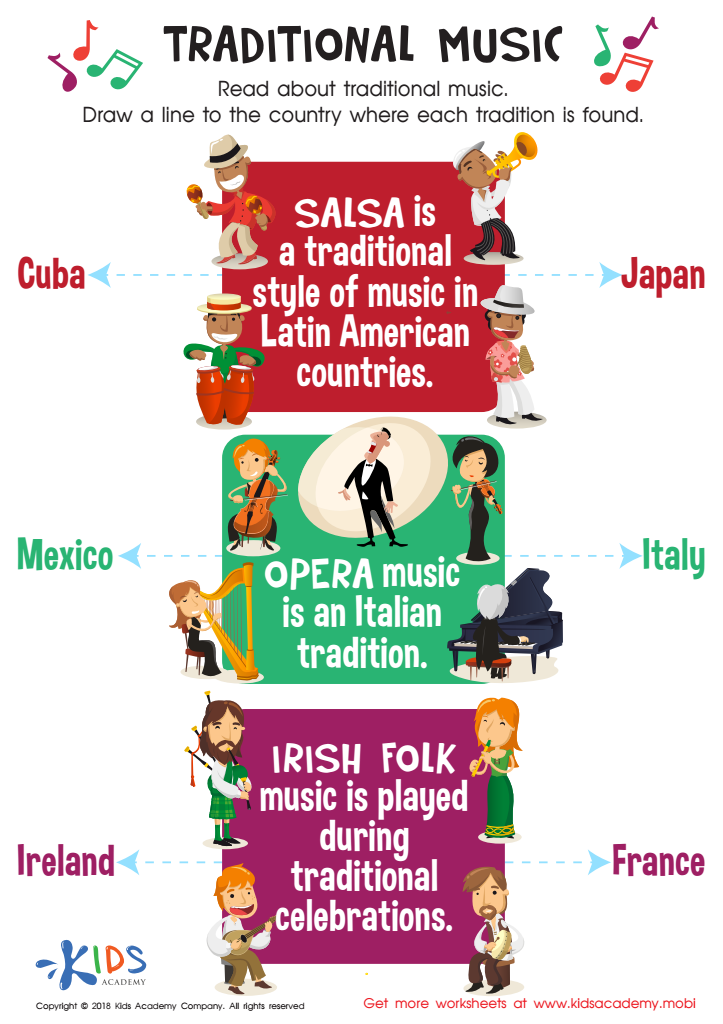
Traditional Music Worksheet
Exploring different countries' music is a great way for global learners to appreciate their place in the world. This worksheet helps them match music - like Salsa and Irish Folk - to various geographic regions with colorful visuals. It boosts reading comprehension while supporting their cultural understanding.
Traditional Music Worksheet
Worksheet
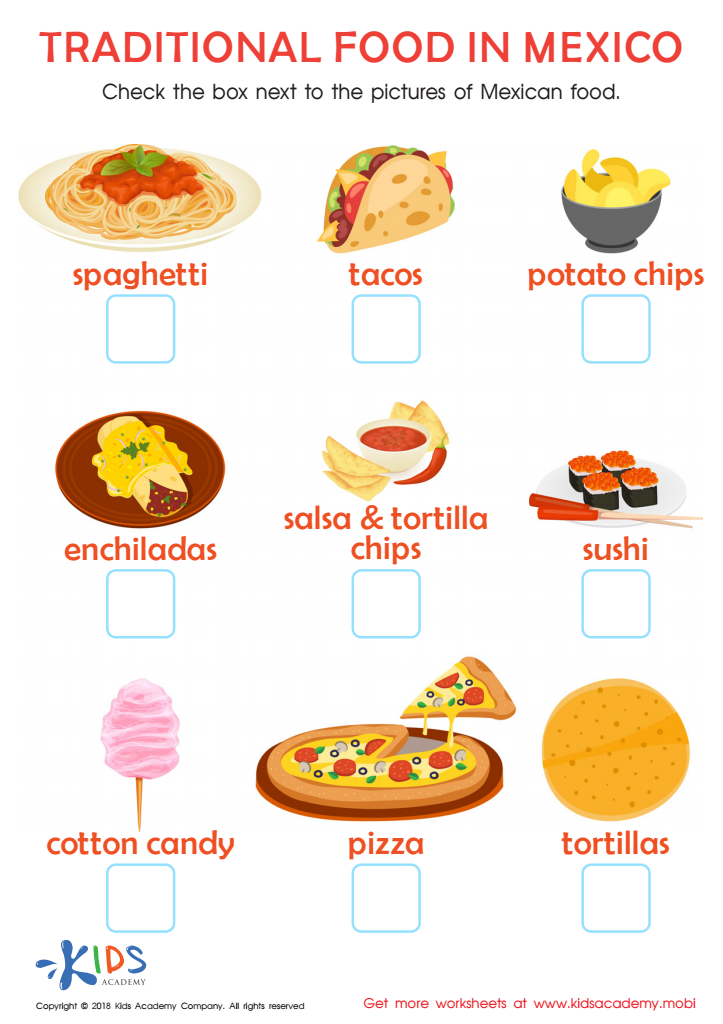
Traditional Food in Mexico Worksheet
This colorful worksheet offers a great opportunity to learn about traditional Mexican foods, build vocabulary and practice visual discrimination. As many of the words are not phonetic, this practice can help improve fluency, vocabulary and comprehension when encountered in reading. Culturally diverse, it's great for readers looking to expand their knowledge.
Traditional Food in Mexico Worksheet
Worksheet
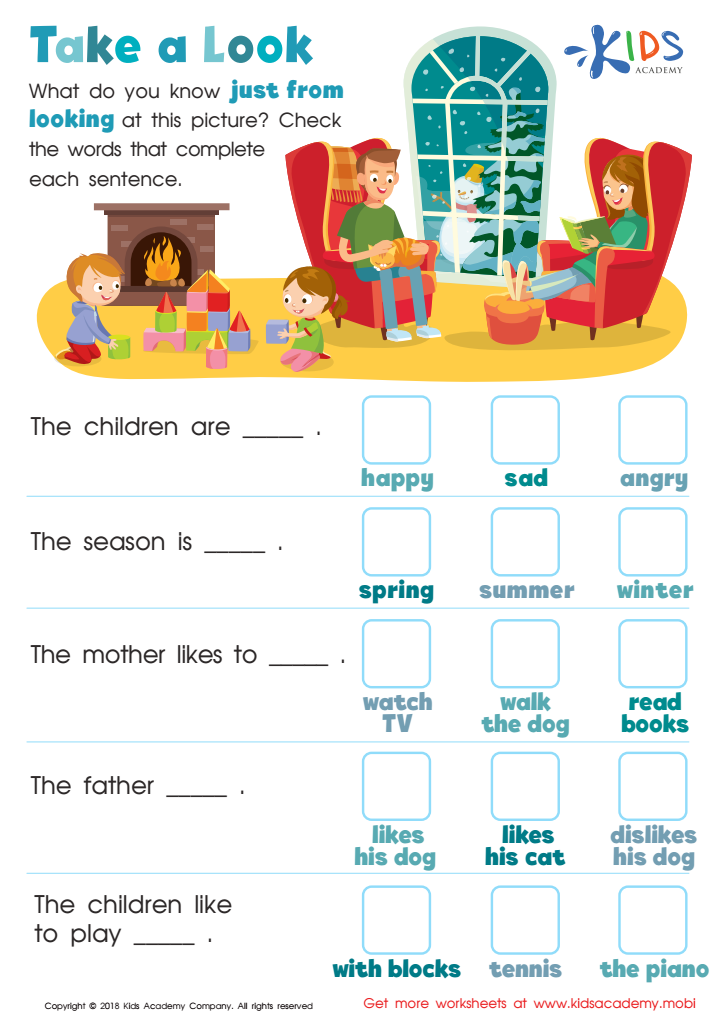
Take a Look - Part 1 Worksheet
Young learners gain understanding when using picture clues when reading. Looking at illustrations can help students learn the meaning of key vocabulary when reading fiction or informational text. Ask your students to look at the worksheet and observe what they can learn from the picture. It's a great comprehension strategy for early readers.
Take a Look - Part 1 Worksheet
Worksheet
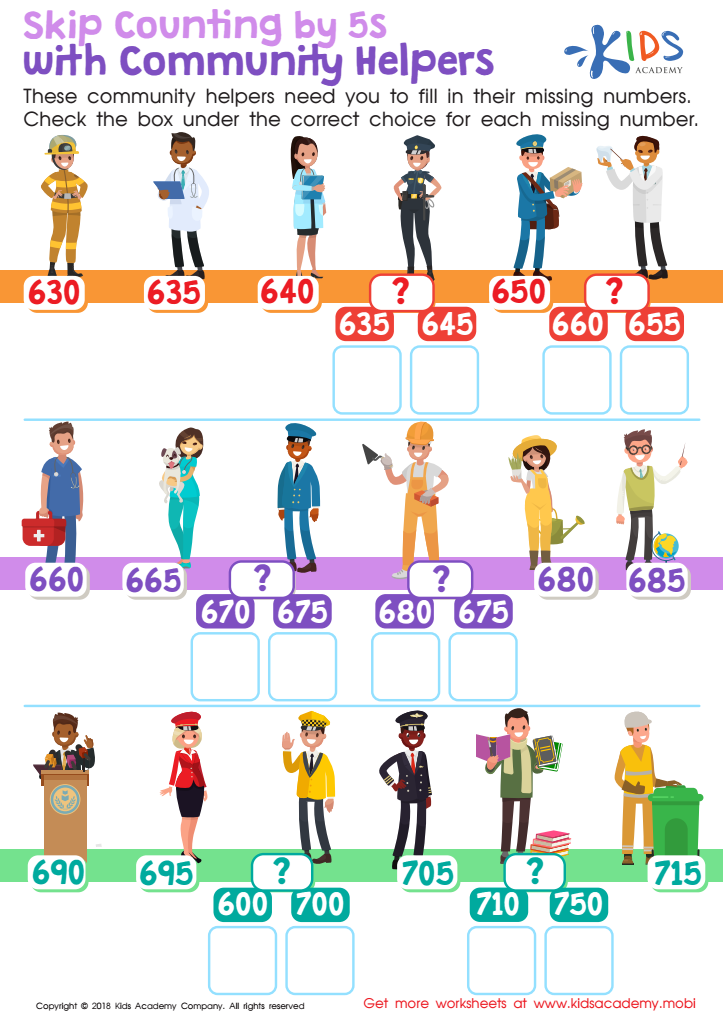
Skip Counting by 5s With Community Helpers Worksheet
This free worksheet combines social studies with math! Kids will practice counting by 5s, rounding numbers and honing their computation skills while also familiarizing themselves with community helpers. Develop your child's number sense and strengthen their math skills - all through a fun and interactive activity.
Skip Counting by 5s With Community Helpers Worksheet
Worksheet
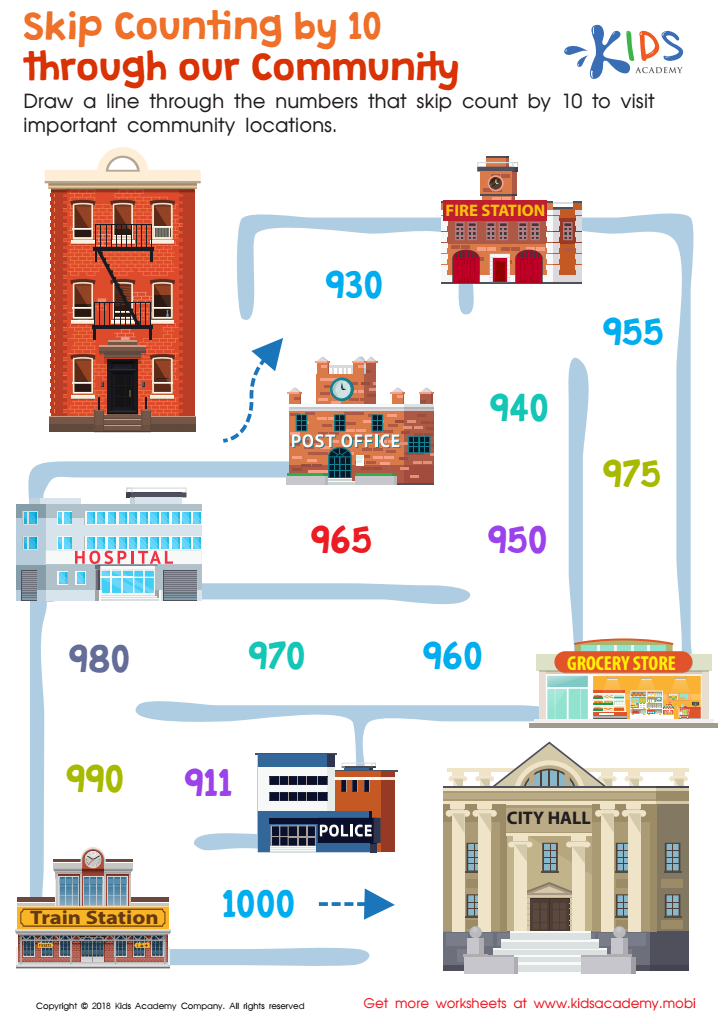
Skip Counting by 10 Through Our Community Worksheet
Our kids need to 'make a ten' and skip count by tens to boost their speed and accuracy in math. This cool, free worksheet takes them on a journey through their local community to practice counting by tens. They'll work on social studies and fine motor skills while having fun with the maze they get to count by tens in!
Skip Counting by 10 Through Our Community Worksheet
Worksheet
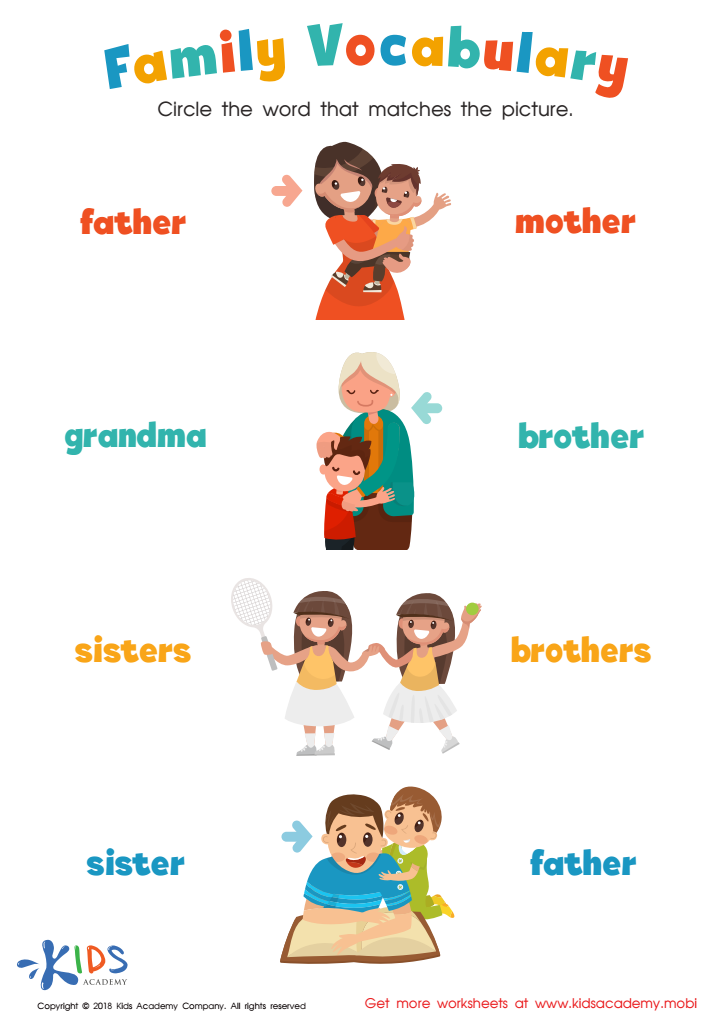
Family Vocabulary Worksheet
Students learn about families in social studies. This worksheet helps them identify family members by looking at a picture and circling the corresponding word. To extend their learning, ask them to talk about their own family members.
Family Vocabulary Worksheet
Worksheet
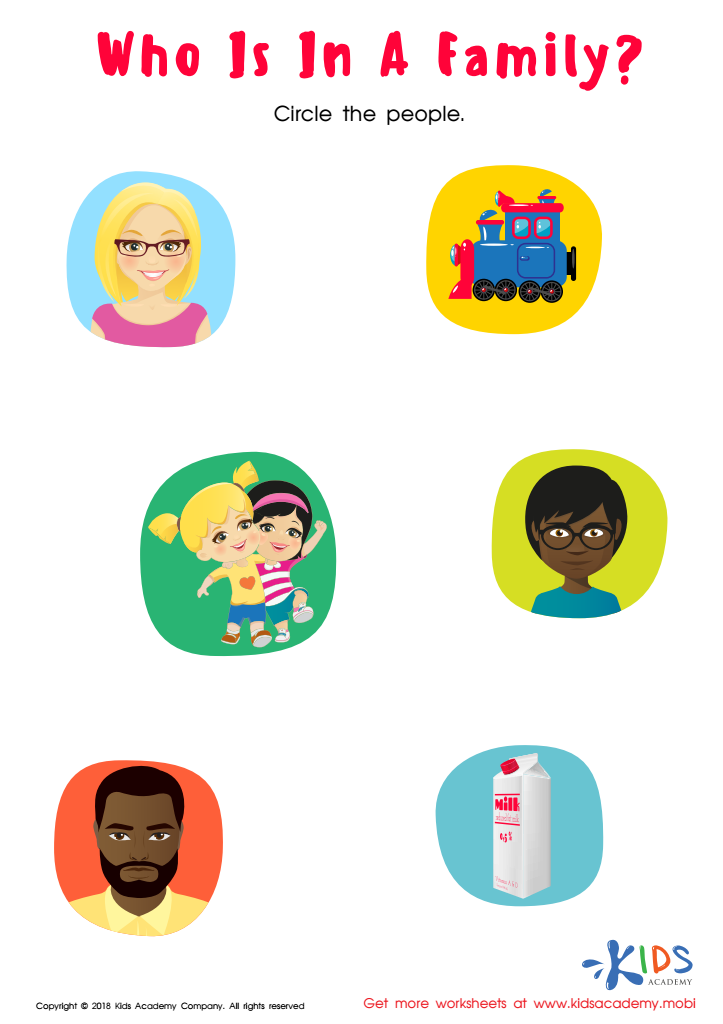
Who Is in a Family? Worksheet
Kids enjoy discussing families. This easy, colorful worksheet helps them determine if a person or thing is in a family. Children look at each picture, name it, and circle it if it represents someone in a family. It introduces or reinforces family words, making it ideal for toddlers.
Who Is in a Family? Worksheet
Worksheet
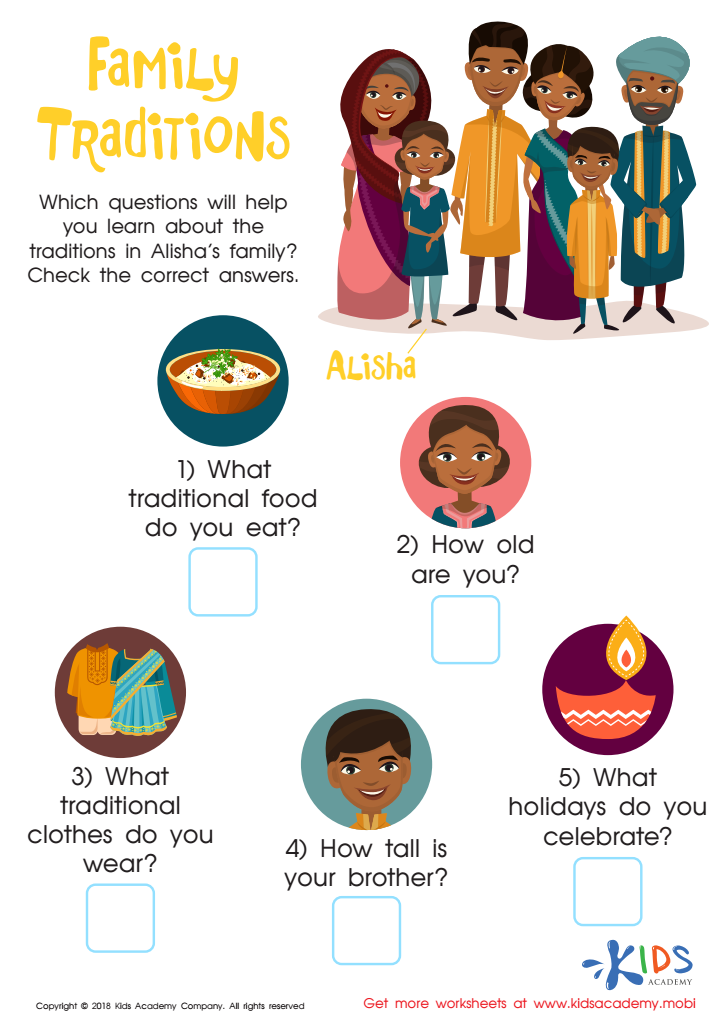
Family Traditions Worksheet
This worksheet helps kids understand Alisha's family traditions. It has questions a child can ask a new friend from a different culture. These questions cover food, clothing and holidays. Explain to your child how the answers are educational and guide them through the questions.
Family Traditions Worksheet
Worksheet
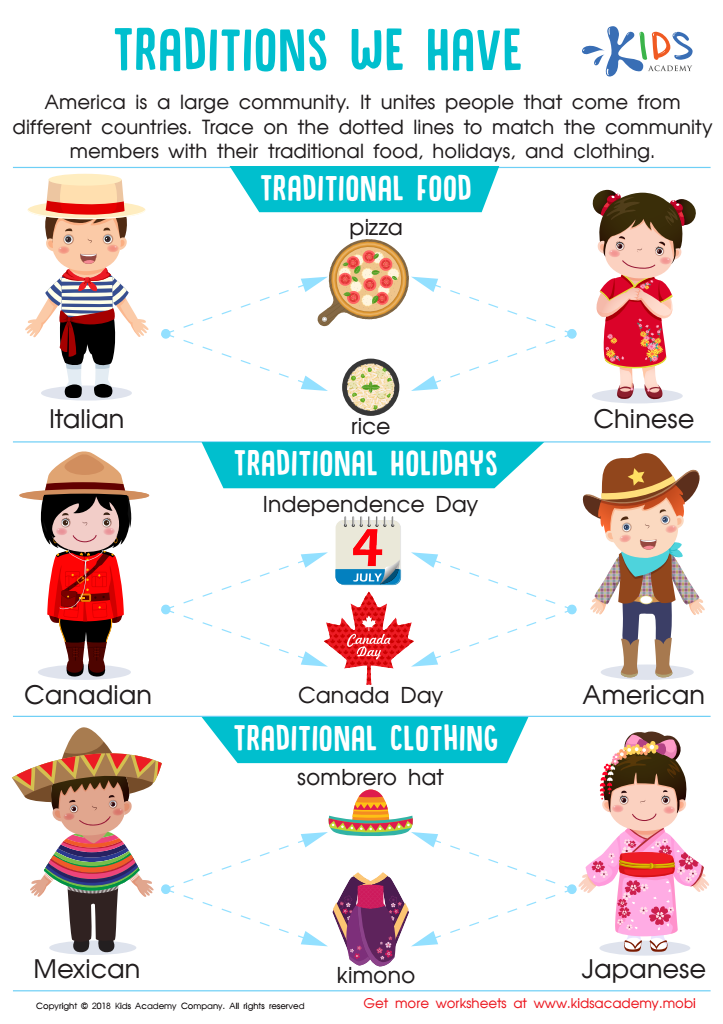
Traditions We Have Worksheet
Help your child learn about the world's diverse cultures with this tracing sheet. Trace the dotted lines to match different community members with their traditional holidays, foods and clothing. America is just one of many countries with multiple communities living together - teach your child that everybody has different backgrounds and customs, opening their minds to an even bigger world.
Traditions We Have Worksheet
Worksheet
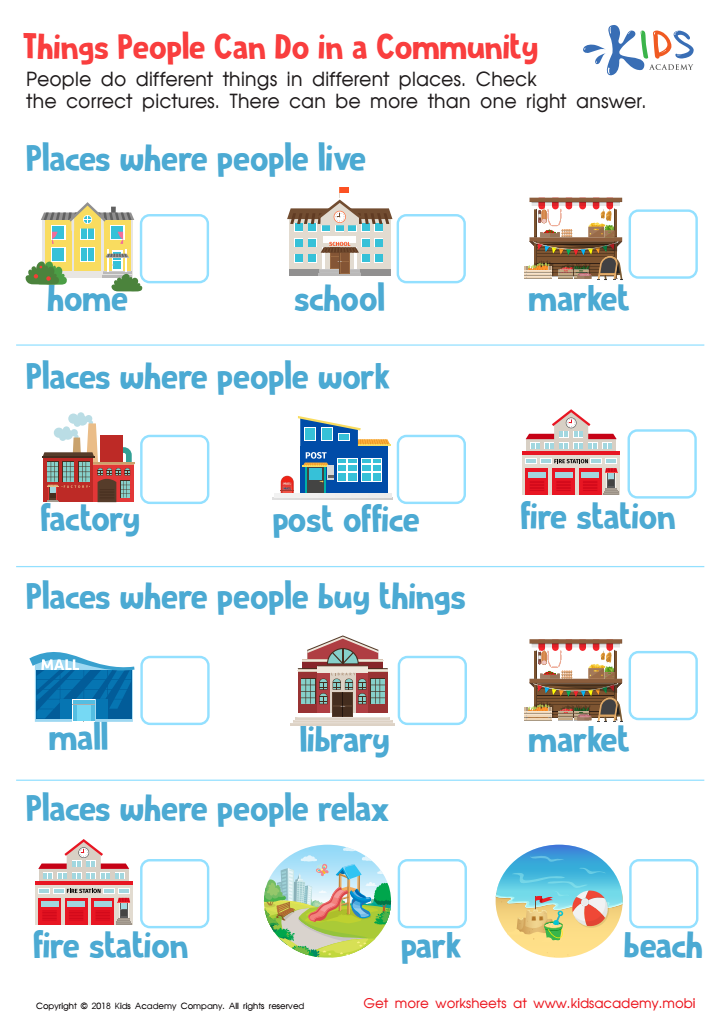
Things People Can Do in a Community Worksheet
Review the worksheet with your students/children, checking the boxes corresponding to the question. There may be multiple answers. Test their understanding of different communities by having them identify what happens in each place. Use this to measure and refine their knowledge.
Things People Can Do in a Community Worksheet
Worksheet
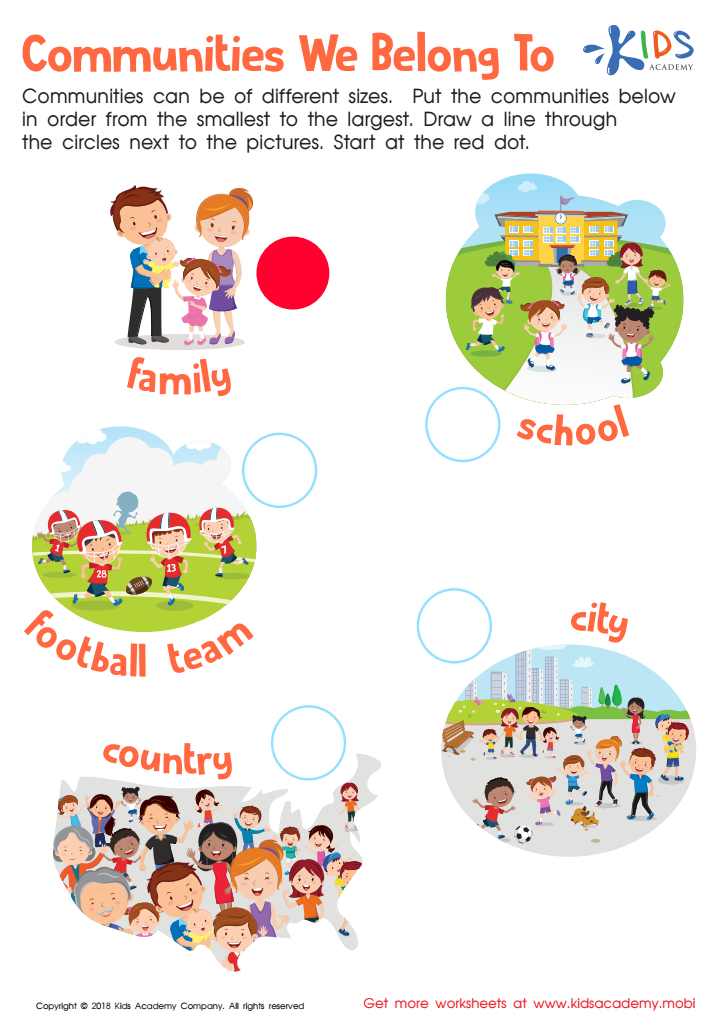
Communities We Belong to Worksheet
Help your child understand the differences between communities with this worksheet. Look at the family, school, football team, city, and country and discuss which is larger and which is smaller. Follow the red dot from the smallest to the largest.
Communities We Belong to Worksheet
Worksheet
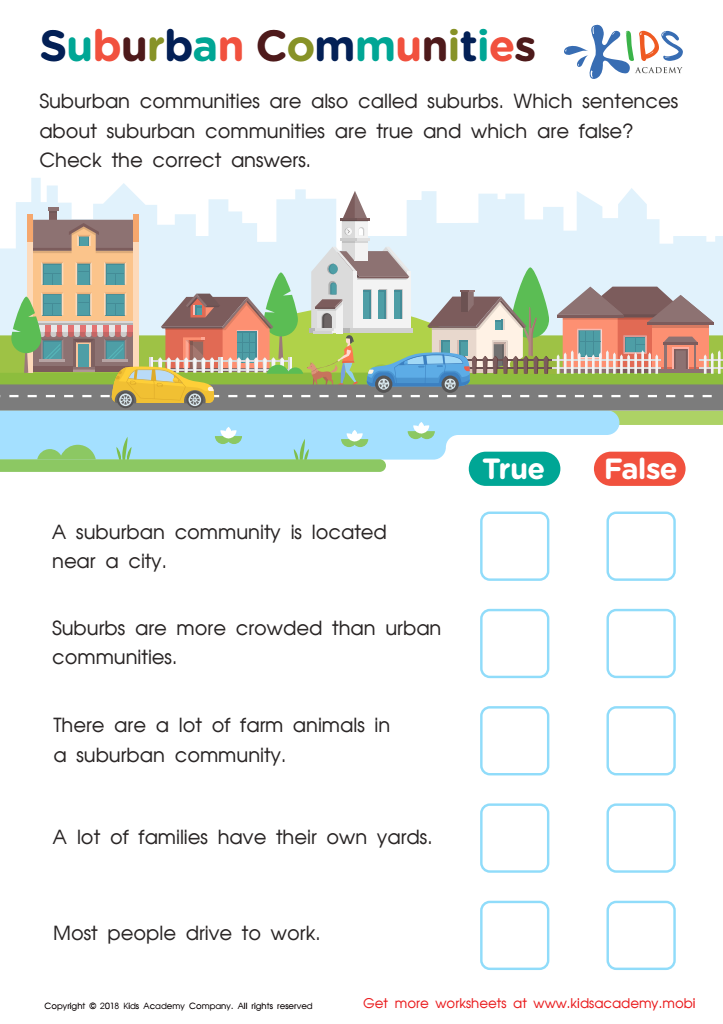
Suburban Communities Worksheet
This worksheet helps your students/children understand suburban communities. Have them read the sentences and check the true or false box for each. They will gain a better knowledge of the suburbs after this exercise.
Suburban Communities Worksheet
Worksheet
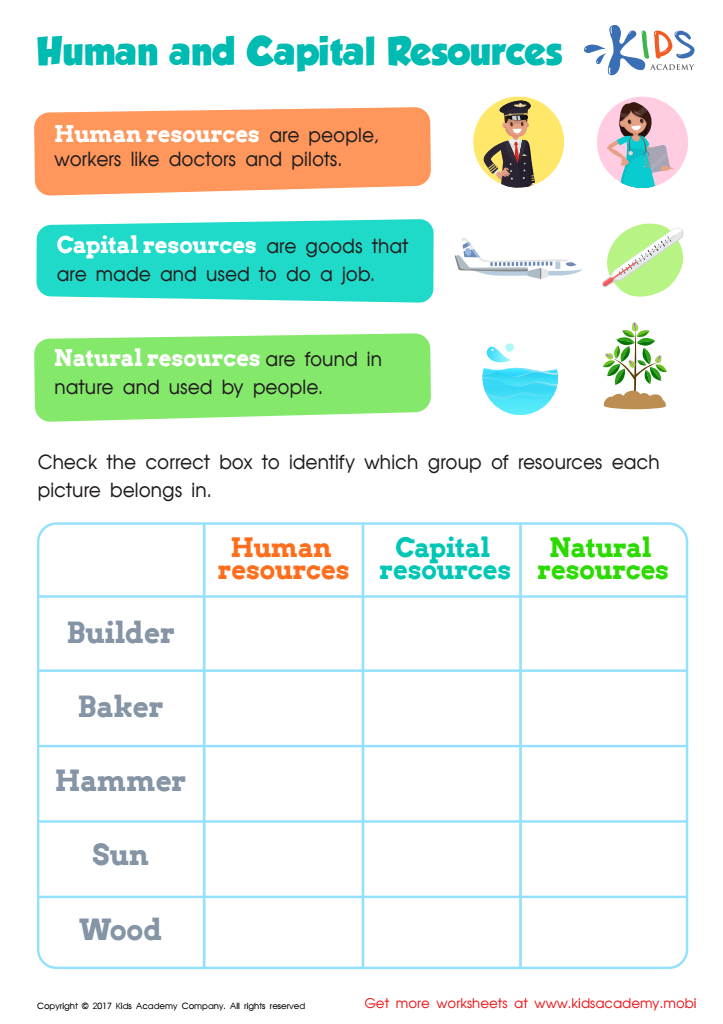
Human and Capital Resources Worksheet
It helps identify and differentiate human, natural and capital resources, so your kid can understand how each affects their world.
Human and Capital Resources Worksheet
Worksheet
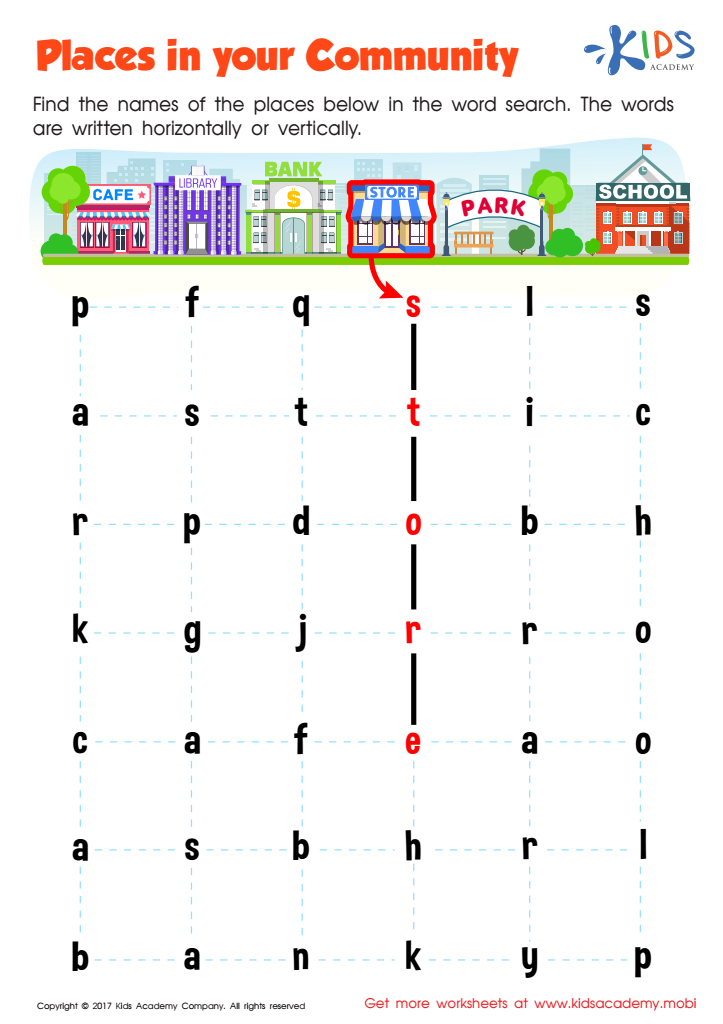
Places in Your Community Worksheet
Find and circle words related to common places in your community, like library, fire station, and more. Practicing vocabulary and spelling, your child will gain a better understanding of their community.
Places in Your Community Worksheet
Worksheet
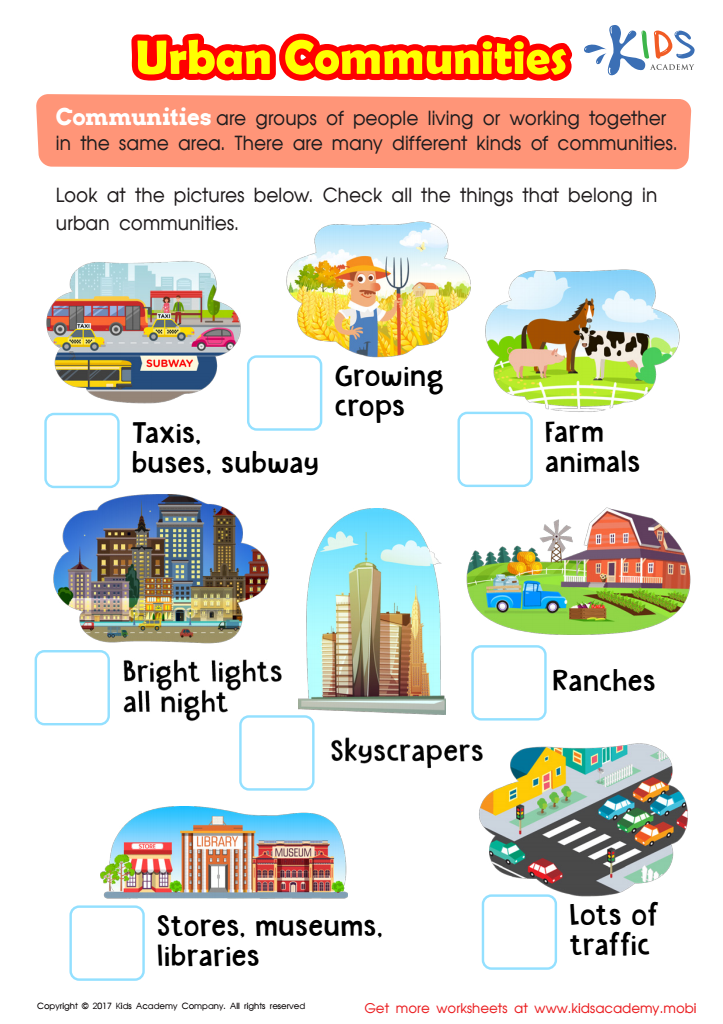
Urban Communities Printable
(80 words)
Explore the differences of urban, suburban and rural communities with this worksheet! Introduce your child to city life and help them understand the common attributes of different communities. Open their eyes to the world around them and let them discover life beyond their own. Make them aware of what life is like in different communities and let them experience it from the comfort of their own home.
Urban Communities Printable
Worksheet
Join Kids Academy for Free
Who is primarily going to use this learning content?