Shape Recognition Preschool Worksheets - Page 2
45 filtered results
-
From - To
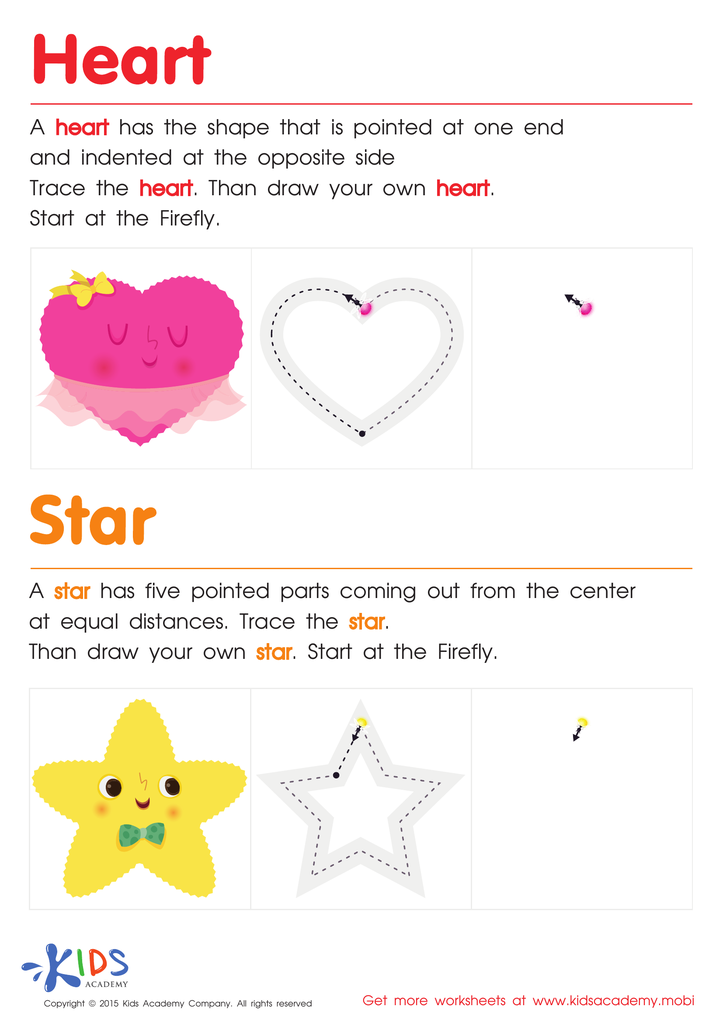
Let's Learn to Draw Hearts And Stars Printable
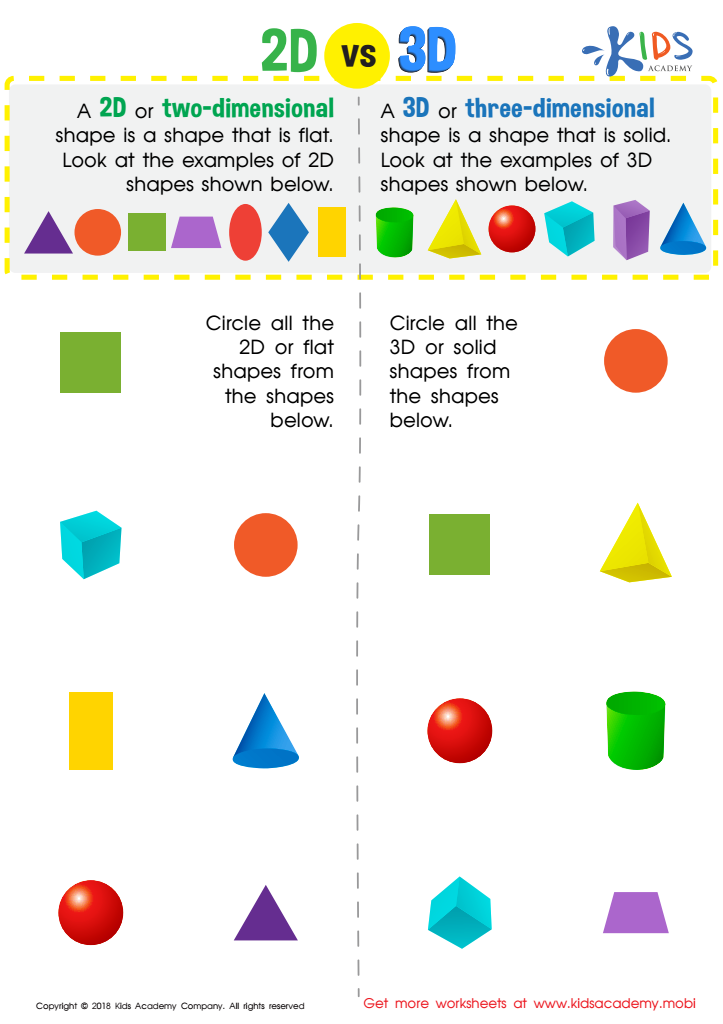
2D vs 3D Shapes Worksheet
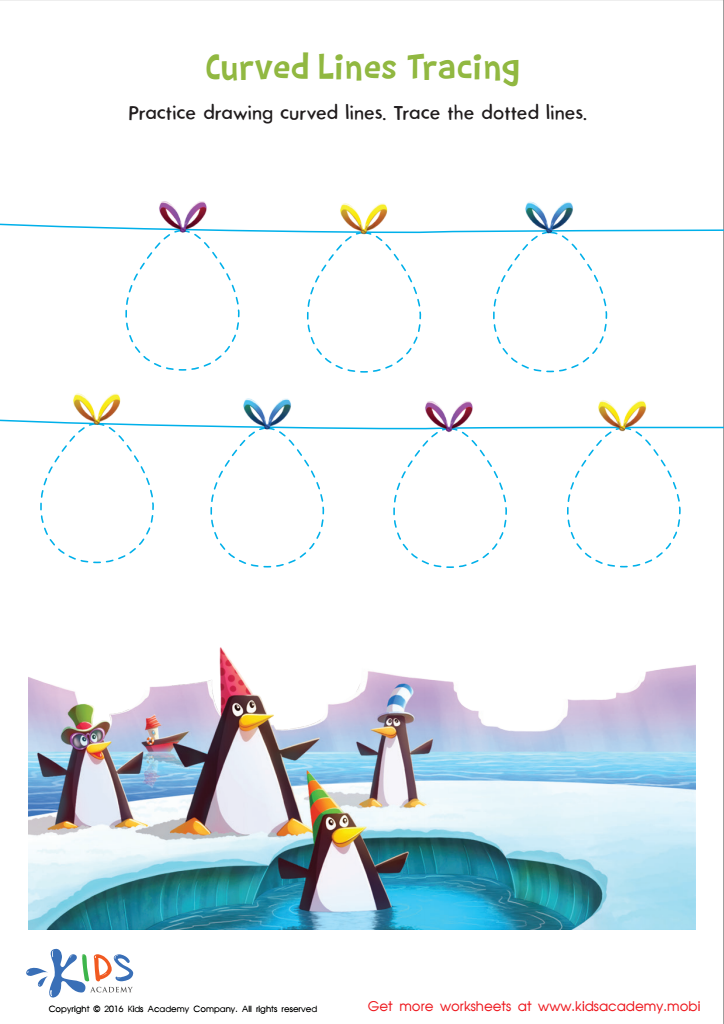
Curved Lines Tracing Worksheet
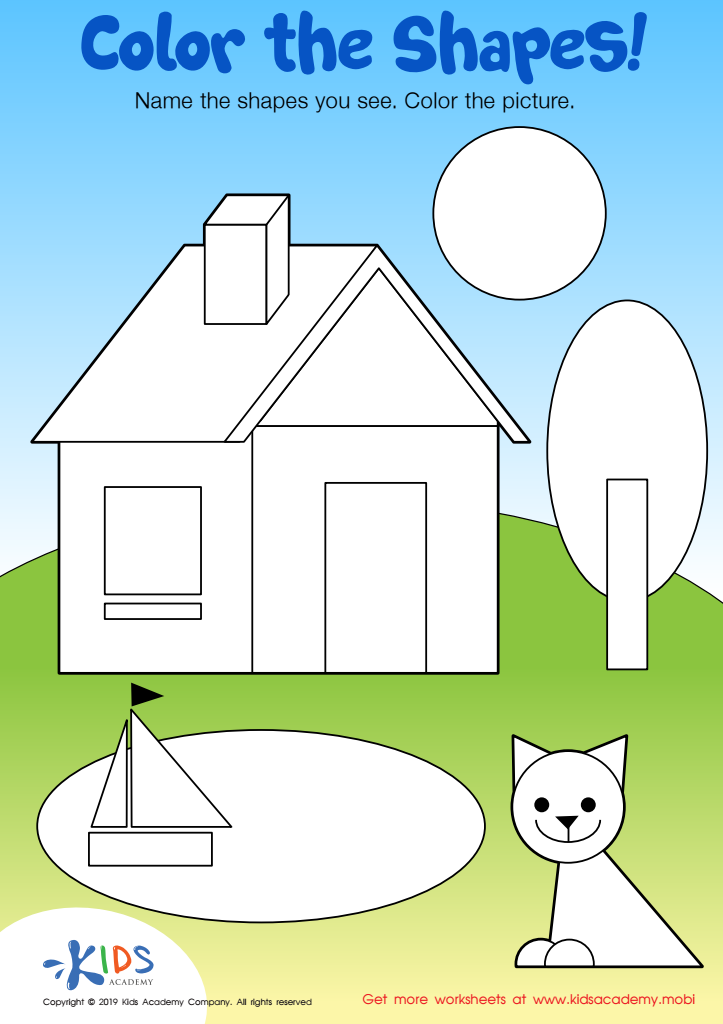
Color the Shapes Worksheet
 Assign to My Students
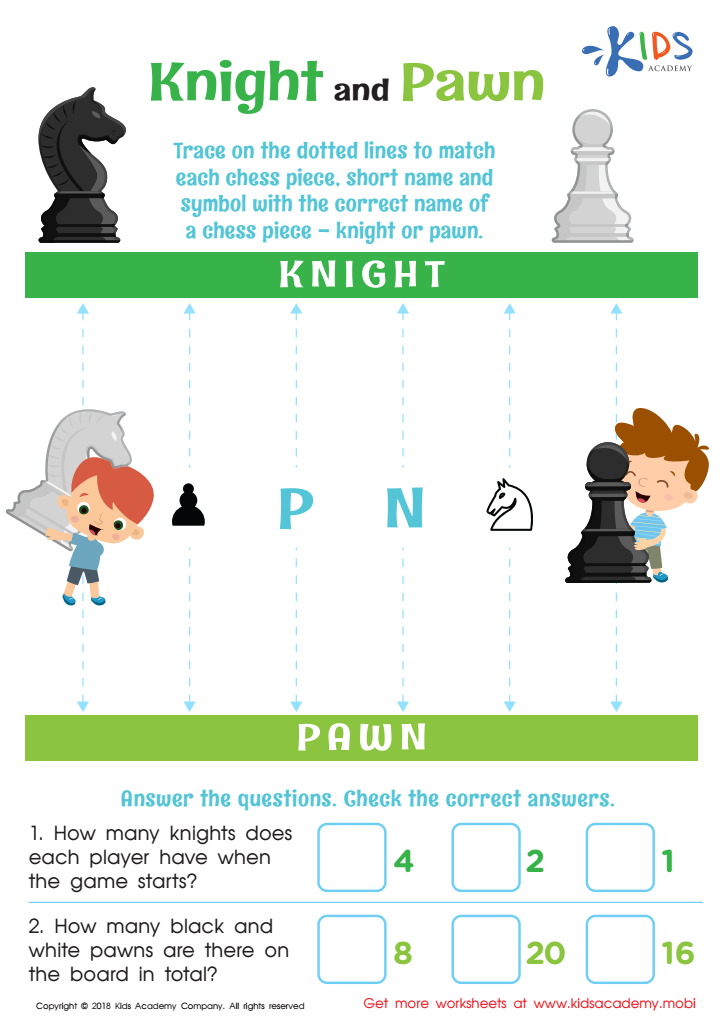
Knight and Pawn Worksheet
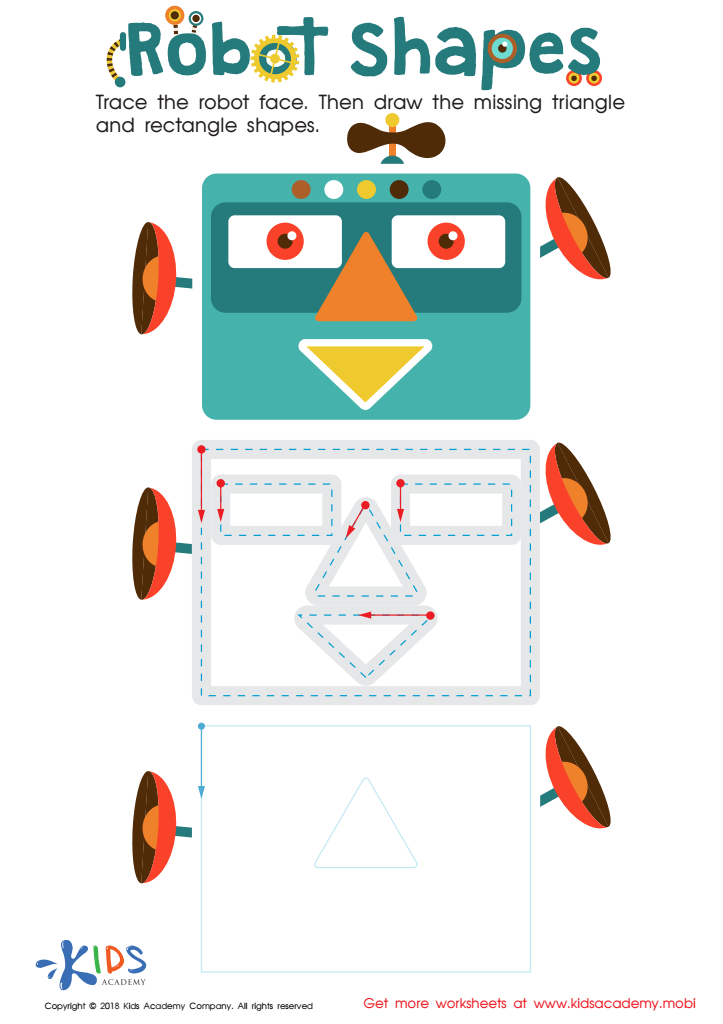
Robot Shapes Worksheet
Artist Maze Worksheet
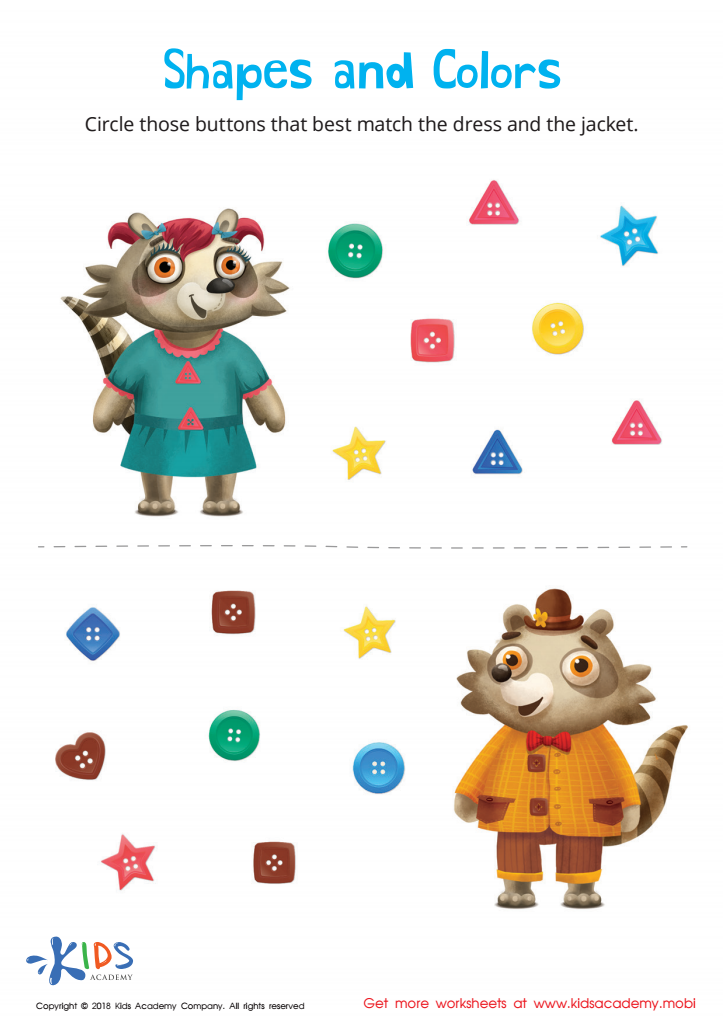
Shapes and Colors Worksheet
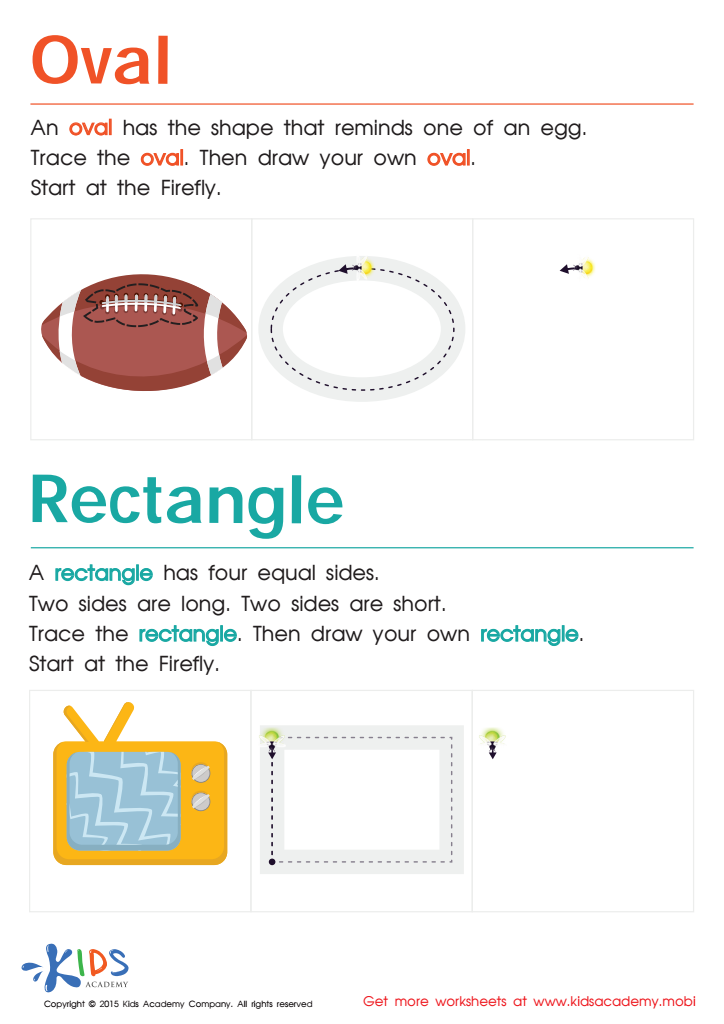
Easy Drawing of Ovals And Rectangles Worksheet
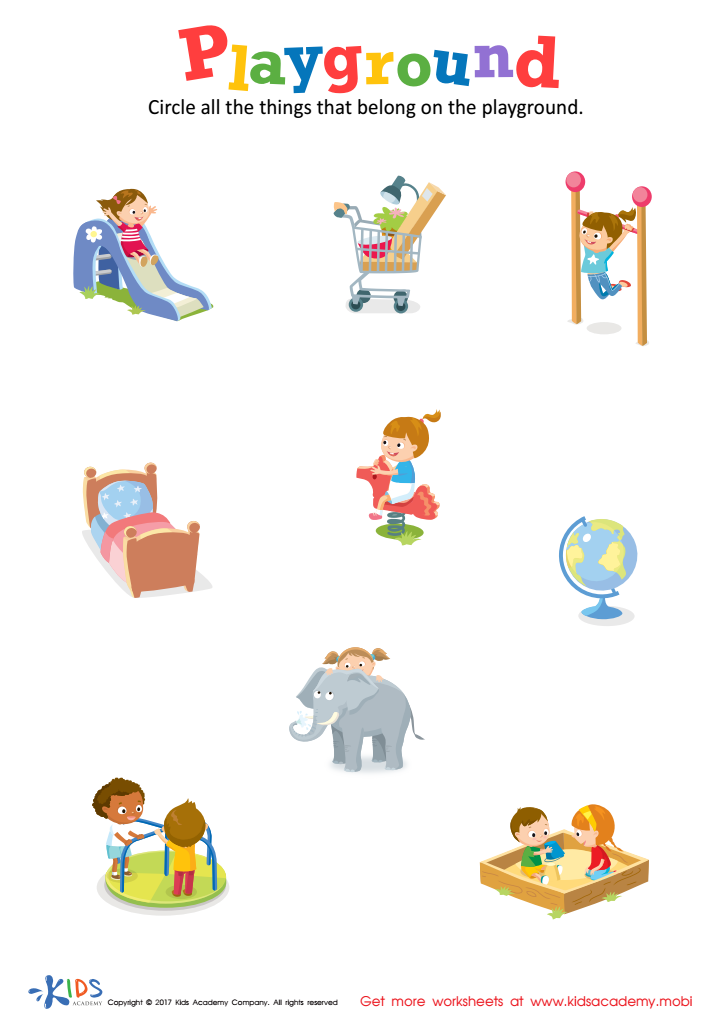
Playground Worksheet
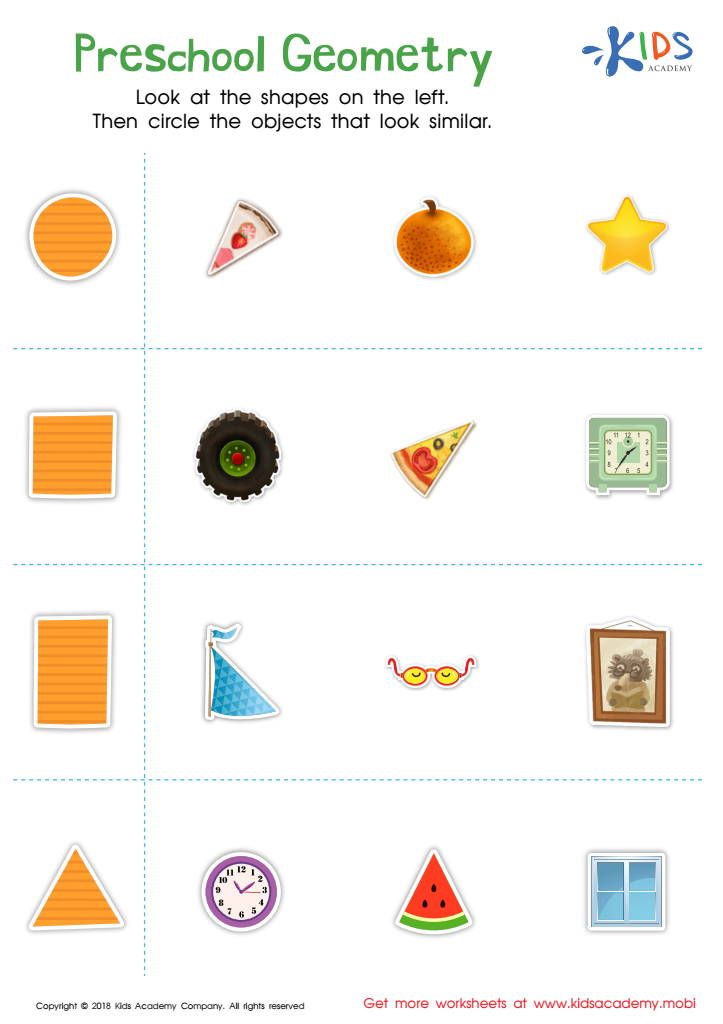
Preschool Geometry Worksheet
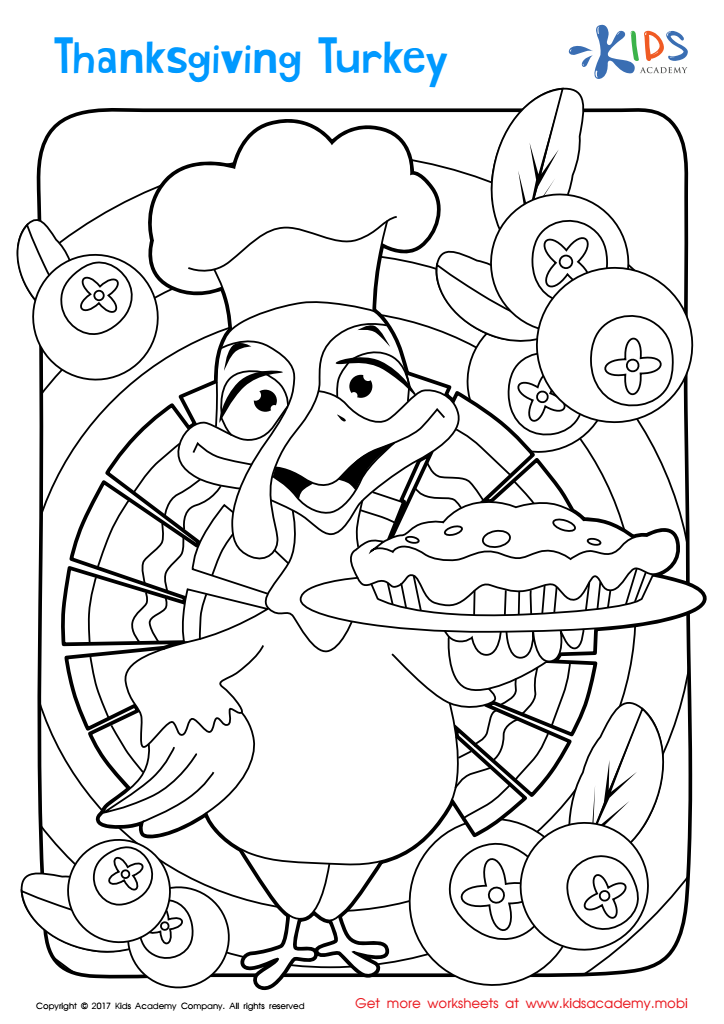
Turkey Thanksgiving Day Worksheet
Assign to My Students
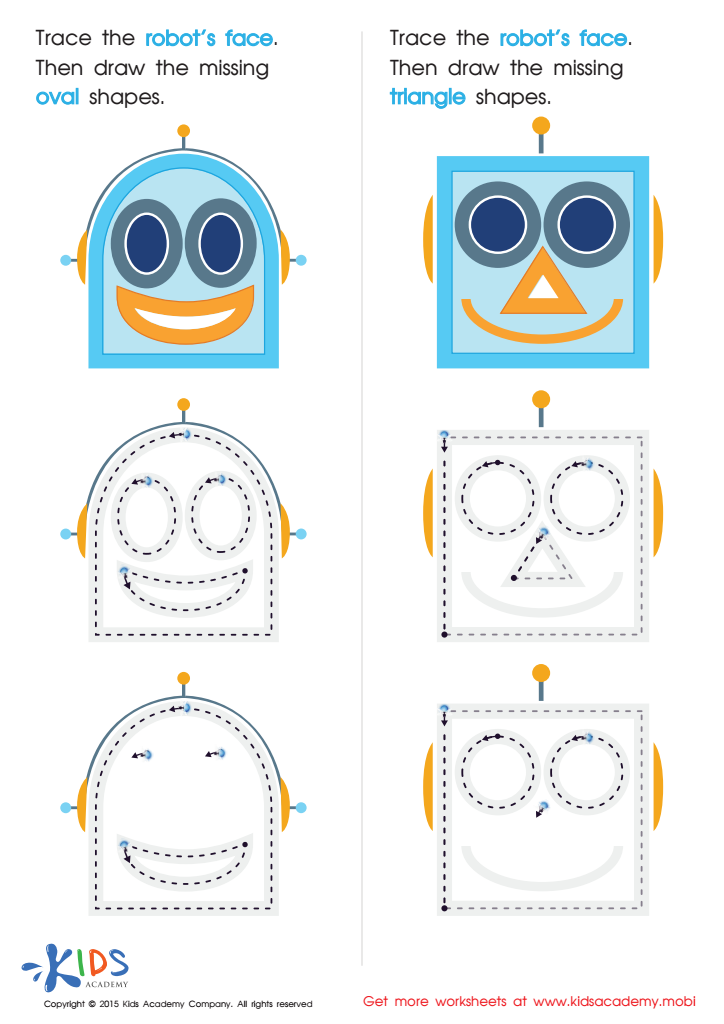
Drawing Ovals And Triangles with Fun Printable
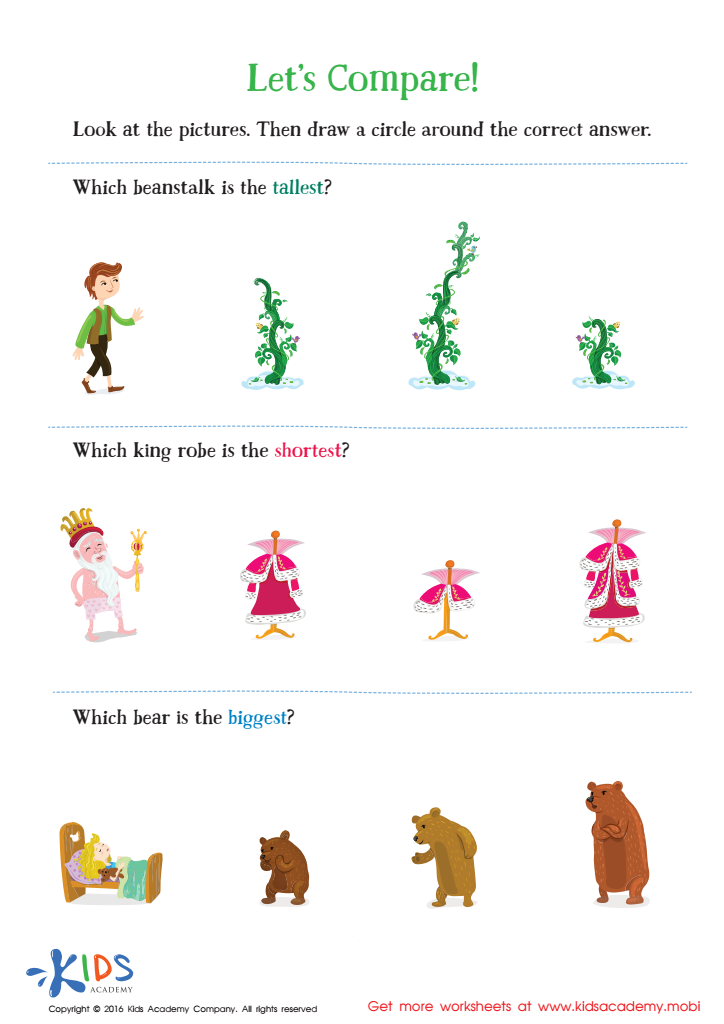
Fairy Tale Worksheet: Let's Compare
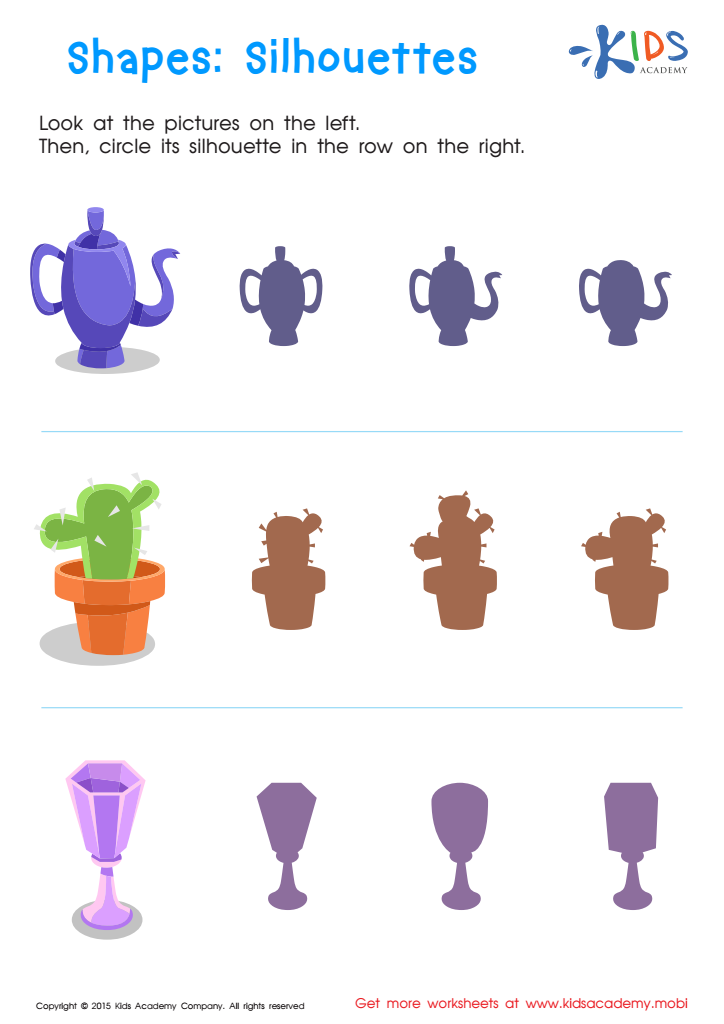
Silhouettes – Shapes Worksheet
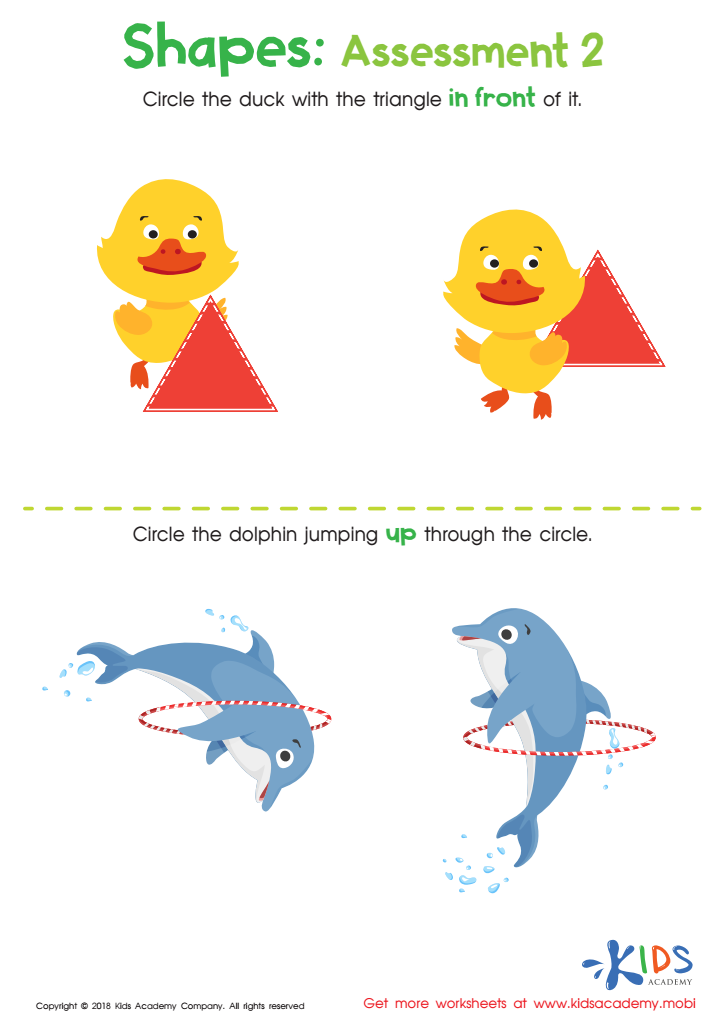
Geometry – Assessment 2 Worksheet
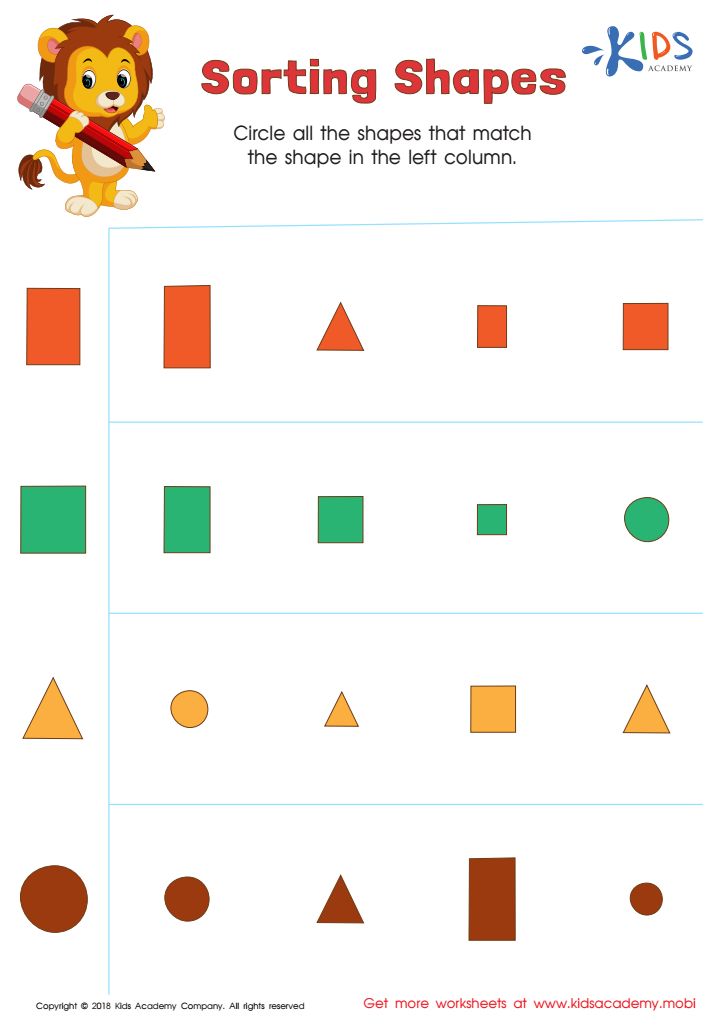
Sorting Shapes - Part 2 Worksheet
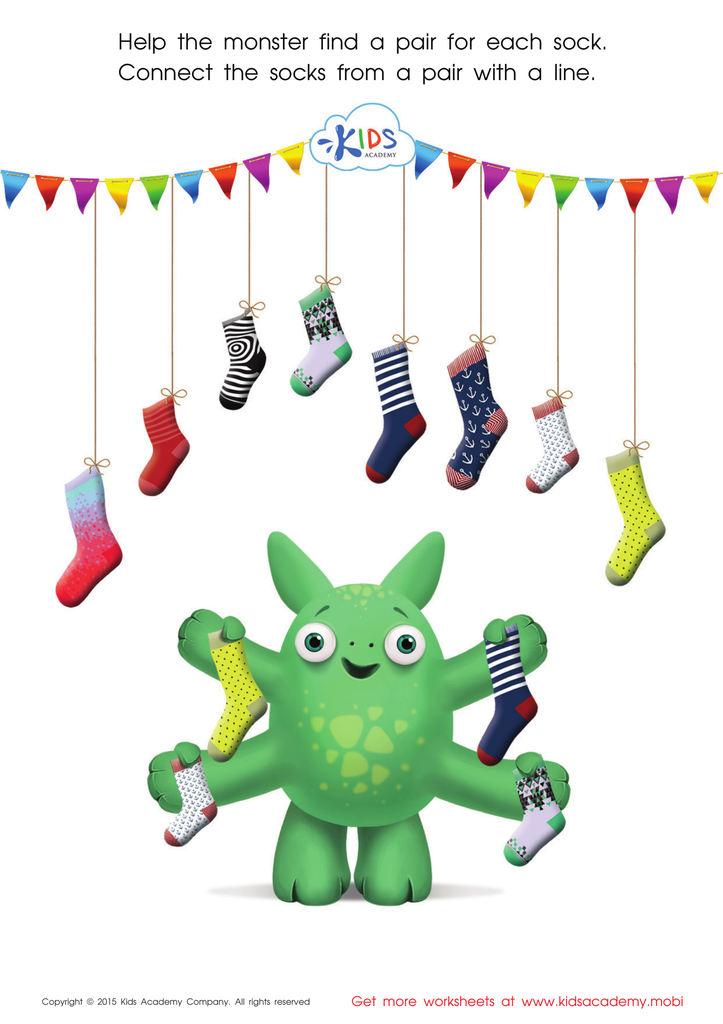
Math Matching Pairs Game: Monsterв's Socks Worksheet
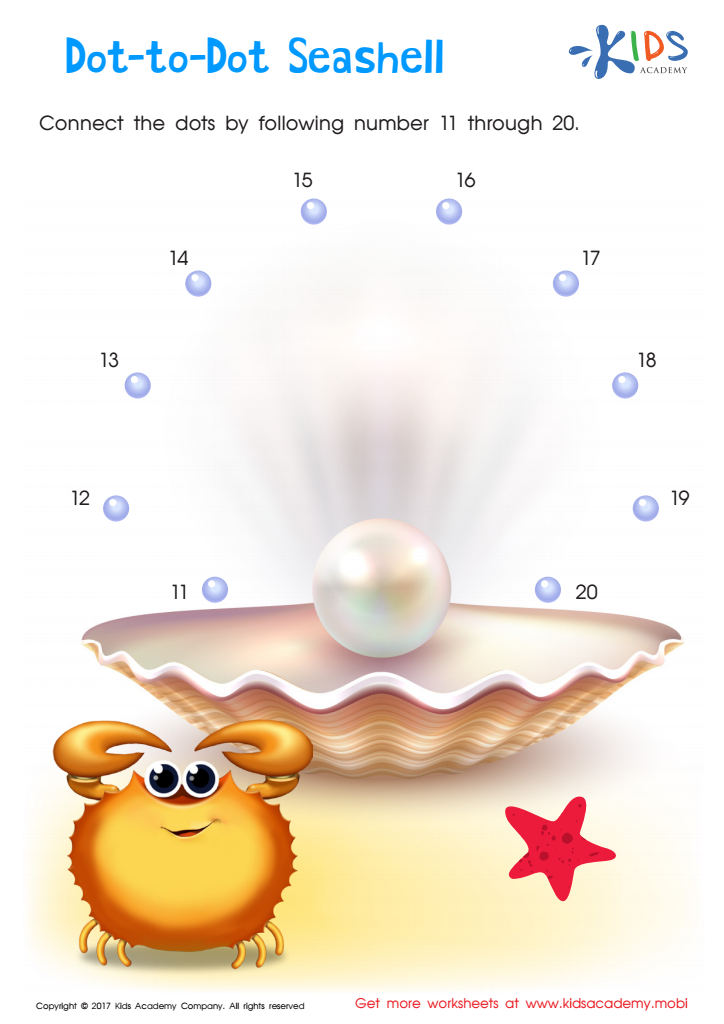
Ordering 11–20: Dot–to–dot Seashell Printable








Shape recognition is a fundamental aspect of early childhood education that deserves attention from both parents and teachers. At the preschool level, recognizing and differentiating shapes serves as the building block for more complex learning. It enhances cognitive development by helping children to categorize and compare objects, thereby improving critical thinking skills. When children identify shapes such as circles, squares, and triangles, they are also subtly learning the properties of these shapes, laying the groundwork for geometry, spatial reasoning, and even advanced math skills.
Beyond academics, shape recognition contributes to language development. As children learn the names and attributes of various shapes, they build their vocabulary and improve their descriptive language abilities. This proficiency in communication skills becomes evident as they can more accurately describe the world around them.
Additionally, understanding shapes aids fine motor skills. Activities that involve tracing or drawing shapes help children gain better control over their hand movements, directly impacting their handwriting skills in later years.
Parents and teachers should care because these early learning experiences set the stage for future academic success and.daily life navigation. Holistic early education, including shape recognition, fosters a well-rounded, capable young learner ready for the challenges of formal schooling and beyond.