Comparing Fractions Reading Worksheets
37 filtered results
-
From - To
Explore our engaging "Comparing Fractions Reading Worksheets" designed to help young learners master the concept of fractions! Perfect for early grade students, these printable worksheets offer step-by-step guidance in comparing fractions using visual aids, number lines, and plenty of practice problems. With a variety of exercises to reinforce key skills, they inspire confidence and mathematical understanding in your child. Whether your student is just beginning their fraction journey or needs extra practice, these worksheets are a valuable resource for both classroom and home learning. Enhance your child’s fraction skills today with our comprehensive and easy-to-follow activities. Perfect for teachers and parents alike!
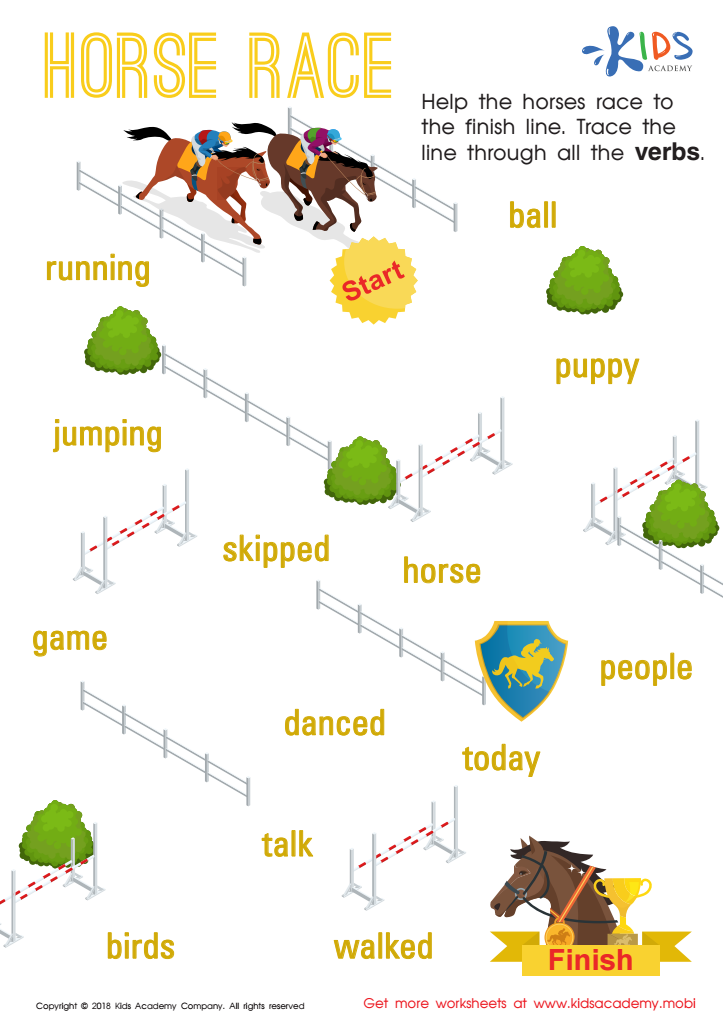
Horse Race Worksheet
 Assign to My Students
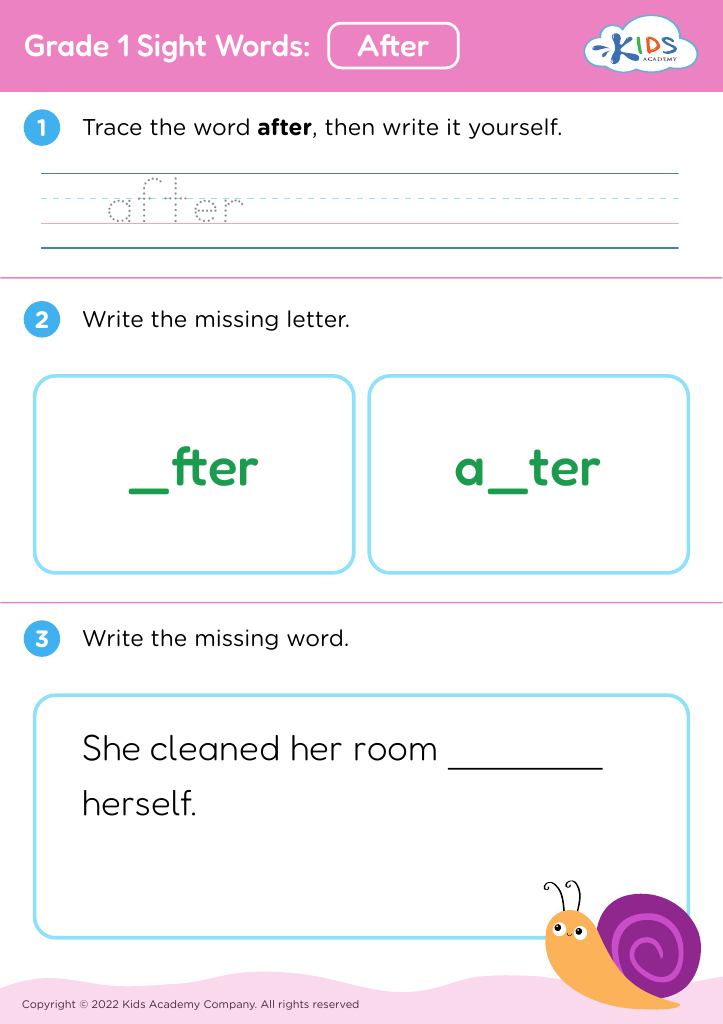
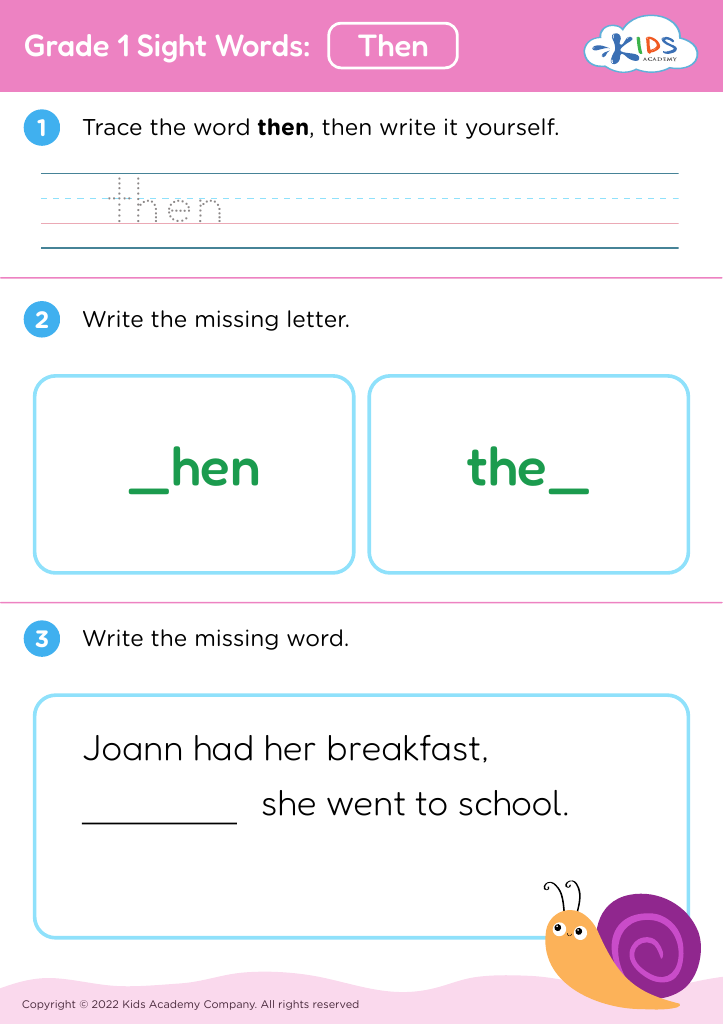
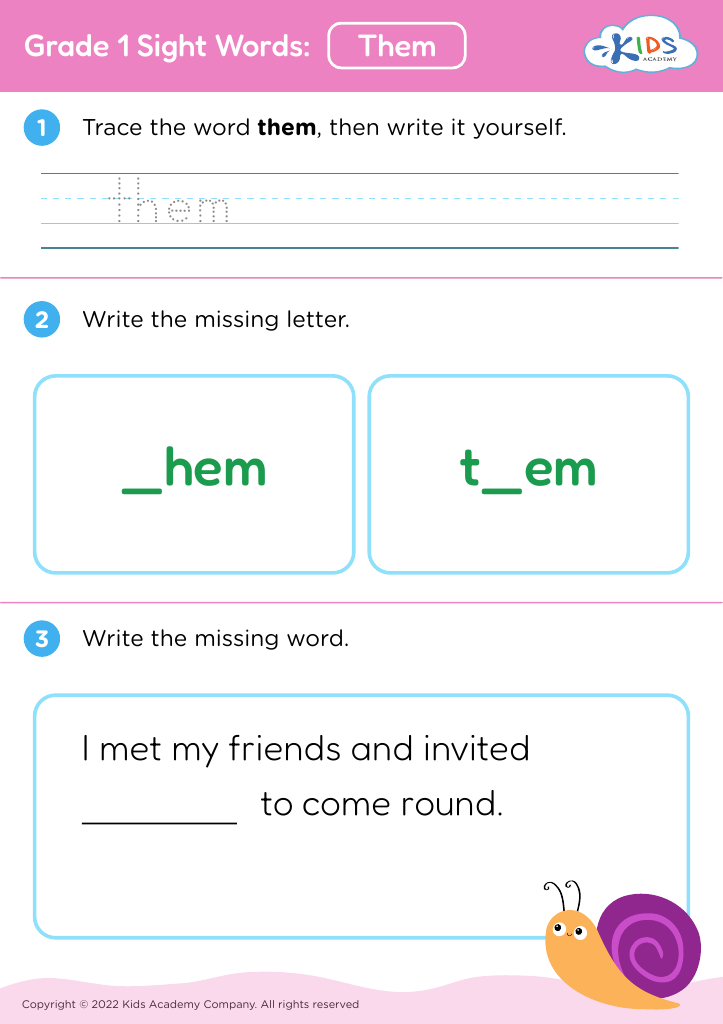







Comparing fractions is a fundamental mathematical skill that lays the groundwork for many advanced concepts in mathematics and daily life problem-solving. Parents and teachers should care about teaching this concept for several key reasons. First, a strong grasp of fractions enhances numerical fluency, enabling children to solve problems more efficiently and accurately. Comparing fractions involves critical thinking skills, as students discern relationships between different numerical values which fosters logical reasoning.
Second, comparing fractions is directly applicable to real-life contexts. Everyday tasks, such as cooking, budgeting, or DIY projects, often necessitate an understanding of fractions. When children grasp this concept, they are better prepared to handle practical situations involving division and portions.
Third, understanding fractions well can boost overall confidence in mathematics. Early struggles with fractions can lead to frustration and a negative attitude towards math. However, with proper guidance and support from both parents and teachers, children can master fractions. This success can enhance their self-esteem and make them more likely to engage positively with other math topics.
Incorporating fraction comparisons into home learning and classroom activities creates a collaborative environment where students feel supported. Parents' and teachers' active involvement and encouragement inspire a lifelong appreciation for math and its relevance.








