Critical Thinking Reading Worksheets - Page 3
68 filtered results
-
From - To
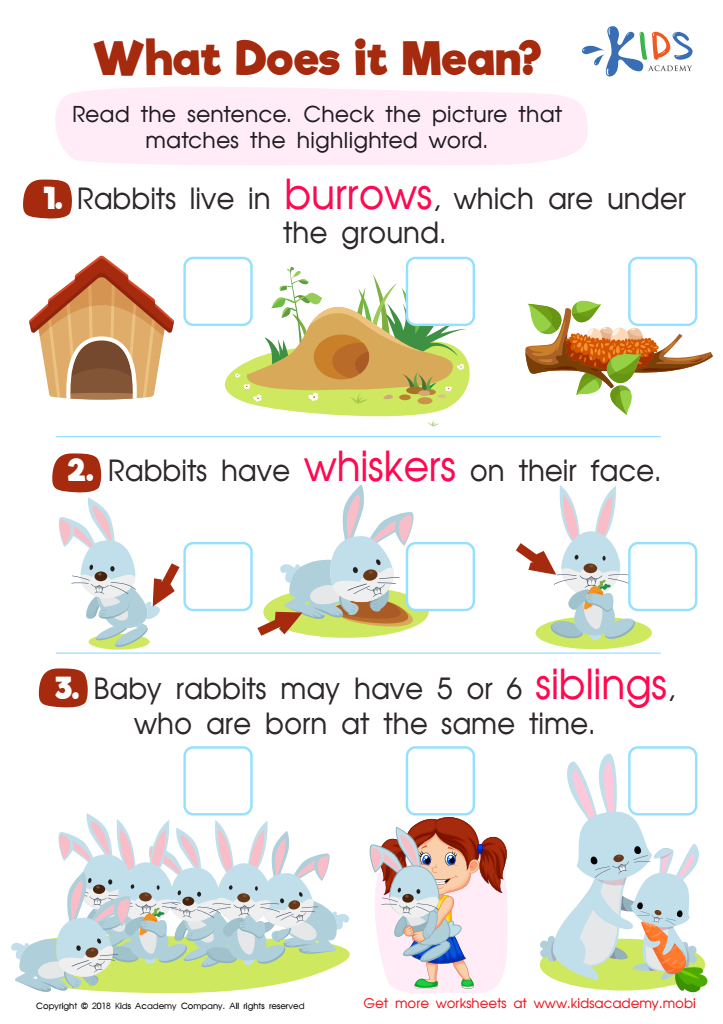
What Does It Mean? Worksheet
 Assign to My Students
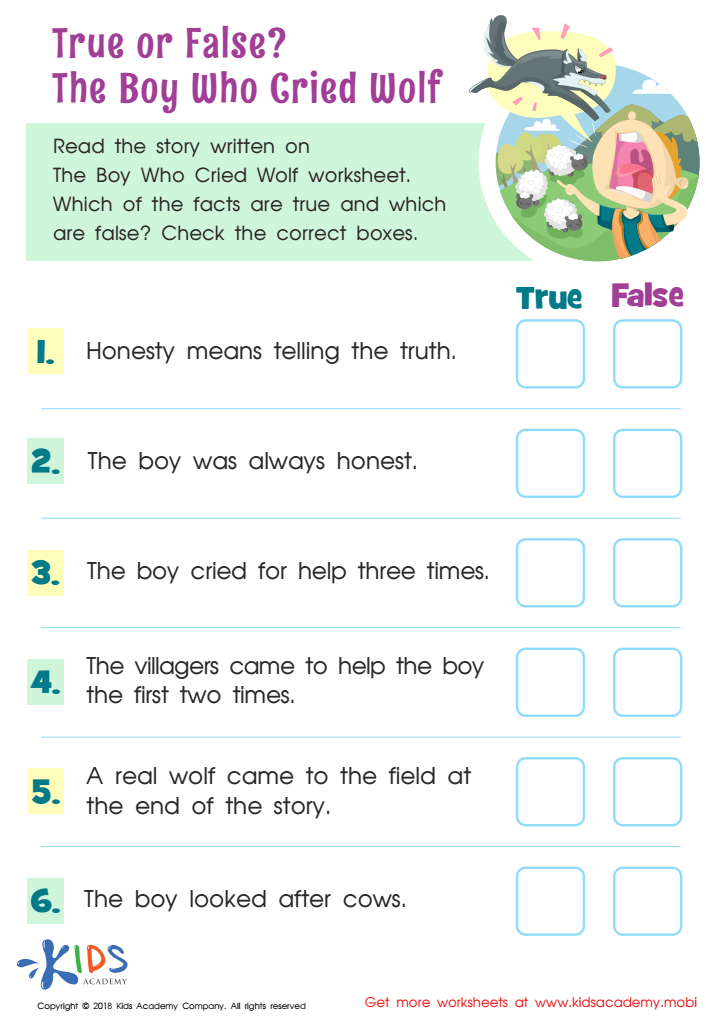
True or False? The Boy Who Cried Wolf Worksheet
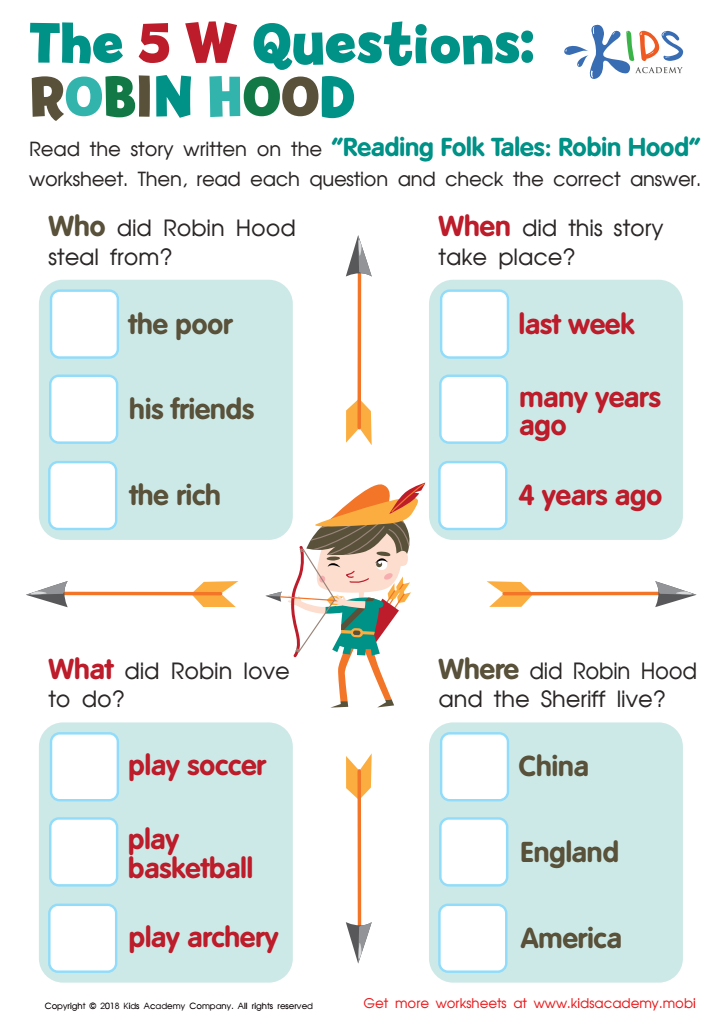
The 5 W Questions: Robin Hood Worksheet
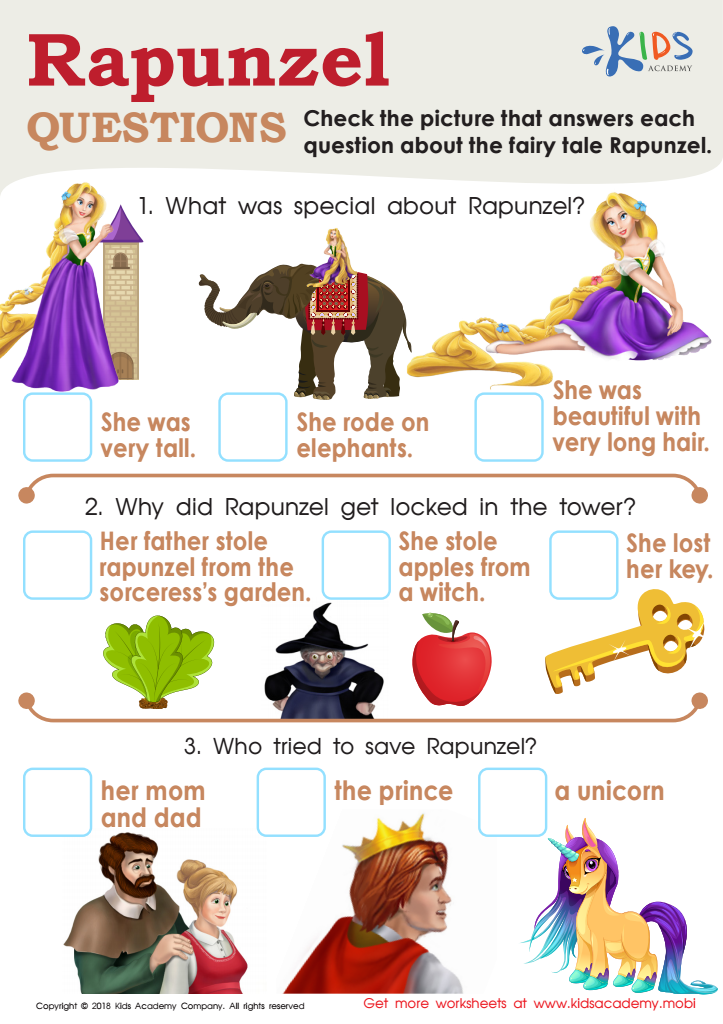
Rapunzel Questions Worksheet
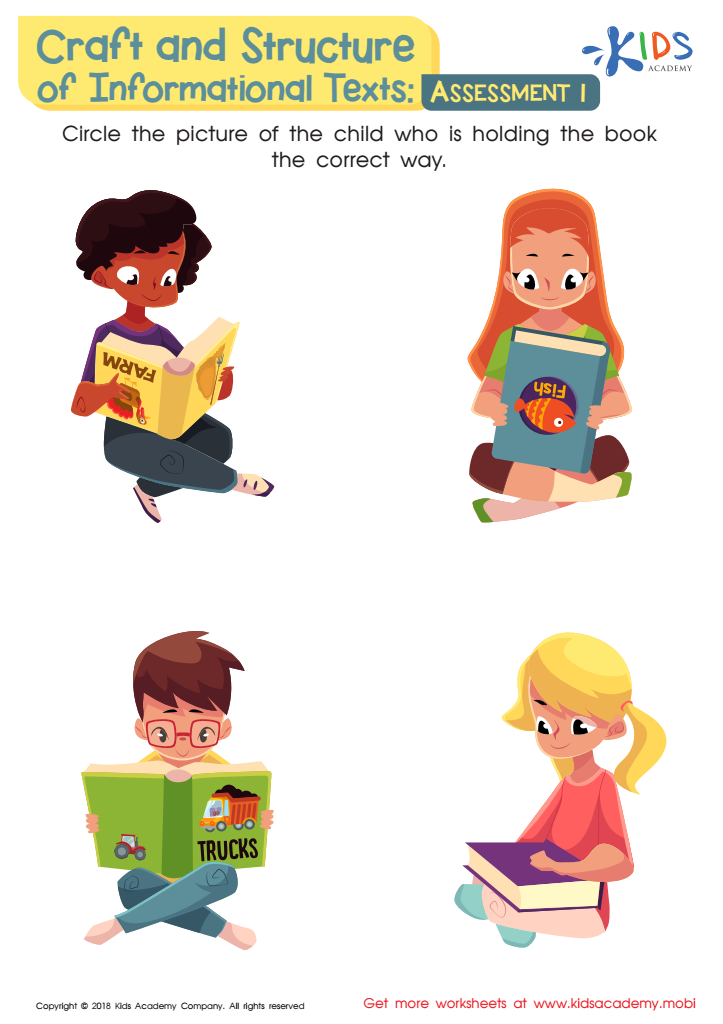
Craft and Structure of Informational Texts: Assessment 1 Worksheet
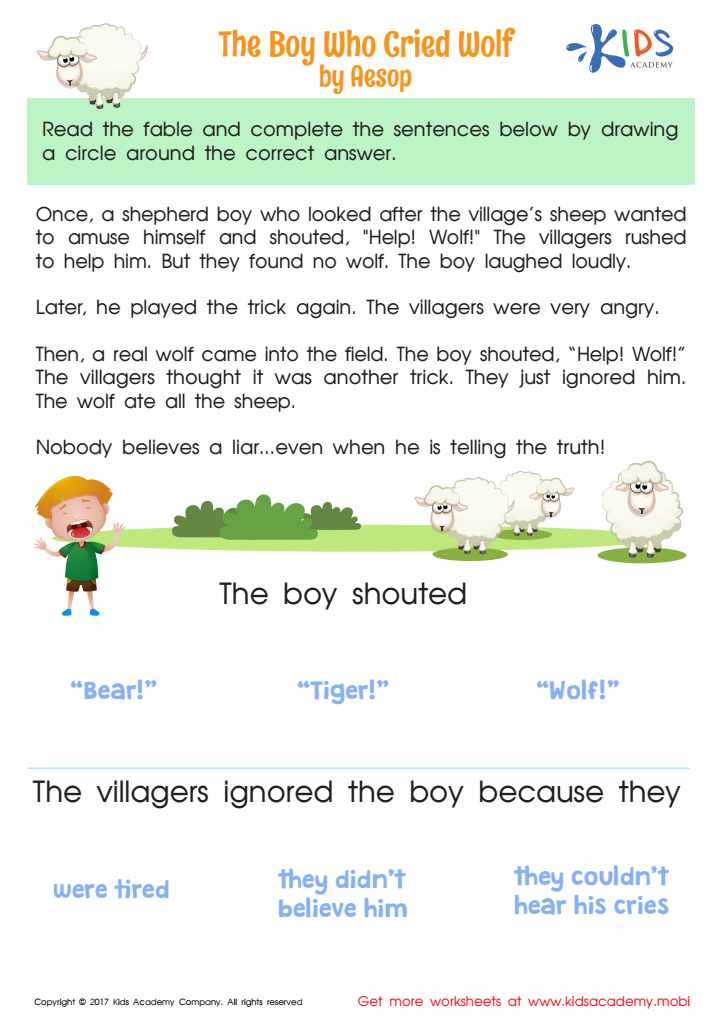
The Boy Who Cried Wolf Worksheet

Assessment: First Thanksgiving Worksheet
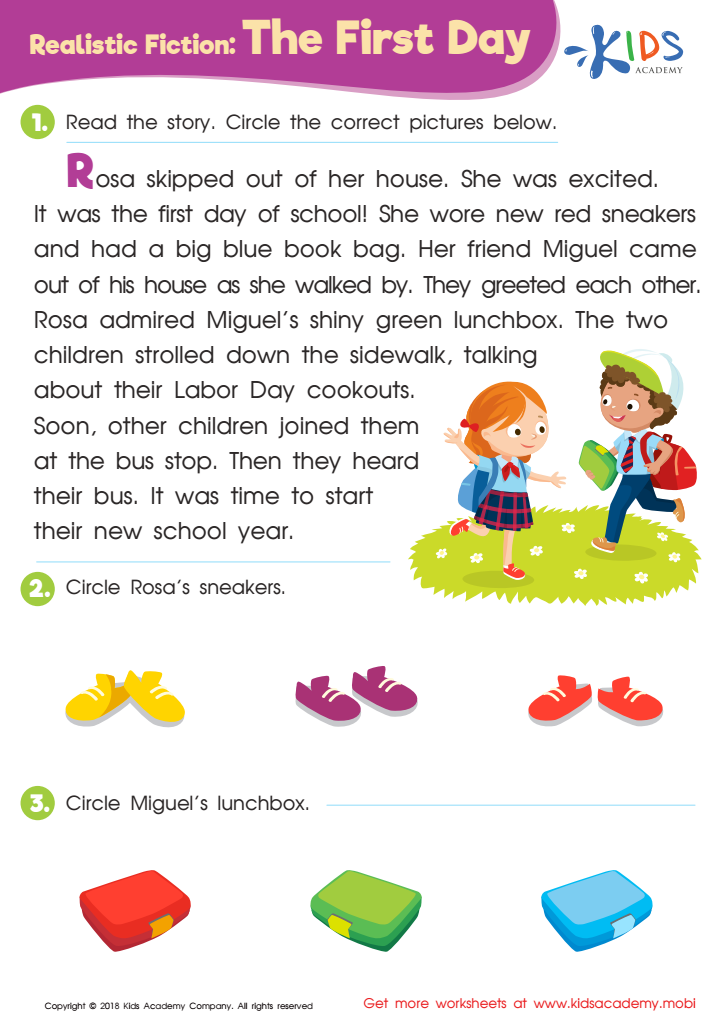
Realistic Fiction: The First Day Worksheet
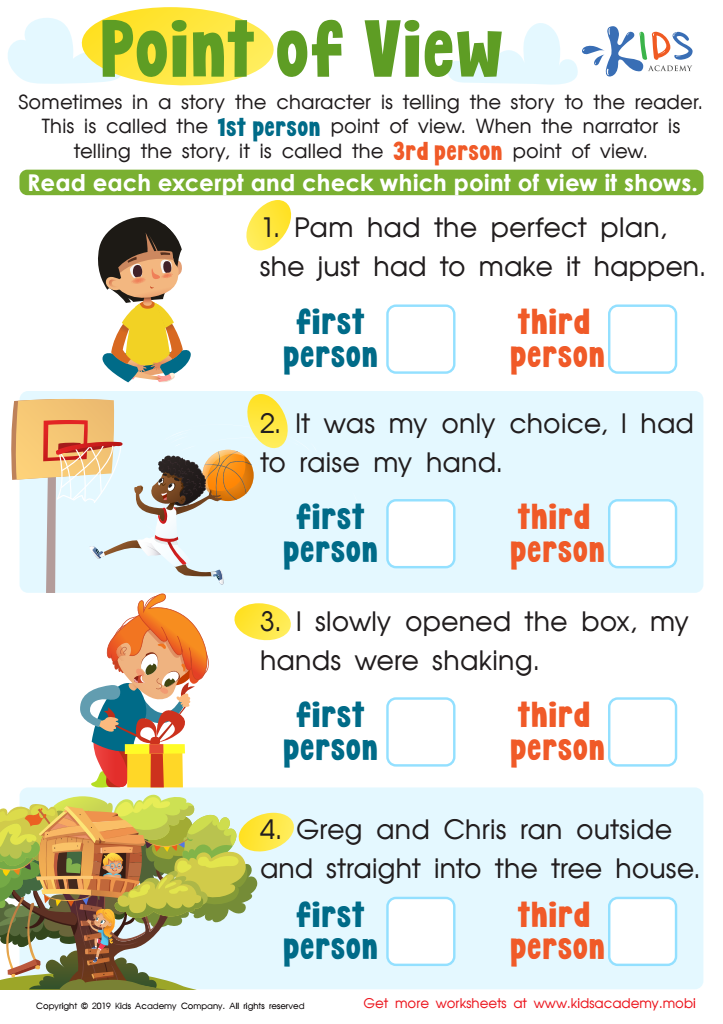
Point of View Printable
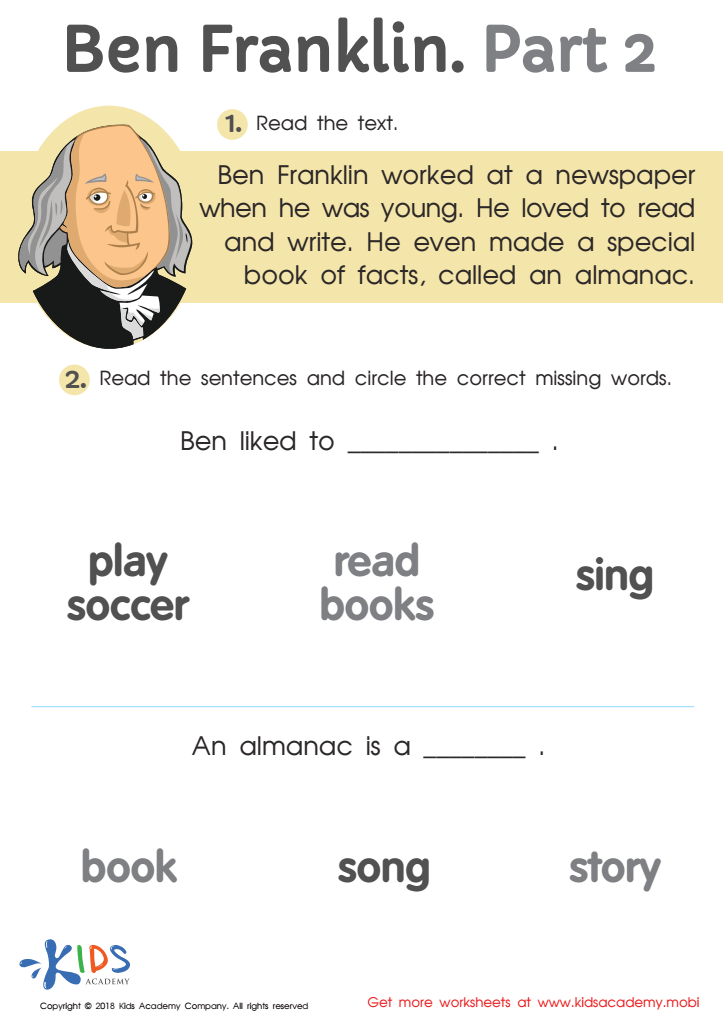
Ben Franklin Part 2 Worksheet
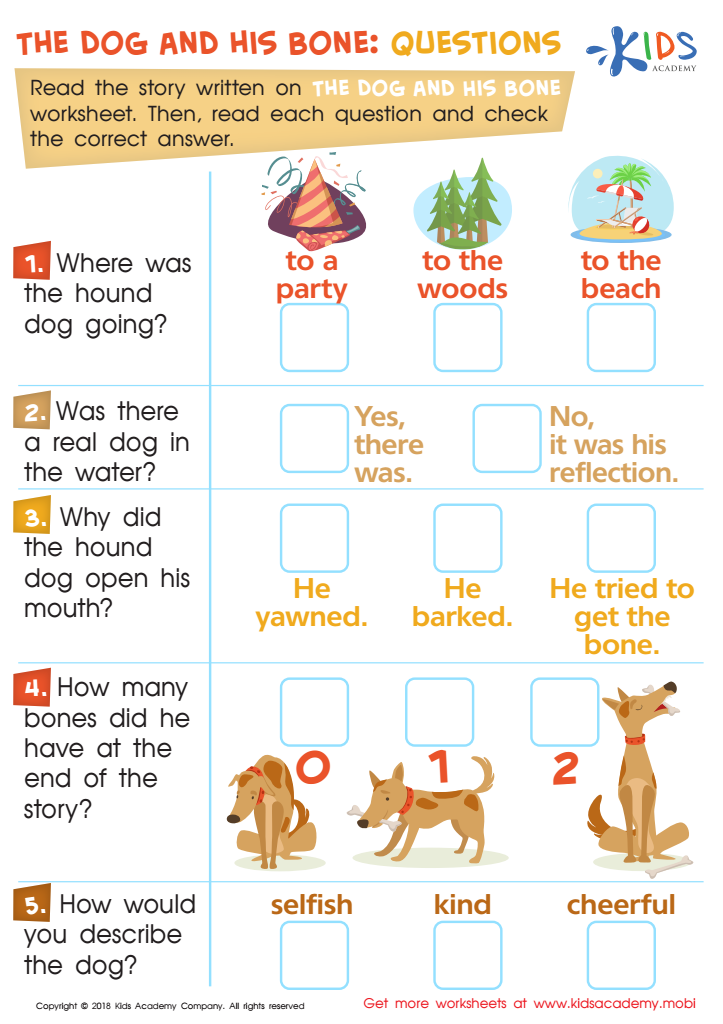
The Dog and His Bone: Questions Worksheet
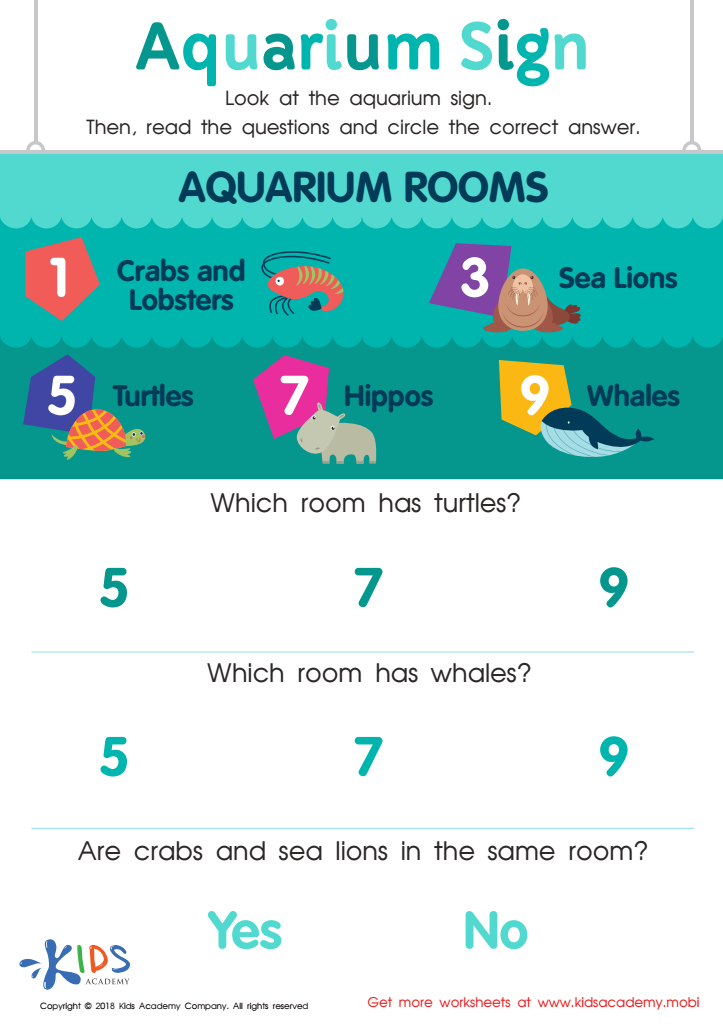
Assessment: Aquarium Sign Worksheet
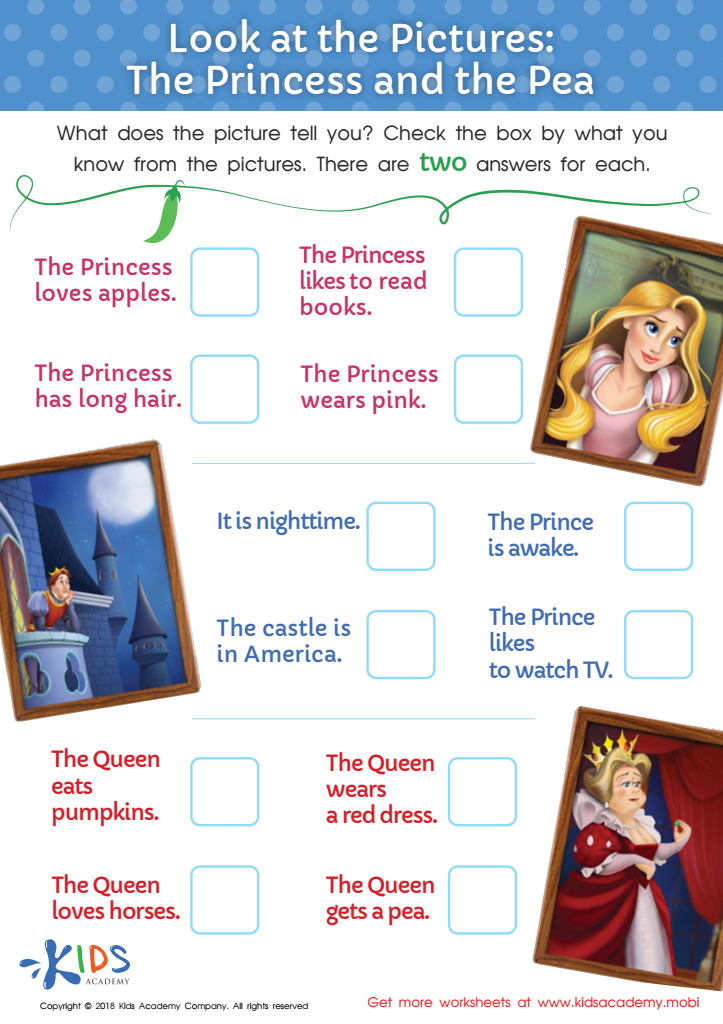
Look at the Pictures: The Princess and the Pea Worksheet
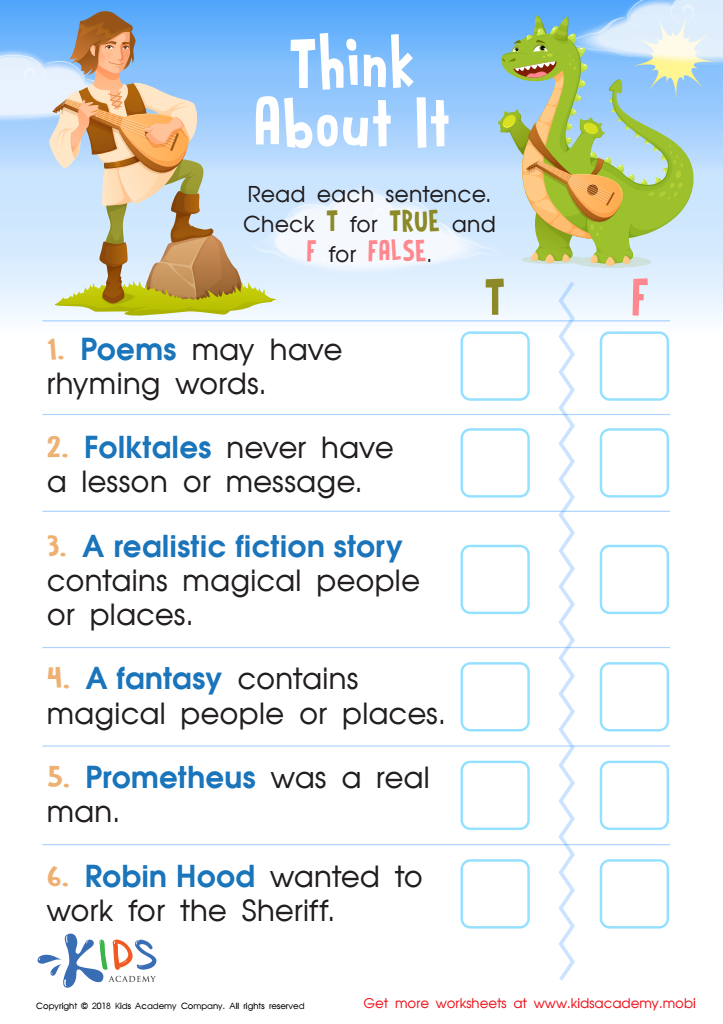
Think About It: Assessment Worksheet
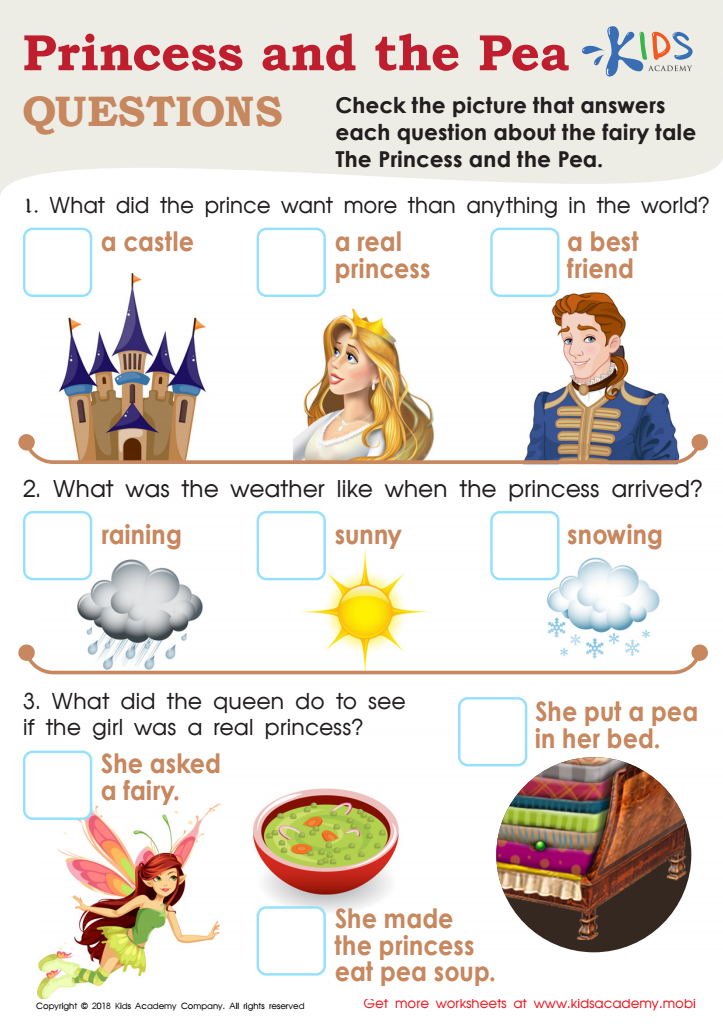
Princess and the Pea Questions Worksheet








Parents and teachers should prioritize Critical Thinking Reading because it is foundational in nurturing a child's analytical and comprehension skills, crucial for lifelong learning. Critical thinking empowers students to evaluate and process information rather than passively absorbing content. This fosters active engagement, encouraging inquisitiveness and enhancing problem-solving capabilities.
When children read critically, they do not just receive information; they interact with it by questioning assumptions, identifying biases, and assessing arguments. This cognitively engaging approach ensures a deeper understanding and retention of content. In today's era of information overload, the ability to discern credible sources and think independently is vital. Children trained in critical thinking can navigate complex issues, distinguishing between opinion and fact.
Furthermore, these skills enhance academic achievement across all subjects. In mathematics, it aids in understanding concepts and in science, it promotes experimentation and evidence-based conclusions. Socially, it cultivates empathy as students learn to consider multiple perspectives.
Ultimately, instilling critical thinking through reading prepares students to be thoughtful, informed citizens capable of contributing meaningfully to society. It enriches their personal and intellectual lives, fostering a lifelong love of learning and curiosity. For these reasons, parents and teachers should champion critical thinking in their reading curricula.








