Data interpretation Reading Worksheets
3 filtered results
-
From - To
Unlock your child's potential in understanding data with our Data Interpretation Reading Worksheets from Kids Academy. Designed for young learners, our engaging worksheets help students master the skills of reading, analyzing, and interpreting various forms of data. Packed with colorful charts, graphs, and tables, these activities enhance critical thinking, boost reading comprehension, and nurture mathematical reasoning. Perfect for classroom use or home practice, our expertly crafted worksheets empower students to decipher complex information effortlessly. Explore our diverse collection today and lay a strong foundation in data literacy, crucial for academic success and everyday life. Start empowering your child's learning journey now!
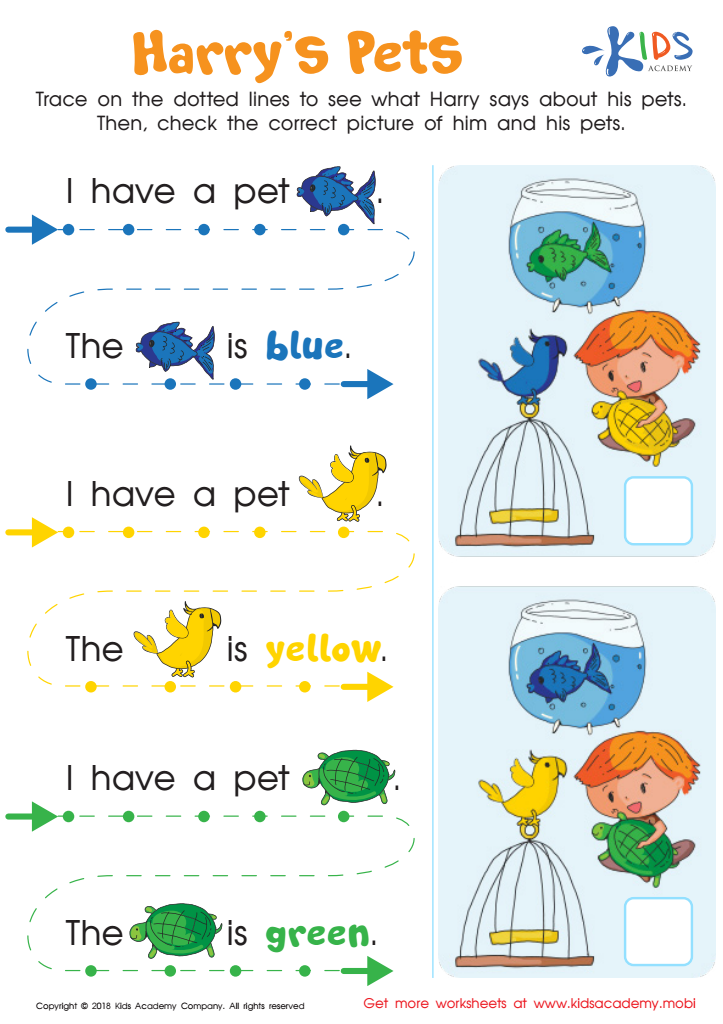
Read from Left to Right: Harry's Pets Worksheet
 Assign to My Students
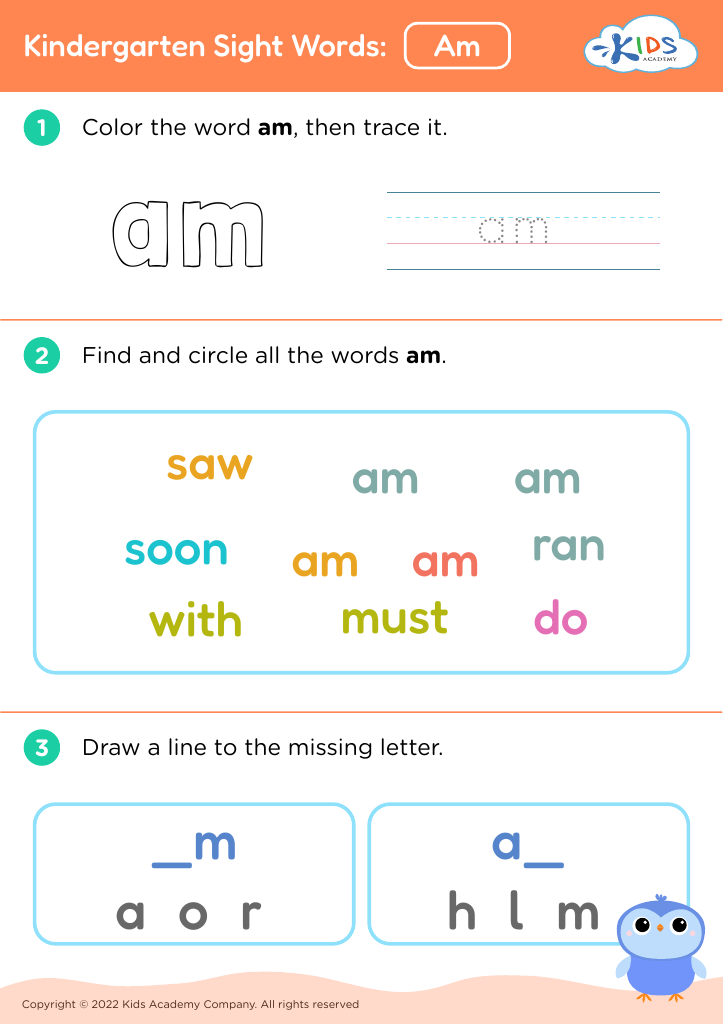
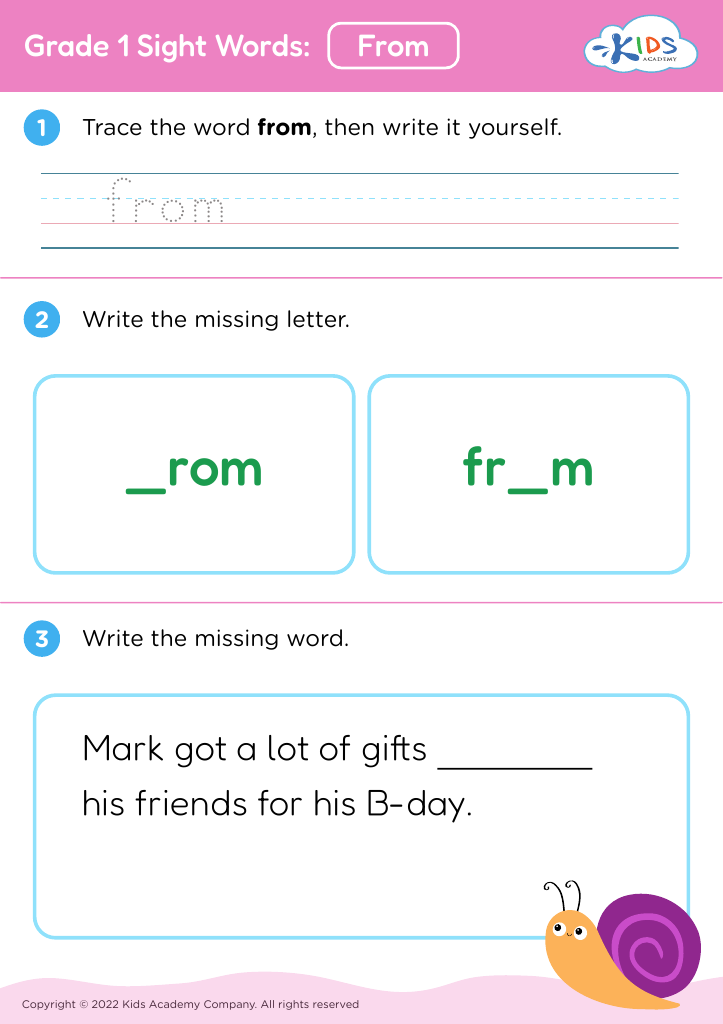








Data interpretation reading is a crucial skill for children, and both parents and teachers should prioritize it for several reasons. Firstly, in our increasingly data-driven world, the ability to understand and draw conclusions from data is fundamental. Interpreting graphs, charts, and tables helps kids develop critical thinking and analytical skills that are essential for academic success and informed decision-making in everyday life.
Additionally, data interpretation fosters mathematical literacy. By practicing how to read and understand various types of data presentations, children improve their numeracy—understanding numbers and how they relate to each other. This skill extends beyond math class, aiding in subjects like science, social studies, and even art.
Moreover, encouraging data interpretation enhances problem-solving abilities. Children learn to look at data critically, ask pertinent questions, and discern patterns or anomalies. This nurtures their inquisitiveness and boosts confidence in handling complex information.
In practical terms, proficiency in data interpretation is also a valuable asset in the job market. It prepares students for future careers, regardless of field, as data literacy becomes an increasingly sought-after skill.
Therefore, educators and parents should integrate data interpretation reading into learning activities. This doesn’t just equip children for academic tasks but also prepares them for future professional opportunities and responsible citizenship in a data-centric society.








