Logical thinking Reading Worksheets
10 filtered results
-
From - To
Enhance your child's cognitive skills with our Logical Thinking Reading Worksheets. Designed for young learners, these engaging worksheets aim to develop critical reasoning and comprehension abilities. Each activity encourages students to analyze, infer, and draw conclusions, promoting enhanced understanding and problem-solving capabilities. Perfect for classroom or at-home learning, our printables integrate fun, educational tasks that stimulate logical thought processes. Foster your child's intellectual growth and prepare them for future academic success with our thoughtfully crafted resources. Discover a wide variety of worksheets suited for all early-grade levels on Kids Academy today!
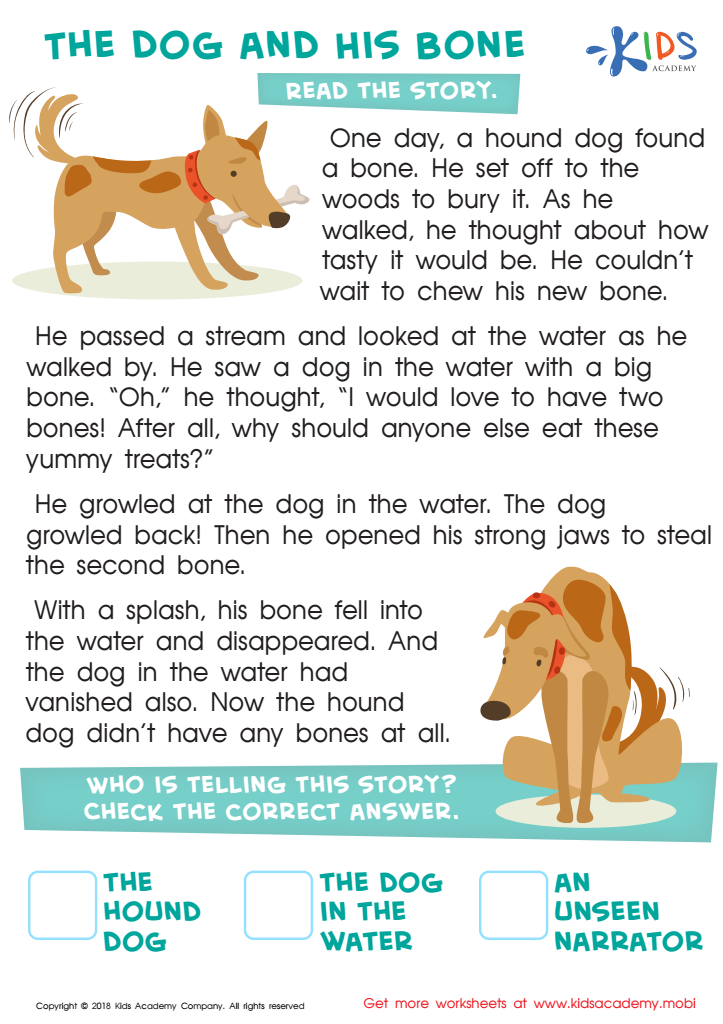
The Dog and His Bone Worksheet
 Assign to My Students
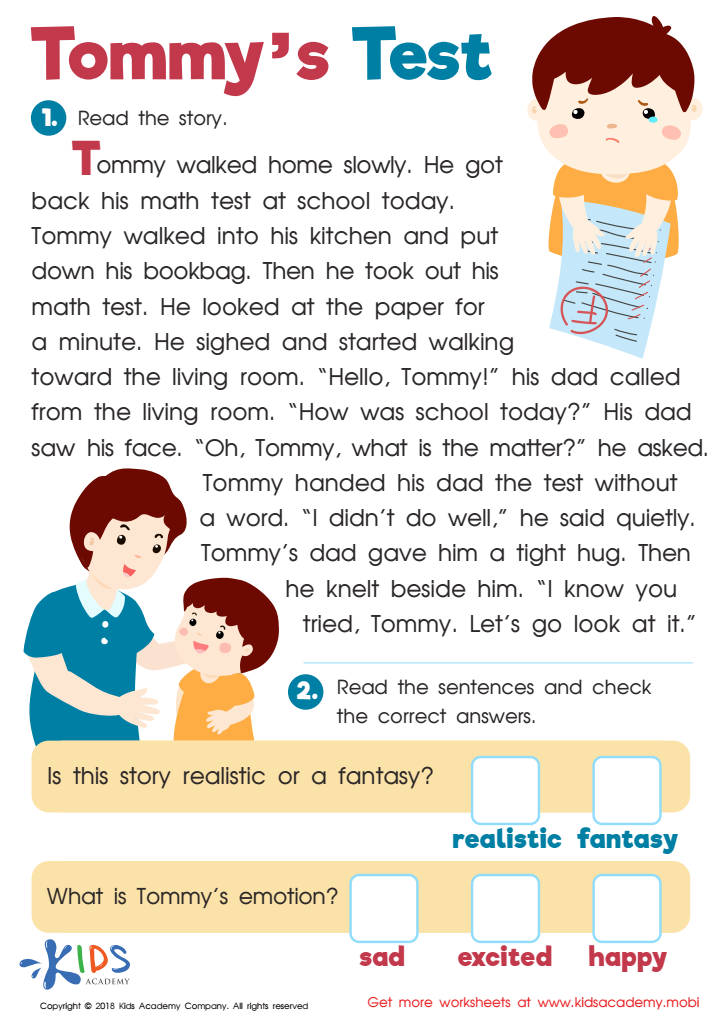
Tommys Test Worksheet
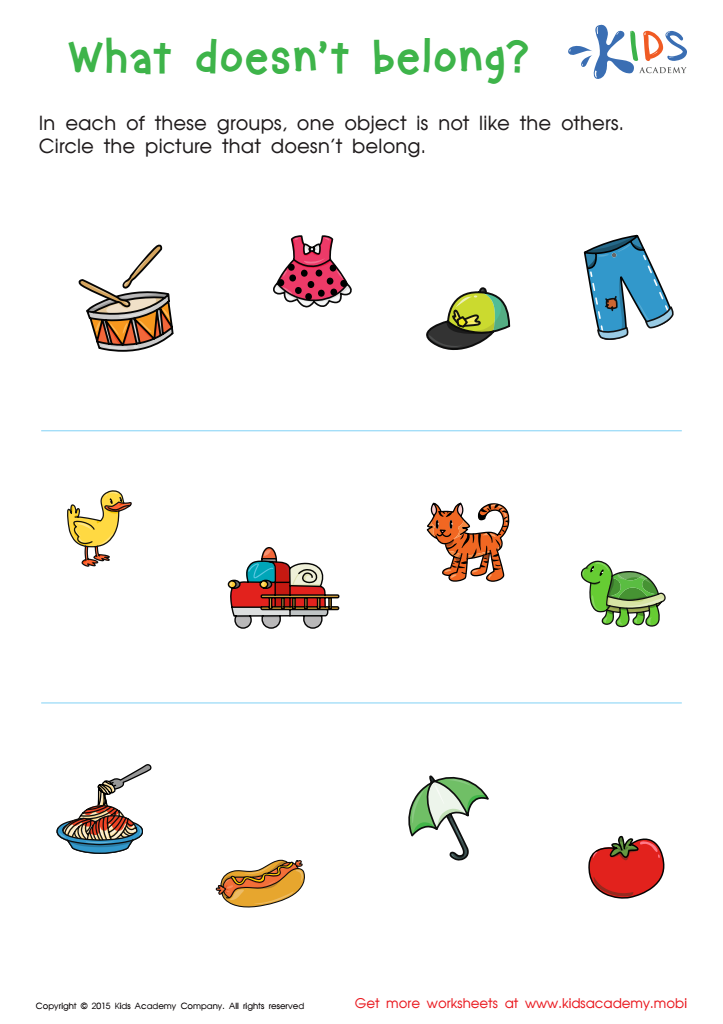
First Words: What Doesn't Belong Worksheet
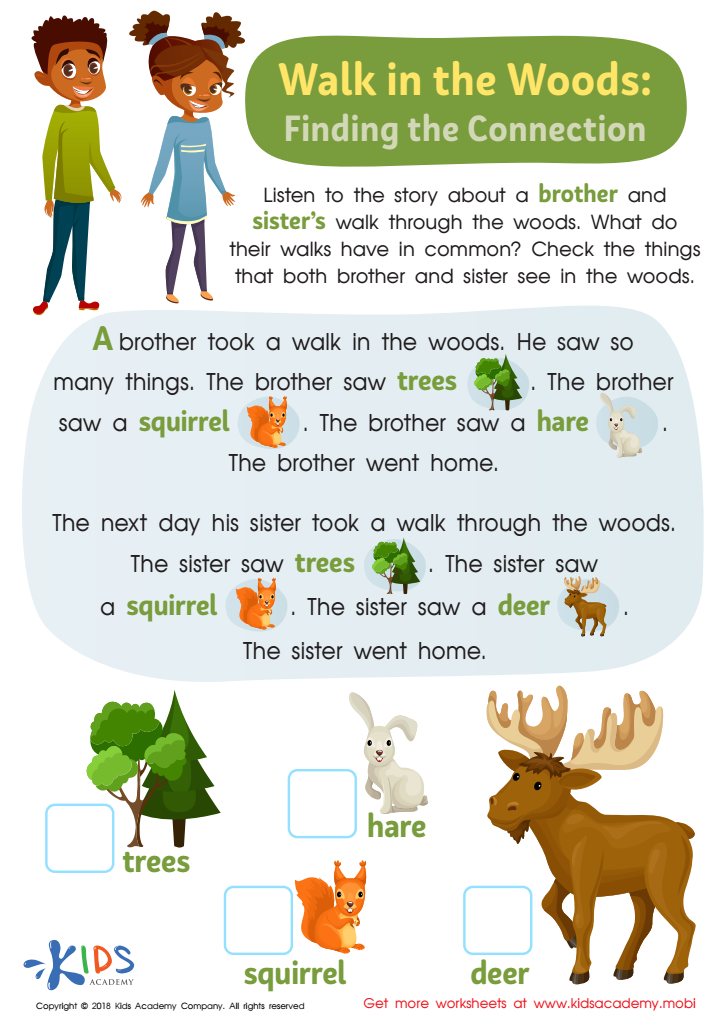
Walk In the Woods: Finding Connections Worksheet
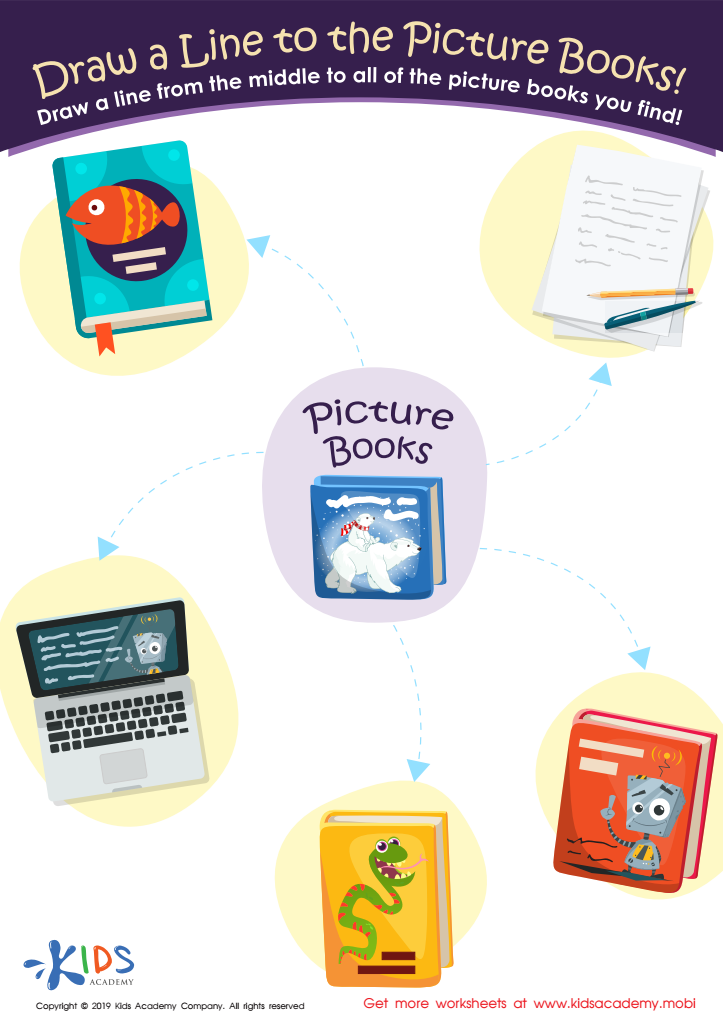
Draw a Line to the Picture Books Worksheet
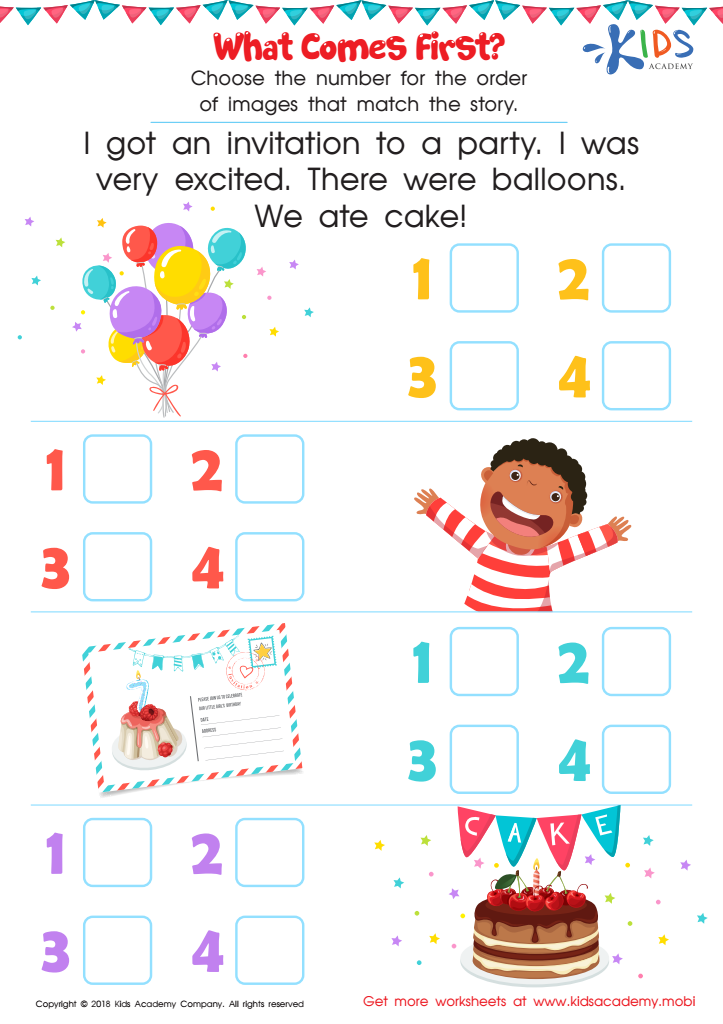
What Comes First Worksheet
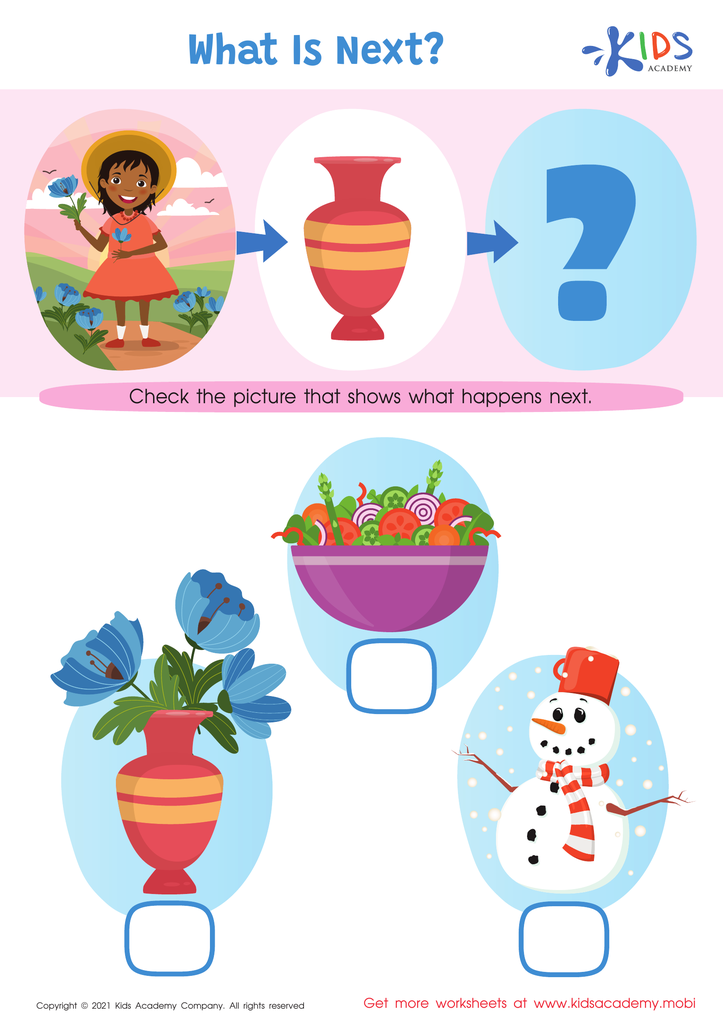
What is Next? Worksheet








Logical thinking is a critical skill that helps individuals analyze situations, make decisions, and solve problems systematically. For parents and teachers, fostering strong logical thinking in young readers is vital because it lays the foundation for academic success and daily life competency.
Logical thinking in reading improves comprehension, enabling children to understand not just the text, but also underlying concepts and causes. When students learn to recognize patterns, assess evidence, and differentiate between fact and opinion, they're better equipped to summarize content, draw inferences, and make connections between ideas. This enhances their overall academic performance across subjects such as math, science, and social studies.
Beyond the classroom, logical thinking nurtures critical life skills. It encourages children to question assumptions, think independently, and arrive at sound conclusions. These abilities support effective decision-making and problem-solving in real-world situations, from resolving conflicts with peers to mastering new technologies.
Moreover, developing logical thinking enriches students' emotional intelligence. It helps them understand the consequences of their actions, predict potential outcomes, and empathize more effectively with others.
In conclusion, parents and teachers should prioritize logical thinking in reading as it molds young minds into competent, thoughtful, and critically-minded individuals, prepared to navigate a complex and ever-changing world.








