Critical Thinking Reading Fiction Worksheets
47 filtered results
-
From - To
Unlock your child's imagination and analytical skills with our Critical Thinking Reading Fiction Worksheets! Designed to enhance comprehension, these engaging activities encourage young readers to delve deeper into stories, explore character motivations, and identify central themes. Each worksheet promotes critical questioning, helping students develop essential skills for interpreting fiction and making connections to real-life experiences. Ideal for classroom use or at-home practice, our resources cater to various learning styles, promoting creativity and thoughtful discussion. Empower your child to become not just a reader but a thinker! Explore our collection and watch their confidence soar as they navigate the world of fiction thoughtfully.
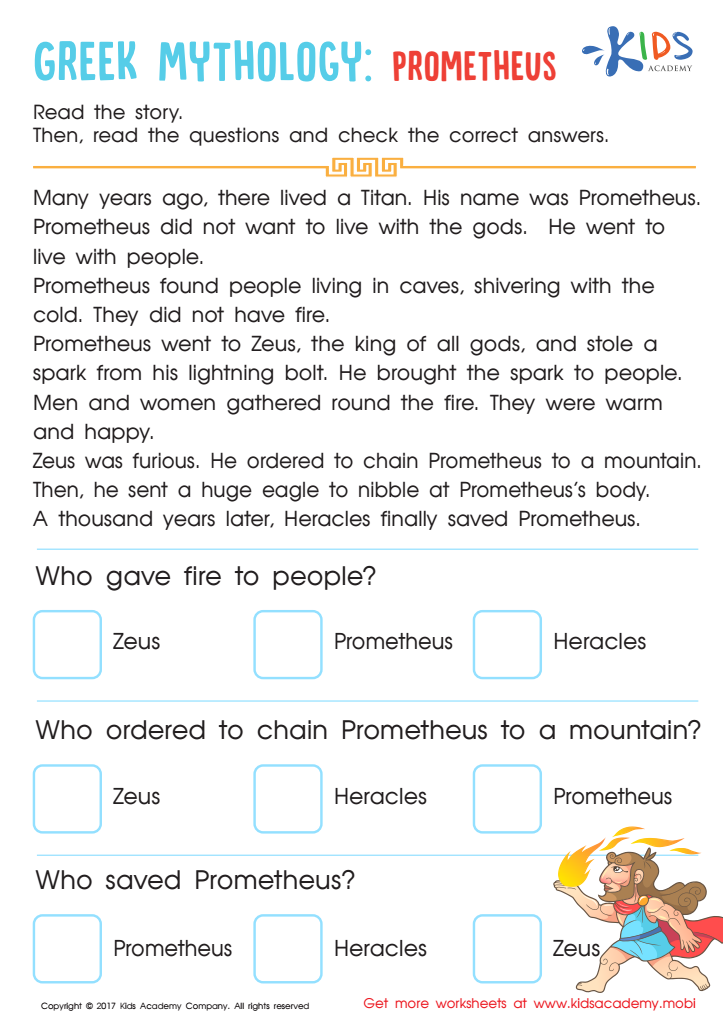
Prometheus Story Worksheet
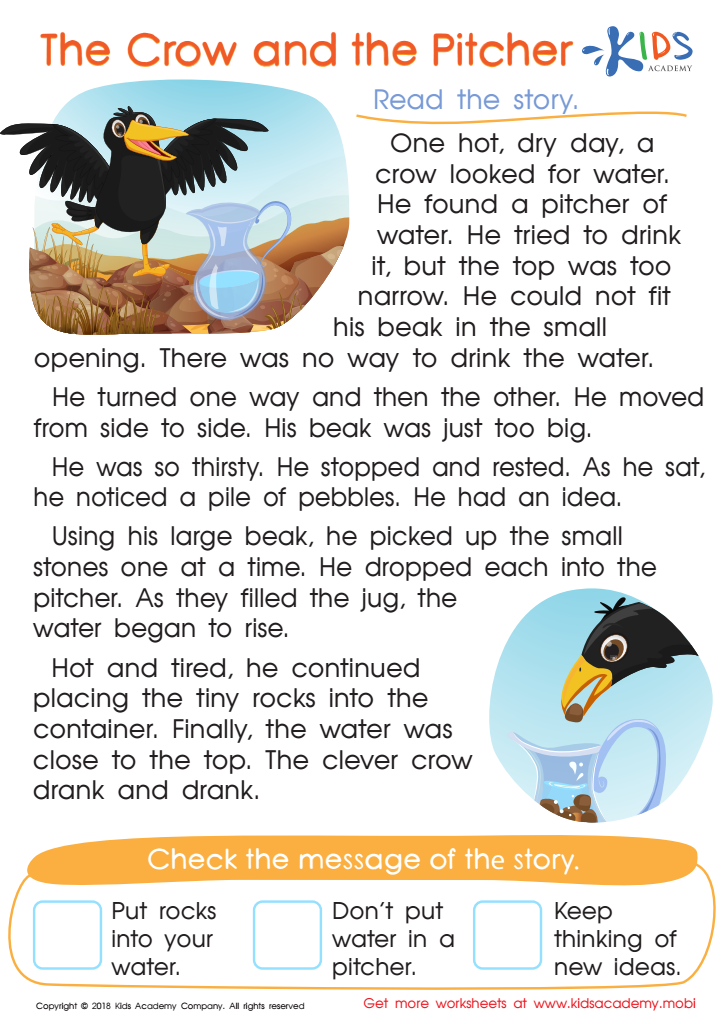
The Crow and the Pitcher Worksheet
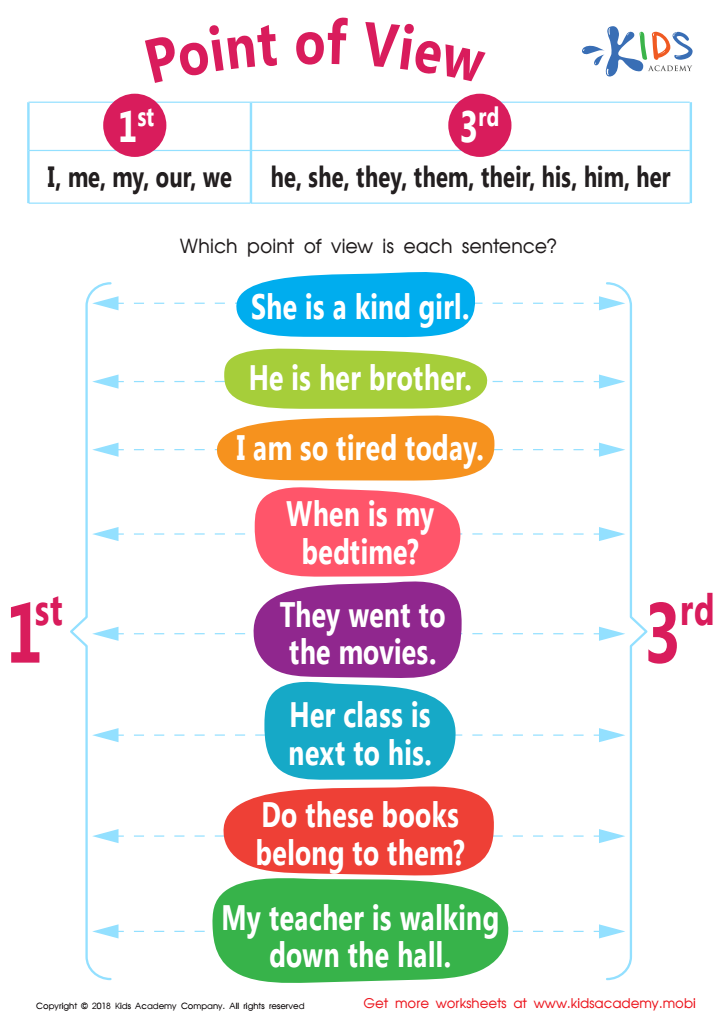
Point of View Worksheet
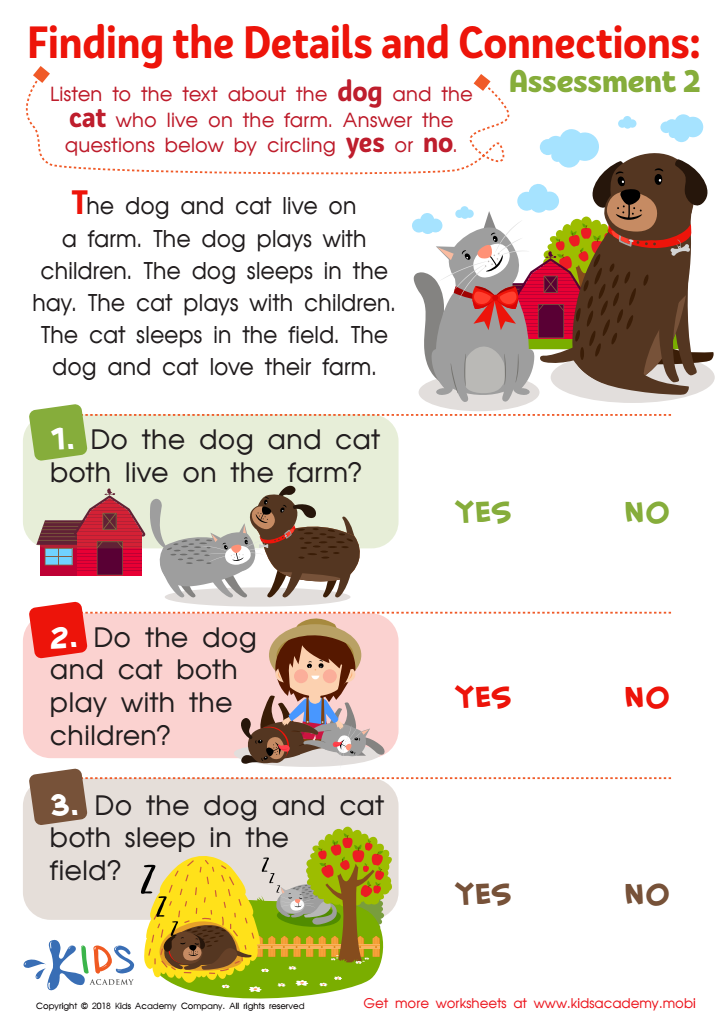
Finding the Details and Connections: Assessment 2 Worksheet
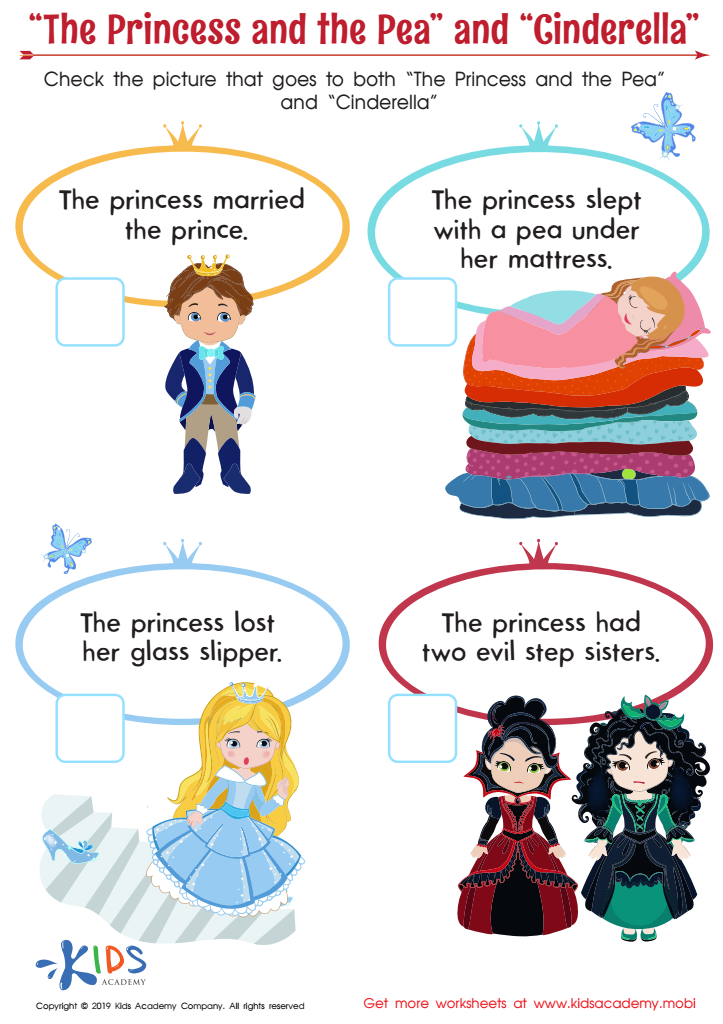
“The Princess and the Pea” and “Cinderella” Worksheet
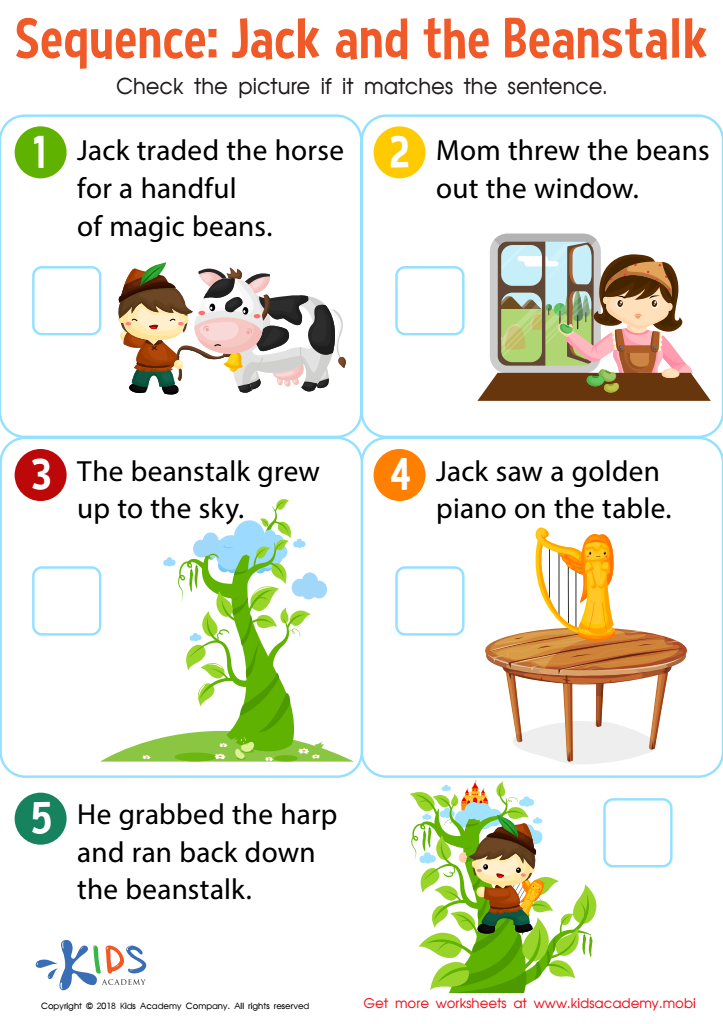
Sequence: Jack and The Beanstalk Worksheet
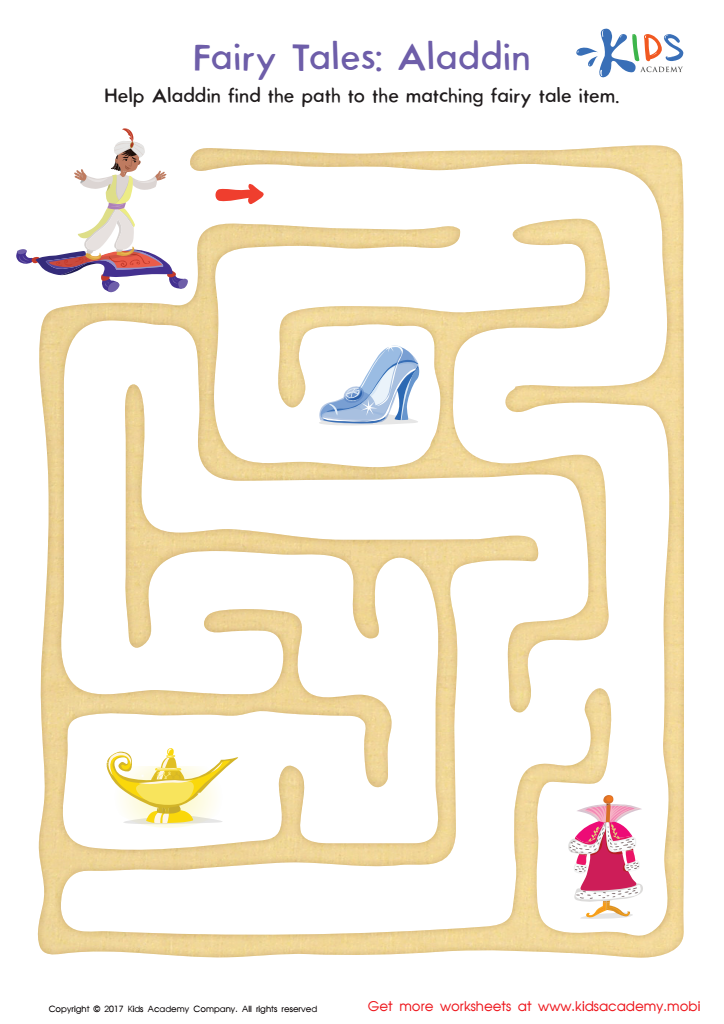
Fairy Tales Aladdin Printable
Folktales Printable PDF Worksheet: The 3 Little Pigs
 Assign to My Students
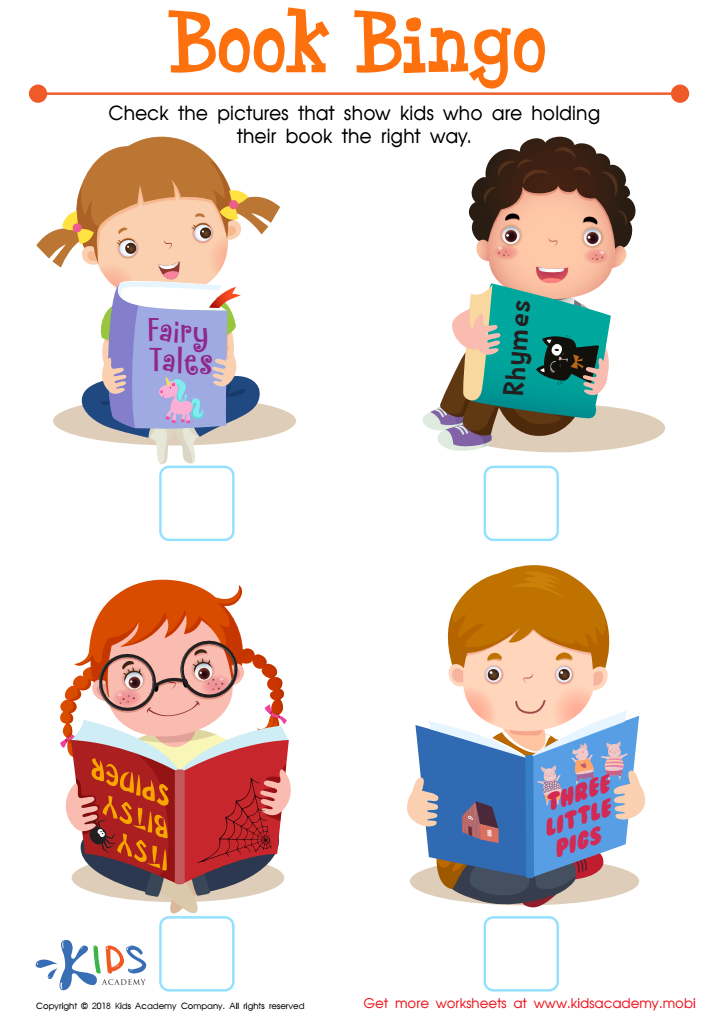
Book Bingo Worksheet
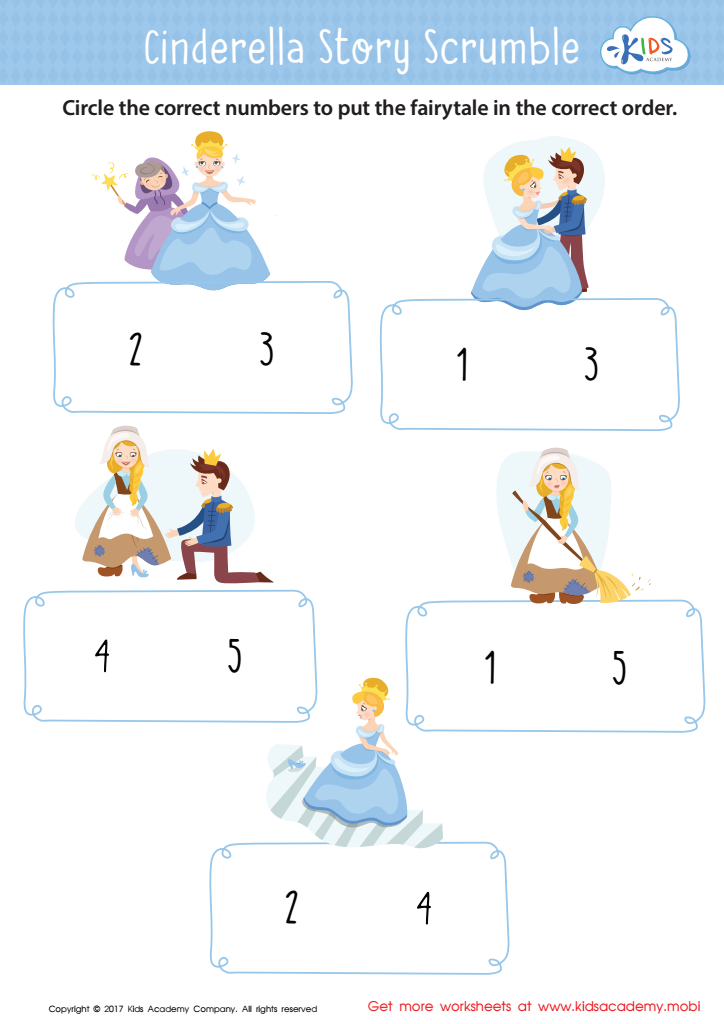
Cinderella Story Sequencing Worksheet
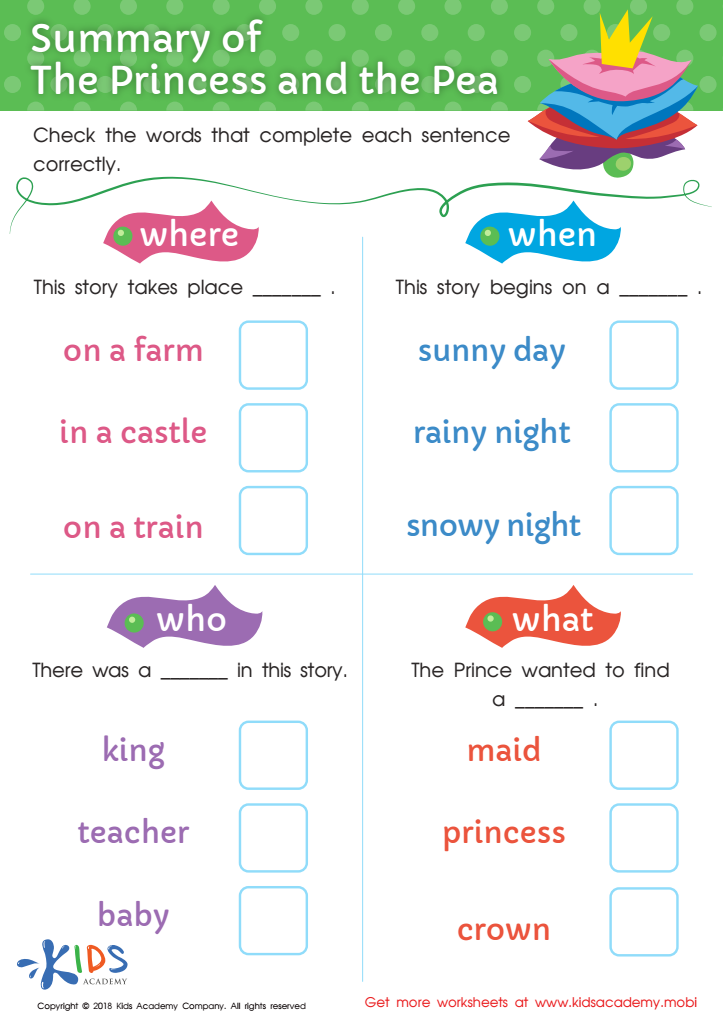
The Summary of the Princess and the Pea Worksheet
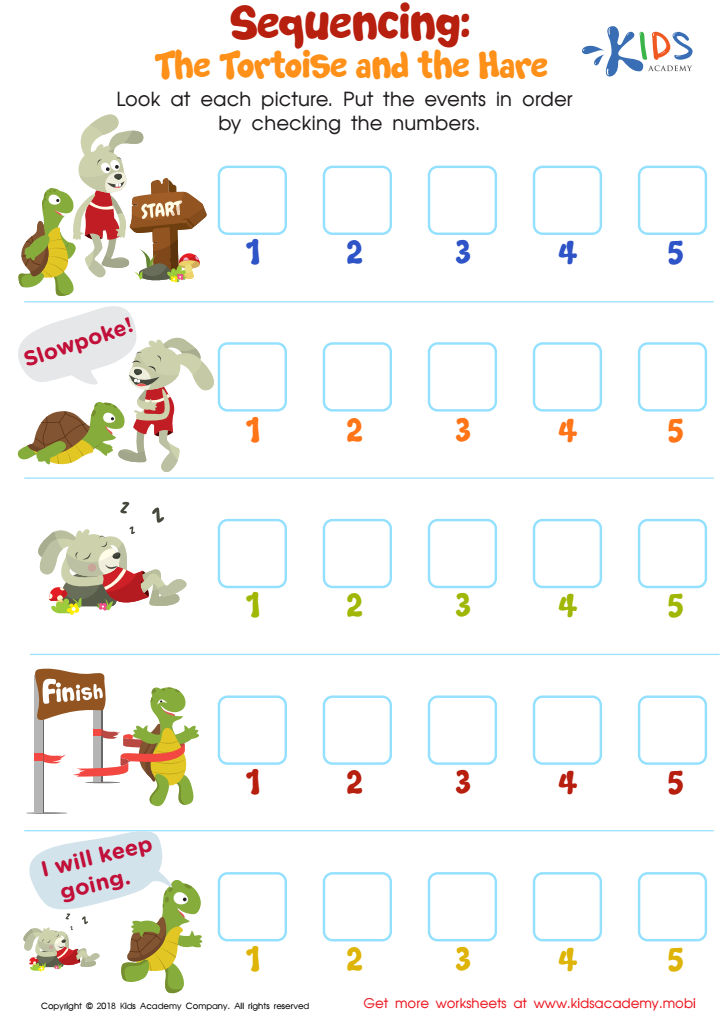
Sequencing: The Tortoise and the Hare Worksheet
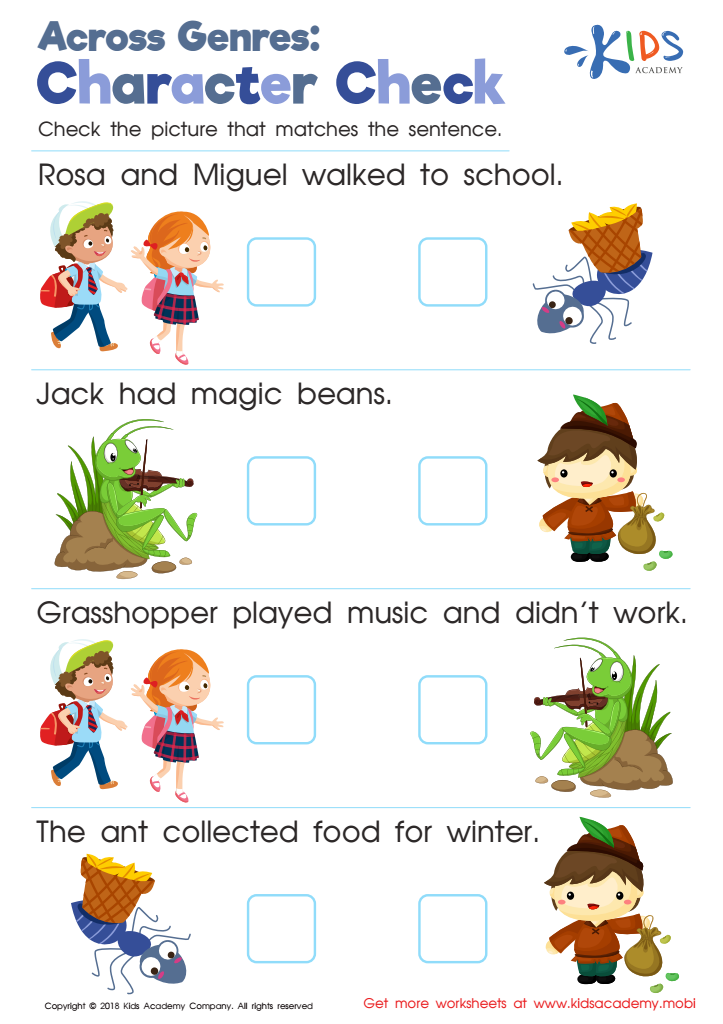
Across Genres: Character Check Worksheet
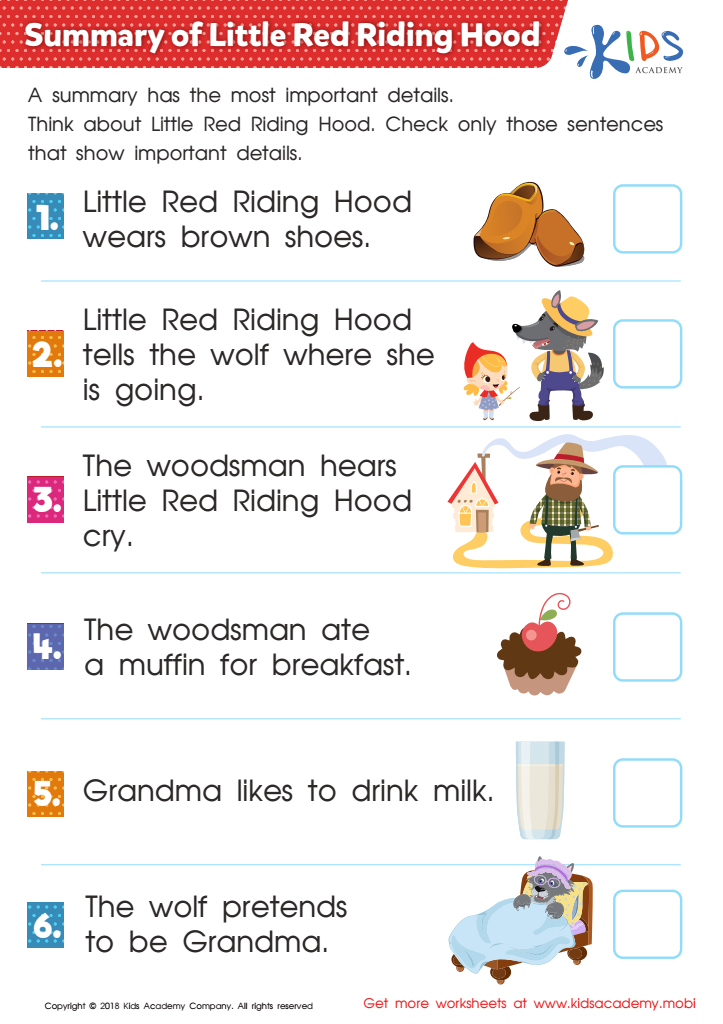
Summary of Little Red Riding Hood Worksheet
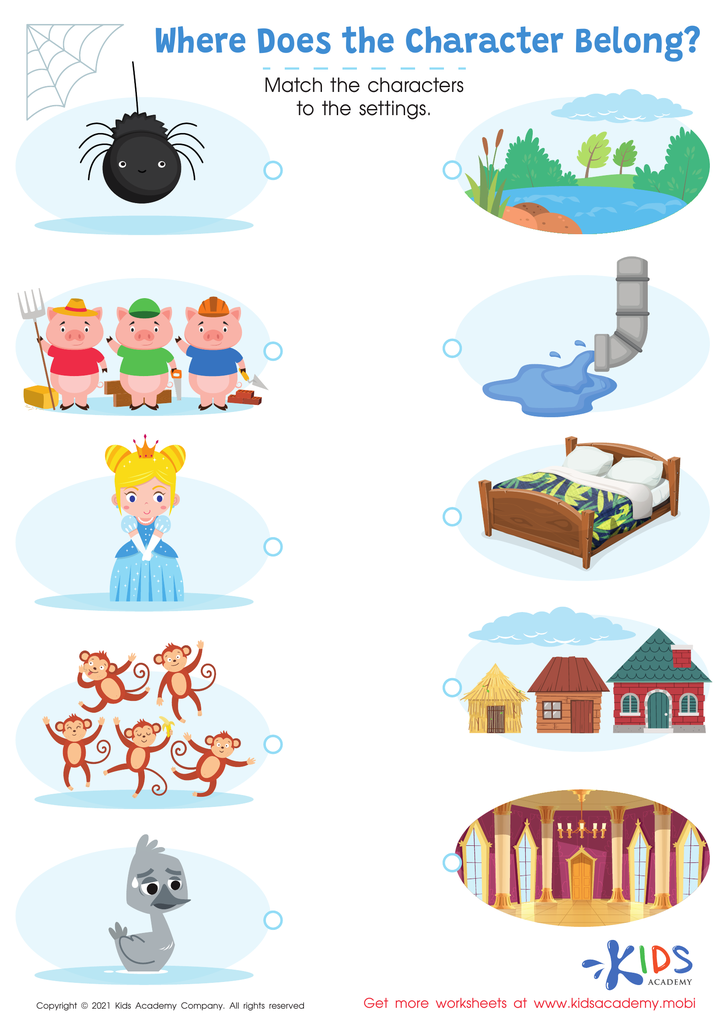
Where Does the Character Belong? Worksheet
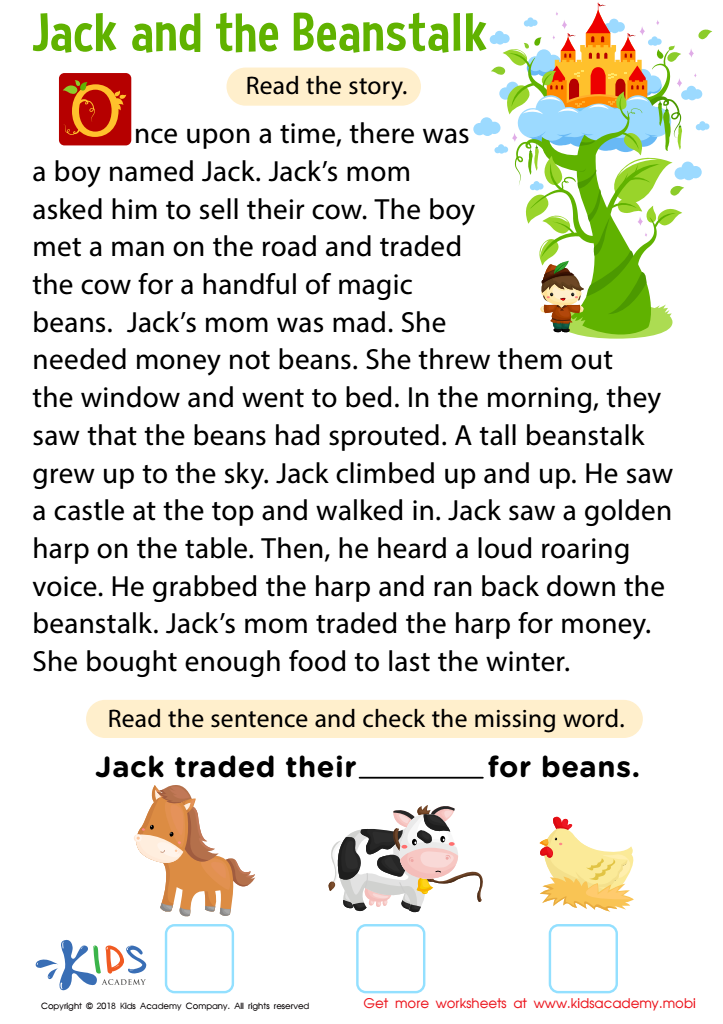
Jack and Beanstalk Worksheet
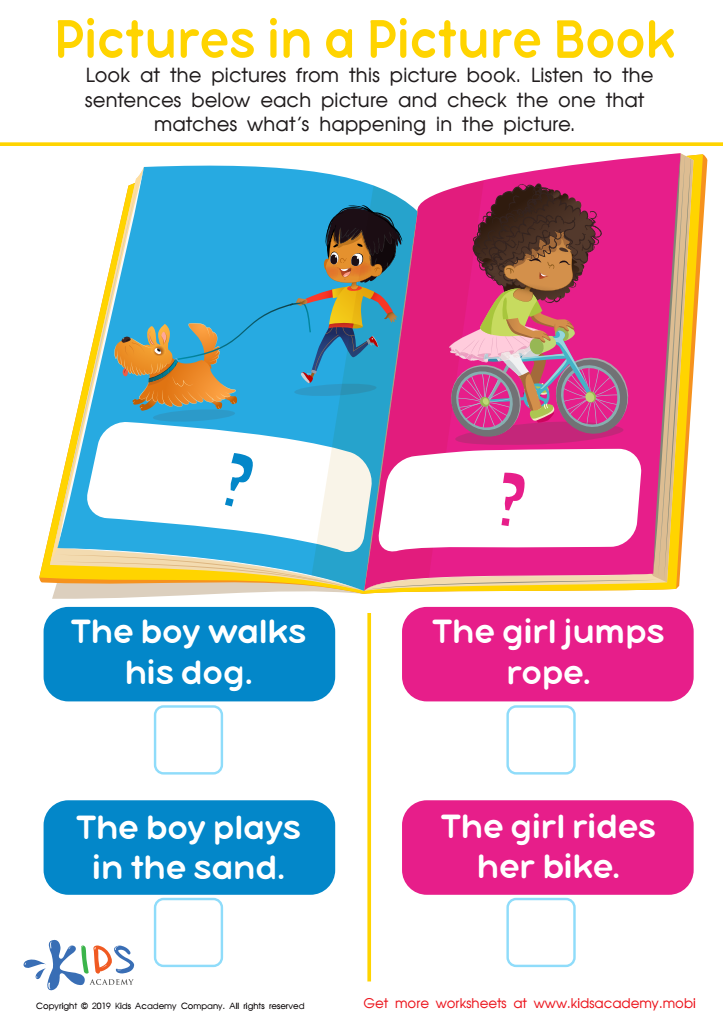
Picture in Books Worksheet
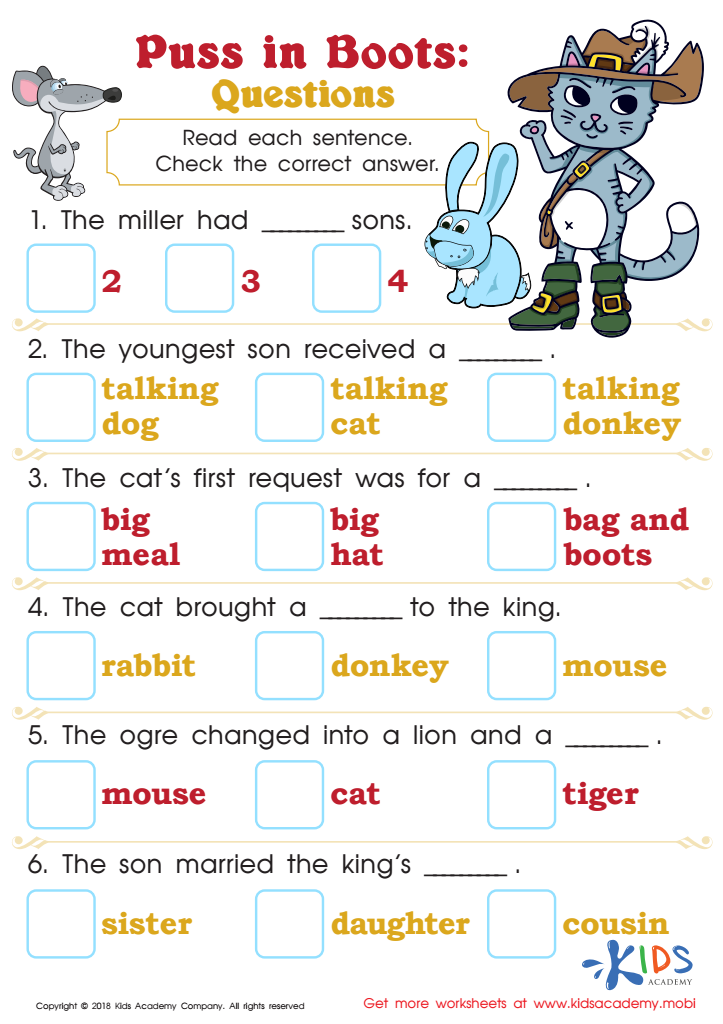
Puss in Boots: Questions Worksheet
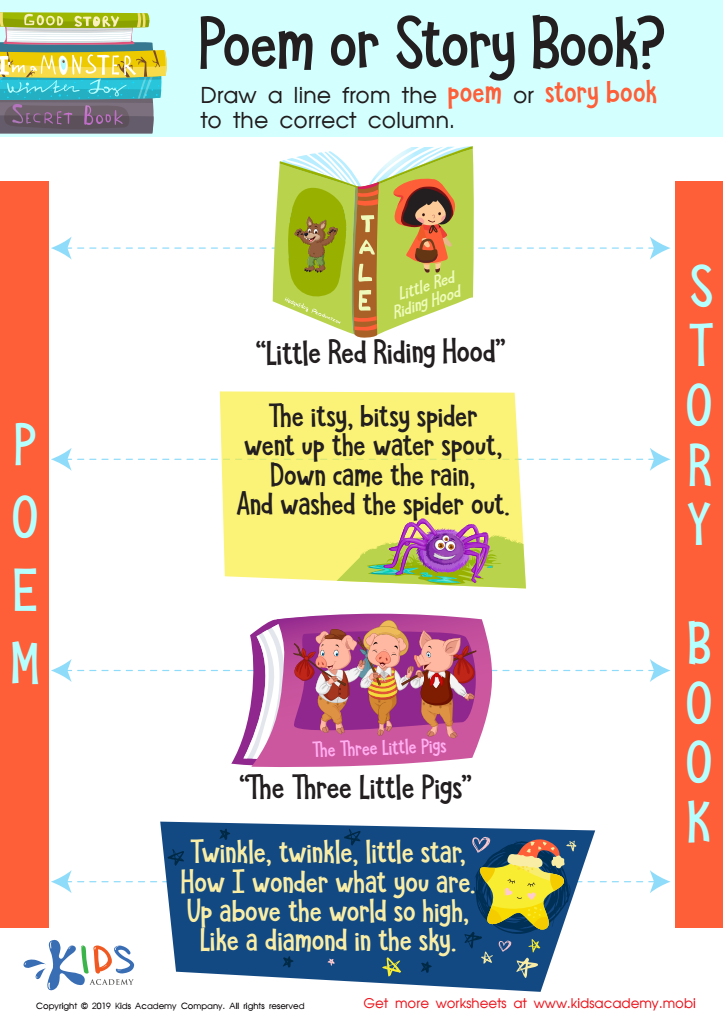
Poem or Story Book? Worksheet
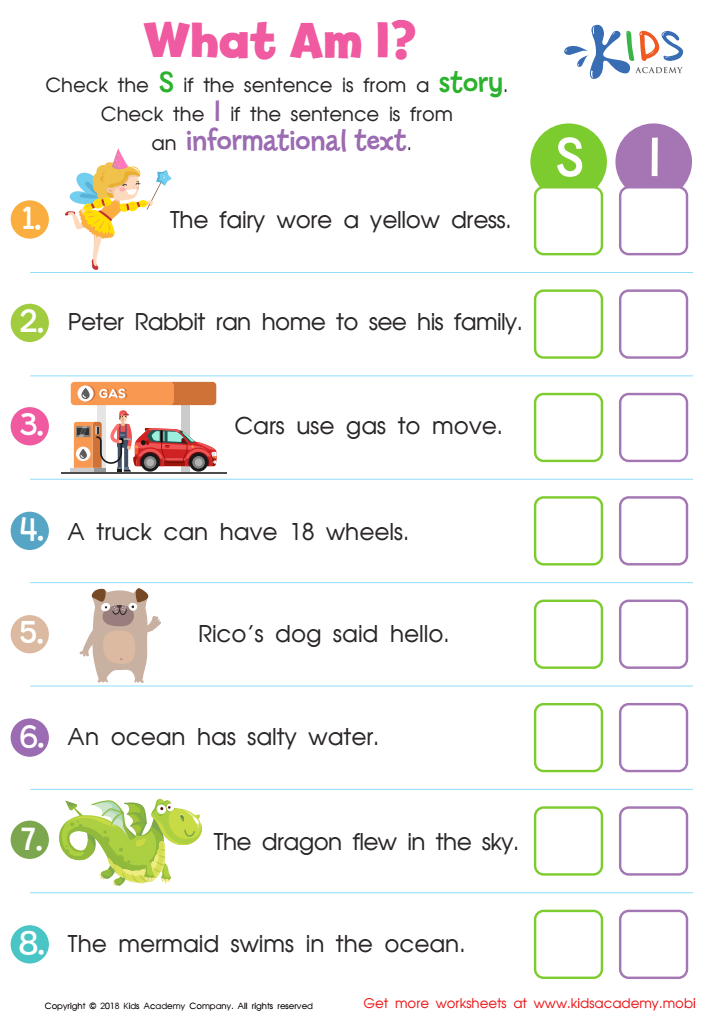
What Am I? Worksheet
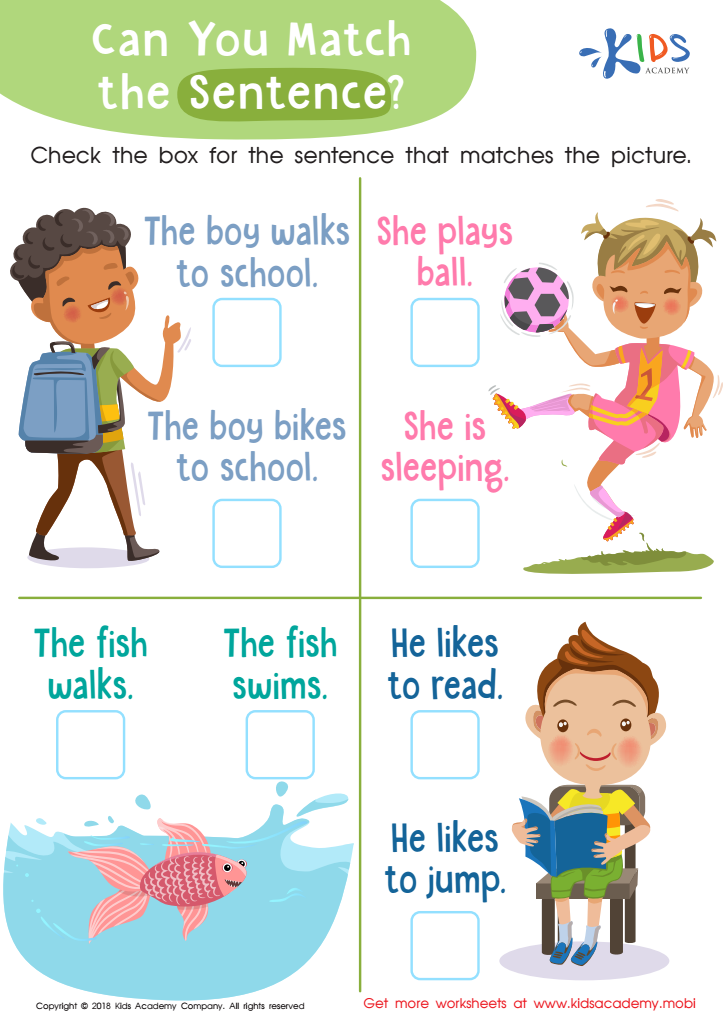
Can You Match the Sentence? Worksheet
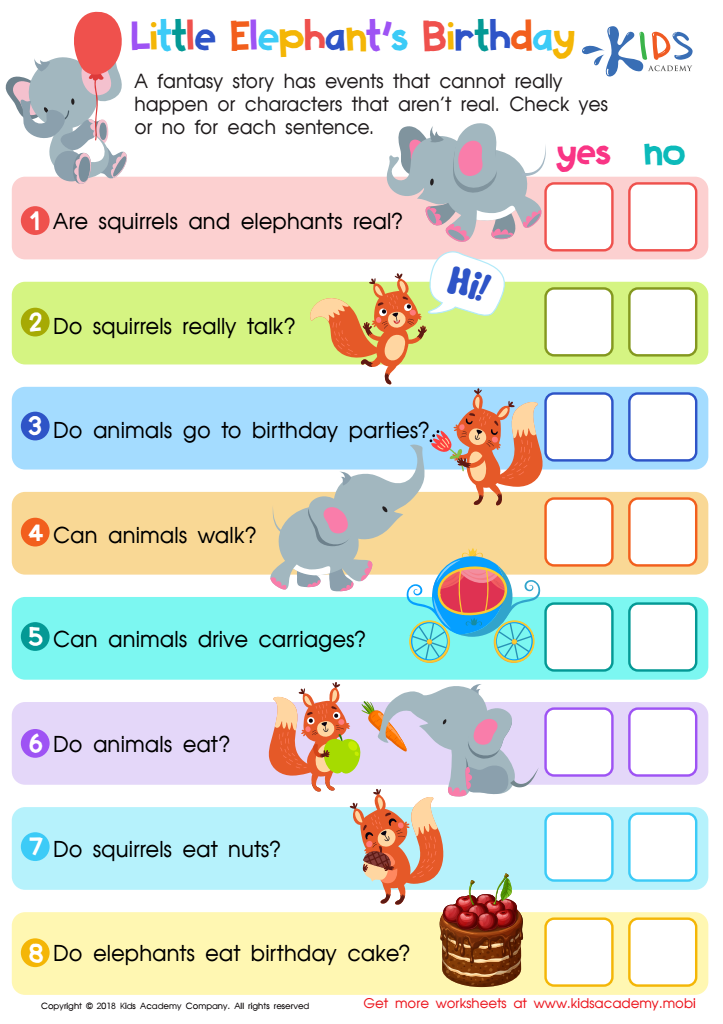
Little Elephant's Birthday Worksheet
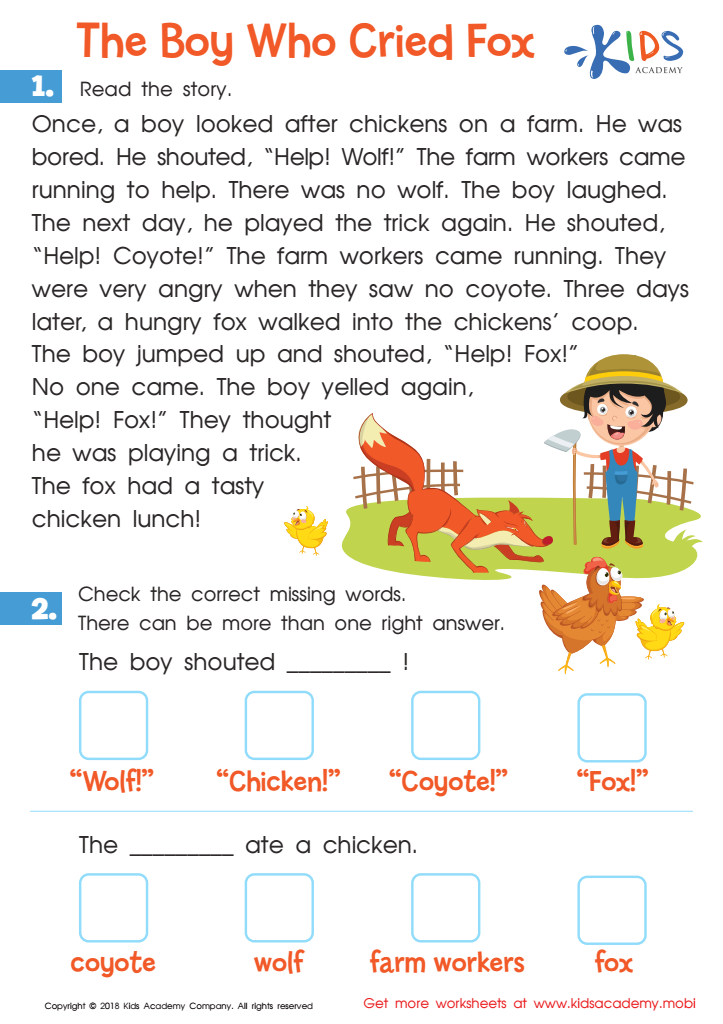
The Boy Who Cried Fox Worksheet
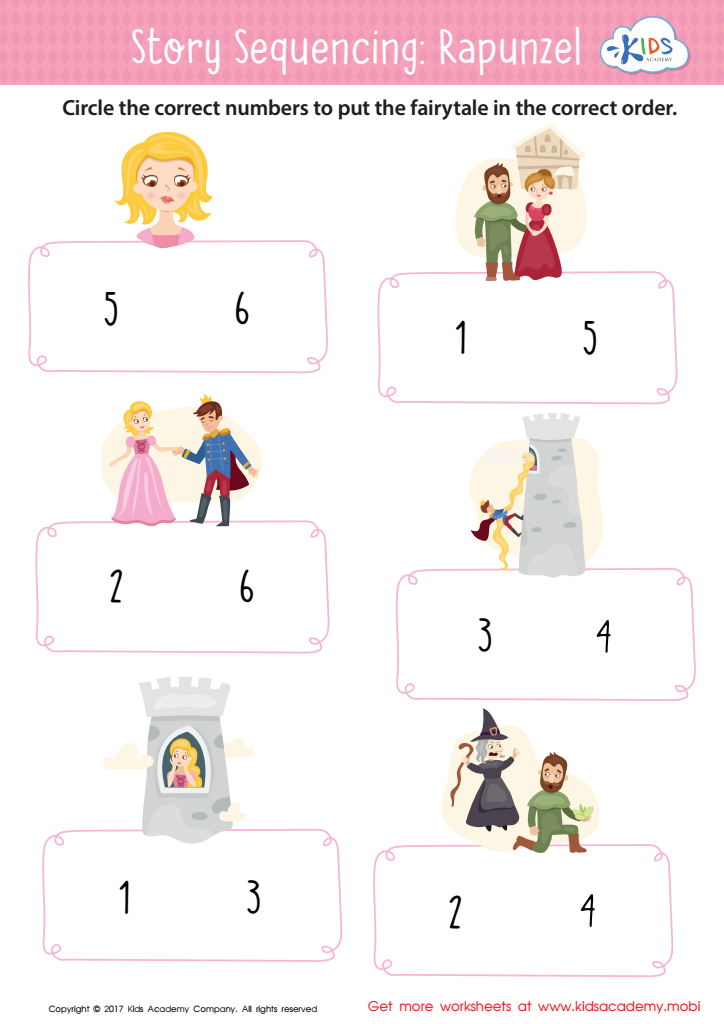
Rapunzel Story Sequencing Worksheet








Critical thinking reading fiction offers numerous benefits for both children and their educators, making it a vital focus for parents and teachers. Engaging with fictional texts encourages young readers to analyze characters, plot developments, and underlying themes, fostering their ability to assess information critically. As students navigate complex narratives, they learn to identify biases and motivations, skills transferable to real-life situations and non-fiction sources.
Fiction also promotes empathy, allowing readers to step into diverse characters' perspectives and experiences. This emotional engagement cultivates social awareness, enhancing interpersonal skills and emotional intelligence. When children learn to empathize with others, they become more compassionate individuals—traits imperative in collaborative environments.
From a teaching perspective, nurturing critical reading skills through fiction empowers educators to guide discussions that challenge students' thinking. Questions about character choices or moral dilemmas encourage deep reflection and dialogue, instilling a lifelong love for reading.
Furthermore, these critical thinking skills align with the demands of the modern world, where the ability to evaluate information and think independently is essential. By prioritizing critical thinking in fiction, parents and teachers equip children with the tools to become thoughtful, informed, and empathetic members of society.








