Critical Thinking Reading Fiction Worksheets - Page 2
47 filtered results
-
From - To
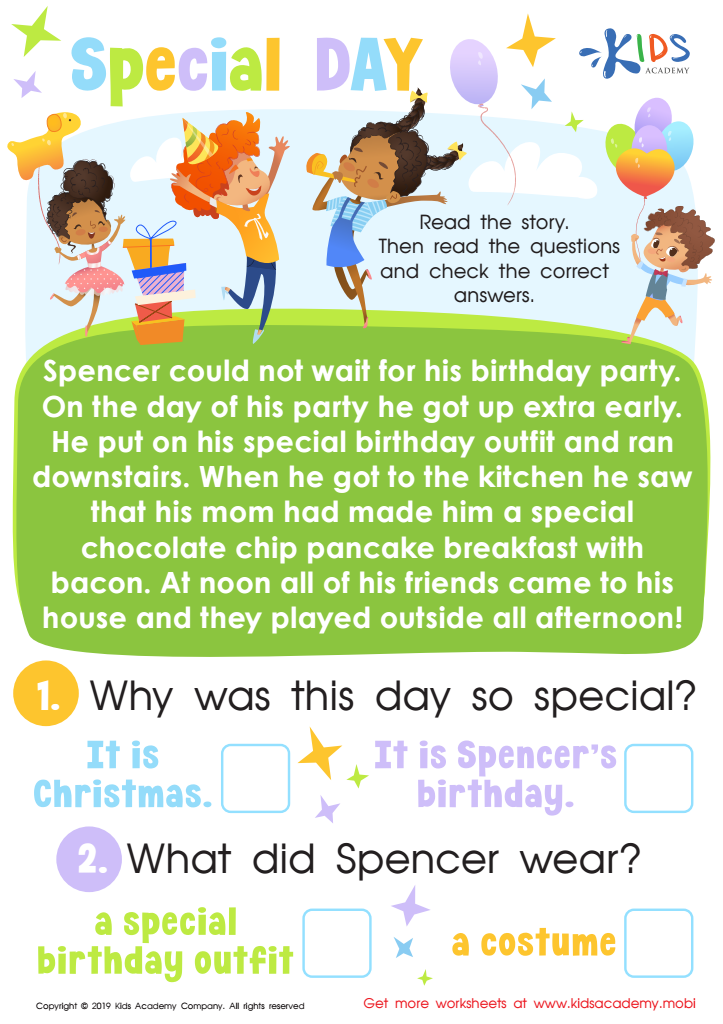
Special Day Worksheet
 Assign to My Students
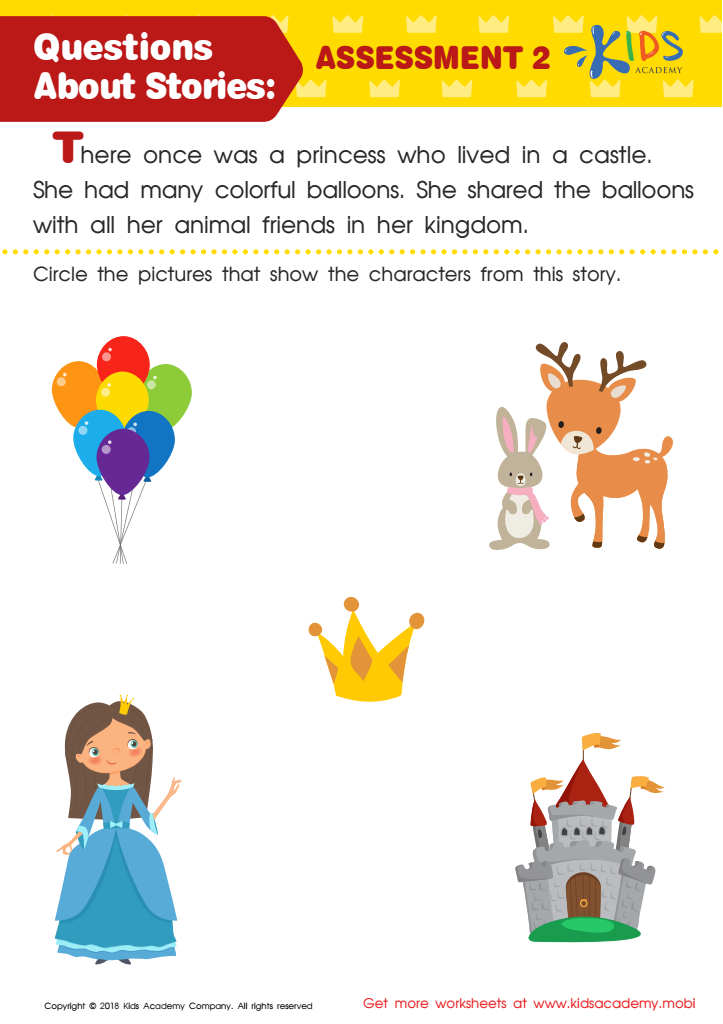
Questions About Stories: Assessment 2 Worksheet
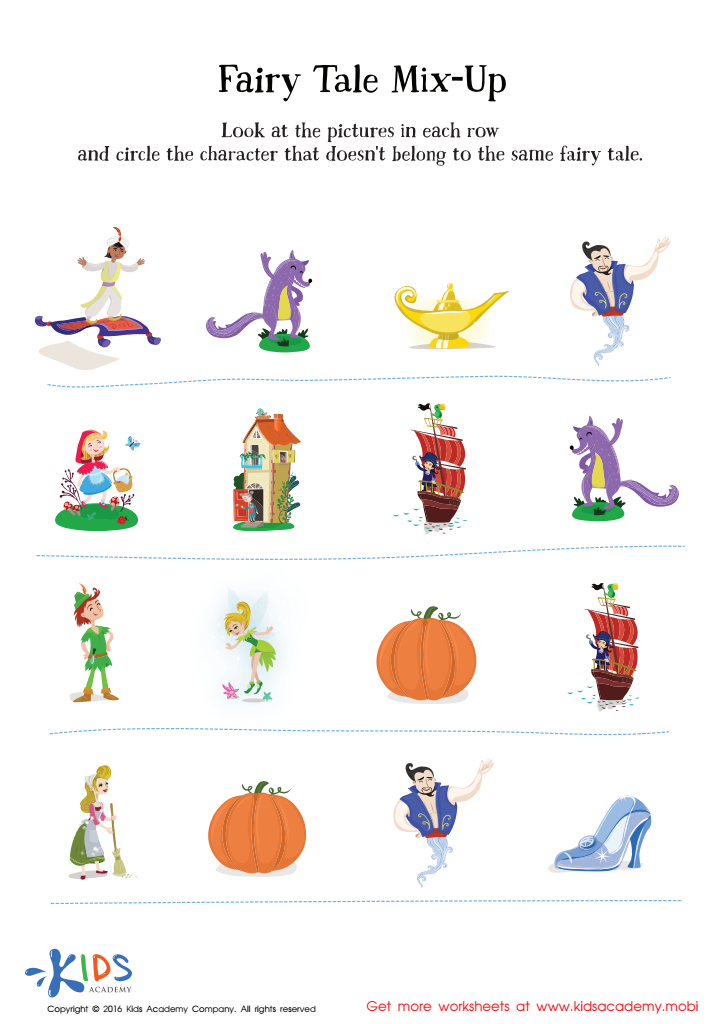
Fairy Tale Worksheet: Story Mix Up
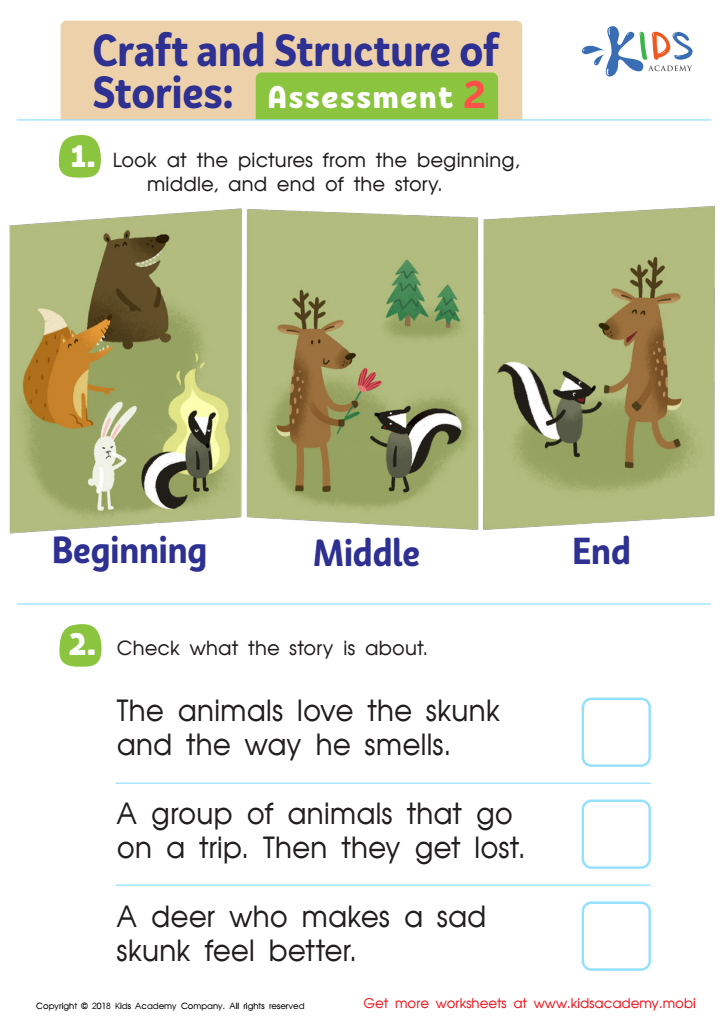
Craft and Structure of Stories: Assessment 2 Worksheet
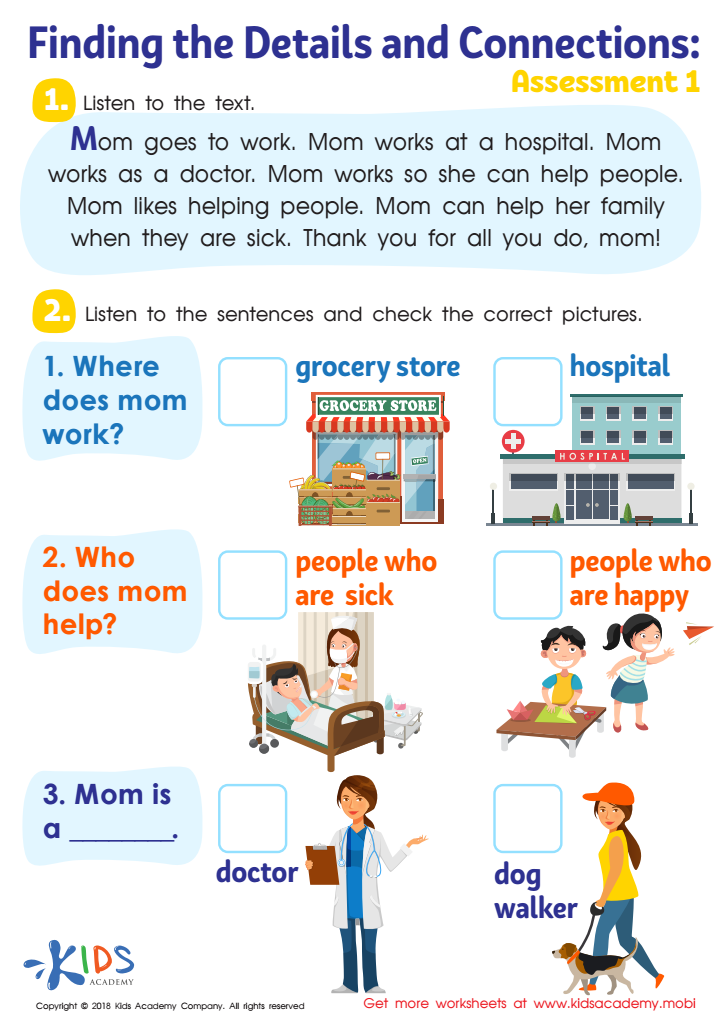
Finding the Details and Connections: Assessment 1 Worksheet
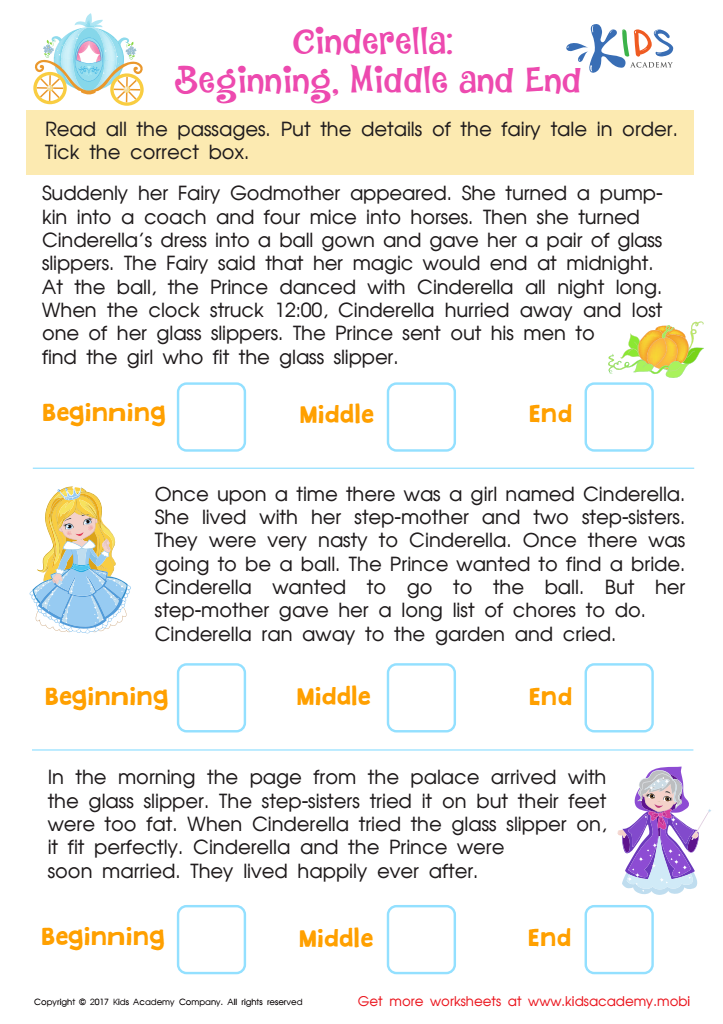
Cinderella: Beginning, Middle and End Worksheet
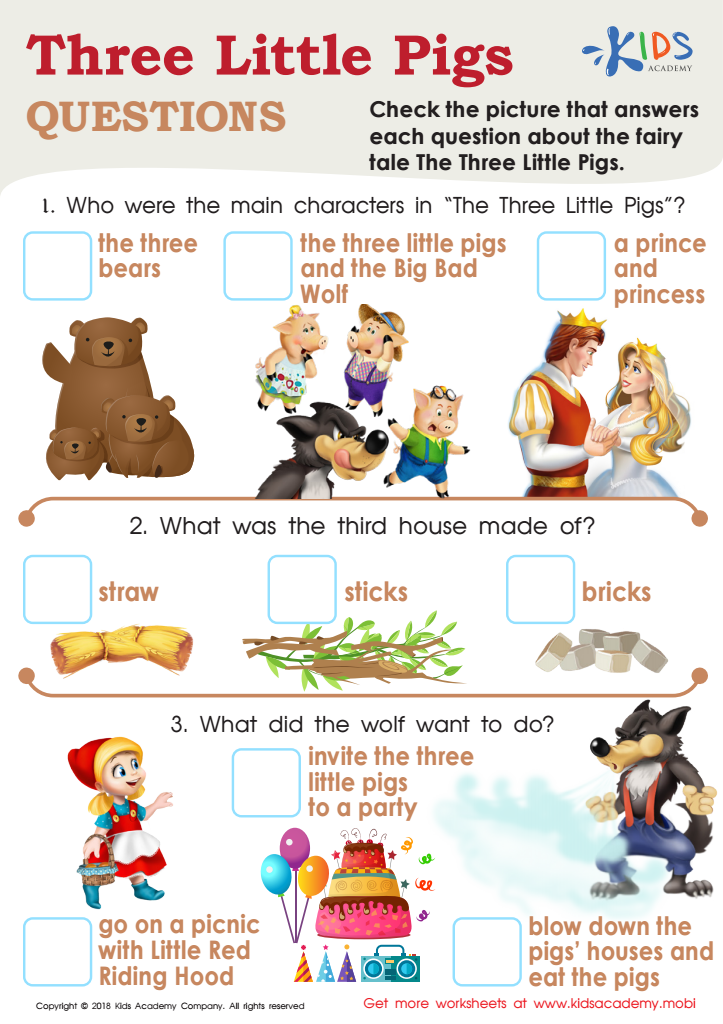
Three Little Pigs Questions Worksheet
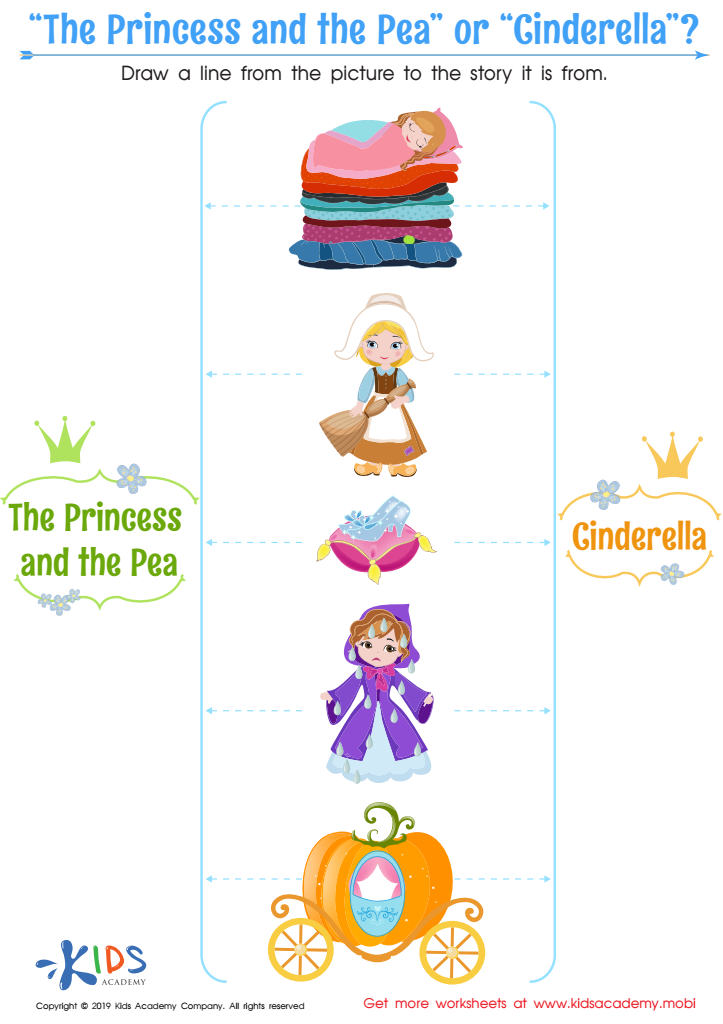
“The Princess and the Pea” or “Cinderella” Worksheet
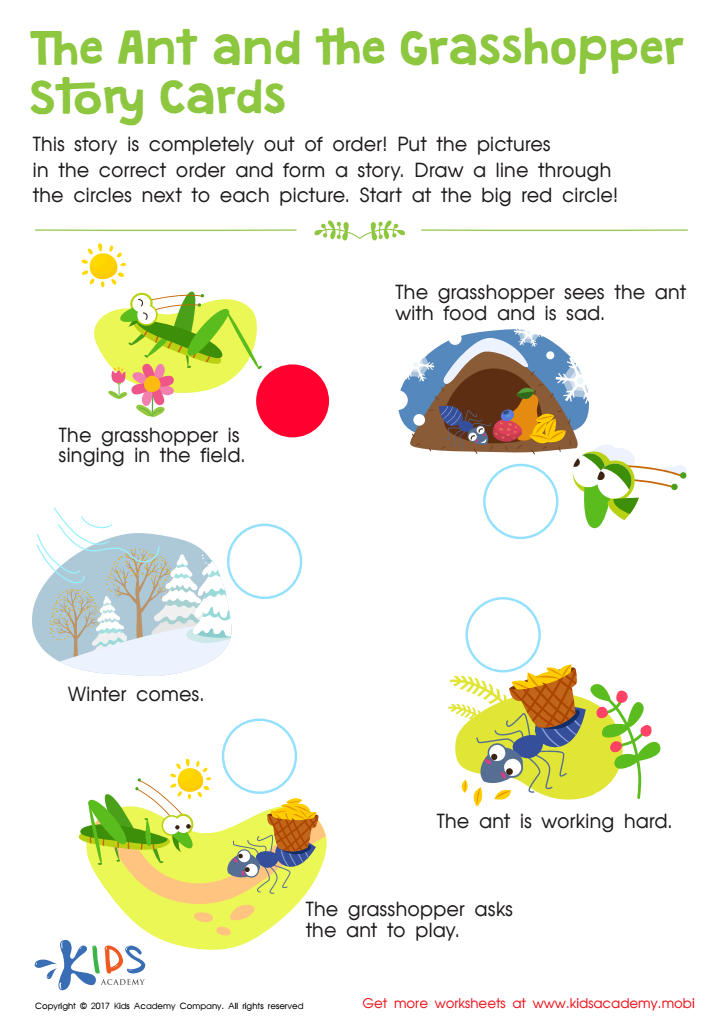
The Ant and The Grasshopper Worksheet
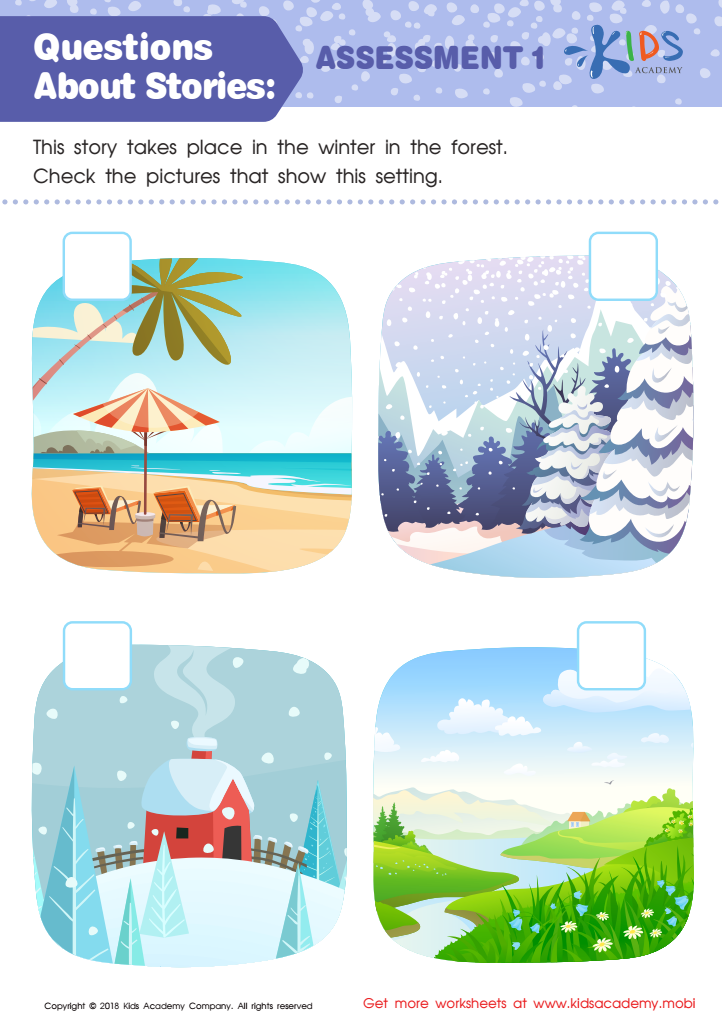
Questions About Stories: Assessment 1 Worksheet
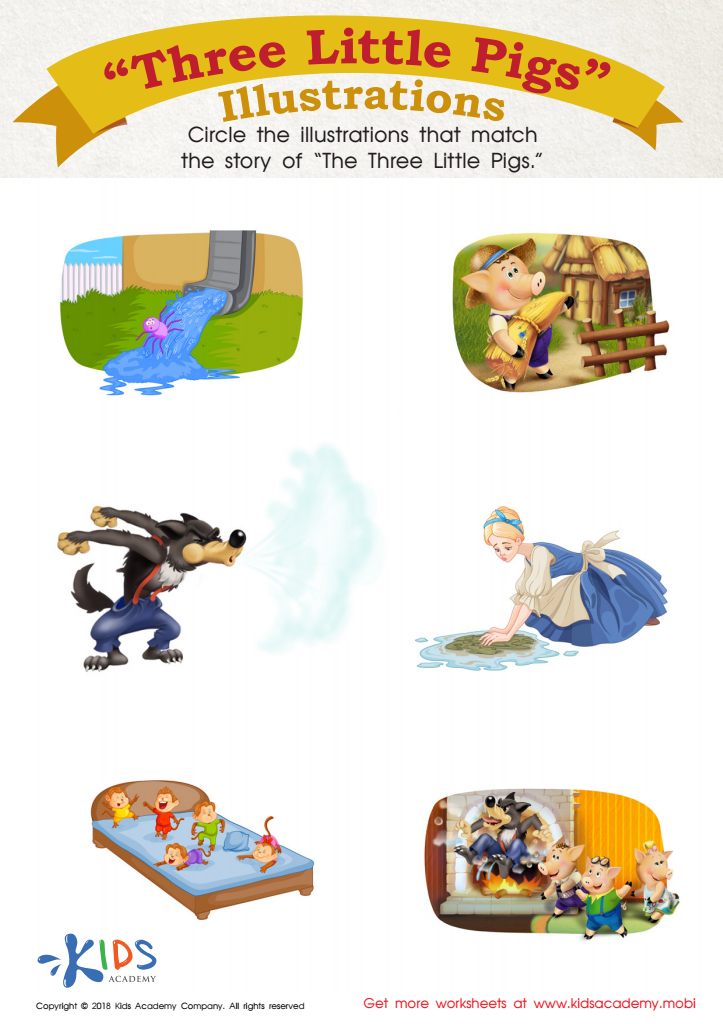
Three Little Pigs: Illustrations Worksheet
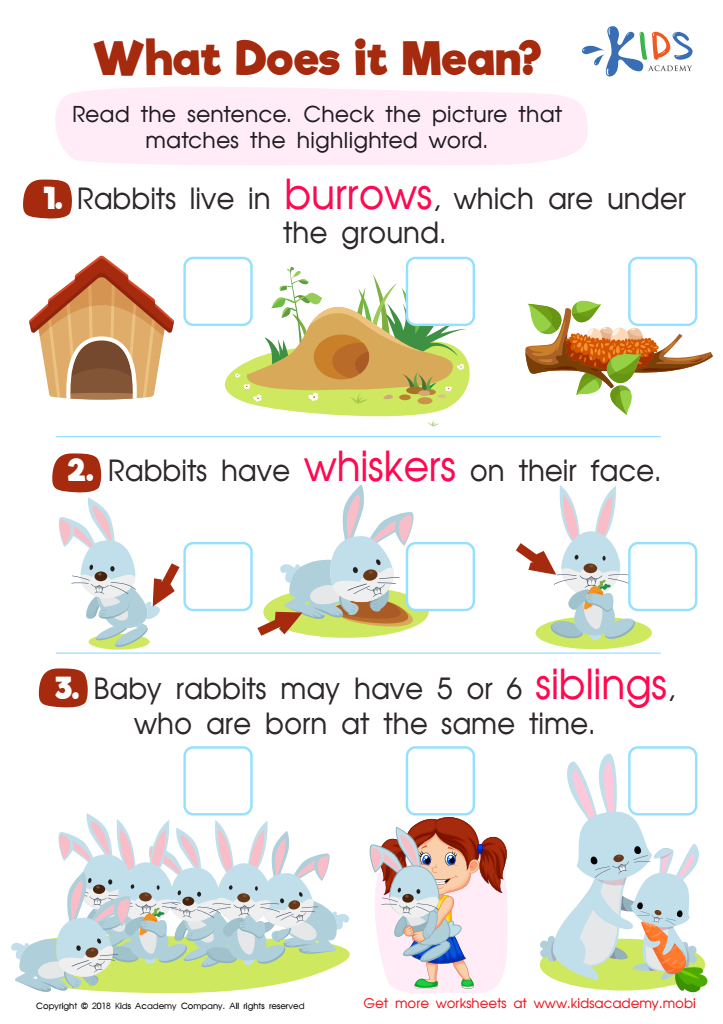
What Does It Mean? Worksheet
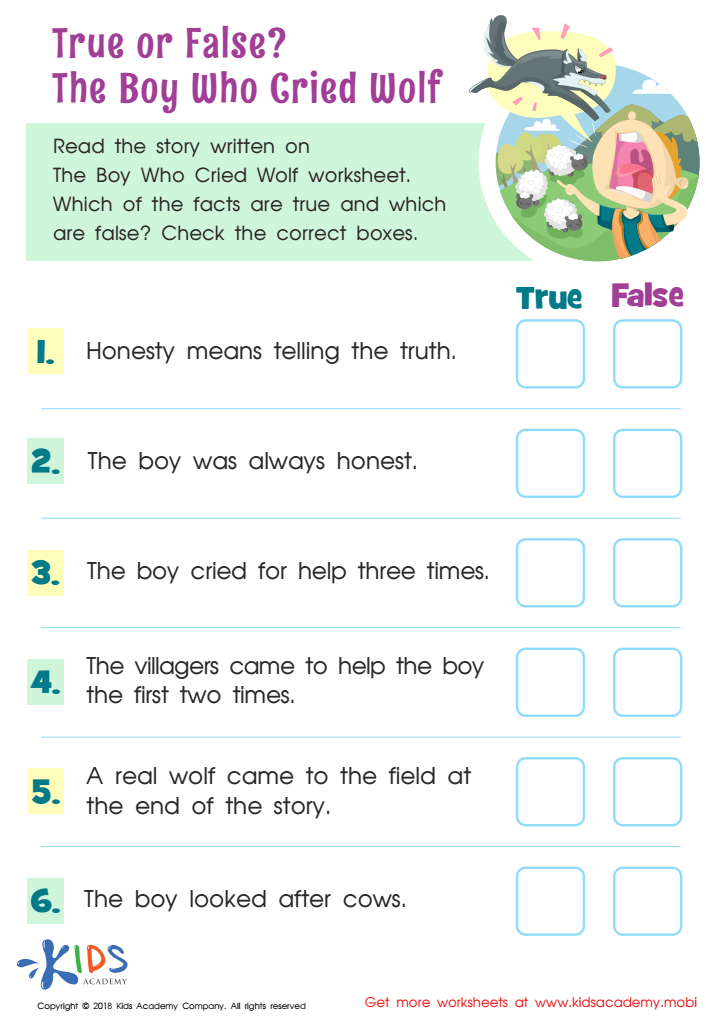
True or False? The Boy Who Cried Wolf Worksheet
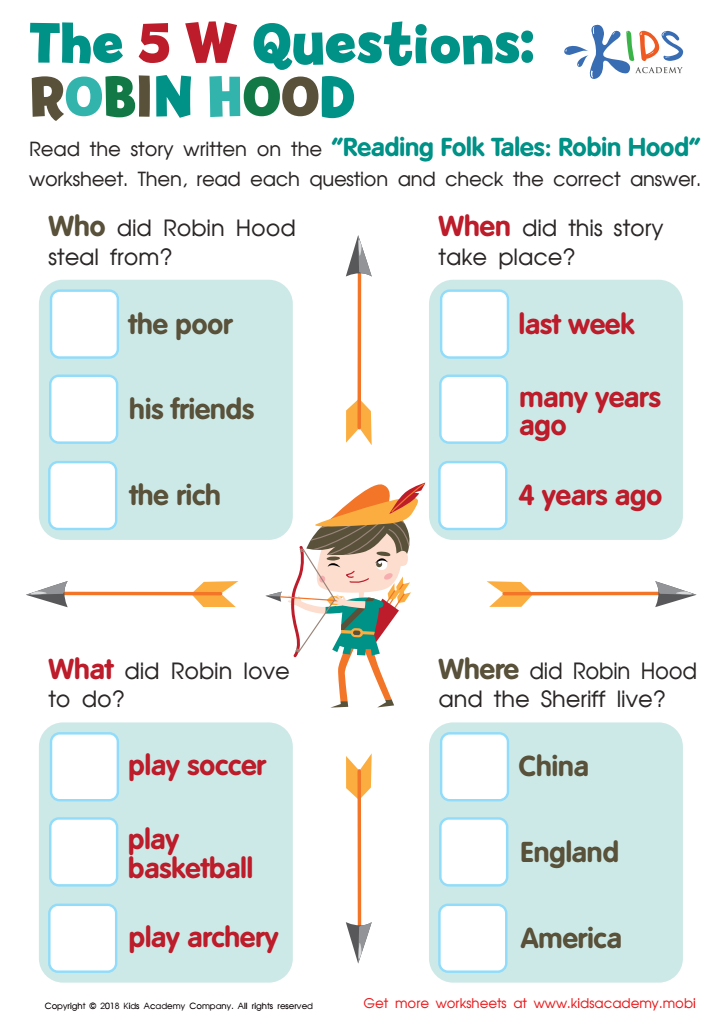
The 5 W Questions: Robin Hood Worksheet
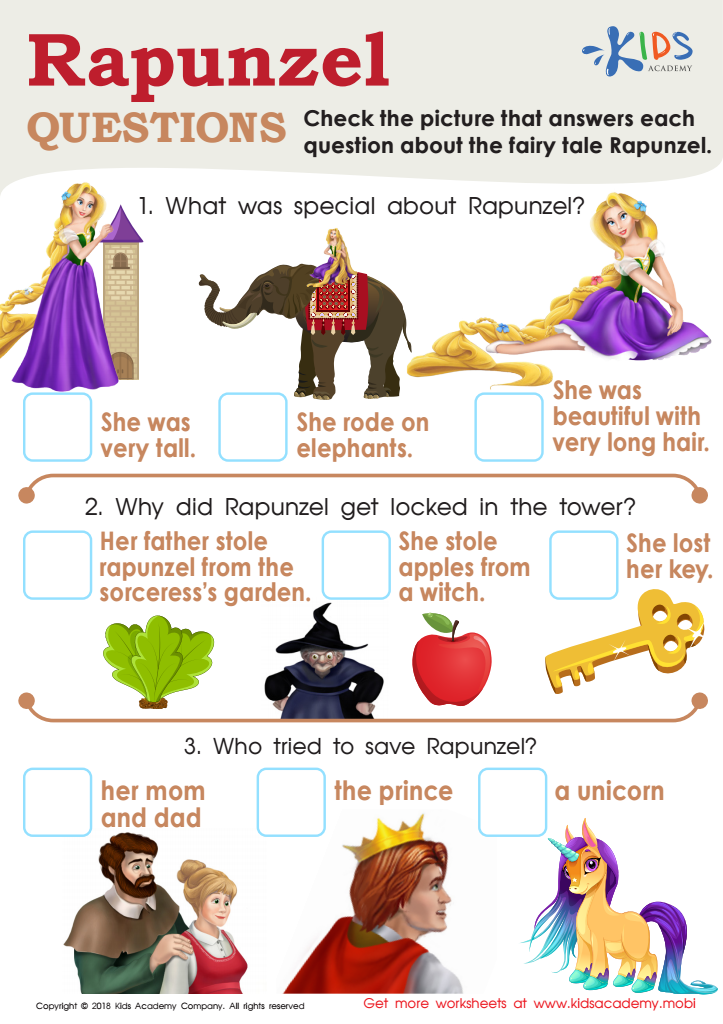
Rapunzel Questions Worksheet
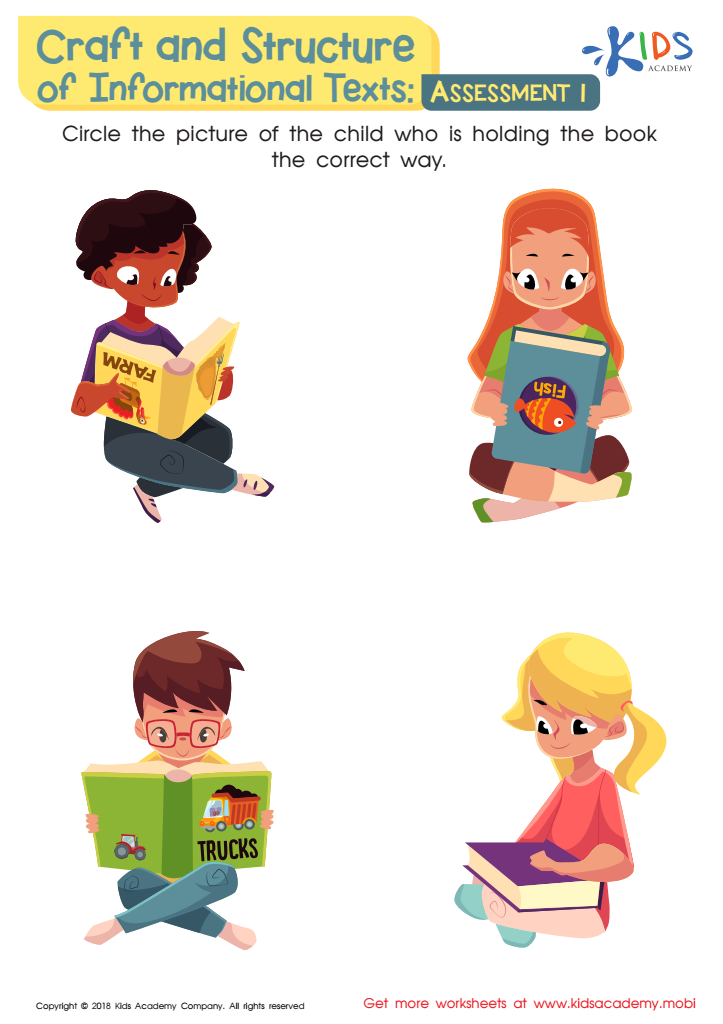
Craft and Structure of Informational Texts: Assessment 1 Worksheet
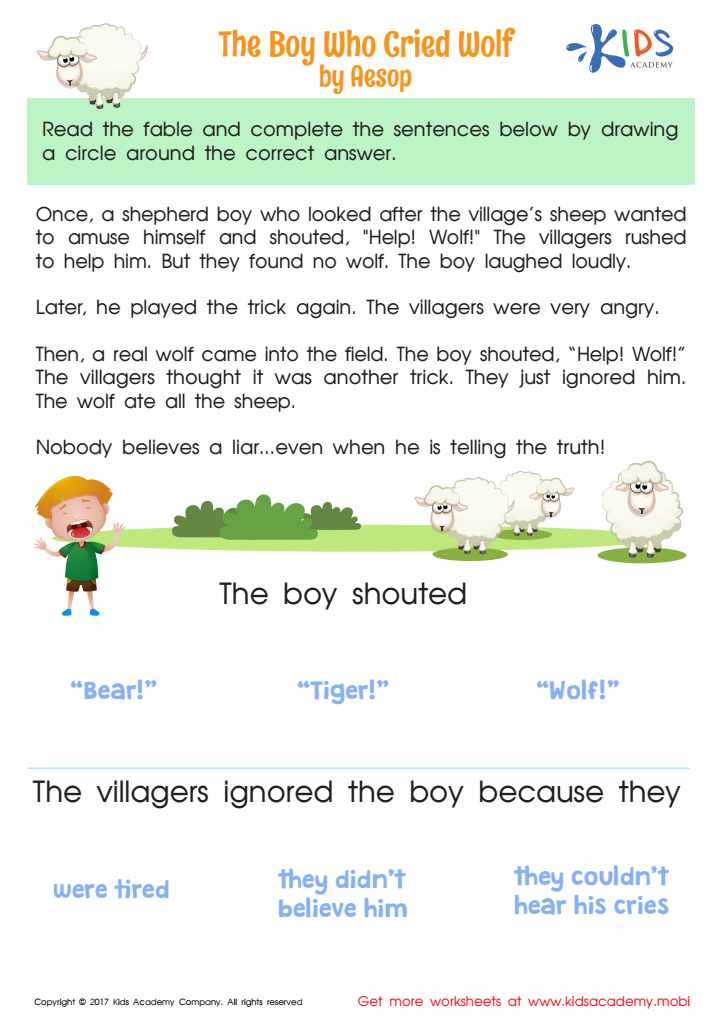
The Boy Who Cried Wolf Worksheet
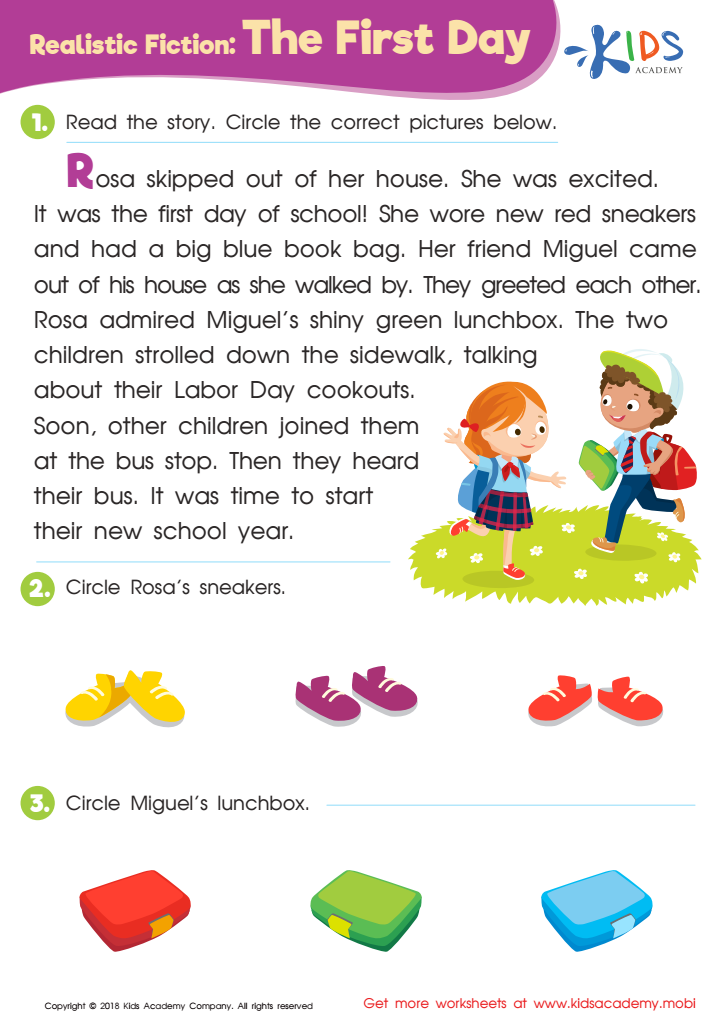
Realistic Fiction: The First Day Worksheet
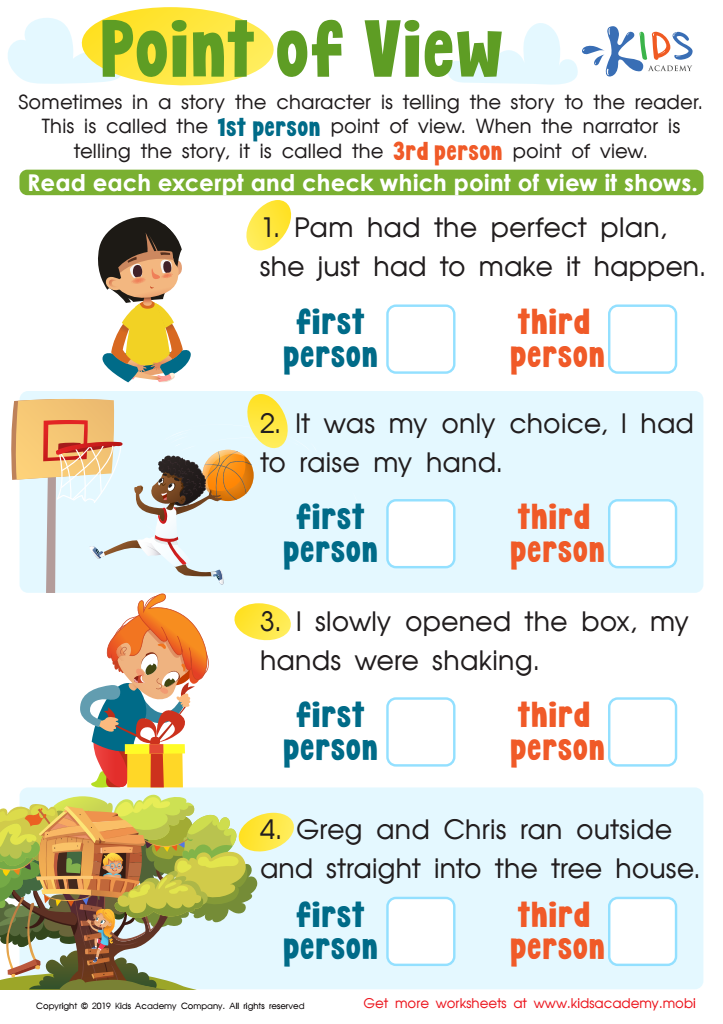
Point of View Printable
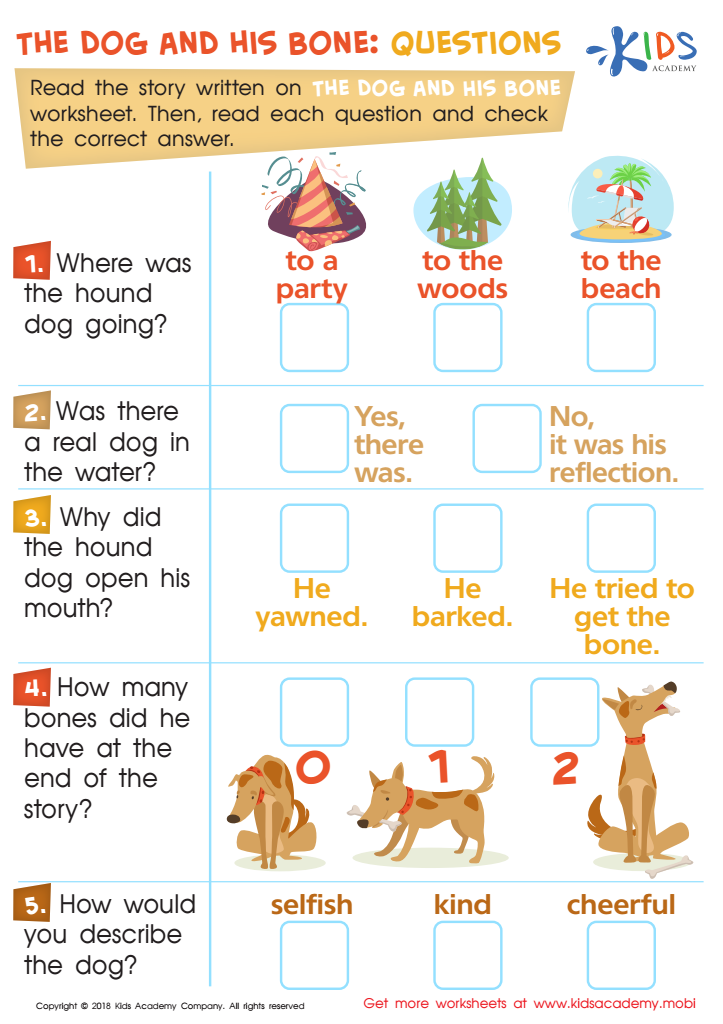
The Dog and His Bone: Questions Worksheet
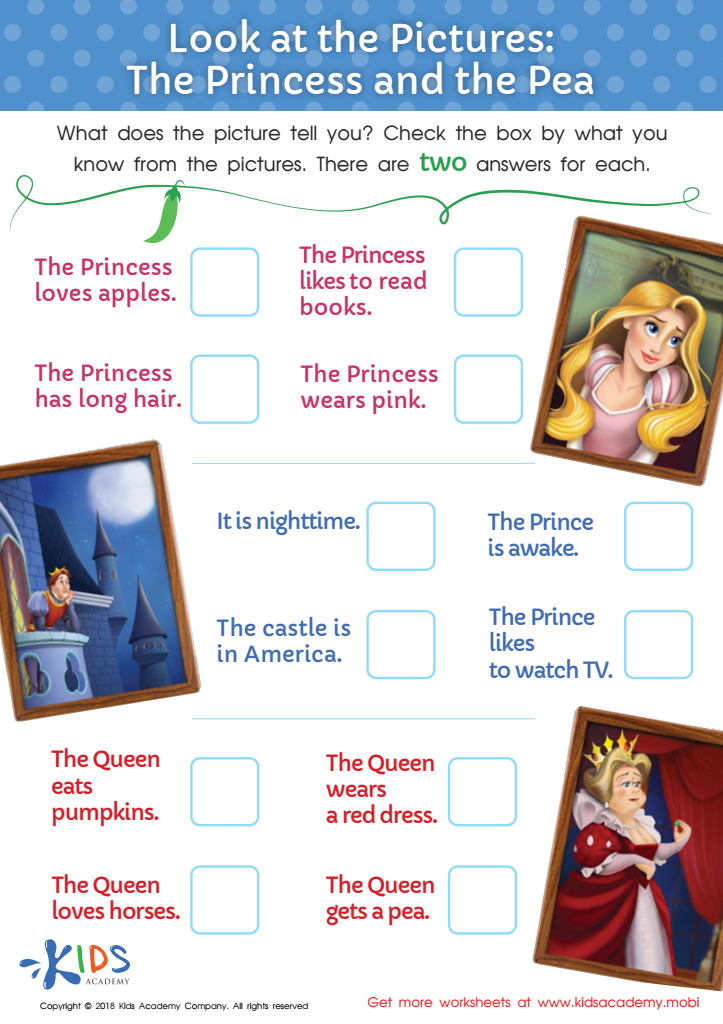
Look at the Pictures: The Princess and the Pea Worksheet
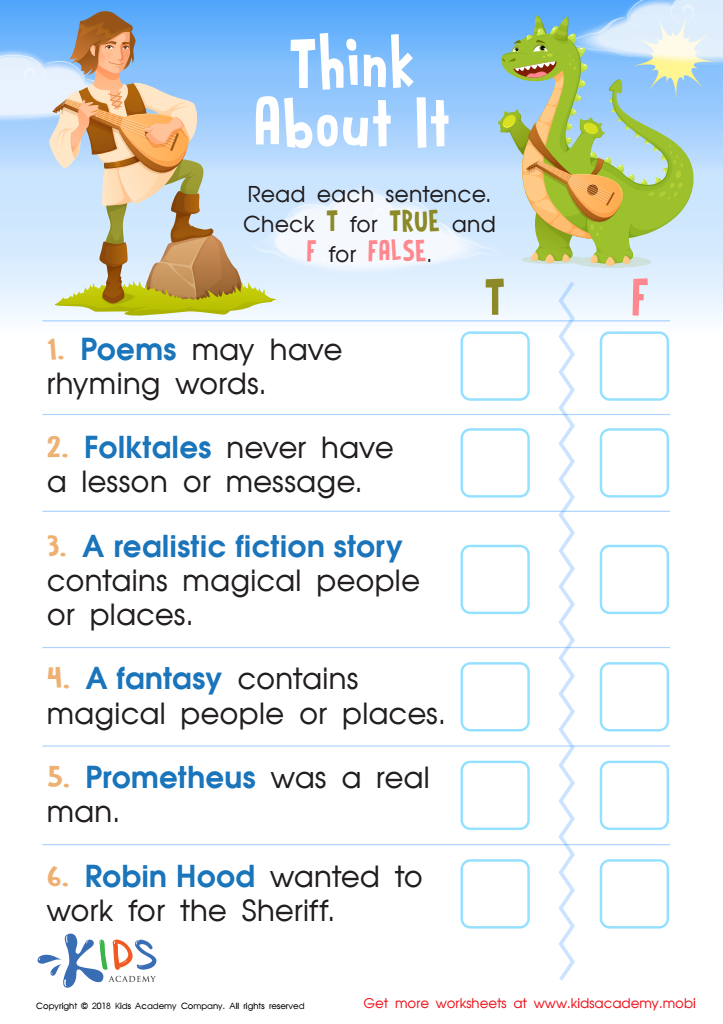
Think About It: Assessment Worksheet
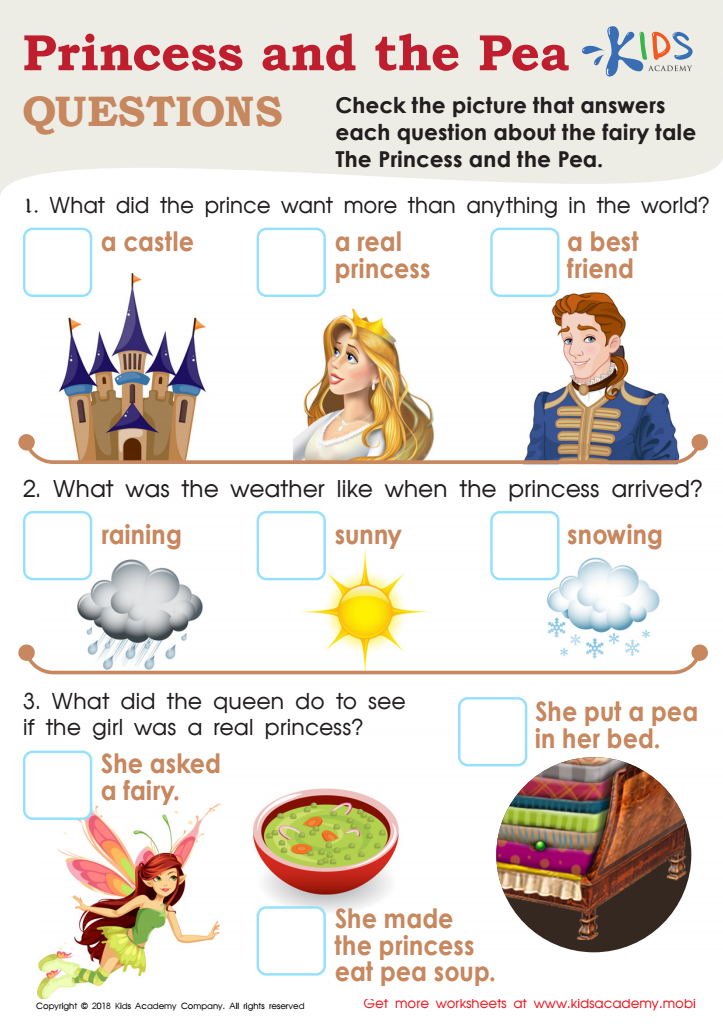
Princess and the Pea Questions Worksheet




.jpg)


Critical thinking reading fiction offers numerous benefits for both children and their educators, making it a vital focus for parents and teachers. Engaging with fictional texts encourages young readers to analyze characters, plot developments, and underlying themes, fostering their ability to assess information critically. As students navigate complex narratives, they learn to identify biases and motivations, skills transferable to real-life situations and non-fiction sources.
Fiction also promotes empathy, allowing readers to step into diverse characters' perspectives and experiences. This emotional engagement cultivates social awareness, enhancing interpersonal skills and emotional intelligence. When children learn to empathize with others, they become more compassionate individuals—traits imperative in collaborative environments.
From a teaching perspective, nurturing critical reading skills through fiction empowers educators to guide discussions that challenge students' thinking. Questions about character choices or moral dilemmas encourage deep reflection and dialogue, instilling a lifelong love for reading.
Furthermore, these critical thinking skills align with the demands of the modern world, where the ability to evaluate information and think independently is essential. By prioritizing critical thinking in fiction, parents and teachers equip children with the tools to become thoughtful, informed, and empathetic members of society.








