Comparative analysis Science Worksheets
3 filtered results
-
From - To
Discover our engaging comparative analysis science worksheets, perfect for sparking curiosity and enhancing critical thinking in young learners. At Kids Academy, we offer a collection of printable worksheets designed to help children understand, compare, and analyze various scientific phenomena. These resources make learning interactive and fun, covering essential topics and skills that align with educational standards. Ideal for early grade students, our worksheets encourage hands-on exploration and in-depth understanding of the natural world. Boost your child's science knowledge and analytical skills with our expertly crafted worksheets, making science both accessible and enjoyable. Explore the collection now!
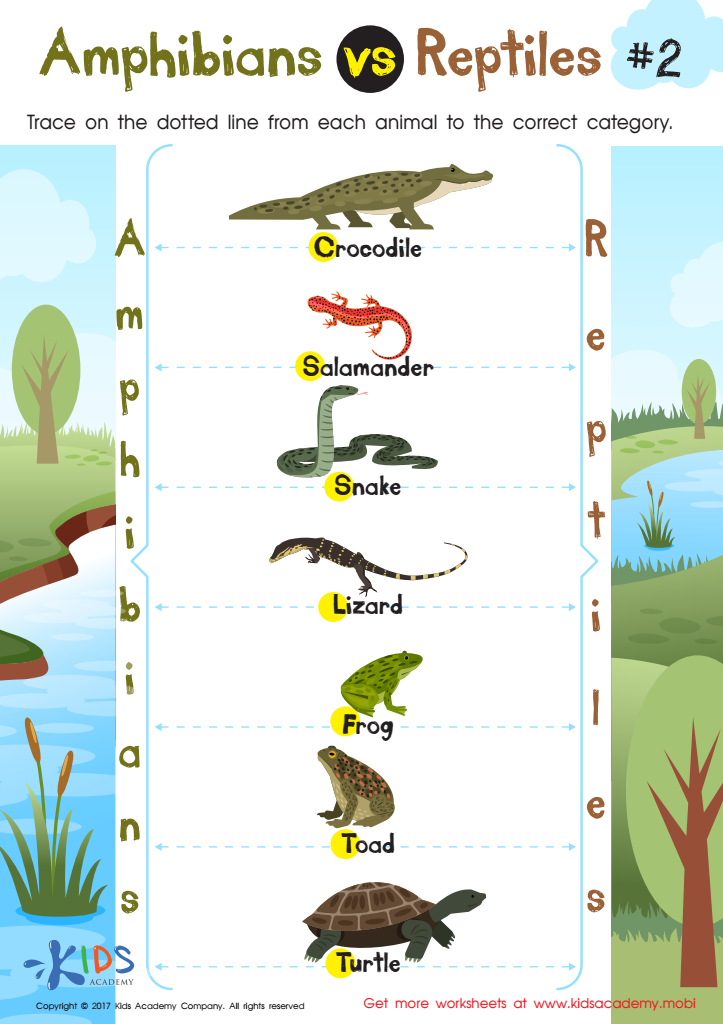
Amphibians vs Reptiles Worksheet for 3rd Grade
 Assign to My Students
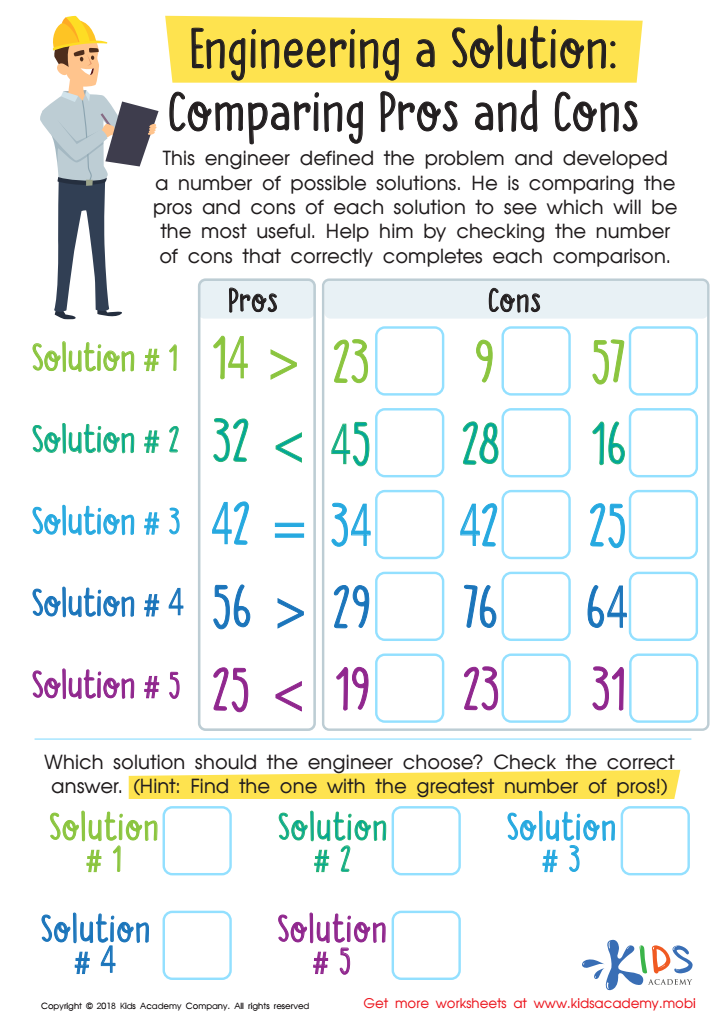
Engineering a Solution: Comparing Pros and Cons Worksheet
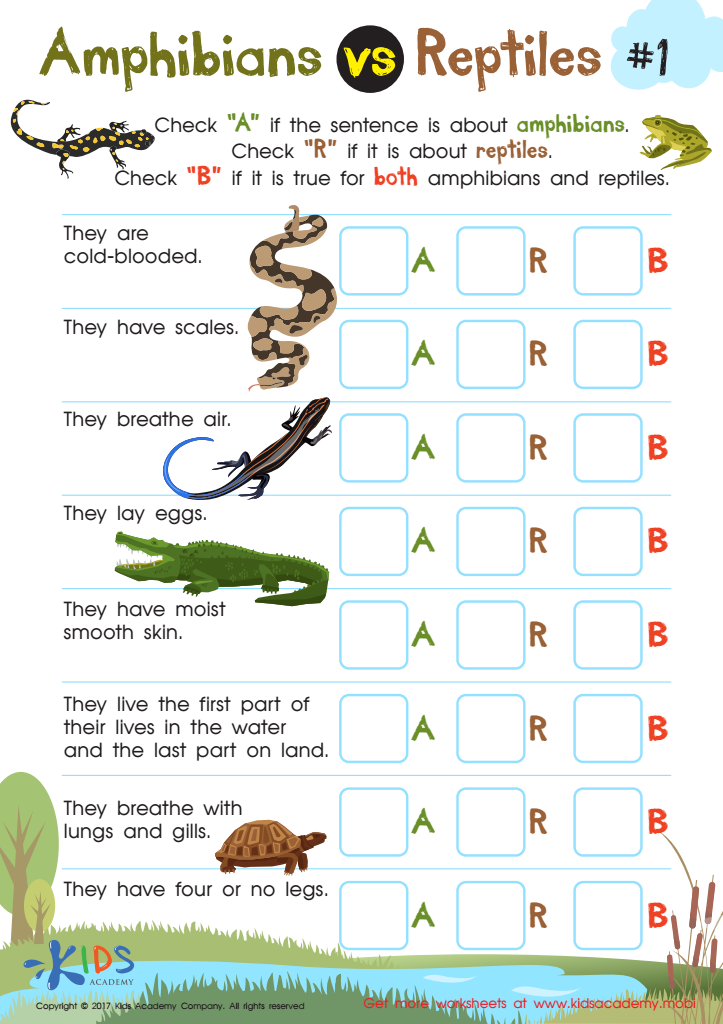
Amphibians vs Reptiles Worksheet








Comparative analysis in science fosters critical thinking and comprehension, making it crucial for both parents and teachers to emphasize its importance. Parents seeing their children grow intellectually and teachers aiming for effective education will both find value in this approach.
It equips students with skills to identify similarities and differences across various phenomena, which promotes a deeper understanding and reinforces foundational knowledge. By contrasting different scientific concepts or processes, it becomes easier for young learners to grasp abstract ideas, essentially translating complex theories into more accessible knowledge.
Moreover, this method is not confined to the boundaries of science alone; it hones analytical skills applicable across all subjects and everyday life, fostering a naturally inquisitive mindset. When students learn to ask "How is this different?" or "In what ways are these similar?”, they develop a habit of inquiry that leads to better problem-solving abilities.
For parents, engaging with their children through comparative discussions can enhance bonding and play a part in the child’s academic development. Teachers, on the other hand, can employ comparative analysis to create a more interactive and stimulating classroom environment. This approach ensures students are not merely memorizing facts but are understanding and applying knowledge, ultimately contributing to more well-rounded and critical thinkers.







