Critical Thinking Science Worksheets - Page 2
26 filtered results
-
From - To
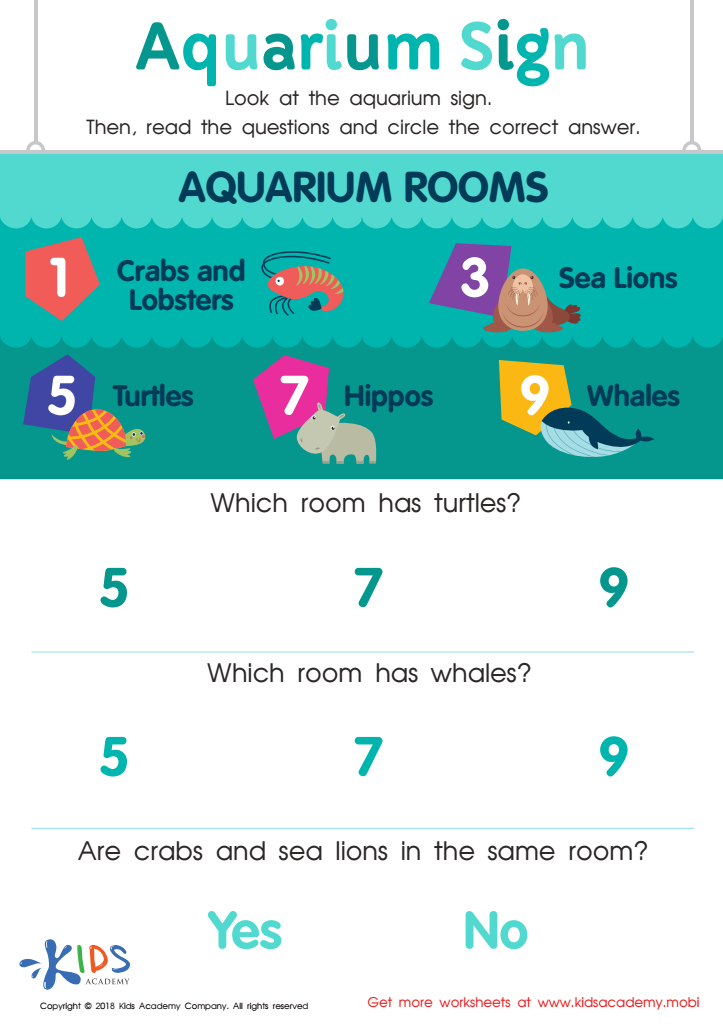
Assessment: Aquarium Sign Worksheet
 Assign to My Students
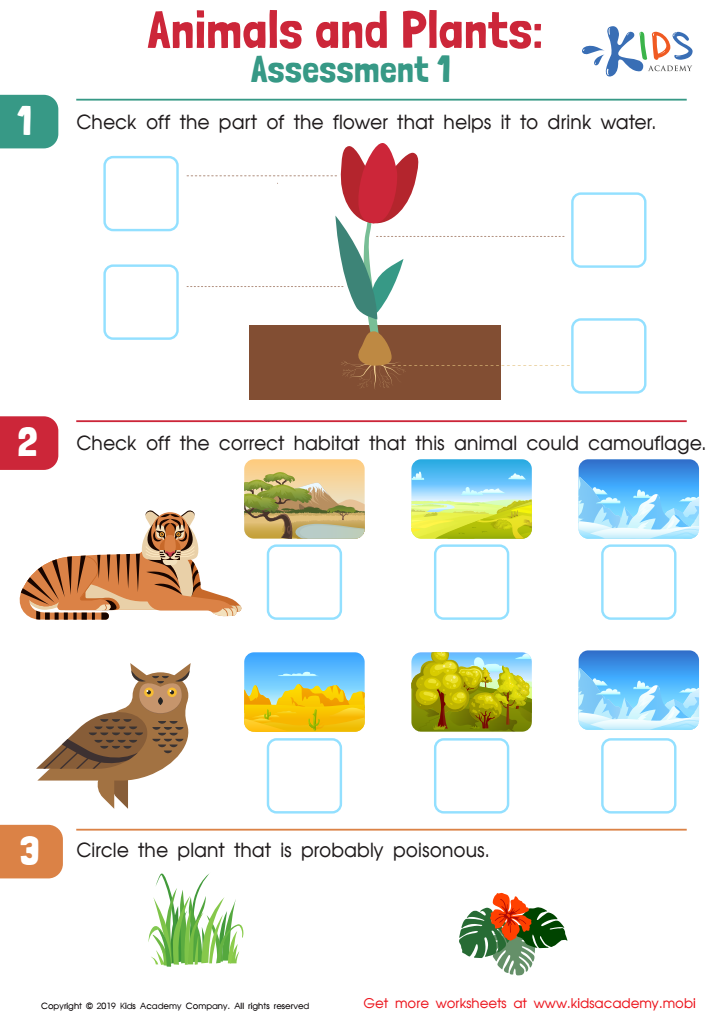
Animals and Plants: Assessment 1 Worksheet








Parents and teachers should prioritize Critical Thinking Science because it equips children with essential cognitive skills necessary for navigating today's complex world. This approach encourages students to analyze, evaluate, and synthesize information, enabling them to question assumptions and solve problems systematically. In an age overwhelmed by information and misinformation, the ability to think critically is paramount; it helps students discern credible sources, make informed decisions, and reason logically.
Moreover, Critical Thinking Science fosters curiosity and a love for learning, as students become active participants in their education. They learn to ask "why" and "how," leading to a deeper understanding of scientific concepts and the natural world. This engagement promotes enthusiasm for science, setting a foundation for future academic pursuits and STEM careers.
Incorporating critical thinking into science education also enhances collaboration and communication skills, as students often work in teams, discussing ideas and sharing insights. As they develop these skills, they cultivate resilience and adaptability—qualities vital for success in the 21st century. Ultimately, nurturing critical thinking in science empowers young minds to become thoughtful, innovative, and responsible citizens, prepared to face global challenges with confidence and creativity.







